Walter Pichler
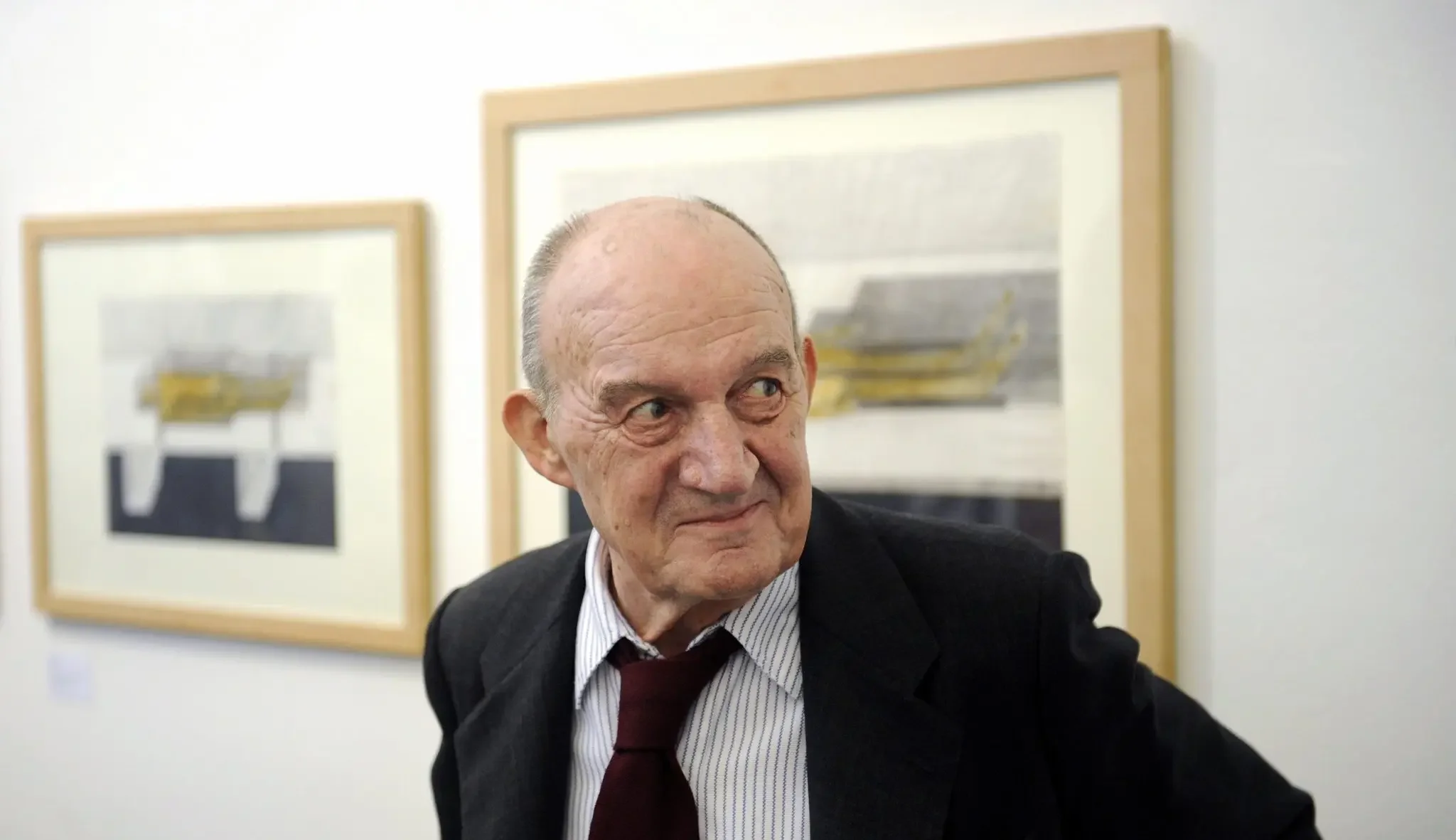
Pichler
I’d largely forgotten about Pichler until I watched this artist talk by Matthew Ronay where he spends much of it tracing the artists who influenced his practice including Pichler.
What draws me to Pichler is how insistently he worked on his own terms while being more adjacent to the usual artistic canon than anchored to it. I’m embedding the video here starting at the moment Ronay begins discussing Pichler, so you can hear Ronay’s account directly; he does a solid job describing Pichler’s process and what makes it distinct.
I love that Pichler spent his life creating artwork that represented something spiritual. That for each art piece Pichler would build a shrine specifically architected for the work in question.
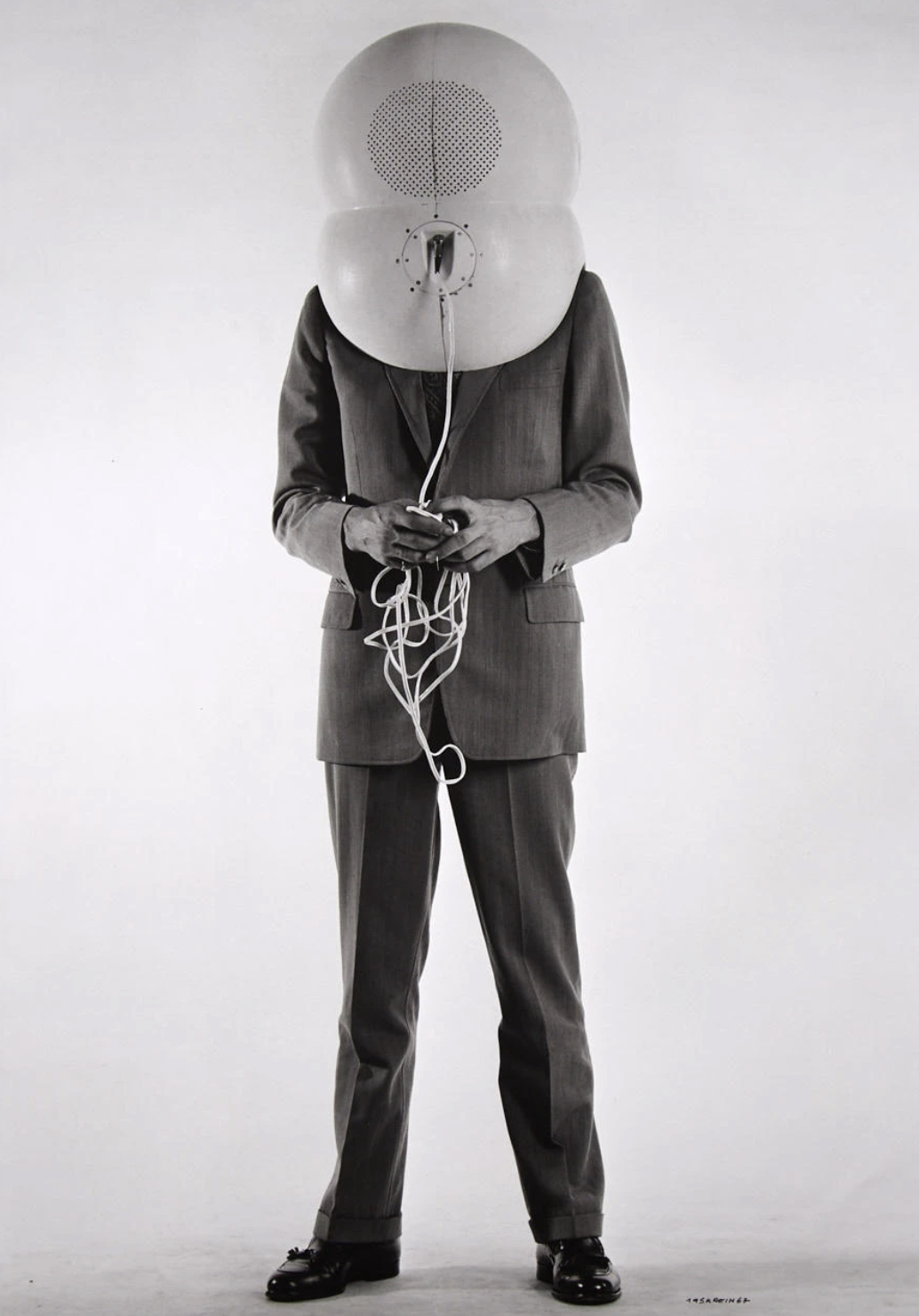
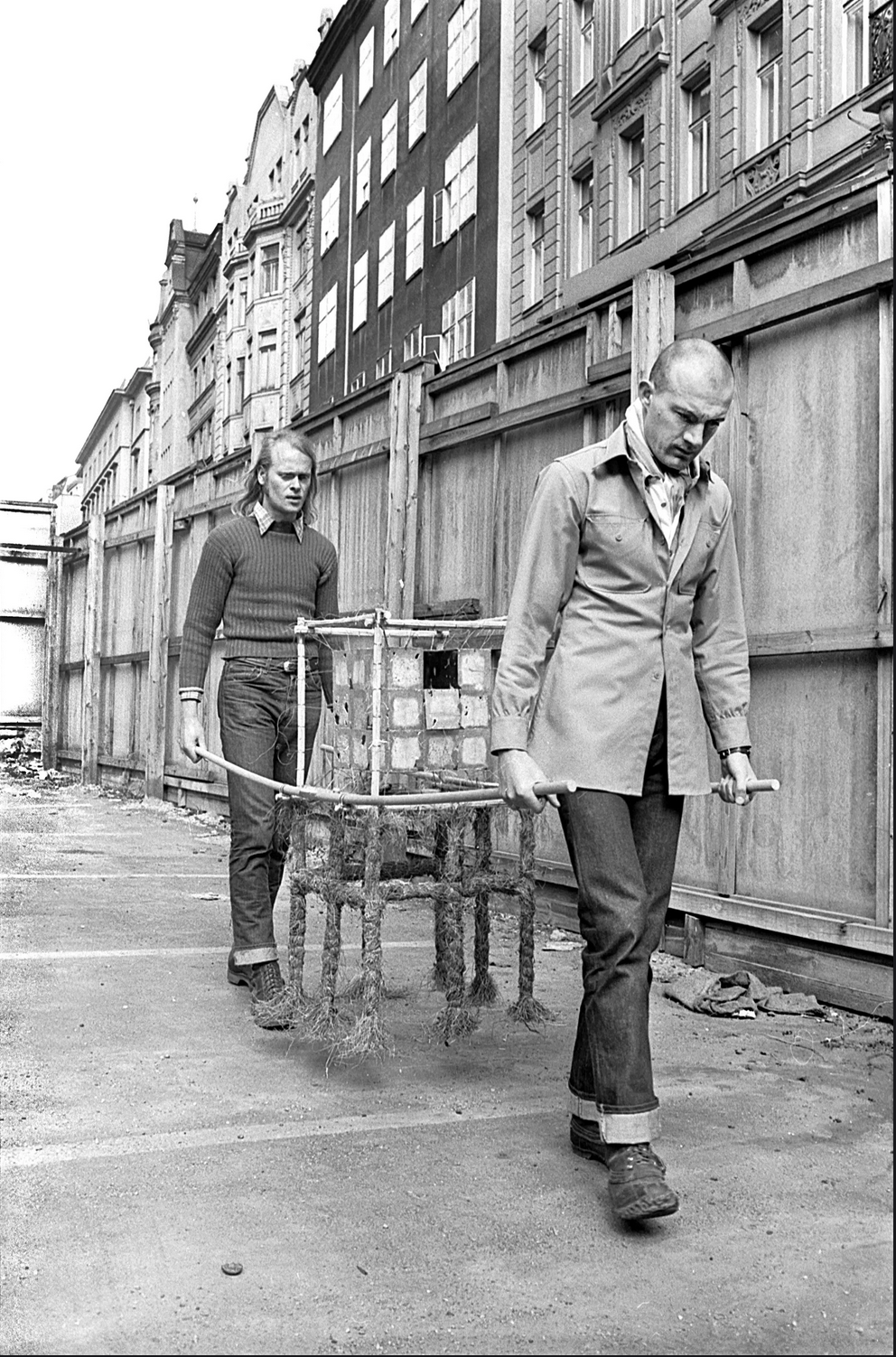
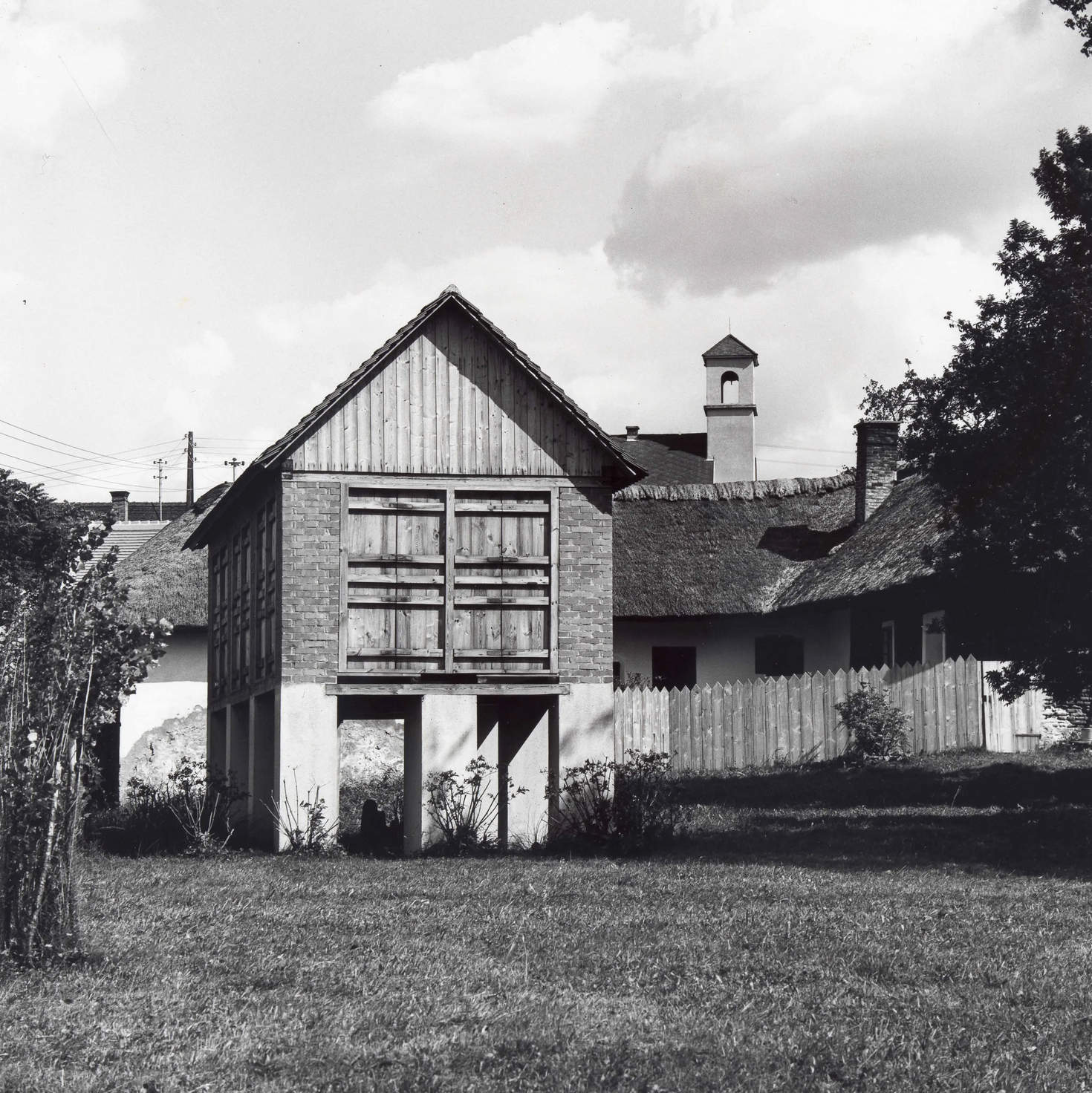
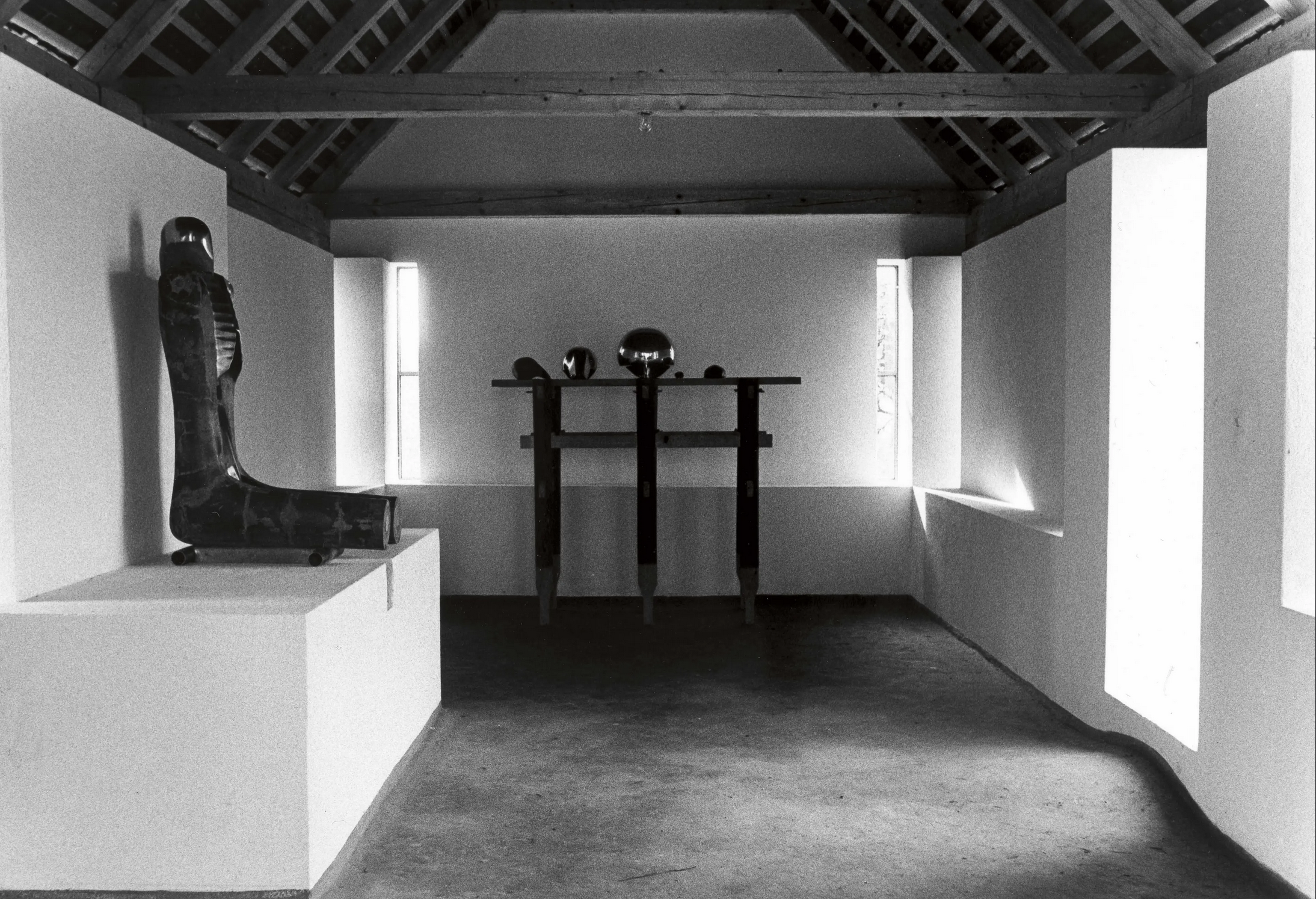
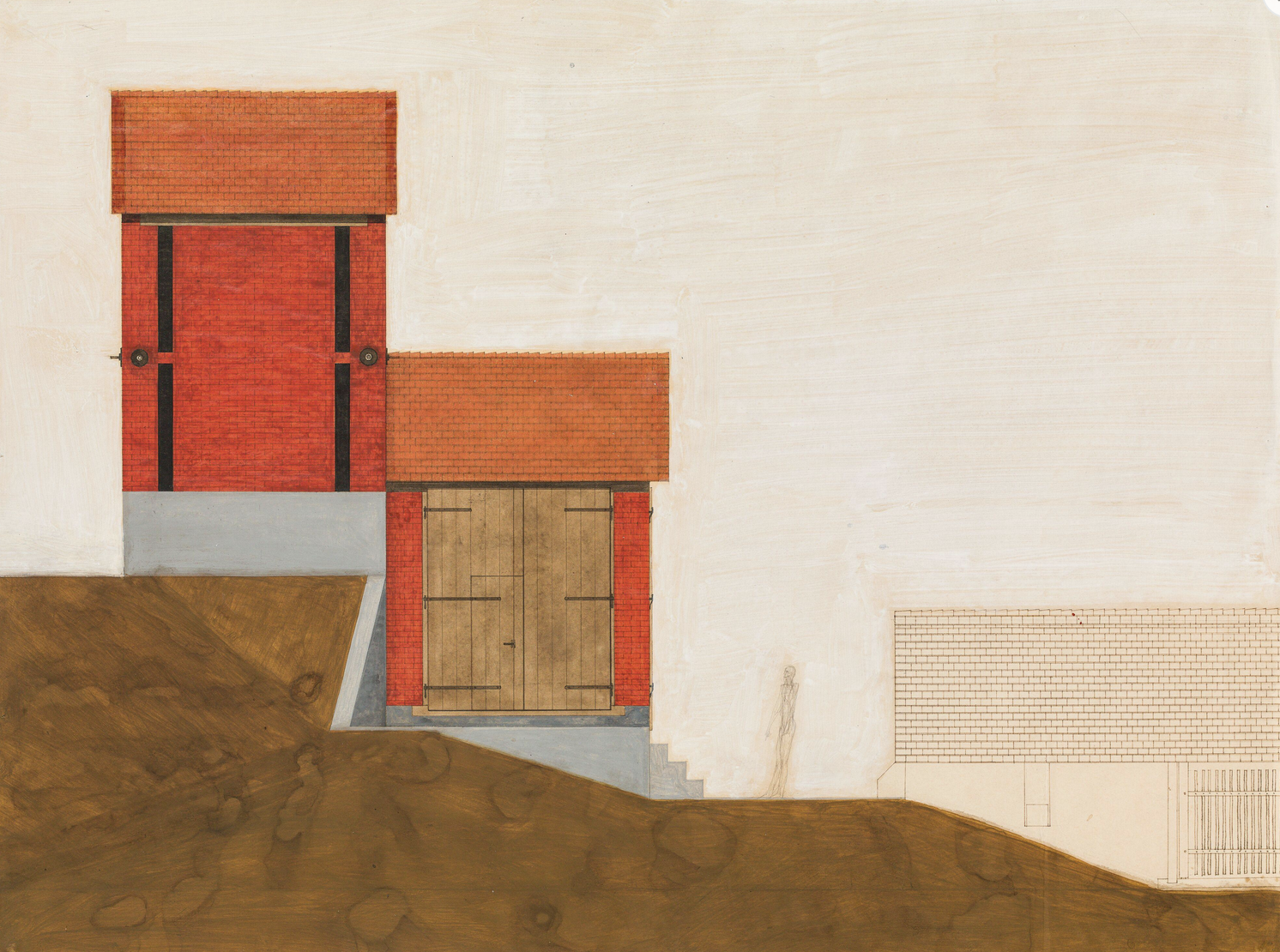
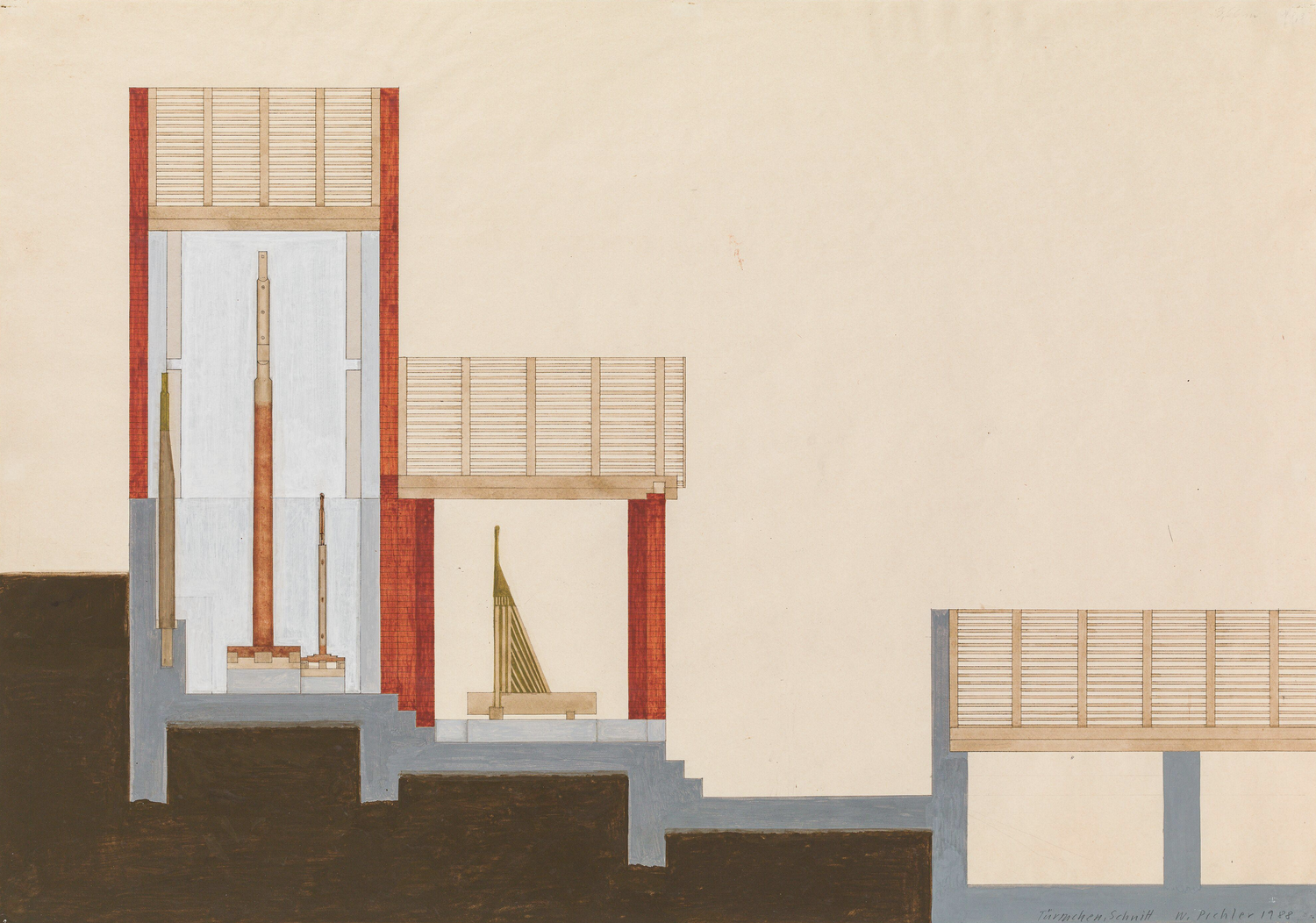
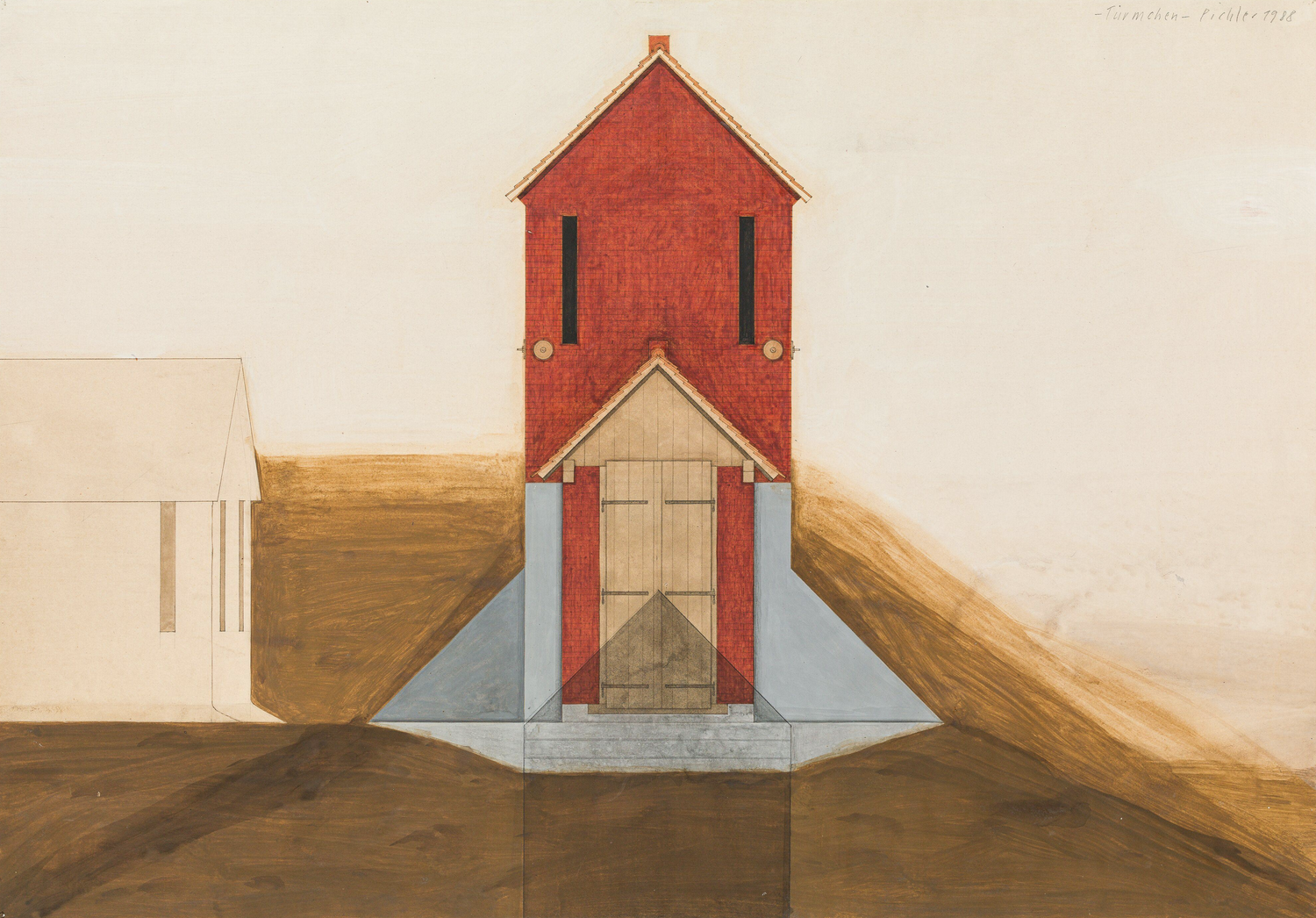
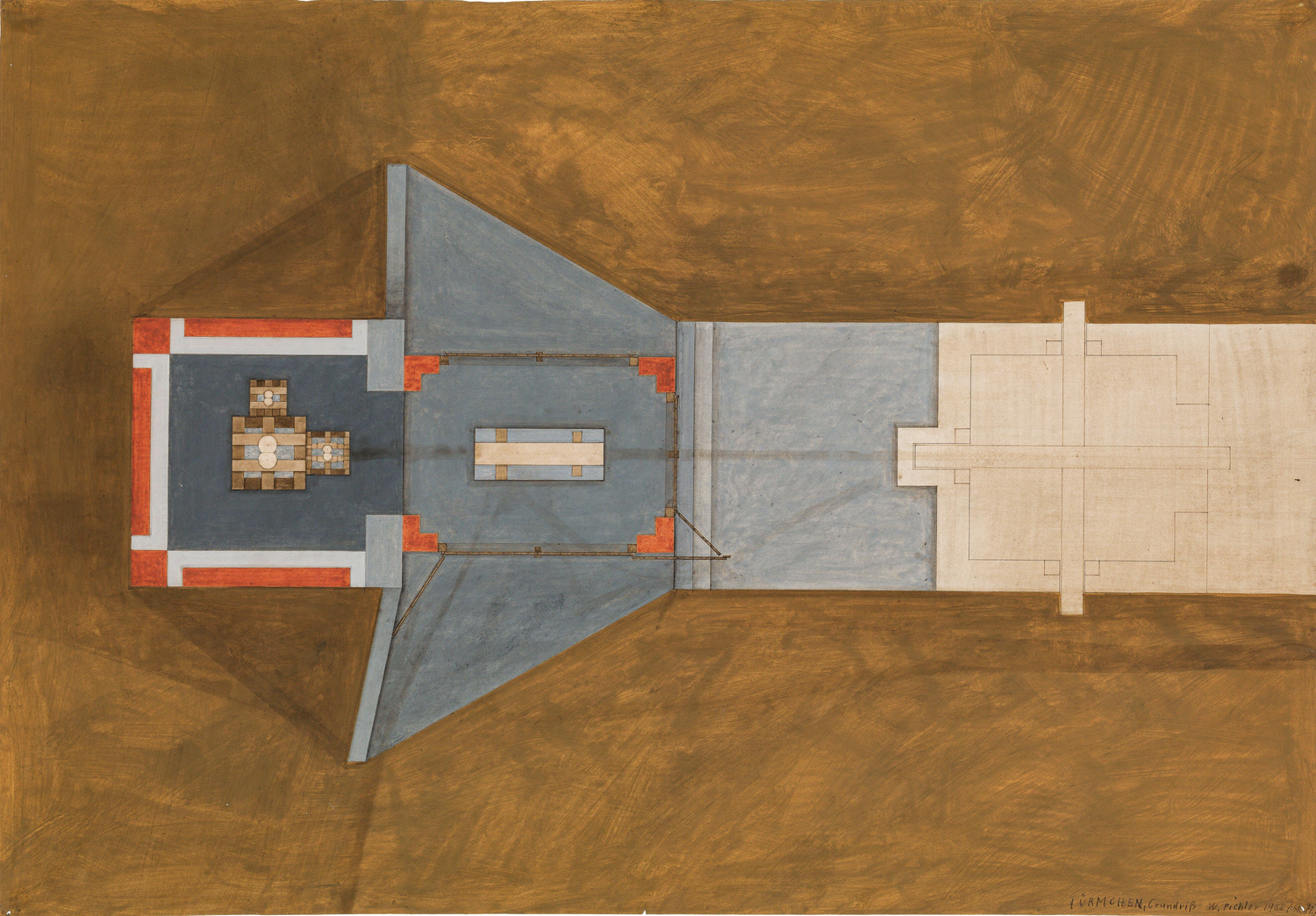
In the early 70s, Pichler was at the top of his game internationally when he bought a farm in Austria. He found a ‘christ like’ gauze wrapped figure on the property and decided to build a shrine to contain it. Pichler ended up converting a barn to house the figure and then started to rework his entire property into a series of shrines and other buildings to contain shrine like objects he would create. None of this work was intended for commercial purposes.
I’m having a hard time finding images of his work online. I think that the video Felix Muhrhofer below has on Instagram does a good job of representing Pichler.
I expect it takes a lot of money to live like this. There are other artists like Anselm Kiefer who are building large compounds to house their art. I think as we shift from our current economy to whatever the singularity brings, if there are still humans, a lot of people who want to exist in the world will live life like this.