
Richard Diebenkorn
Diebenkorn is one of my heros. I first saw a print of the painting… when I was in highschool hanging on the wall of a friends house and immediately was fixated on it. I couldn’t stop looking at it. My worldview shifted a bit. Diebenkorn had given me a new way of looking at the landscape.
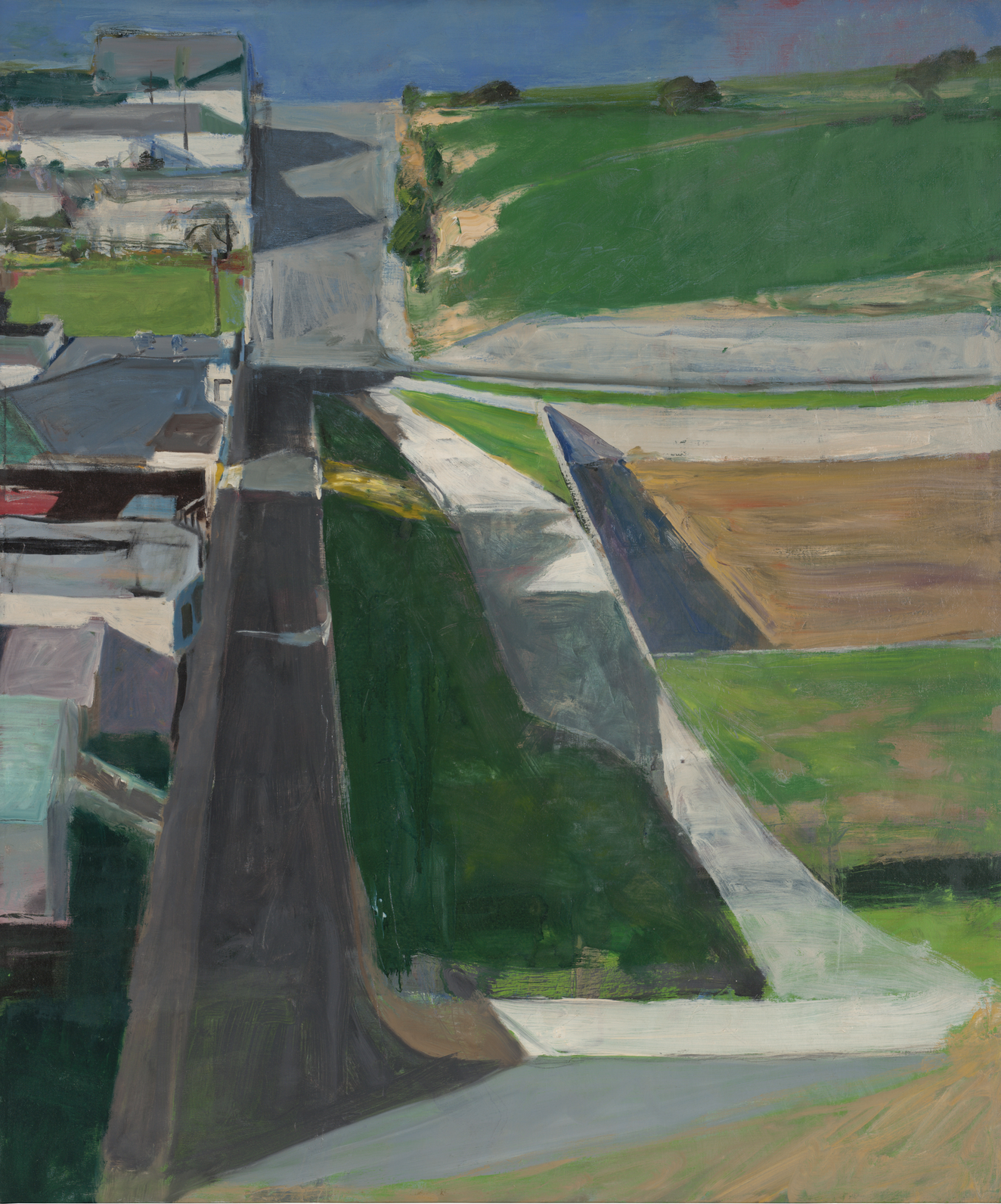
Cityscape
1963
Even today, I’m going out into the hills of Portland and when I’m looking for a spot to paint, I have Diebenkorn in my head. I am looking for a composition that I can duel with Diebenkorn on.
So when I think of Diebenkorn, I think of four periods of his life that his paintings fall broadly into.
Finding Himself: Initial foray into Abstract Expressionism
Figurative Painting: Radical new way of looking at the world
Figure Drawing: Figure studies with friends
Ocean Park Paintings: Celebrated later years where he was working with large swaths of color
Finding Himself:
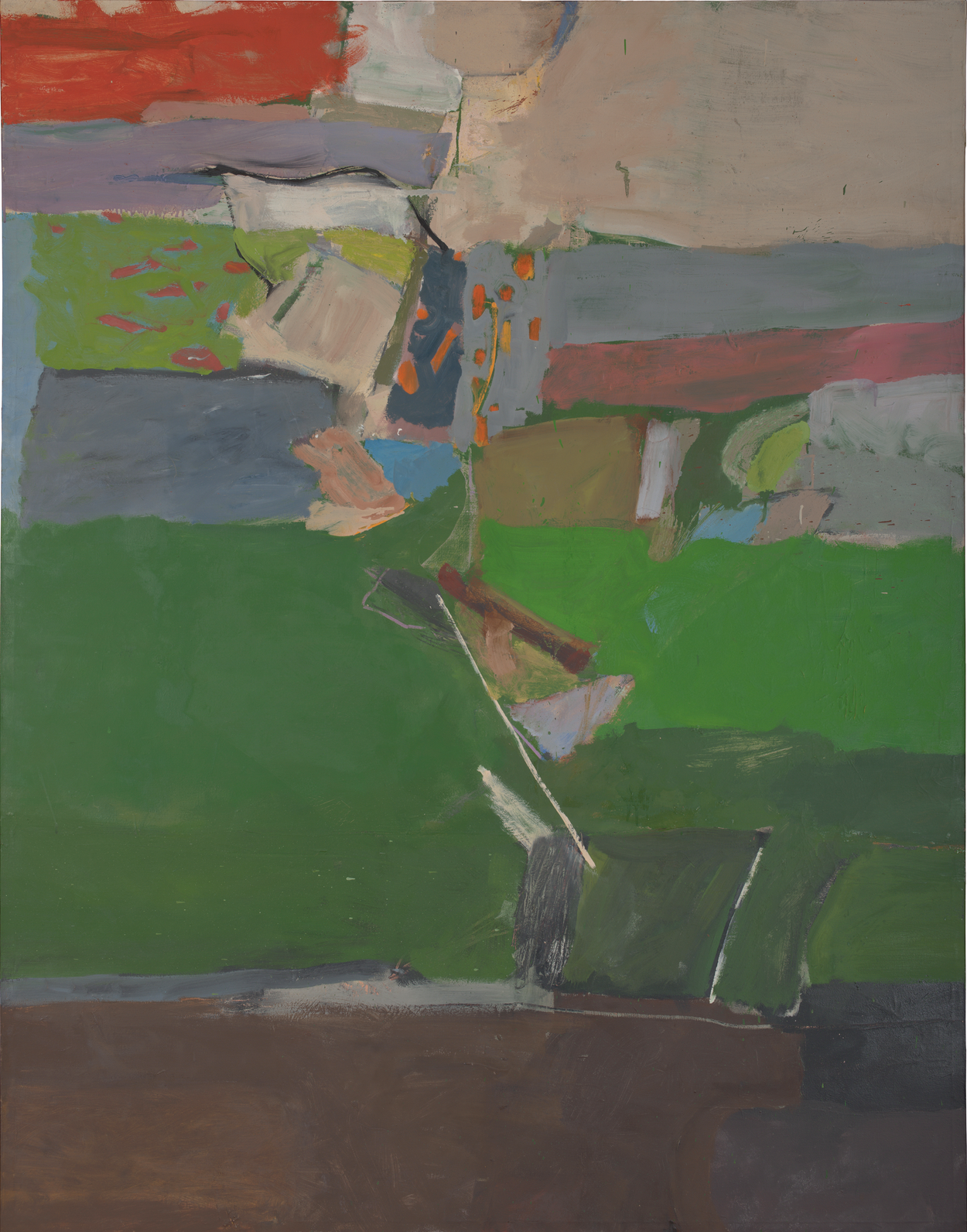
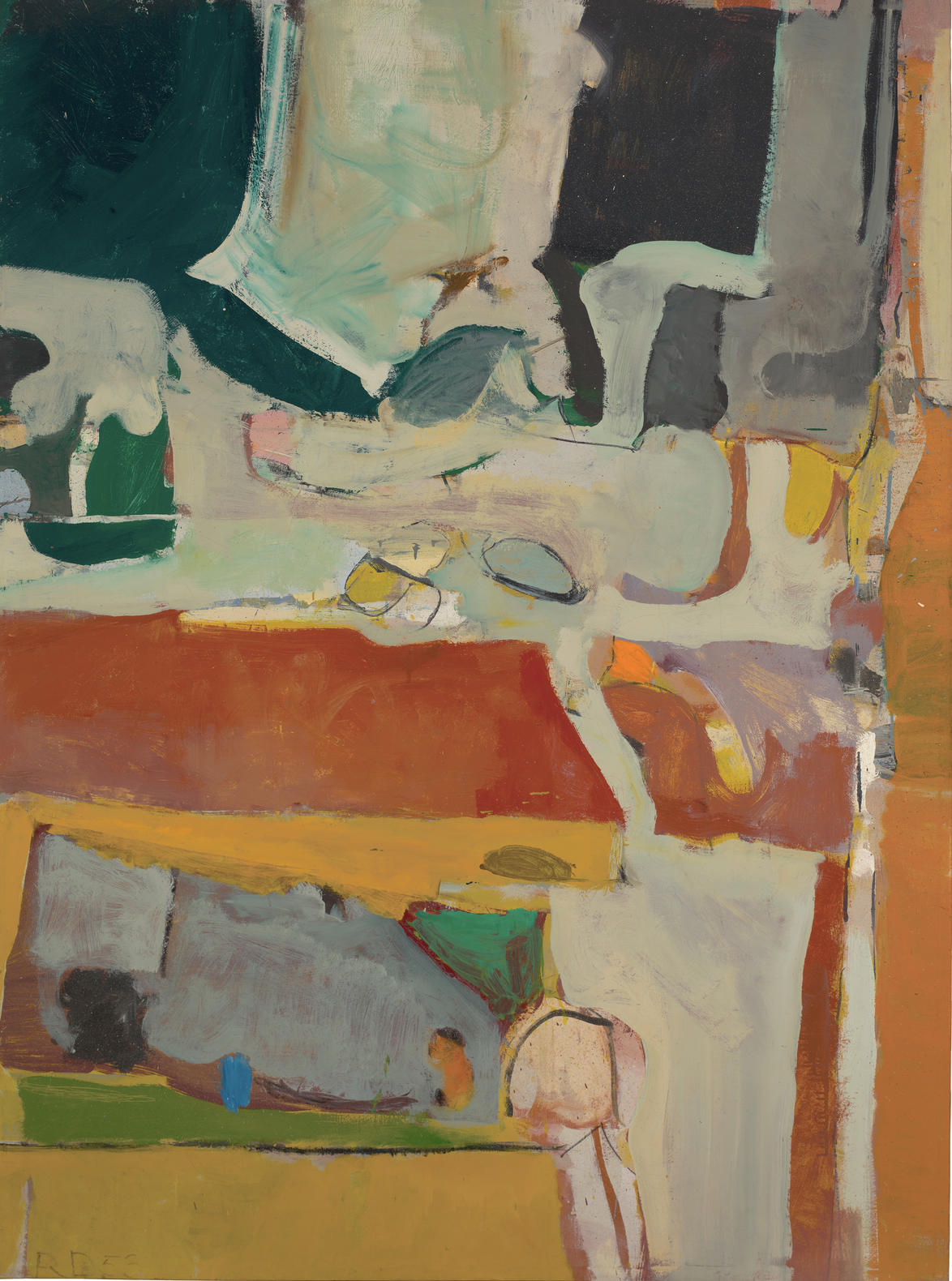
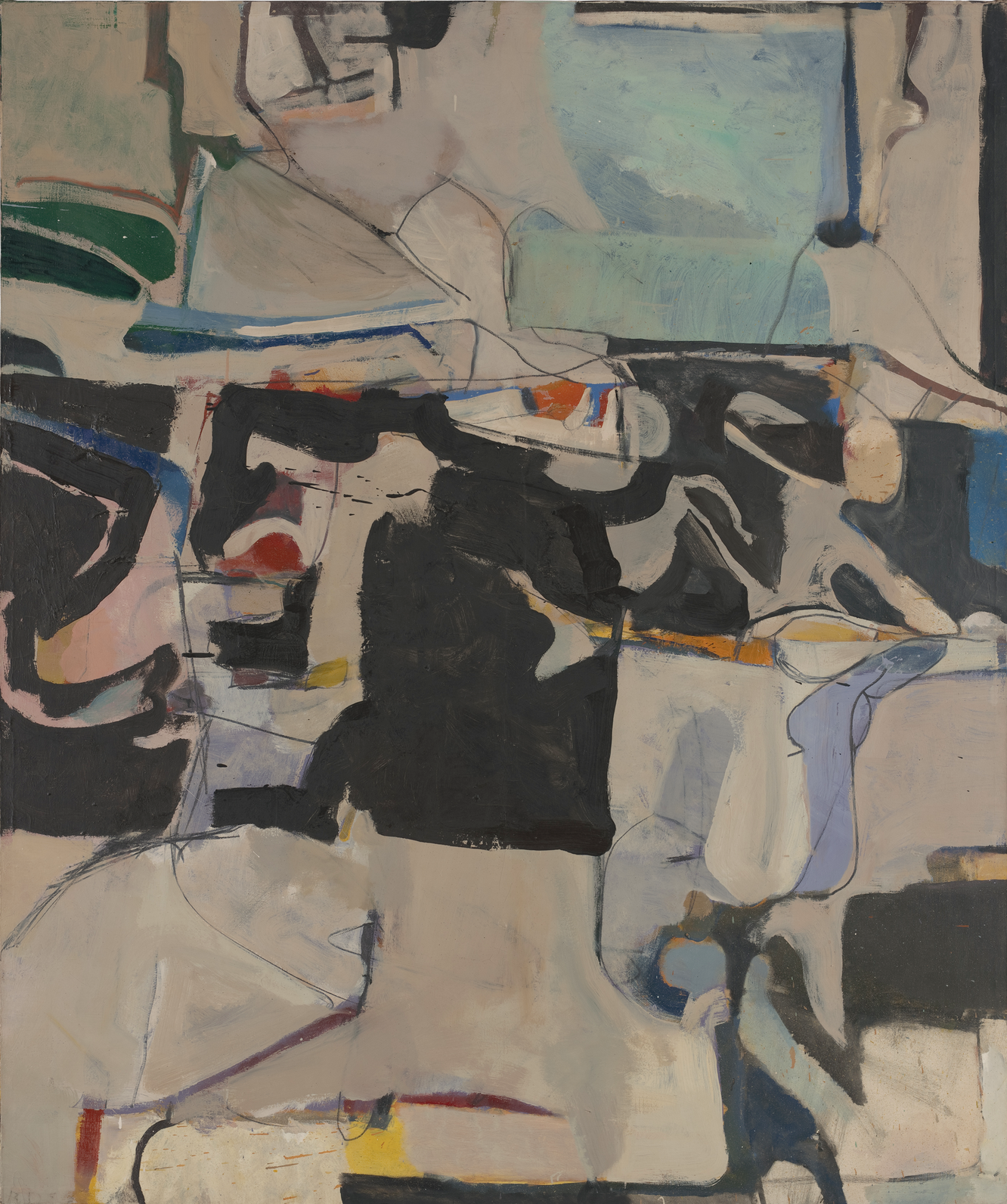
I don’t like these works very much. These are Diebenkorn reacting to the Greenburg standards laid down. They look like so many other artists of the time. My understanding is that these works were highly praised during this time period and Diebenkorns move to figurative work was scandalous.
Figurative Paintings:
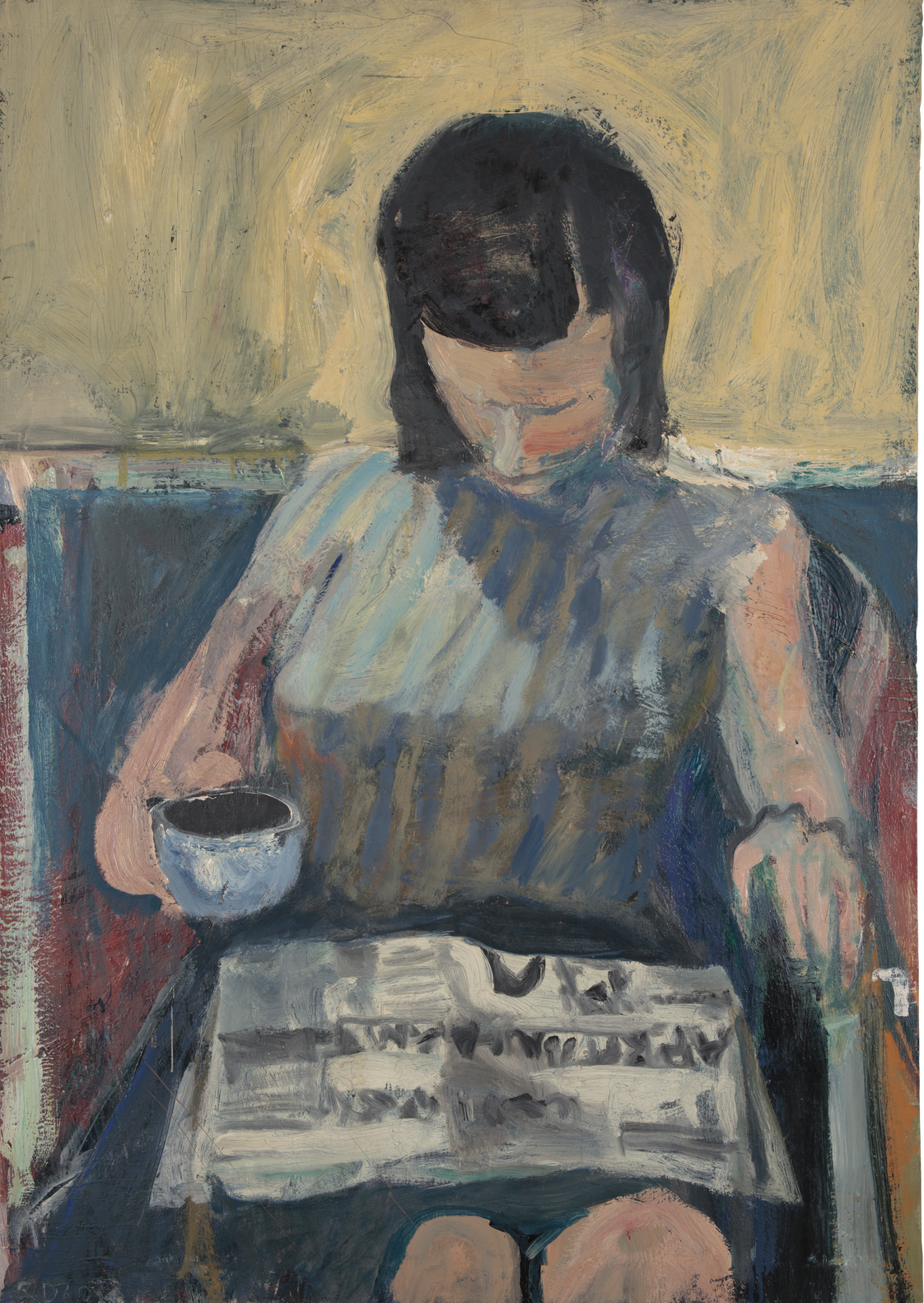
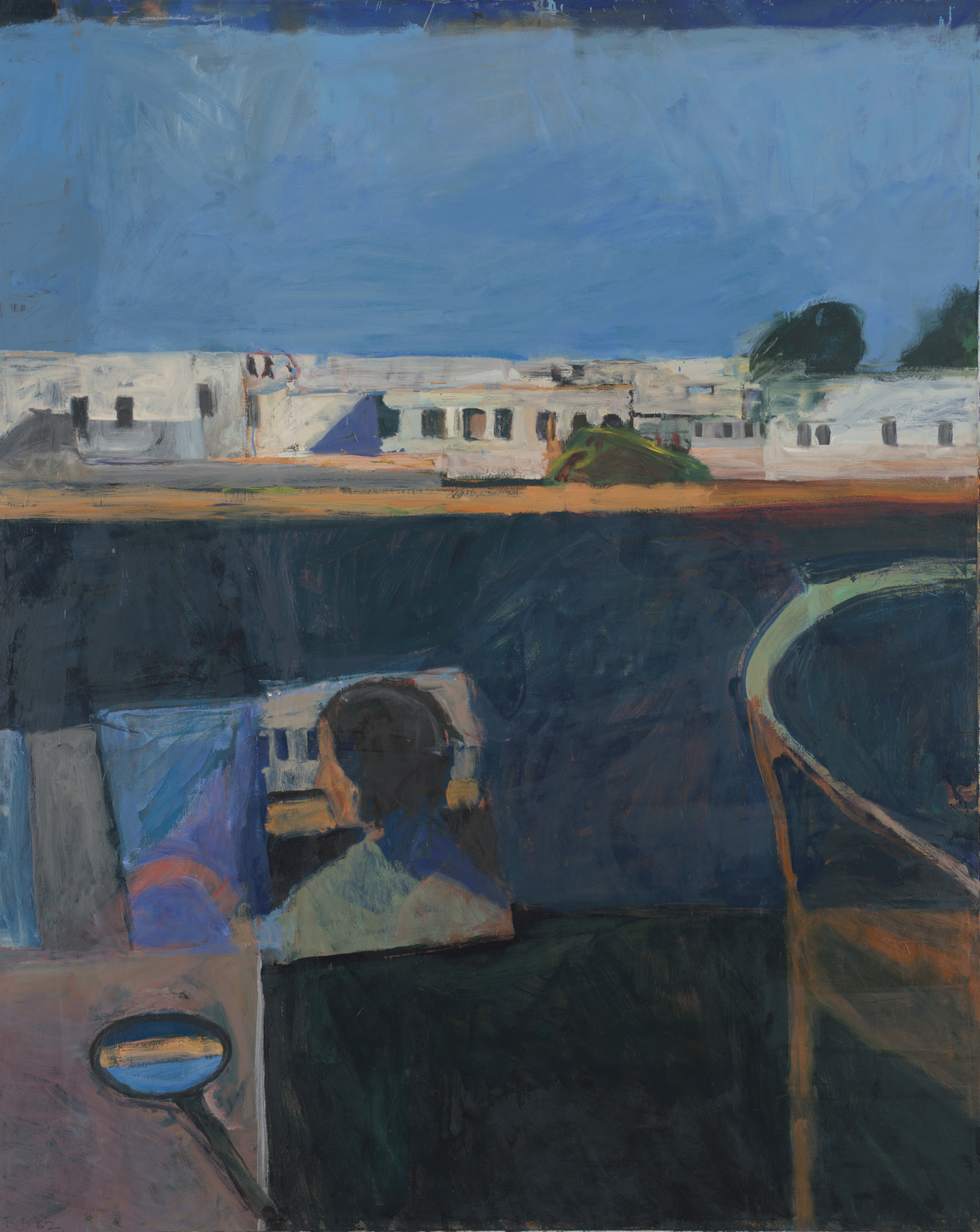
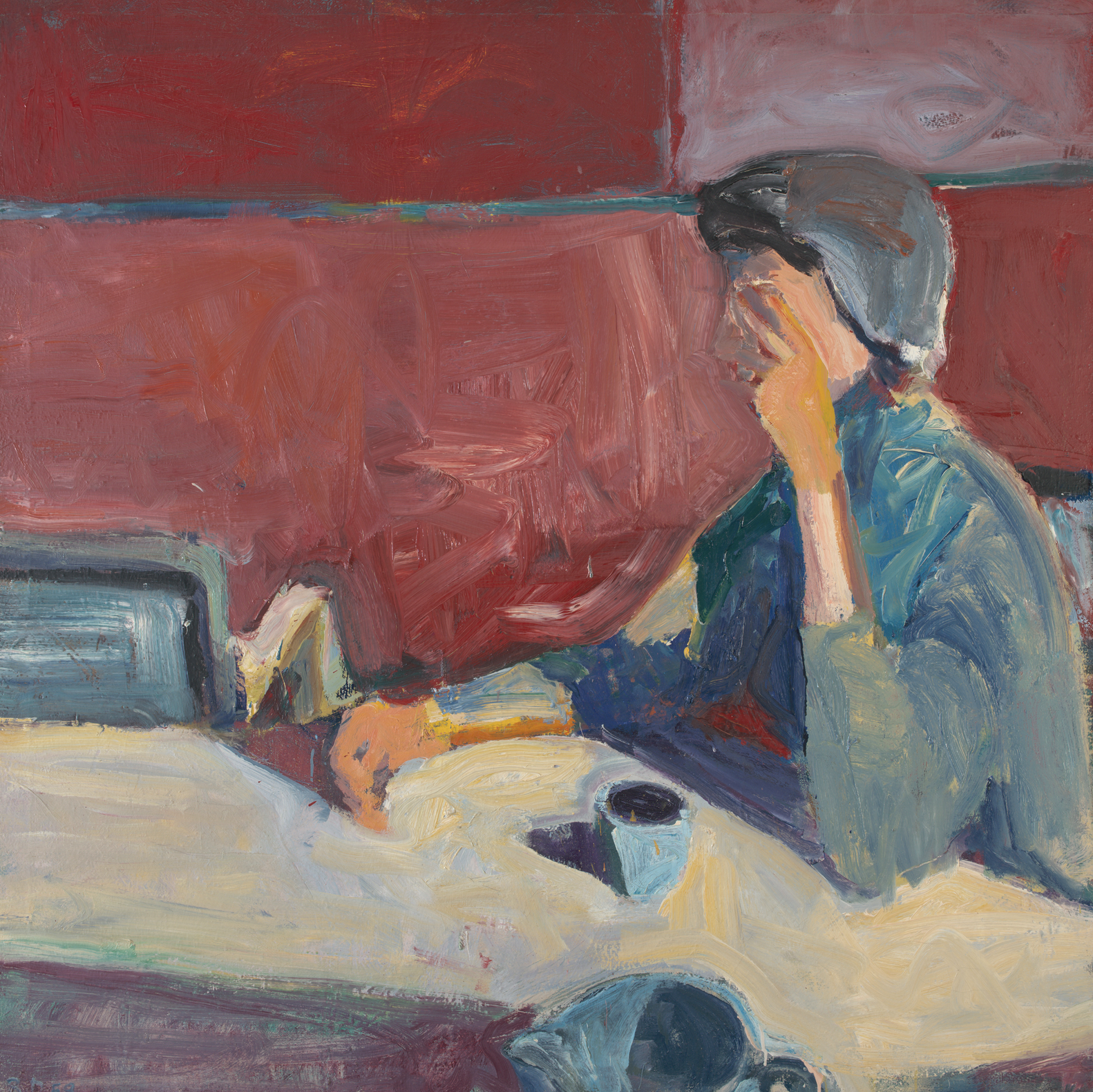
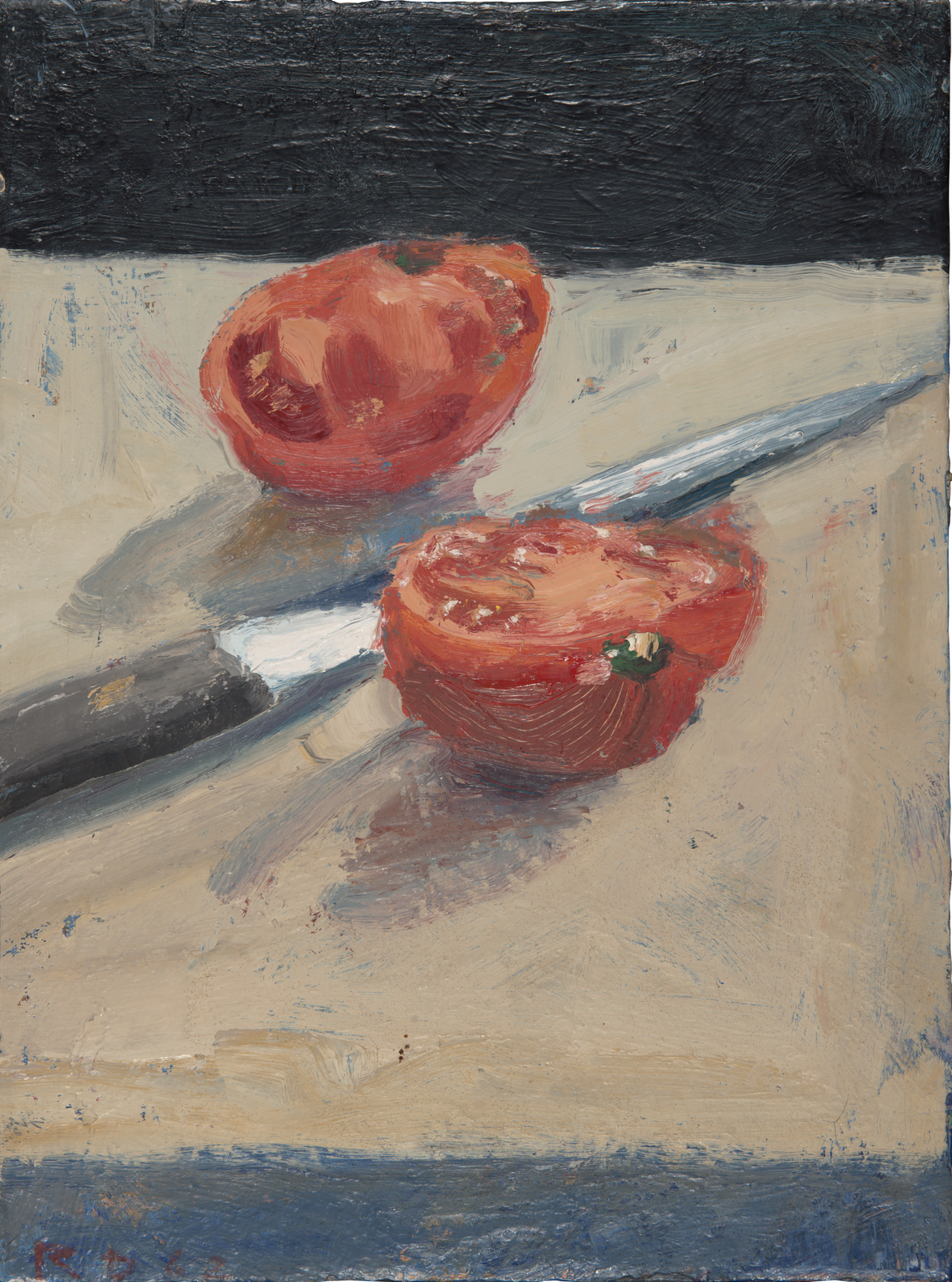
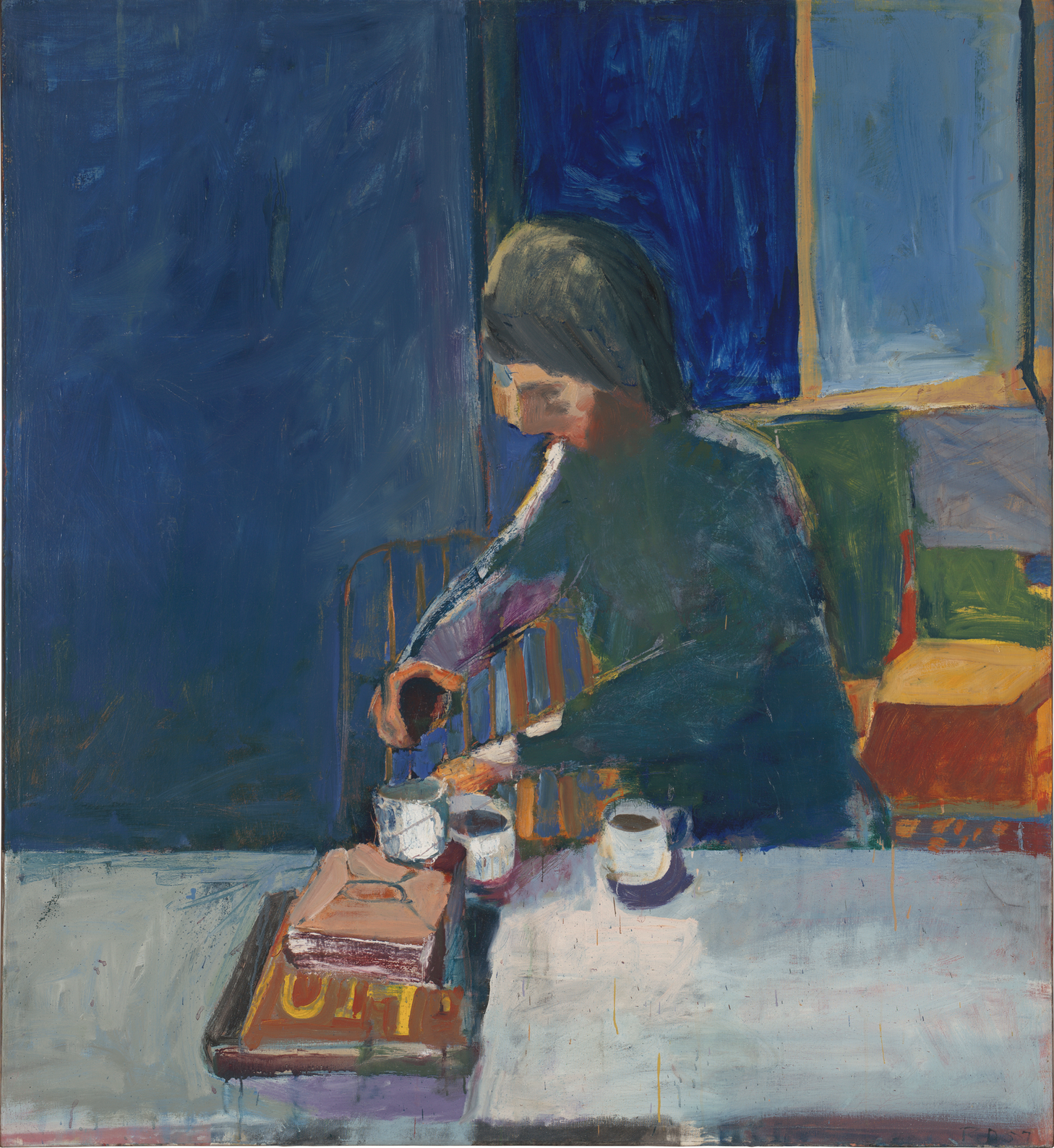
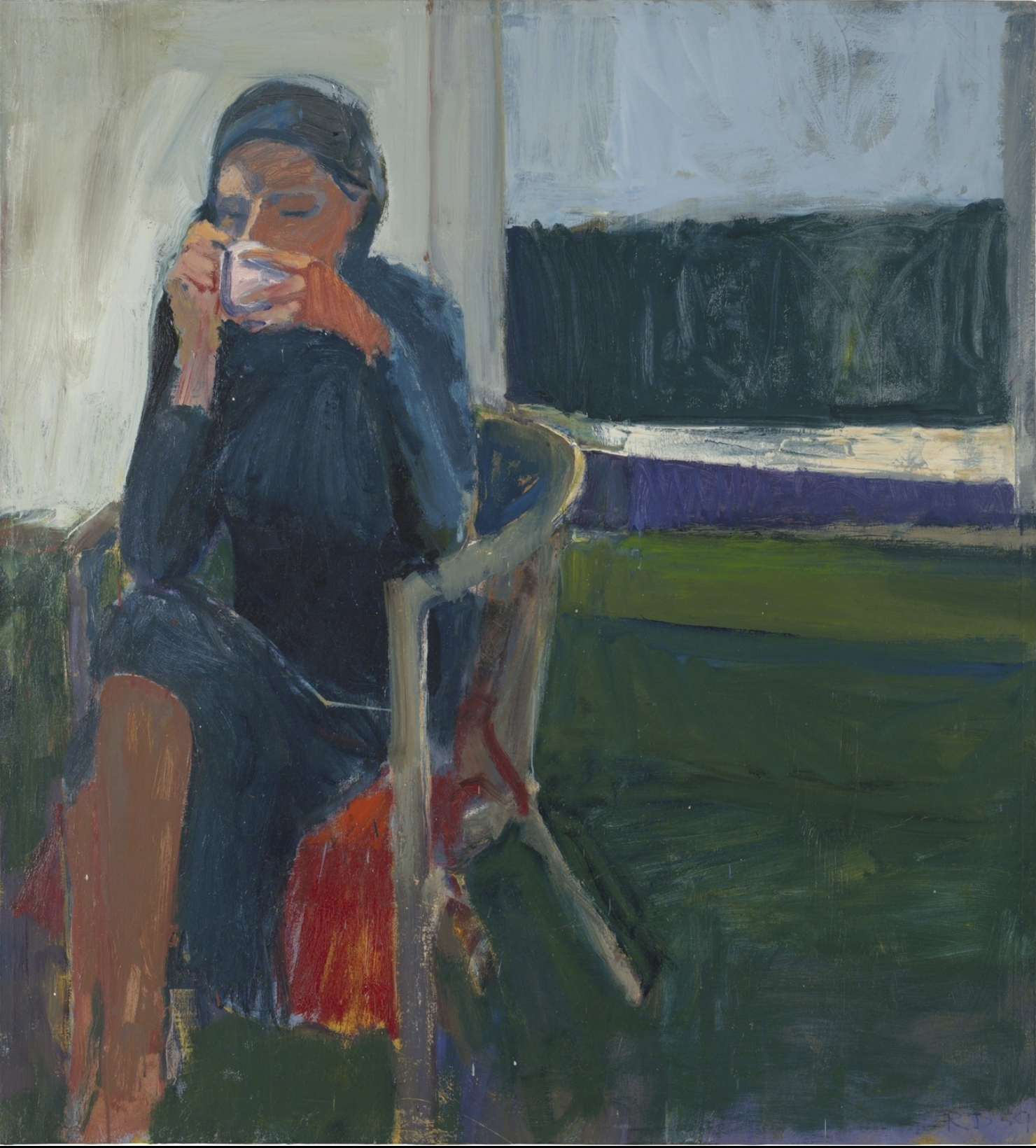
Love this work.
More coming on this soon
Figure Drawings:
Images coming soon.
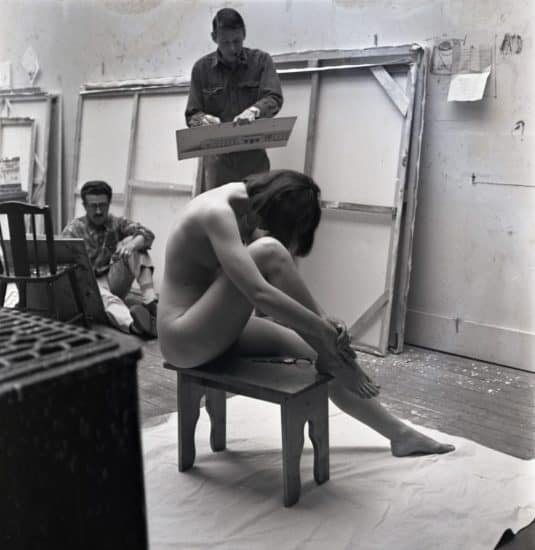
In the studio
Berkely
1955
I am a rabid fan of Diebenkorns drawings. This part of his life is for me the most fascitnating aspect of who he is as an artist. He spent years drawing from the figure with Bischoff and David Park, two other Bay Area figurative painters.
I don’t think Diebenkorn ever expected anything from this work. I was recently watching a documentary on Tom Thomson where someone was saying he gave away his studies to people and put no value in them. These Thomson studies are in my mind some of the greatest plein air works ever and Thomson thought of them as disposable. I think Diebenkorn thought of his drawings in the same way. He was getting together with his friends Bischoff and Park, they spent a couple of hours drawing from the figure together, and that communal act was where Diebenkorn found the value in this work.
I came to appreciate who Diebenkorn through the teachings of one of my favorite professors at school (Nick Palermo) who taught figure drawing. Nick would teach his class to get the figure down in a few seconds on the page and then spend the rest of the session making adjustments and corrections. If the model moved, the drawing should reflect that movement. To illustrate this, Nick would show slides of artists like Degas and Diebenkorn. The drawings in his slide show would show the artist slowly following the movement of the body as the model sagged over time.
When I was younger, I spent a lot of time collecting books. This was before you could get anything online. You would have to go to 100s of used bookstores and search for the authors you were collecting. I always used to look for old catalogs of Diebenkorns drawings. There were several publications I found over the years that contained different drawings of his. Each one of these books was a treasure for me.
Ocean Park:
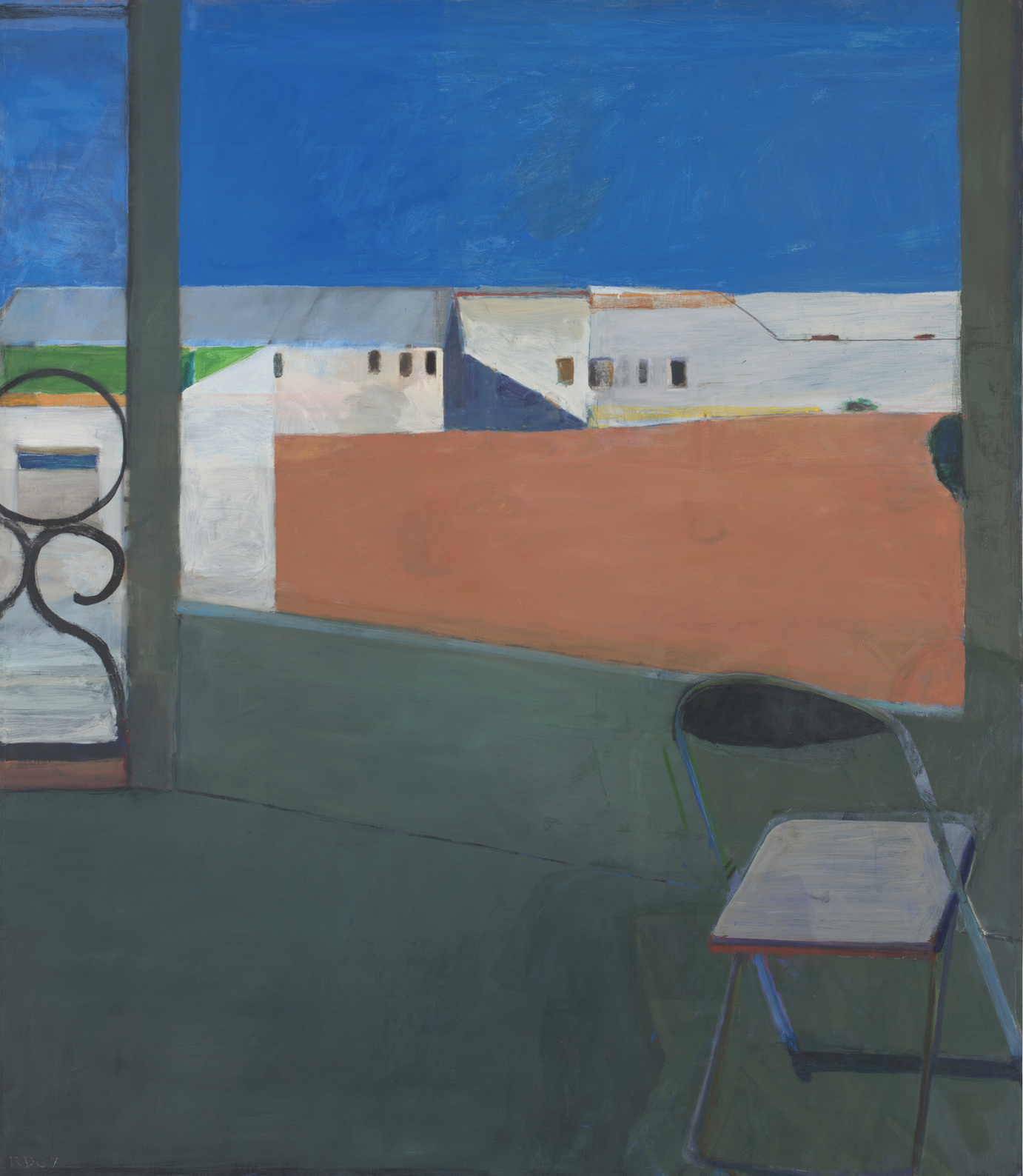
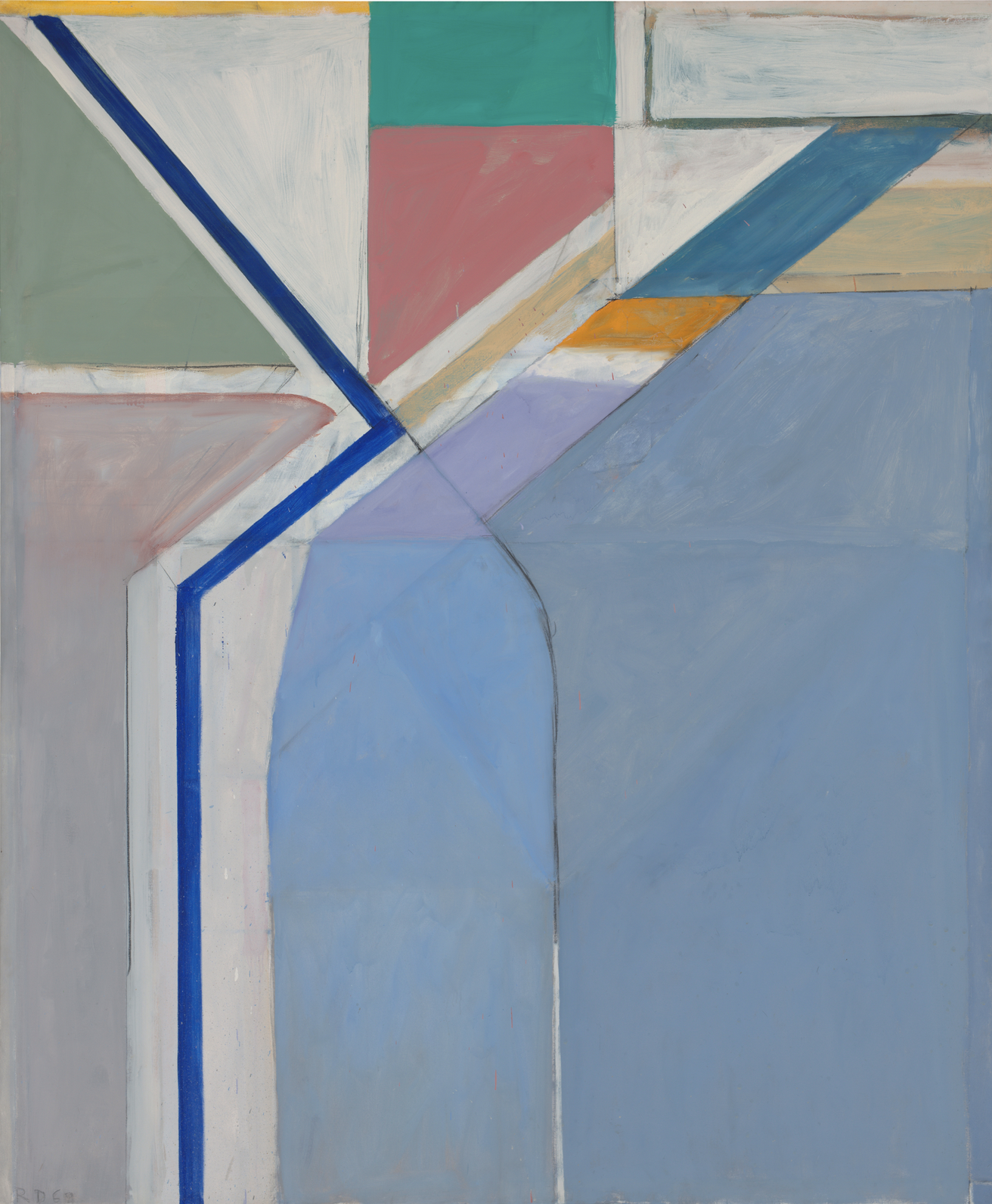
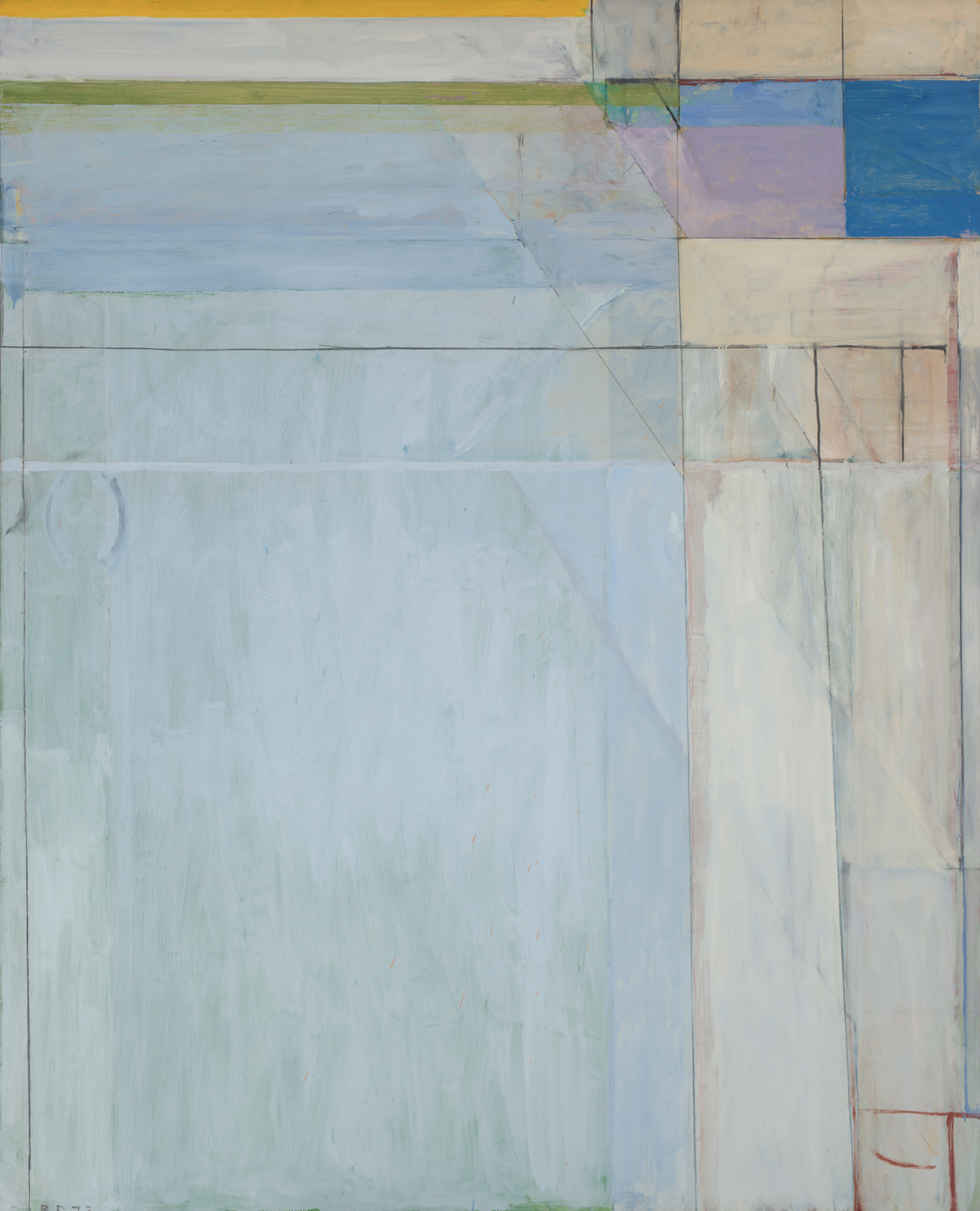
I’m throwing ‘Window’ 1967 at the front of the Ocean Parks here. You can see he was becoming more and more interested in the large planes of color with his later figurative work. He also had moved to Ocean Park in Los Angeles to a studio with large windows and a light he wanted to capture. The Ocean Park series of paintings were celebrated during his lifetime.