
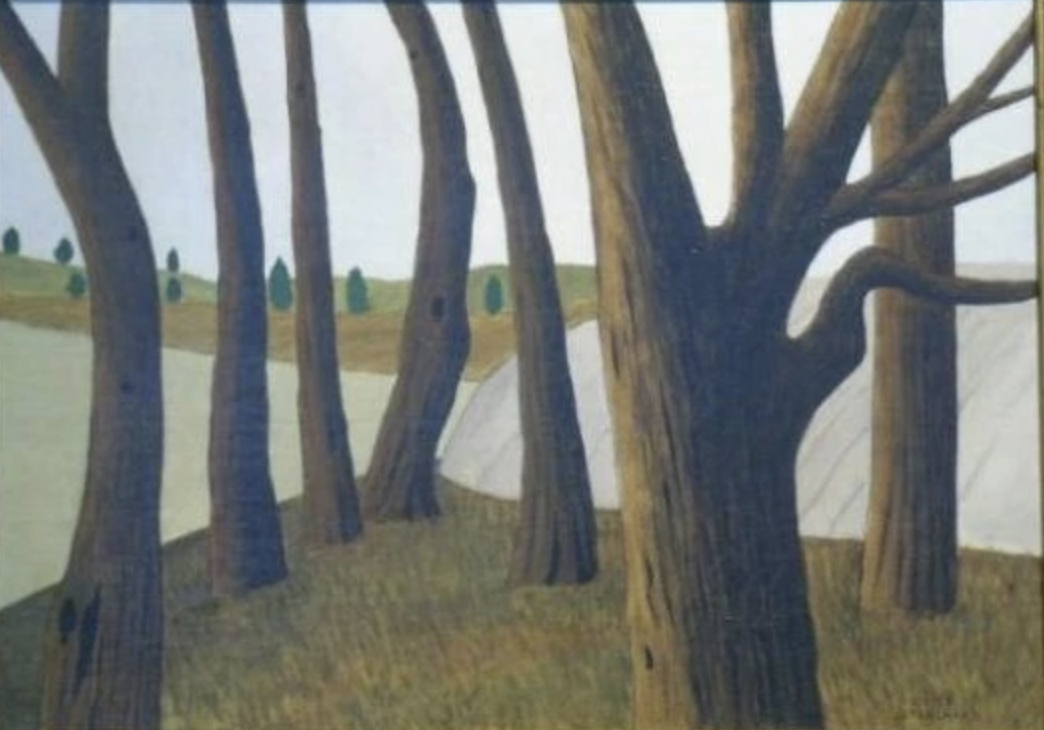
Emile Branchard
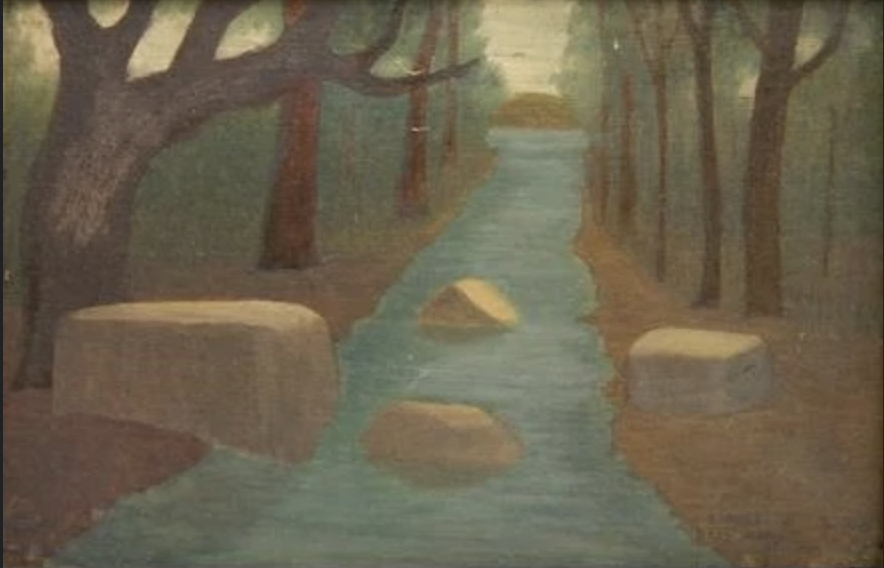
Emile Branchard - An outsider / folk artist working between WW1 and WW2.
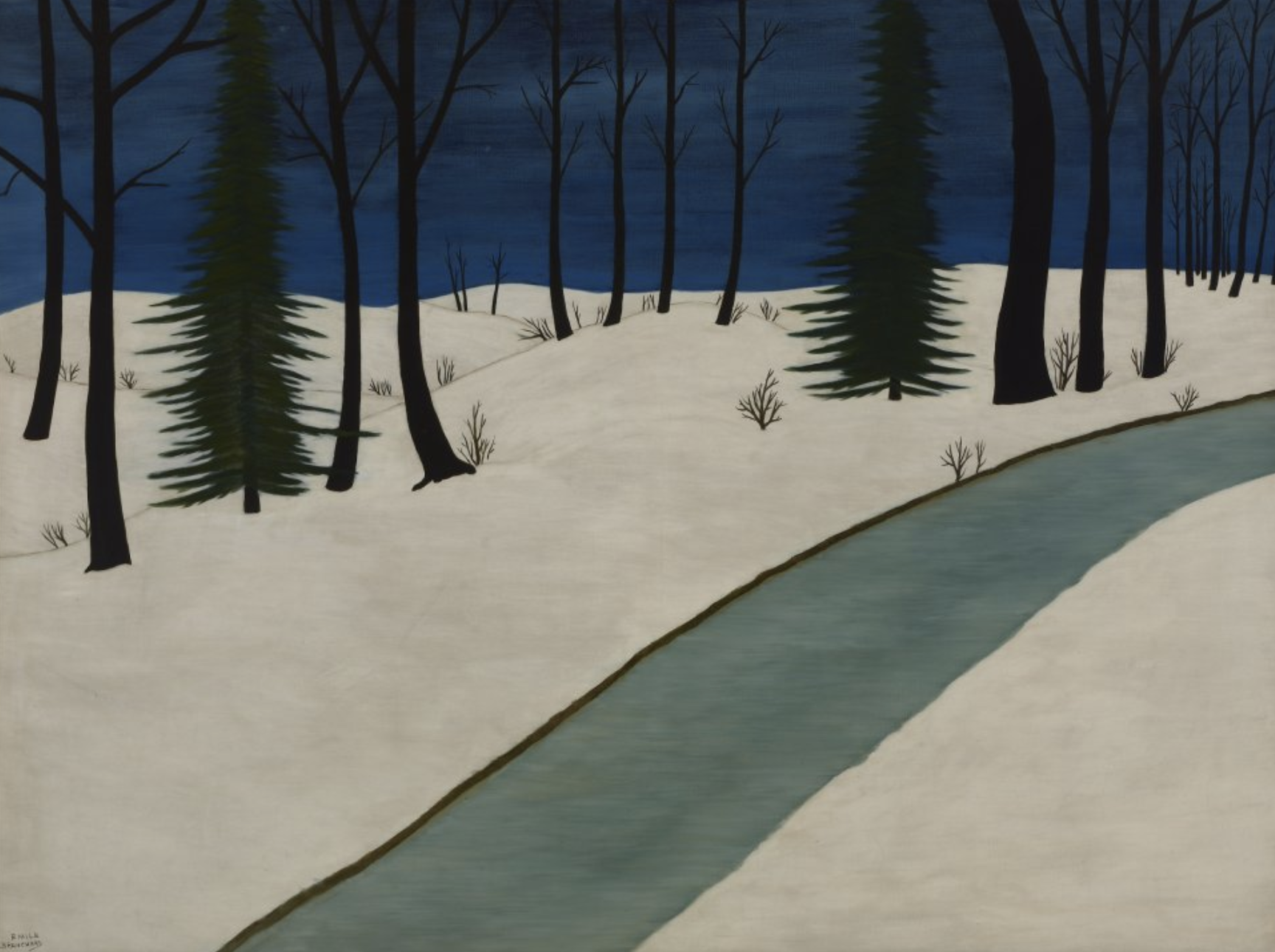
Winter 1928
I have been enjoying learning about the artist Emile Pierre Branchard, who surprised me with several paintings. From the biography I have been able to find, it sounds like he grew up in an artistic Greenwich Village boarding house that his mother ran at the end of the 19th century. He later worked as a truck driver and on the docks in New York City. Around the World War I period, he appears to have come down with tuberculosis, and it seems that painting became part of his life after that.
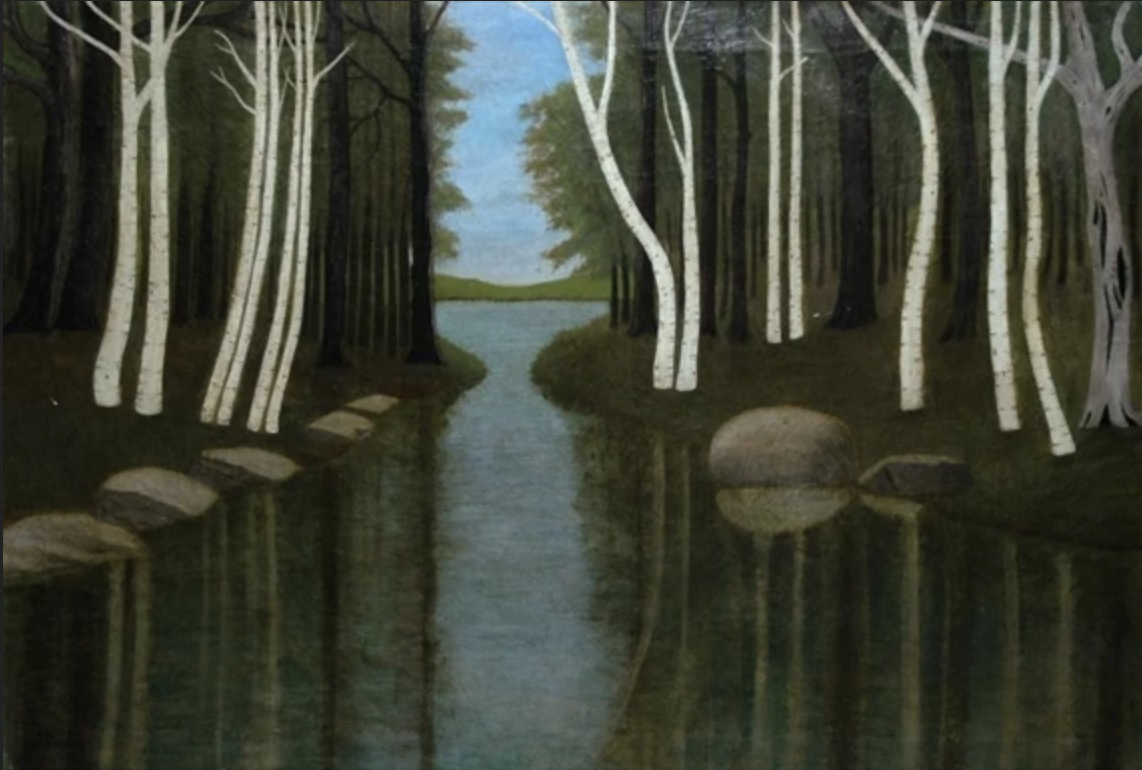
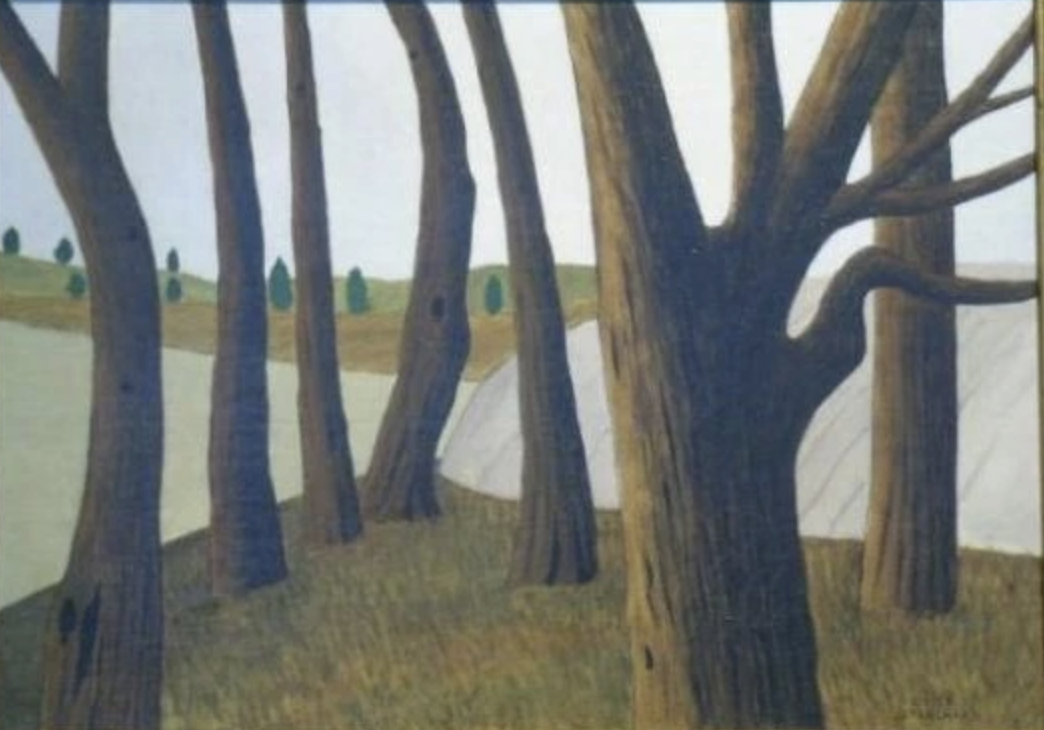
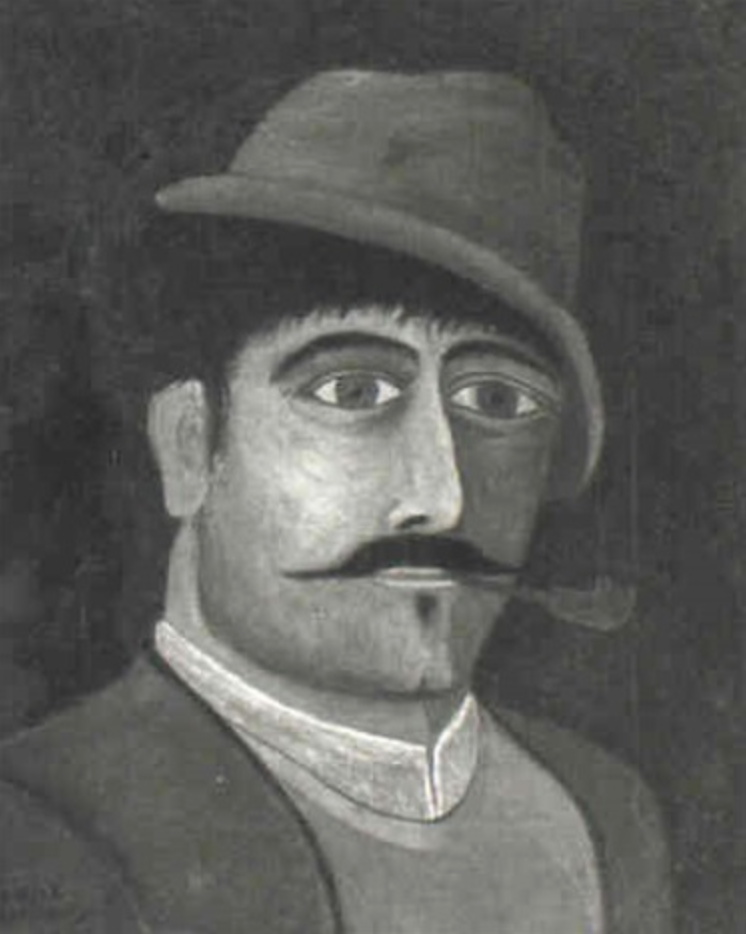
What I respond to first in Branchard’s work is the directness of his approach. The paintings often feel quick and unguarded, as if the goal is simply to see what happens when he puts color and shape down. From what I am finding, a lot of the work is on oil paper (or paper prepared for oil paint), and that format adds to the sense that these are private explorations rather than carefully staged “major” paintings.
Even with that informal feeling, several of his compositions work extremely well. I appreciate his color, the way he positions simple iconographic shapes around the canvas, and how he can create atmosphere without overbuilding the image. In his best work, the space feels deeper than the means used to create it.
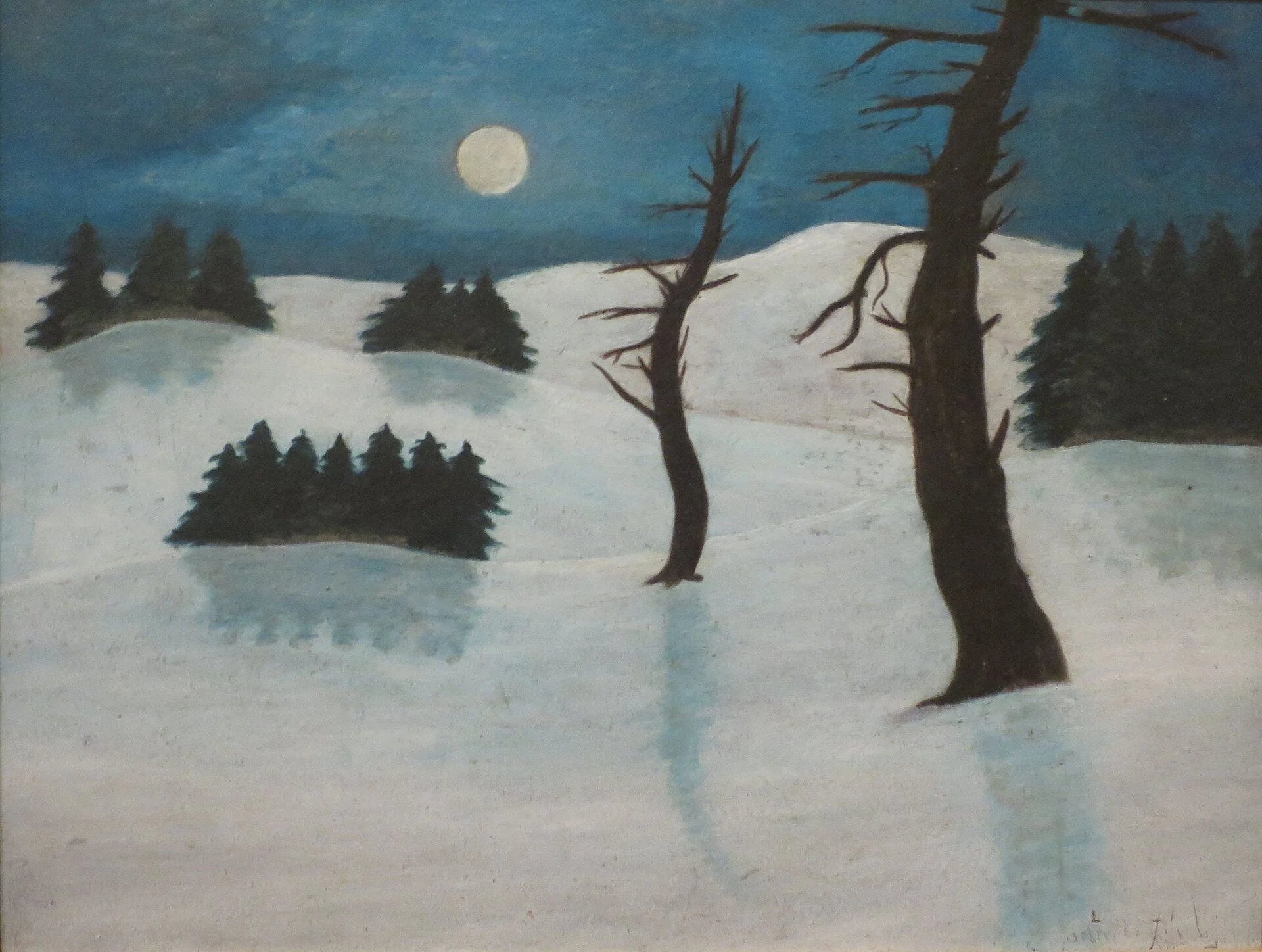
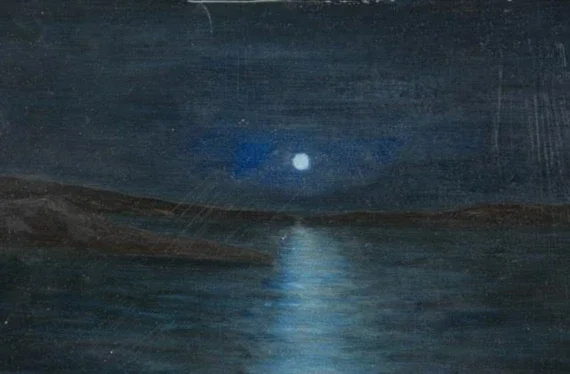
One painting I keep coming back to is titled “Moonlight.” I am not finding a date online, but it is listed as oil on paper. It has the qualities I associate with Branchard at his best: simplified forms, confident placement, and a landscape that feels spacious and moody without relying on detail.
I tend to think of Branchard as “naive,” or part of what art historians sometimes group under “outsider art.” By that, I mean work that is likely untrained, mostly self-taught, and not obviously in conversation with the mainstream art world of its time. What is striking is that Branchard seems to have developed a mature style while building it internally, through repetition and personal necessity rather than through formal schooling or direct influence.
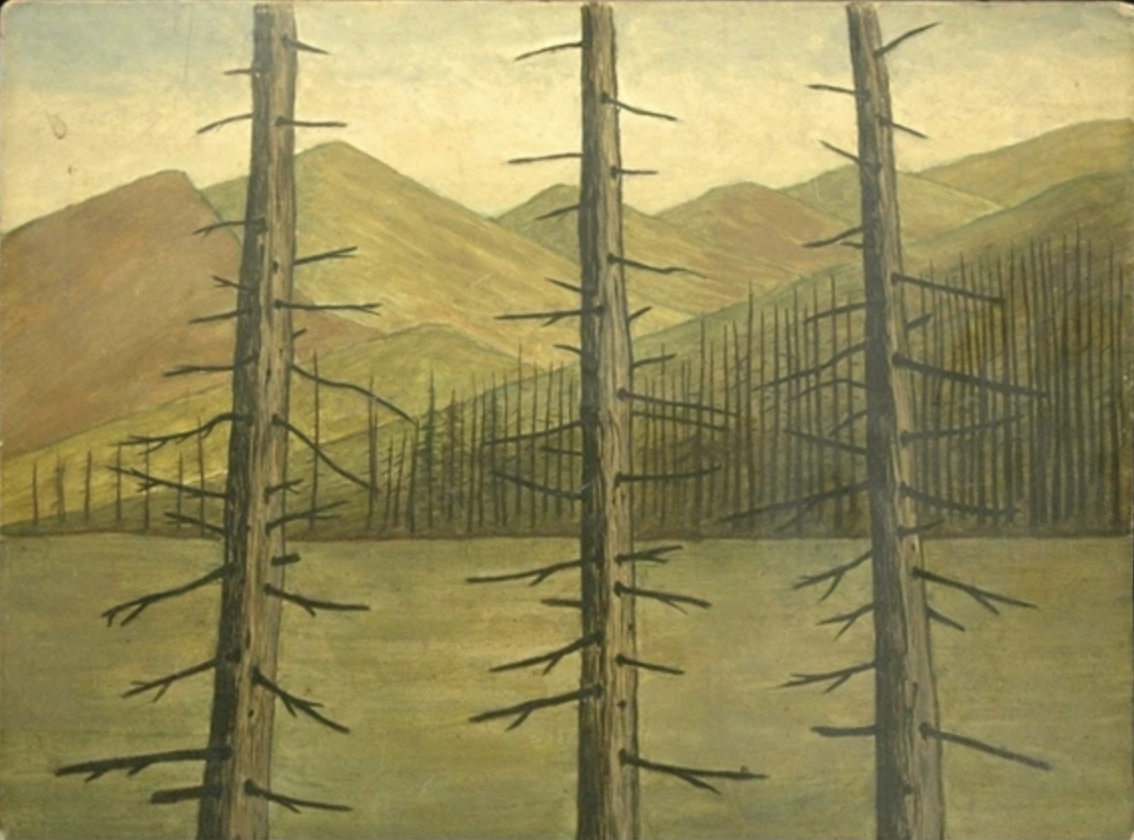
I am not finding a lot of information on his life, and I suspect there is more work out there than what is currently easy to see online. For now, what I most respond to in Branchard’s paintings is how simple, iconographic natural shapes can still create depthful landscape spaces. The paintings feel modest in scale and ambition, but they stay in my mind like fully formed places.
In Appreciation of David Hockney
Short note of appreciation for who Hockney is and what he has represented over his long career.
David Hockney has written quite a bit on visual theory over the years, and you can find hundreds of interviews with him online from different points in his long career.
I’m writing this today because it feels pretty obvious he’s fading. There are some recent videos of him online, and he seems like a shell of who he was only a few years ago. I love this guy. I consider David Hockney to have had one of the most interesting careers in painting, and he has inspired me a lot.
For myself, Hockney comes across as a bit of a mad scientist who’s always concocting new ways of capturing the visual experience. I really appreciate who he is and just wanted to express that into the internet void.
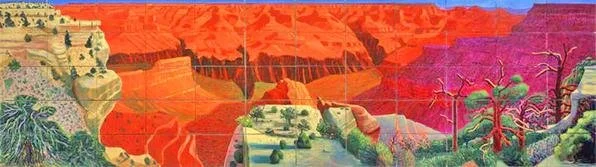
I’m embedding a video of Hockney talking about his work ‘A Bigger Grand Canyon’. This is a great interview that shows how he went about capturing a view of this monumental space.

Agostina Segatori by Van Gogh
‘Agostina Segoatori’ by Van Gogh is a work that I really enjoy thinking about. This piece was painted as he was finding what I consider to be his mature style and in my opinion represented a lot of who van gogh was psychologically as a person
Steven Naifeh and Gregory White Smith’s Van Gogh: The Life paints a clear picture of how often Vincent hurled himself into relationships and was largely rebuffed. I’ve been especially drawn to his 1887 portrait of Agostina Segatori.

This was painted in Paris while Vincent—then in his early thirties and living with his brother Theo—was first absorbing Impressionist color and finding himself as an artist. It captures a worldly sitter who owned the Café du Tambourin and had also modeled for many other impressionist artists.
Vincent showed work and even paid for meals with paintings at her café, and sources suggest a brief affair that ended abruptly. What I love is how the painting signals him finding his voice: it feels quick, perhaps done in a single pass. Her tilted head is skewed and mutated, but at the same time, the slightly off-kilter rendering adds personality and a psychological bite that I love.