Inspiration:

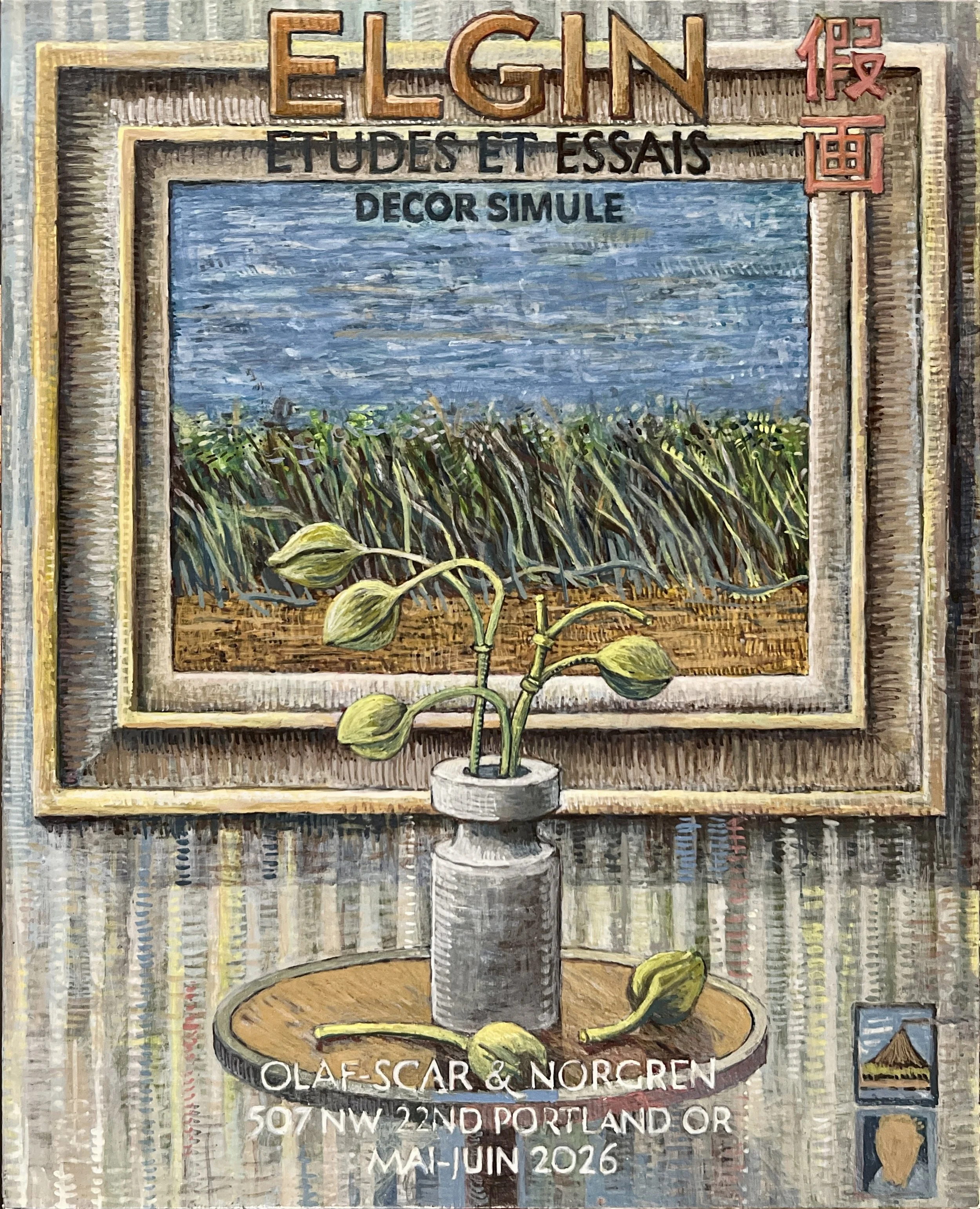
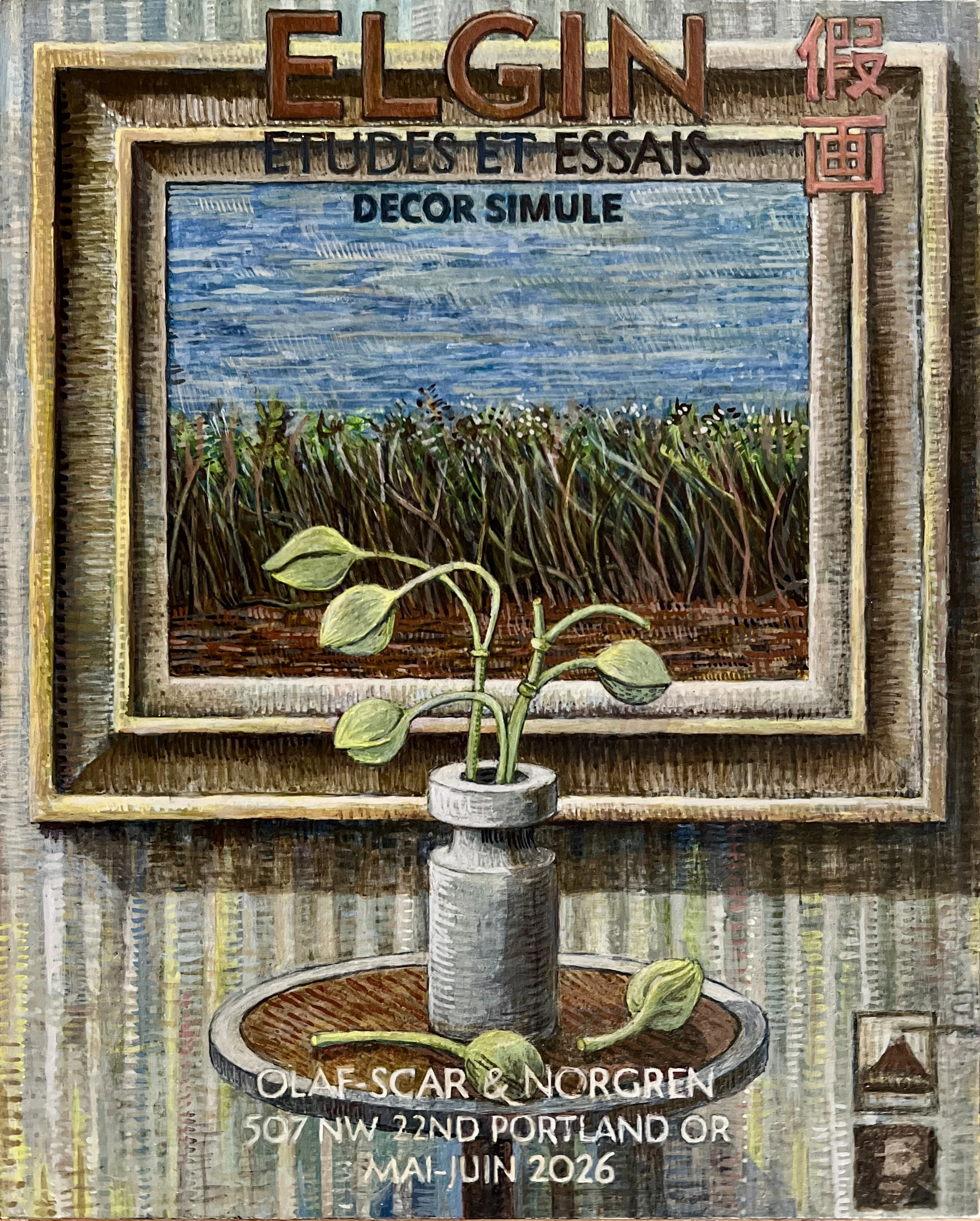
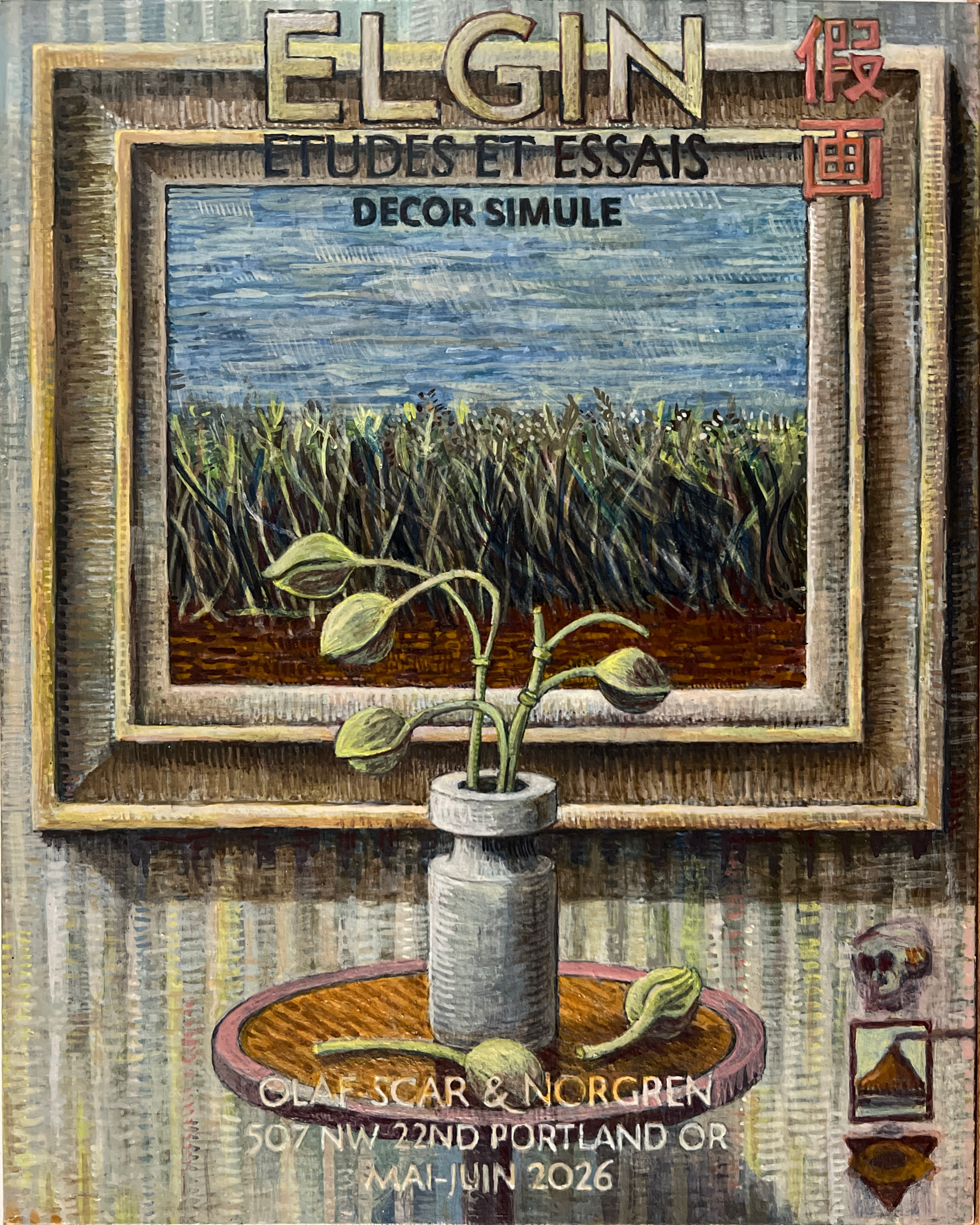
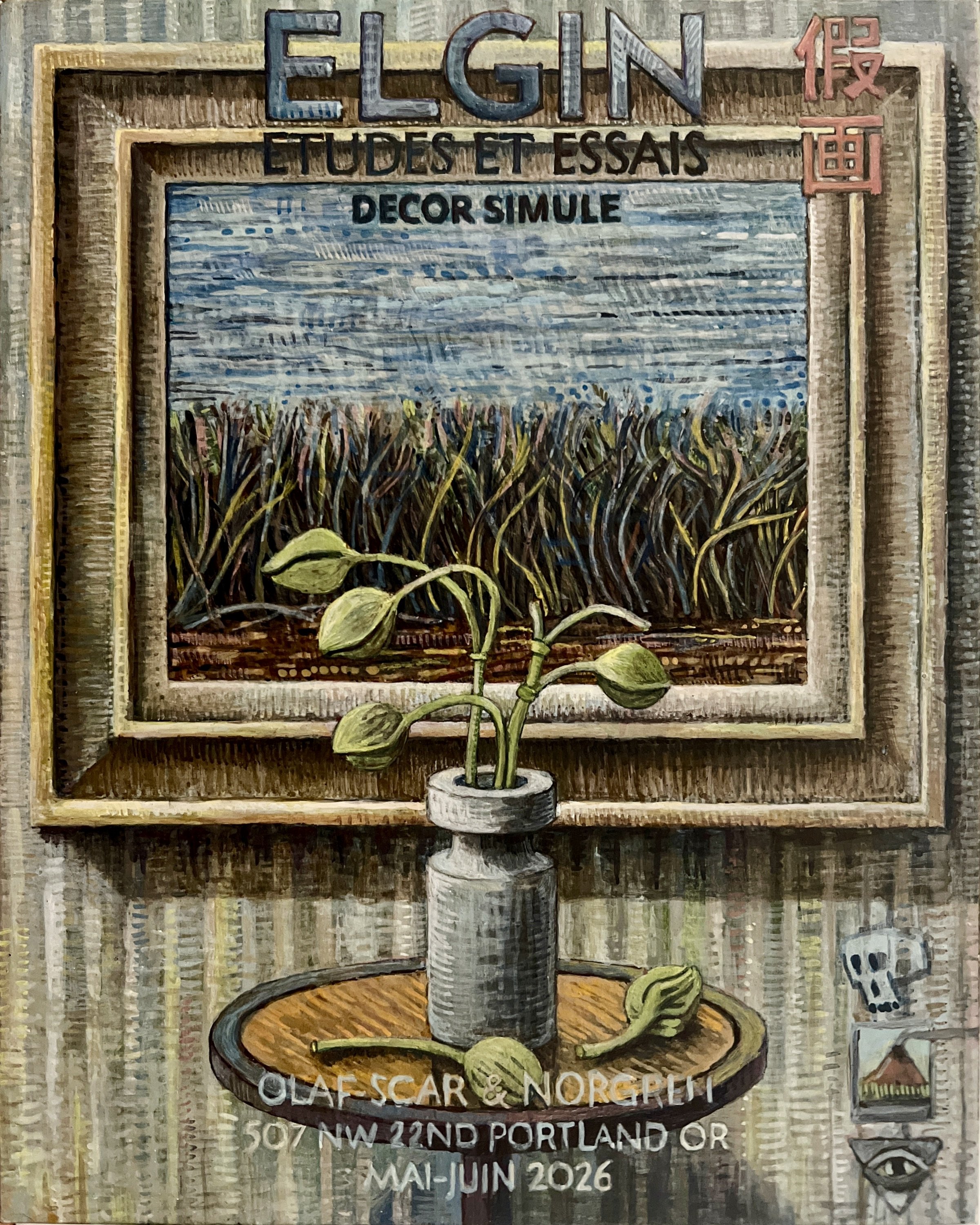
Detail of ‘Etudes Et Essais #3, Fausse Peinture’.
While I was working on this painting of a woman standing in the sunlight, I found myself more drawn to the painting within the painting.
I liked the idea of making a series about the flowers, the table they sit on, and the painting on the wall.

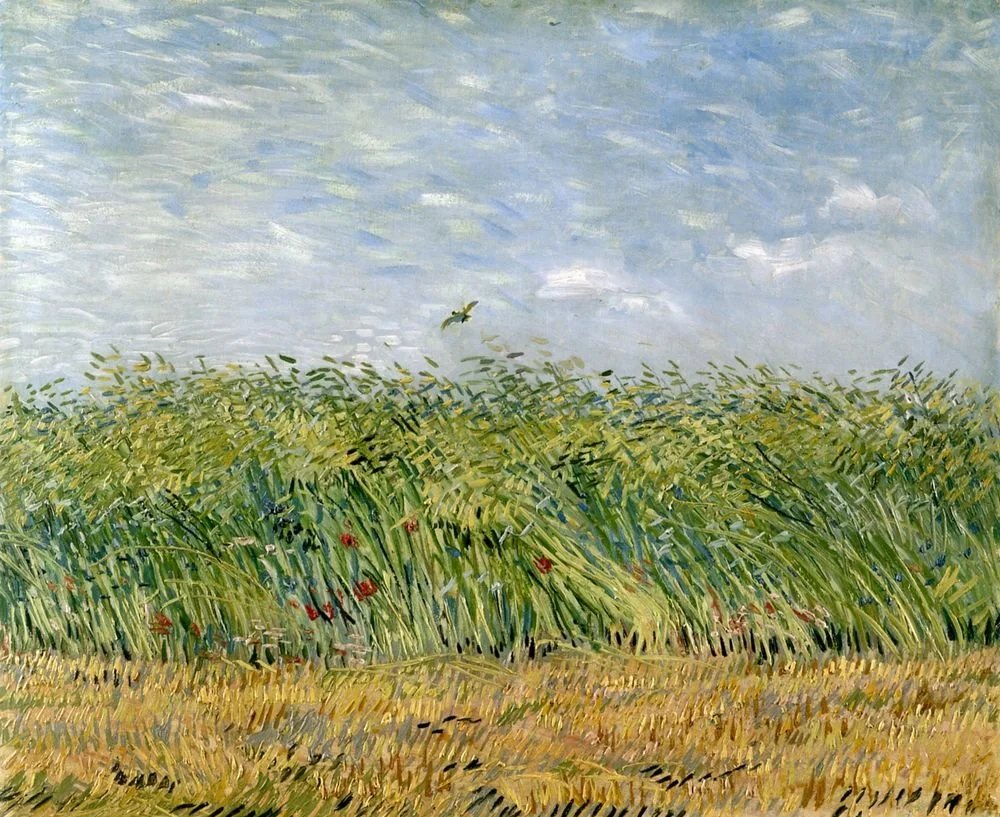
Shot from a Kiefer/Van Gogh installation
I have always liked this nondescript photo of the Van Gogh painting. I like the landscape as three blurry bands of color.
I liked the idea of starting with the simplest composition I could find. I like this piece because, for me, there is so much to think about here.

Flowers in a vase
I like this vase and thought it would be fun to paint it in front of the painting.
Getting Started:
My long term goal is to have a series of paintings depicting flowers partially obscuring other works of art.

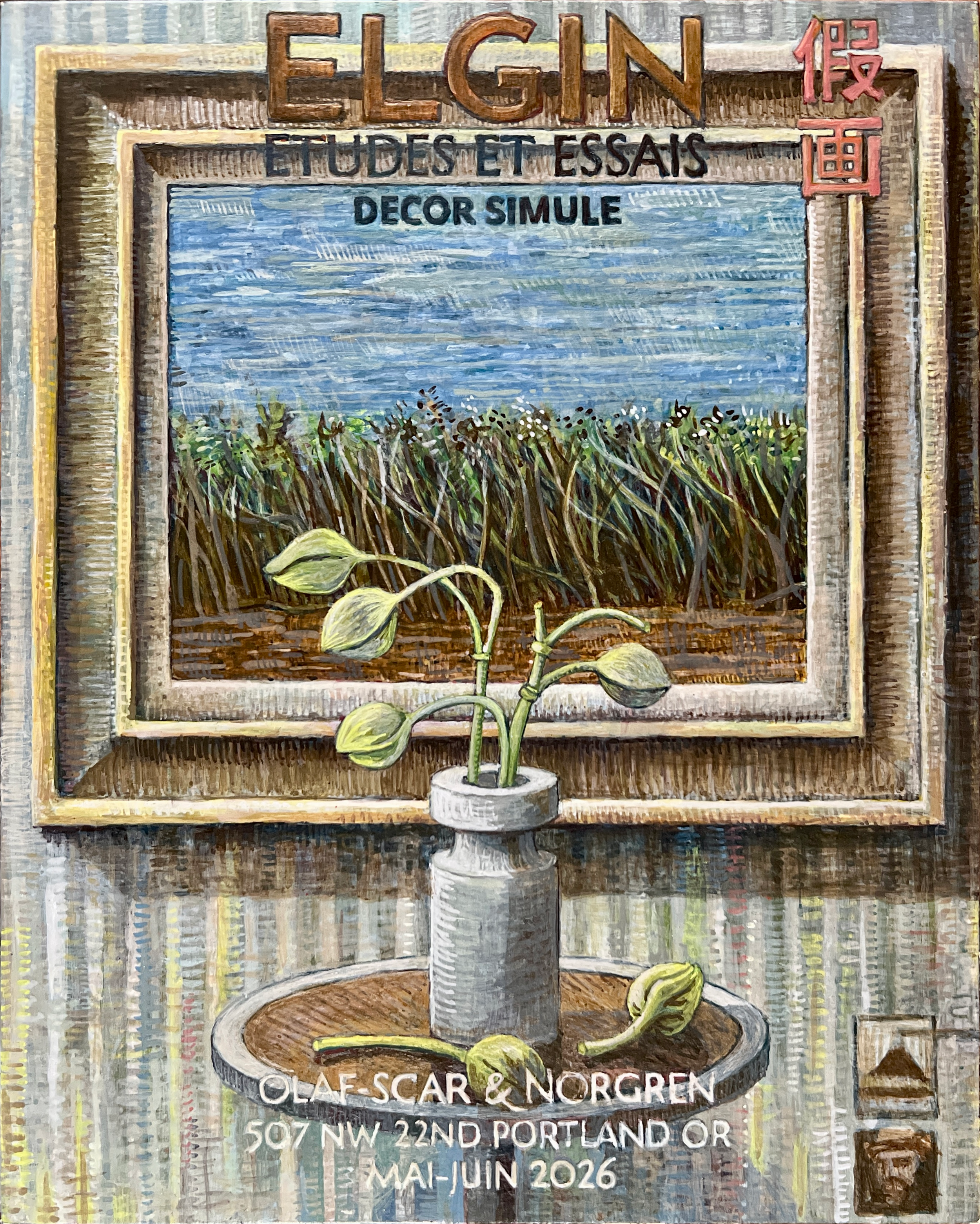
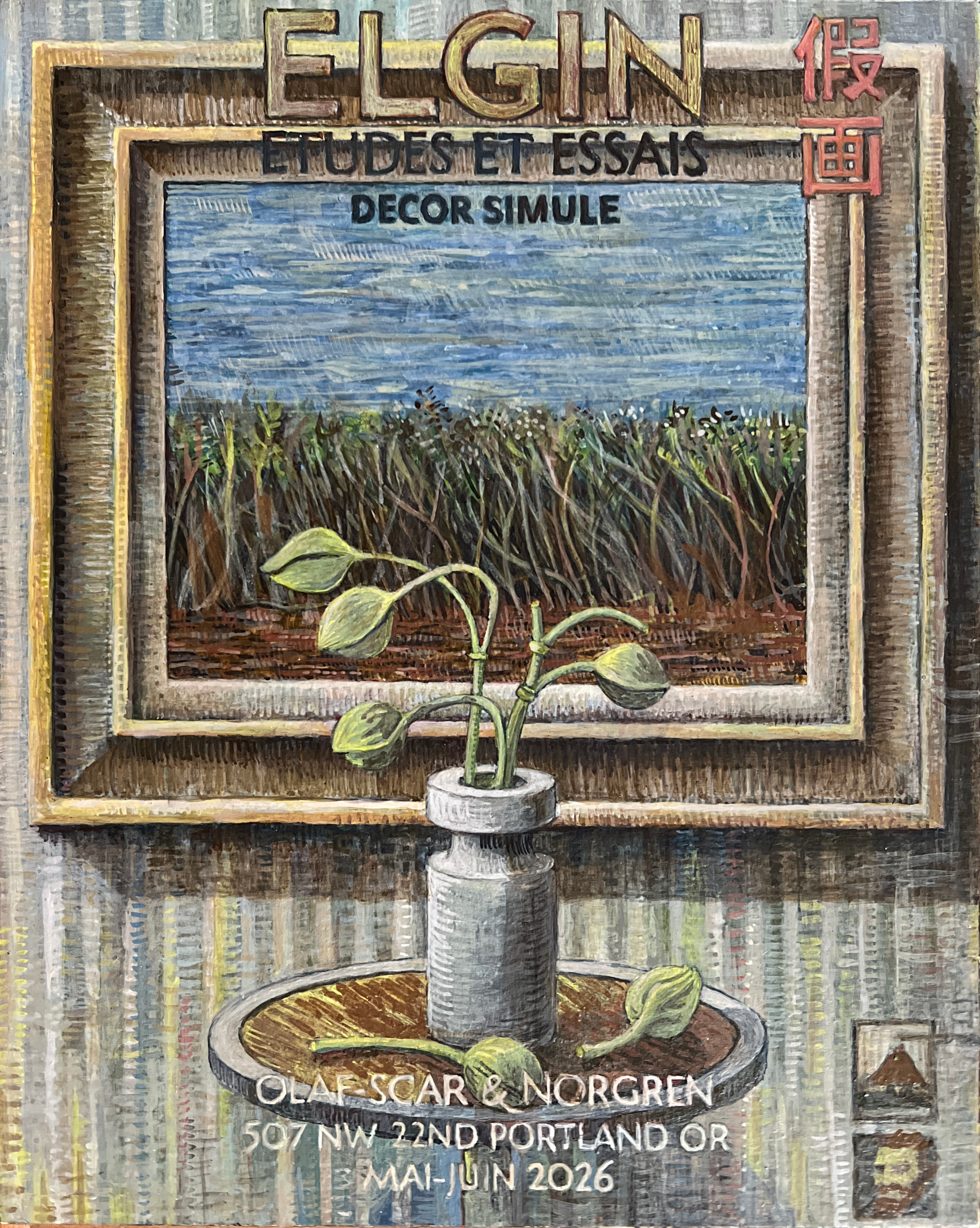
End of Session 2
This is essentially what I wanted in the composition. I was thinking this could be a mantel instead of a table to start.

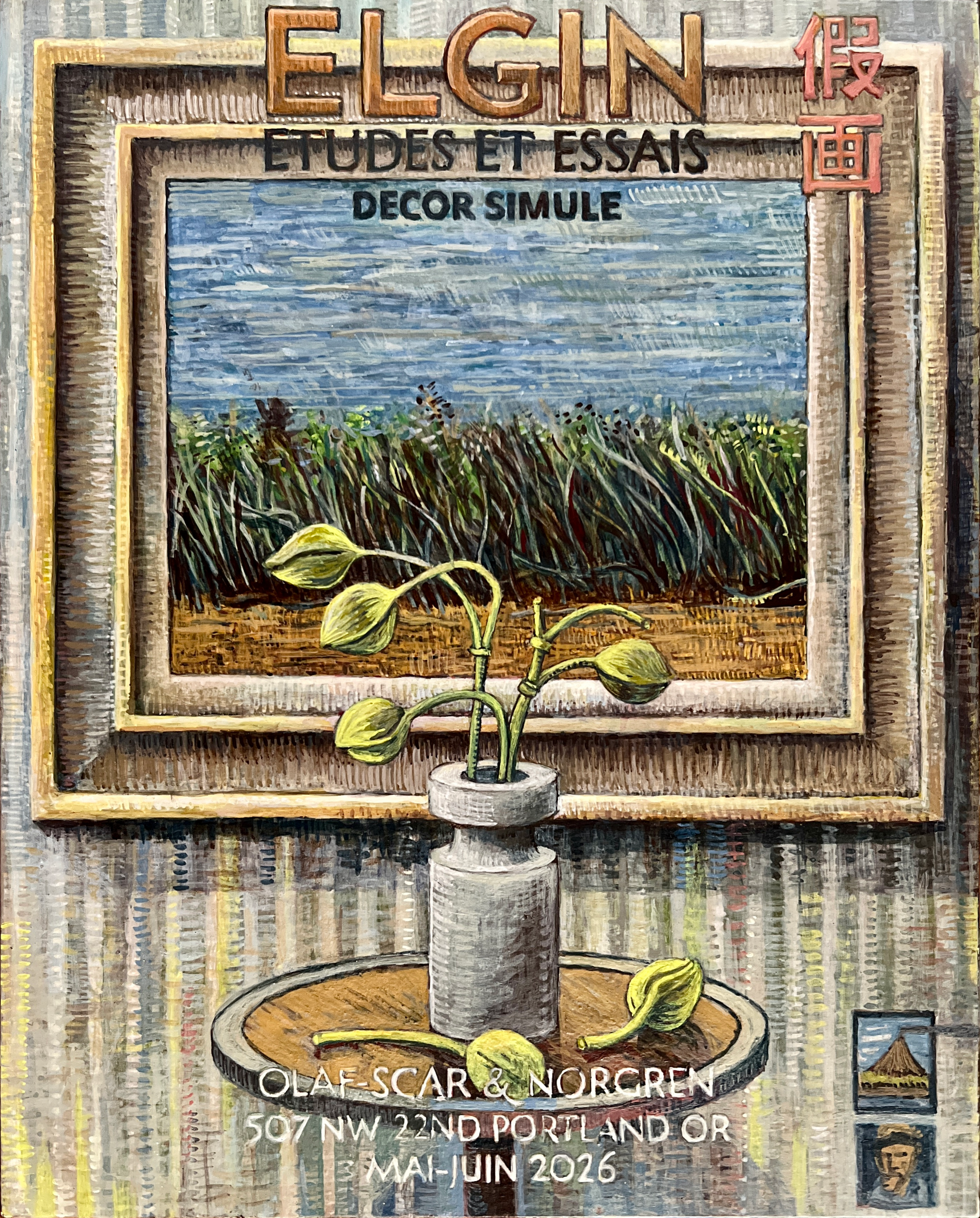
End of Session 20
I had problems with the glass vase. I was stuck for a month trying to figure out how the water would reflect the painting in the background. I couldn’t get anything to work.
You would not believe how much time I spent thinking about the physics of that imaginary vase.
The whole picture was starting to feel stuck.
This shift made a big difference.

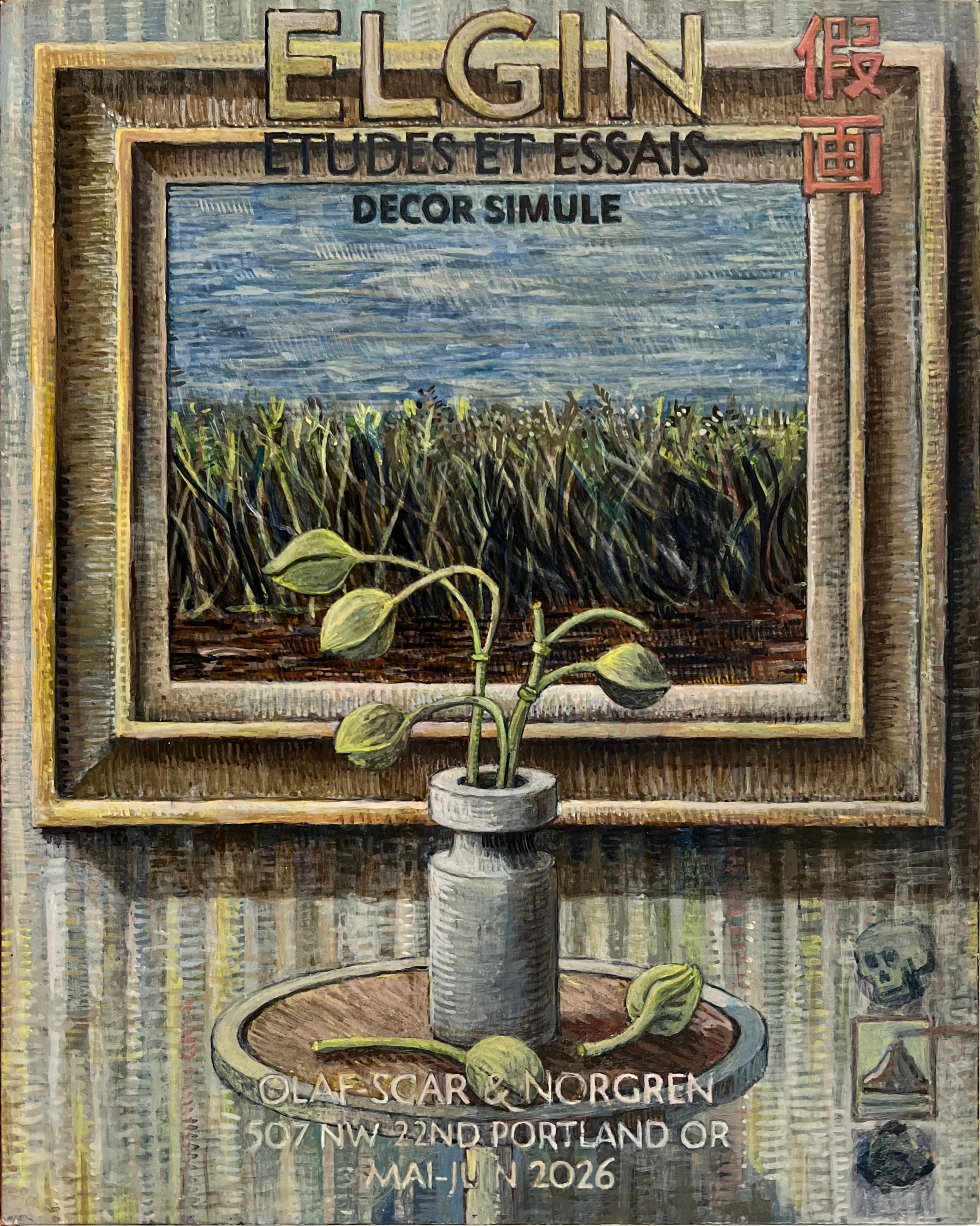
End of Session 27
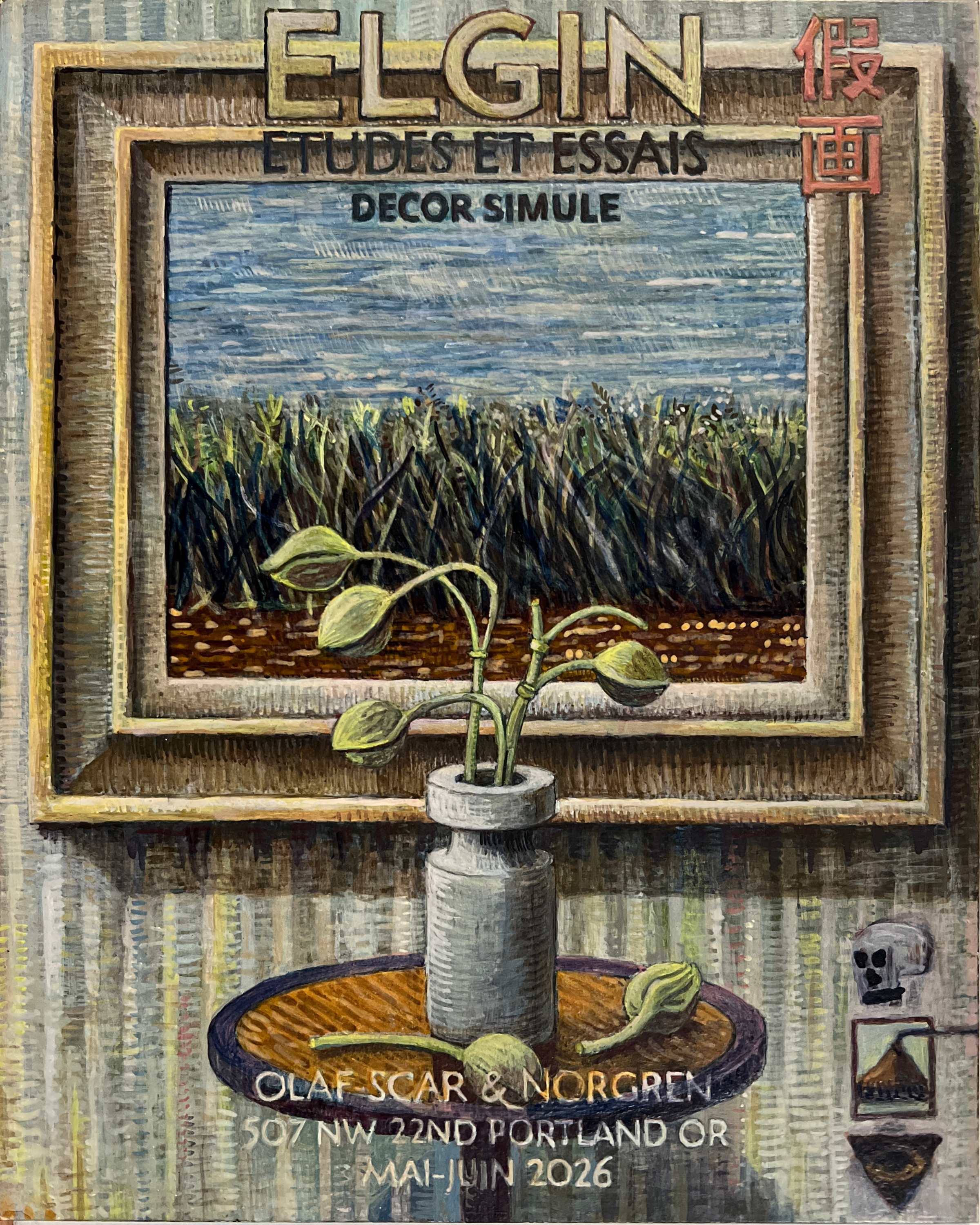
I was starting to feel pretty good about the work, but it still wasn’t fully working.
After some thought, I decided to:
Change the flowers
Add striped wallpaper
Add a shadow

Test
Before making such a huge change, I tested out what the updates might look like in Figma (an image editing tool).

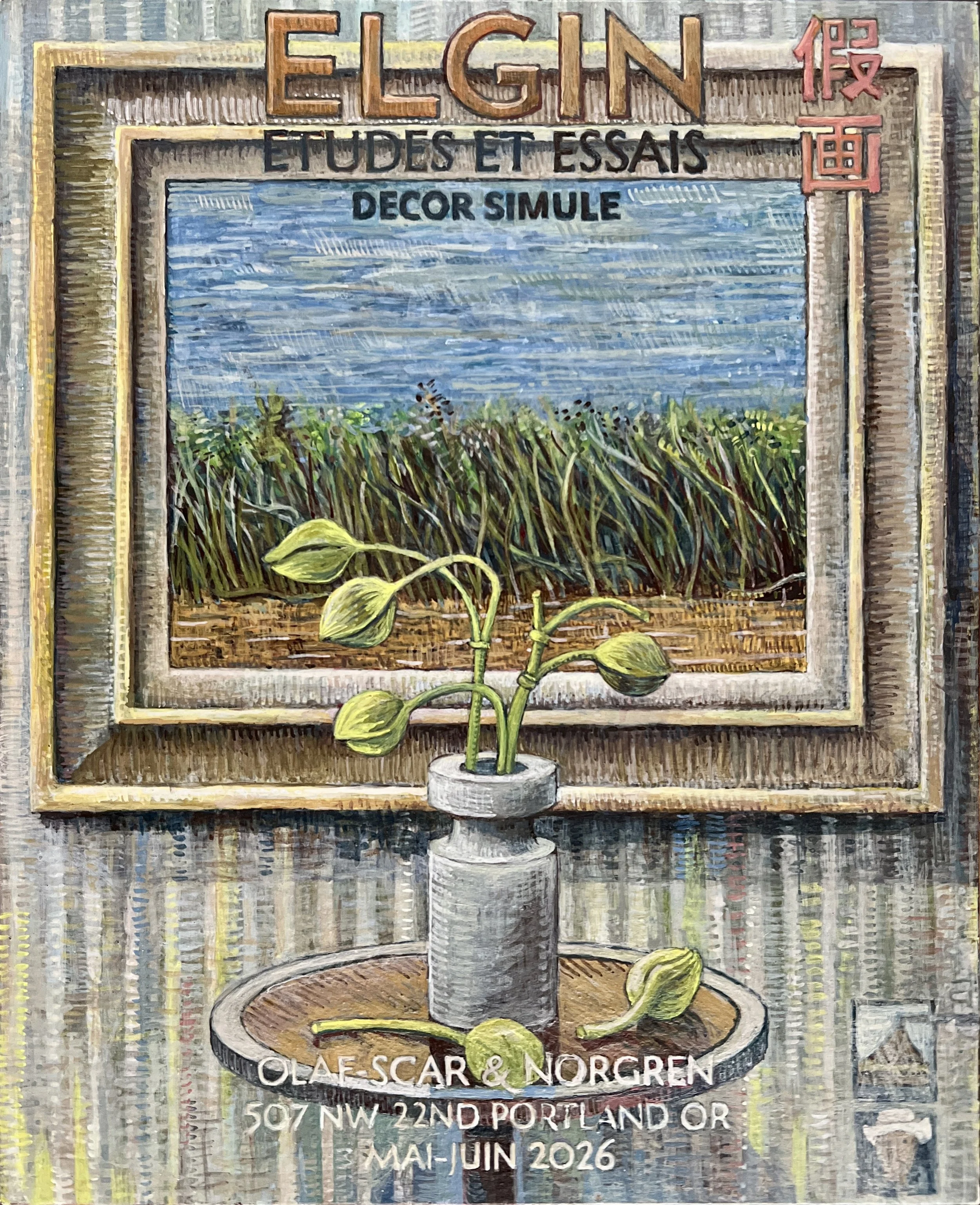
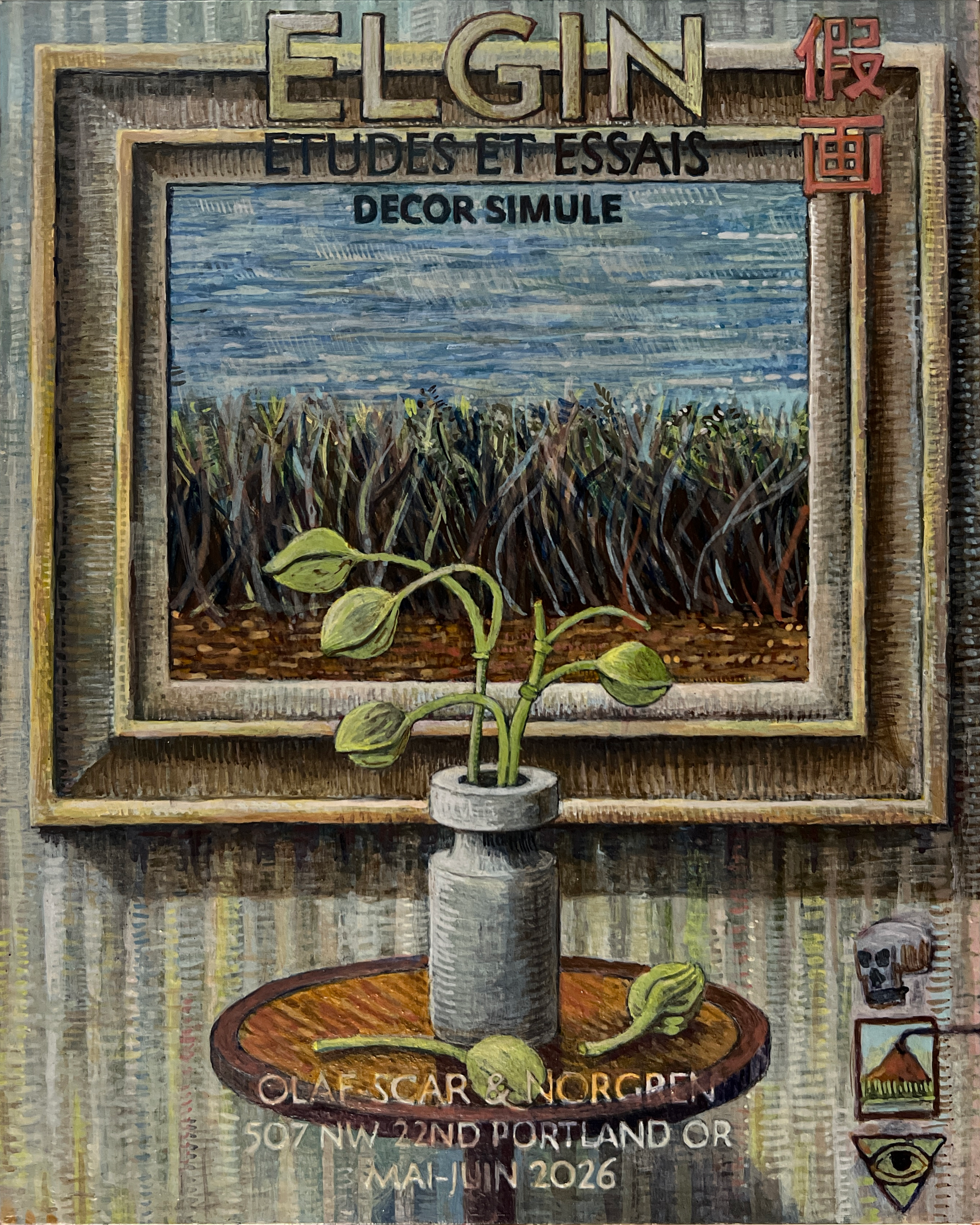
End of Session 35
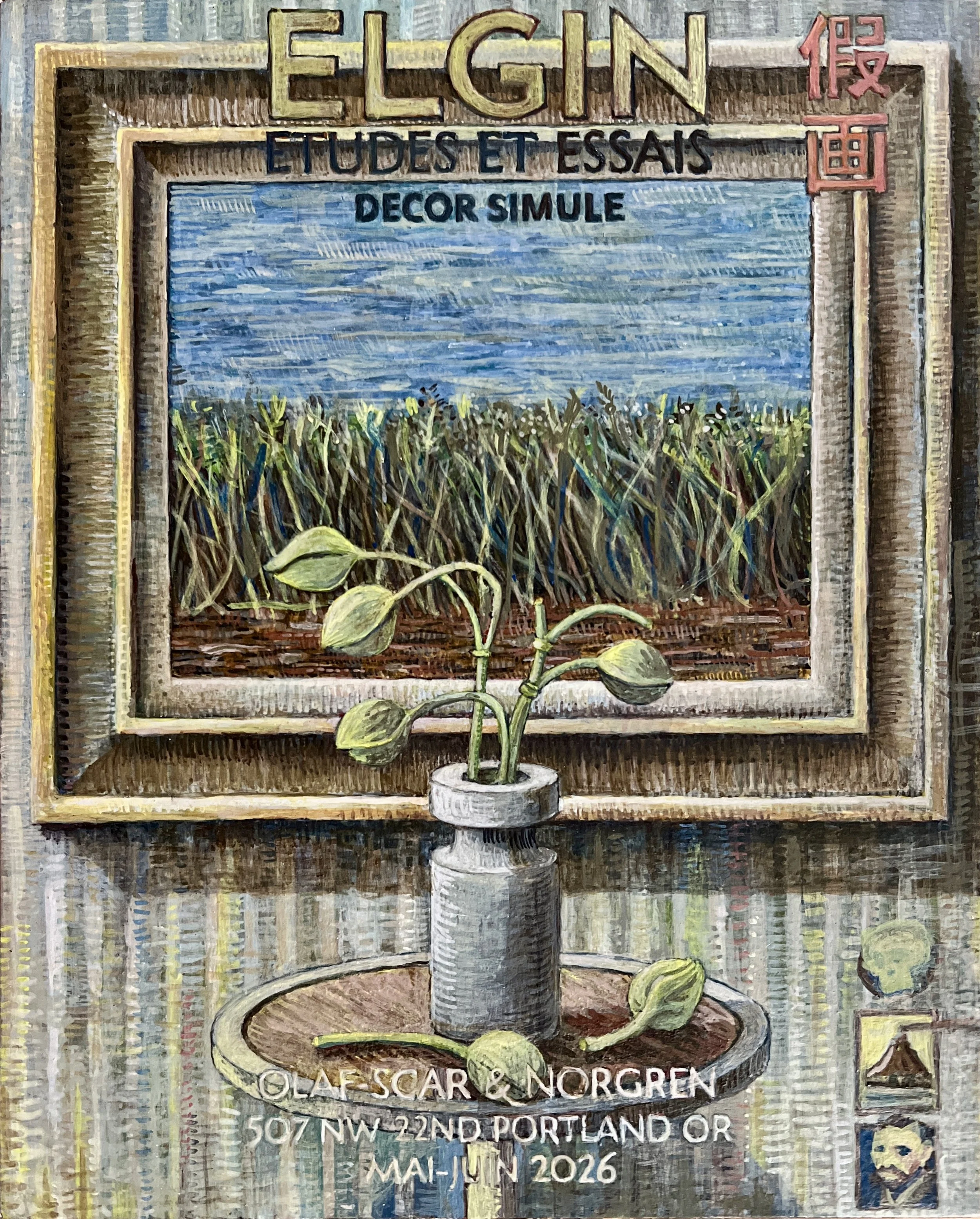
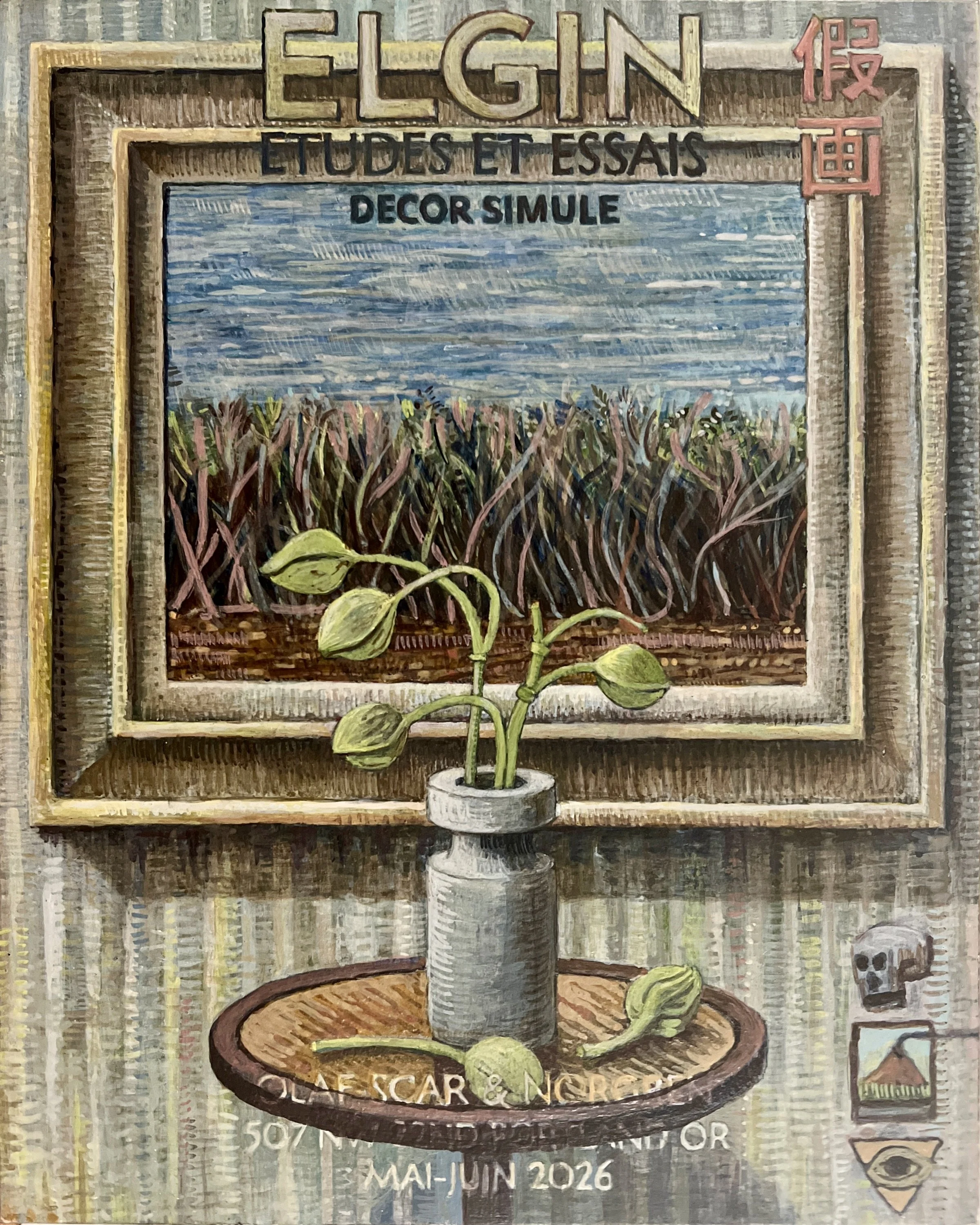
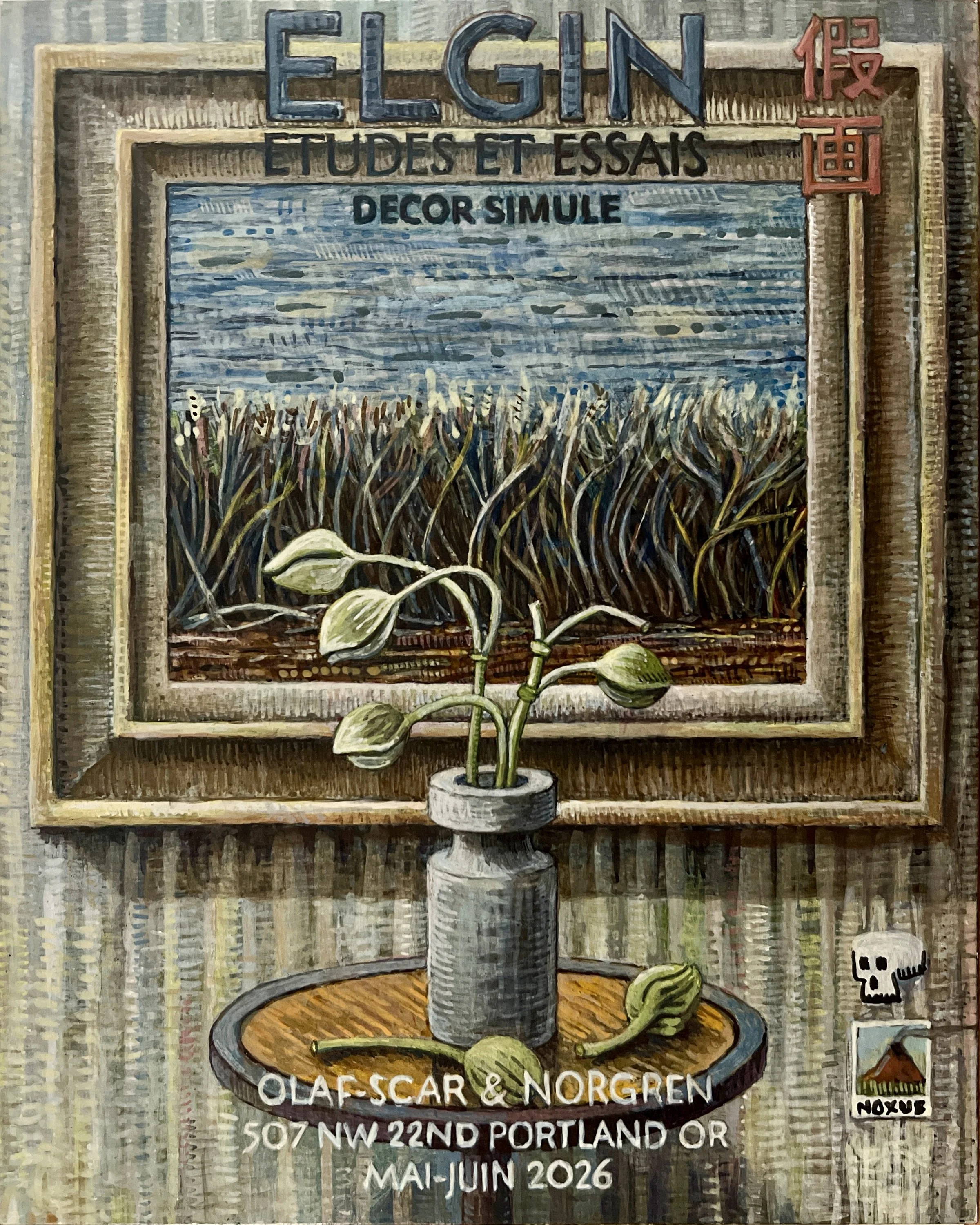
I feel like this came together.
The psychological implications of the last edits made are what make the picture for me.
Picture Making / Craft
The handling of the egg tempera feels good here. There are always new roads to go down, so the possibilities feel limitless. For now, the technique feels solid. Future works could push further into wetter washes and allow chance sloshes of color to influence the result.
Design / Composition
The composition came from a reaction to a part of a different completed picture. Something about that fragment felt right. Two other works have since been started in response to this one, both zooming out a little. It will be interesting to see where that leads.
Concept / Brand
There is something appealing about the directness of ELGIN. As with many commercial products today, the brand can become more important than the object itself.
Concept / Indexing
The metadata indexing is becoming part of the work itself, rather than simply a way of documenting it.
Concept / Commodification
This is tricky. The goal is to create objects people covet. That is a primary reason for making the work. The artwork communicates something, and ideally people care about what it is saying.
The ambition is for the work to be sought after in the way connoisseurs cherish a Munch painting, rather than the way speculators gamble on a Hirst.
The brand, webpage, and conceptual database add another layer around the paintings. Ideally, that layer will foster a dialogue around the work while its maker is still alive.
Concept / Psychology
The psychological impact that emerged with the final compositional elements was initially unintended, but became the most successful aspect of the picture.
This painting feels like a threshold. Future work should push toward symbolism that is both obvious and obscure. Munch did this.
The goal is eventually to make work with the brutal impact of a good Munch painting.
Direction: Click on an image. Use the </> buttons to navigate through the process images.