
Elizabeth Peyton
Standing on the outside, watching Peyton’s career unfold over decades, I have only peripherally taken note of her steps. With my limited knowledge, I am internally grouping her work into 3 periods.
Emergence: Historical Figures and Chelsea Hotel (1990s)
Dominance: The ‘It’ painter of pop culture (90’s-early 2000s)
Post-Zeitgeist: Exploration and personal growth (2010 onward).
It will take some time. I’m going to try to flesh out her career following this arc. Her work has had a huge impact on me. This is my way of trying to understand her a bit better and make sense of some conflicting feelings I have about her as an artist.
Emergence:
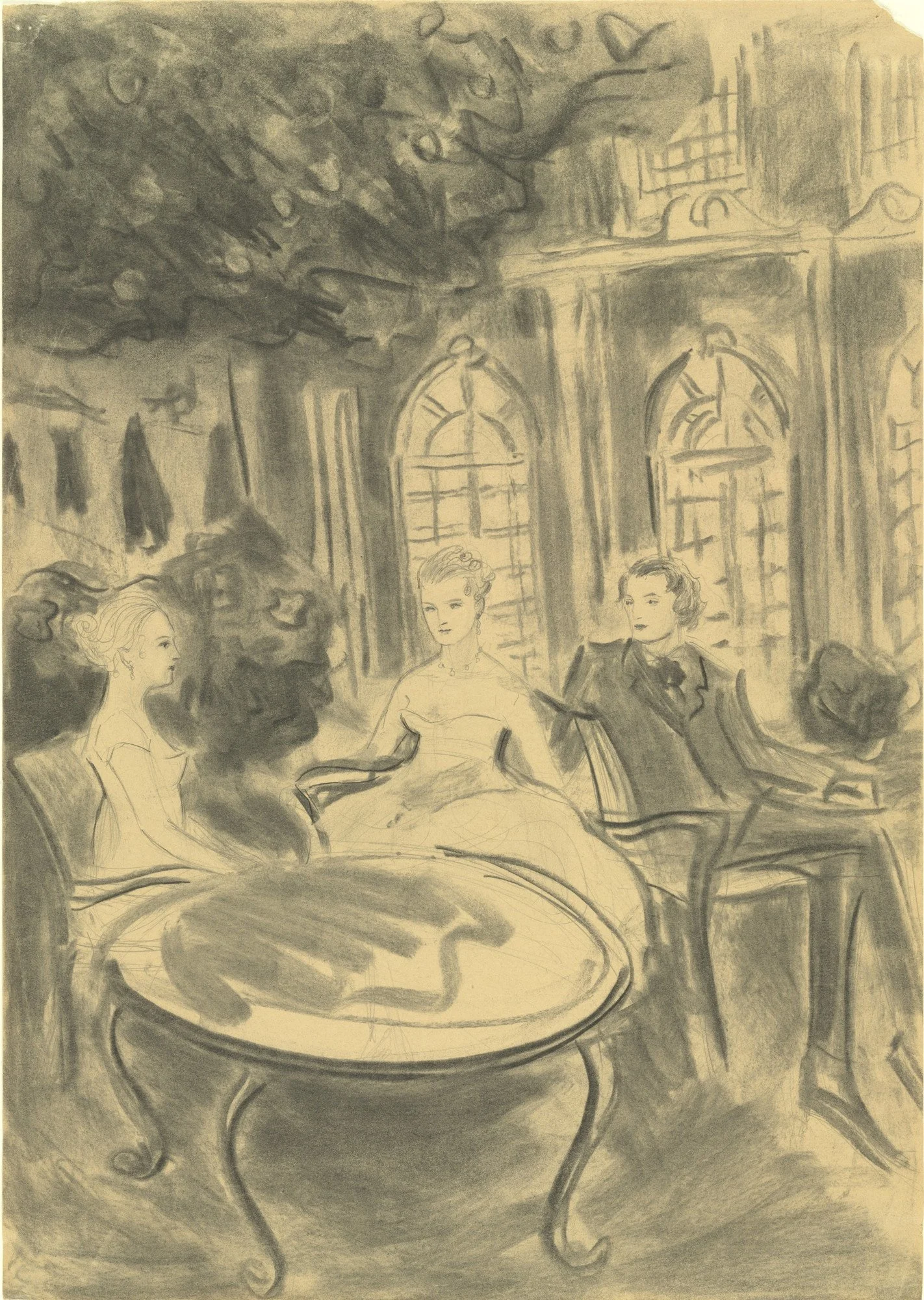
Peyton gained prominence with her iconic 1993 exhibition in Room 828 of New York’s Chelsea Hotel. During this period, her subject matter focused heavily on romanticized historical figures (like Napoleon, Ludwig II, and Marie Antoinette) along with literary heroes. Stylistically, her work was characterized by ink and charcoal drawings and thin, luminous oil washes on small board surfaces, offering an intimate, anti-monumental counter to the prevailing conceptual art of the era.
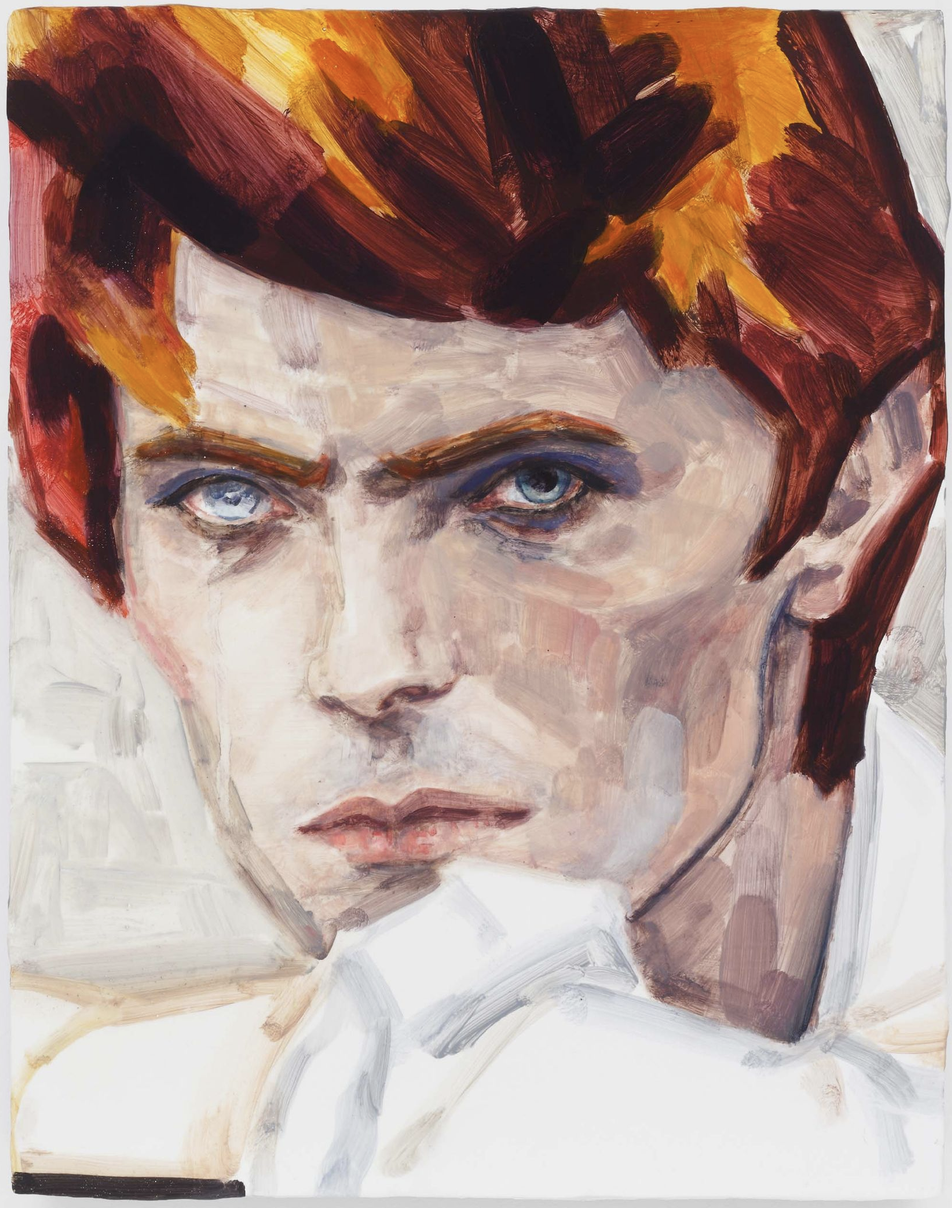
I love this picture by Peyton. This is what she does. She finds a source photo/image and then using her mark making techniques, makes something new. This image represented her as she crashed onto the art scene in the early 90s.
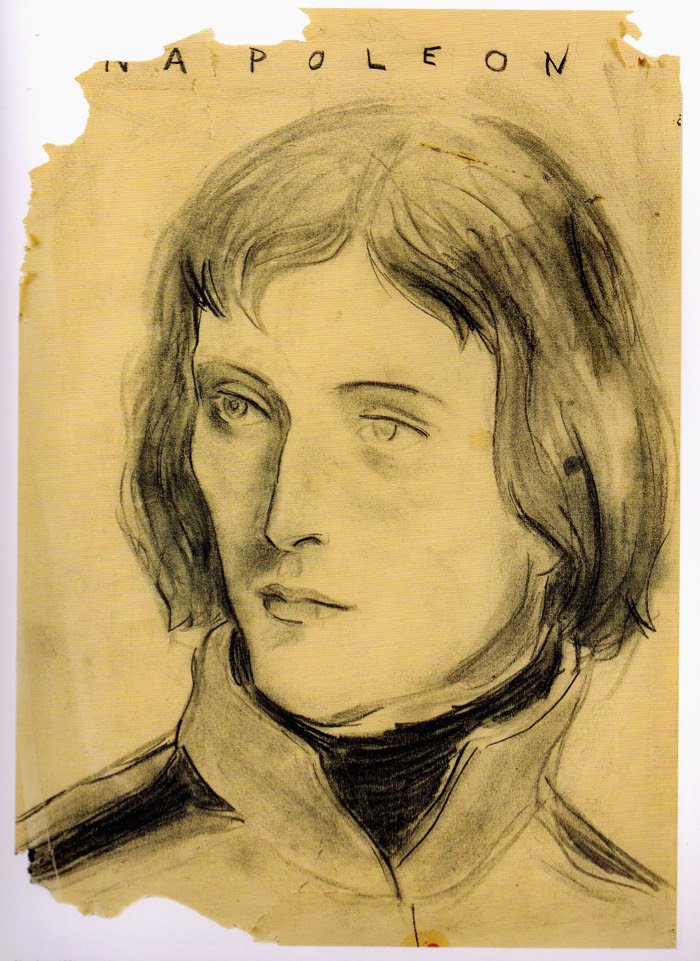
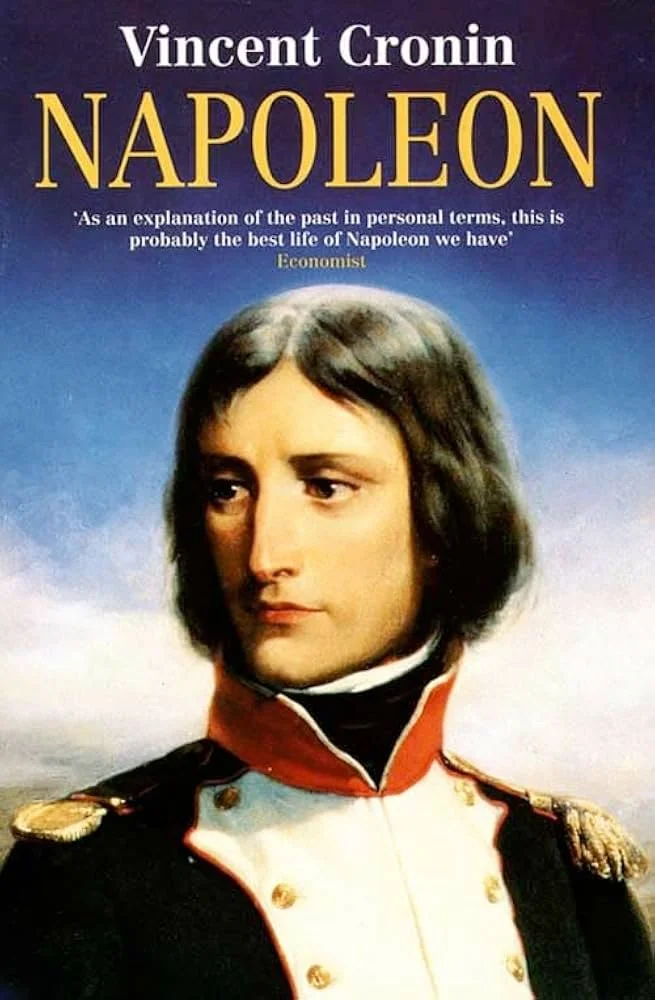
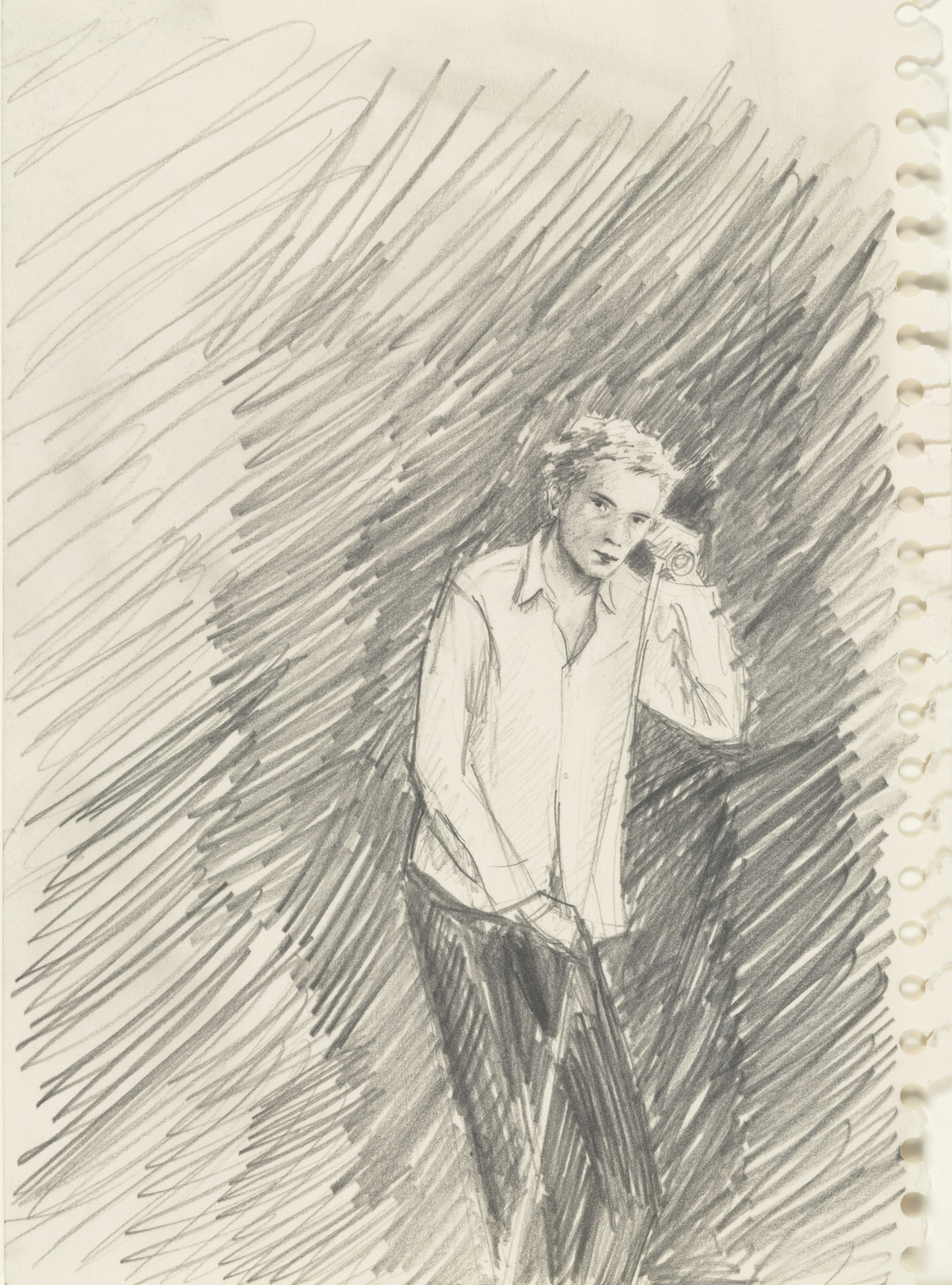
I expect these were the types of drawings one could have purchased from her Chelsea show. When I look at some of them like ‘The Red and the Black’, I see her dripping with potential. The world is her oyster at this point.
Dominance:
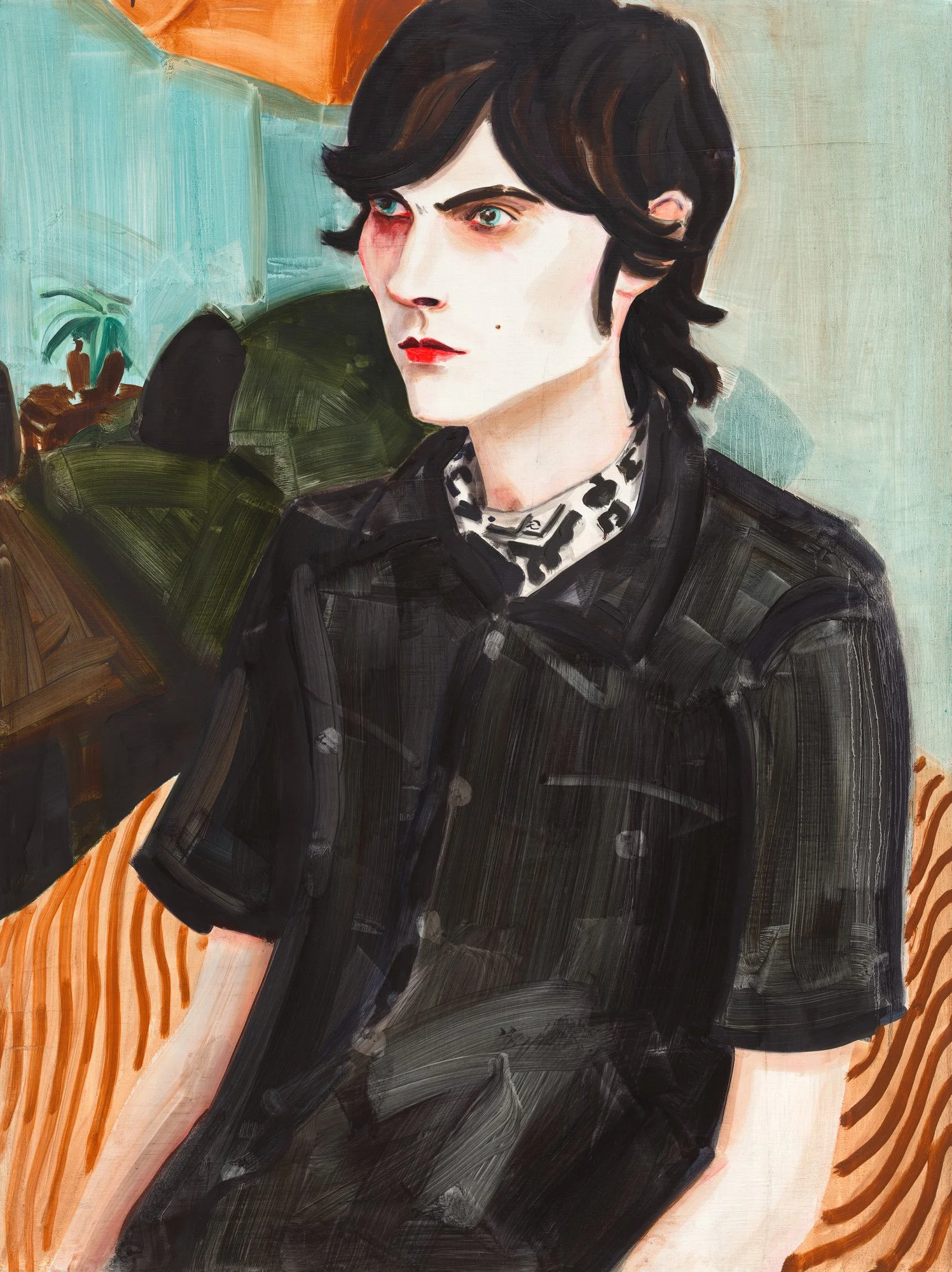
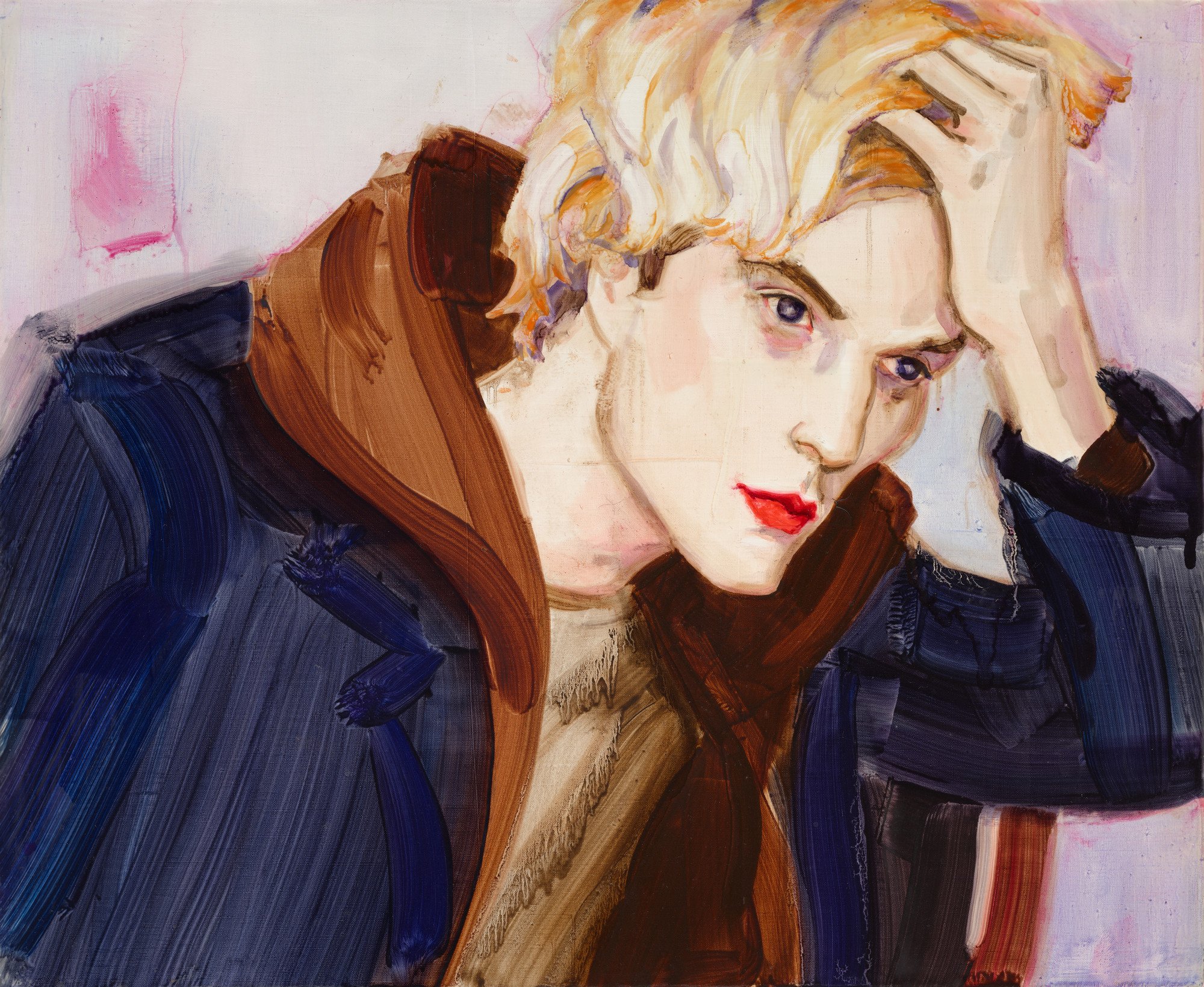
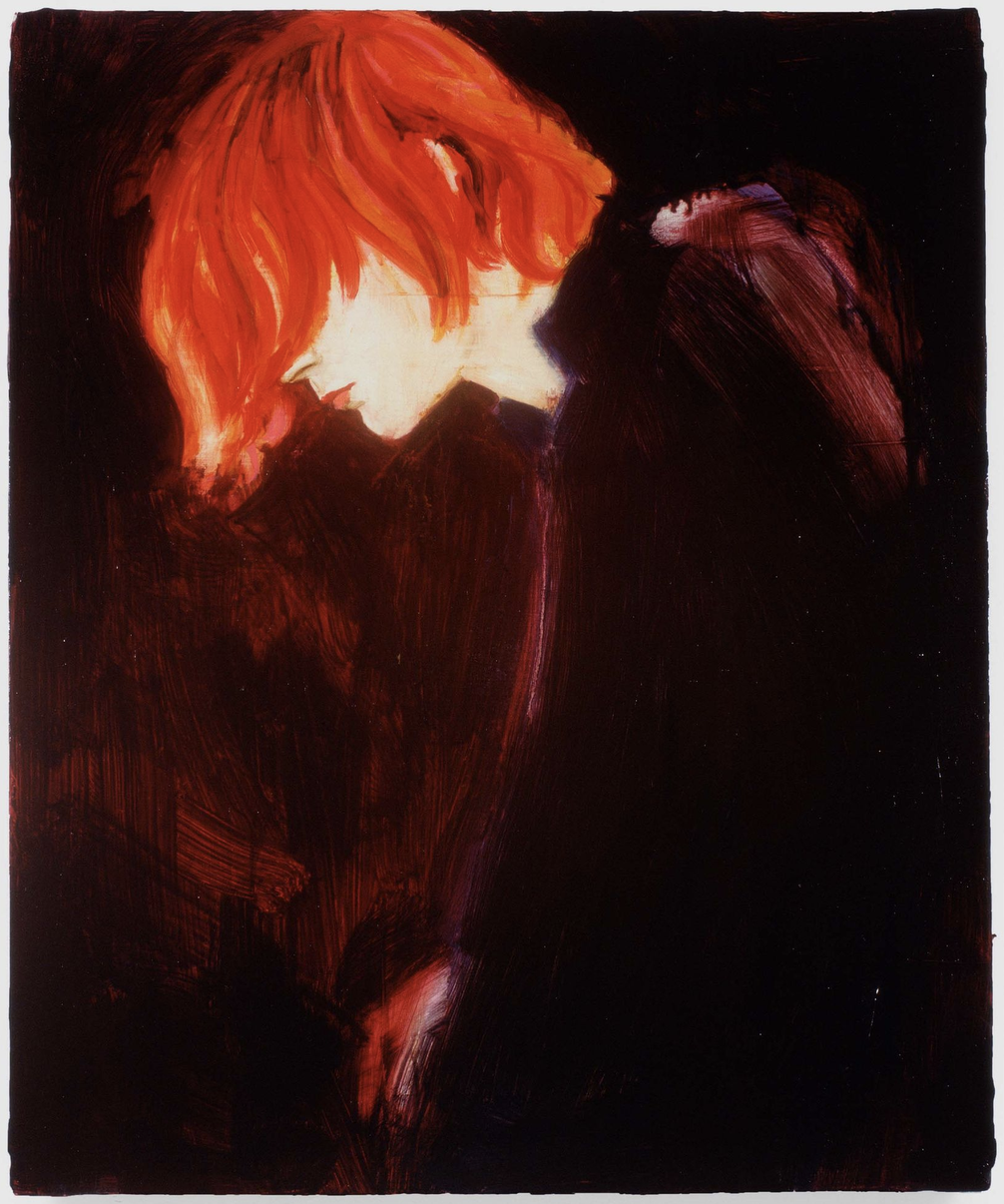
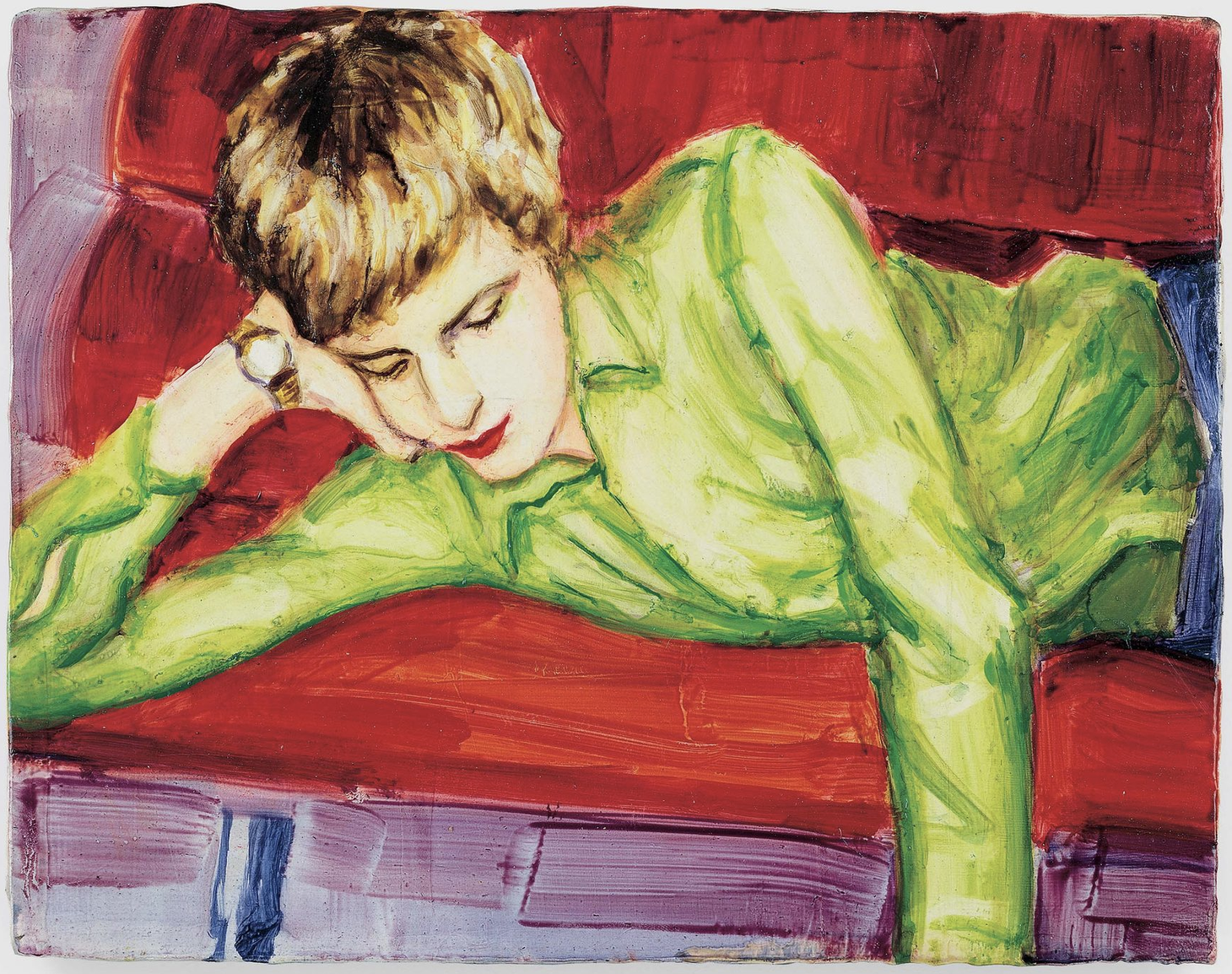
Peyton shifted toward contemporary pop culture icons, rock musicians (Kurt Cobain, Liam Gallagher, Julian Casablancas), and her close circle of friends and artists in downtown New York. Her paintings adopted bolder jewel tones, glossy finishes, and graphic precision. Works from this era captured youth culture, fame, longing, and fandom, culminating in her 2008 mid-career retrospective Live Forever at the New Museum.
“People contain their time in their faces. All of their individuality is in the expression of their face.
You could have three people with exactly the same face, but because of their personality you wouldn’t even notice that they were the same face.
The way somebody’s thinking and feeling, it’s how they actually move the muscles in their face, the light from within, it radiates out in a different way in different people.”

Exploration:
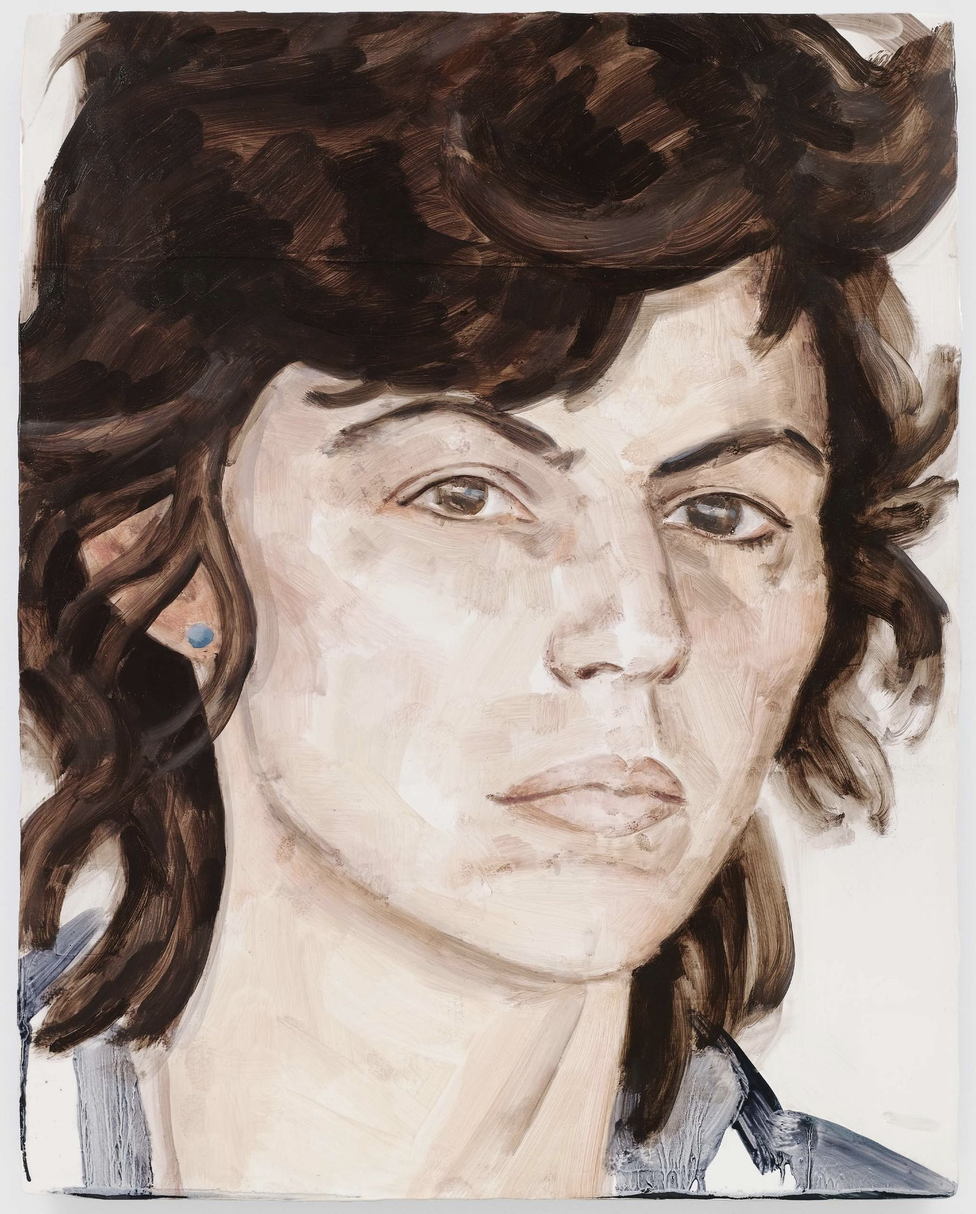
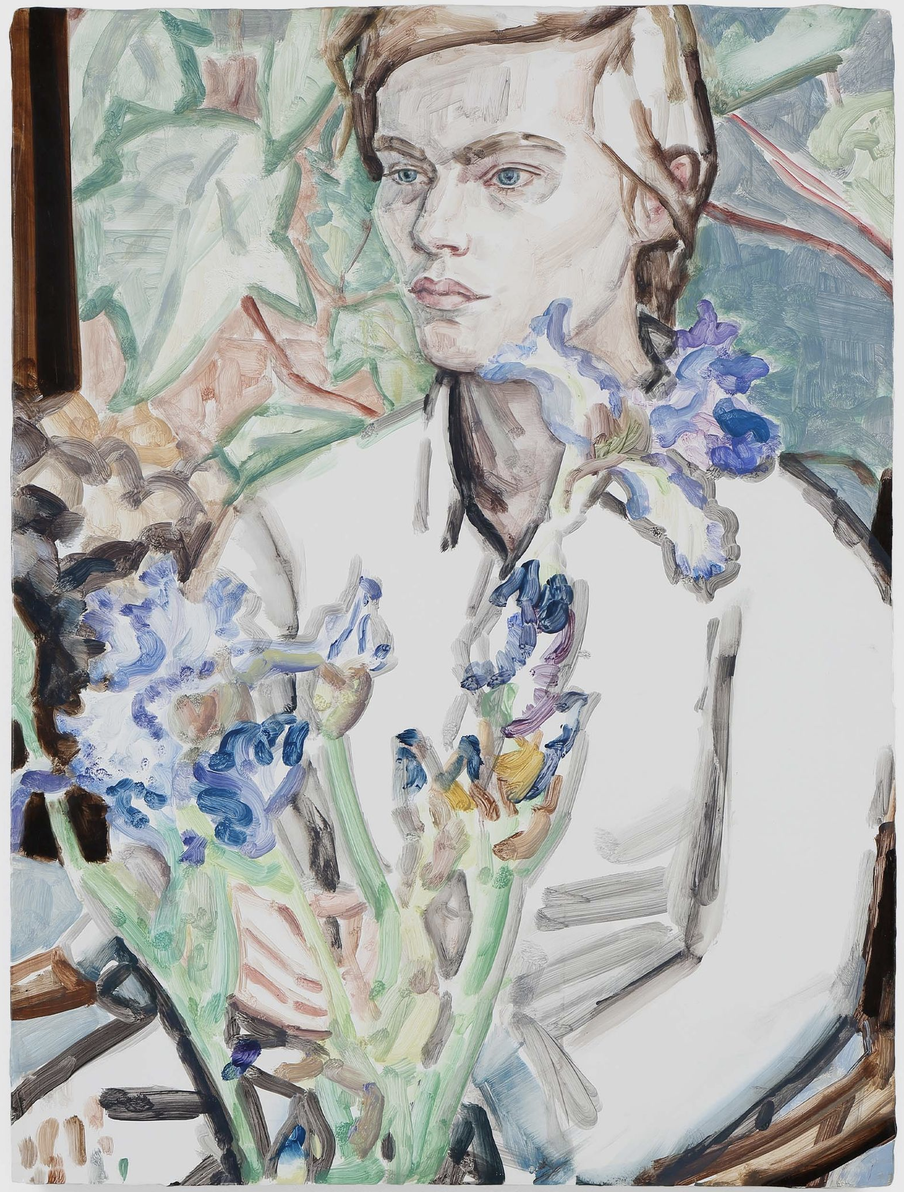
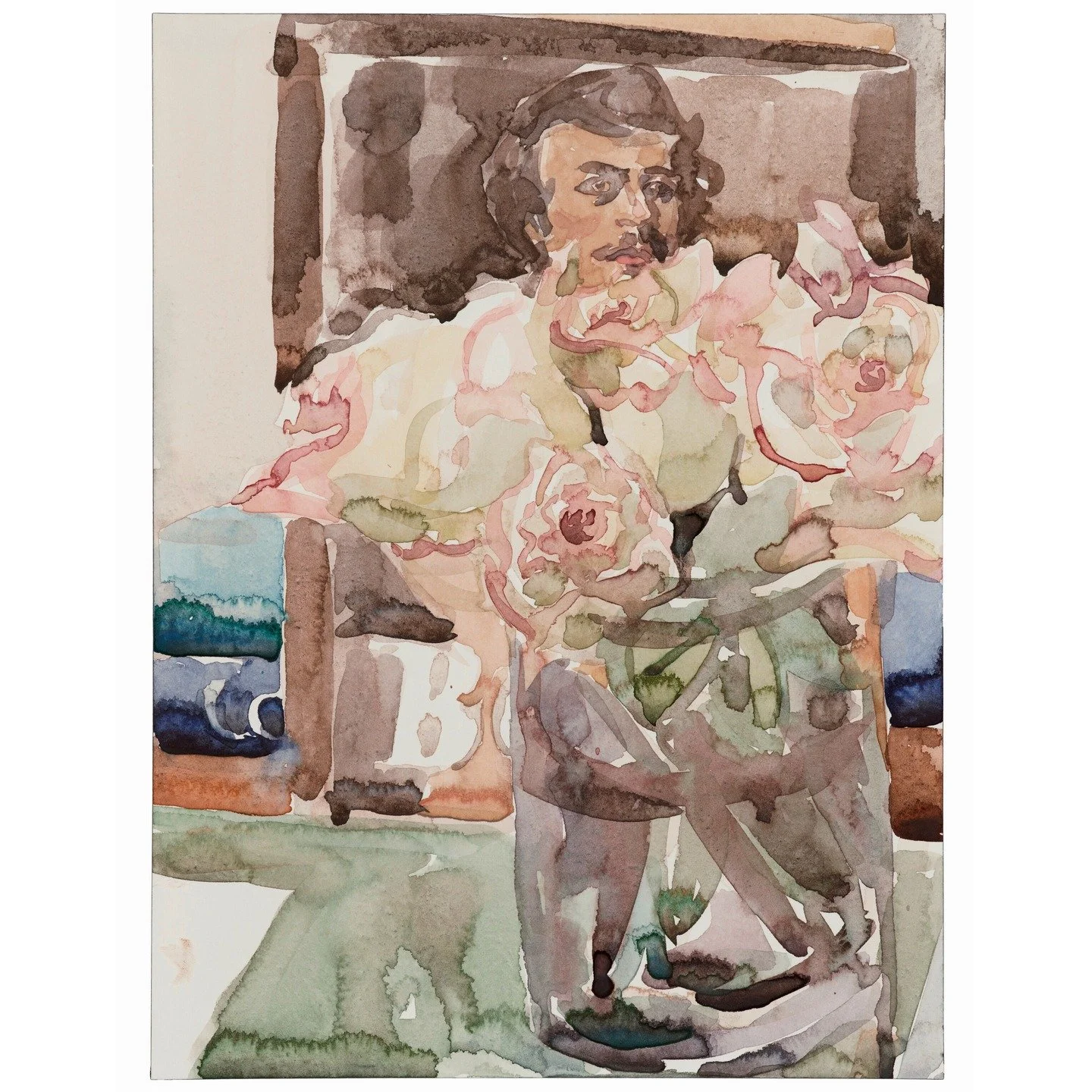
In recent years, Peyton has turned increasingly toward painting from life rather than photos, working during intimate live sittings with classical musicians, opera figures (including Wagnerian opera themes), and fellow artists. Her brushwork has become more densely layered, frequently incorporating direct dialogues with art history, self-portraits, and still lifes alongside her portraits.
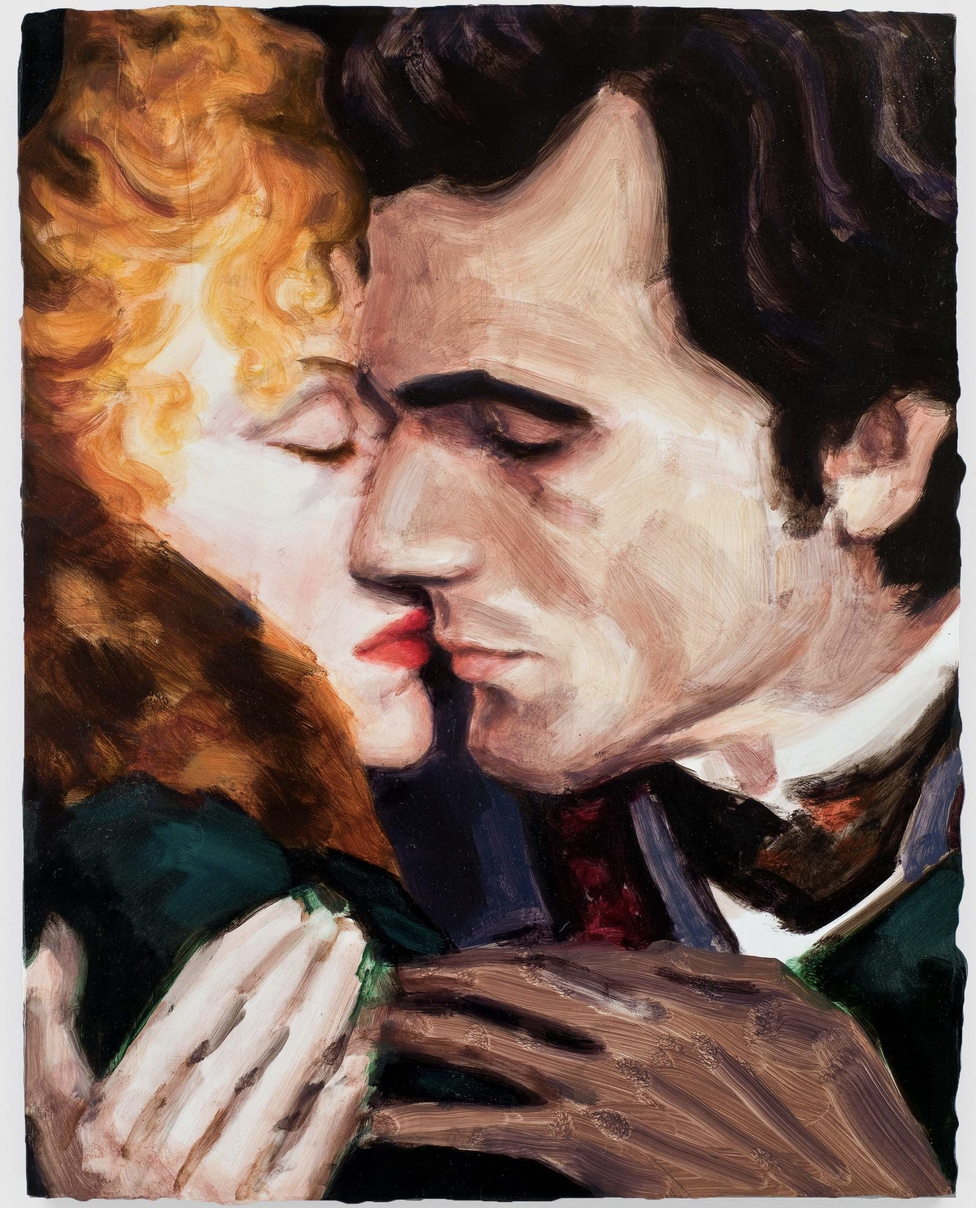
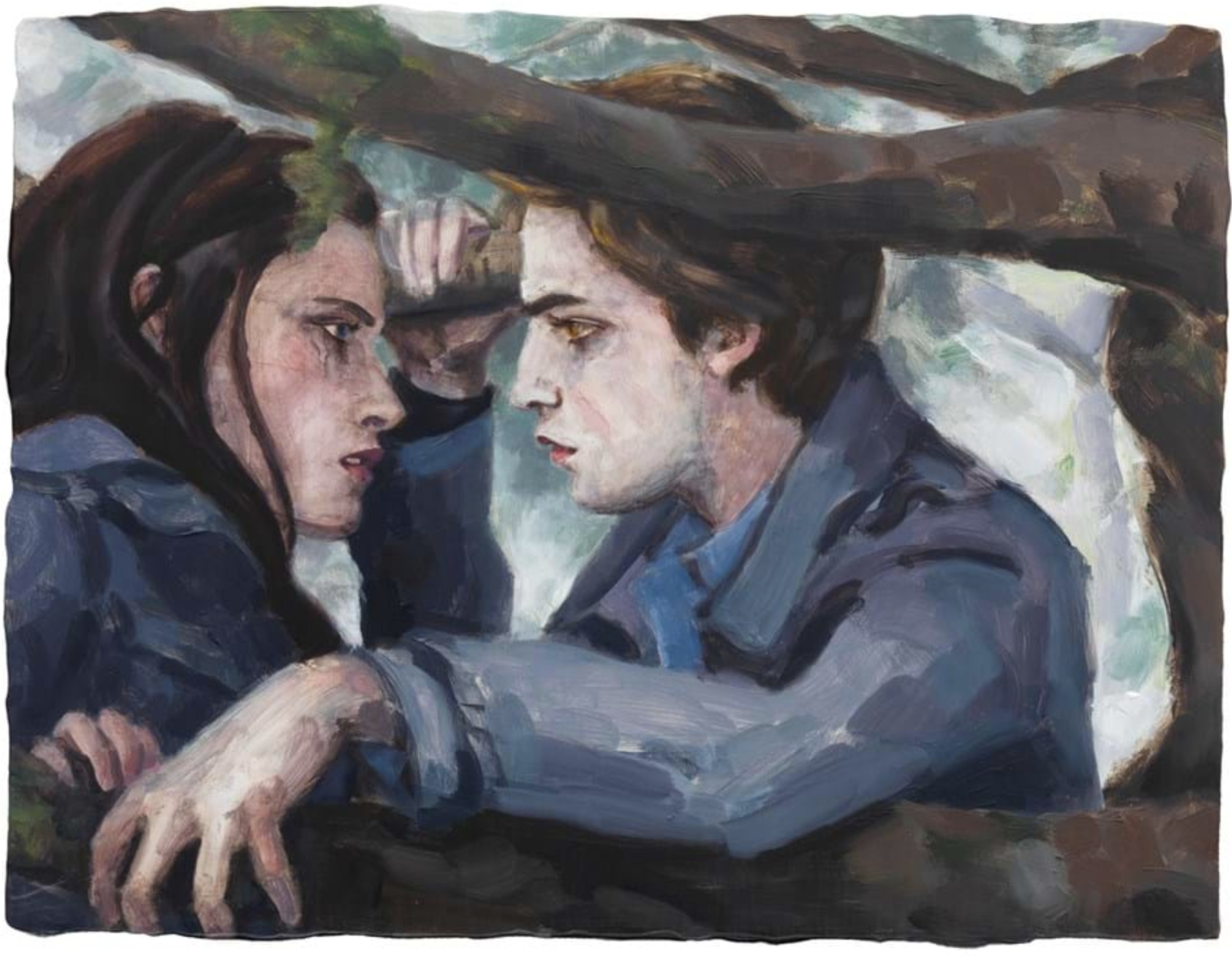
Twilight - 2009
One of my more favorite Peyton works.
The composition is extraordinary. Its someone elses composition though, so what Peyton is bringing is her mark making… and I am not feeling like it fully succeeds on that front. I think she fussed with a lot of the parts of this and lost the immediacy of her traditional style.
I still love this painting though.
Current Take:
Early Peyton still gets me excited. I still look at her work from the mid 90’s to around 2005 and am constantly happy when I see her work.
From around 2015 onwards… I hate it. There are some good works thrown in here or there, but mostly her work is an insult to the eye.
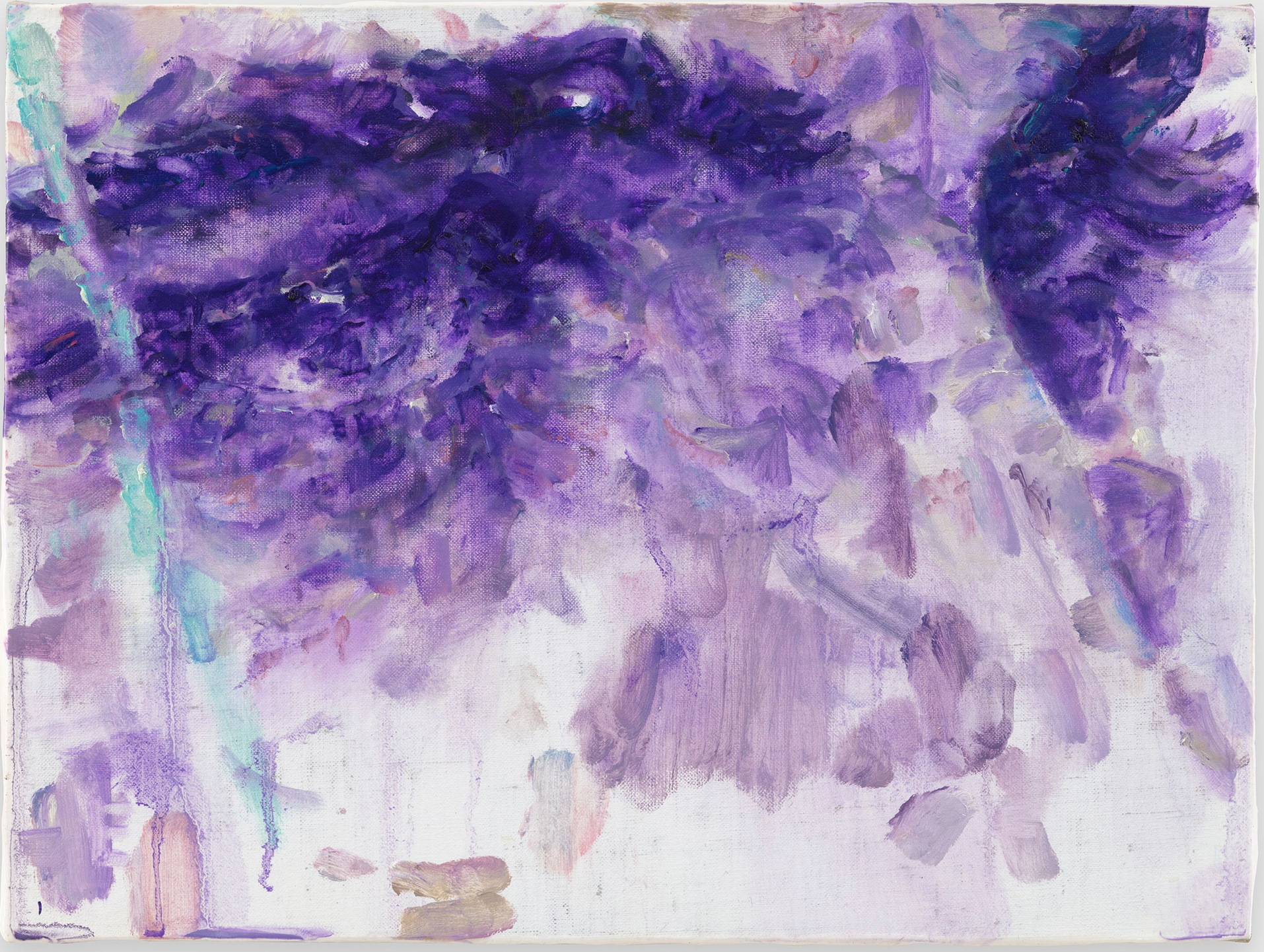
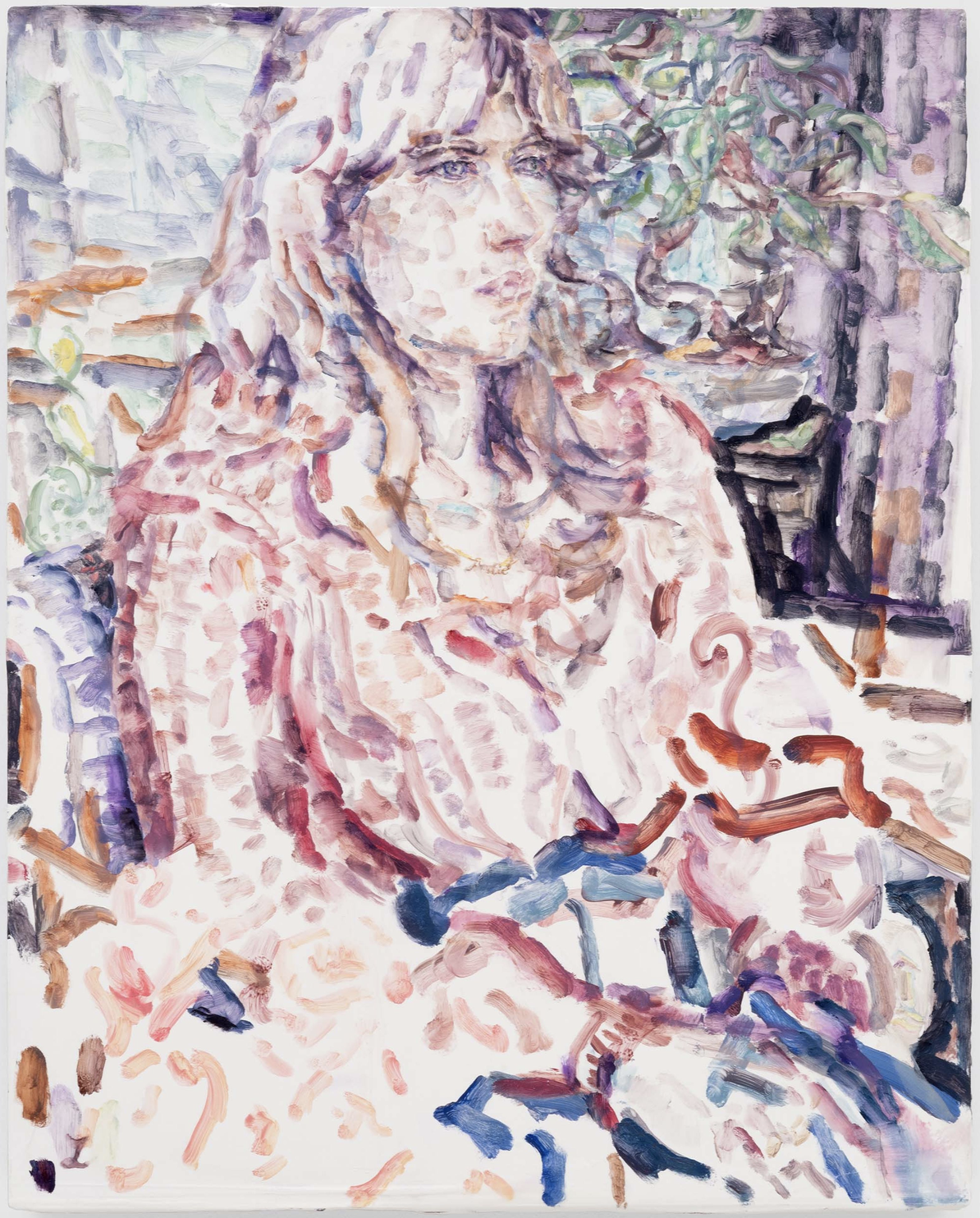
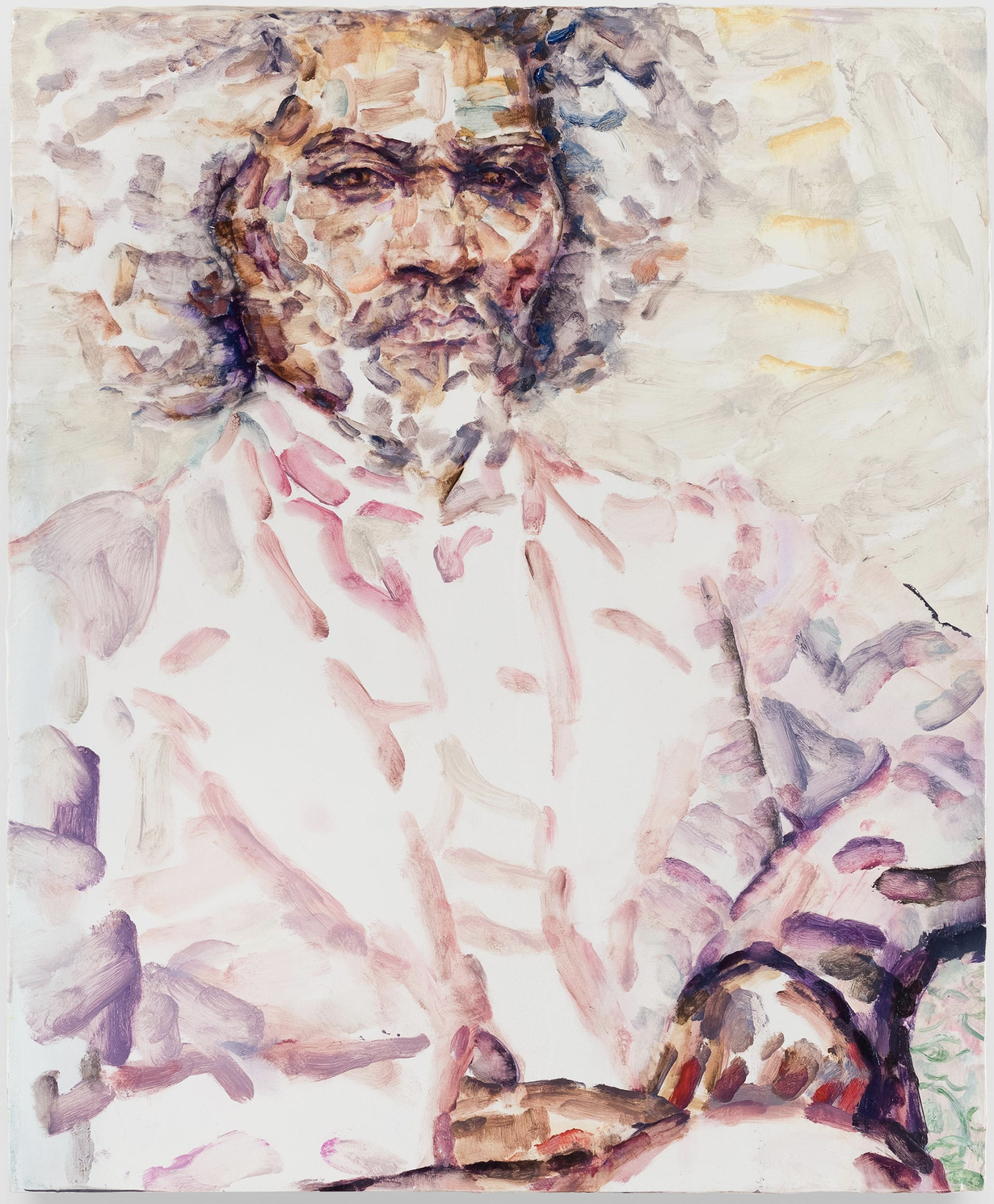
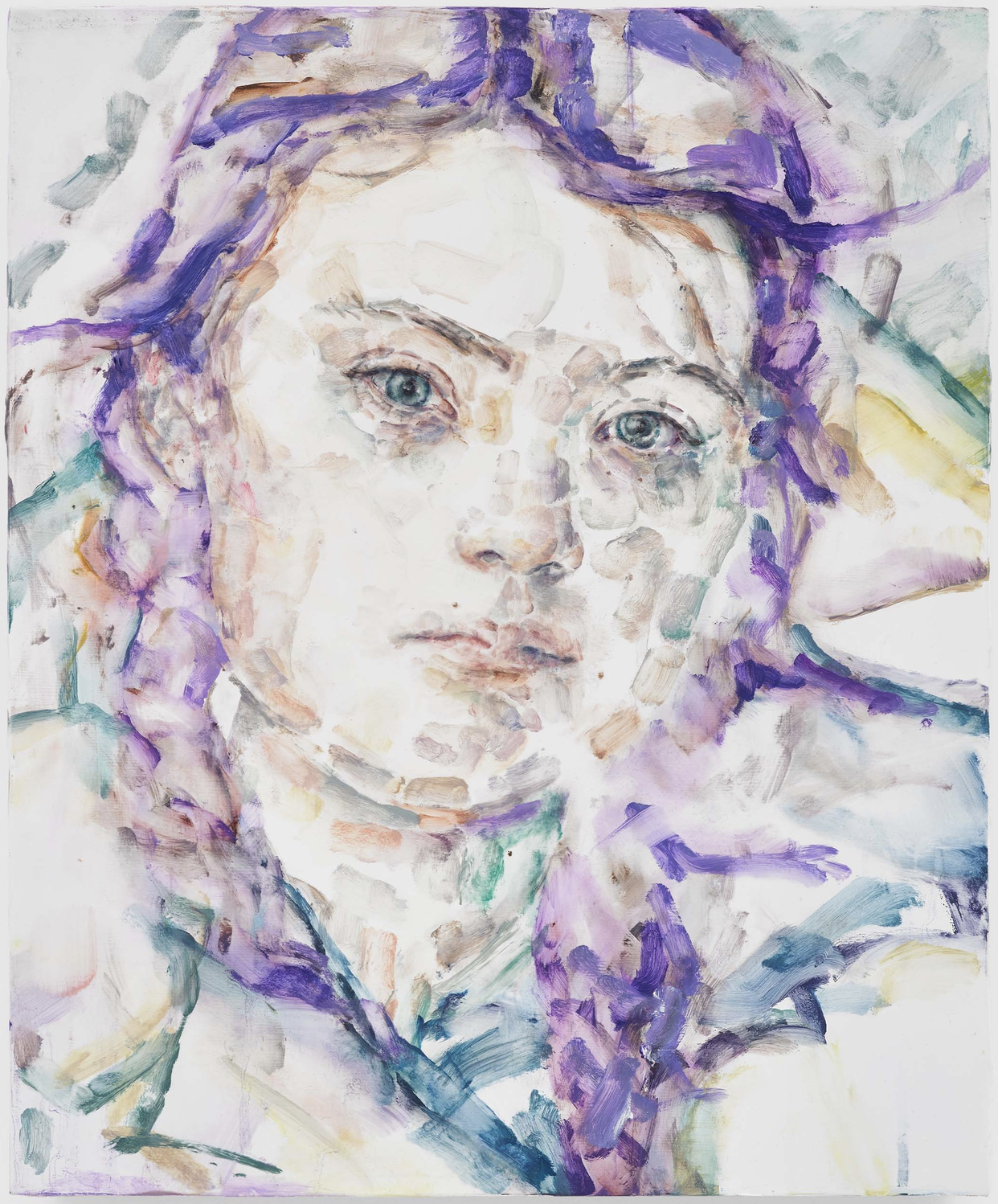
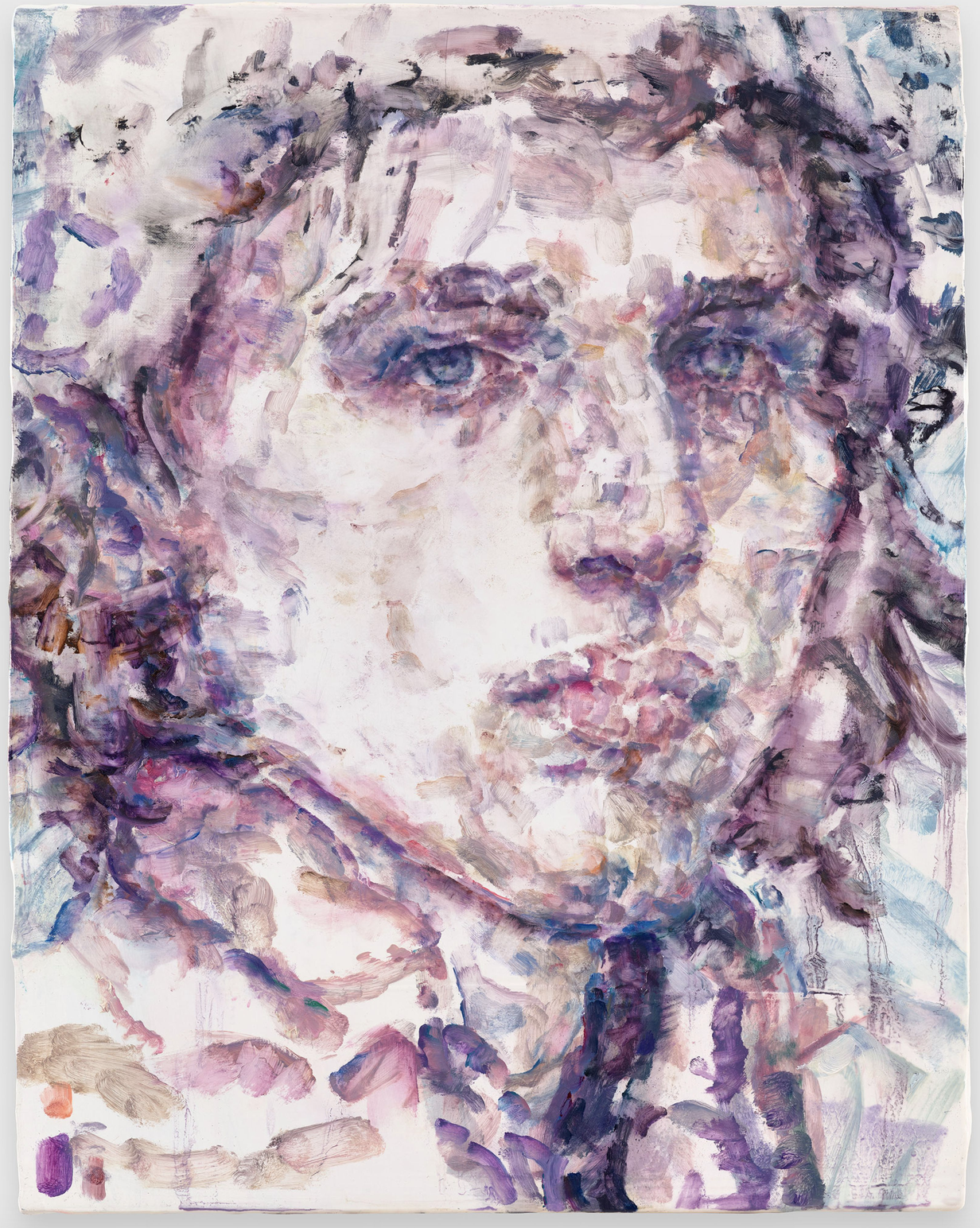
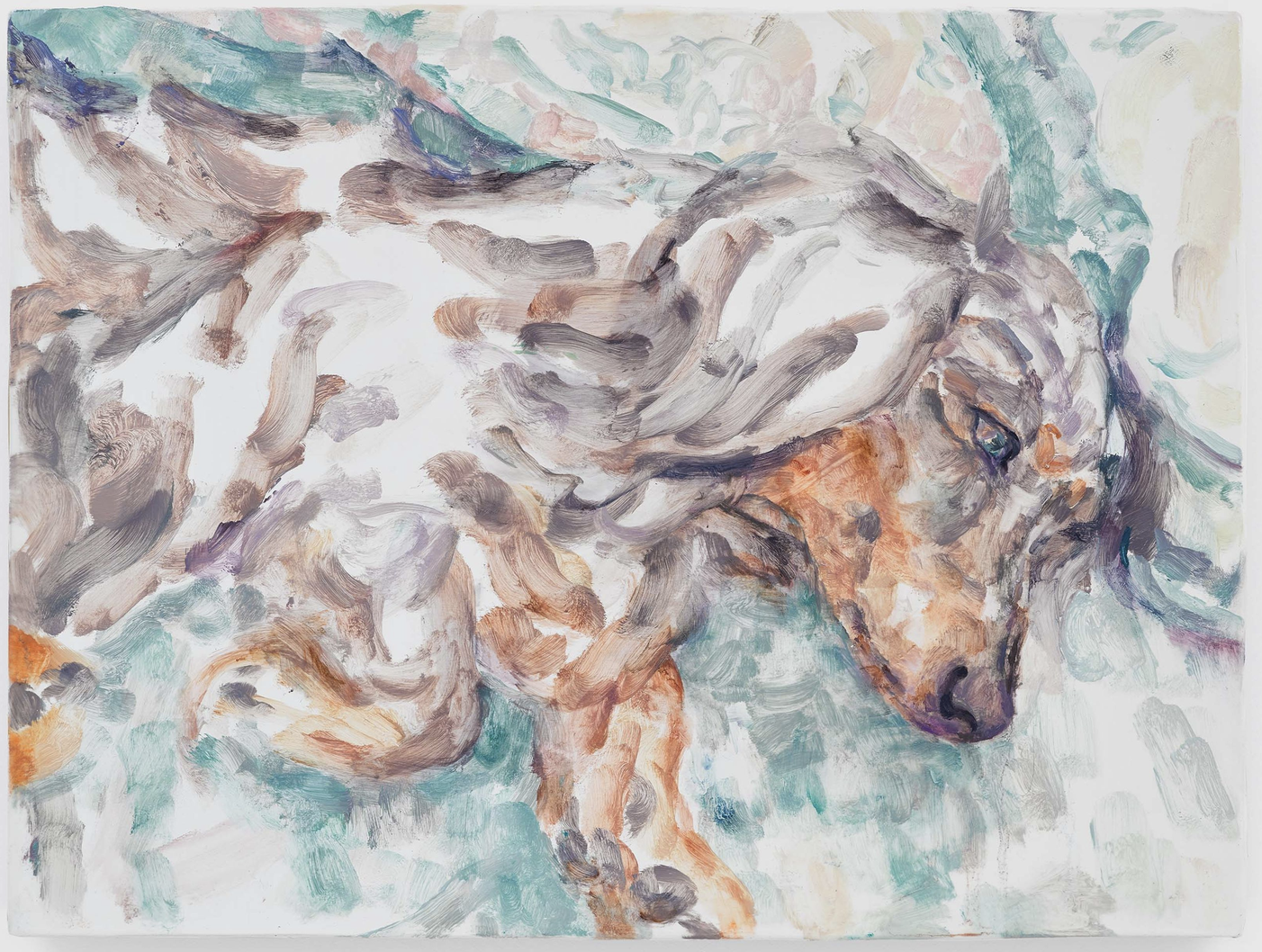
These images floored me. They are so far beyond bad that I almost don’t know where to begin. They are genuinely shocking.
I have noticed that from grade school through early high school, kids often fixate on drawing eyes. Have you ever noticed this? Ask almost any young girl to look through a few years of her drawings and I’ll bet you’ll find a drawing of an eye, or two eyes together. Eyes become a subject in themselves, a way of practicing the face, but also a kind of shorthand for “drawing a person.” (boys mostly draw dinosaurs and army guys)
The fact that she painted eyes is not the problem. This piece just illustrates most strongly my confusion with what I am seeing.
Look at the painting of Greta Thunberg. We all know what Greta looks like, and this doesn’t look very much like her. That, in itself, wouldn’t necessarily be a problem. A portrait doesn’t have to produce a literal likeness. An artist can distort a face, abstract it, simplify it, or use the subject as a starting point for something entirely different.
But that isn’t what I see happening here. Instead, I see Peyton doing something remarkably similar to what children do when they first learn to draw faces.
When kids begin drawing people, they tend to draw the same face over and over and over again. At first there is a basic template: two eyes, a nose, a mouth, maybe a line for the hair. Eventually they start making adjustments by adding eyebrows, ears, different hair, changing the proportions. But before a personal visual language develops, there is a recognizable “type” that all of their faces fall into.
I went to a gallery opening recently where the artist had drawn 20 large portraits. Each portrait was intended to be a different person, but because he used the same stylistic tics on each piece, they became 20 very bad paintings of the same face. I’d put a link up here to the show, but I don’t want to embarrass a non-established new comer (Peyton is fair game).
That is what I think is happening in these paintings. Peyton has fallen back on a type.
Look at Greta. Despite being a completely different person, her face falls into essentially the same generic template as the other faces in this group. The photograph supplies the identity, the recognizable person, but the painting reduces that person back down to a generic set of facial signs.
This is particularly strange coming from an artist who has spent decades painting people. At this point, I would expect the opposite: that the individual person would force the artist to discover something new in the face. Instead, the faces seem to be forcing the people into the same pre-existing template.
I wonder… I’ve lived long enough now to watch career arcs shift over time. Some artists get success and they crumble. After a certain point, I don’t see Peyton having fun with her work any more.
Its the in thing to take an artist who is working through their first phase of their career and turn them into superstars. That happens with a lot of artists over the last 50 years (Basquiat, Peyton, Schnable, Sherman…). Before this trend started, artists would go through decades struggling to find themselves and have had the time to mature past their initial stages. I think most artists who have had the early meteoric success, are not able to get beyond that point. The collectors spending millions on their work are not going to be happy if you corrupt your initial work. Basquiat is a beautiful example of an artist who had a great raw style and then died before he got to the point of finding his next phase. Mabye he would have grown considerably, or maybe he would have found himself boxed in and being unable to make the shift. Who knows. What I do think is that Peyton is unhappy, is unable to get out of her own way to find what is next, and has been creating disasters for a couple of decades now that have done nothing but harm her overall reputation as an artist).