
George Bellows
When I was a kid, if I remember correctly, there were ‘art appreciation’ specialist/teachers that would go from one grade school class to another across the school district. This painting below called “George Dempsey and Firpo”, is one that I remember.
First, we were told why it was painted. That back in the day newspapers would send artists to go and draw scenes from fights like this for the papers, similar to court artists do today. Bellows was at times during his career making his living as an artist/illustrator being sent to events like this. In turn he used the sketches and drawings to create a series of pugilist paintings.
Second, the instructor used this painting to describe compositions. Bellows was a very smart painter and I think this was his tour-de-force masterpiece that he put together after decades of refining a focus on composing a painting well. To understand what I am talking about:
Take the referee’s arm, its pointing down at an angle towards the head of the guy getting knocked out of the ring.
Take the leg of the guy in the ring up to the guy standings shoulder.
Then follow the line of the boxing ring back to the referee.
What you have is a triangle that artists use to pull the eye around a canvas. There is this primary triangle and then several secondary lines that further pulls your attention.
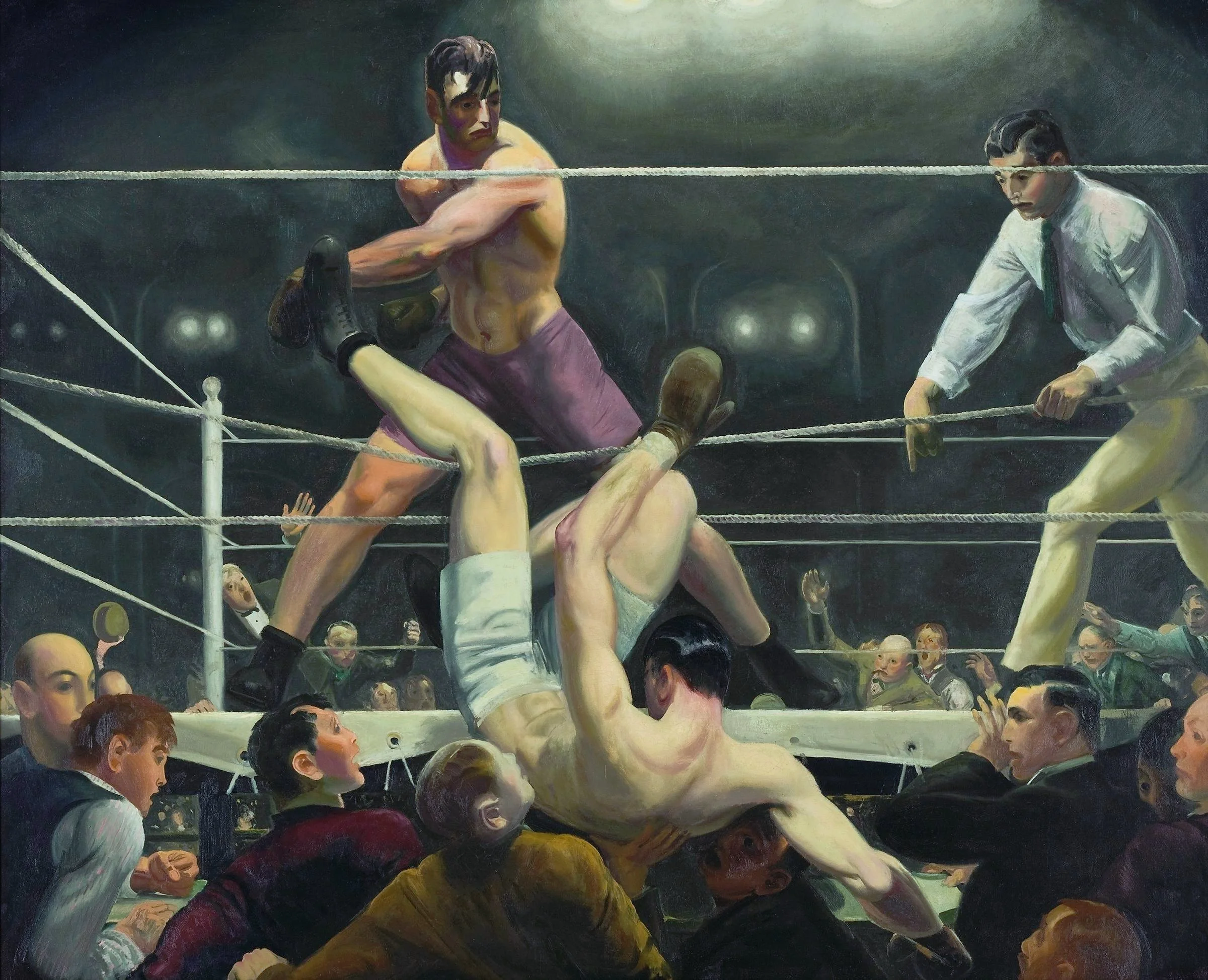
Bellows: George Dempsey and Firpo from 1924
The painting above was part of a long running series of pugilist works.
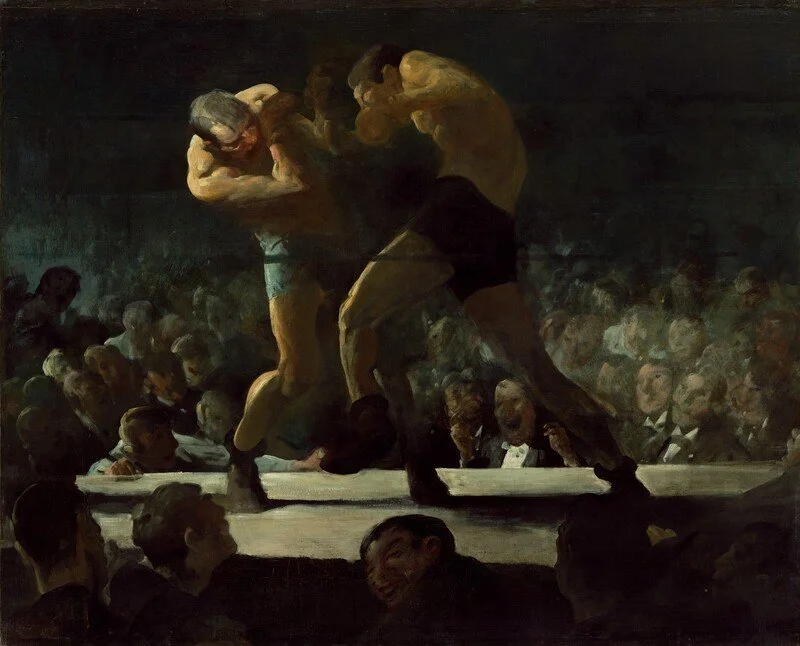
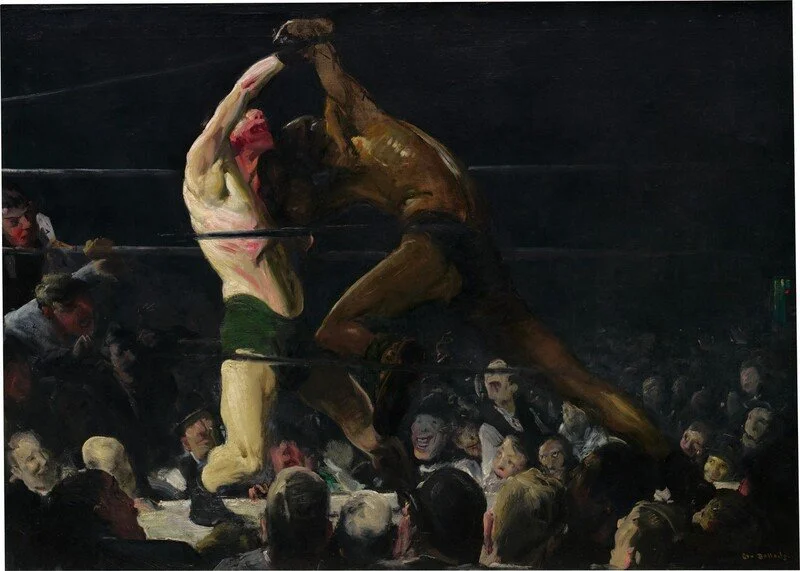
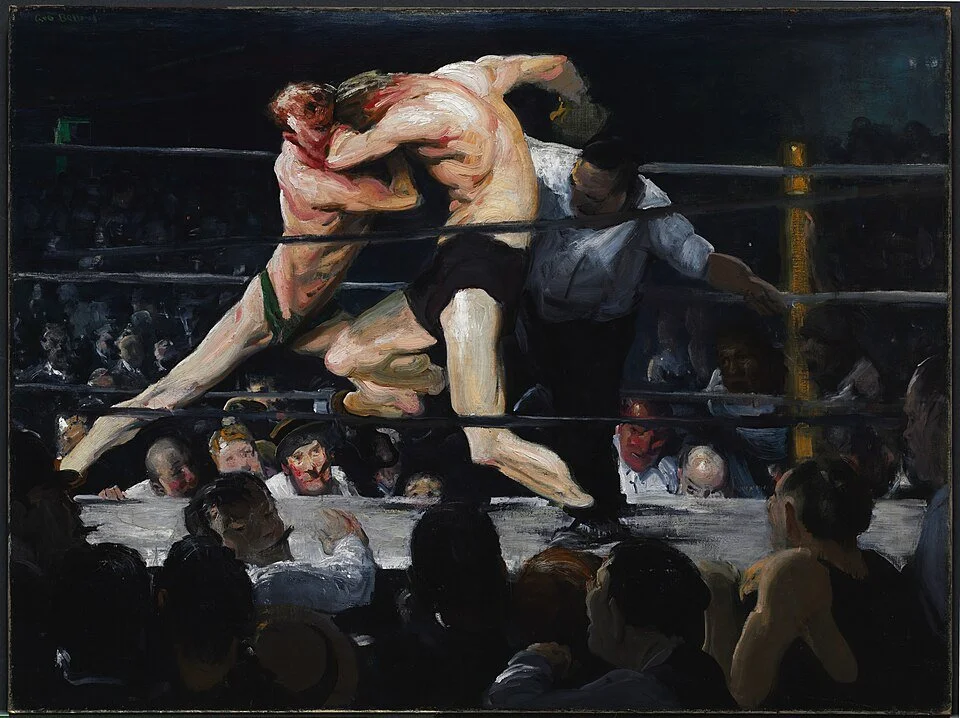
For a long time, I admired Bellows pugilist paintings, but could not fully embrace his other works. Instagram has a couple of feeds where you can go and scroll through tens of thousands of random curated images. Every once and a while a Bellows painting would pop up and I would find myself contemplating it for a while. I got to better understand him as an artist.
What always kind of pushed me away in the past were Bellows very complex landscape paintings.
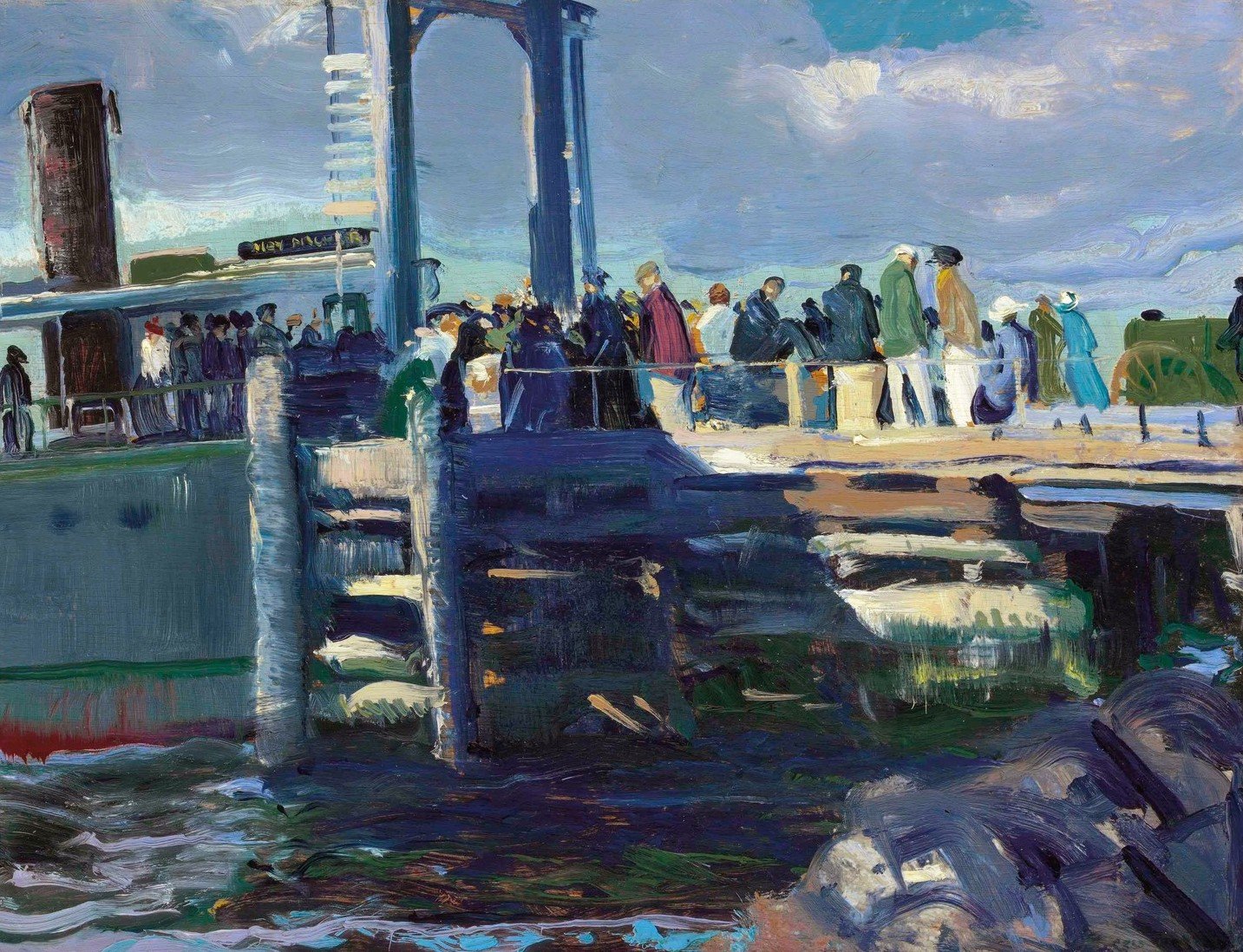
The Dock - 1913
I think Bellows requires contemplation. I know I have walked by his work quickly in museums before. Maybe because Bellows is using muted colors and his works are often overwhelming in complexity, they don’t lend themselves to a gestalt understanding like an Andy Warhol Soup Can. As a viewer, you need to put in a little work.
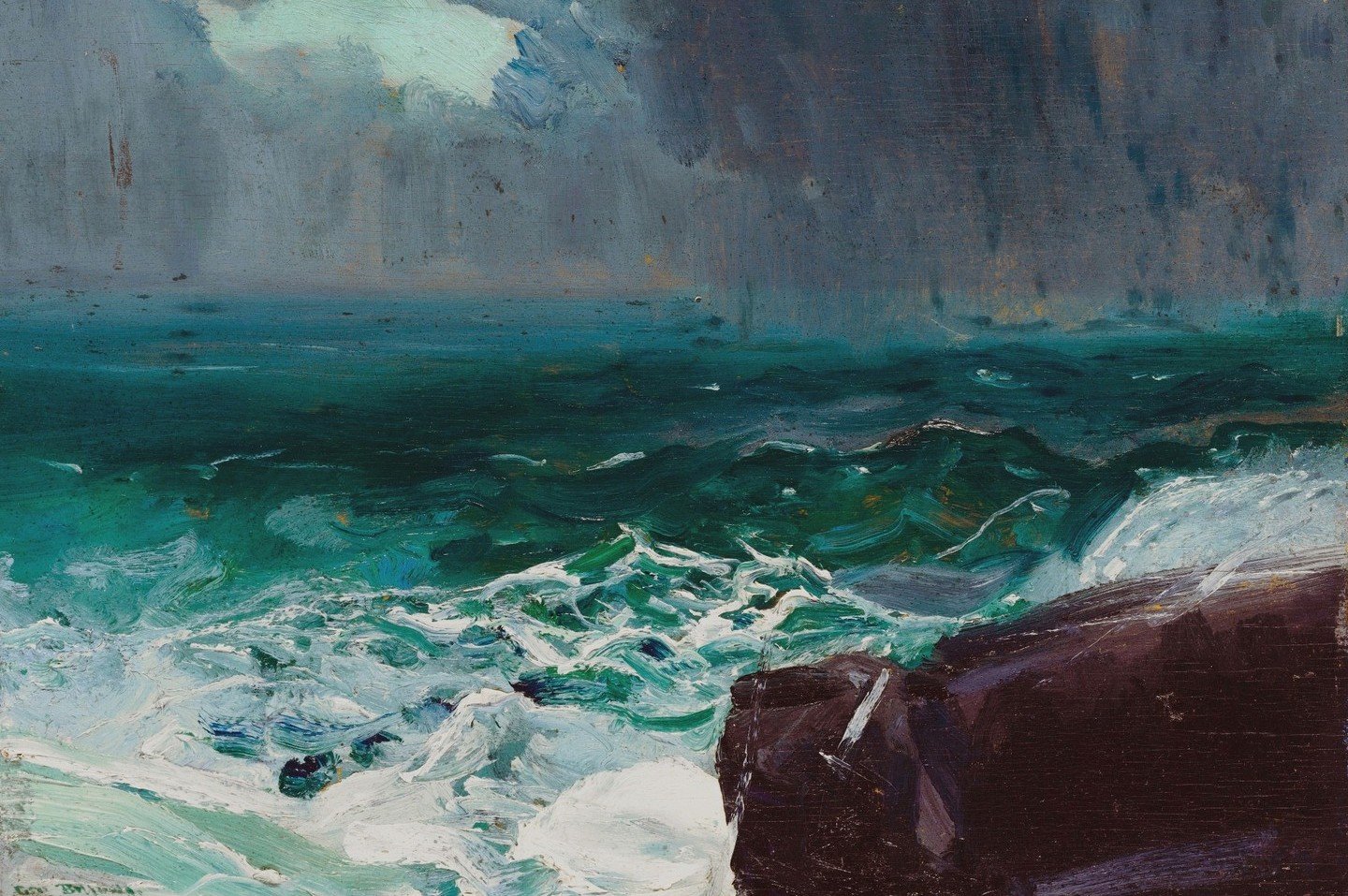
What was new for me recently was getting to see his quicker landscape studies:
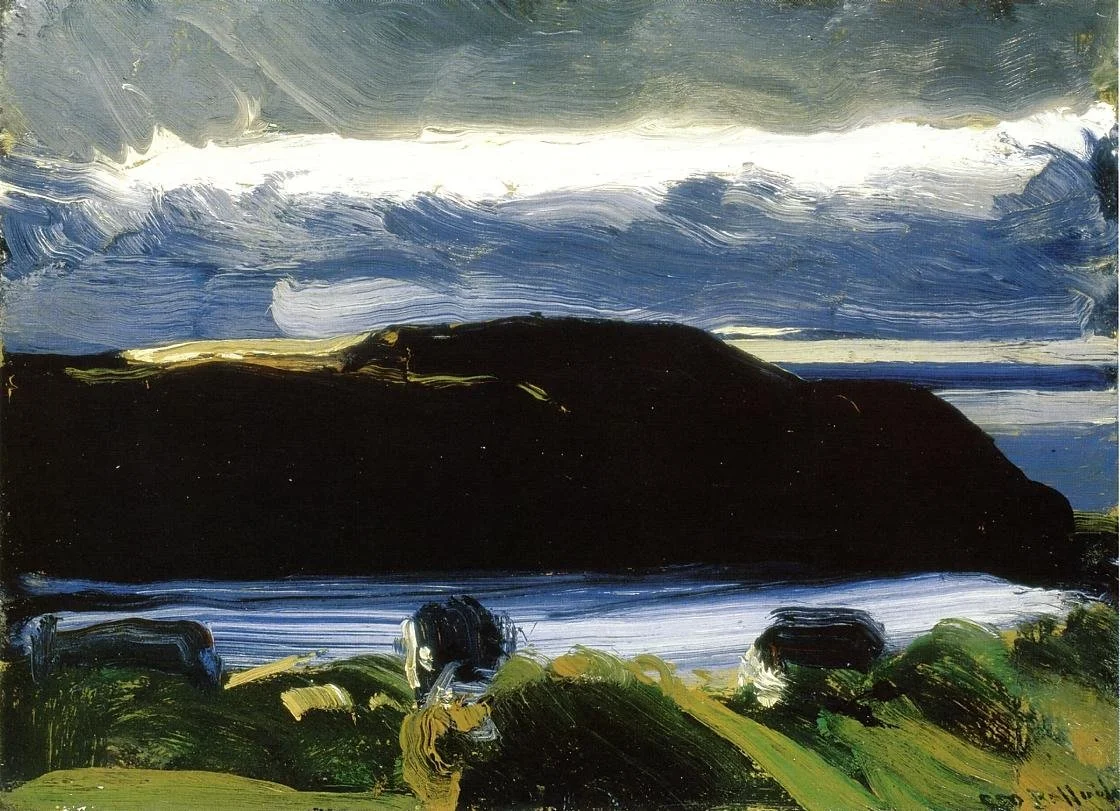
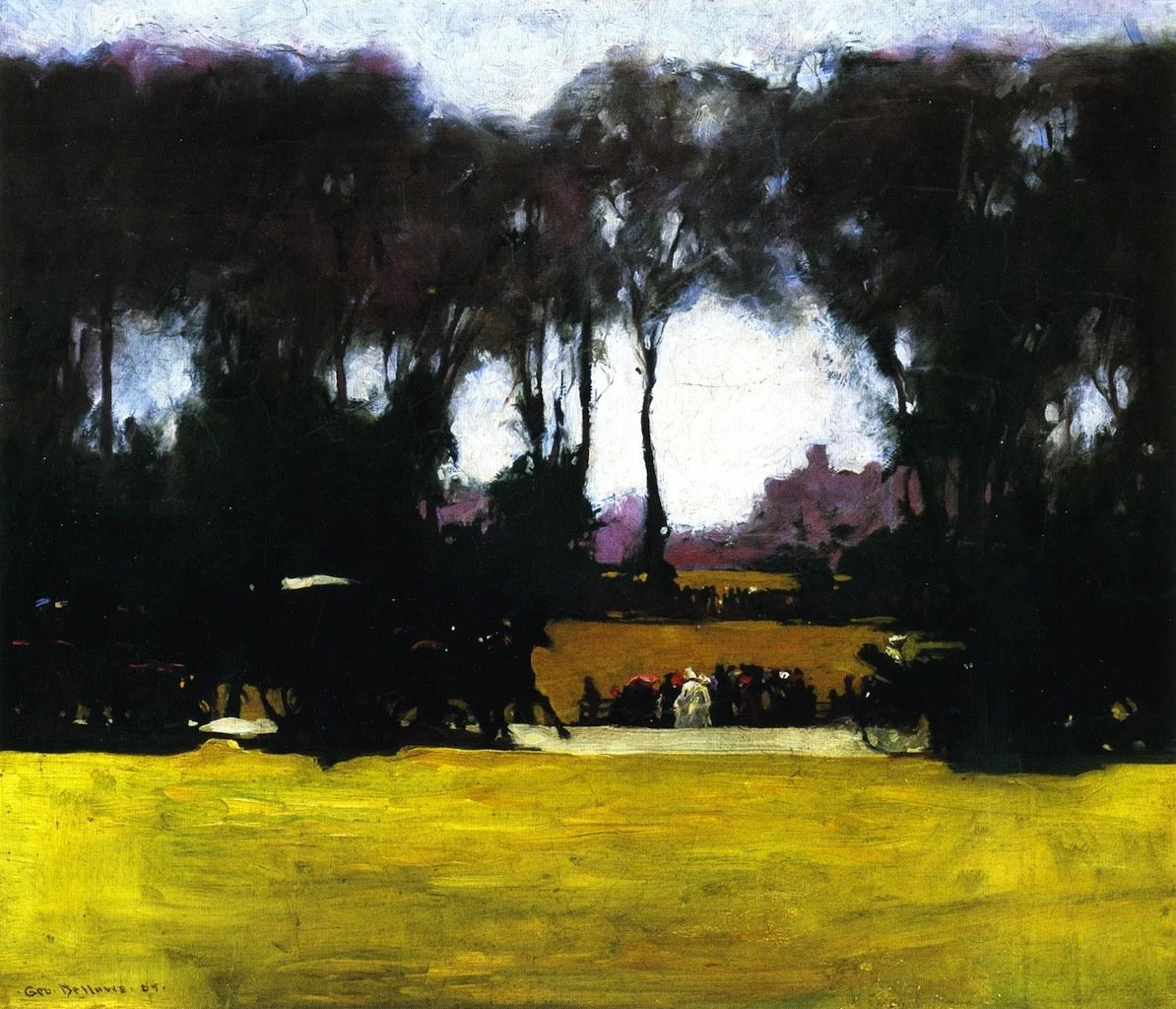
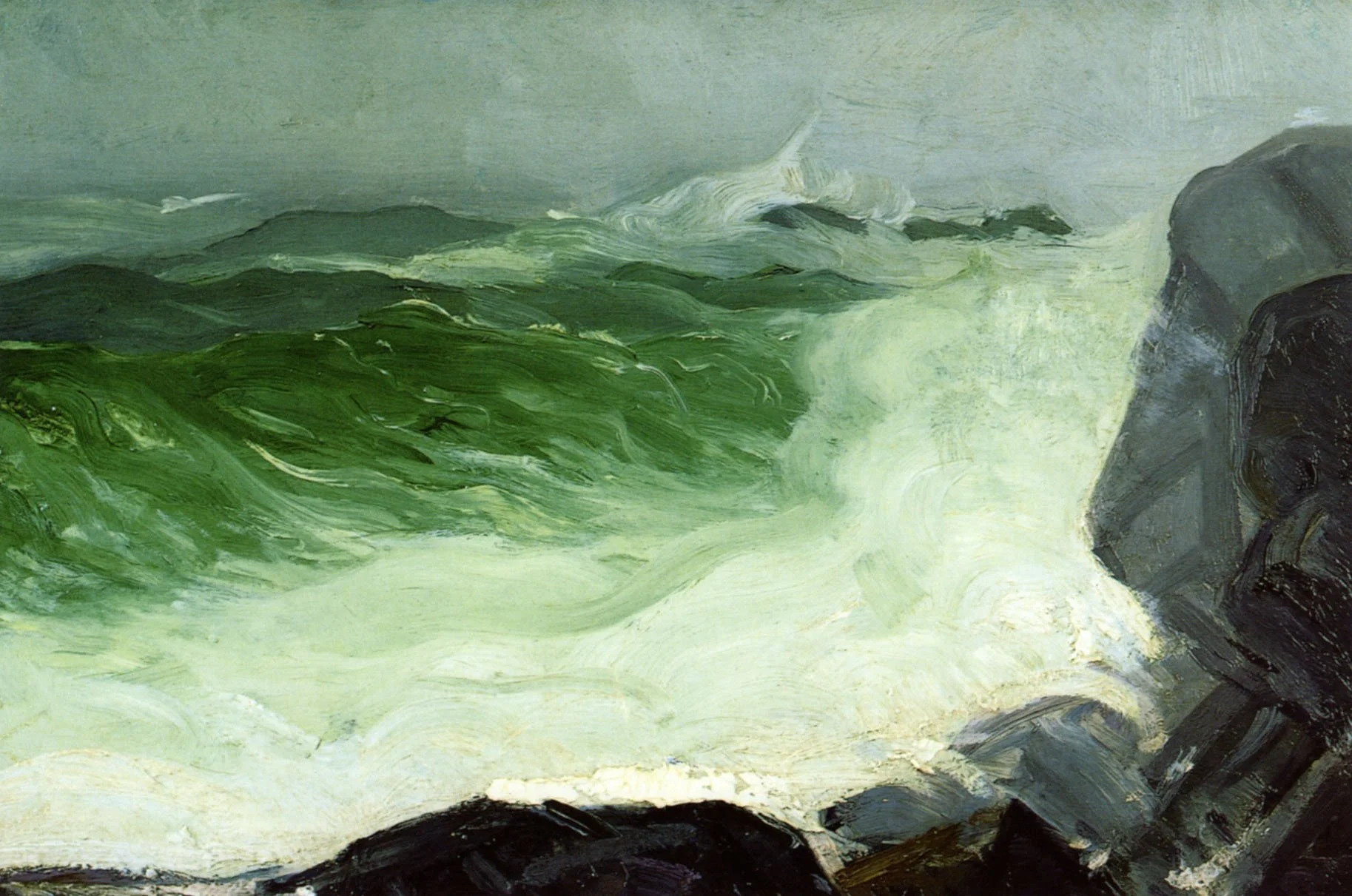

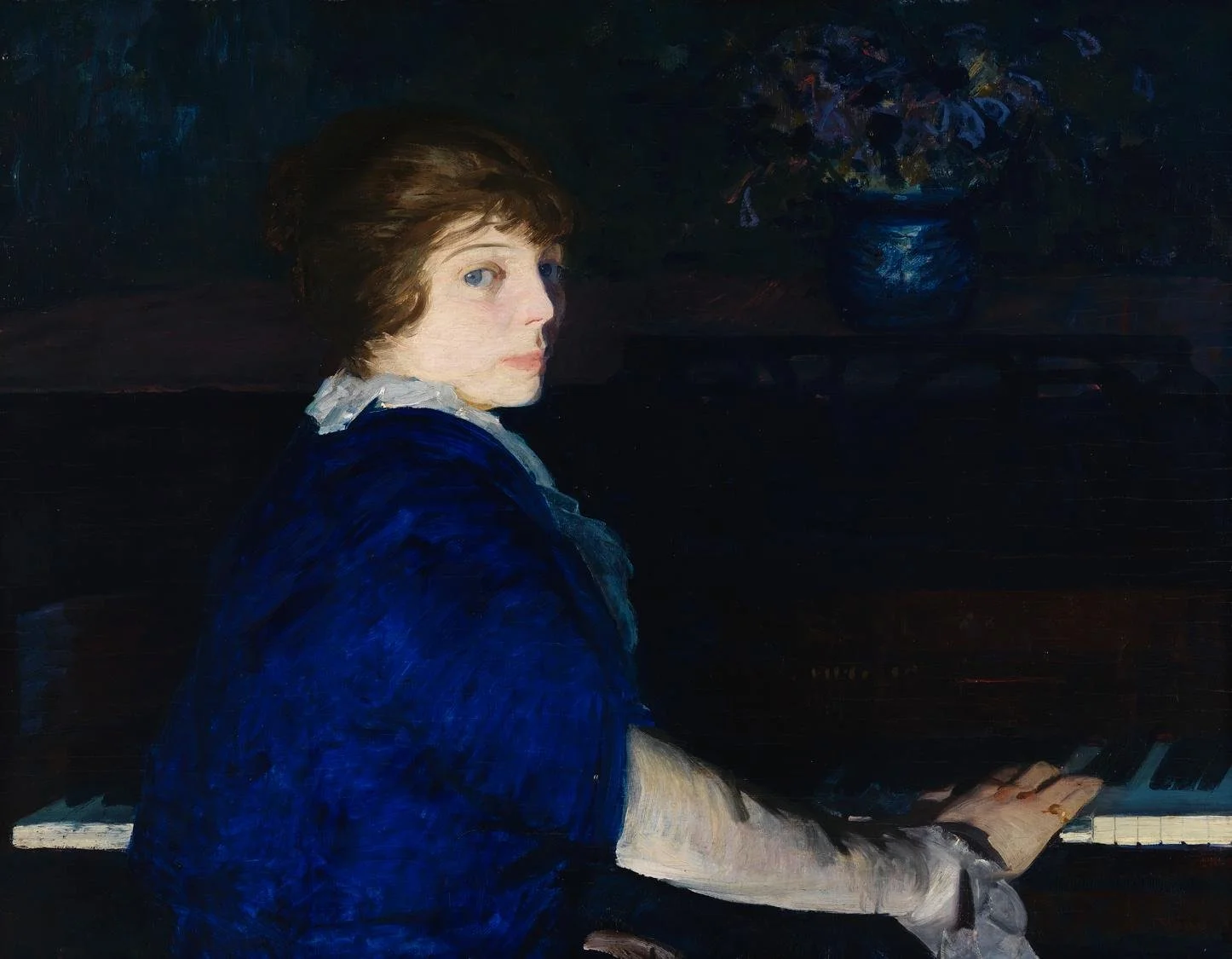
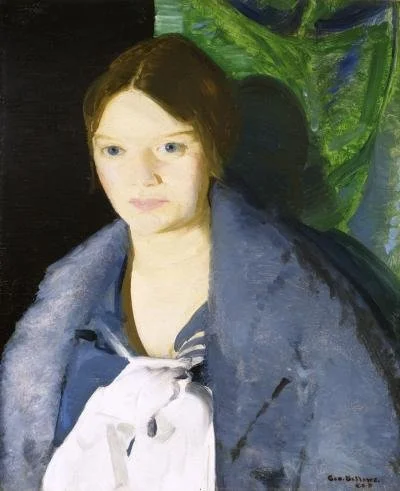
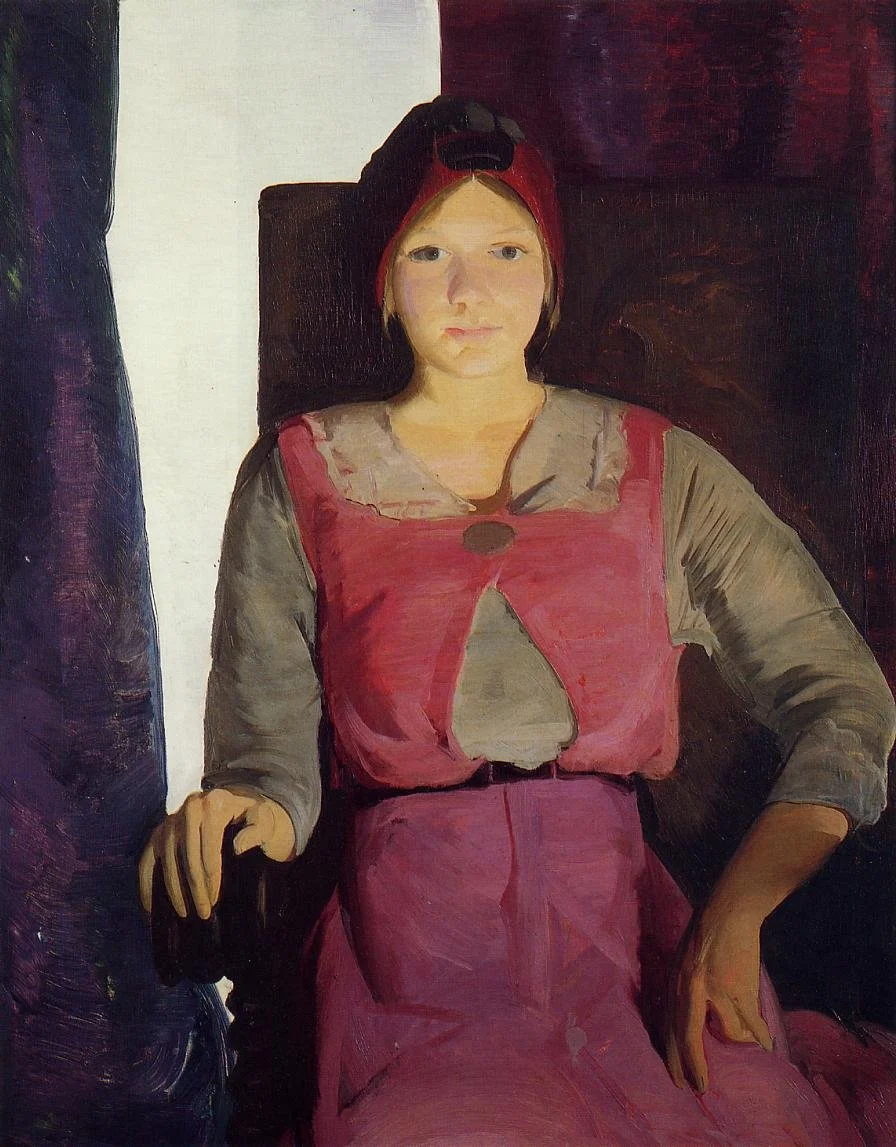
Bellows also painted some very good portraits, mostly of family:
Cliff’s Verdict:
I don’t know enough about Bellows yet. I think he painted a few of the finest works of the early 20th century. I get the impression that he had a lot of drama in his life, I don’t think painting was his sole focus. I don’t think he was interested in painting the same way that someone in today’s gallery culture would be. During his life, there were a vast number of artists who worked as illustrators. The commercial art world was teeming with persons not wrestling with Picasso or Impressionism, but instead on conveying commercial or news information on to a larger public. I think Bellows entire career needs to be framed within that mindset.
