
Richard Bosman
River Rising 2009
I came across Richard Bosman for the first time a few days ago on Instagram. I’m still trying to mentally come to grips with the work. There seems to be a huge amount of it online and I have some catching up to do.
One thing that immediately stands out is how separate Bosman feels from contemporary movements. This is clearly someone deeply aware of art history. Much of it appears simple at first glance, but the longer you look the more psychological pressure begins to emerge.
What hits first is the aggression of the compositions. Bosman likes to slap the viewer in the face. Nearly every piece feels like a psychological attack. Angles tilt awkwardly, perspectives destabilize, subjects intrude. Even the quieter works carry a latent sense of menace.


Cell Phone Series:
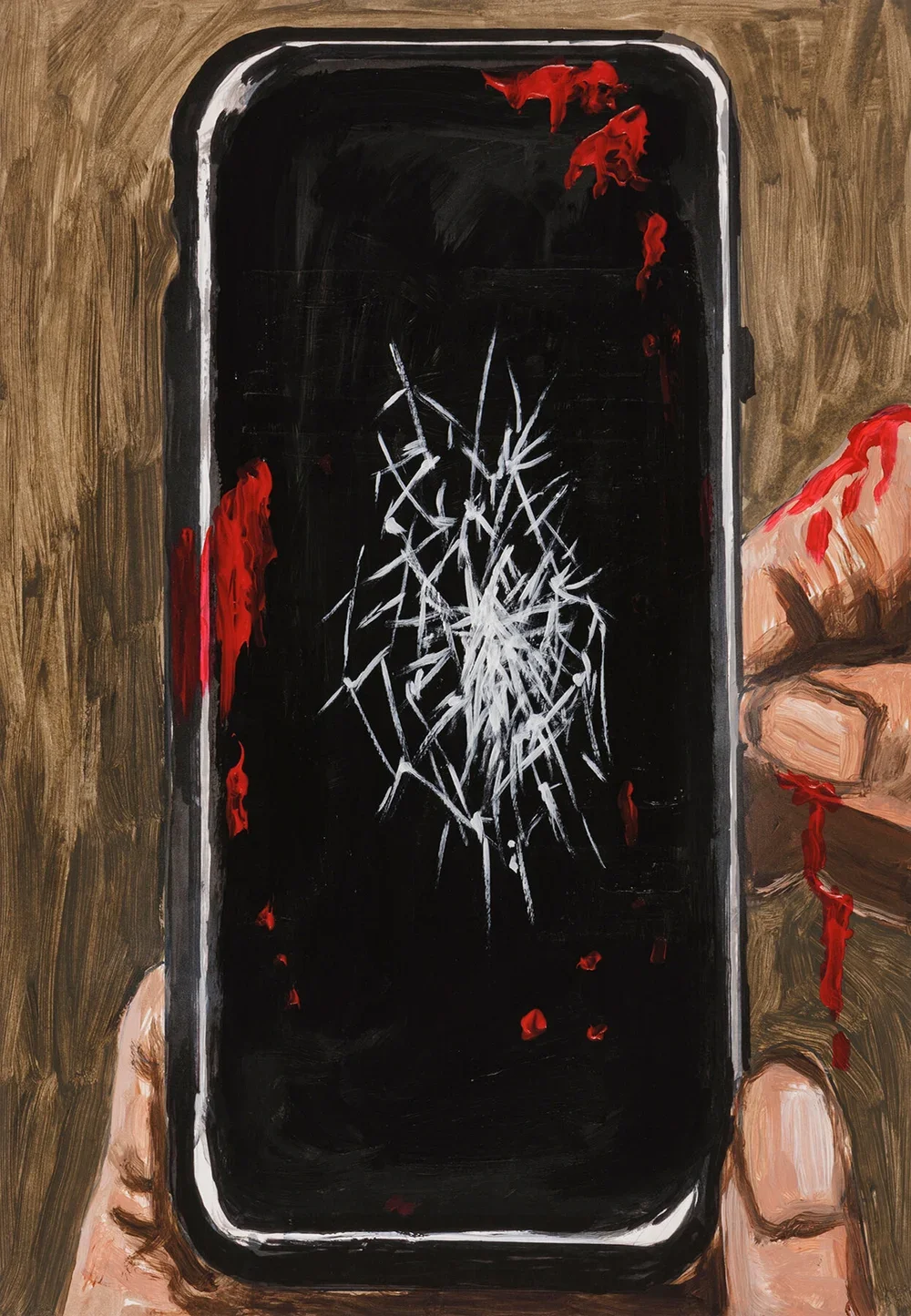
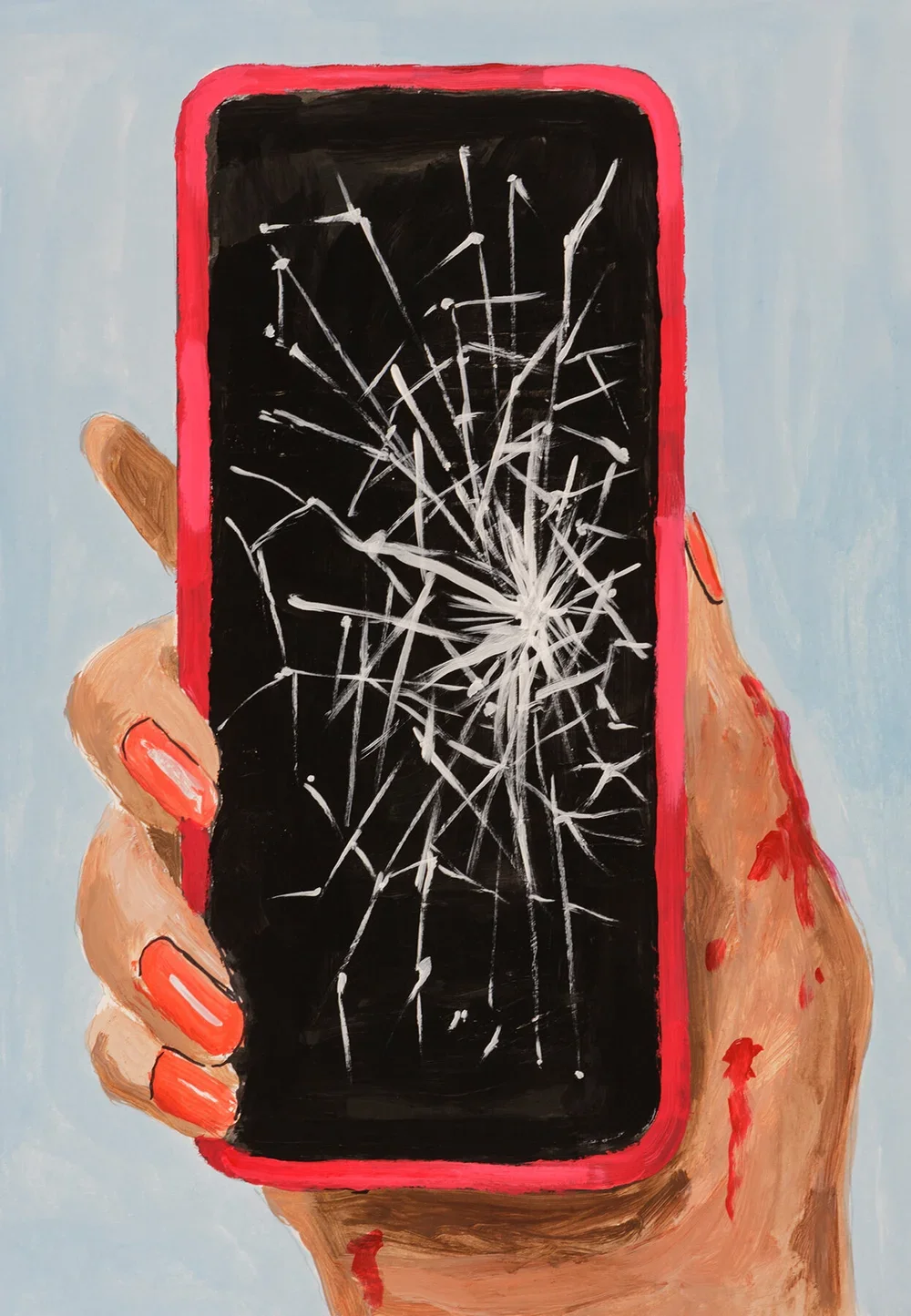
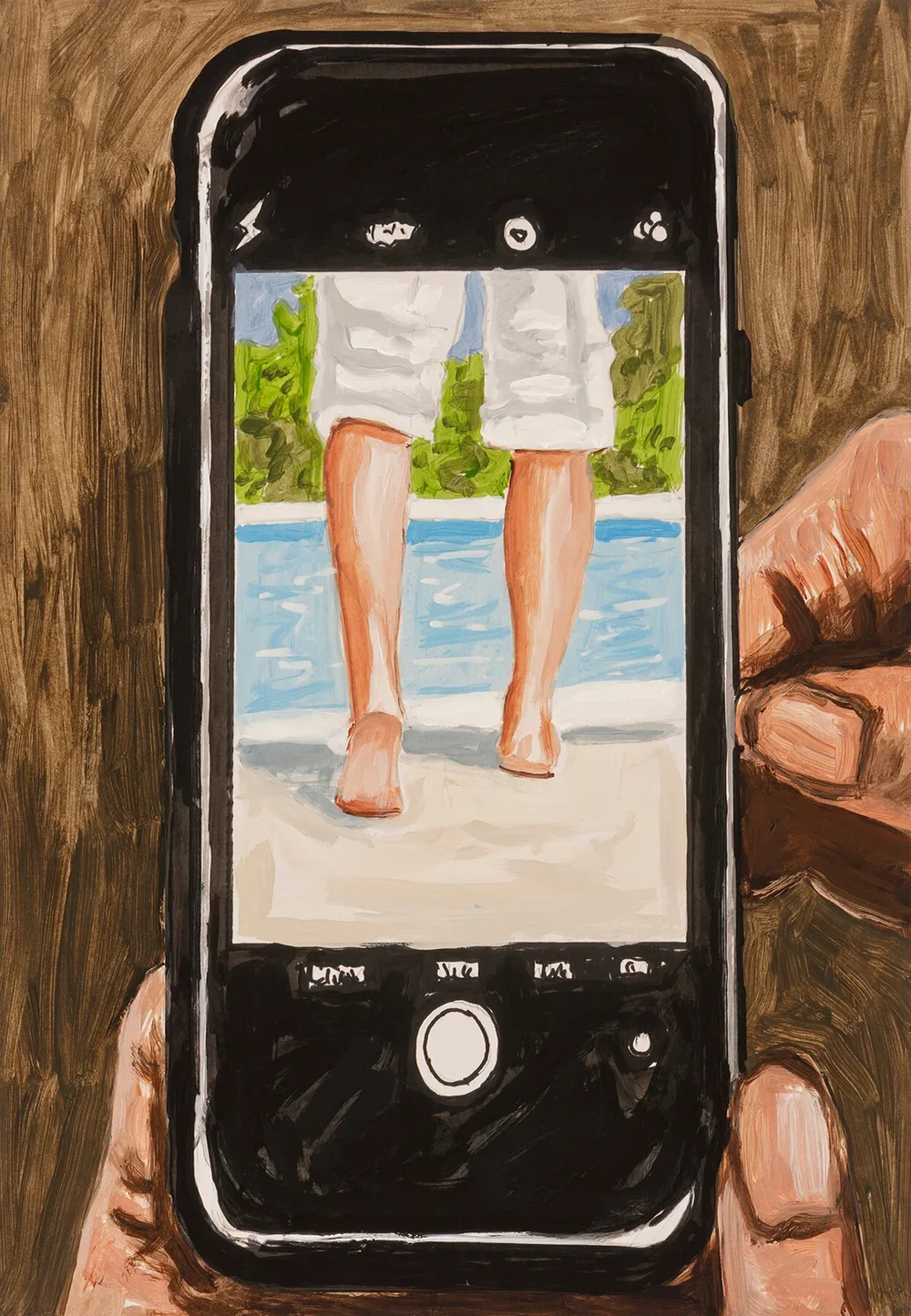
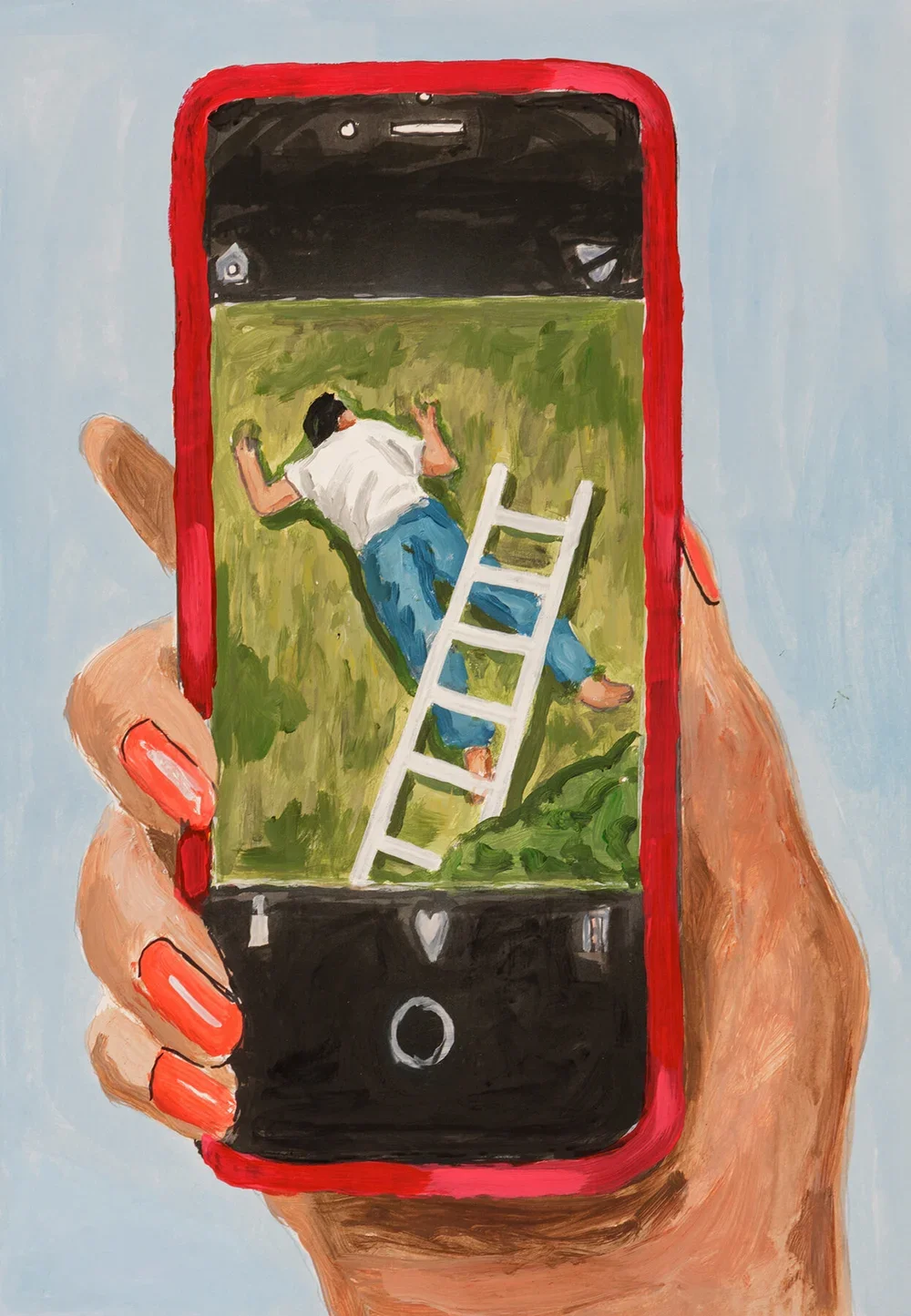
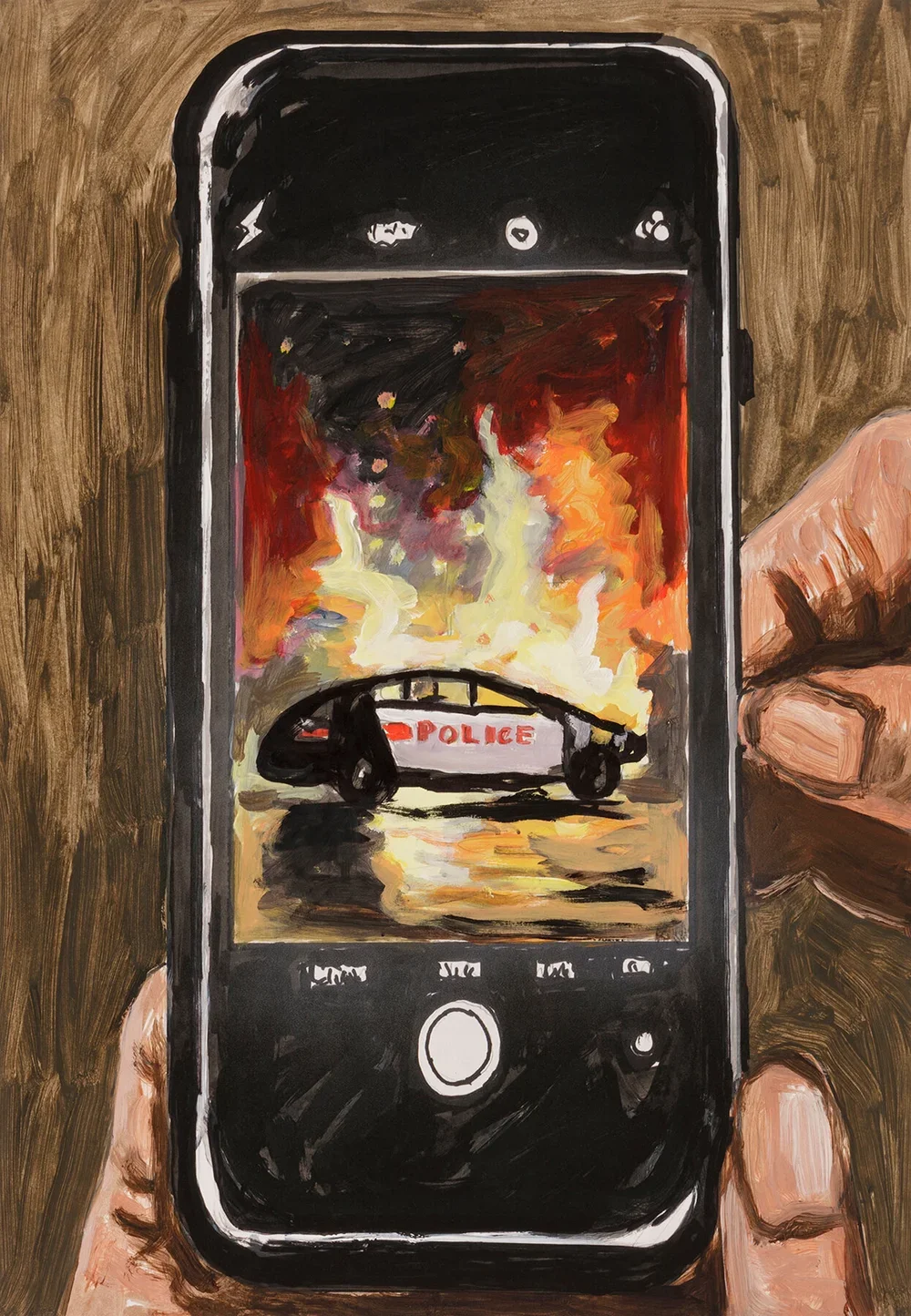
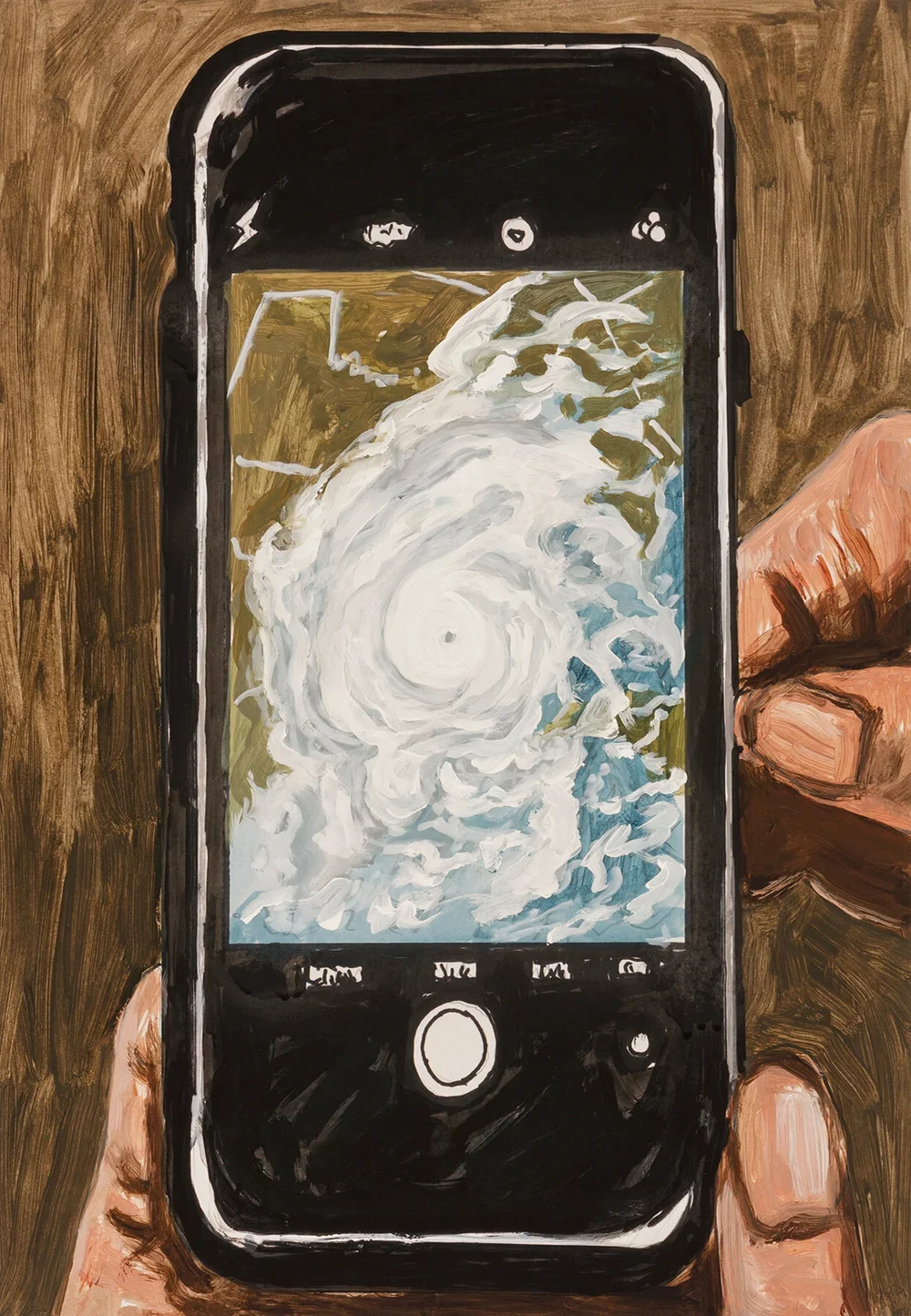
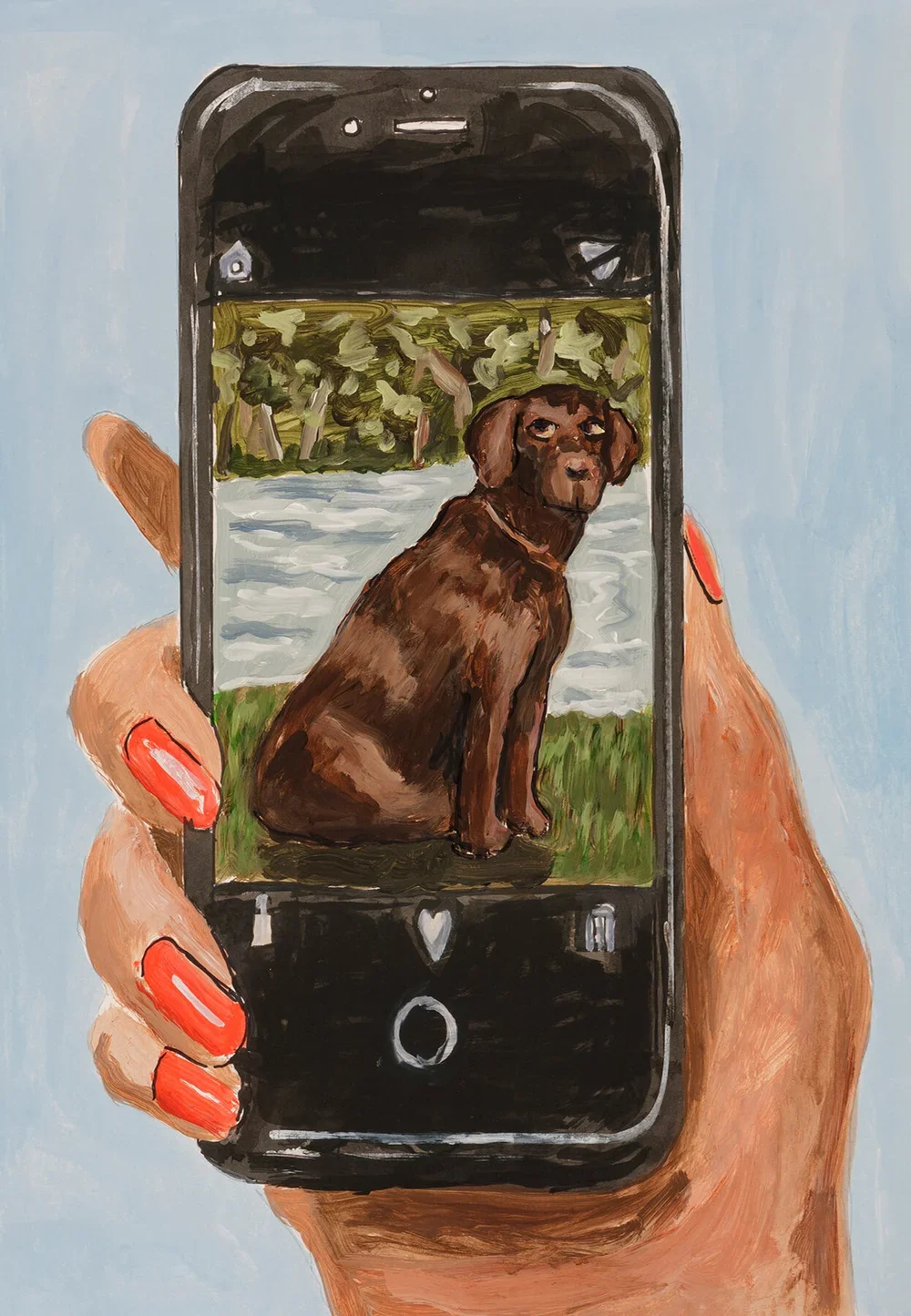
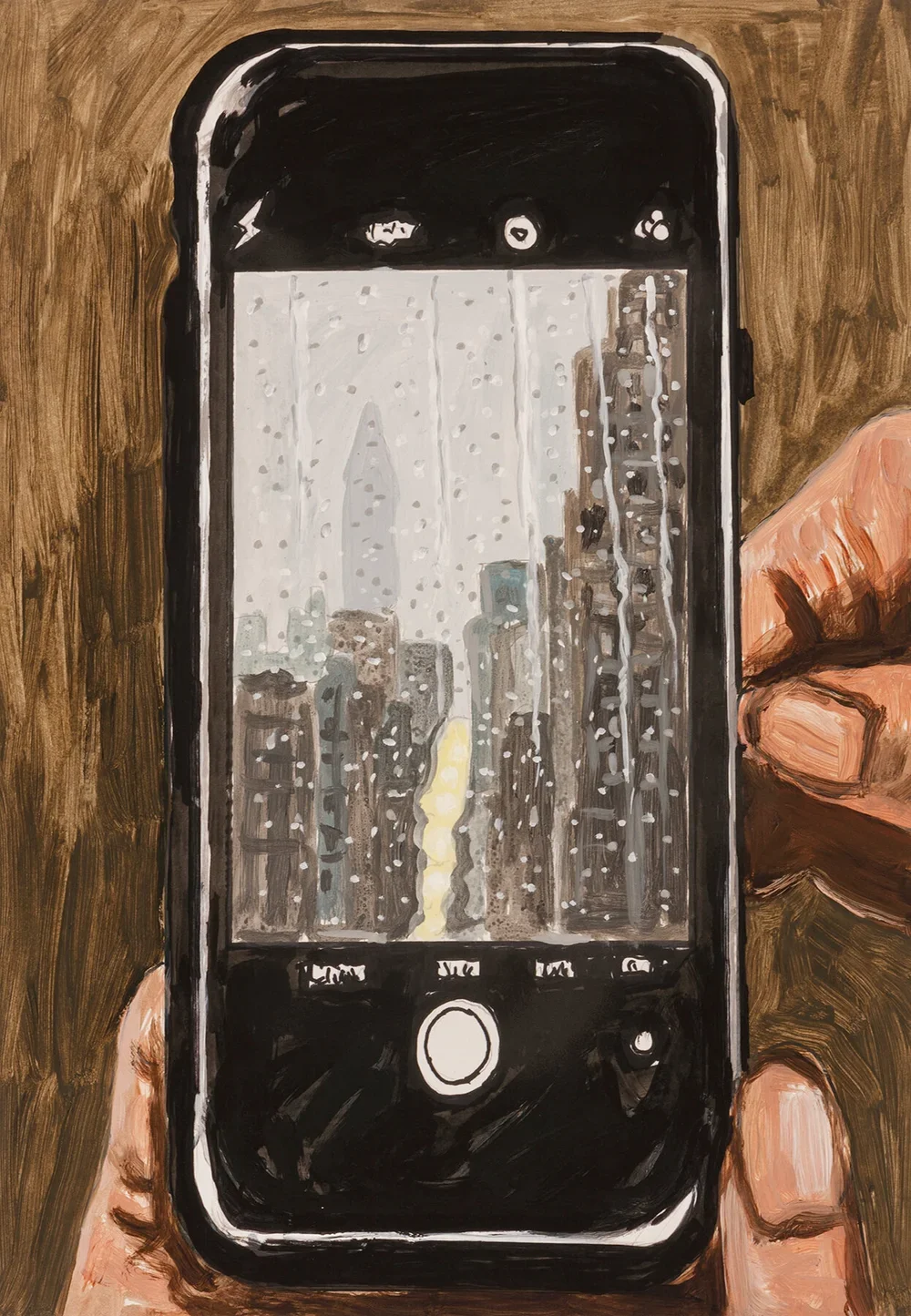
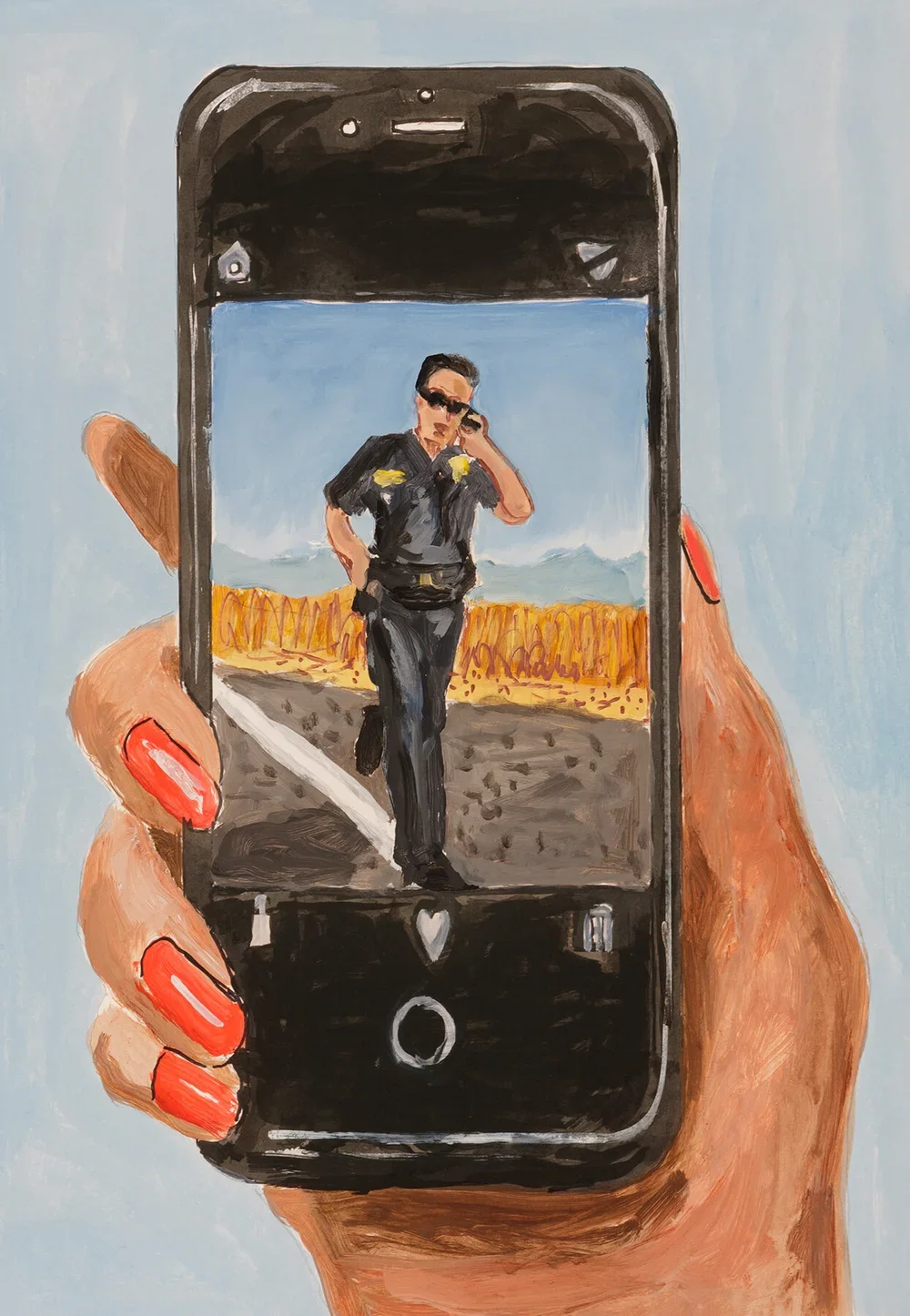
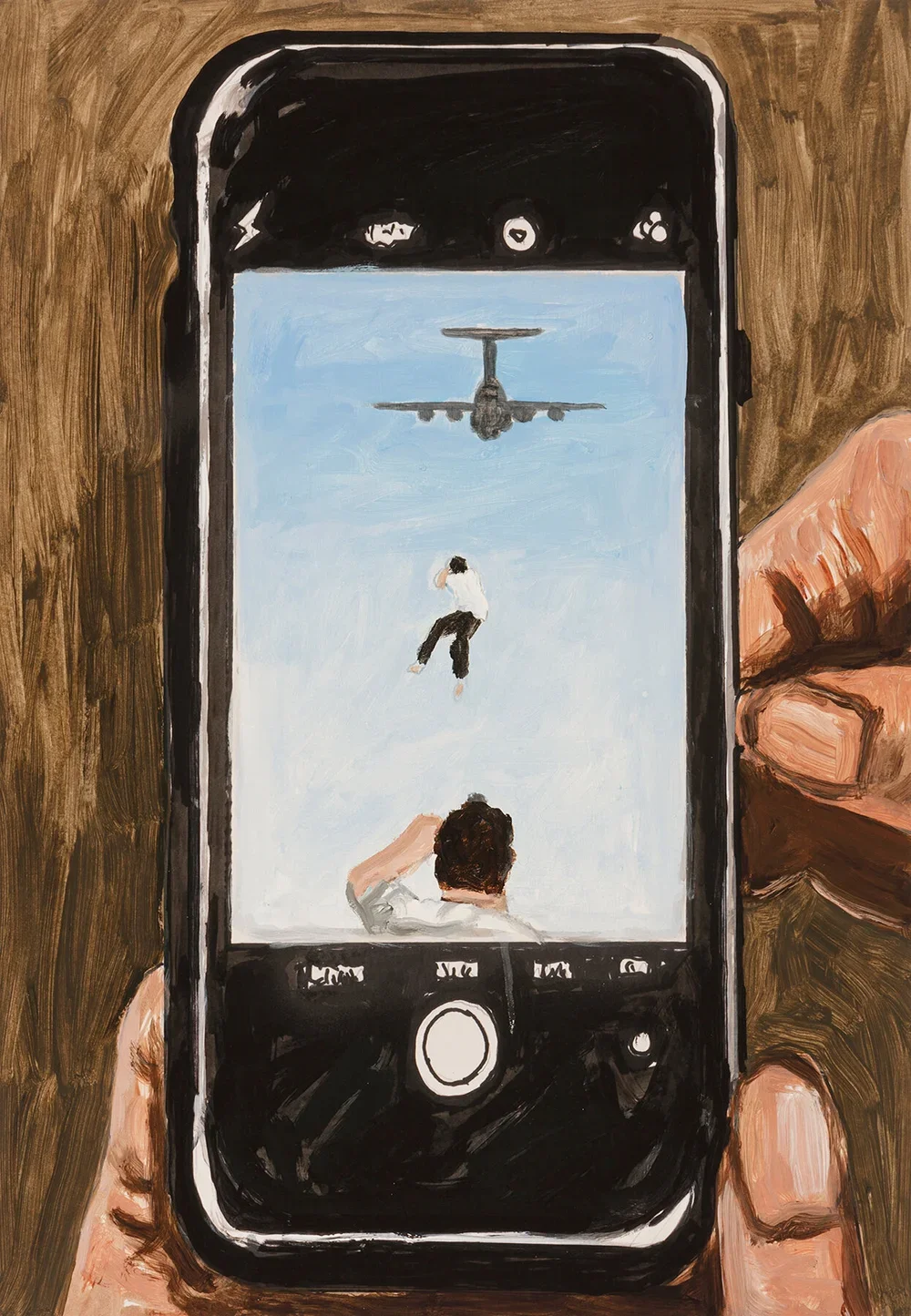
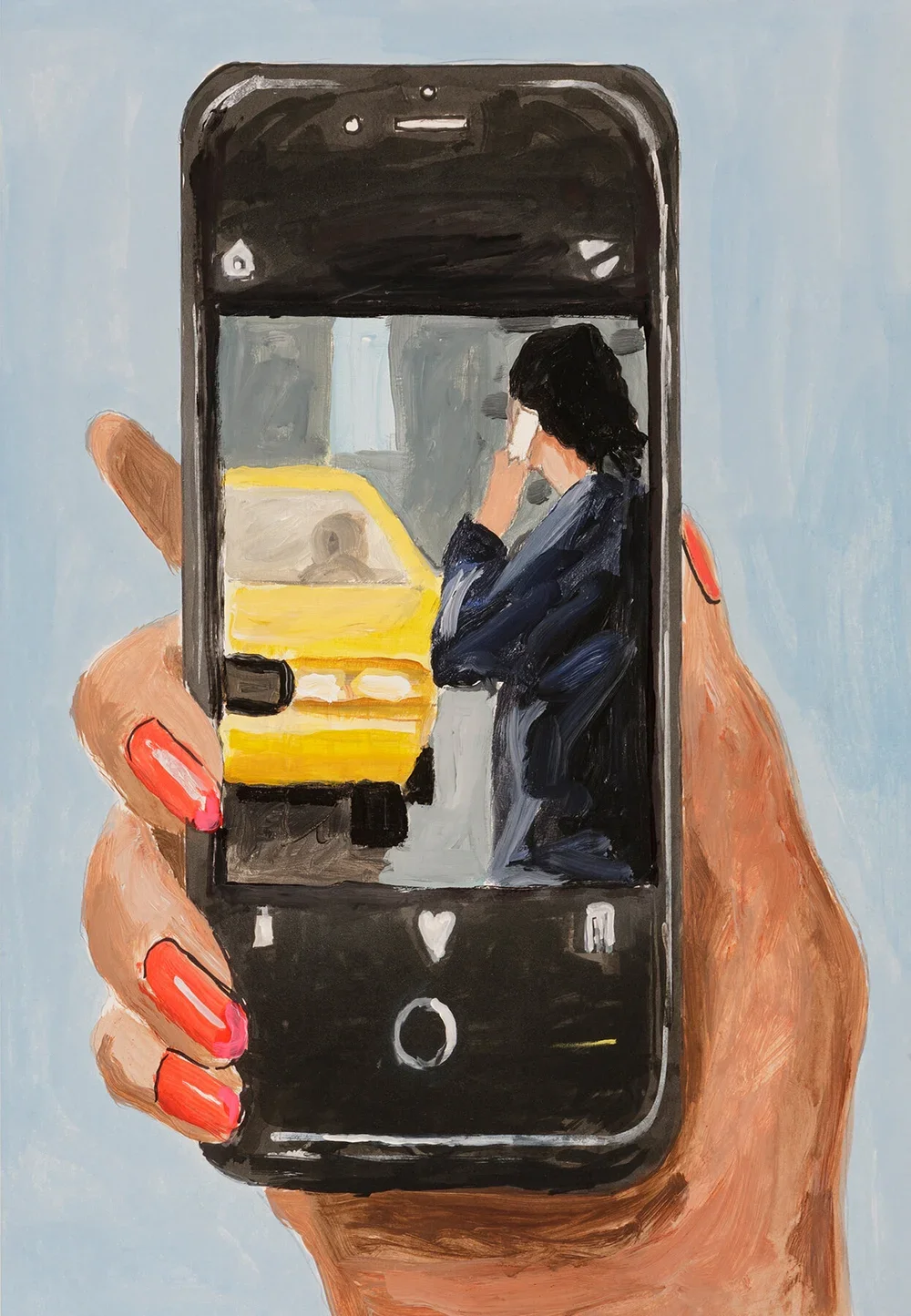
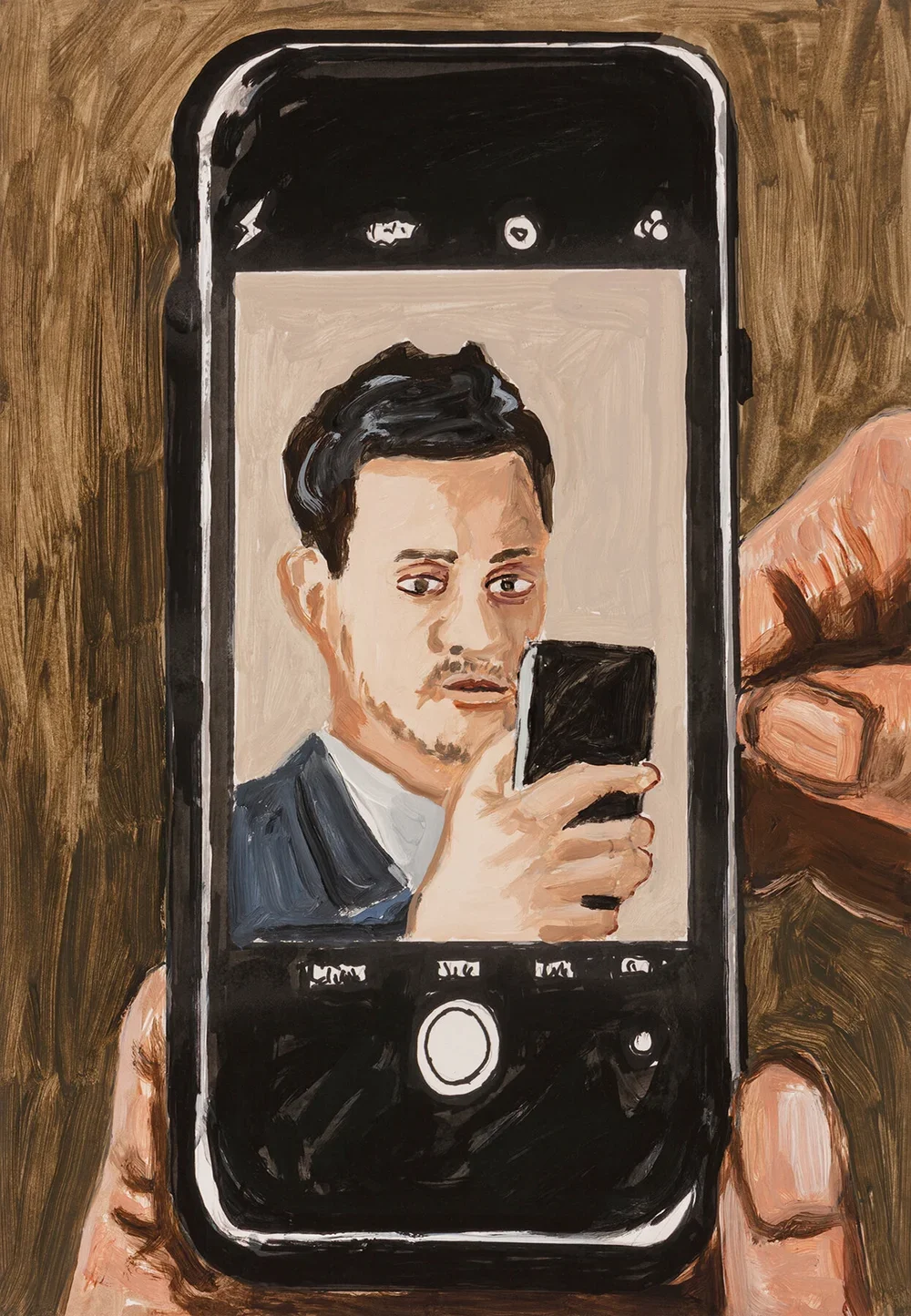
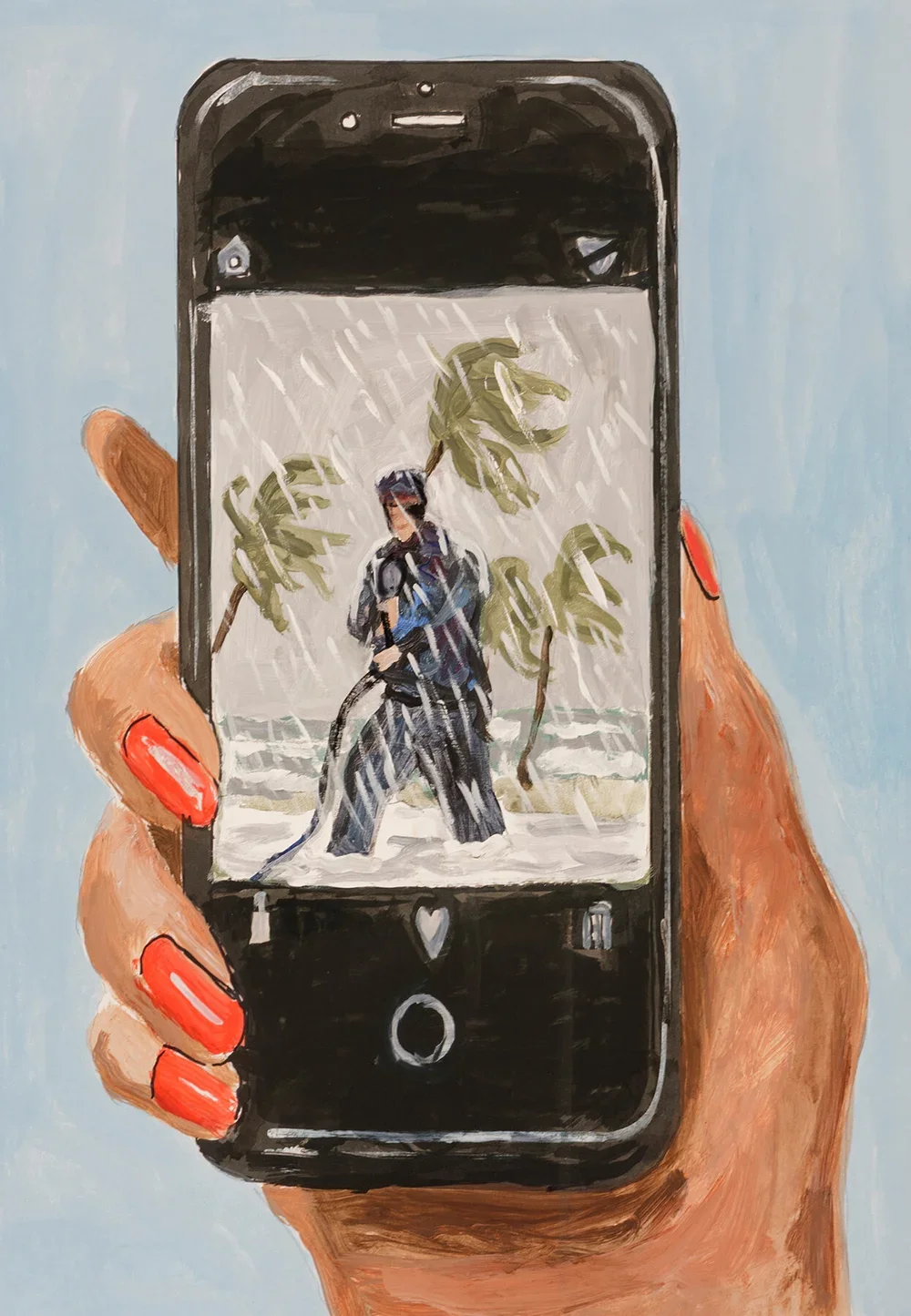
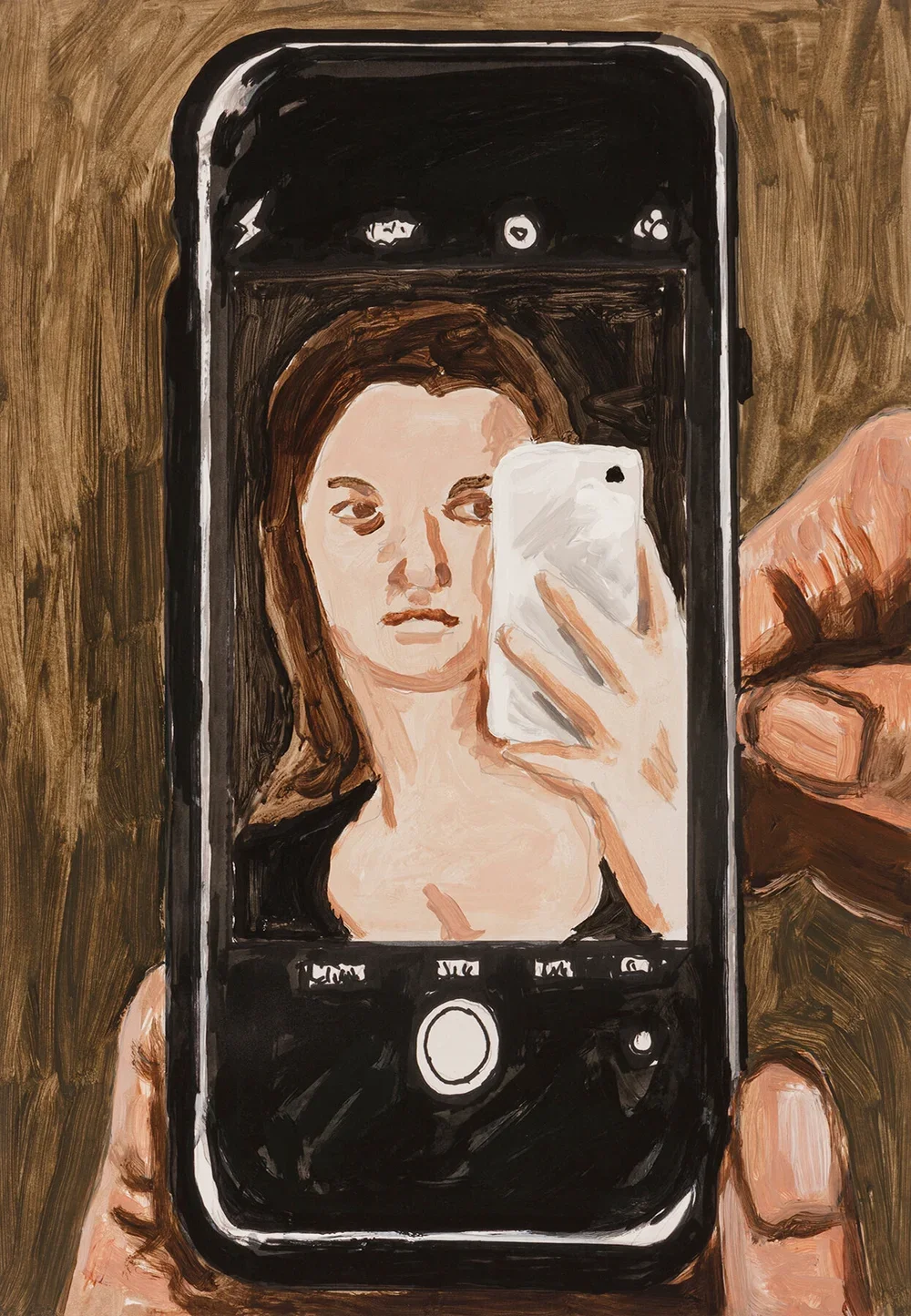
The cellphone series was the first work I saw. I immediately loved these. The phone itself becomes a picture frame (paintings within paintings). The imagery on the screens is mundane and random in a way that feels completely believable.
This cell phone series grabbed me because Bosman does interject a little bit of his over the top dark humor. He repeats this idea again and again with other series’ including portholes, rearview mirrors, and side mirrors and I’m calling him out a bit for his approach later on when I discuss them.
High Anxiety Series:
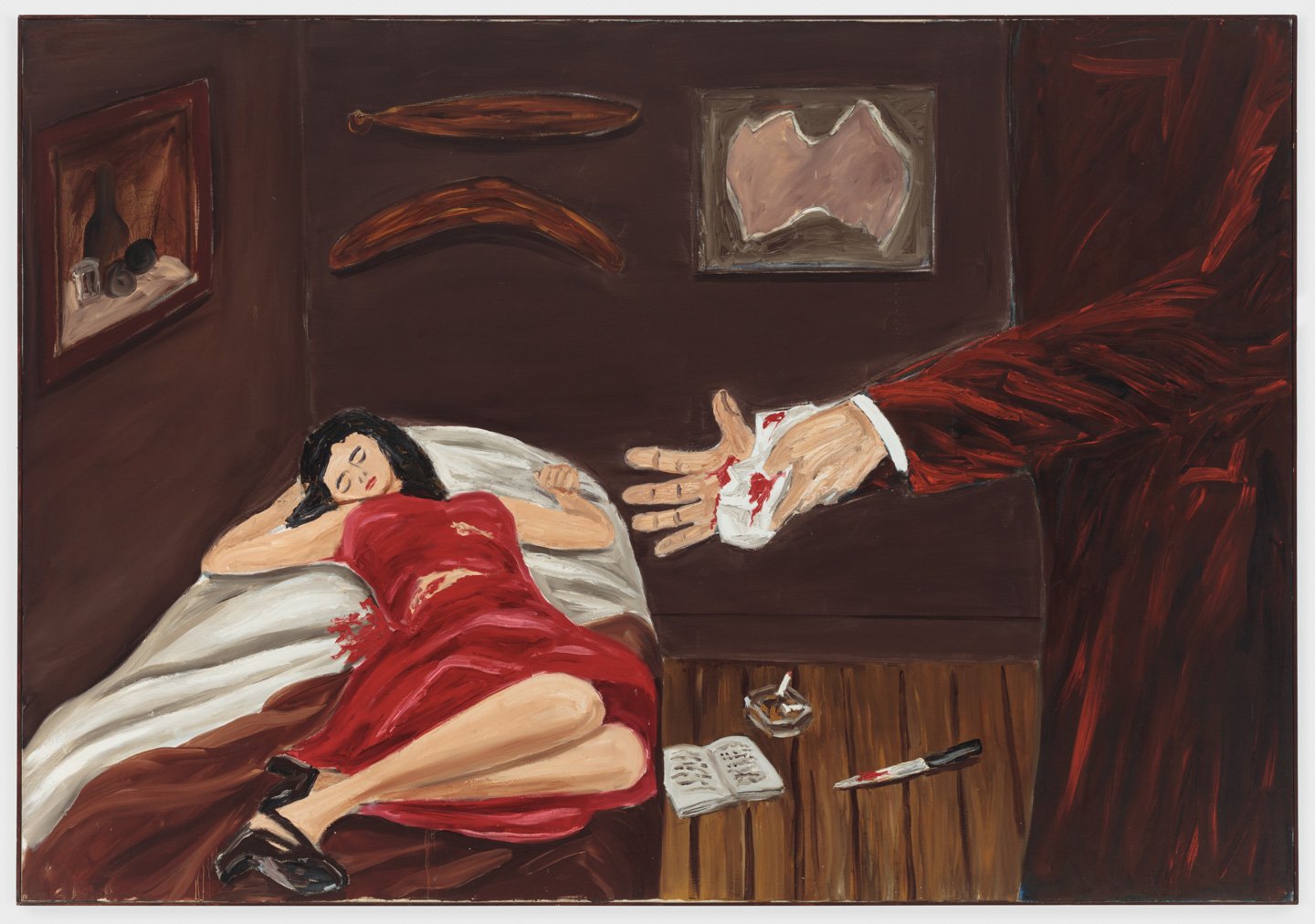
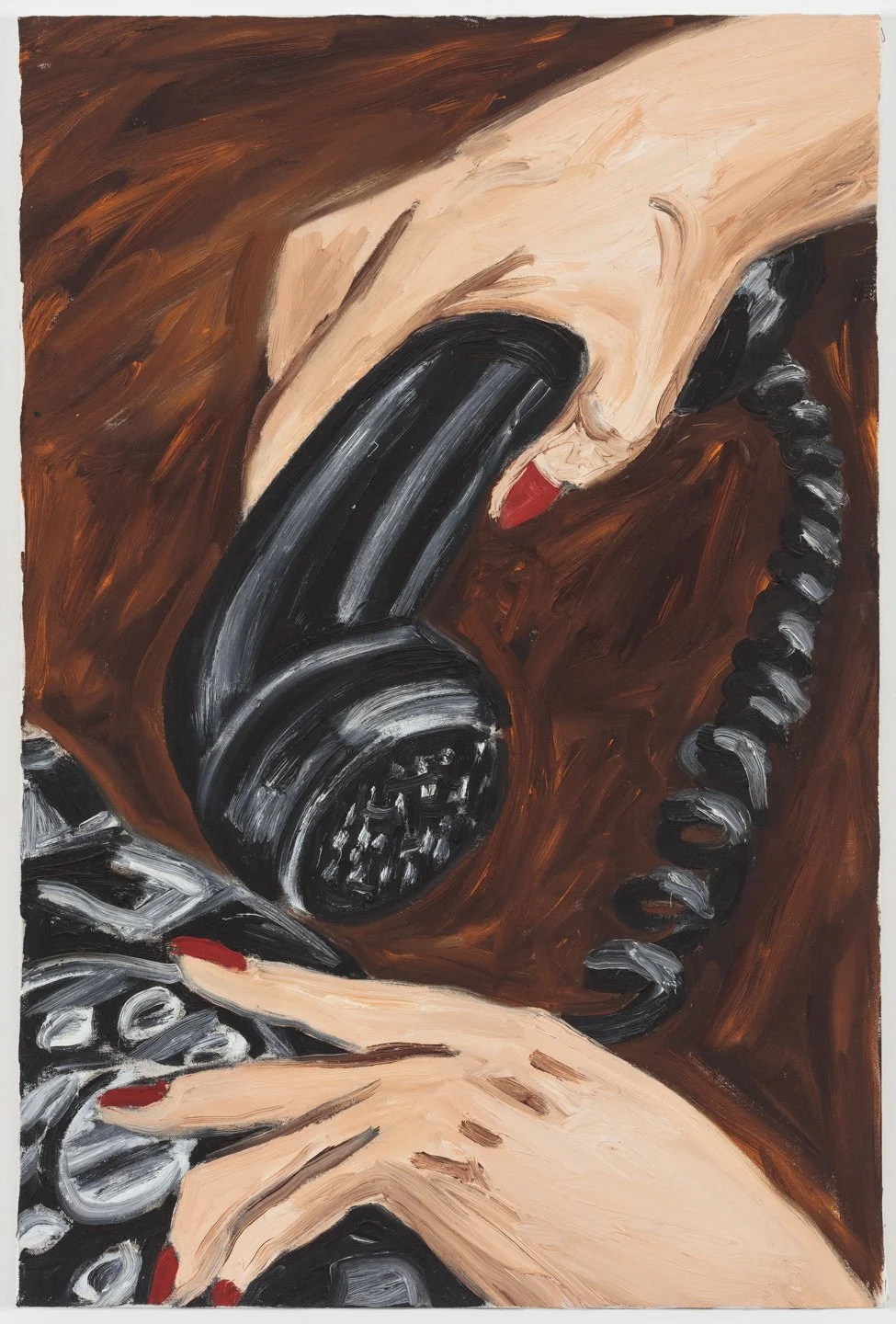
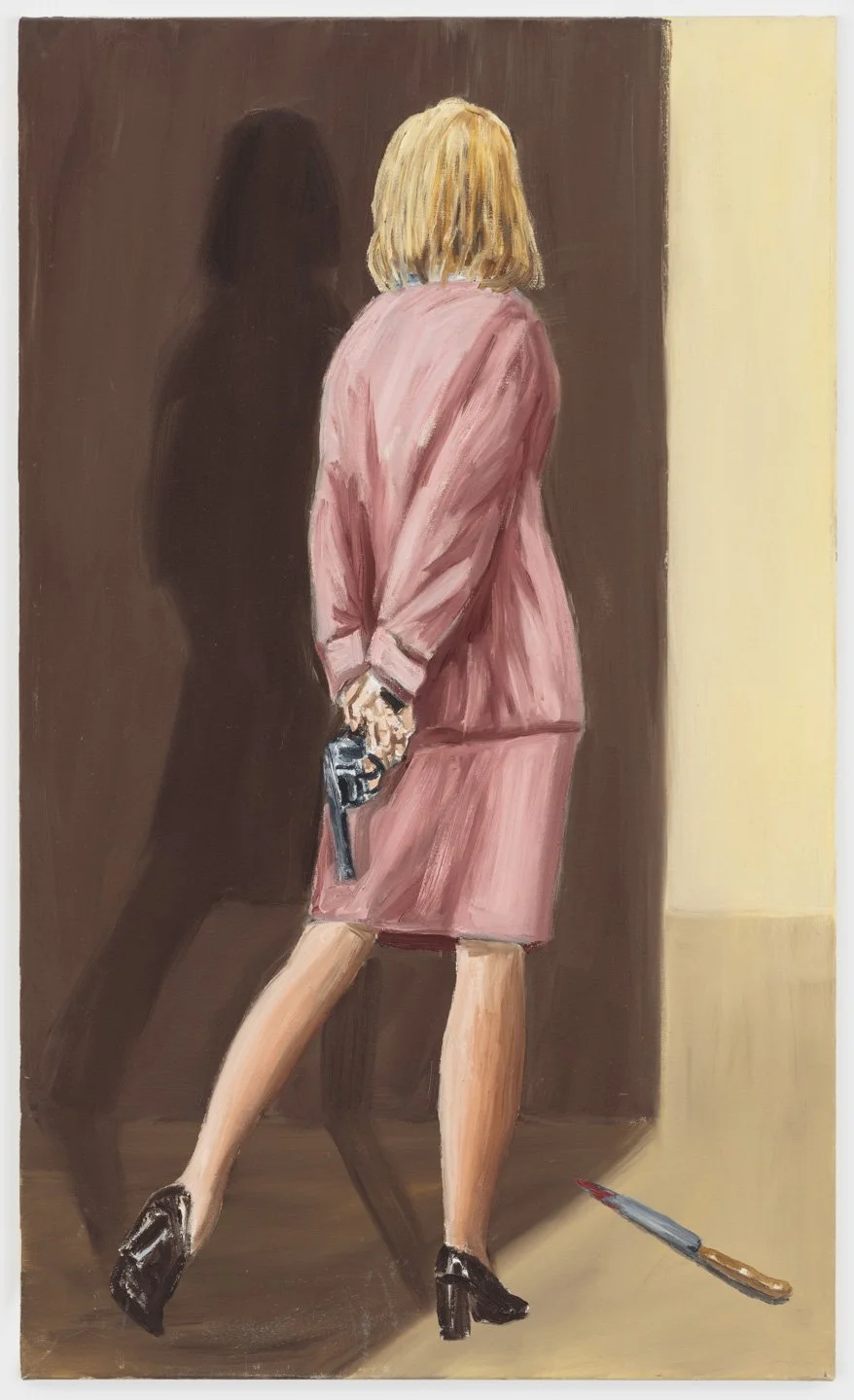
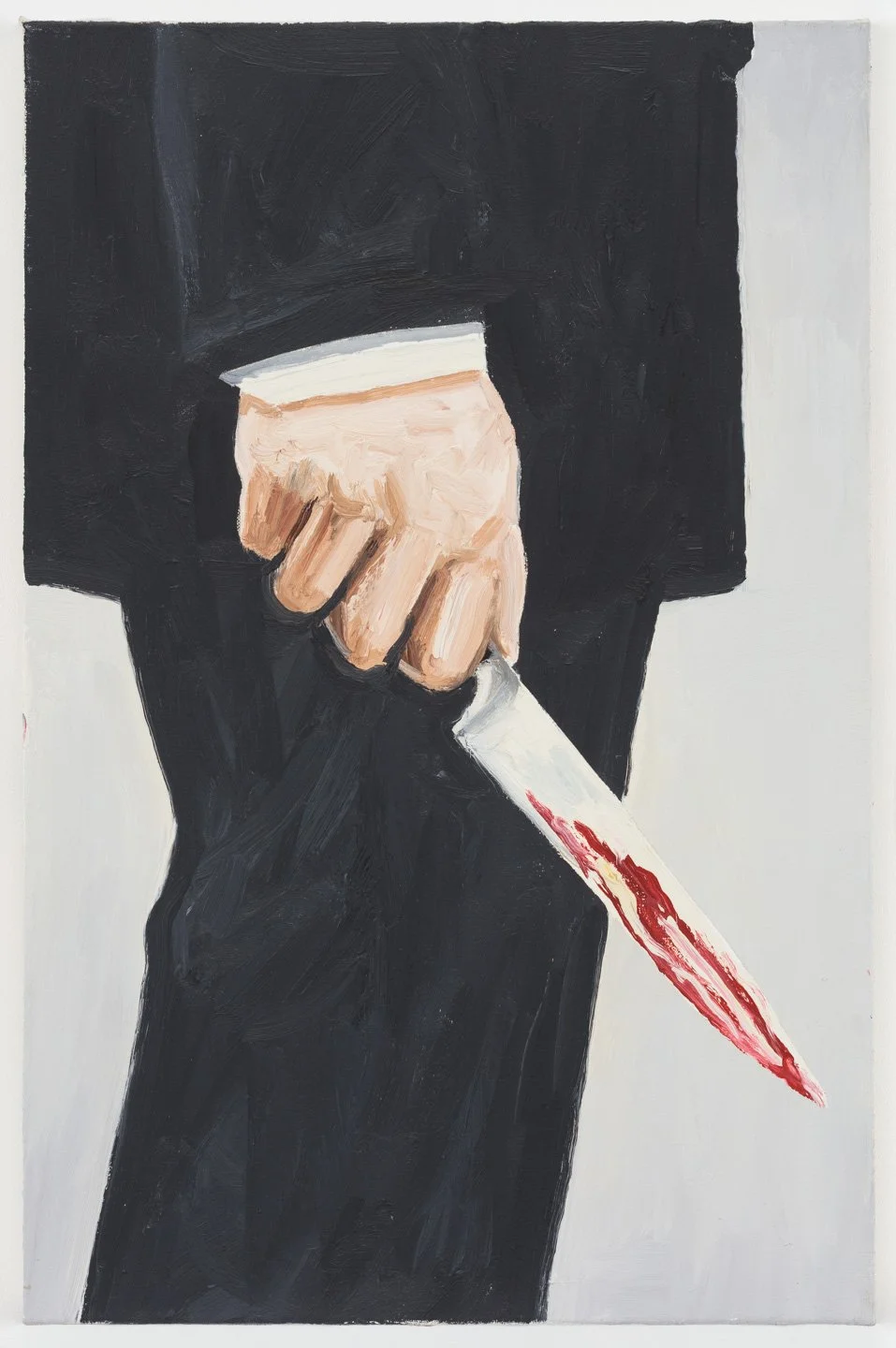
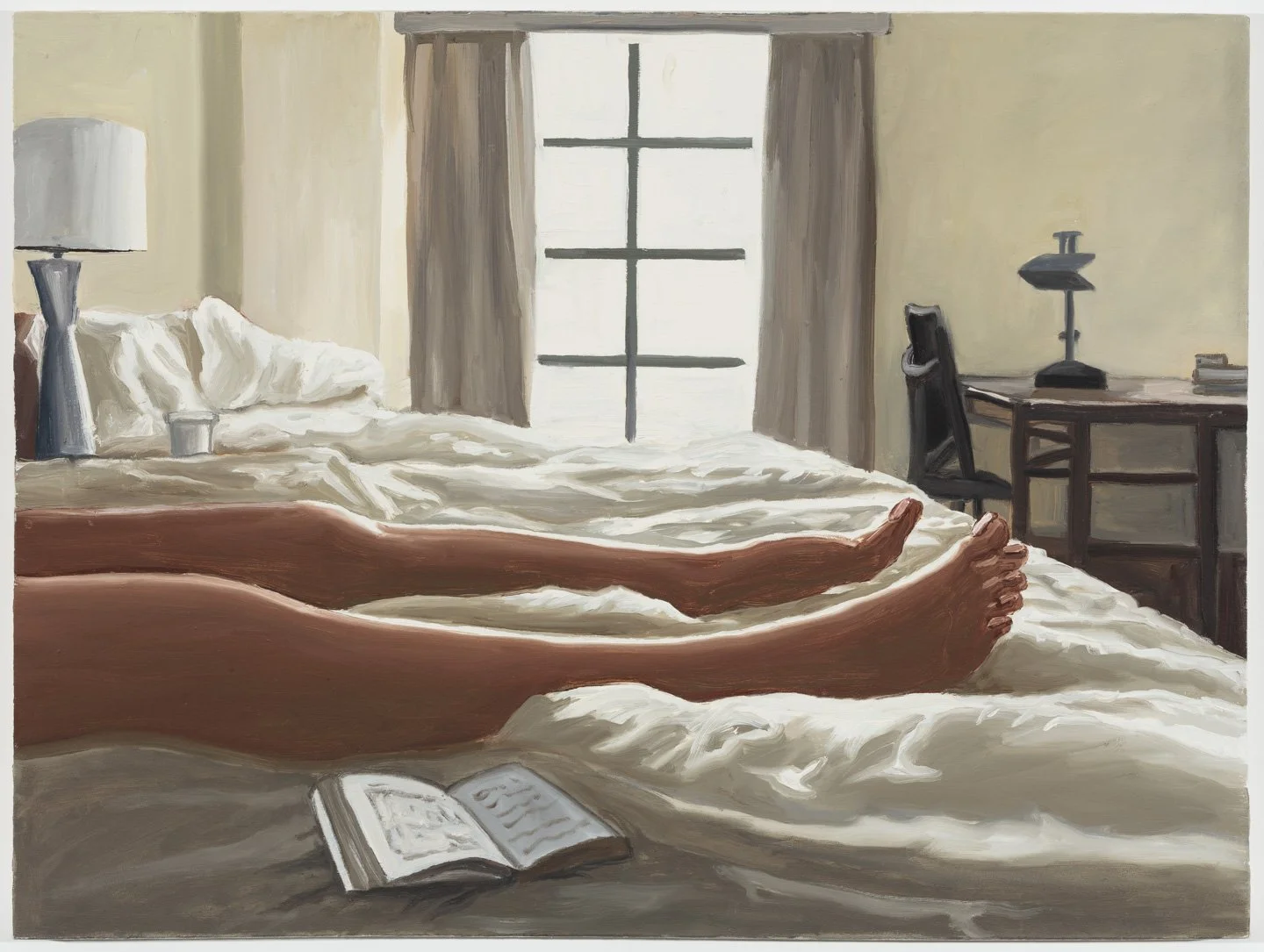
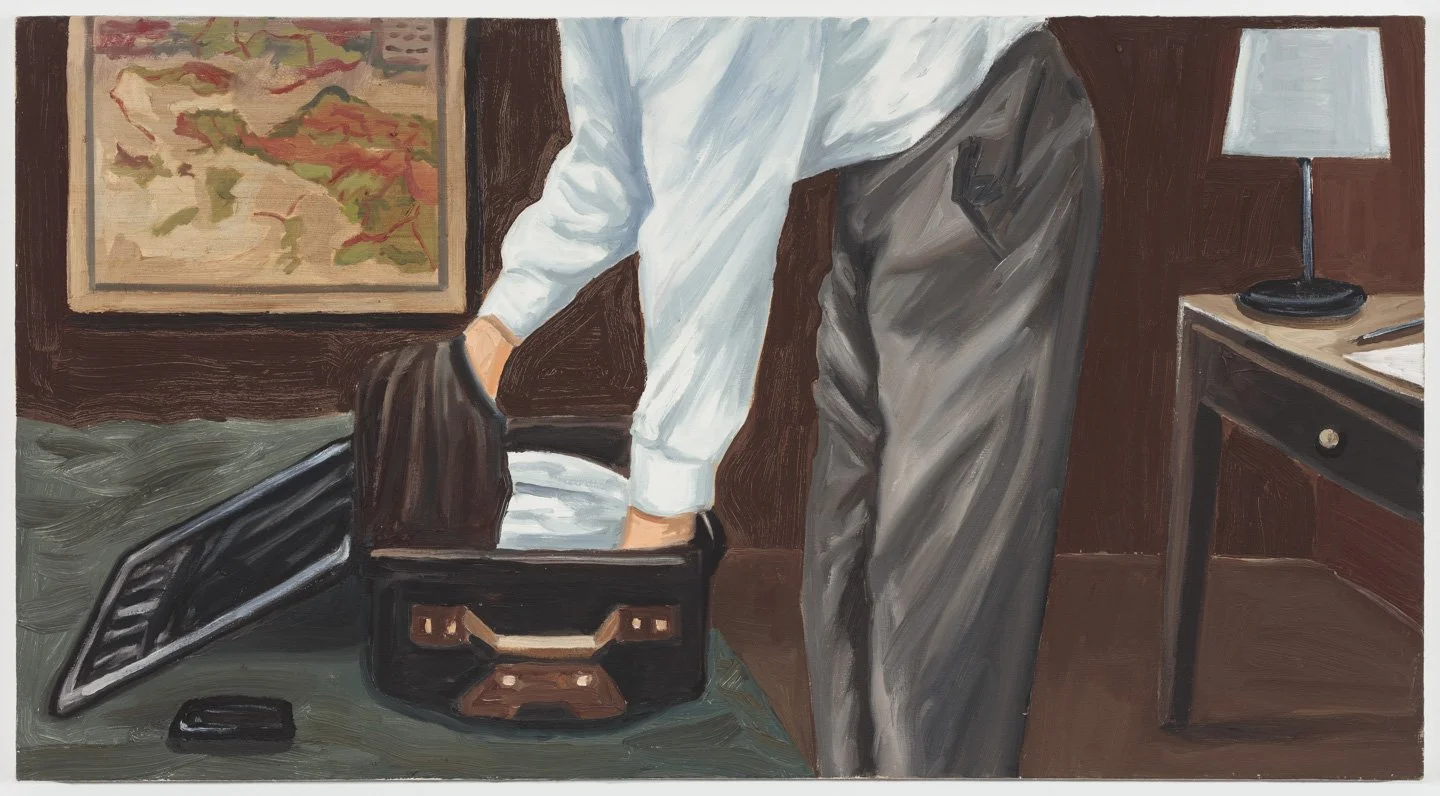
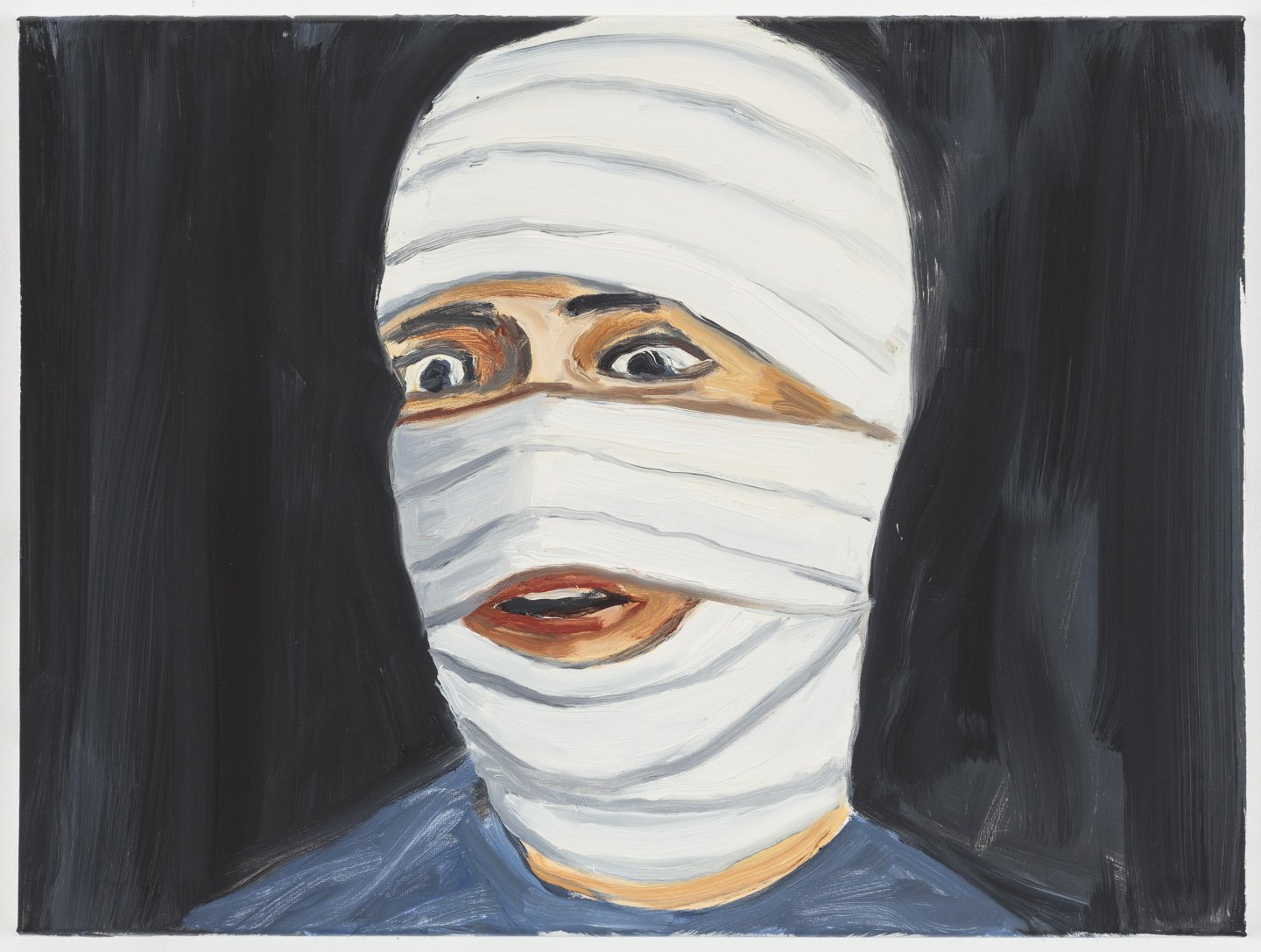
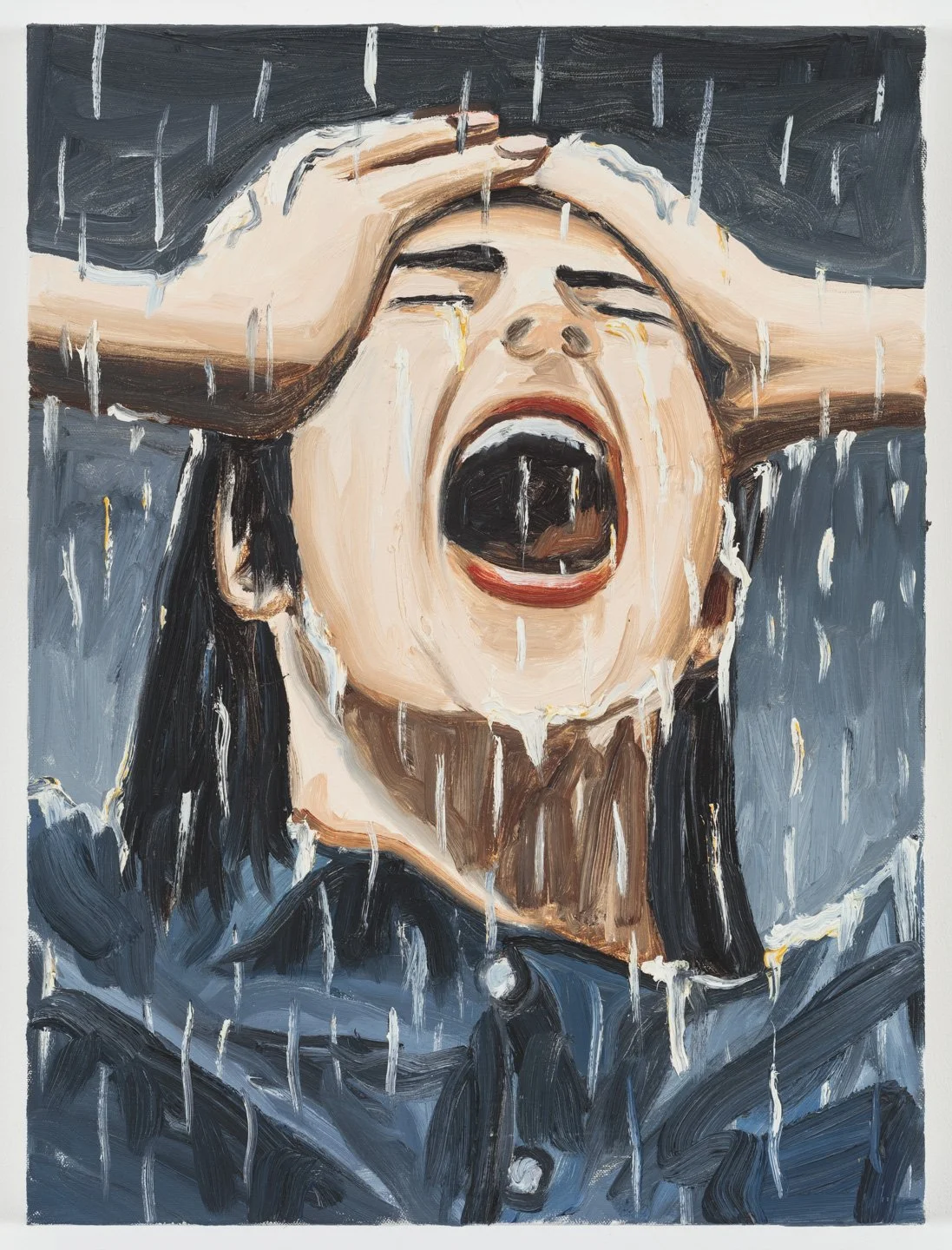
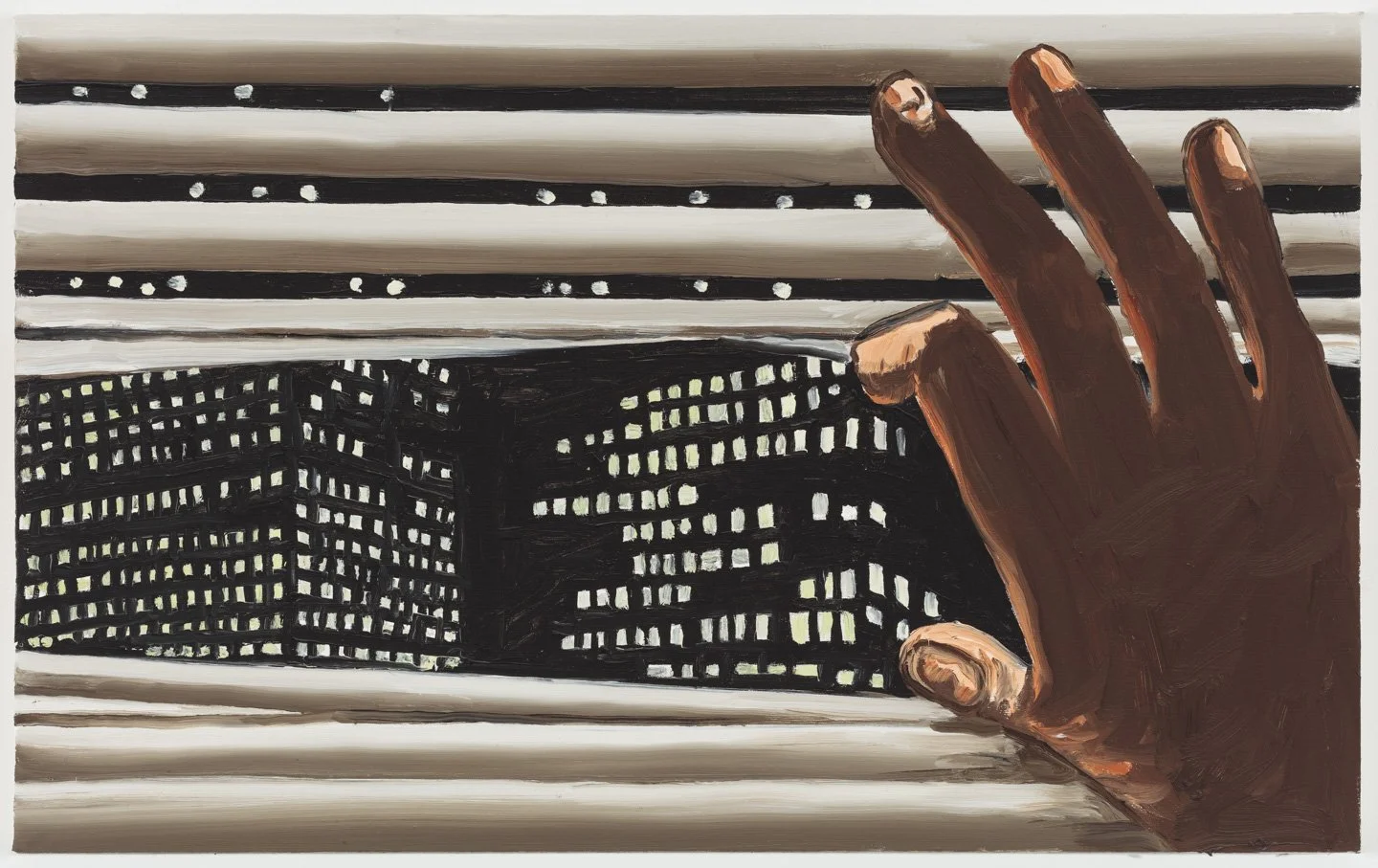
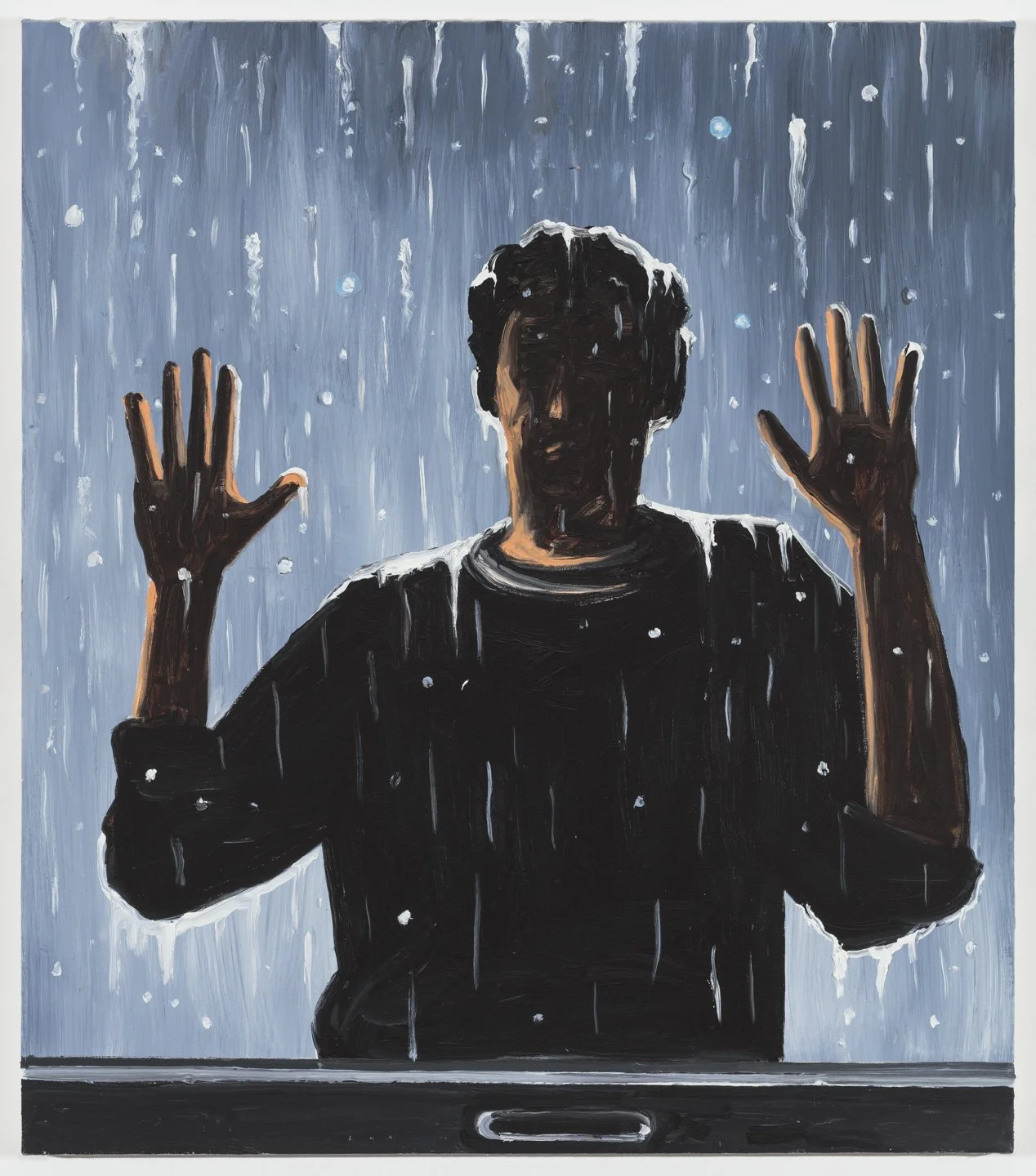
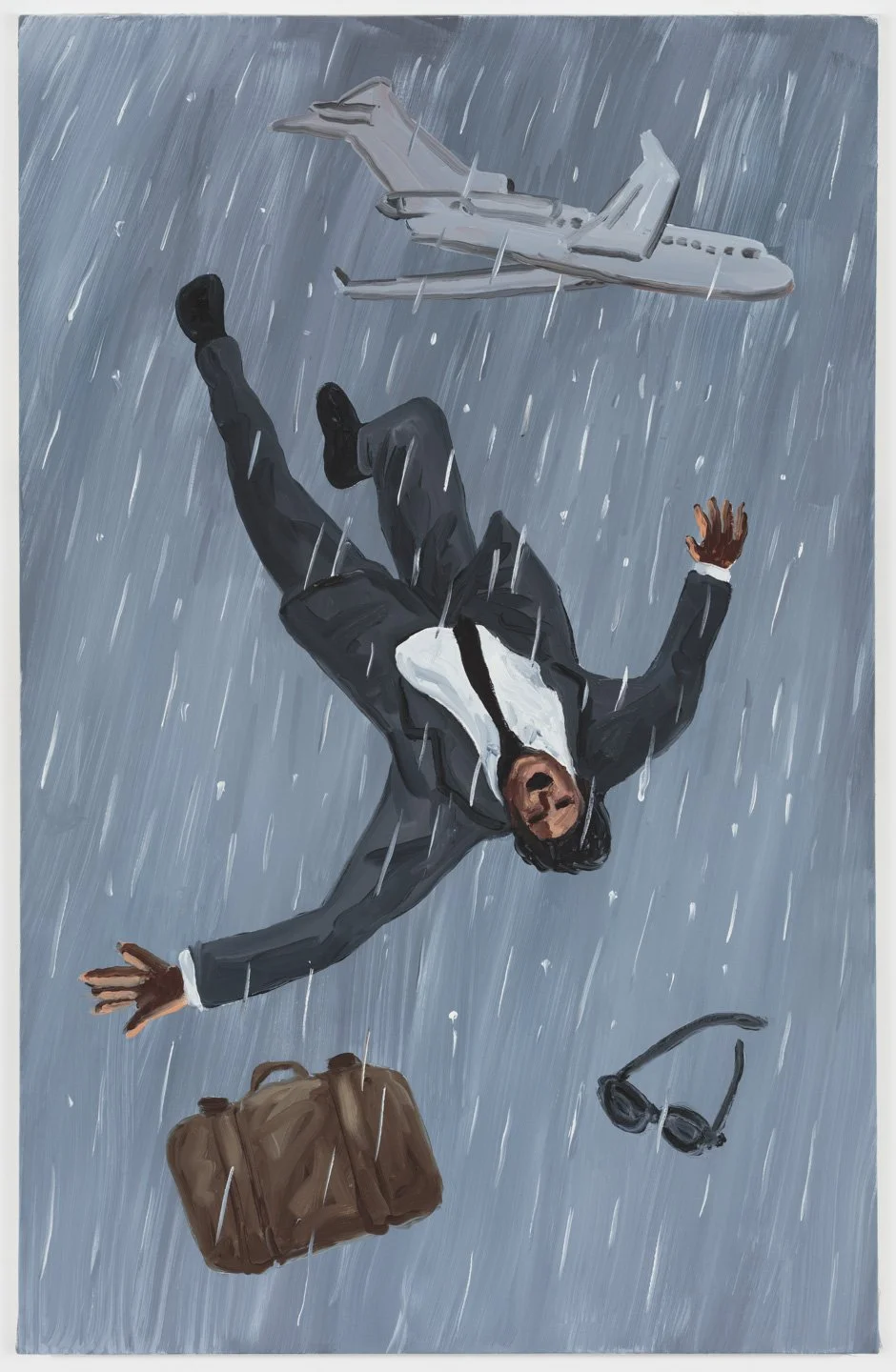
The 2019 High Anxiety exhibition at Nicelle Beauchene Gallery feels especially unified. The entire show operates with a cinematic noir logic. Nearly every image resonates with threat, surveillance, paranoia, or aftermath. According to the press material, Bosman worked from stock photography for many of these paintings. What is impressive is how effectively he transforms generic source material into something narratively connected and psychologically loaded.
There is also an odd recurring fascination with D. B. Cooper that appears across what I am assuming is decades. I still do not fully understand why Bosman keeps returning to him.
Another thing that becomes apparent once you start digging through the work is how heavily Bosman thinks in series.
Bad Kitty Series:
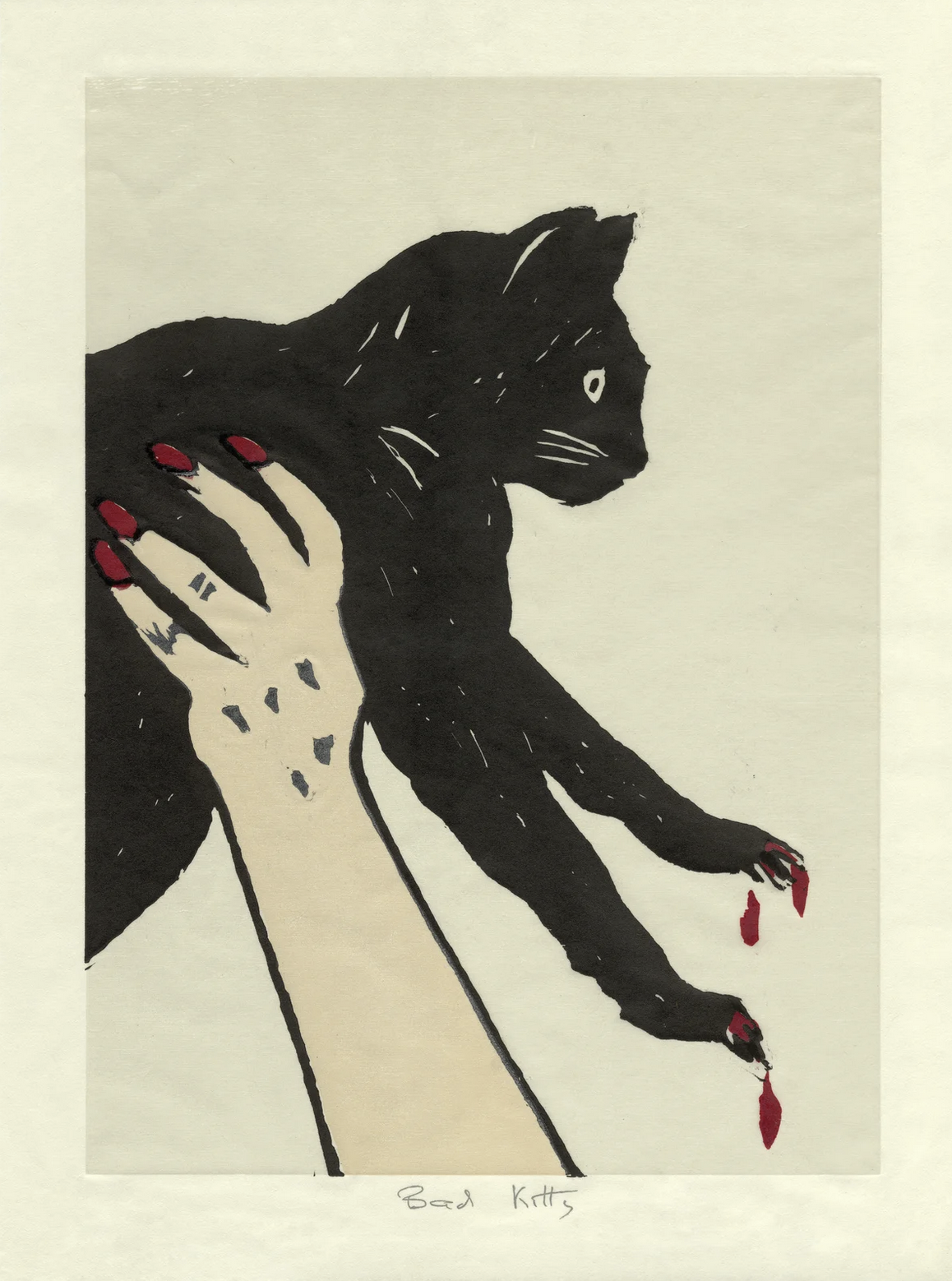
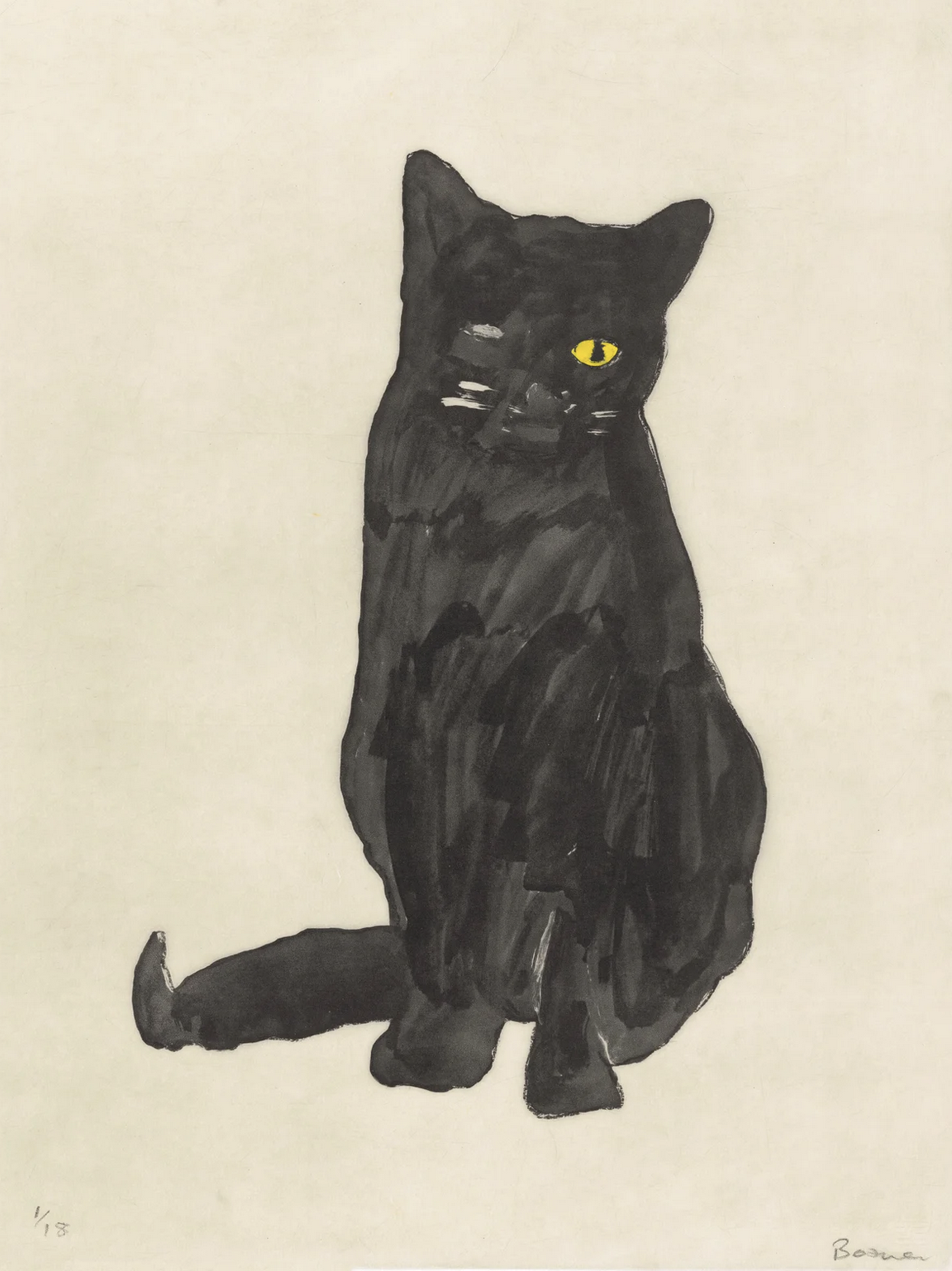
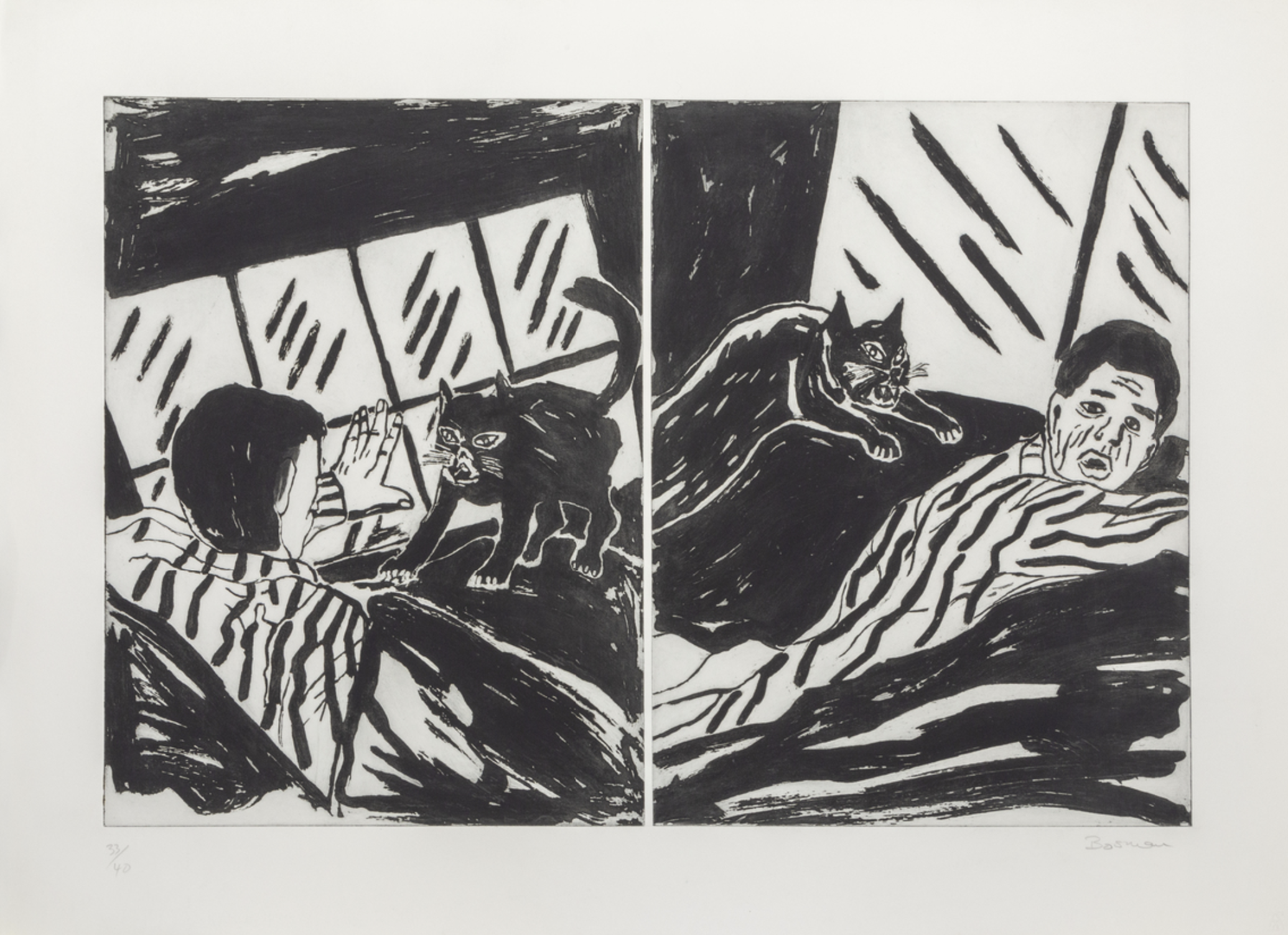
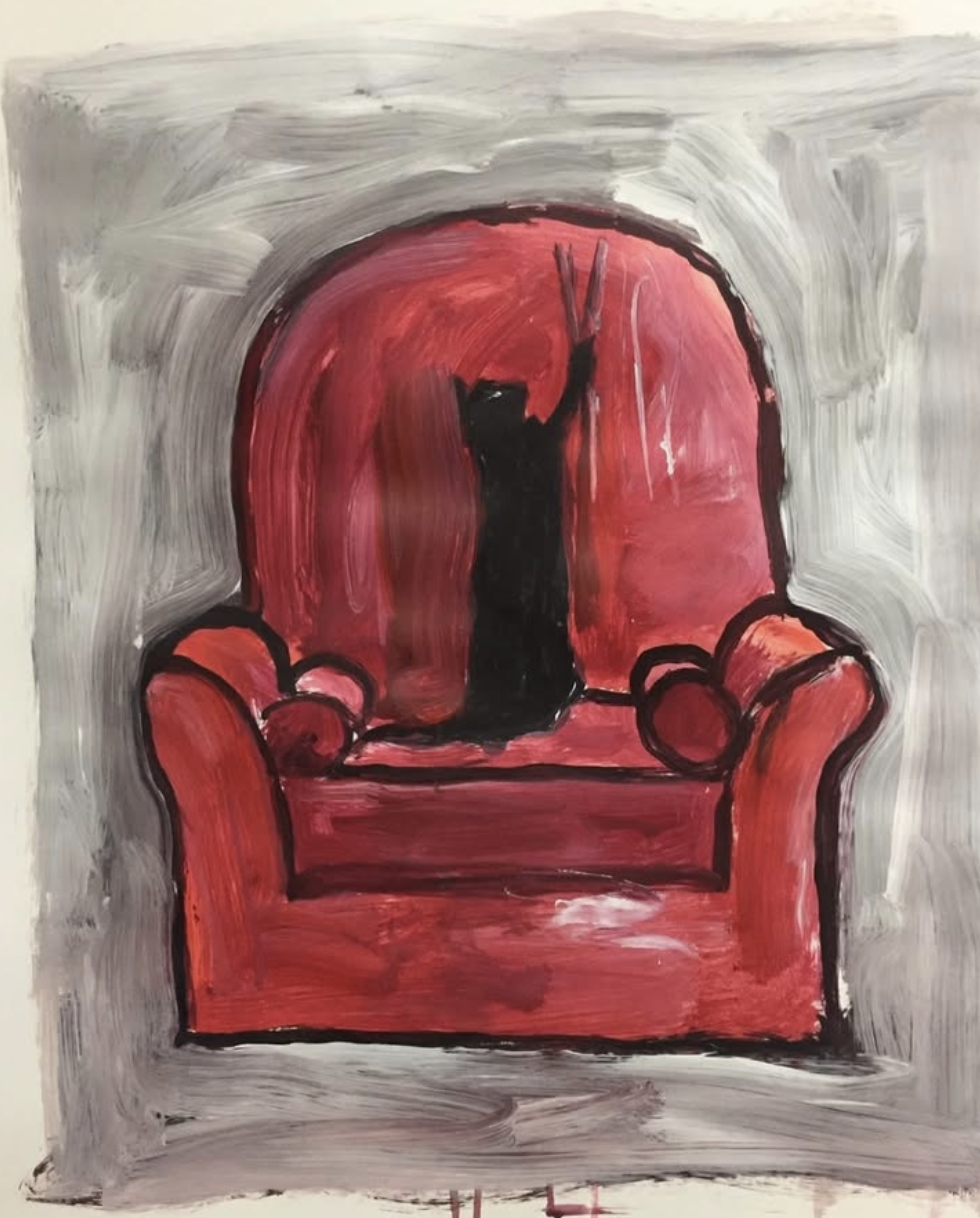
Bosman repeatedly comes back to devil Kitties that are great. I won’t upload every image I find of Bosman online (though I have made a good start here).
—-
I was getting into this series. Not sure what its about. (so far this is what I found).
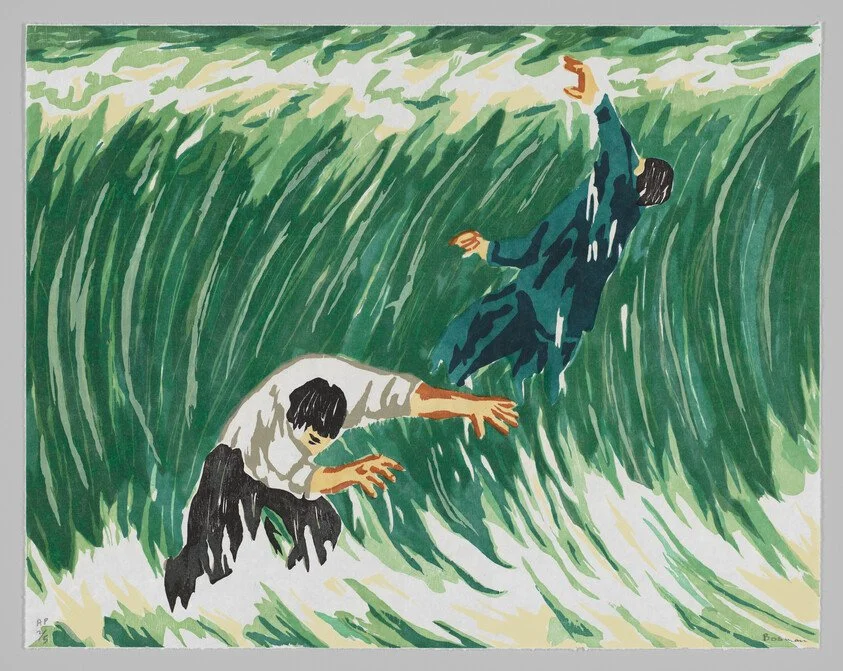
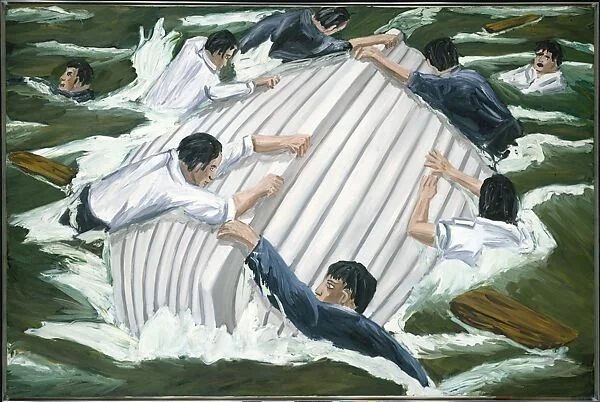
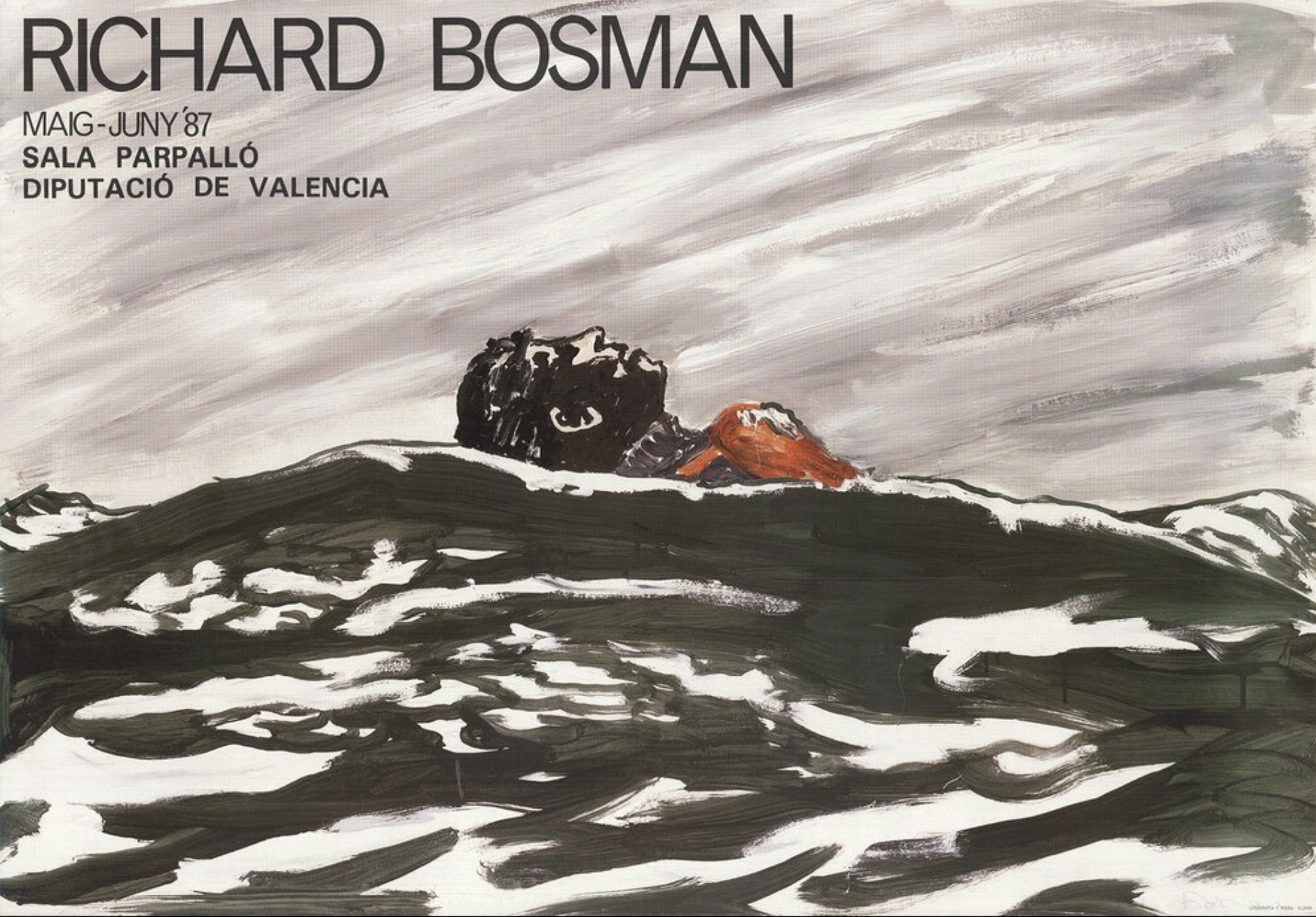
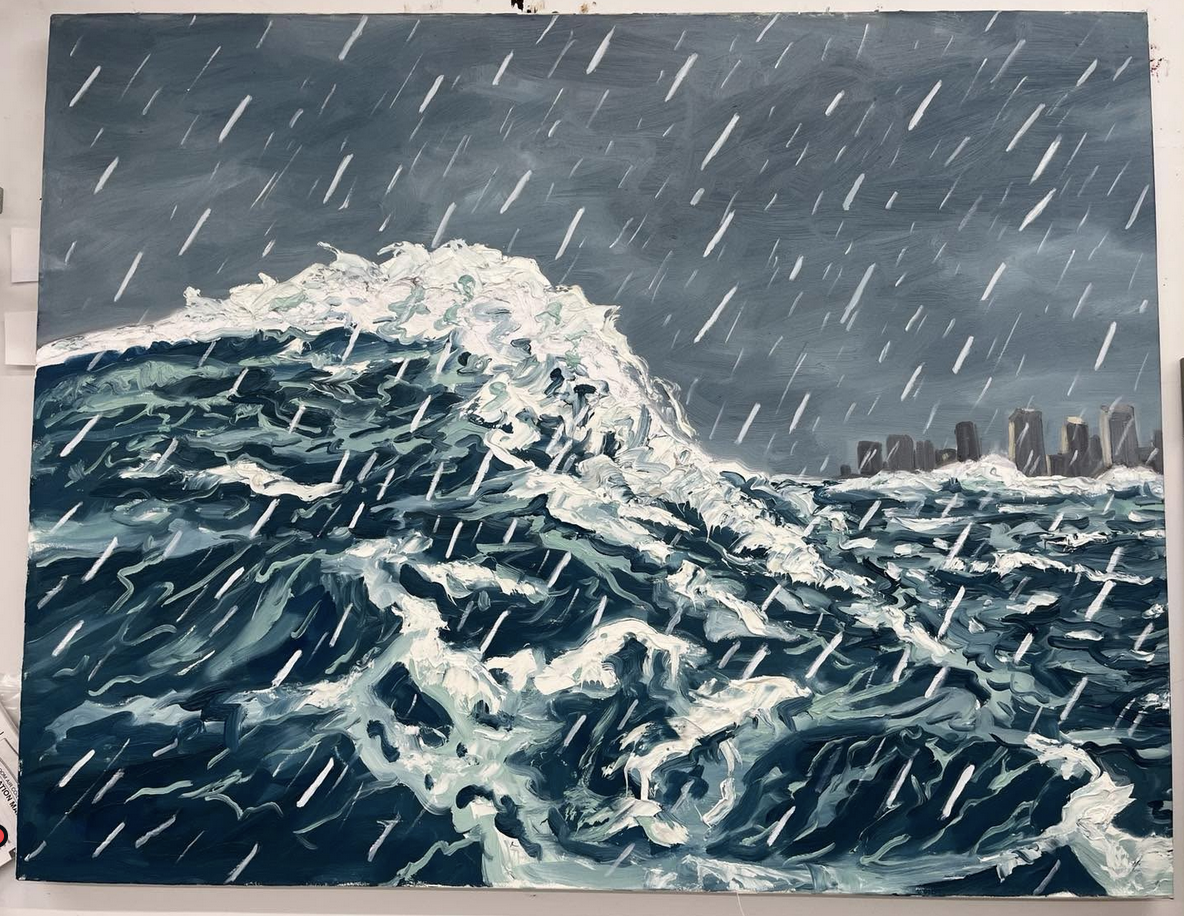
Some of the maritime works are especially strong. Bosman repeatedly returns to imagery of ocean violence and aftermath across decades. I appreciate the drama in those pictures.Here are a couple.
Not every work lands equally well. Some of the rearview mirror and sideview mirror paintings feel weaker to me despite being built around excellent concepts. (SAY WHY: some of the stock images are dumb).
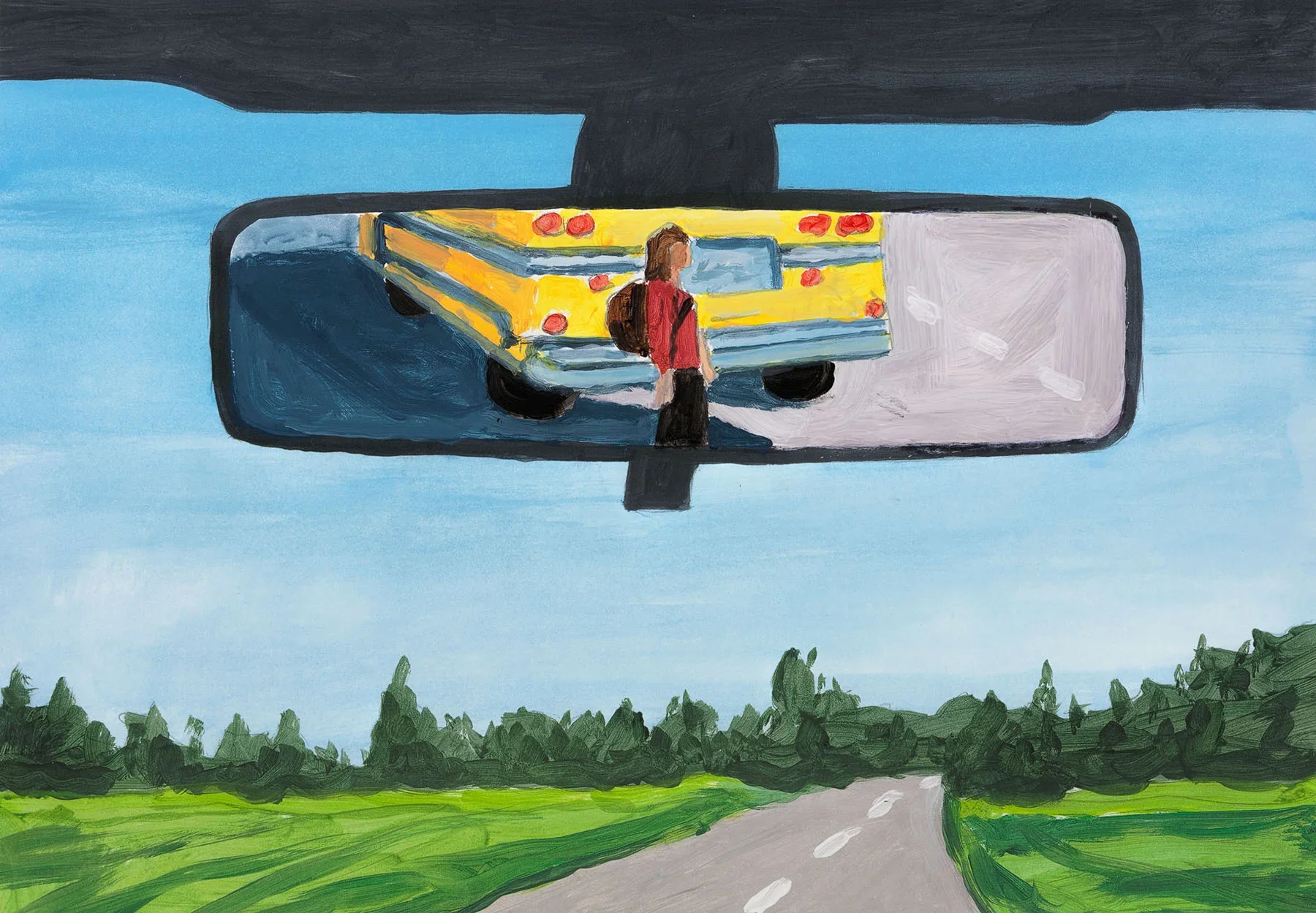
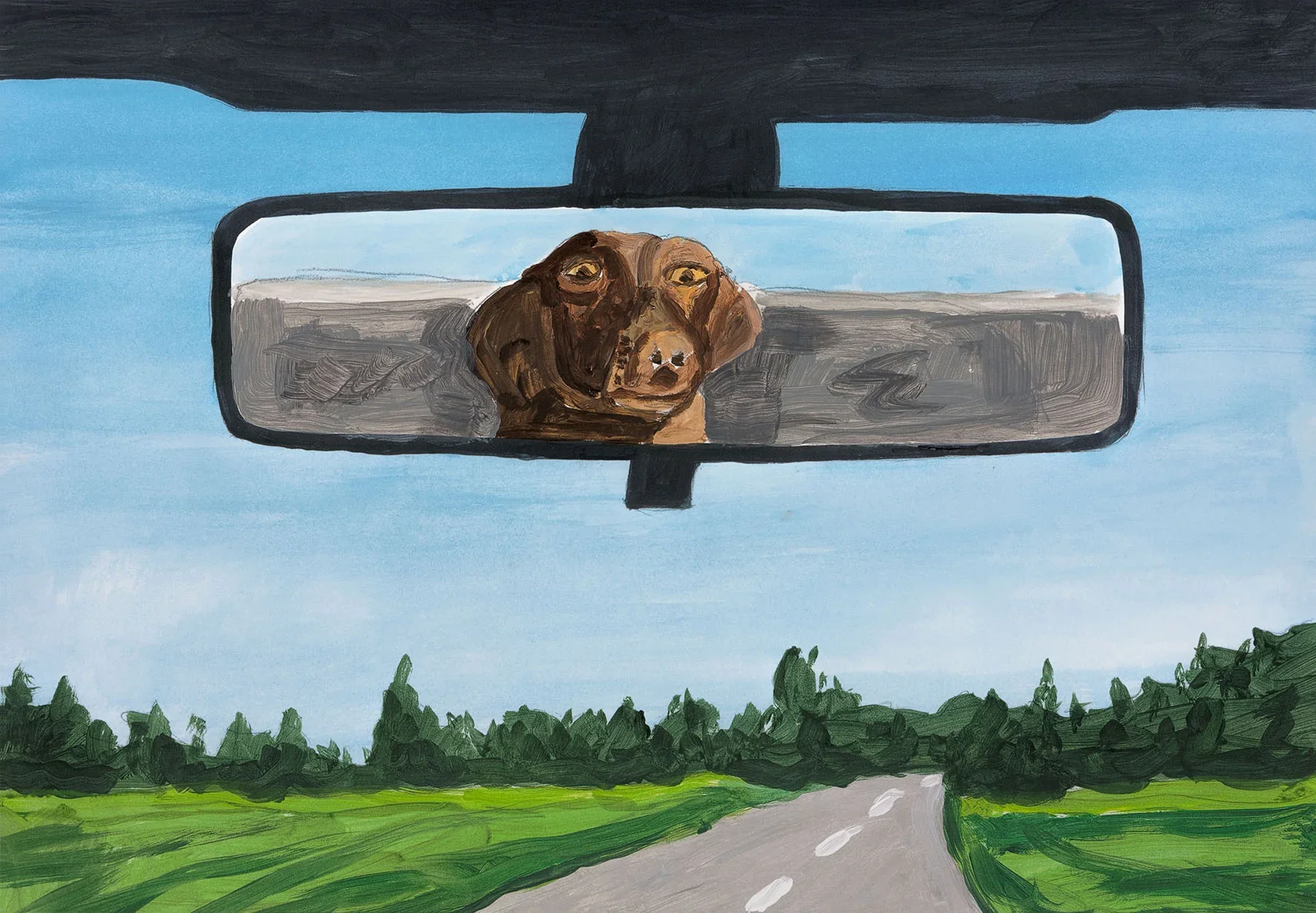
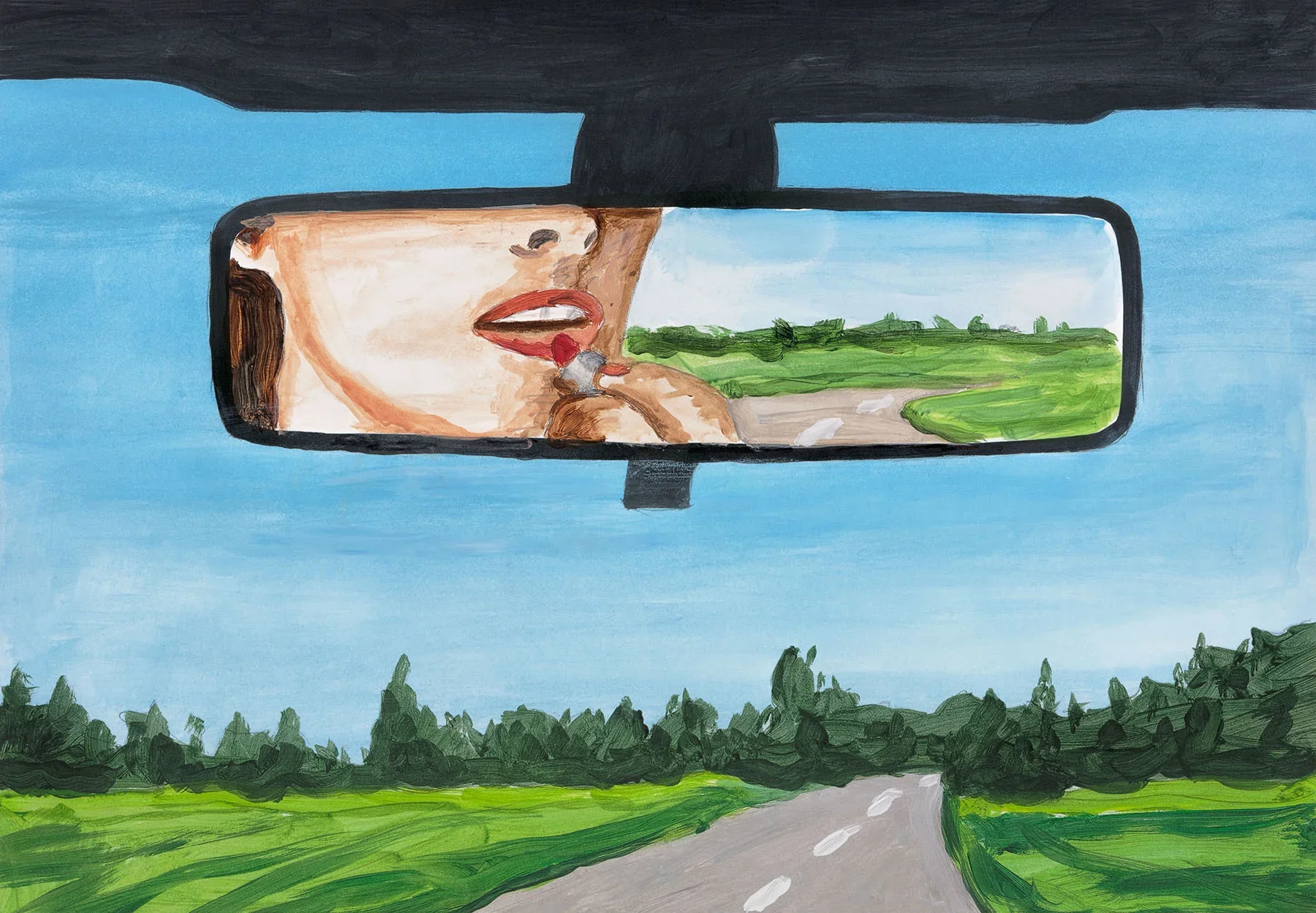
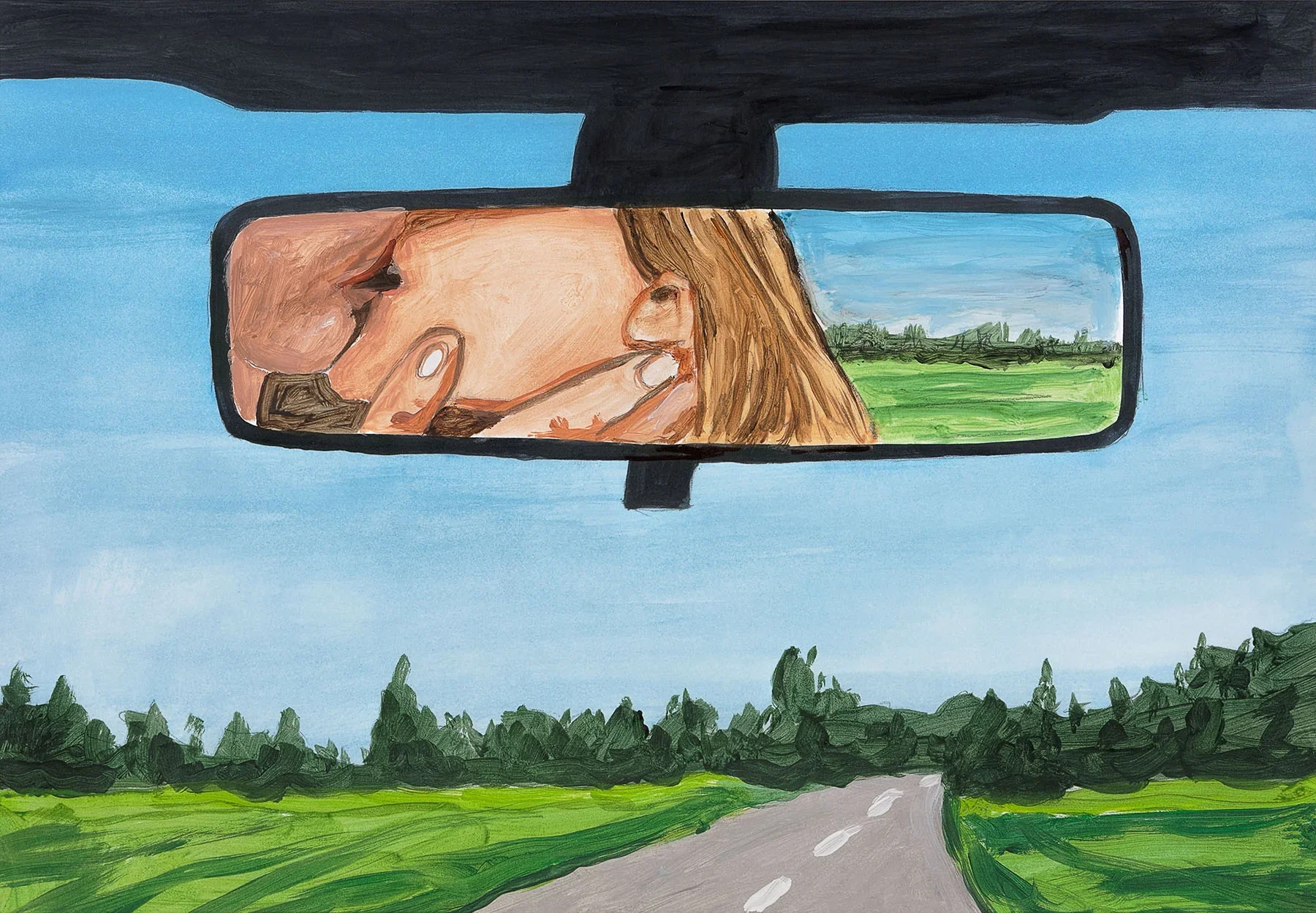

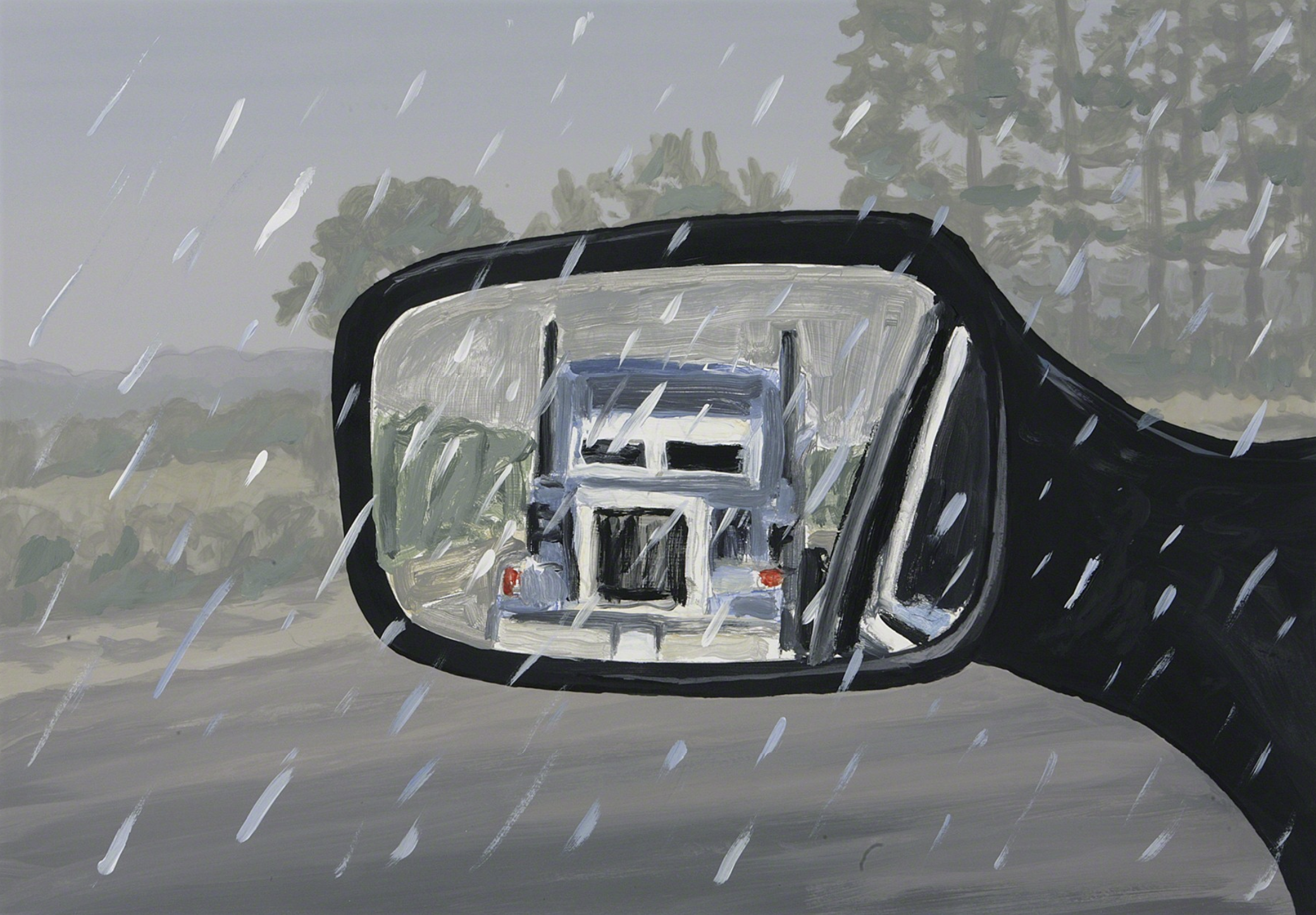
The mirrors themselves are compelling framing devices, much like the cellphone works, but the imagery reflected inside them sometimes feels too generic. In those cases the source photography remains merely “stock imagery” instead of becoming transformed by Bosman’s sensibility. The tension collapses and the surrounding composition has to do all the work.
Because these works were part of several large series’ over several years, I feel they all should be judged together. As I said initially, I was blown away by the cell phones at first look. But the cell phones belong with the mirrors. And the fact that the mirrors and port holes can suck when there are bad stock image choices being made… I think those bad choices hurt all of the works. (this is not clearly said and needs revision).
That said, every artist misses occasionally, especially across a fifty-year career.
Richard Bosman in the Studio
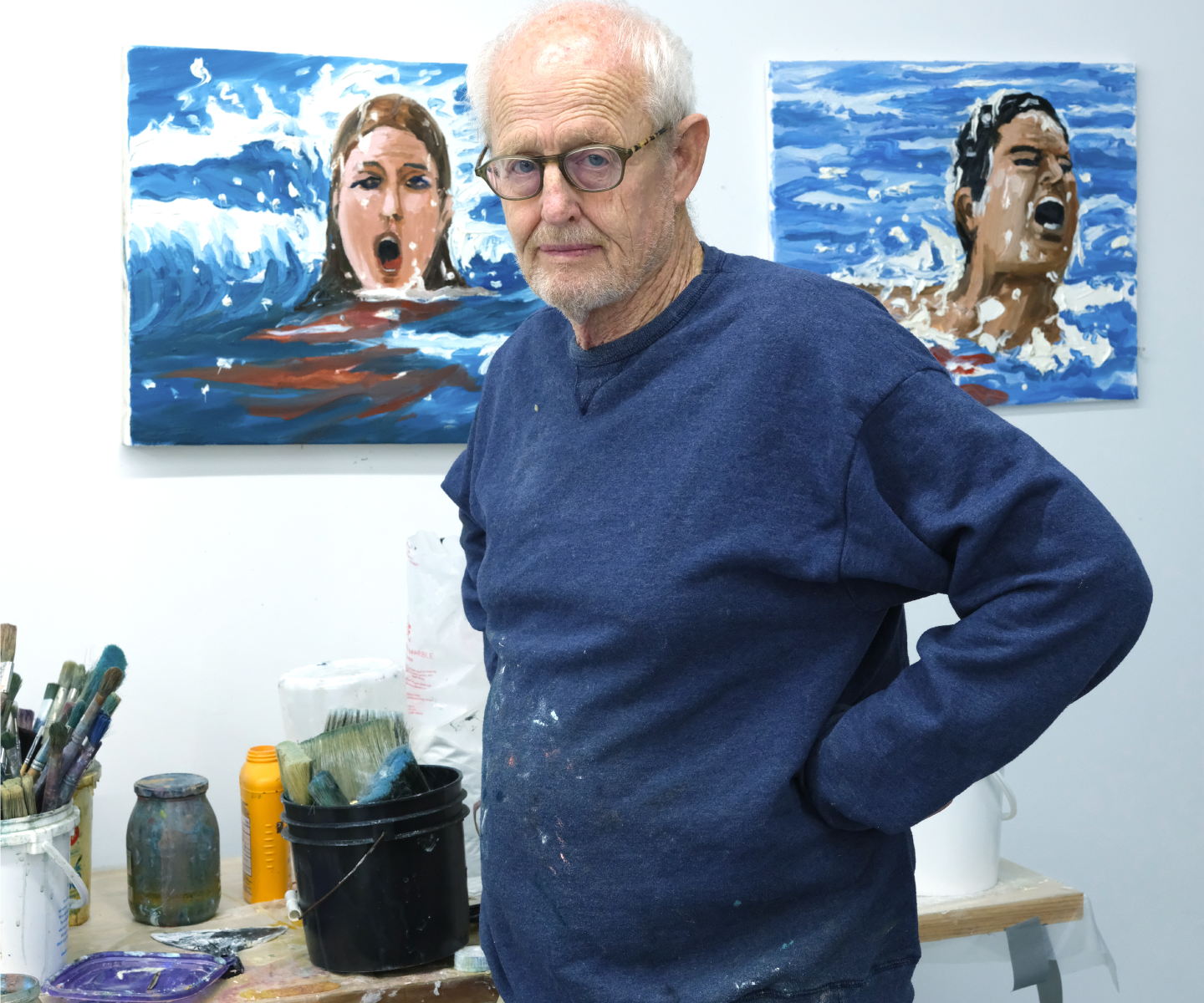
Note the red in the water. Bosman cracks me up.
What I ultimately respond to most in Bosman’s work are the compositions, the absurd treatment of collective reality, and the commitment to exploring ideas serially rather than as isolated images. He appears to rely heavily on found photography, but usually the source material is only the beginning. The real subject is psychological destabilization.
Bosman was born in 1944, studied in New York City, and has maintained a career spanning more than fifty years. The sheer range of work online is overwhelming. Every time I think I have a grasp on it, I find another body of paintings that completely changes the picture.
Current Opinions on Bosman
(Note: My opinions change over time)
Currently I have mixed feelings about Bosman. I love almost everything I see of his on first impression. Then I start to see it in a bigger context against his other work, and I start to figure out the process he is undertaking with his later work.
Damn it. I love some of his work. I love that he is in the world as an artist. But, I feel he is also taking the easy way out in all of his explorations. Let me put it this way… there are sooo many artists using photo references in their work (I use photo references). The majority of those people will repaint the photo and this creates in my opinion bad art.
Peter Doig for example will work from found imagery, and the images often look like his finished paintings, but his paintings become explorations of the painting medium and go beyond the reference material.
Bosman has a very engaging conceptual idea here with a series like the cell phones, but he isn’t pushing the paint medium or compositional elements towards anything new. The fact that his details start to look like the 5000th image of a Shutterstock site search depresses me.
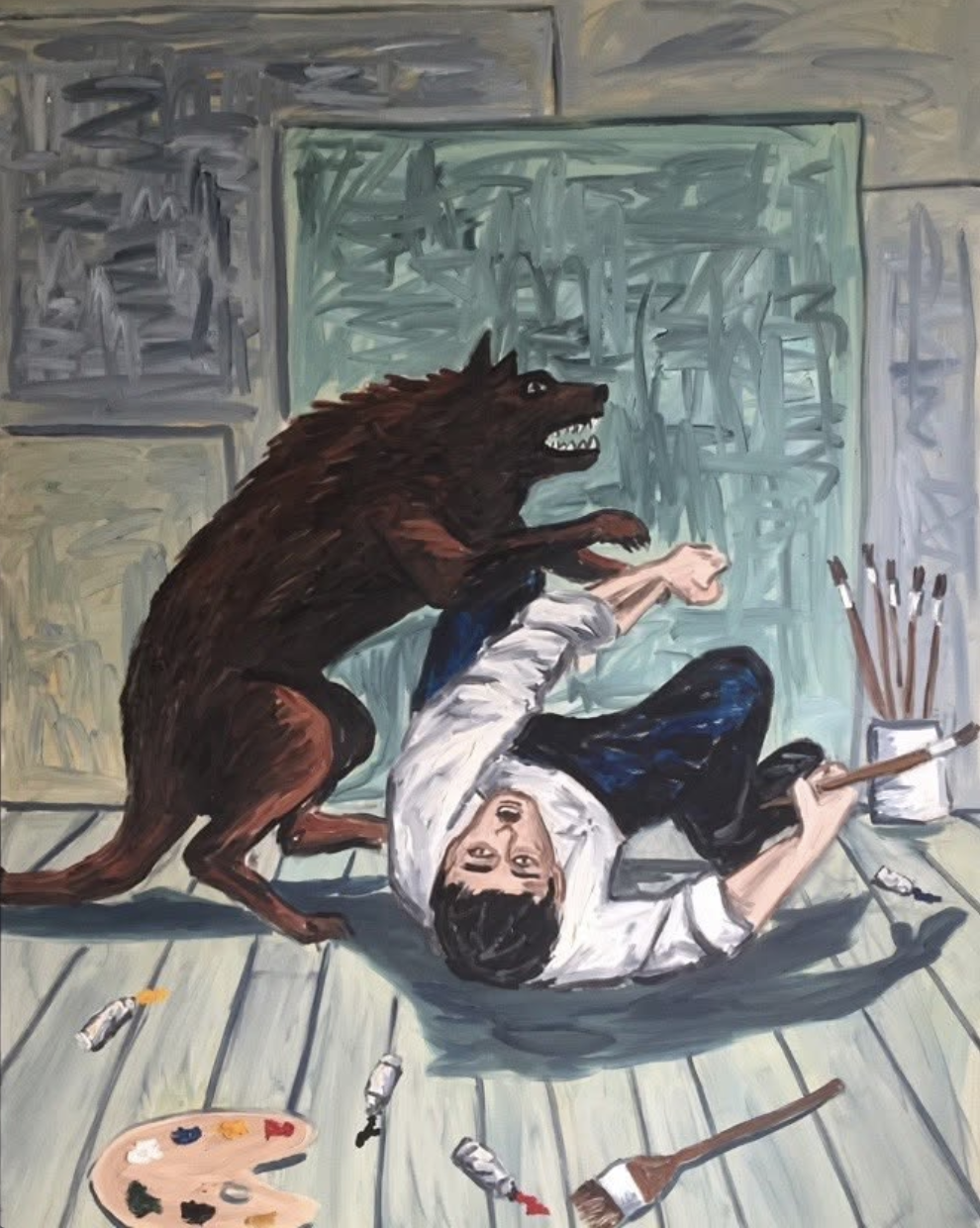
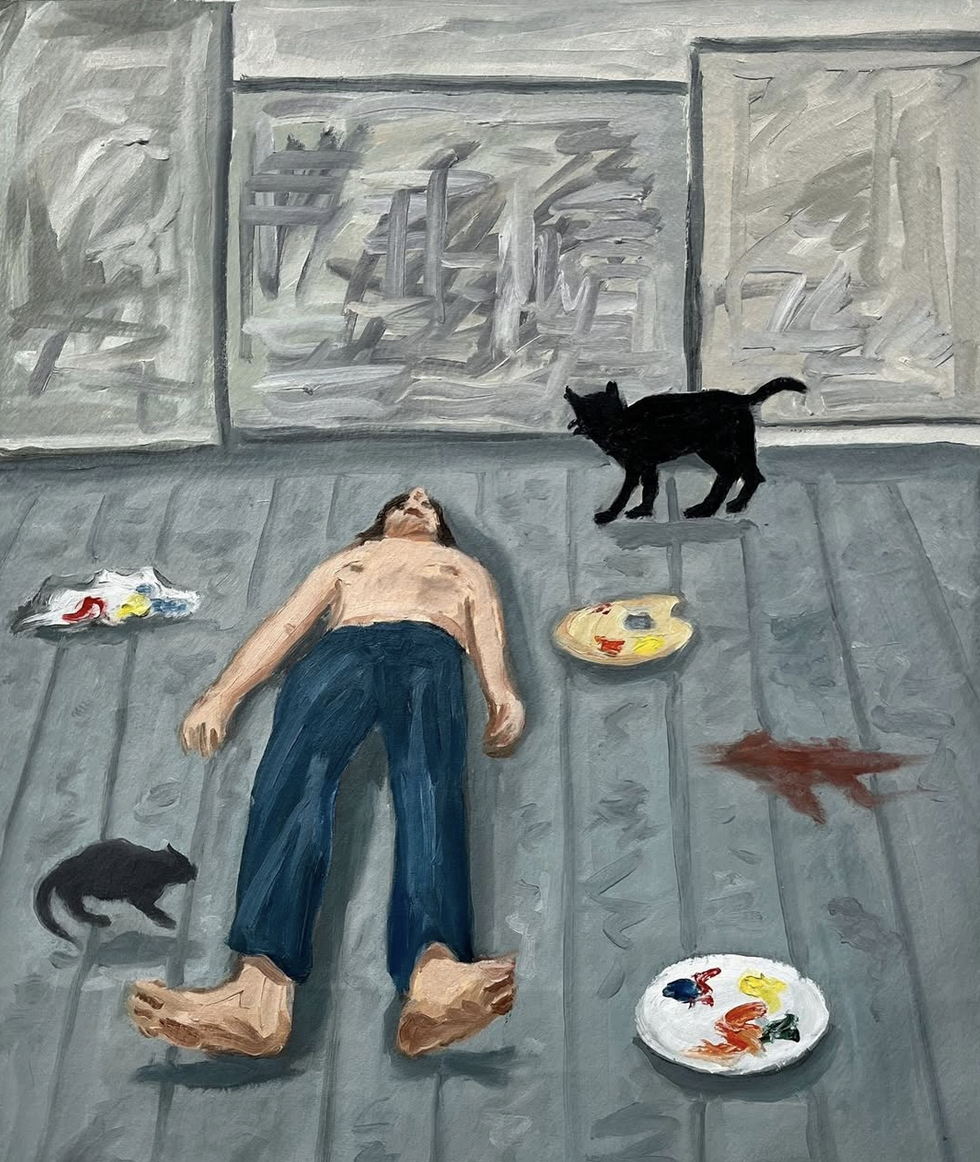
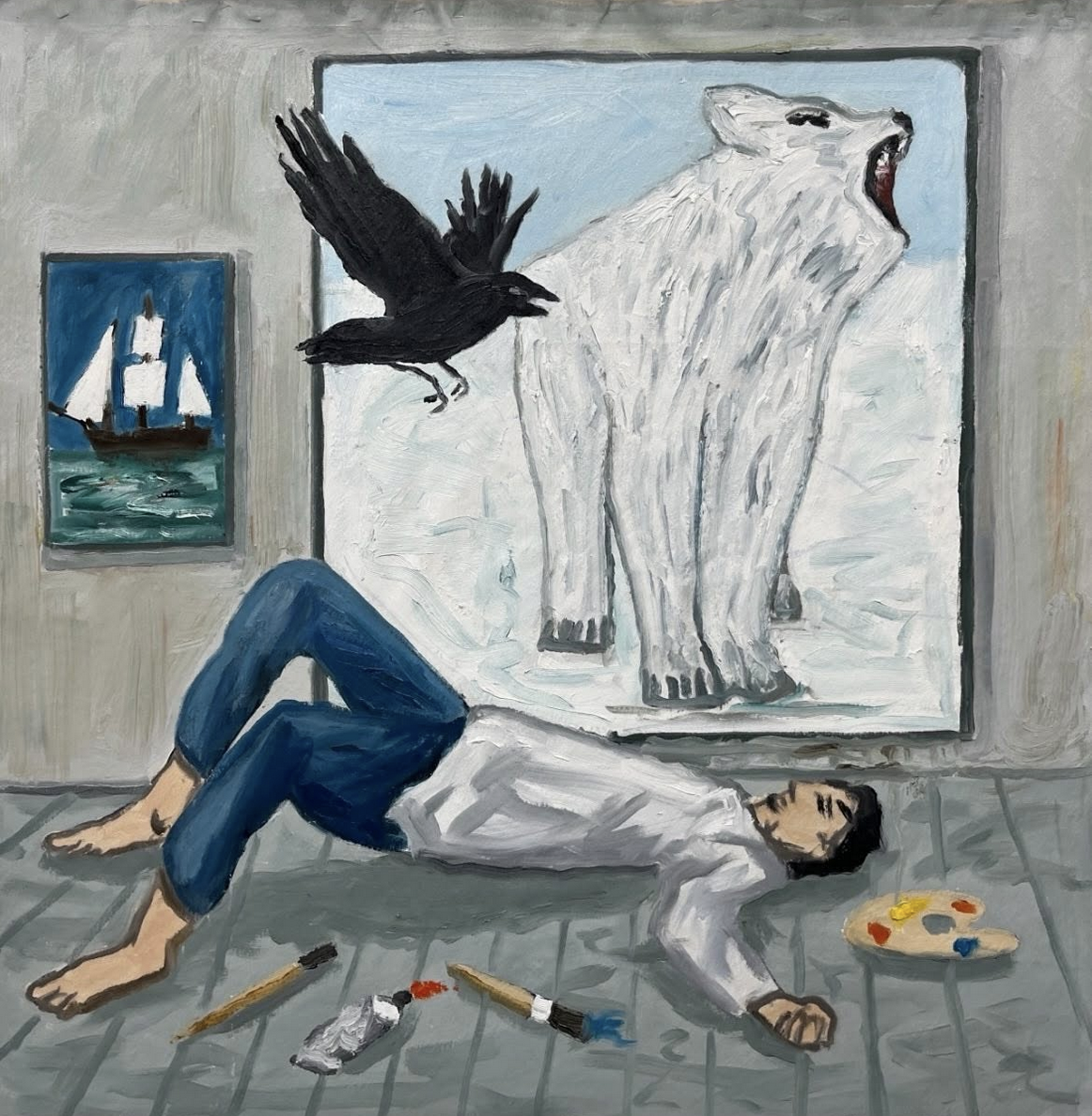
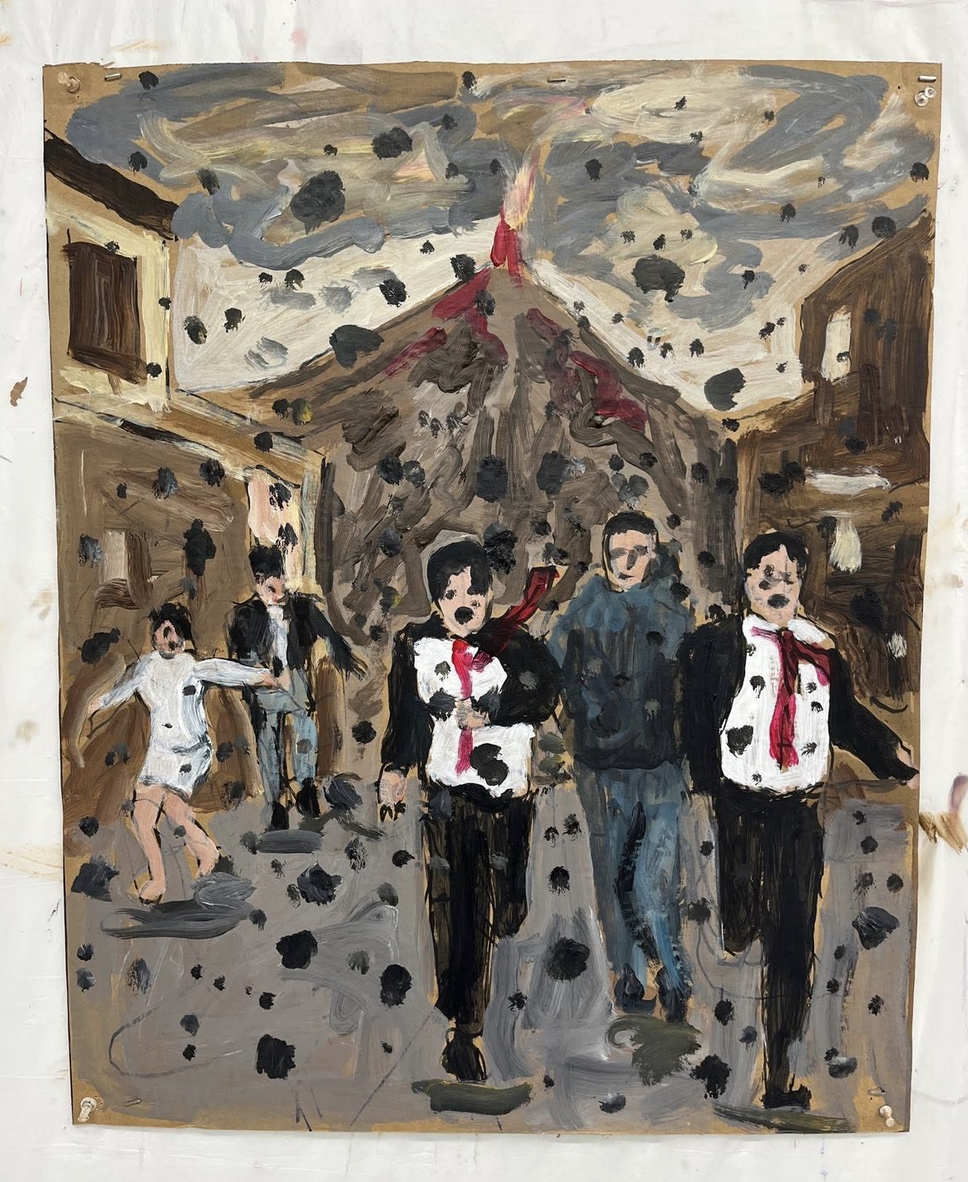
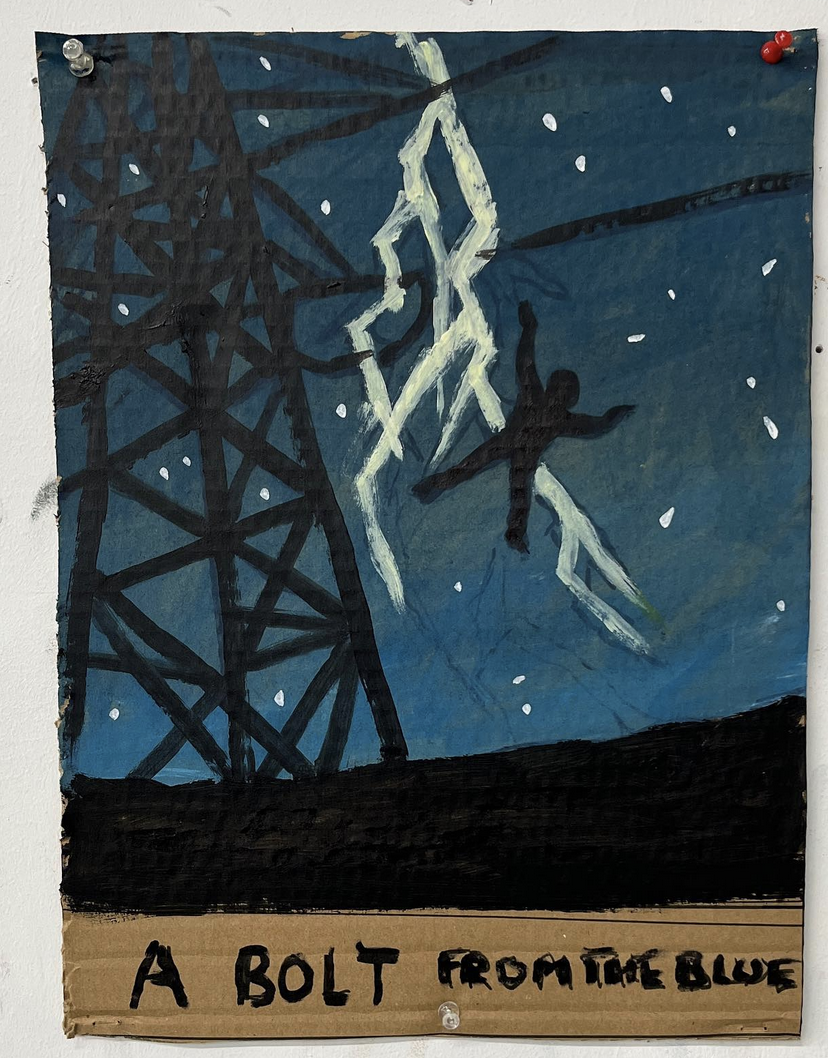
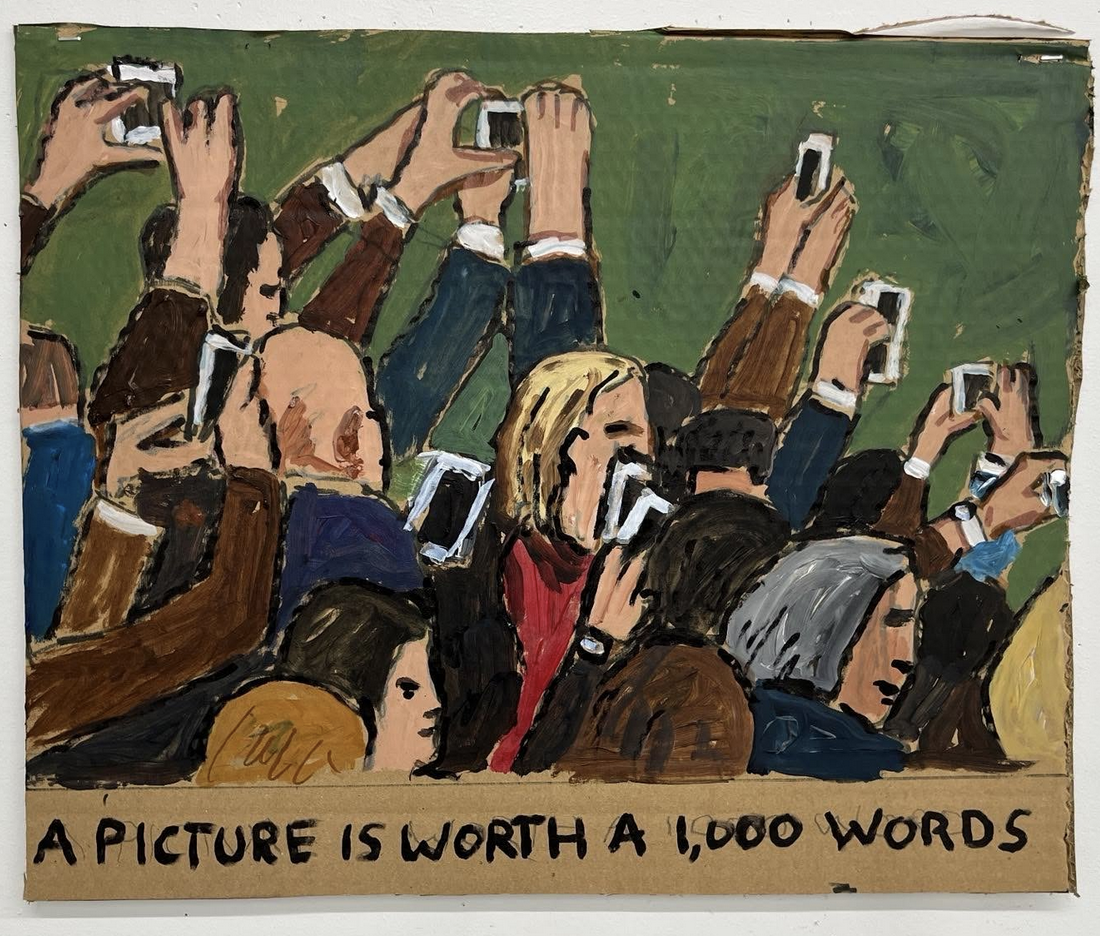
I haven’t seen all of his work yet. Some of what he has I think could hold up with my prolonged judgement, I want to see more (example: the studio paintings where he is being killed and the cardboard ‘sayings’ pictures).
So I think Bosman is like a Twinky. You get a sugar rush from seeing his work. You dig in and then find that he has only empty calories to offer.
Interviews Worth Reading:
Multiploeditions interview discussing Bosman’s history and process
ArtReview interview with Brad Phillips