
Richard Diebenkorn
Diebenkorn is one of my heroes. I was in high school when I first saw a print of Cityscape I (1963) hanging in a friend’s house. I became fixated on it immediately. I couldn’t stop looking at it. My understanding of art shifted a bit when I saw it. Diebenkorn had given me a different way of seeing space.
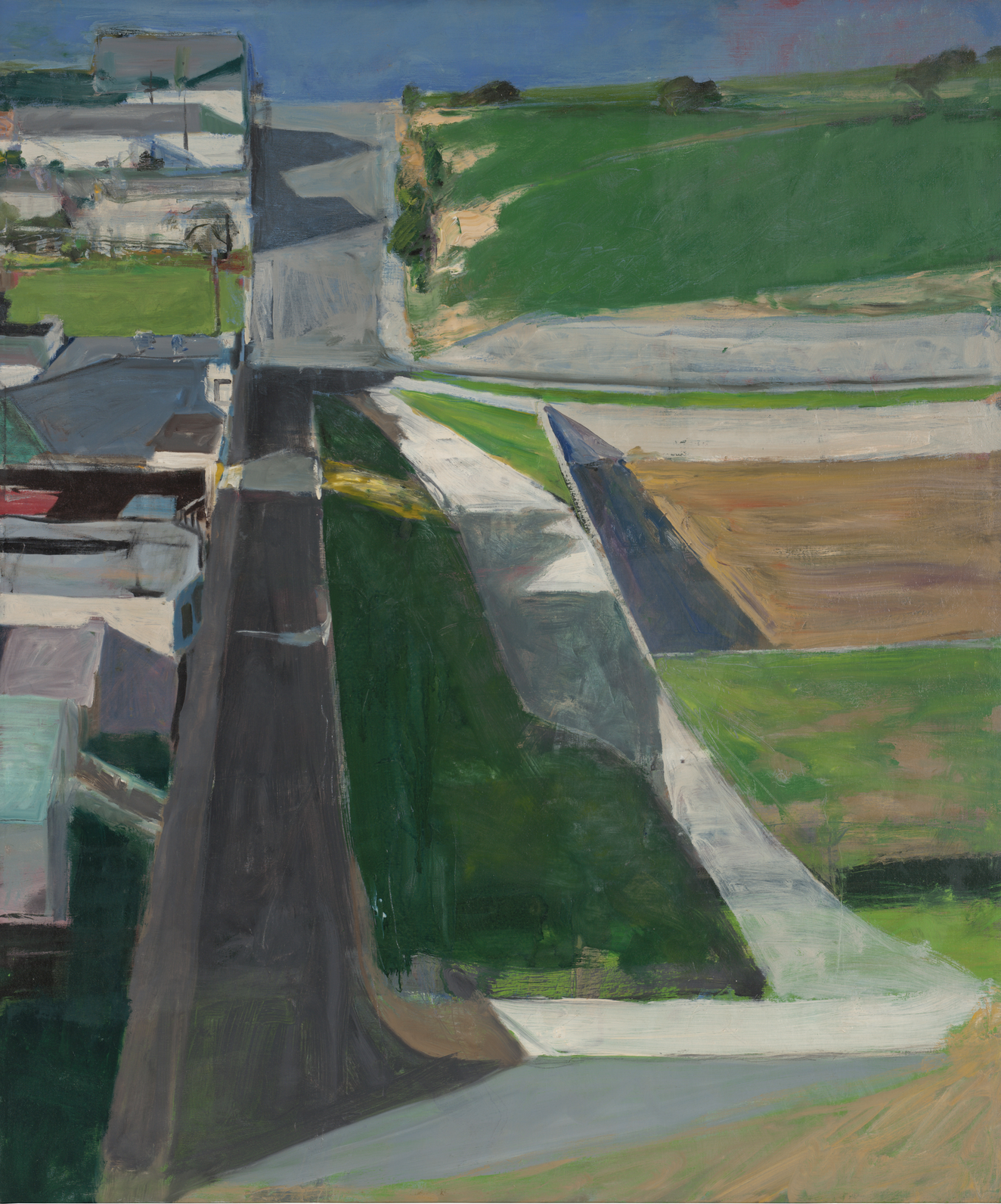
Cityscape
1963
Even now, when I go into the hills around Portland looking for places to paint, I still have Diebenkorn in my head. I am looking for a composition that I can duel with Diebenkorn on.
When I think about Diebenkorn’s work, I tend to divide it loosely into four periods:
Finding Himself — early Abstract Expressionist work
Figurative Painting — his move into Bay Area Figuration
Figure Drawings — studies made with friends and models
Ocean Park — the late abstractions built from large planes of color and light
Finding Himself:
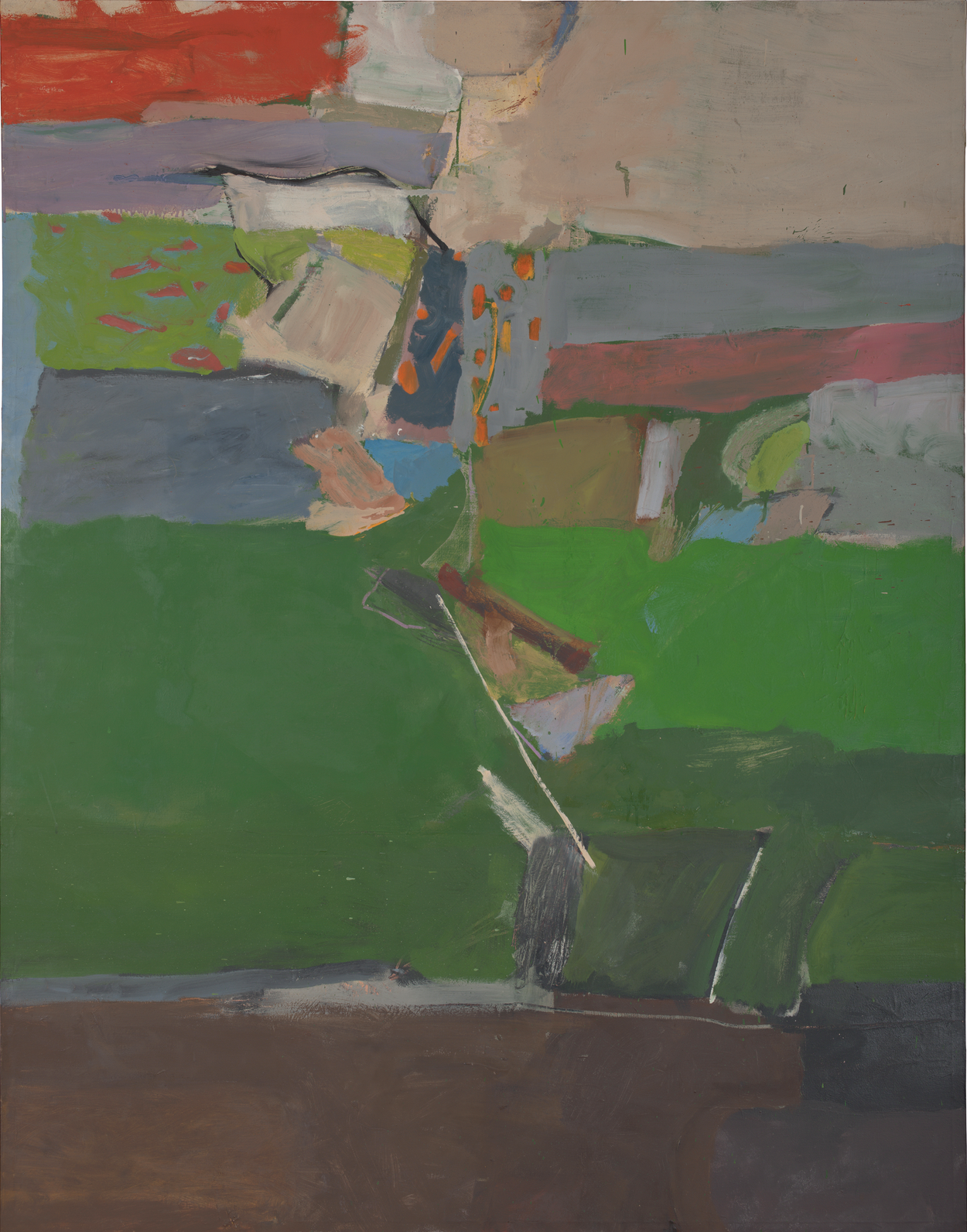
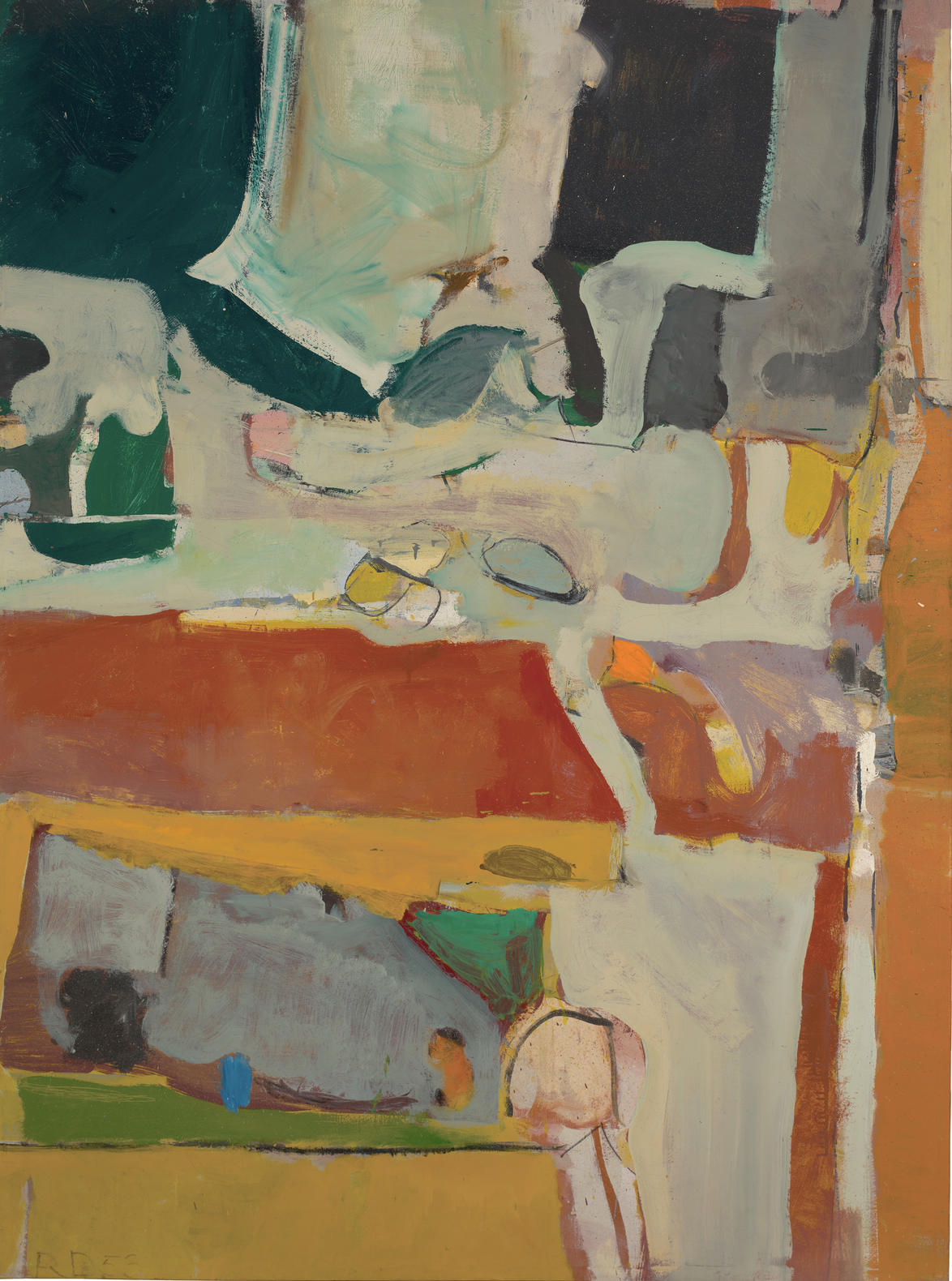
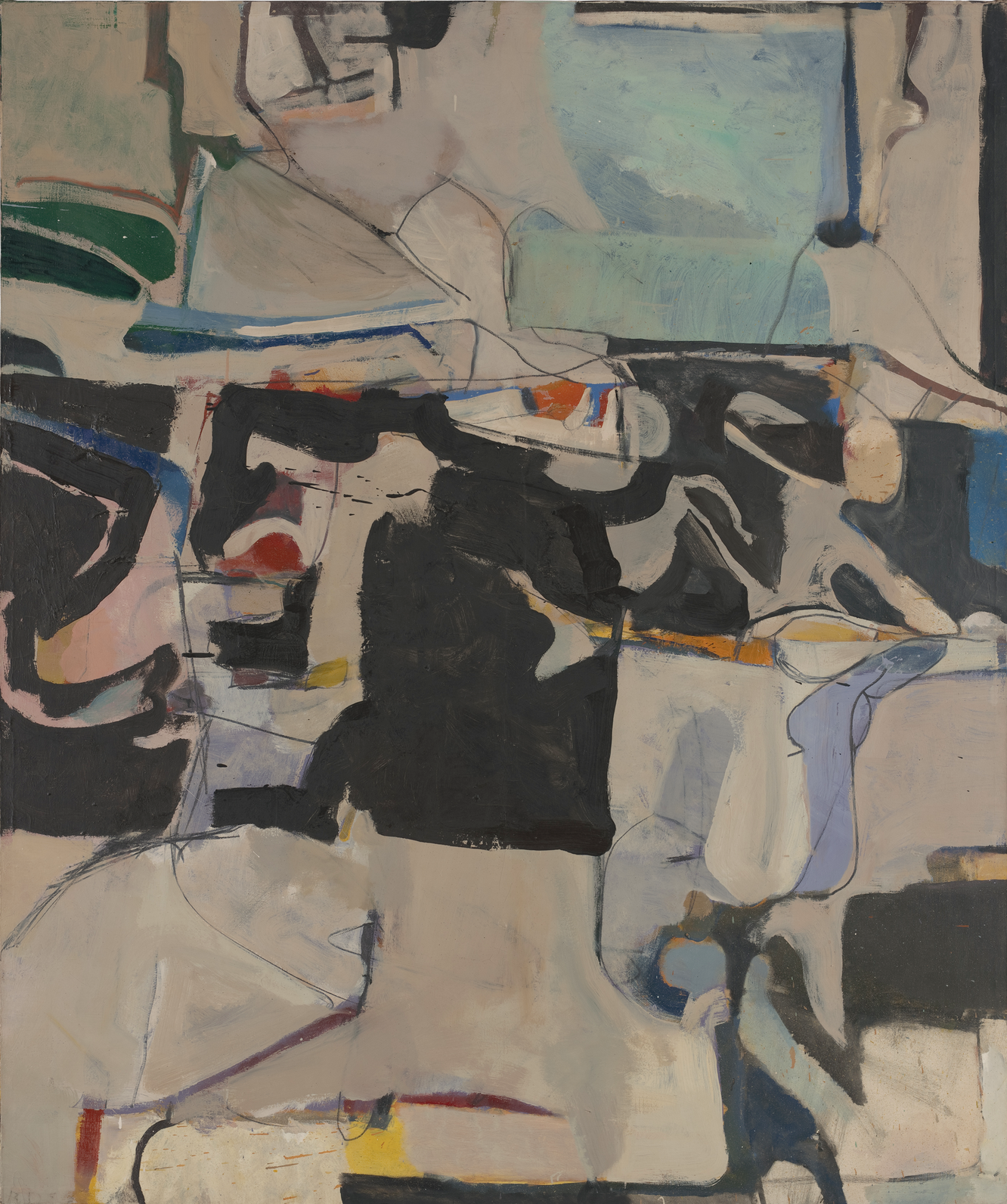
I don’t like these works very much. To me, they feel like Diebenkorn working through the dominant ideas of postwar American painting. You can feel the influence of Abstract Expressionism and the standards established by critics like Clement Greenberg.
That said, these early works were well regarded at the time, and Diebenkorn’s later turn toward figurative painting was controversial.
Figurative Paintings:
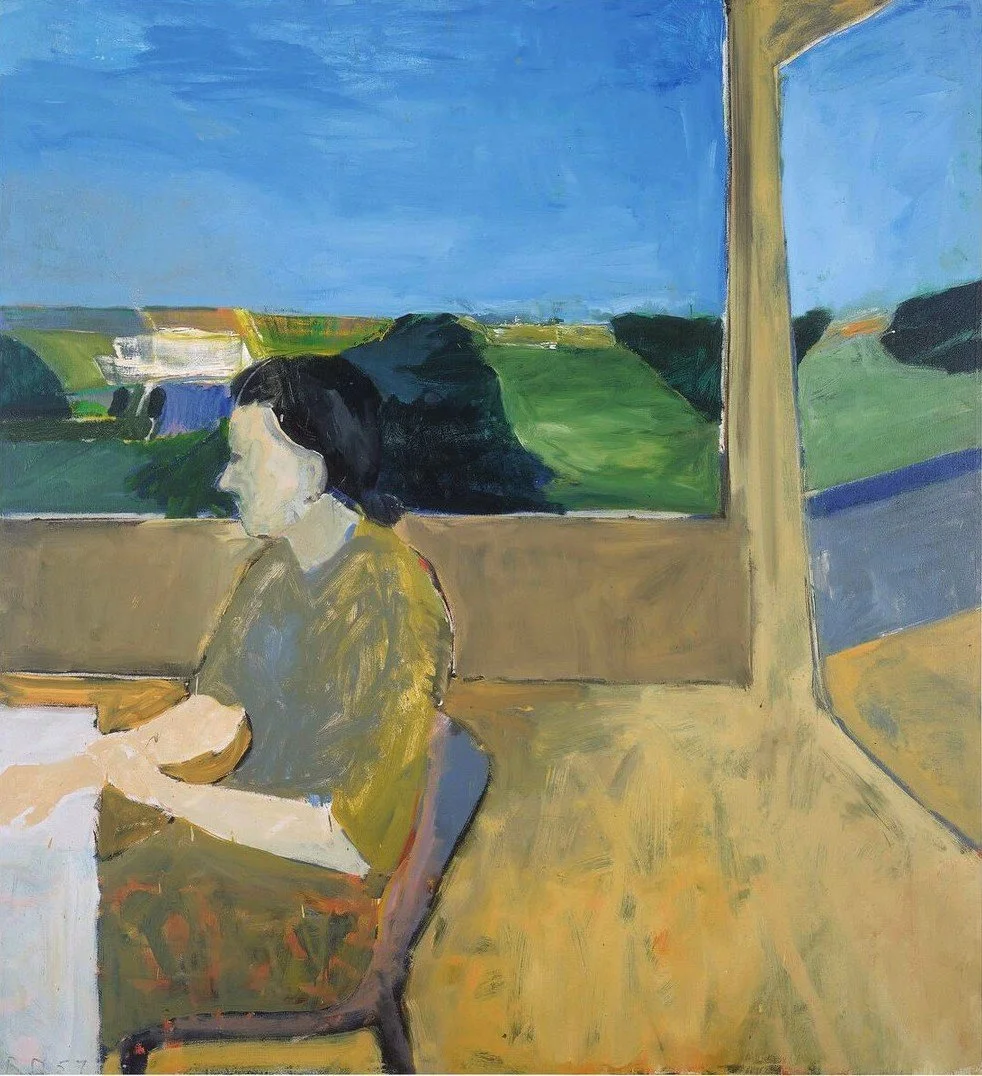

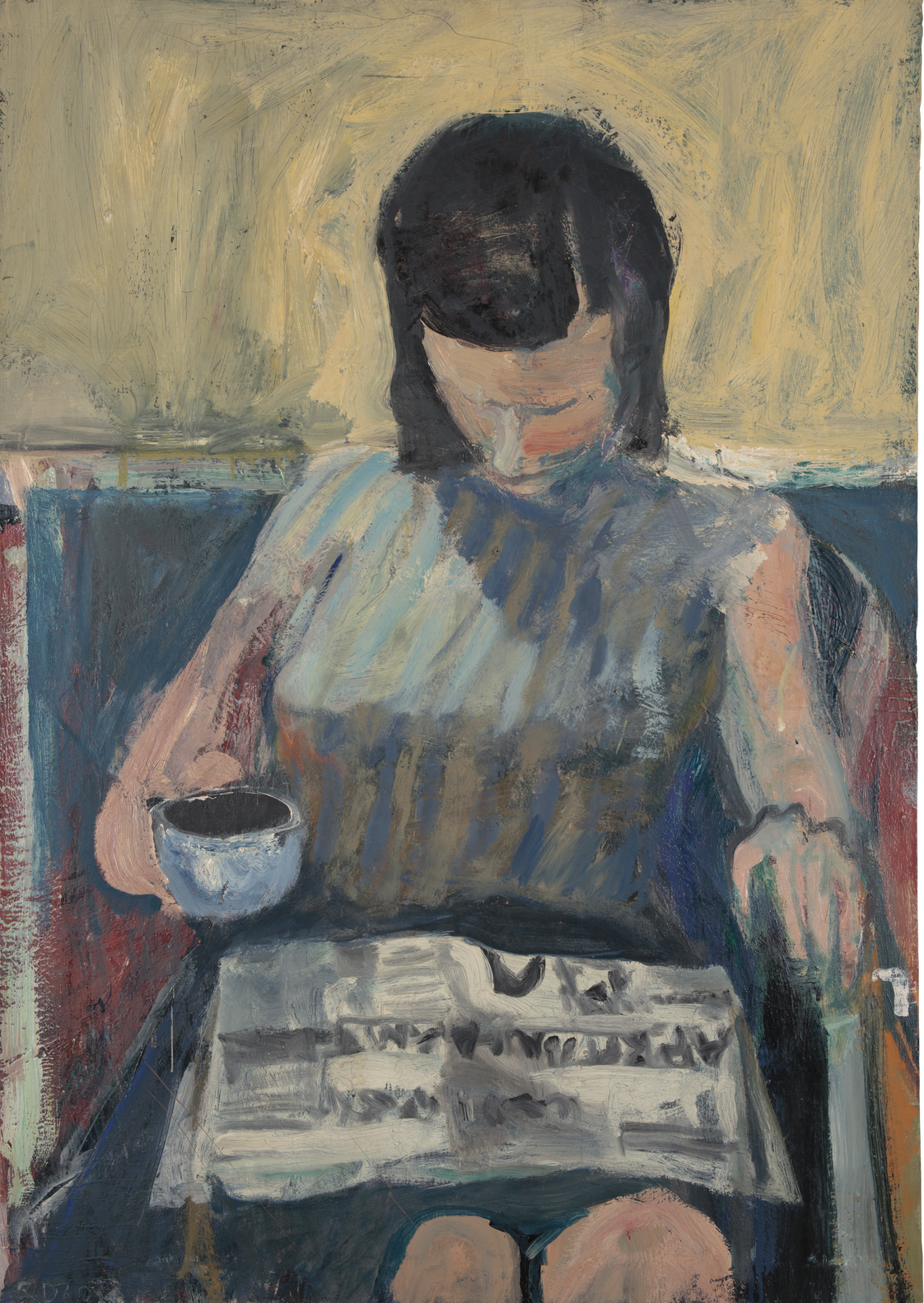
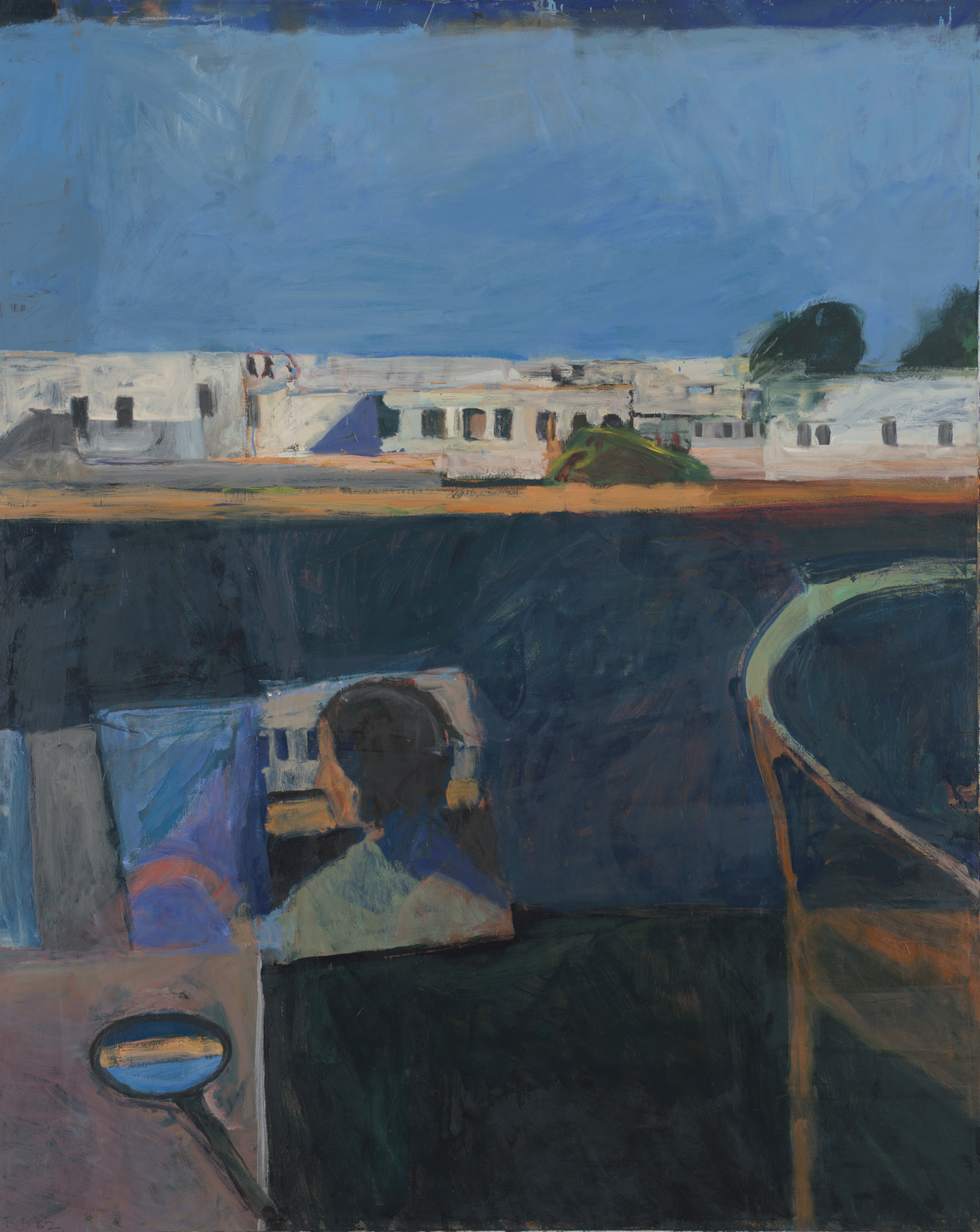
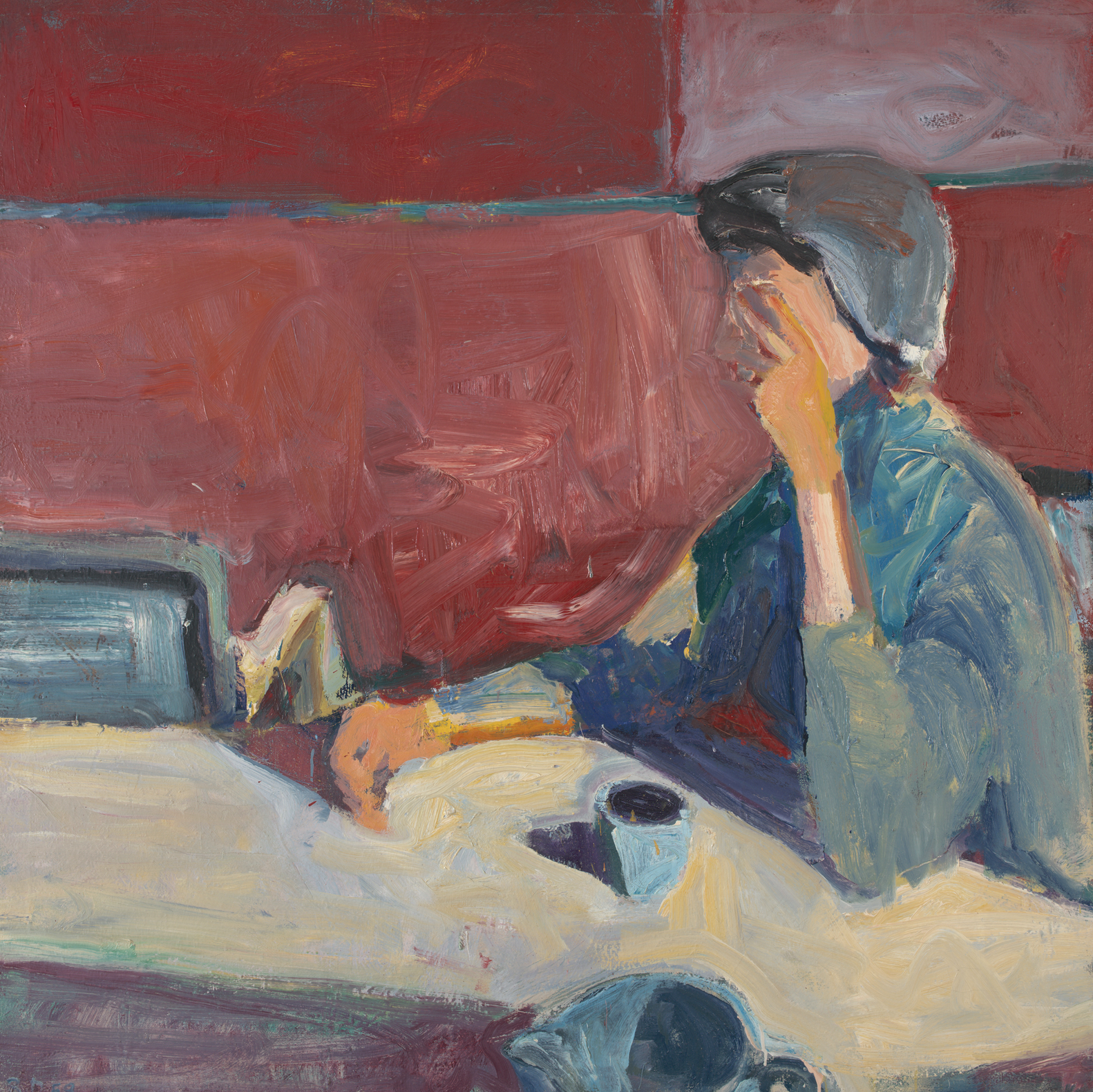
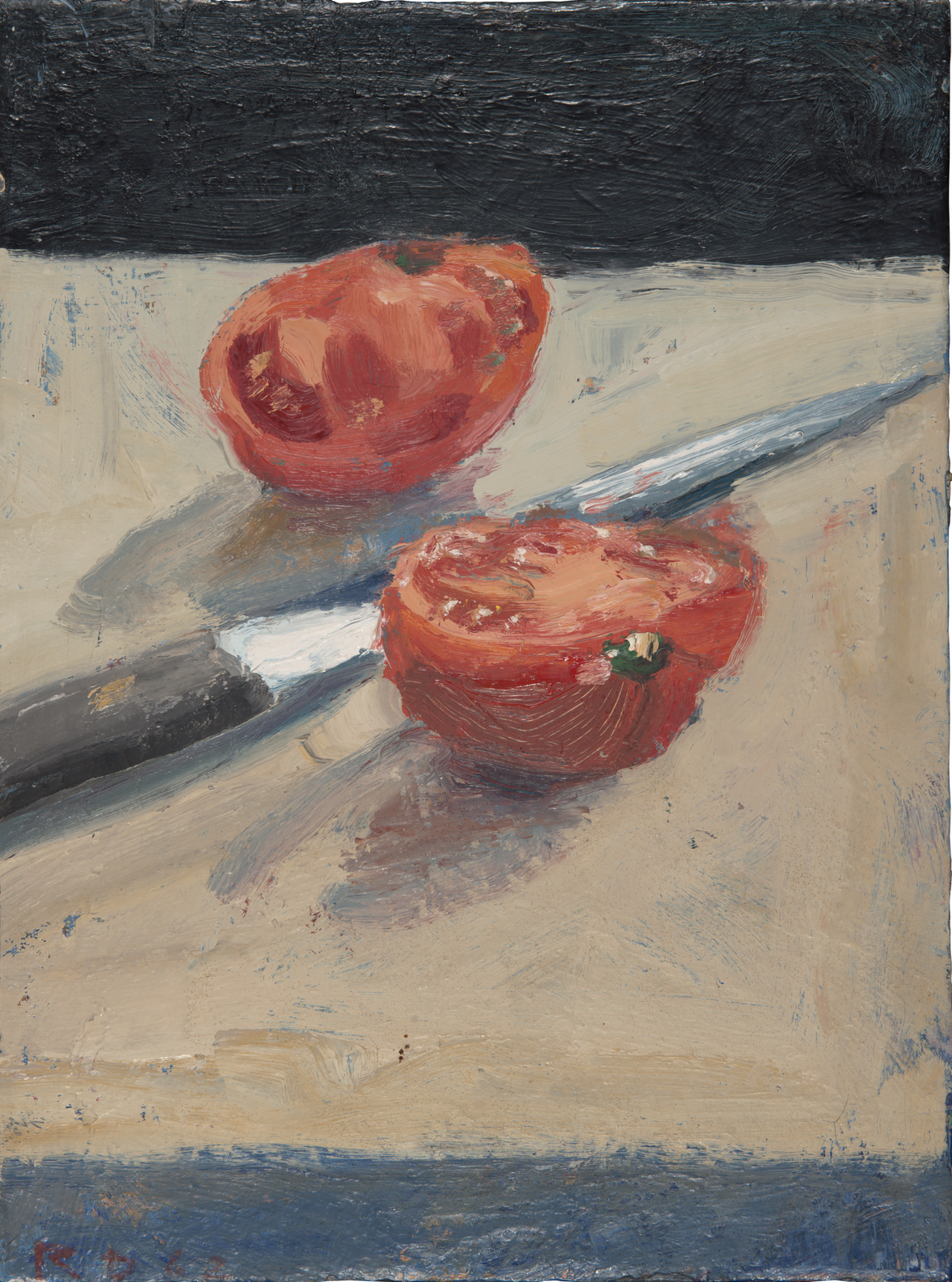
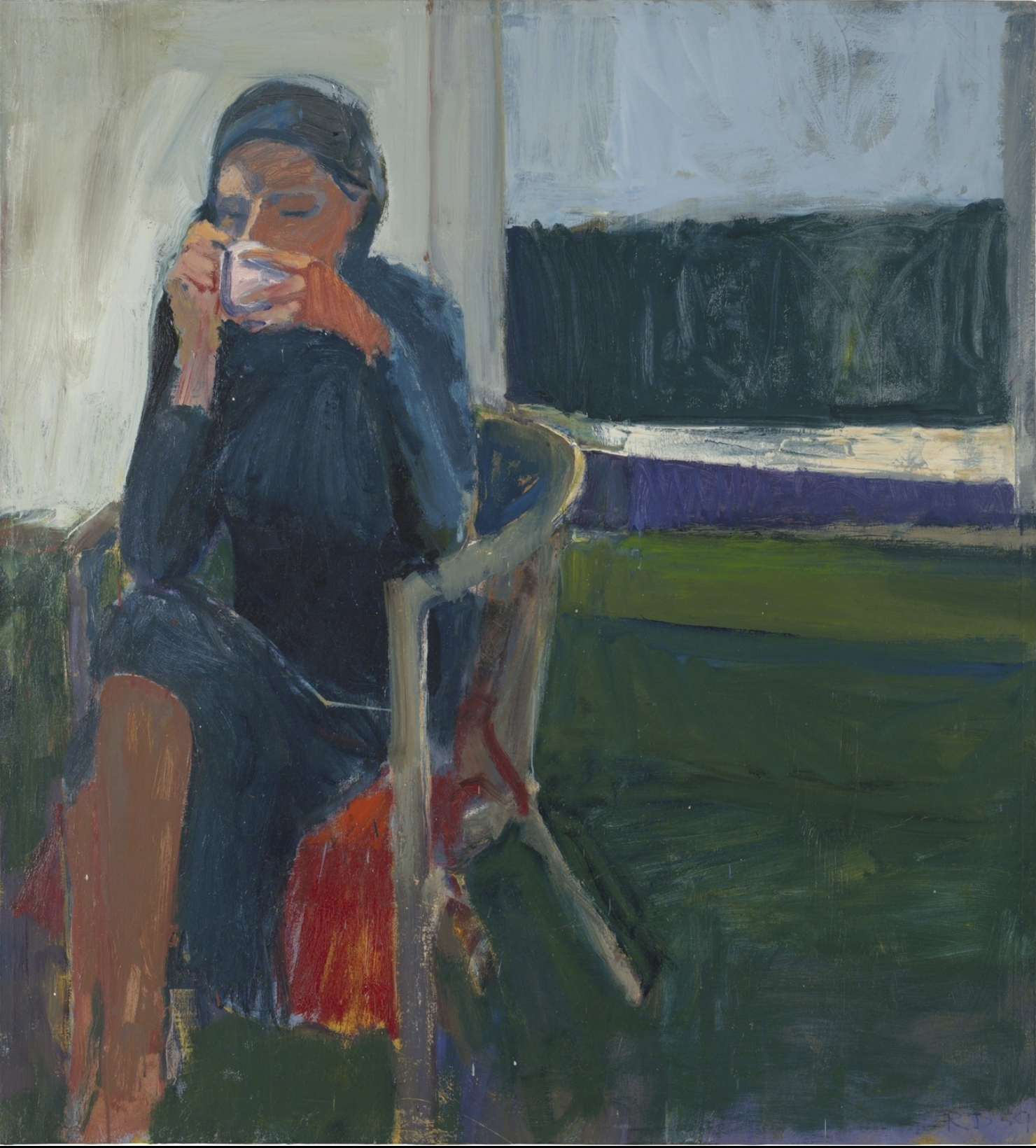
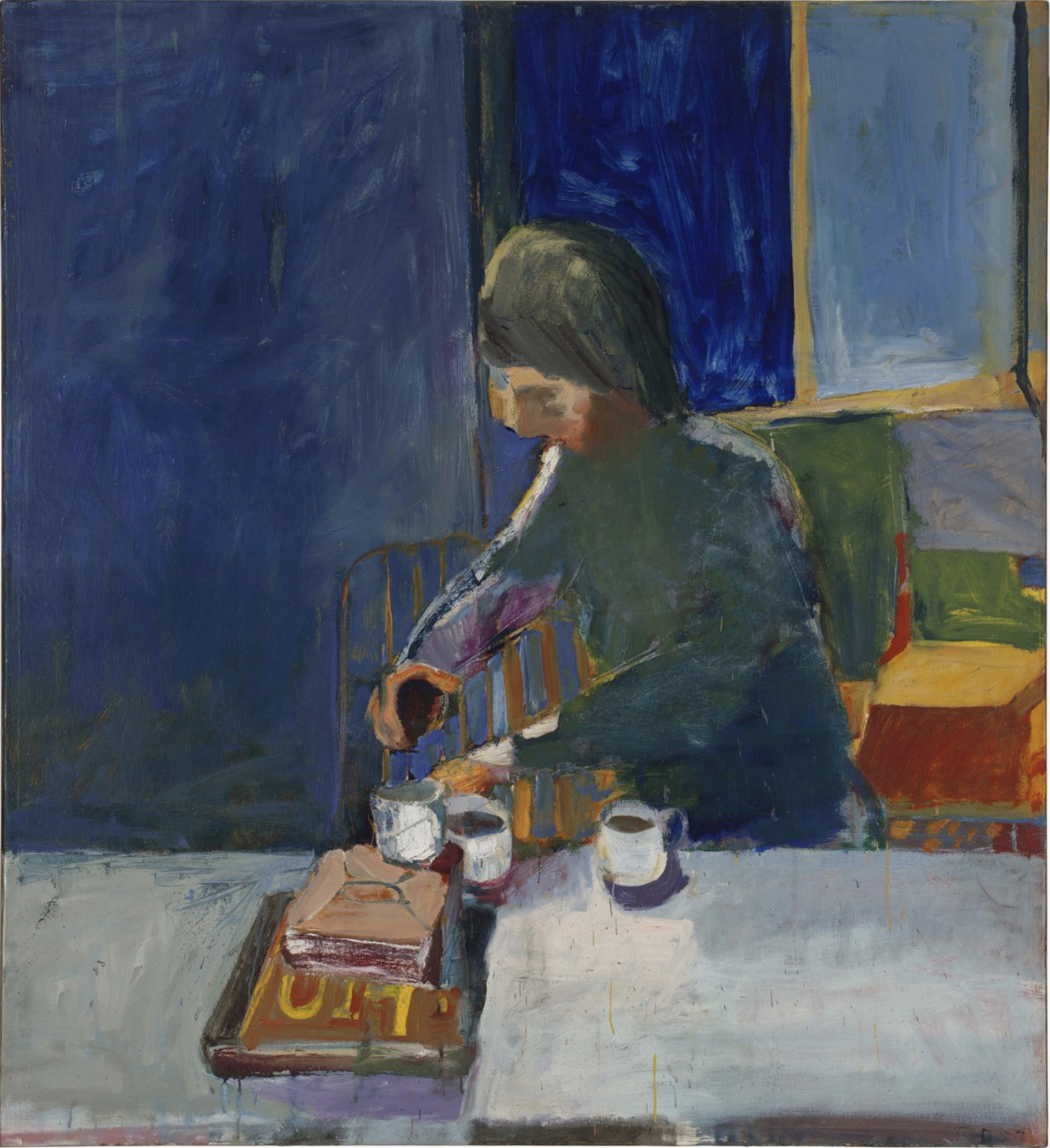
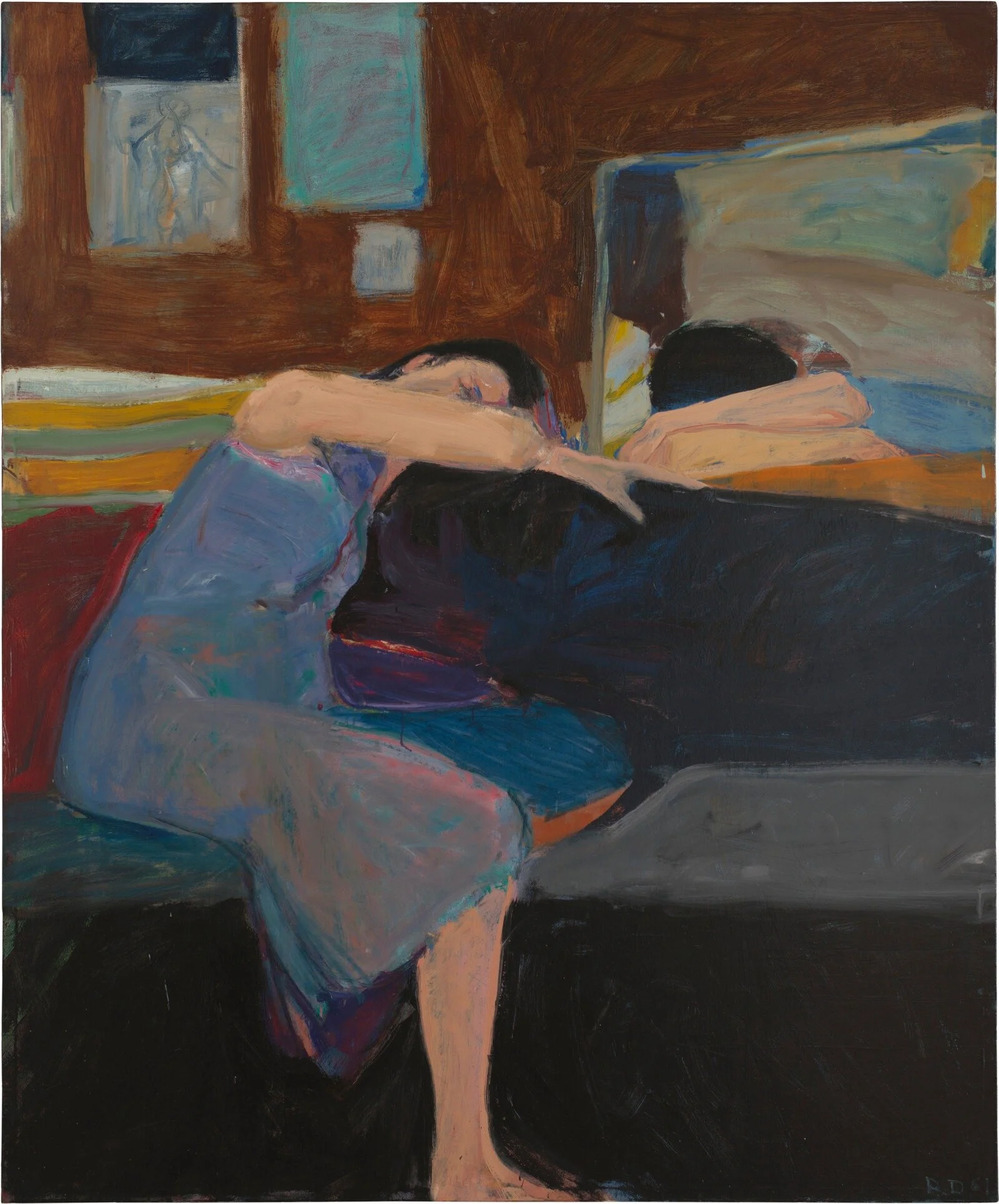
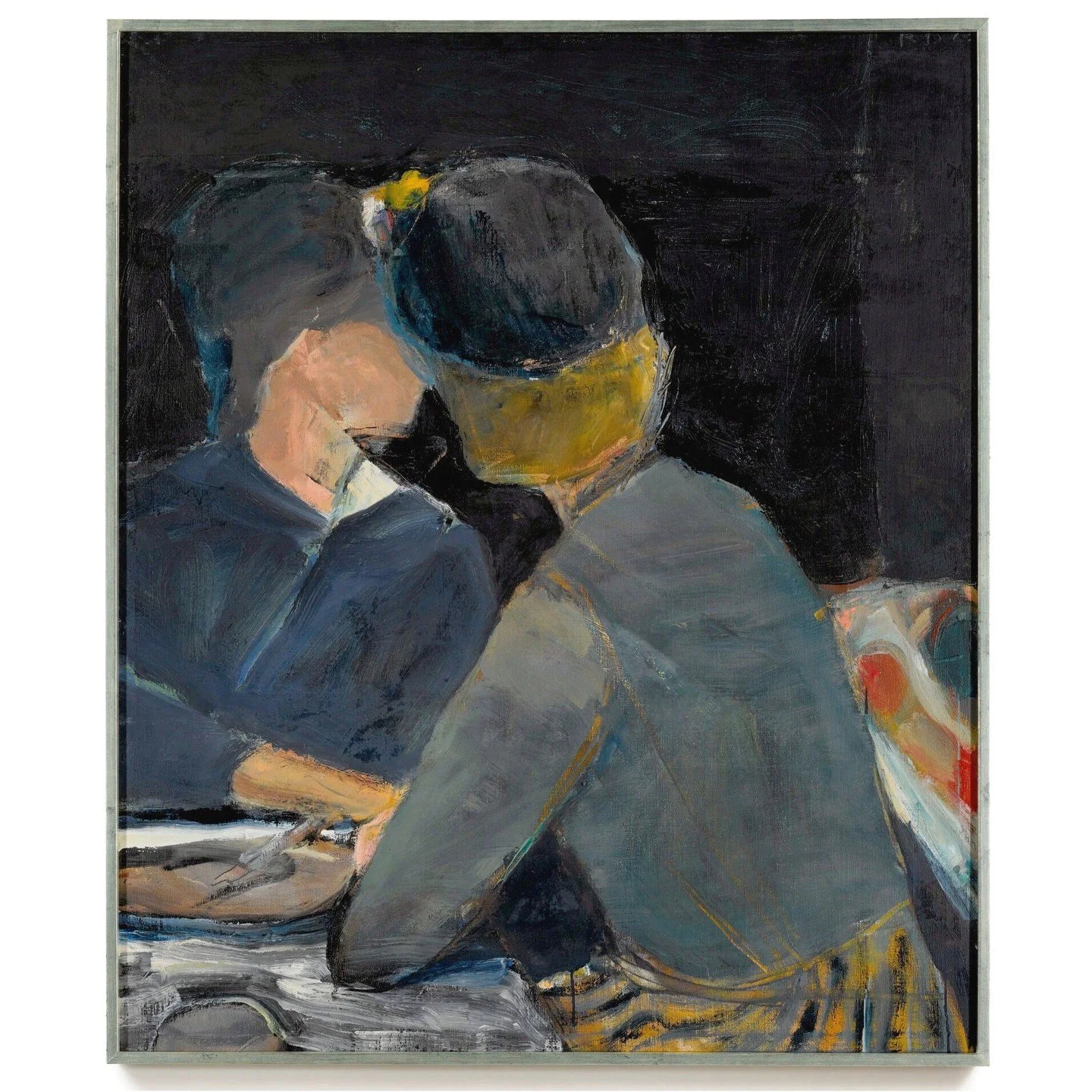
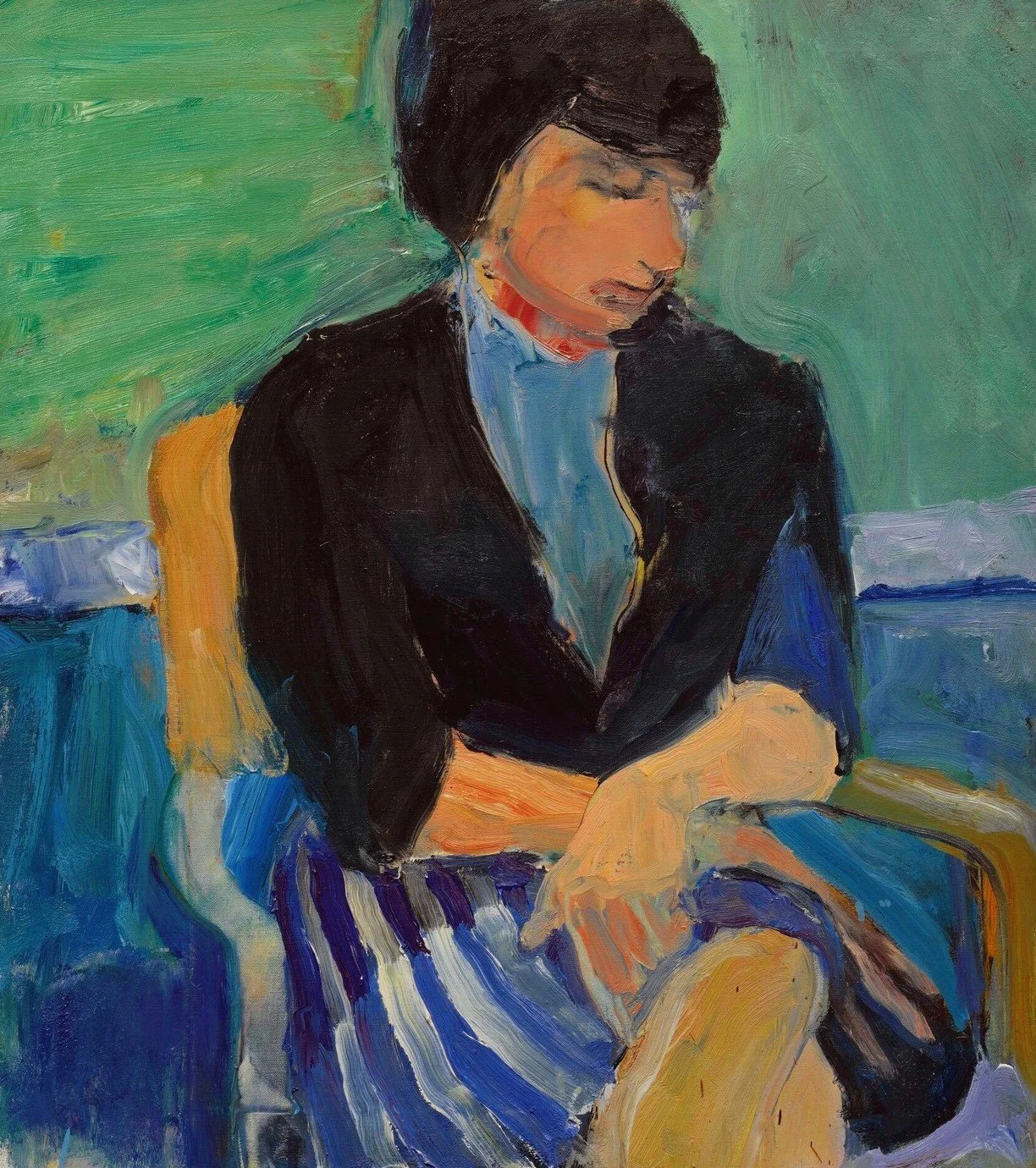
I don’t think Diebenkorn moved toward figuration as a rejection of abstraction. It feels more like he was investigating abstract space within ordinary life.
What interests me most is watching him think through these problems across different bodies of work. In the figurative paintings, you can see him moving away from the more chaotic surfaces of the early abstractions and toward increasingly controlled arrangements of color and structure. Many of the ideas that later become fully resolved in the Ocean Park paintings already exist here in partial form.
more coming sometime.
Figure Drawings:

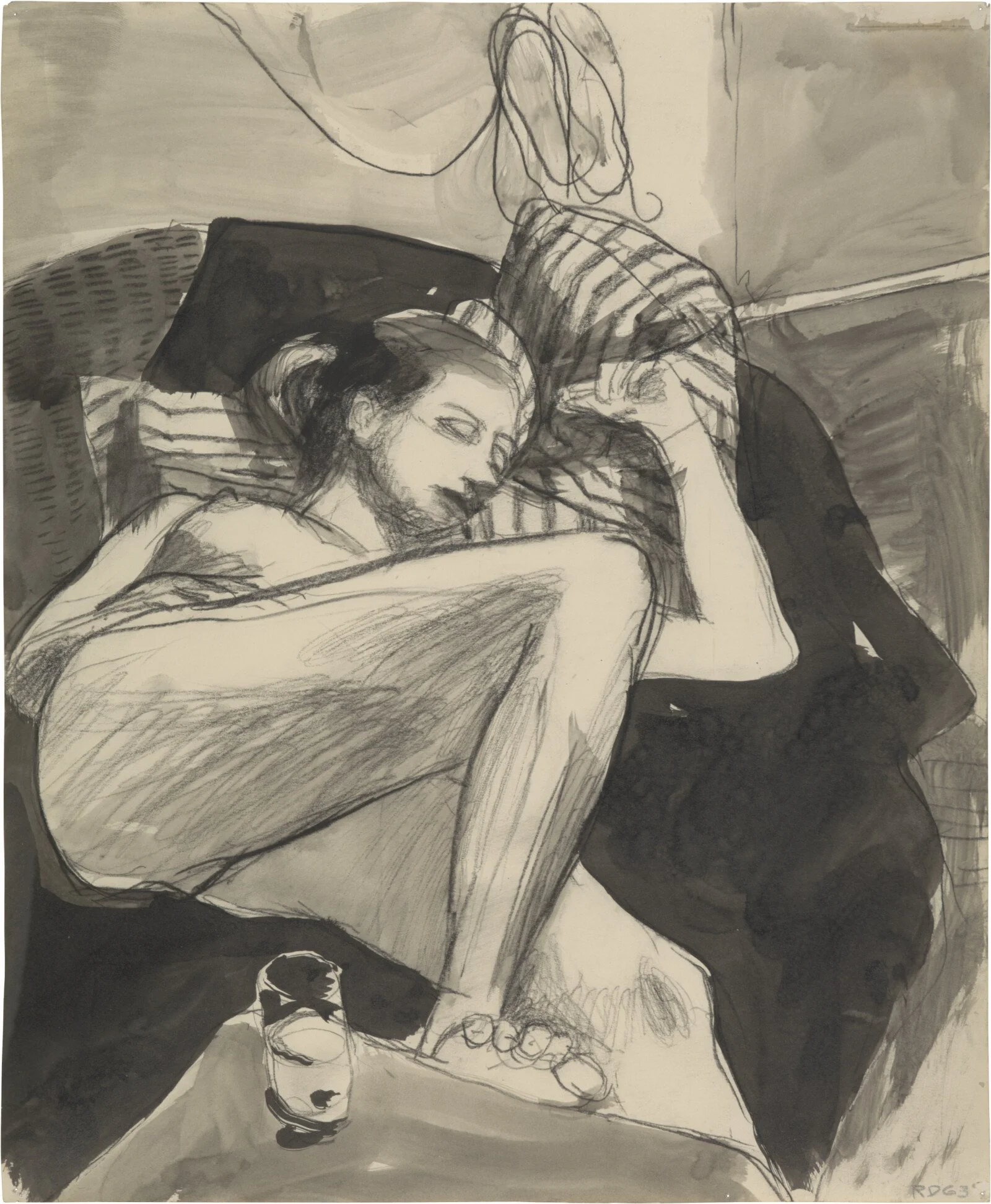
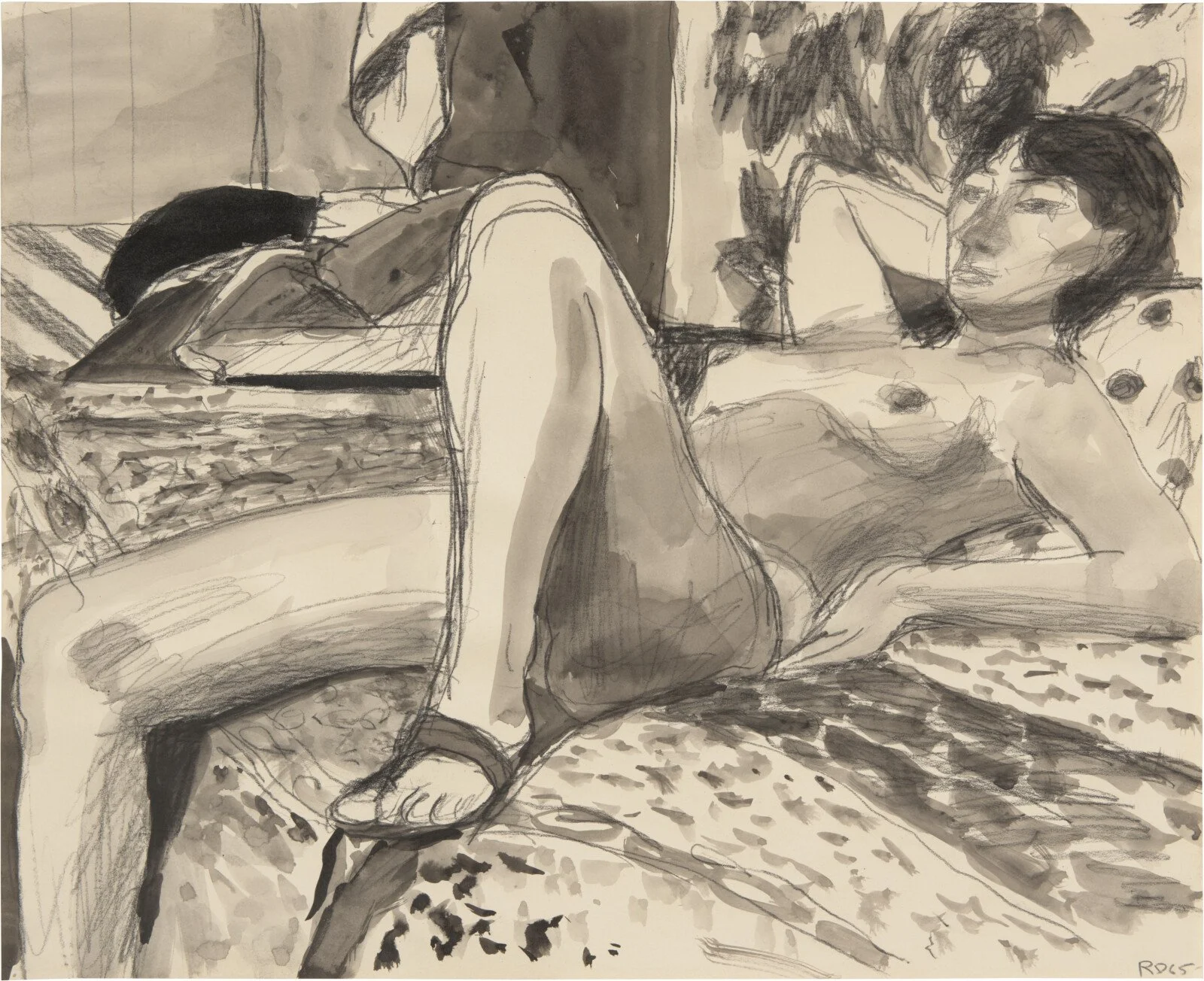

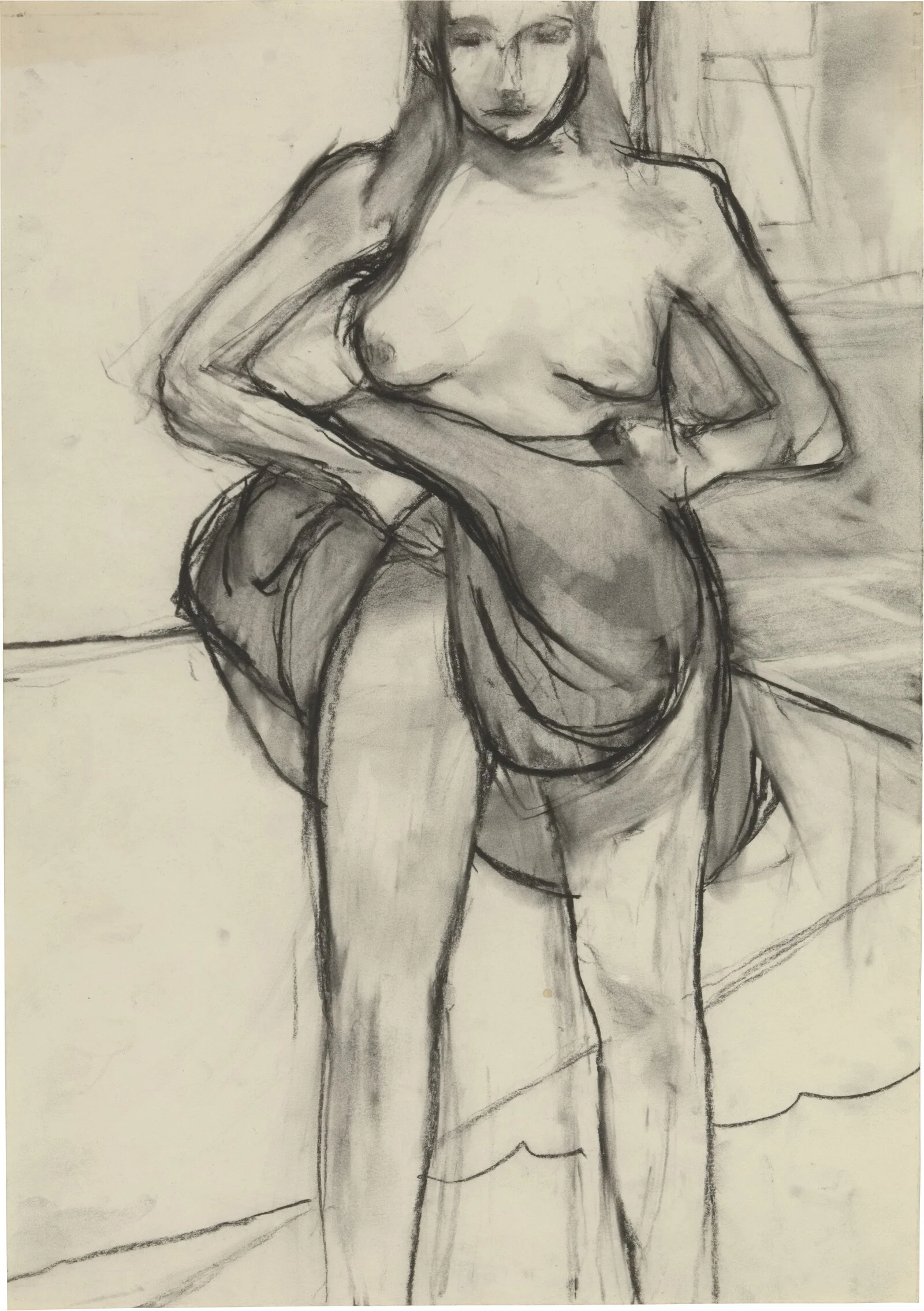
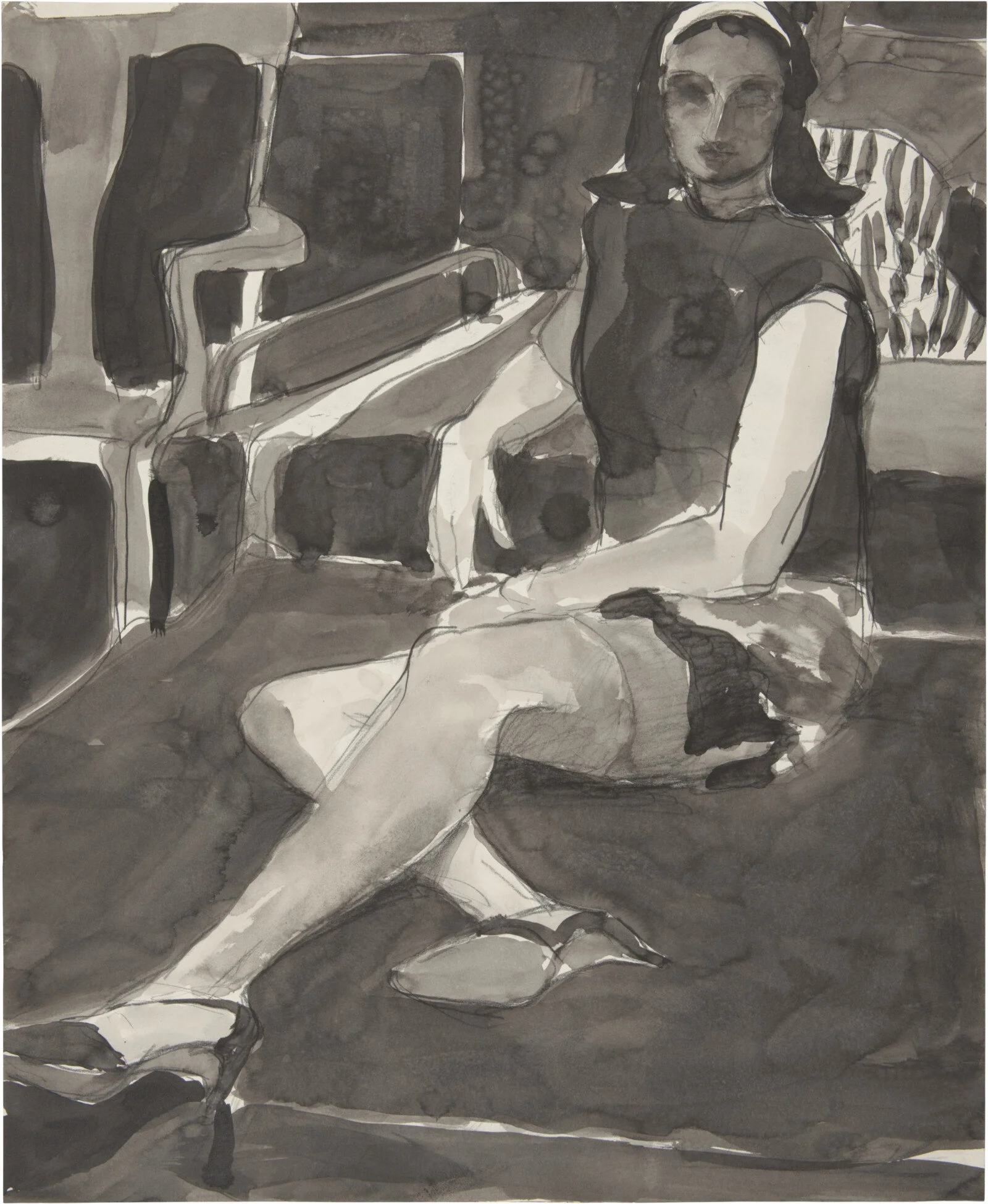
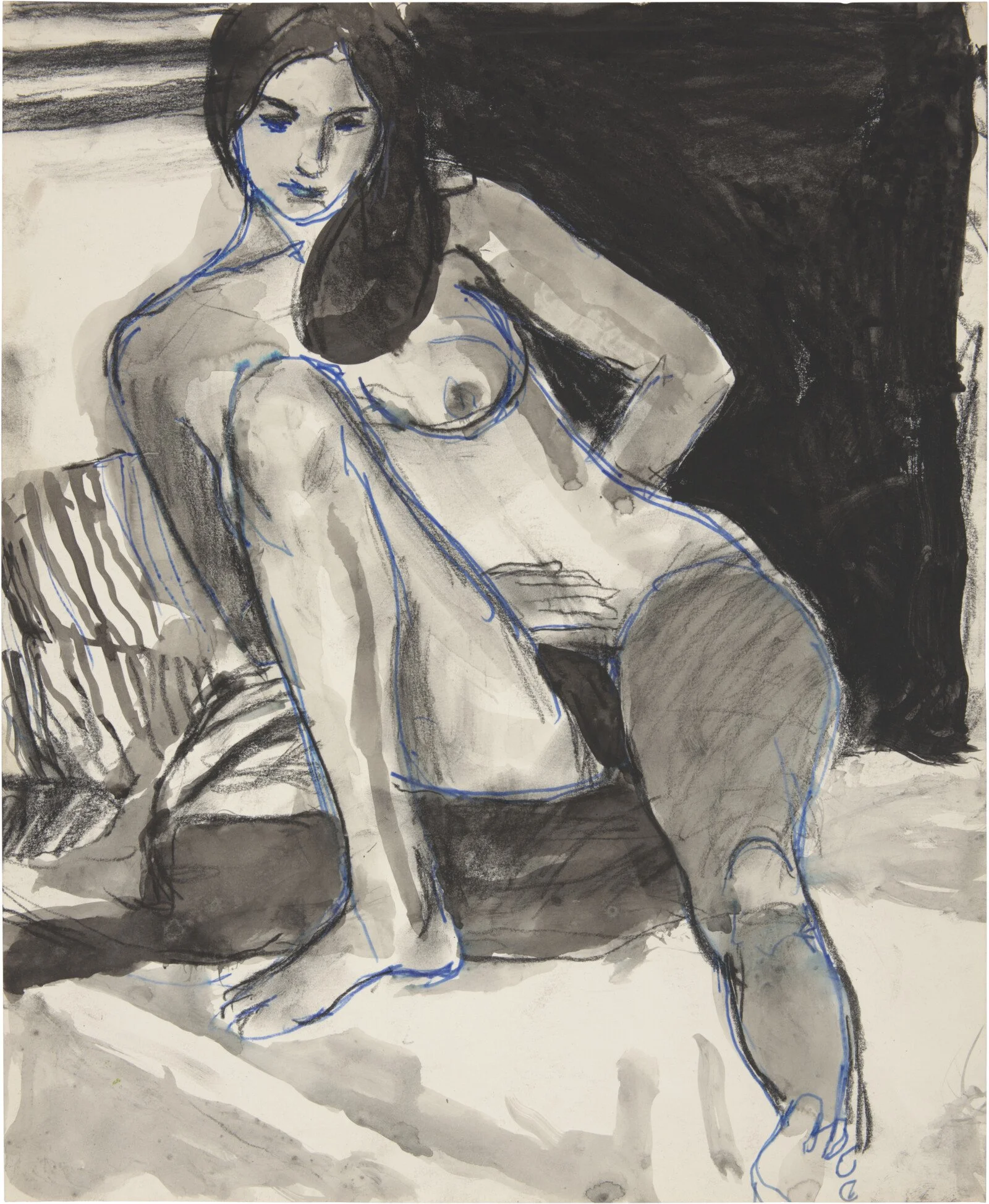
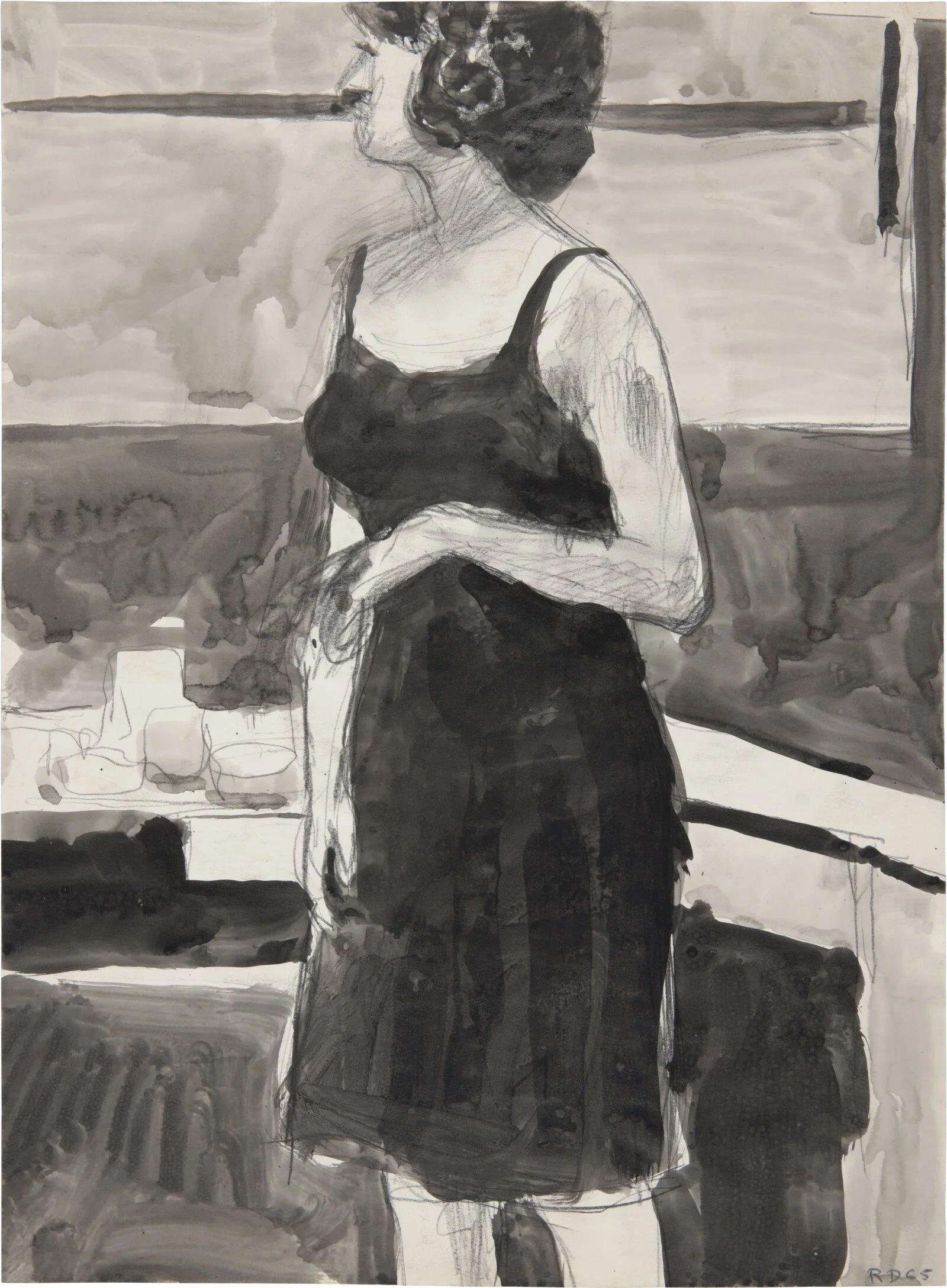


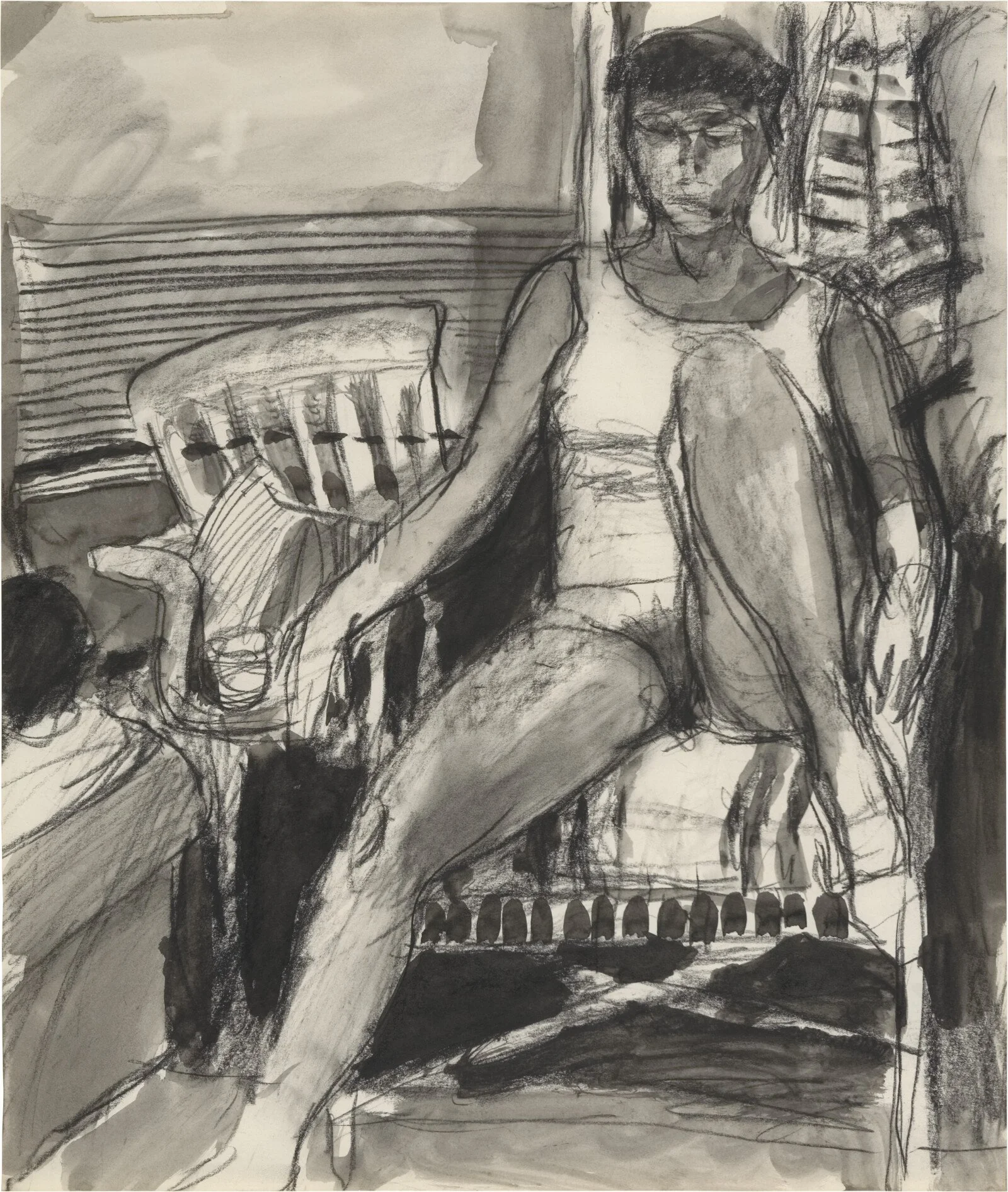

I am a rabid fan of Diebenkorns drawings. This part of his life is for me the most fascitnating aspect of who he is as an artist. He spent years drawing from the figure with Bischoff and David Park, two other Bay Area figurative painters.
I don’t think Diebenkorn ever expected anything from this work. I was recently watching a documentary on Tom Thomson where someone was saying he gave away his studies to people and put no value in them. These Thomson studies are in my mind some of the greatest plein air works ever and Thomson thought of them as disposable. I think Diebenkorn thought of his drawings in the same way. He was getting together with his friends Bischoff and Park, they spent a couple of hours drawing from the figure together, and that communal act was where Diebenkorn found the value in this work.
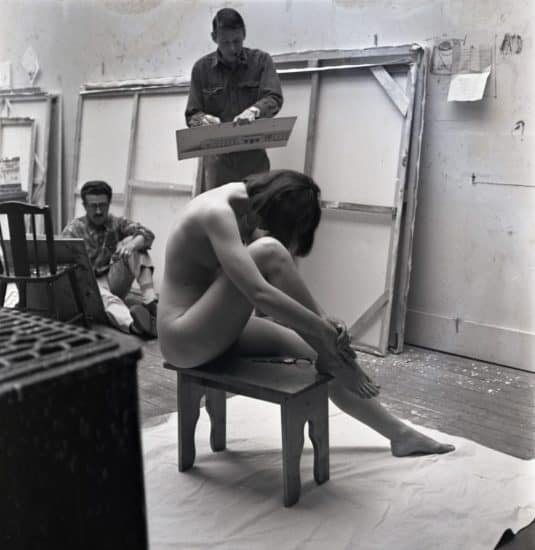
In the studio
Berkely
1955
I came to appreciate who Diebenkorn through the teachings of one of my favorite professors at school (Nick Palermo) who taught figure drawing. Nick would teach his class to get the figure down in a few seconds on the page and then spend the rest of the session making adjustments and corrections. If the model moved, the drawing should reflect that movement. To illustrate this, Nick would show slides of artists like Degas and Diebenkorn. The drawings in his slide show would show the artist slowly following the movement of the body as the model sagged over time.
When I was younger, I spent a lot of time collecting books. This was before you could get anything online. You would have to go to 100s of used bookstores and search for the authors you were collecting. I always used to look for old catalogs of Diebenkorns drawings. There were several publications I found over the years that contained different drawings of his. Each one of these books was a treasure for me. Ocean Park:
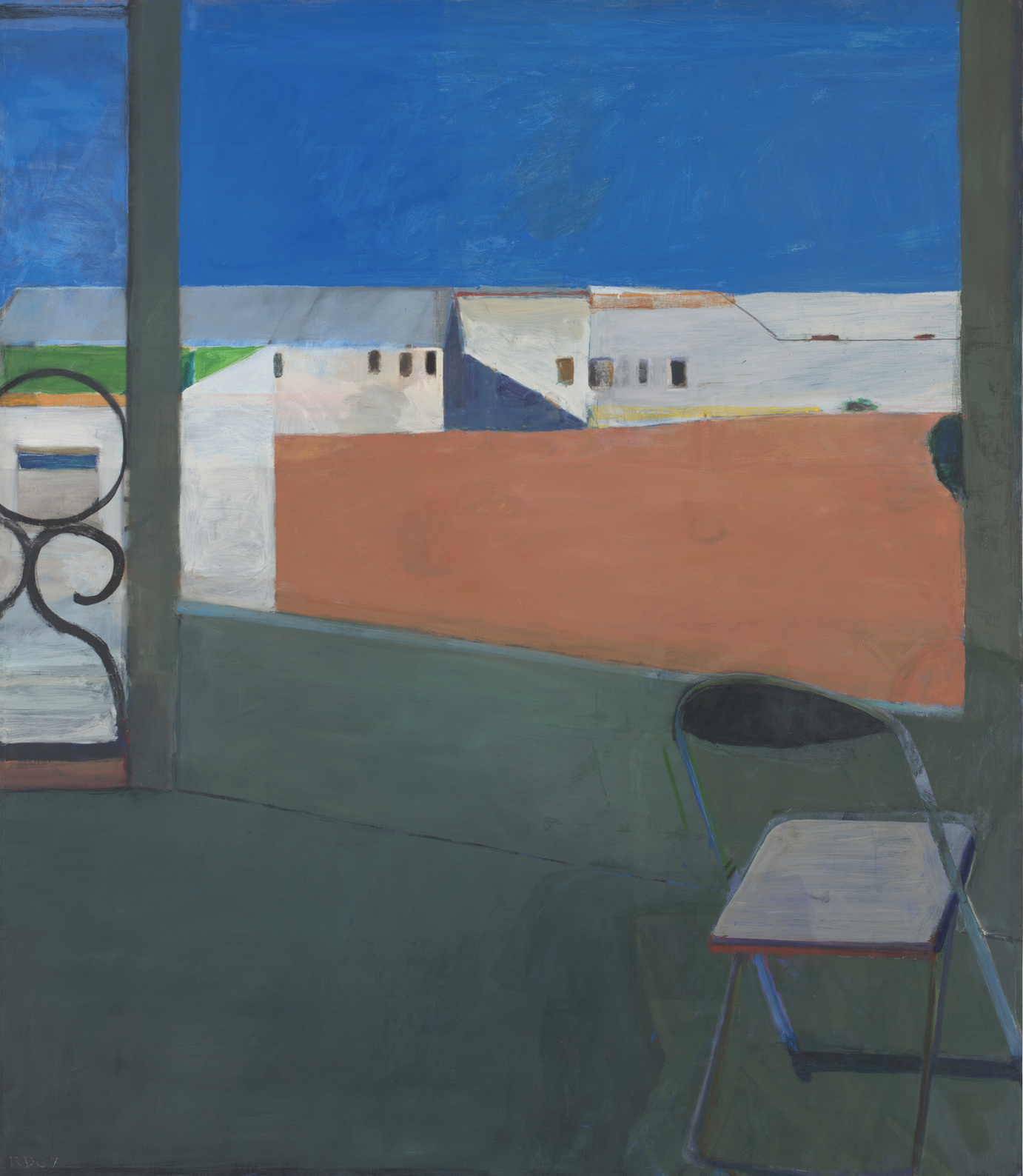
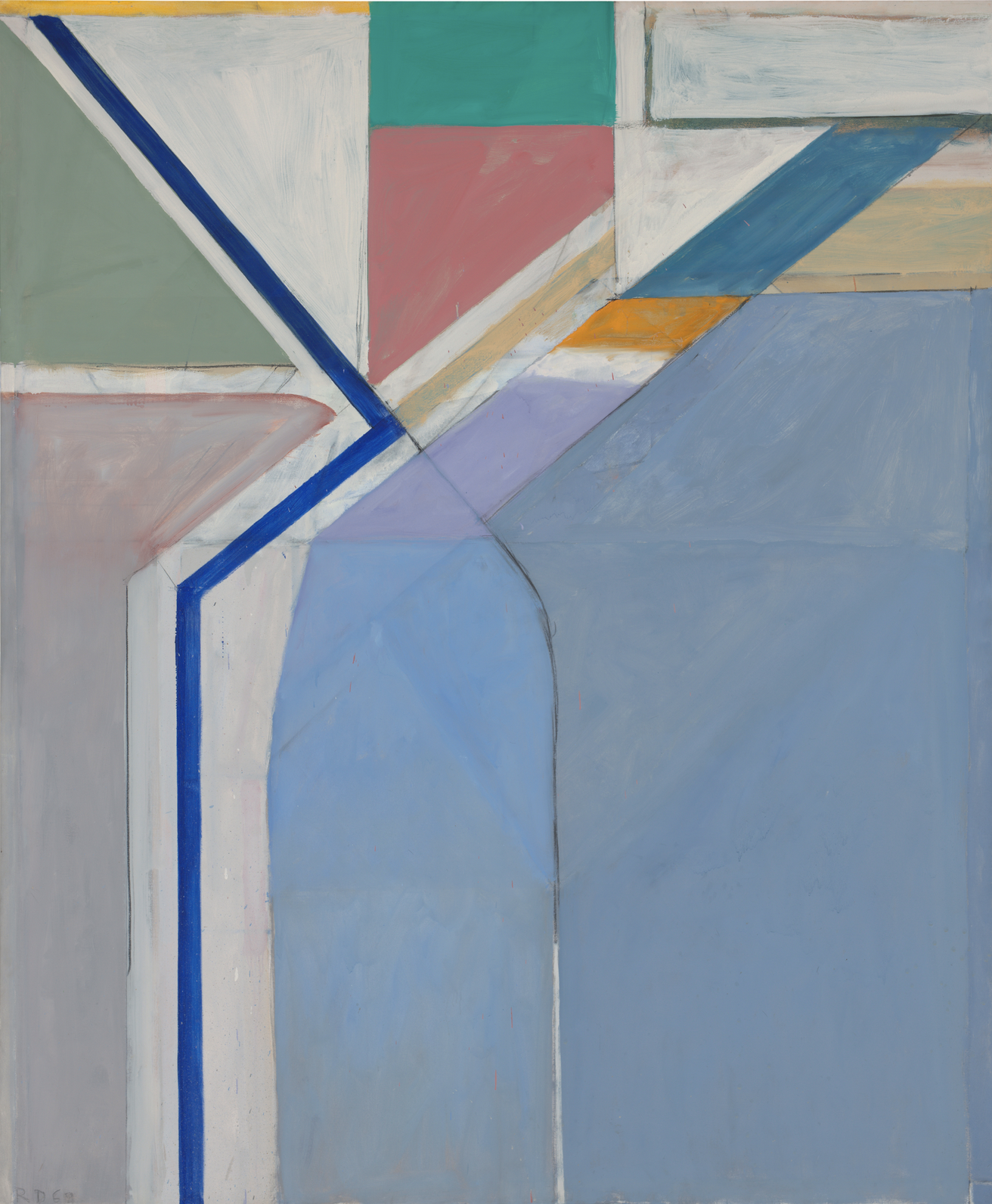
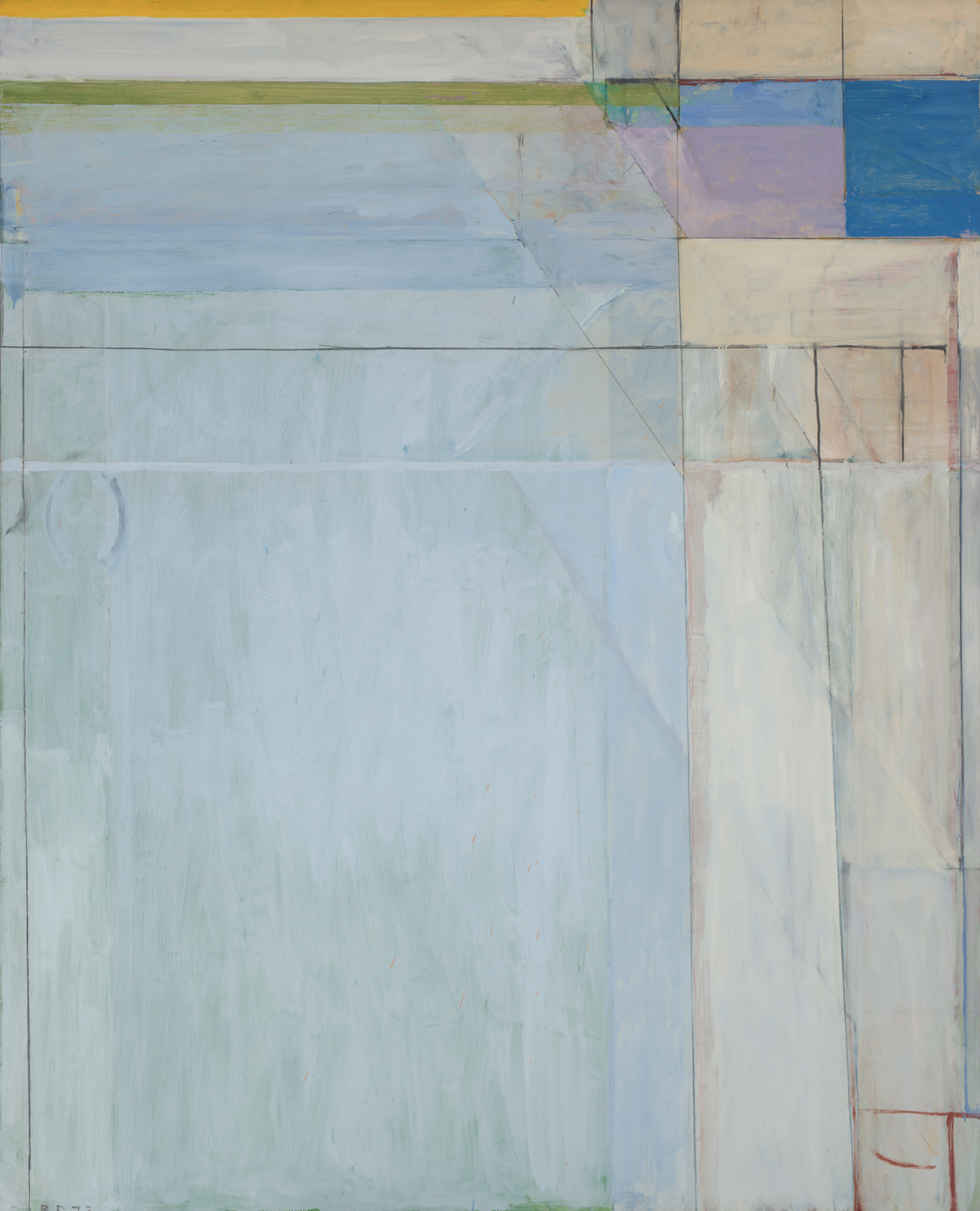
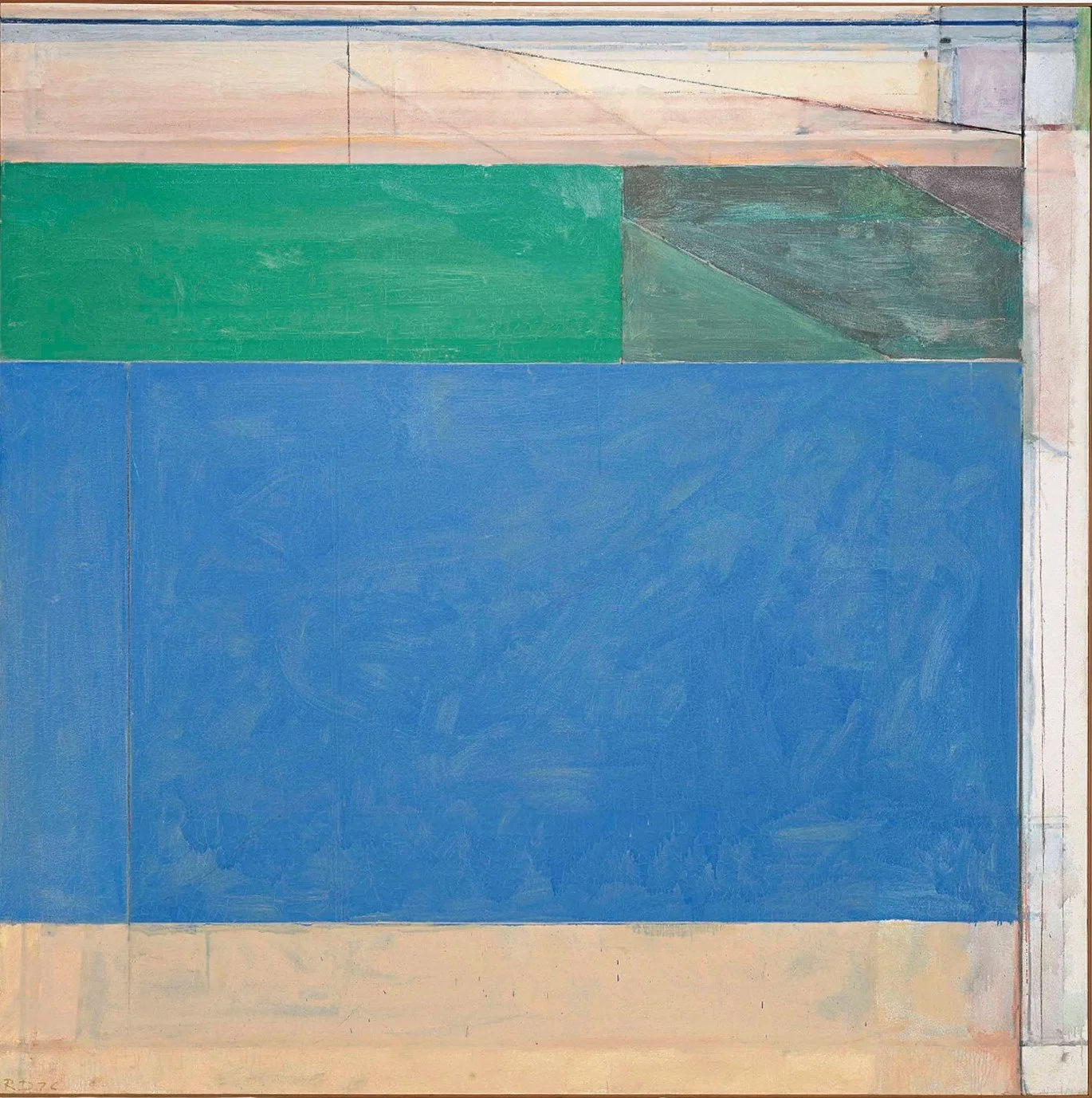
I’m throwing ‘Window’ 1967 at the front of the Ocean Parks here. You can see he was becoming more and more interested in the large planes of color with his later figurative work. He also had moved to Ocean Park in Los Angeles to a studio with large windows and a light he wanted to capture. The Ocean Park series of paintings were celebrated during his lifetime.
Current Opinions on Diebenkorn
(Note: My opinions change over time)
As I said, I think Diebenkorn’s career breaks into four distinct periods, and I’m not especially interested in either the early work or the Ocean Park paintings. The early work feels derivative to me, and the Ocean Park period feels overly conscious of producing “Diebenkorn paintings” for the art world and market.
I think the figurative and landscape work is where I think he reaches the highest level. What makes it exceptional isn’t subject matter or style alone, but the combination of draftsmanship, spatial intelligence, and color. His strongest work holds abstraction and observation in tension at the same time.

'Untitled', 1964, ink, graphite and charcoal on paper 13 7_8 x 16 7_8 in
This piece stands apart from everything else I have seen of Diebenkorn.