
I recently stumbled across the photographs of Marvin Newman and, for the first time, registered him in my mind as an artist.
For some reason, I don't often think of photographers as artists. There are exceptions (Cindy Sherman, Gregory Crewdson, Philip-Lorca diCorcia) but I tend to think of photography primarily as documentation.
From what I've been able to gather, Newman spent much of his career working as a photographer for hire, producing images for countless publications. He also appears to have spent considerable time photographing sports.
I'm not entirely sure how to catalog the photographs of Mickey Mantle below. Are they art? Or are they simply exceptionally good examples of photographic documentation?
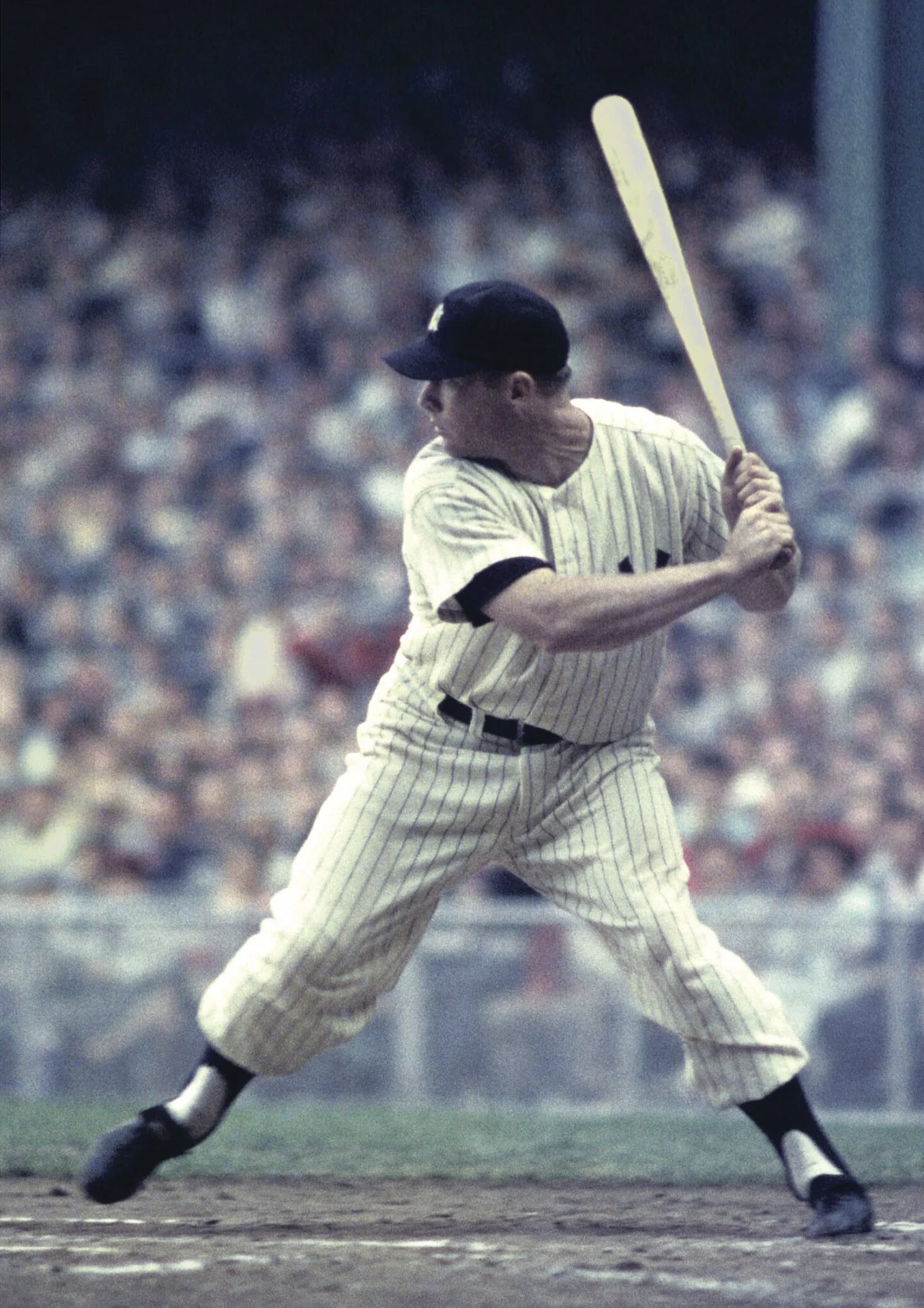
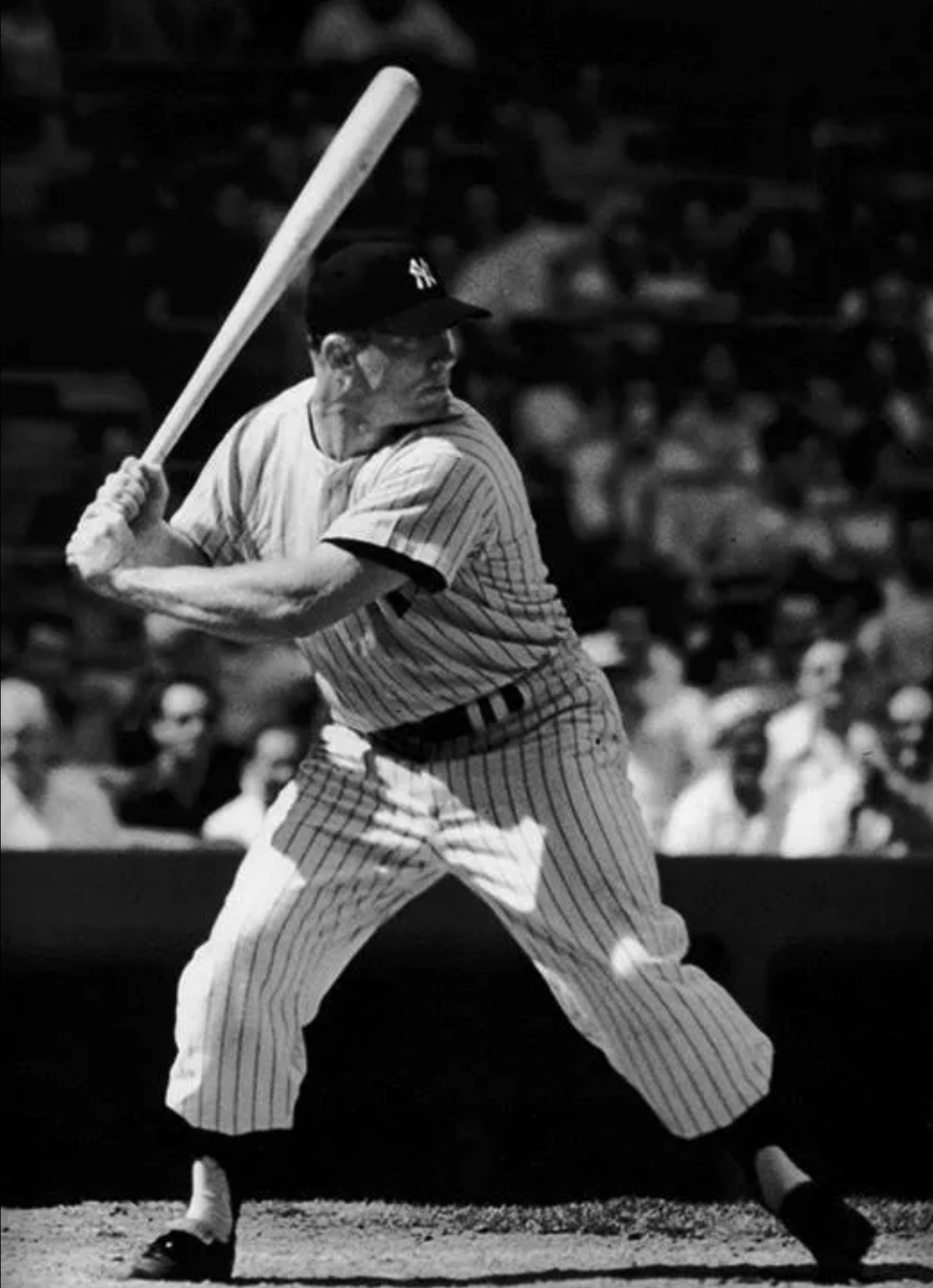
I spent some time researching Newman this morning, but I haven't found what I'd describe as a cohesive body of work. There are some extraordinarily good images where his engagement with the subject is unmistakable. Then there are others that seem to go in entirely different directions. It's almost as if he lost interest and moved on to something else.
I’m writing this blog post because this image below hit me hard.
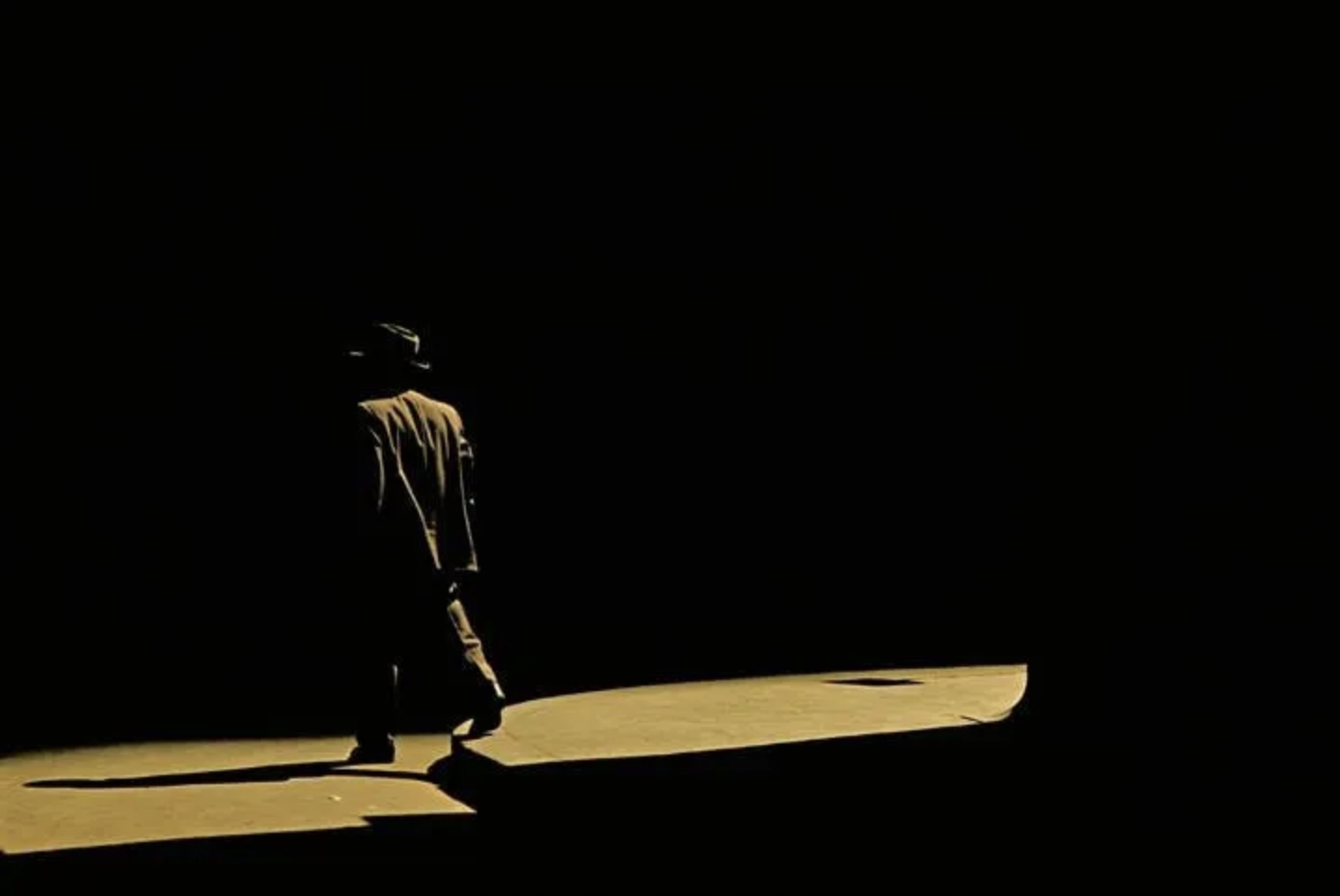
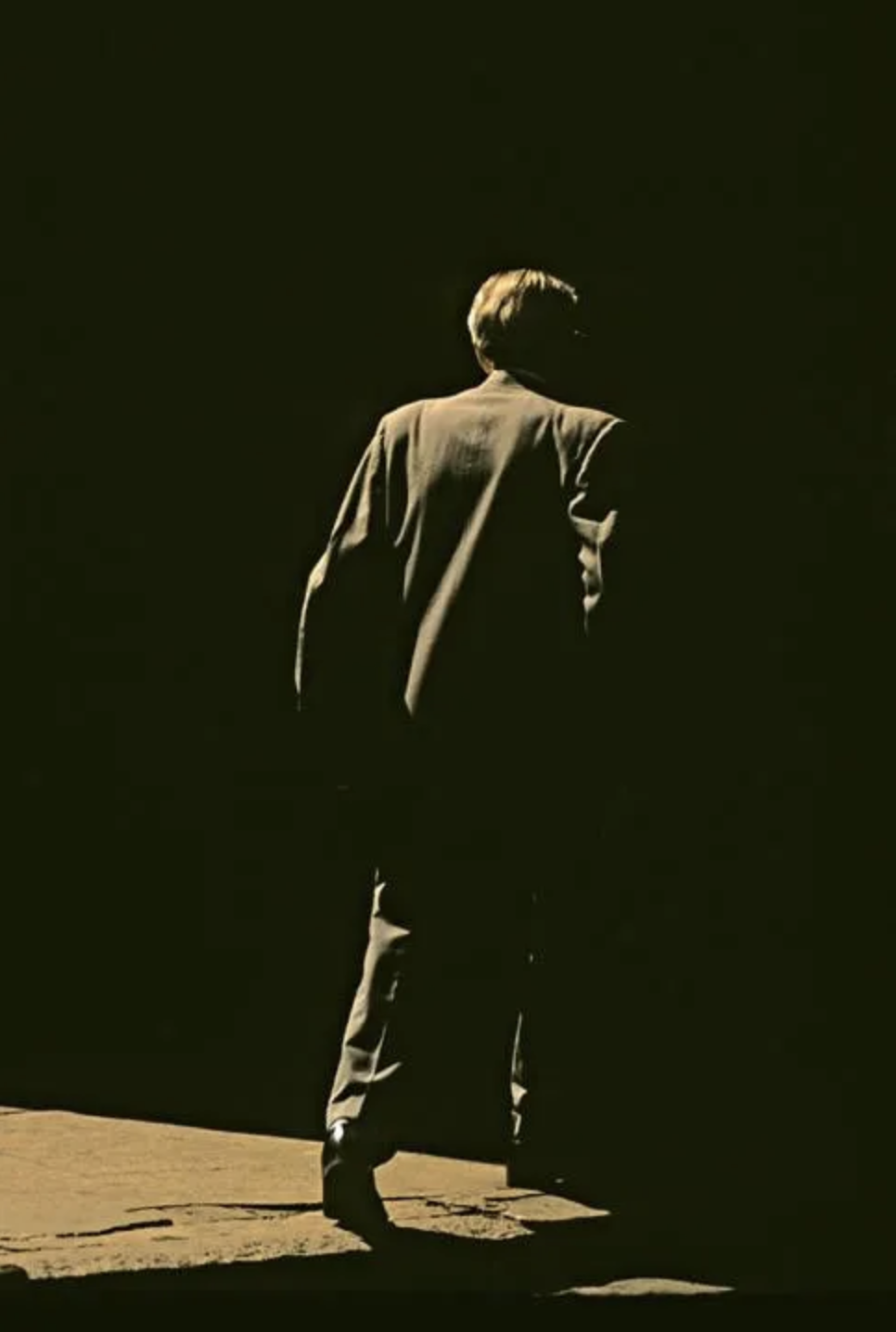
Marvin Newman Wall Street II, 1956
Just, wow.
This image is steeped in art history, yet feels entirely effortless. Its execution is almost impossibly good.
1. The setting and the light.
The photograph appears to have been taken toward the end of the day, with Newman finding a position where sunlight cascades across the street. This is Wall Street, New York, a place one imagines to be perpetually bustling. Yet he manages to capture an extraordinary sense of isolation. The contrast between the enormous darkness and the small illuminated figure is remarkable.
2. The technical execution.
Newman clearly understood what he was doing. The image depends on an almost absolute separation of light and dark. I'd be fascinated to know how much of this effect was achieved in the original exposure and how much was refined in the darkroom. Whatever the process, the technical control is extraordinary. This feels like a photographer operating in god mode.
3. The composition.
The composition is insanely good. So simple, yet it evokes an entire world. What is in the darkness he's walking out of? What exists in the void he's about to enter? The photograph gives us almost nothing, yet somehow suggests an enormous amount.
4. The figure.
We don't even see this person's face. There is almost no information about him, yet there's enough to construct an entire backstory. Who is he? Where is he going? What is he leaving behind?
I think part of what makes this image so compelling is the way it places the viewer inside the photograph.
I've written elsewhere on this site about Hollywood's use of the over-the-shoulder (OTS) shot. It's a familiar cinematic technique that positions the viewer behind a character, allowing us to experience a conversation or scene from their perspective.
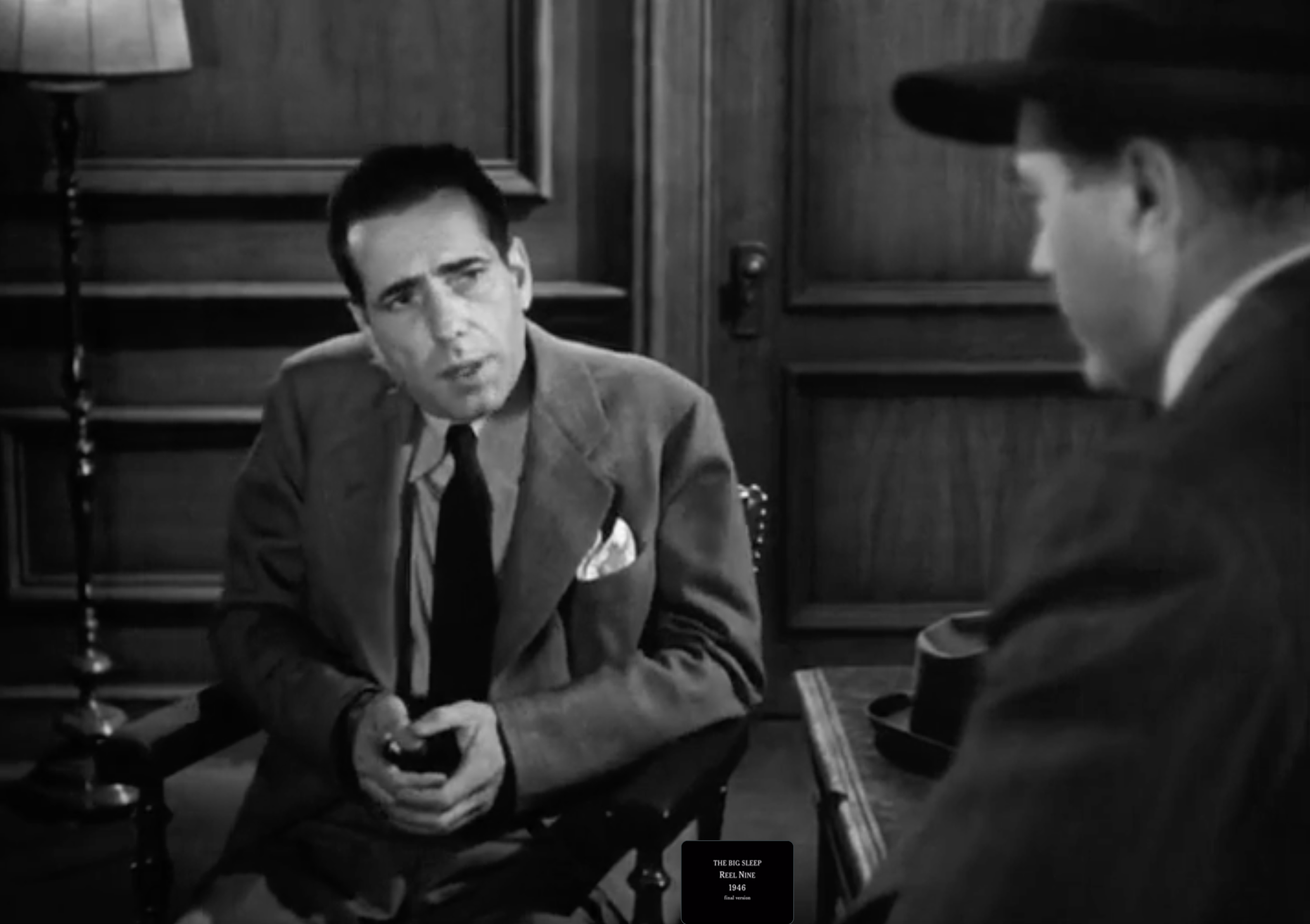
Still from Big Sleep
It might be a bit of a stretch, but I wonder whether decades of watching this kind of cinematography have conditioned us to place ourselves in images where we see someone from behind. Newman's photograph seems to trigger exactly that response. Rather than simply observing the man, we almost become him.
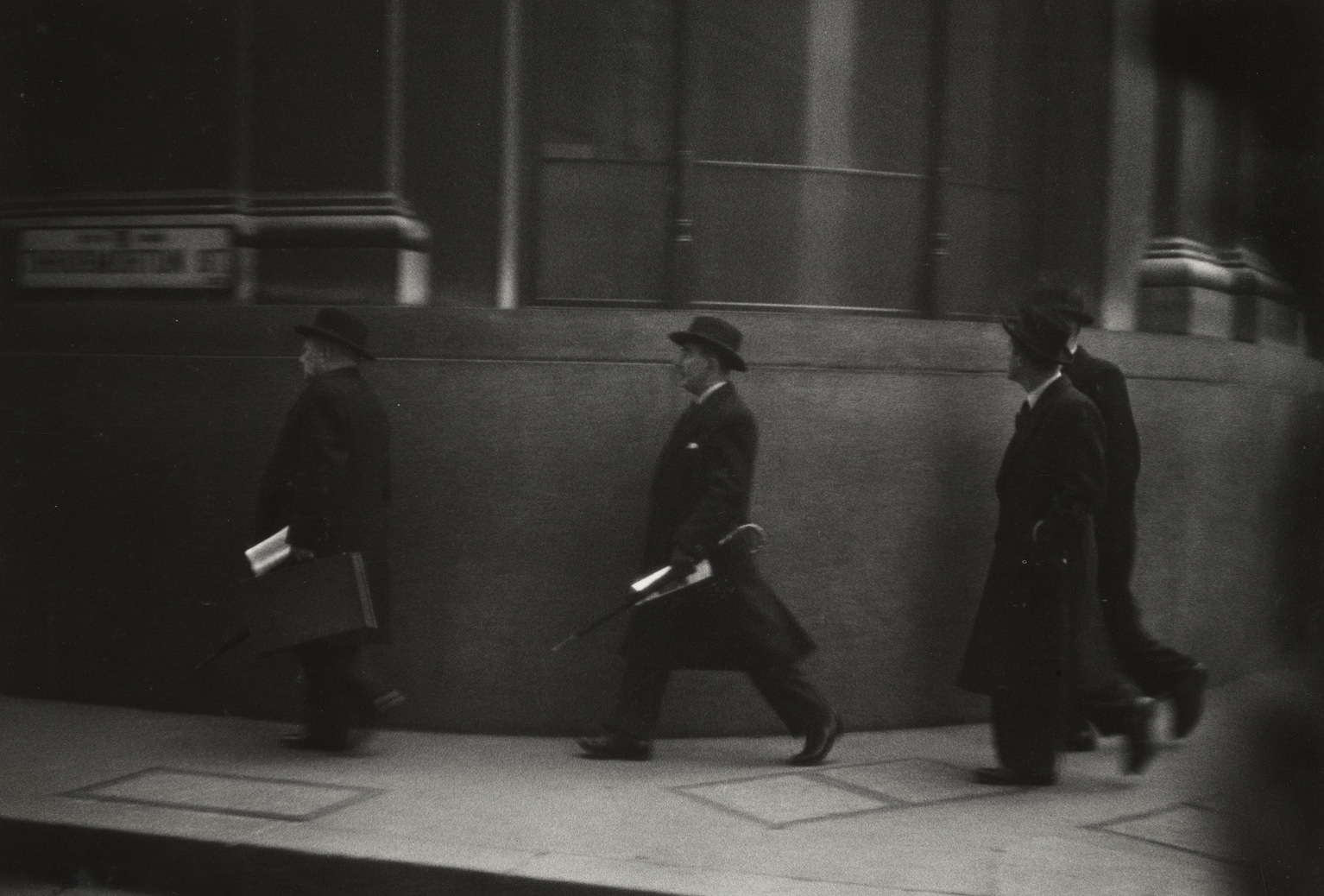
Robert Frank Bankers, London 1951
This photograph by Robert Frank was included in the seminal The Americans, published in 1958. It became one of the iconic works of twentieth-century photography.
I wonder whether Newman was familiar with Frank's work, or whether both photographers were working within a visual language that was developing at the time.
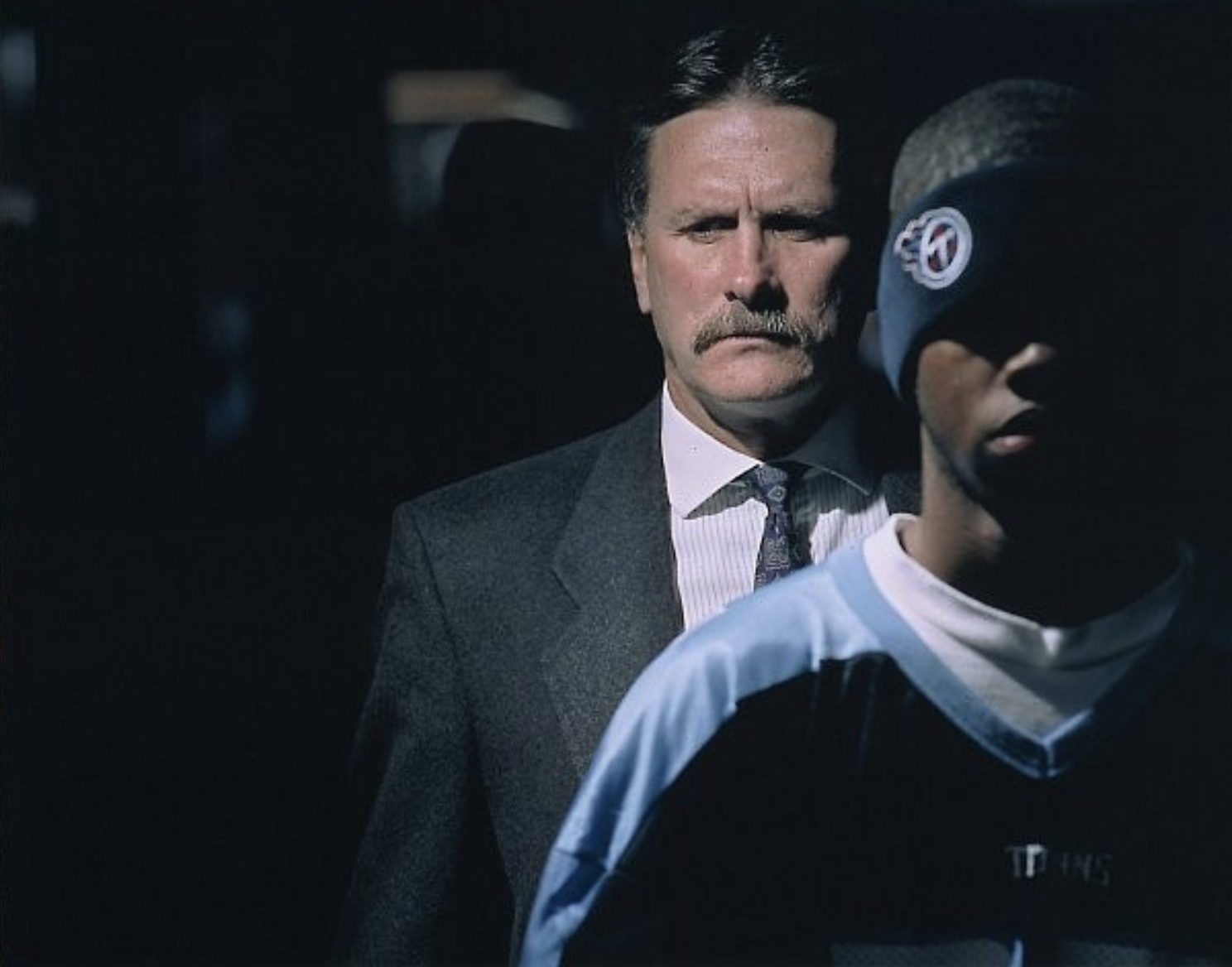
Philip-lorca diCorcia - Head#7, 2000
diCorcia famously produced a series of photographs in which he positioned himself on busy streets and photographed unsuspecting pedestrians as they passed through carefully constructed shafts of light.
Looking at these works, I can't help but wonder whether Newman's photographs might have been an influence. There is a shared interest in isolating an individual within a public space, using light to separate them from the surrounding environment.
And it wasn't just one photograph Newman produced that day. There are several remarkably good images from what appears to be the same session. I'd love to see the original contact sheets, if they still exist, and discover what other images came out of that afternoon.
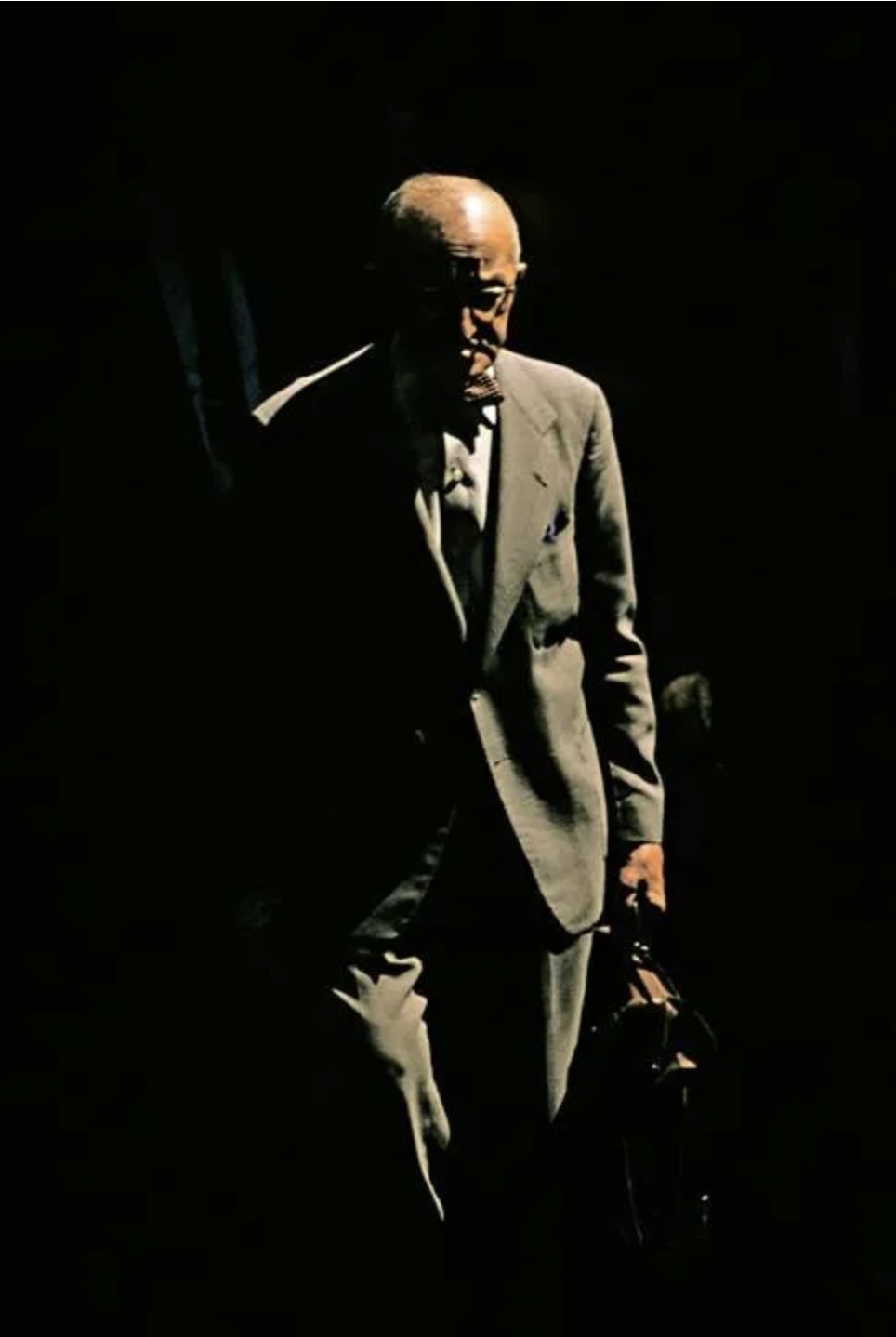
Other:
I'll come back to Newman and write more about his photography. He produced a couple of other bodies of work that are worth exploring.
But for today, Wall Street II is enough. It's so good that it has put me into a mild epileptic seizure. The other photographs aren't doing that for me today.