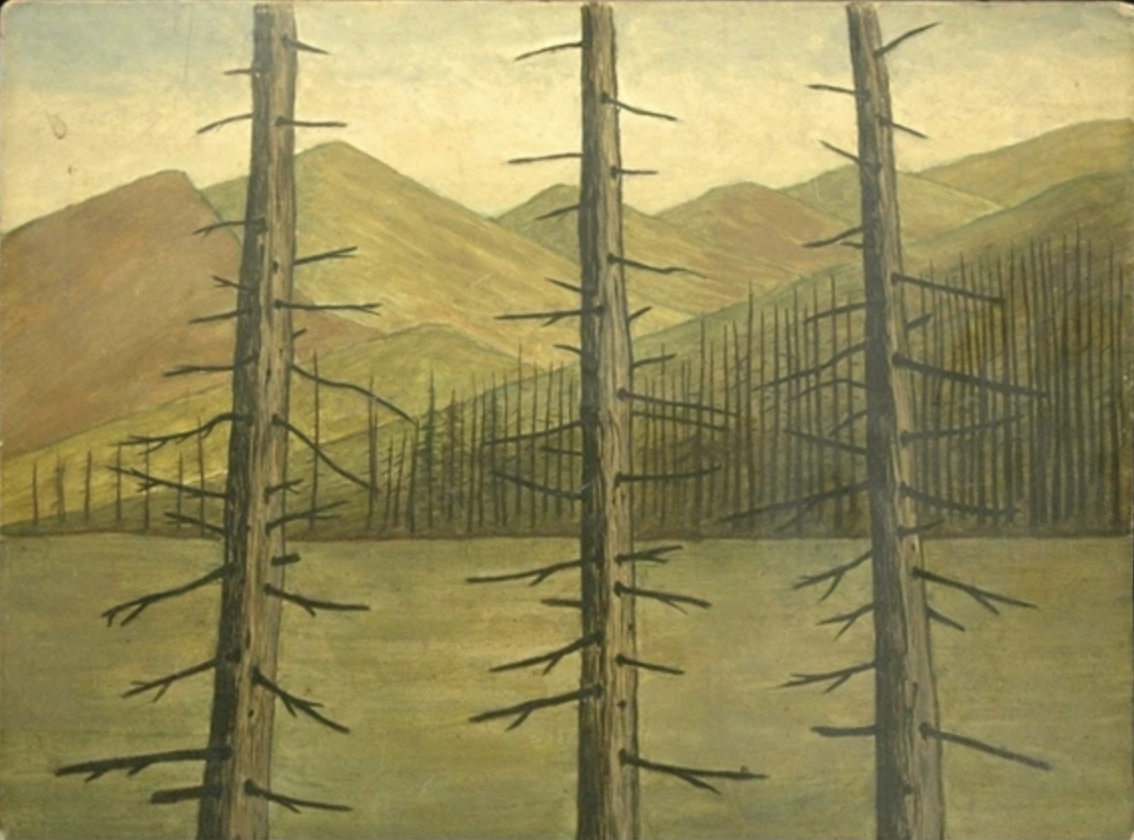
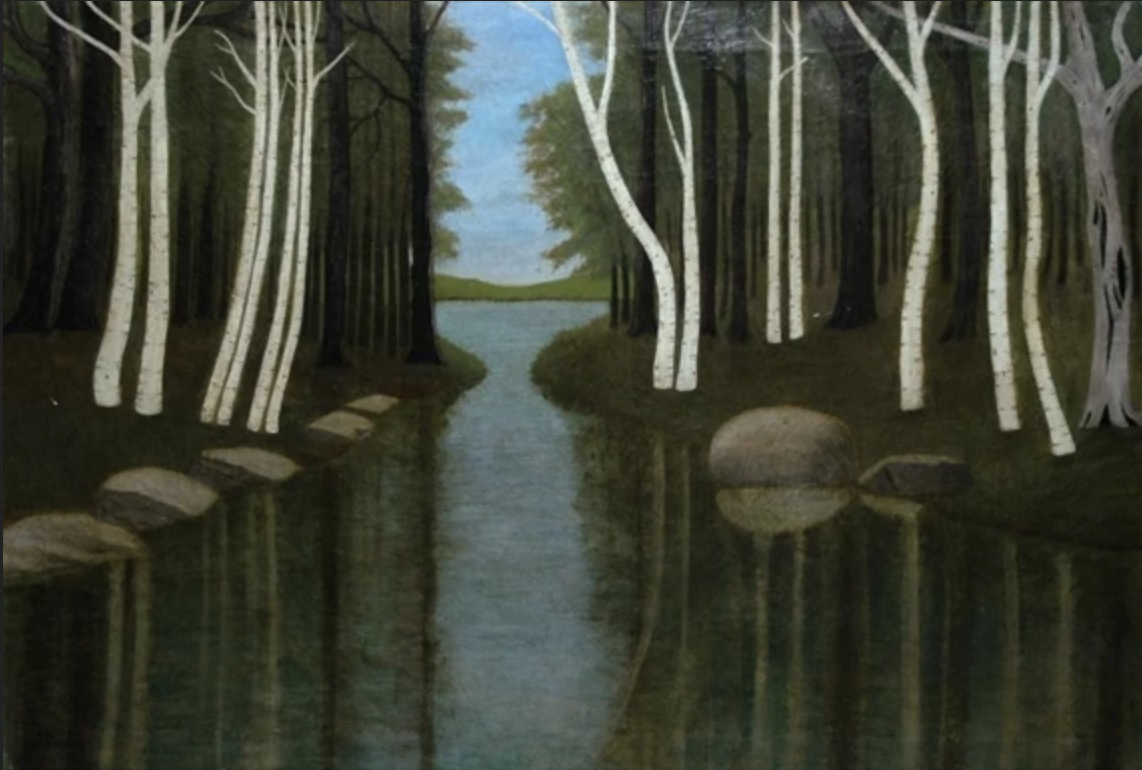
Emile Branchard
I have been enjoying learning about the artist Emile Pierre Branchard, who surprised me with several paintings. From the biography I have been able to find, it sounds like he grew up in an artistic Greenwich Village boarding house that his mother ran at the end of the 19th century. He later worked as a truck driver and on the docks in New York City. Around the World War I period, he appears to have come down with tuberculosis, and it seems that painting became part of his life after that.
What I respond to first in Branchard’s work is the directness of his approach. The paintings often feel quick and unguarded, as if the goal is simply to see what happens when he puts color and shape down. From what I am finding, a lot of the work is on oil paper (or paper prepared for oil paint), and that format adds to the sense that these are private explorations rather than carefully staged “major” paintings.
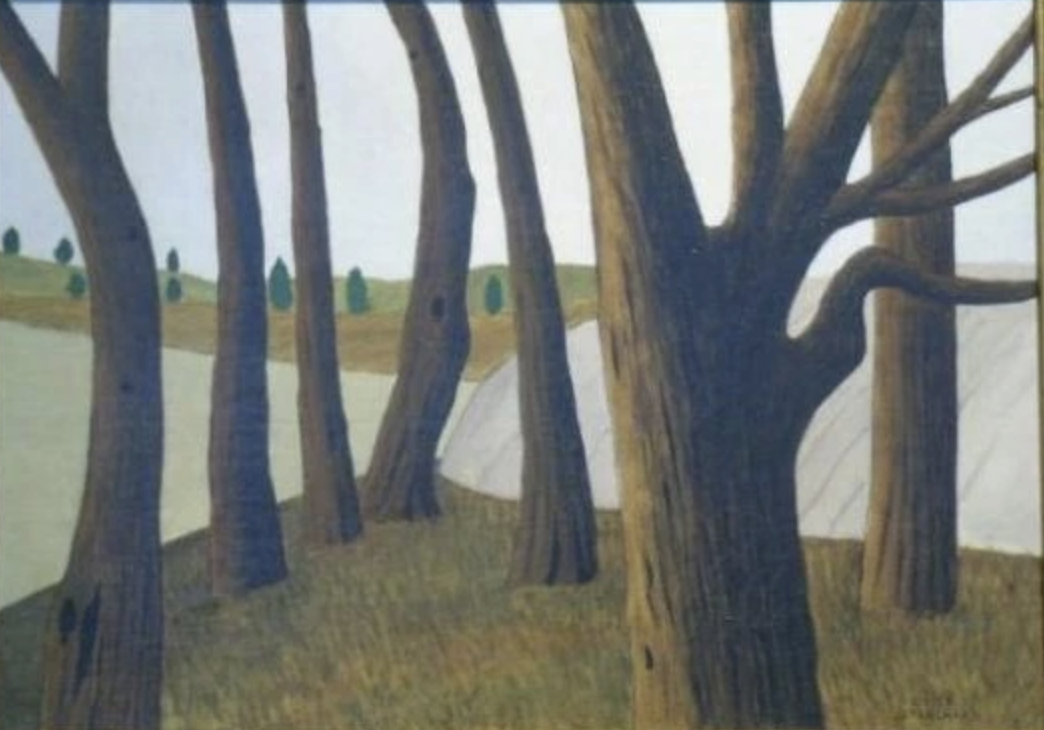
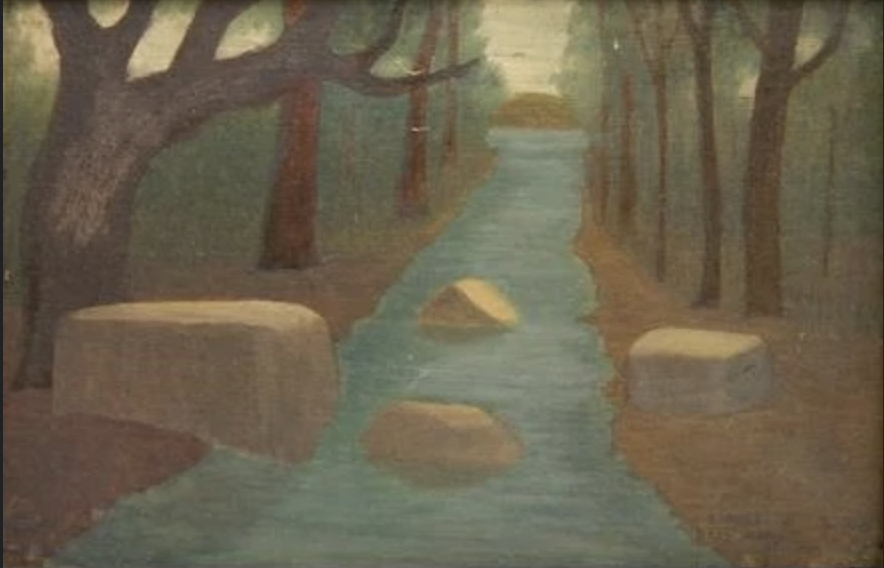
Even with that informal feeling, several of his compositions work extremely well. I appreciate his color, the way he positions simple iconographic shapes around the canvas, and how he can create atmosphere without overbuilding the image. In his best work, the space feels deeper than the means used to create it.
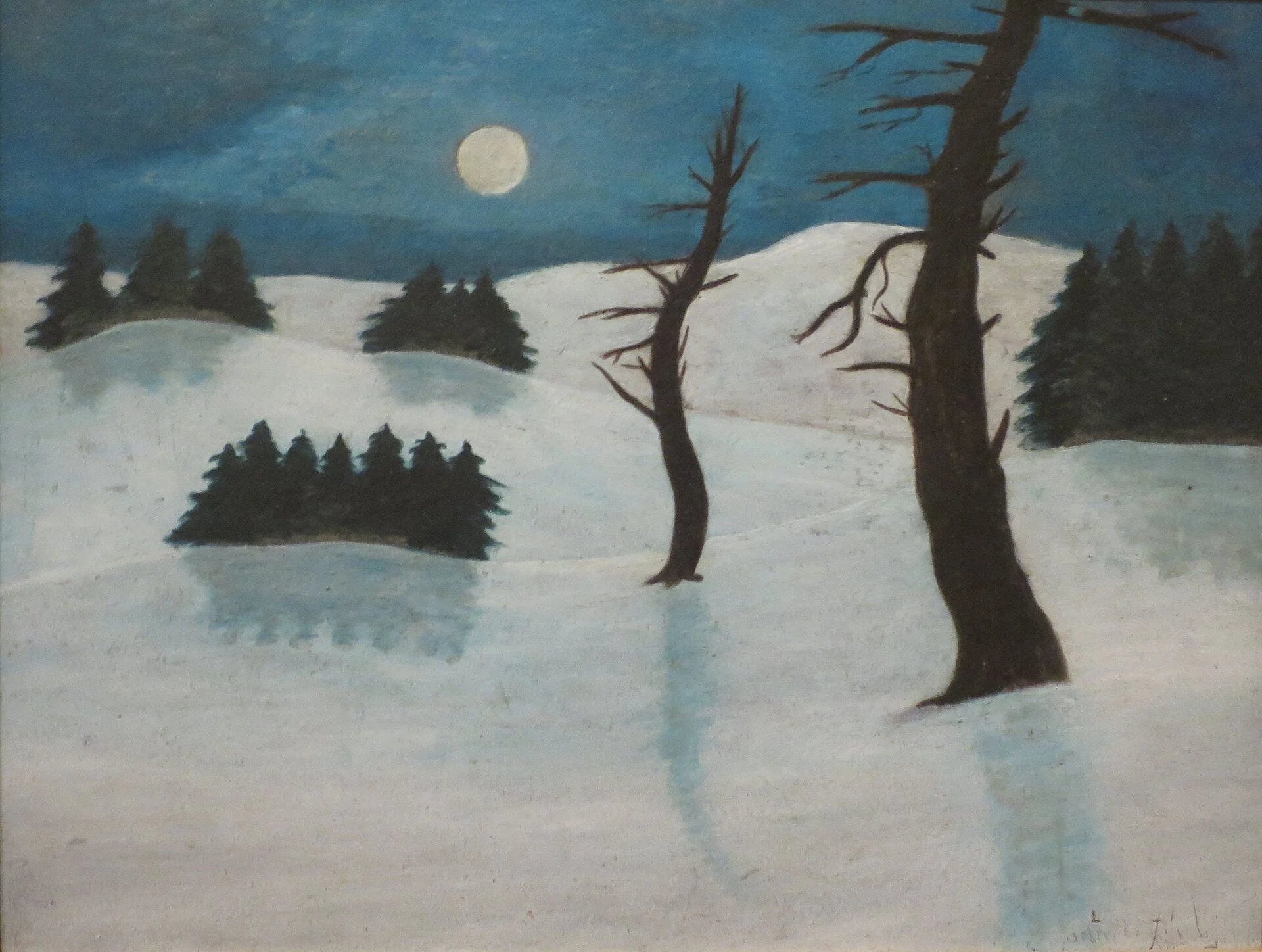
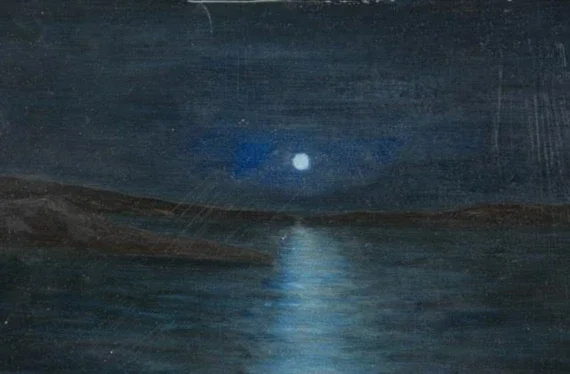
One painting I keep coming back to is titled “Moonlight.” I am not finding a date online, but it is listed as oil on paper. It has the qualities I associate with Branchard at his best: simplified forms, confident placement, and a landscape that feels spacious and moody without relying on detail.
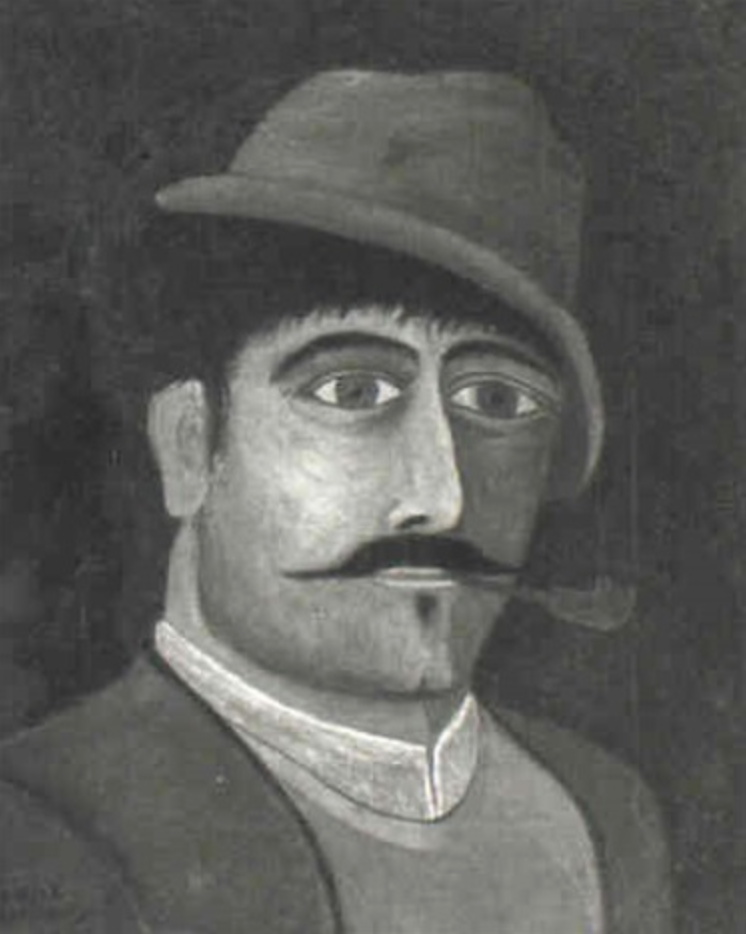
I tend to think of Branchard as “naive,” or part of what art historians sometimes group under “outsider art.” By that, I mean work that is likely untrained, mostly self-taught, and not obviously in conversation with the mainstream art world of its time. What is striking is that Branchard seems to have developed a mature style while building it internally, through repetition and personal necessity rather than through formal schooling or direct influence.
I am not finding a lot of information on his life, and I suspect there is more work out there than what is currently easy to see online. For now, what I most respond to in Branchard’s paintings is how simple, iconographic natural shapes can still create depthful landscape spaces. The paintings feel modest in scale and ambition, but they stay in my mind like fully formed places.