
Thomson, Tom
Tom Thomson was a painter who embraced being outside. The stories about Thomson have become mythical. From what I gather, he and friends who later formed the Canadian ‘Group of Seven’ would travel across the Canadian wilderness painting small studies like the one below.
I’m interested in trying to understand what motivated him to paint like he did. I don’t expect to write a thesis on him as an artist. This blog post is just my ‘notes-to-myself’ on Thomson as a painter and what I like about his work.
Tom Thomson Summer Day 1915
It wasn’t that long ago when I first came across Thomson. The Summer Day, 1915 (above), I remember being shocked at how great this painting is. In my opinion, it is perfect for what it is.
After researching his work in more depth, I have come to understand that Thomson’s practice was to produce many studies like the work above and then create more elaborate detailed paintings from the study. (see the below example for the work “Northern River“ - It’s a little hard to tell from the side by side comparison, the one on the left is a small study. The one on the right is a larger work. I haven’t seen either in person, but through photos, you can tell that the one on the right has been labored over).
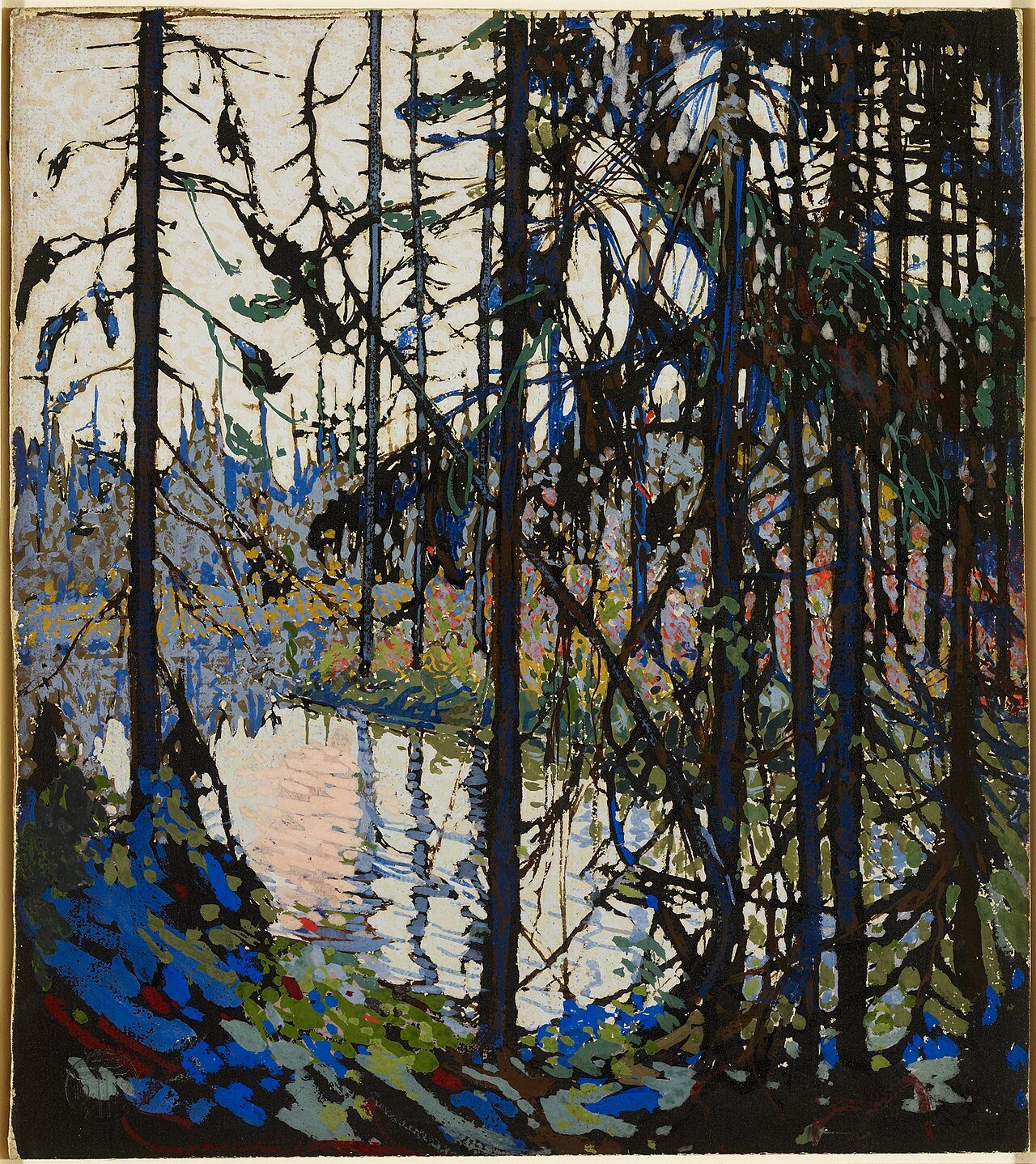
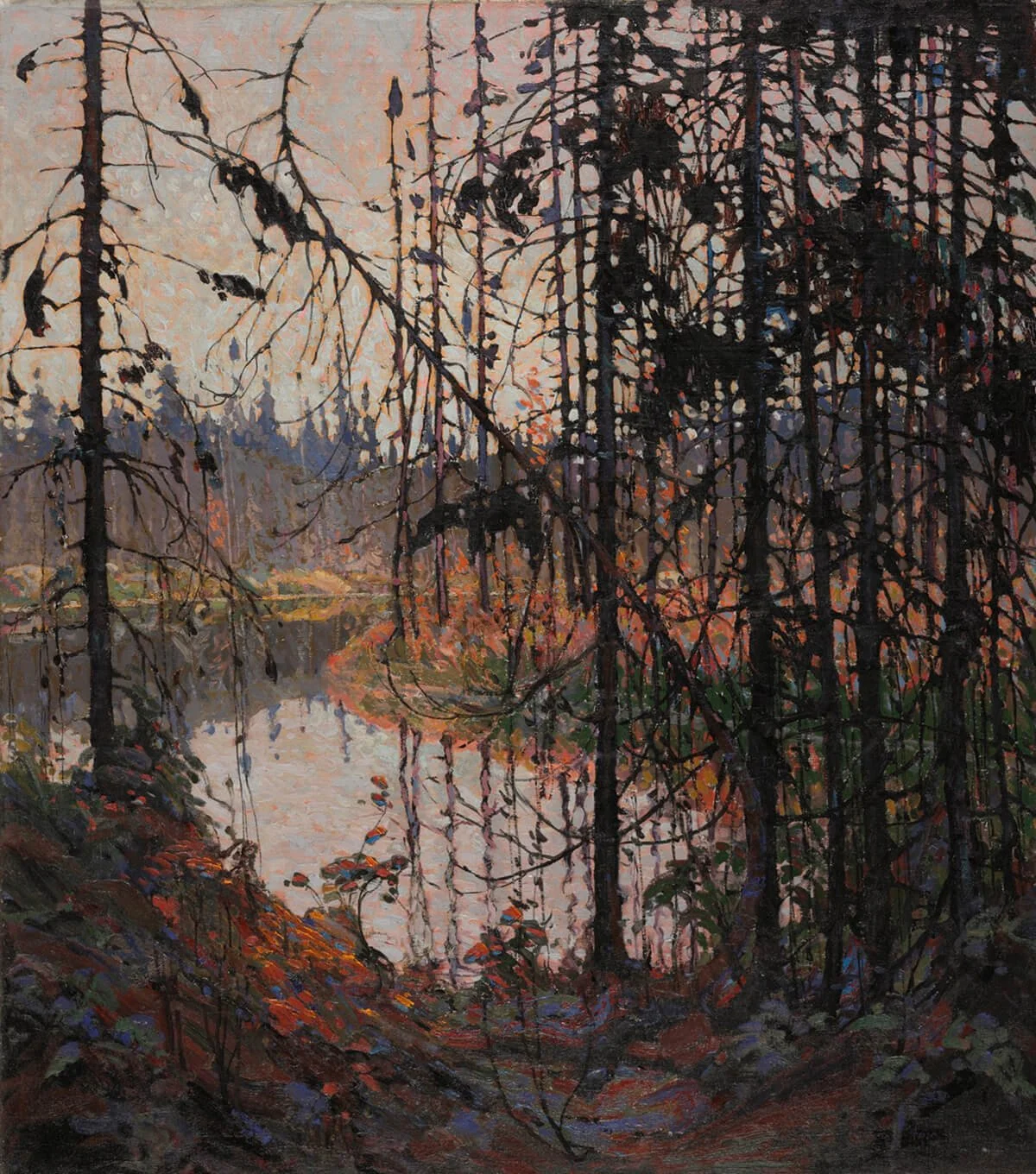
Personally, what I am most drawn to are Thomson’s studies. There are stories about Thomson being willing to hand these studies to anyone who expressed admiration for them. People said that Thomson treated these sketches as “working notes”.
A.Y. Jackson wrote in his autobiography A Painter's Country that Thomson treated his sketches primarily as material to work from in the winter studio, describing how Thomson often paid little attention to their commercial value and would give them away or leave them behind.
Art historian Joan Murray, one of the leading experts on Thomson, has documented extensively how Thomson used his birch and pine panels (plein air sketches) as visual diaries and working tools rather than finished exhibition pieces.
I find it really interesting that Thomson spent a lot of effort to create large elaborate paintings that are good but not spectacular. At the same time he painted these ‘notes-to-self’ that he basically treated like note-cards.
What is so great about the studies?
WORK IN PROGRESS:::: MORE COMING SOON
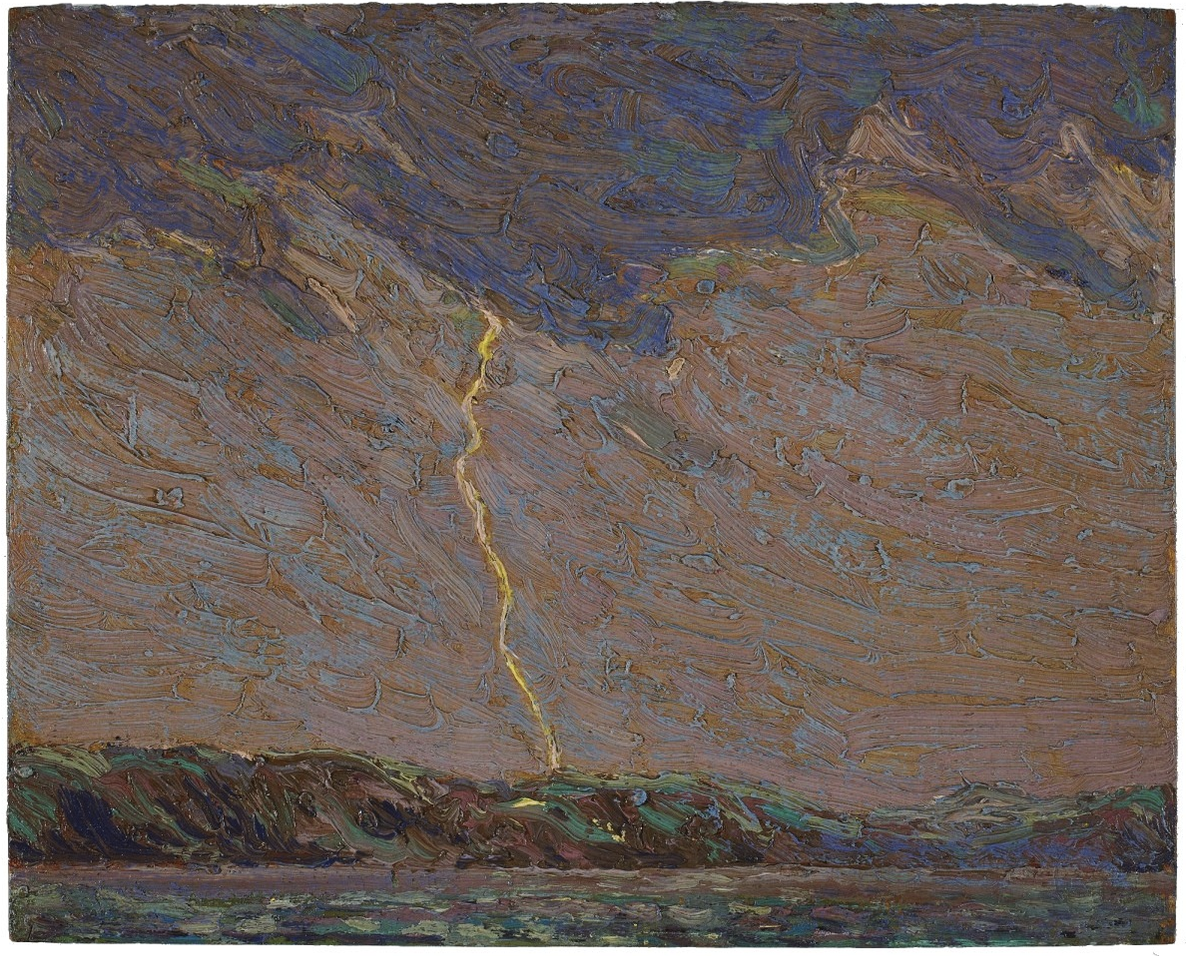
'Lightning, Canoe Lake', 1915
Love the colors and brushwork here. This is a small painting but it has a huge presence.
which has given me a lot to think about. These ‘studies’ where I think a means for Thomson to Why am I enjoying works that he didn’t care about
that he would applies thick layers of paint in a way that feels visceral and raw. That approach works especially well in Summer Day. It’s a small painting, and it looks like something he may have made quickly. What catches me, though, is how expansive it feels. I’m genuinely surprised by the sense of space he creates, especially since the composition seems to push against what I’d normally think of as “rules.”
In a basic way, it’s just horizontal bands of color. And yet it works completely. I keep coming back to it.
I also really liked this work “Wet Snow”.
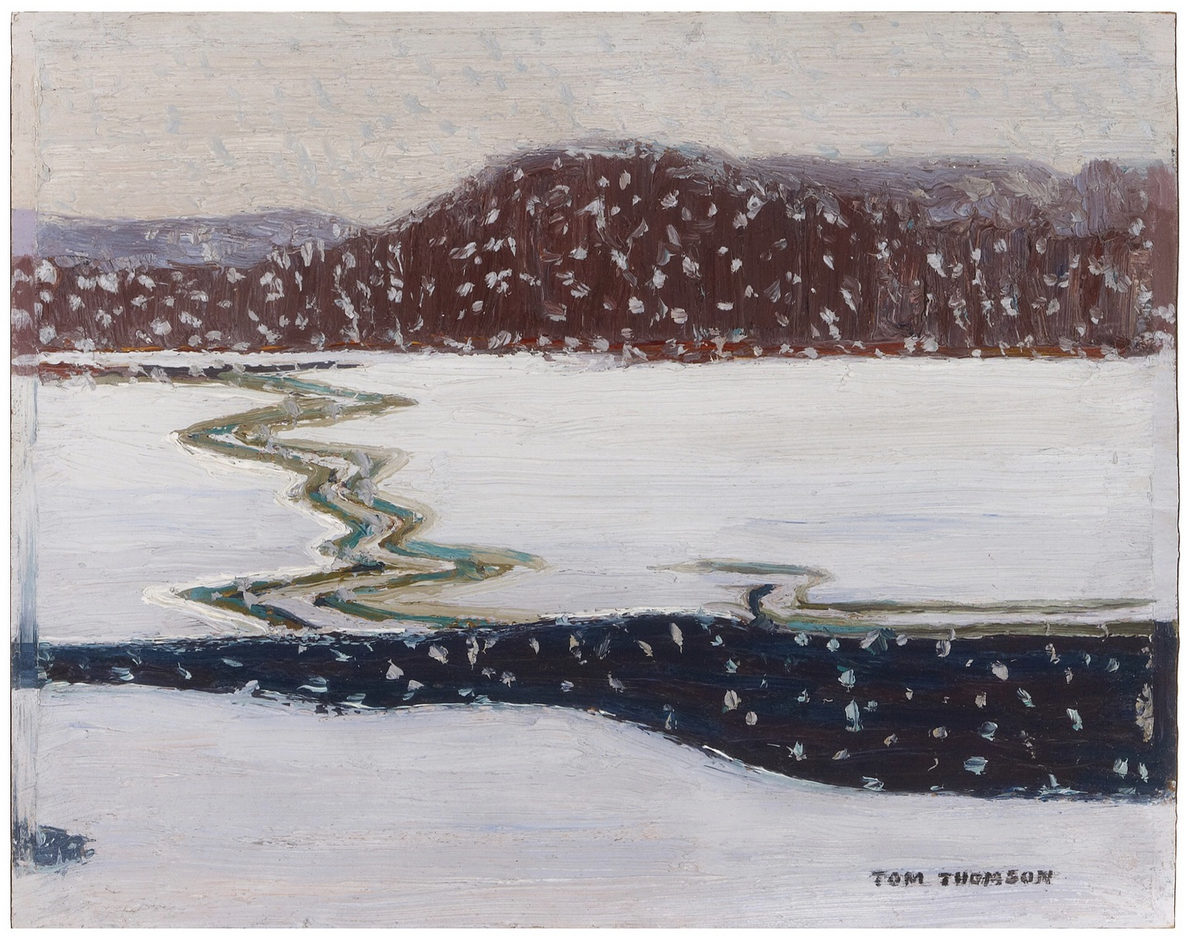
Wet Snow, 1914
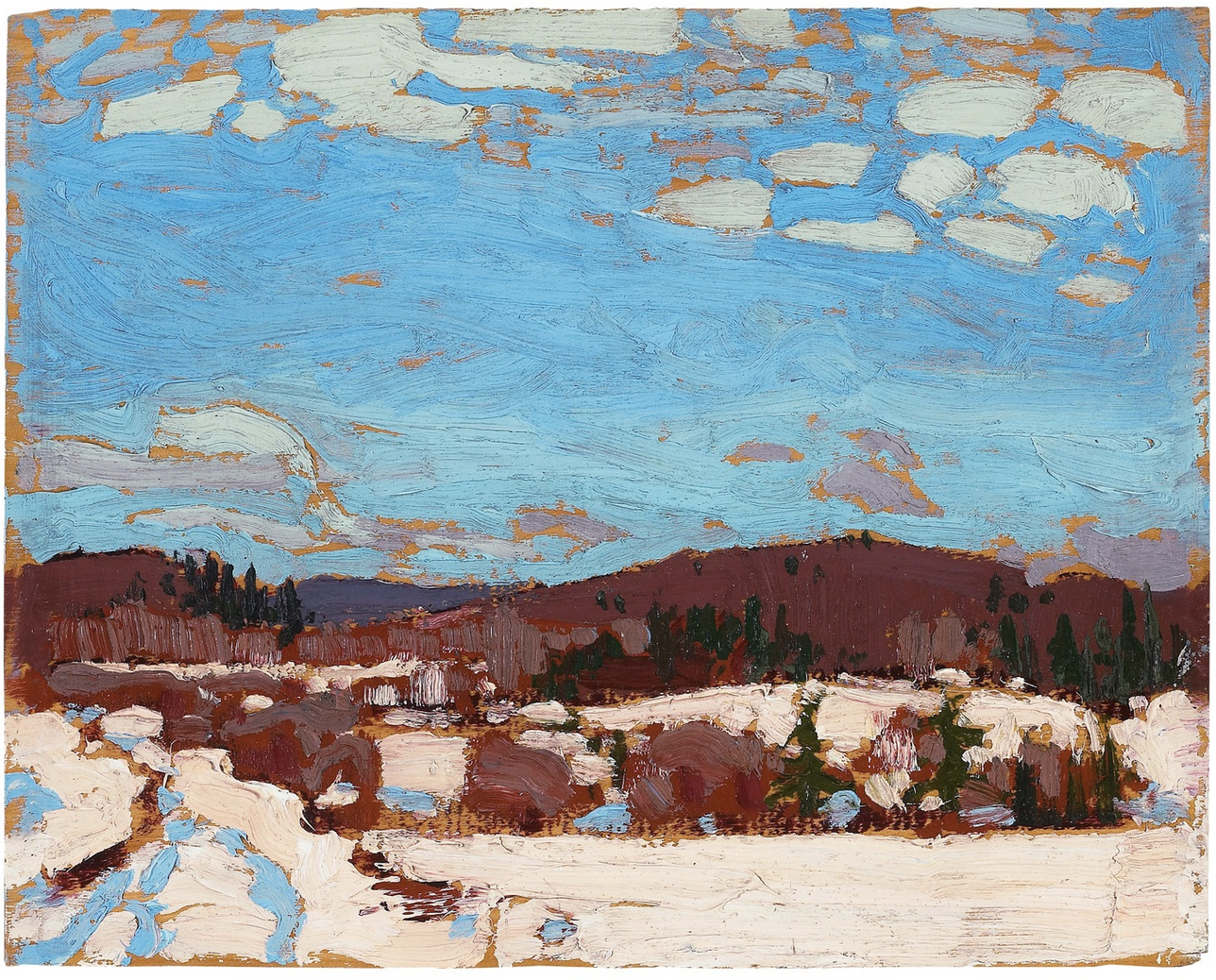
Spring 1917
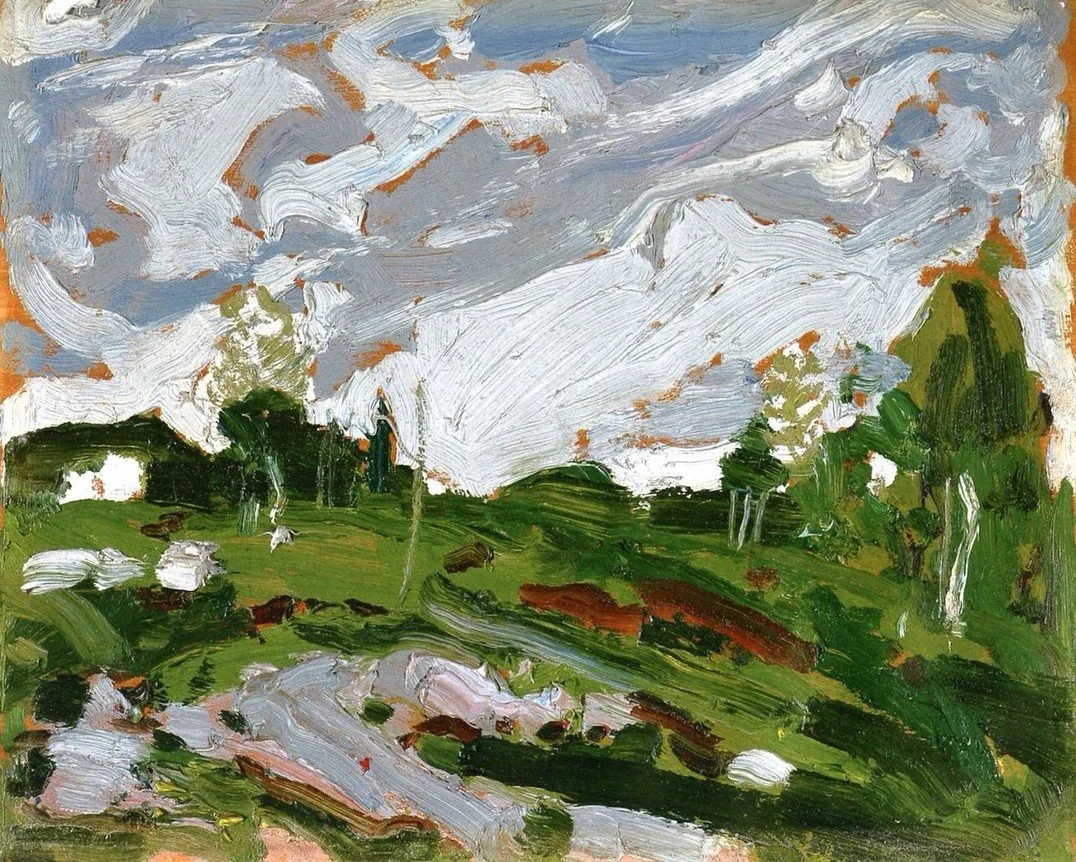
After the Storm 1917
Current Opinion:
Tom Thomson didn’t live long enough. He has maybe 10 paintings that are in my opinion perfection. These paintings that I like are his quick ‘throw-away’ work that he didn’t place a great value in. The work that he spent time on in his studio feels stiff in comparison (in my opinion).
Thomson’s best work is from his last couple of years on earth. When I look at them I see someone who has just started to take off. I wonder where he would have gone had he had more time.
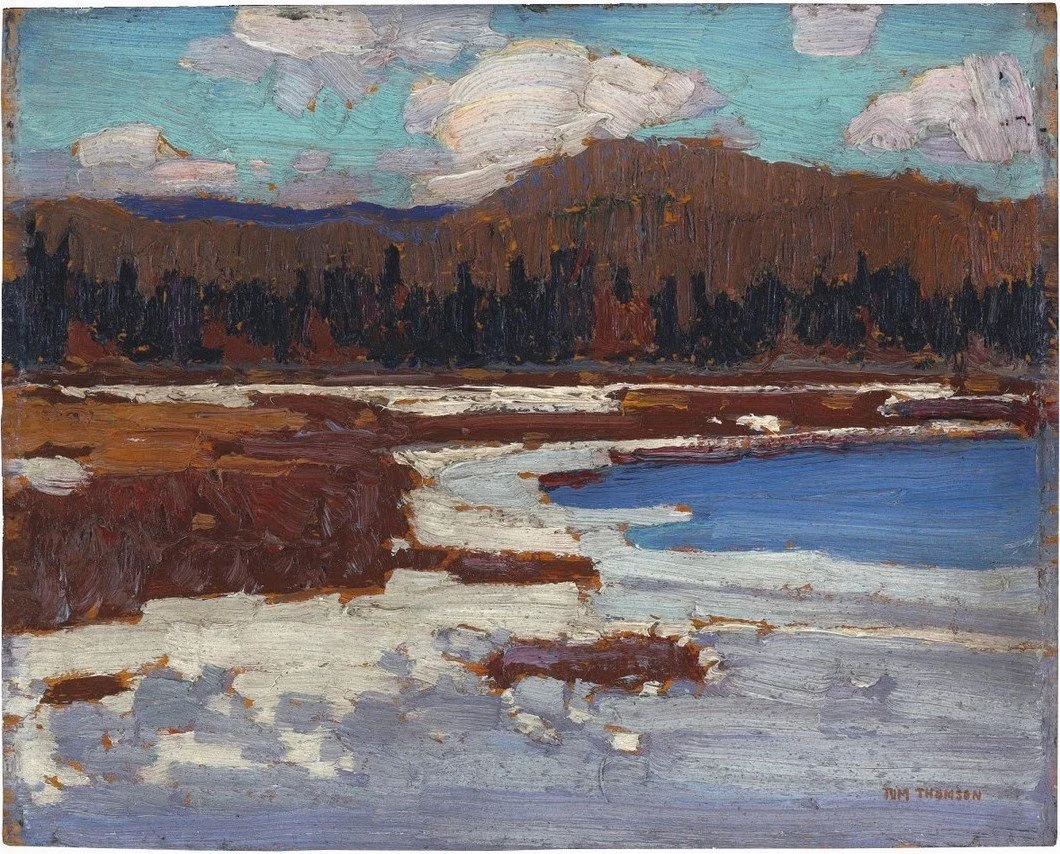
'The Marsh, Early Spring', 1916