
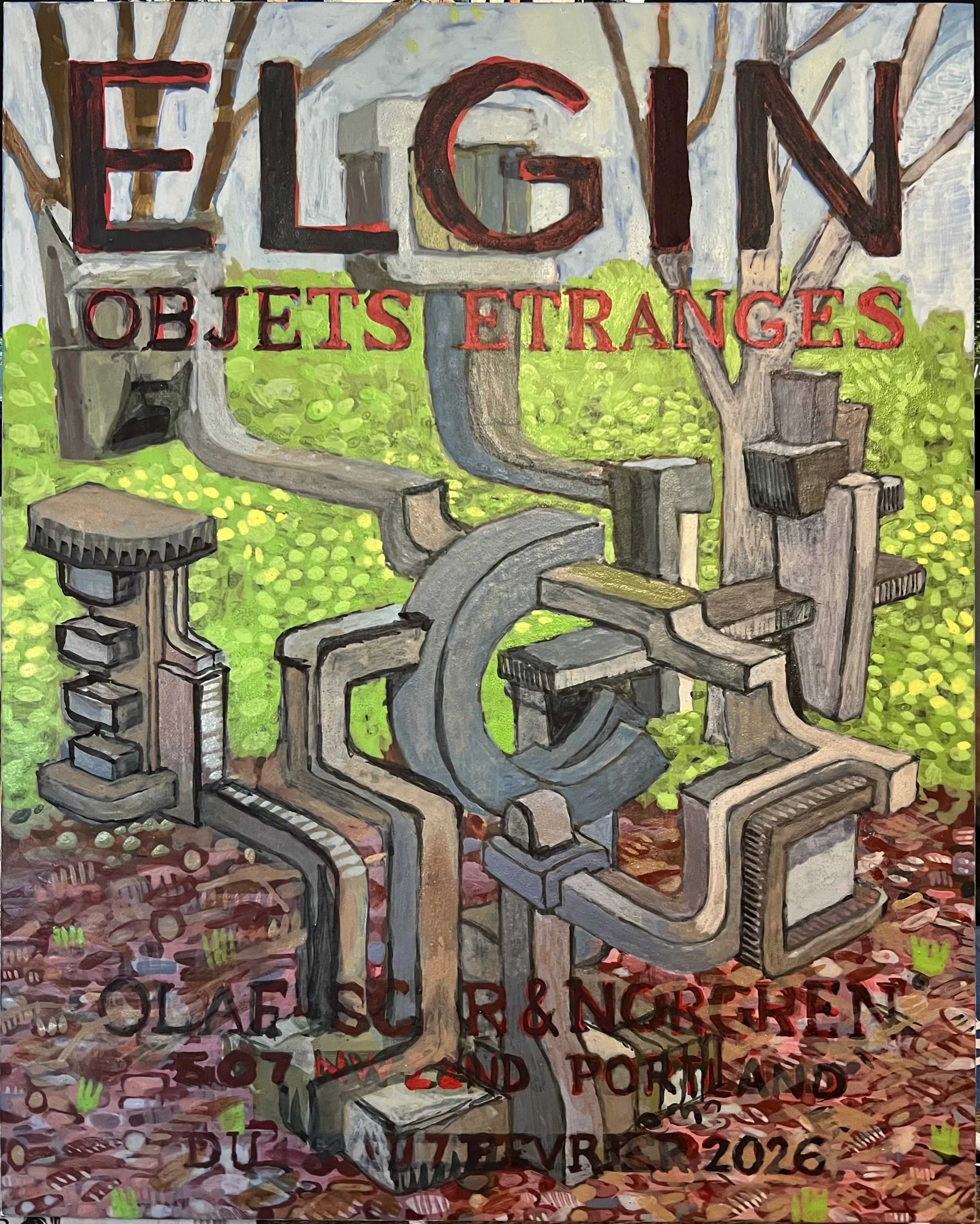
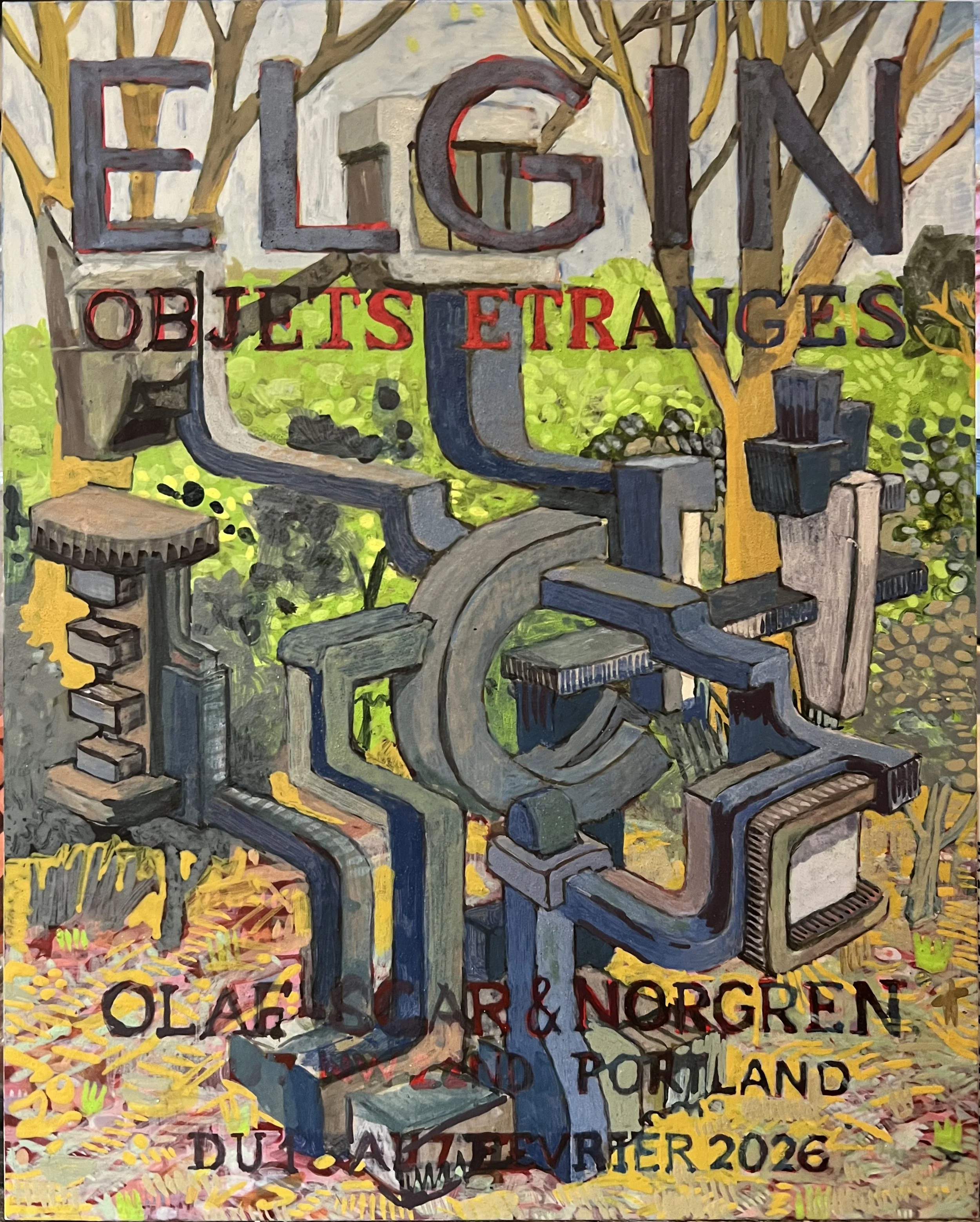
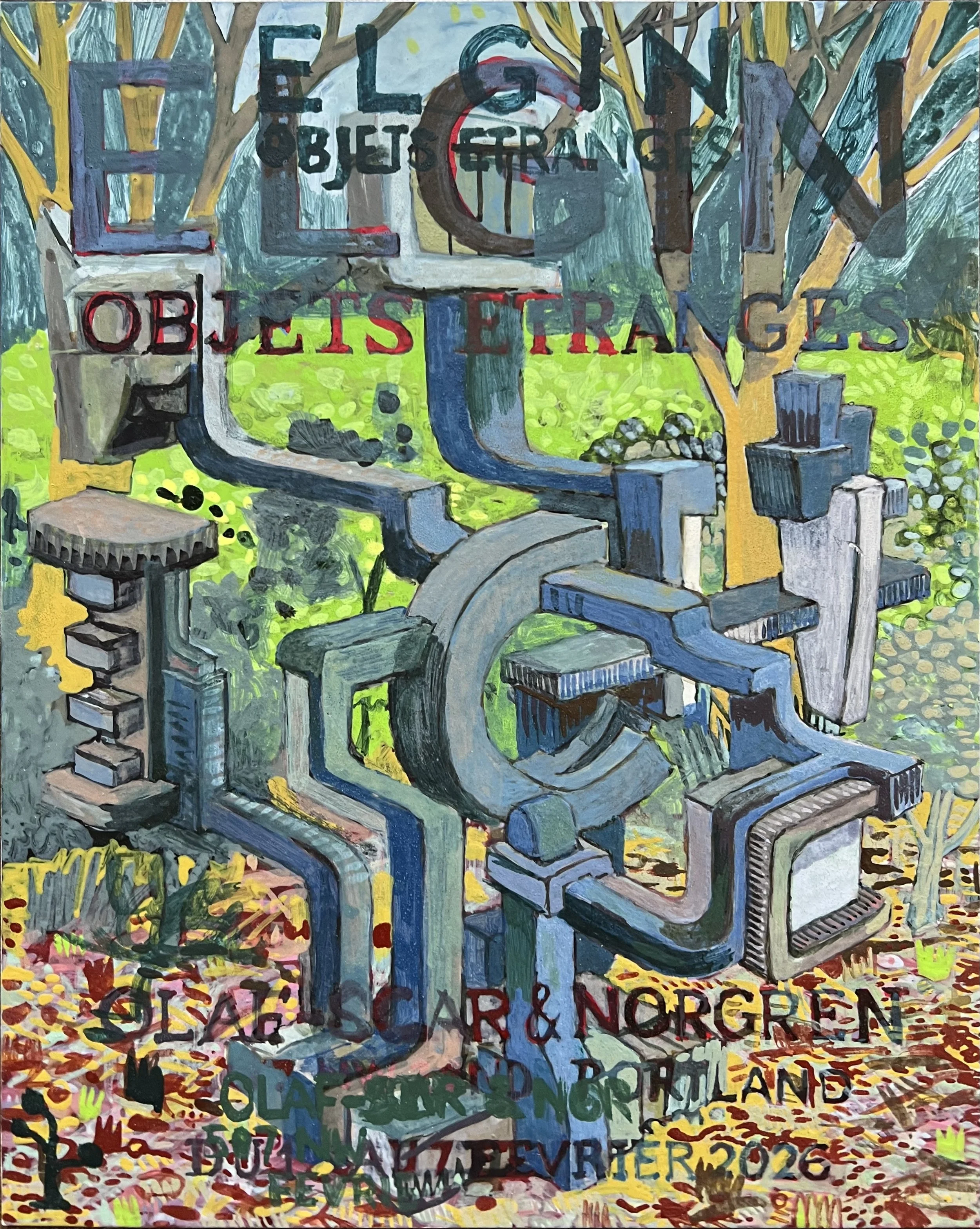
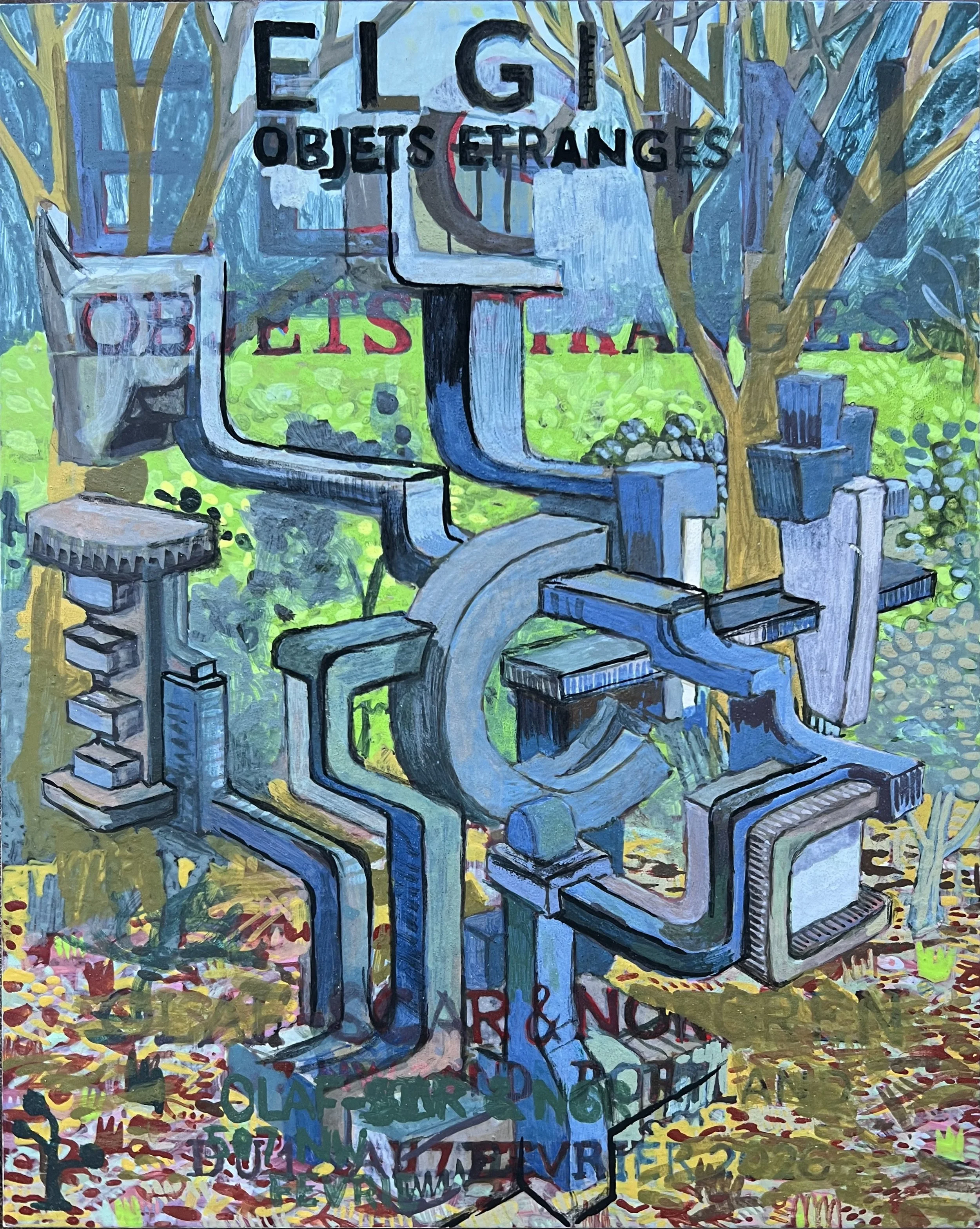
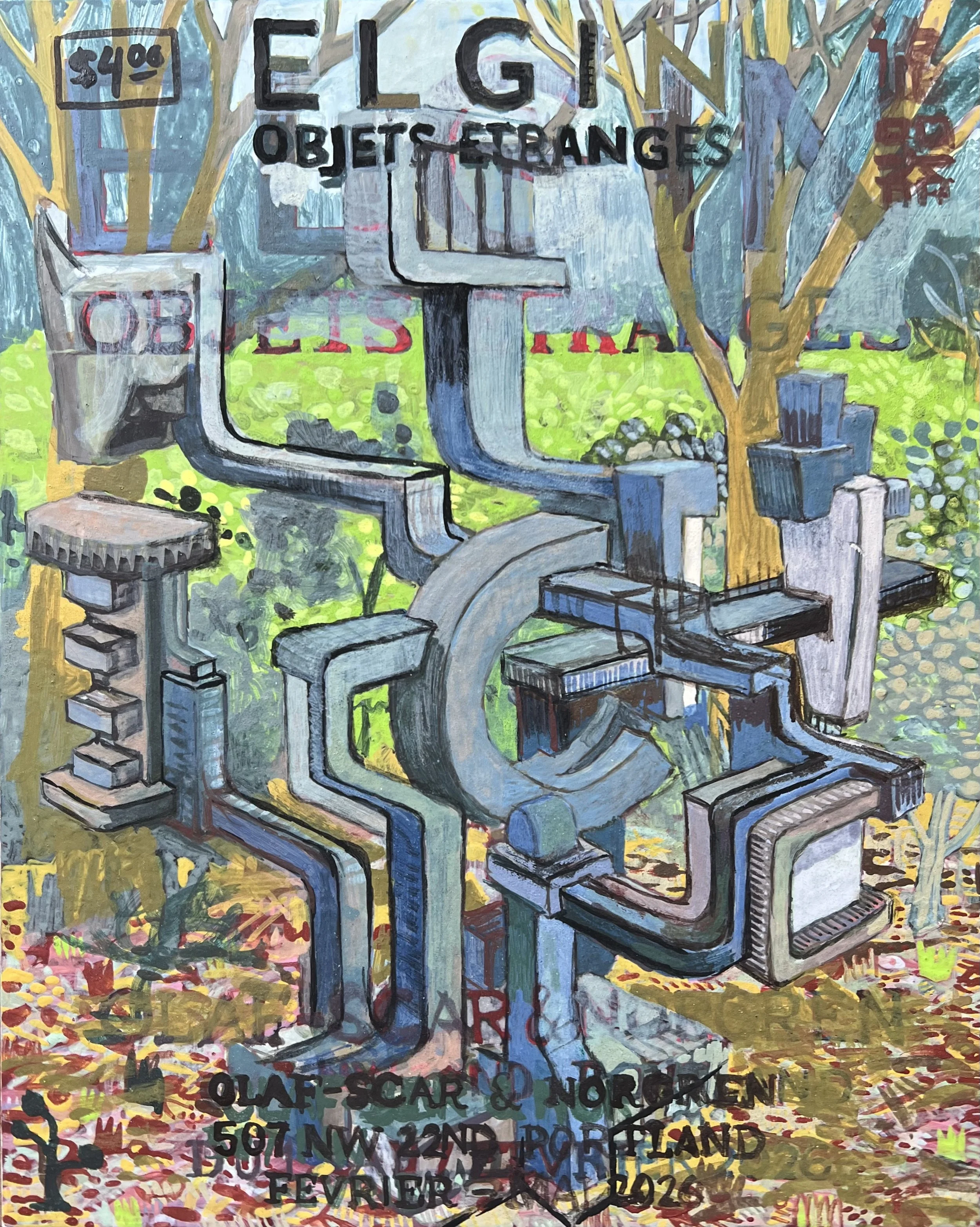
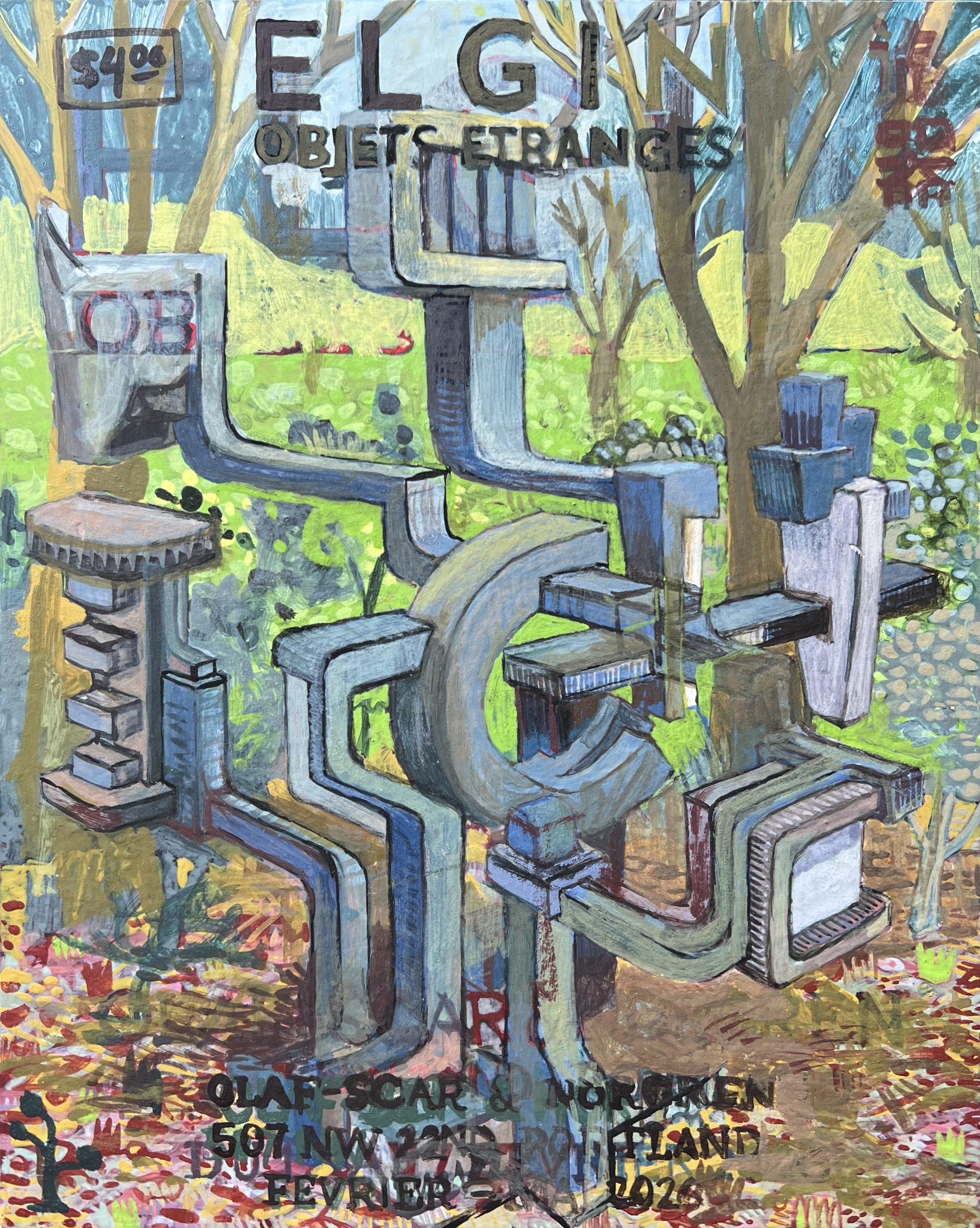
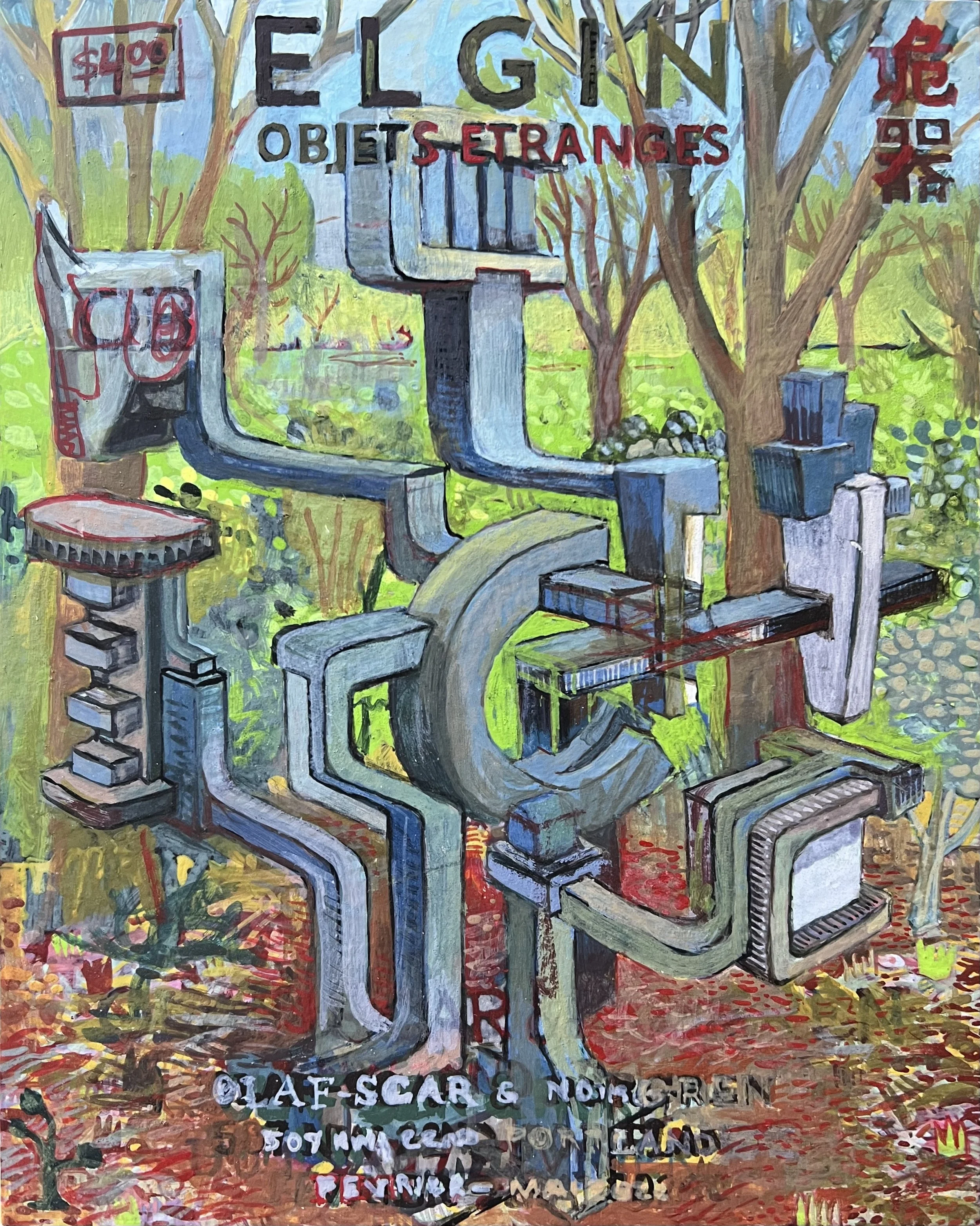
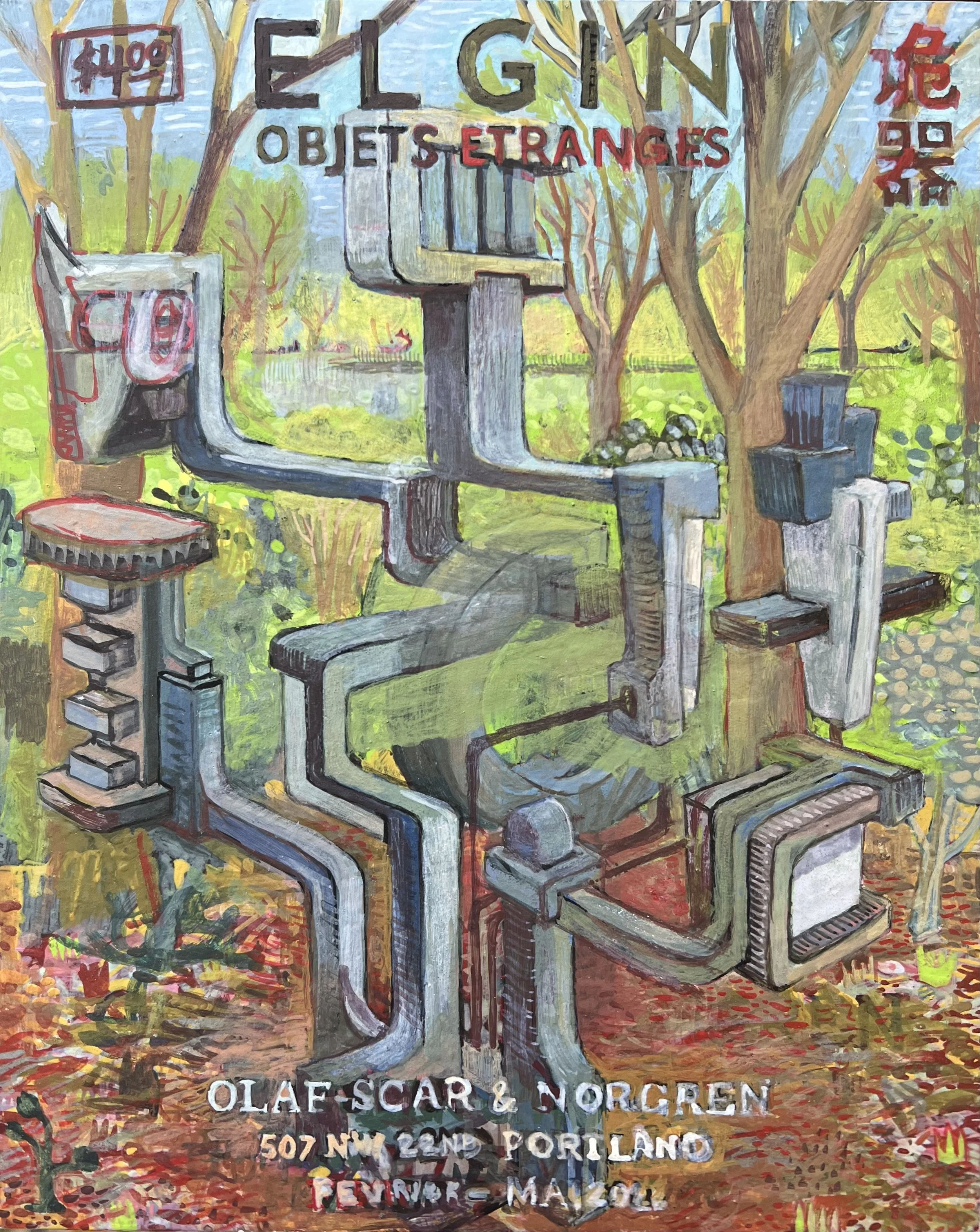
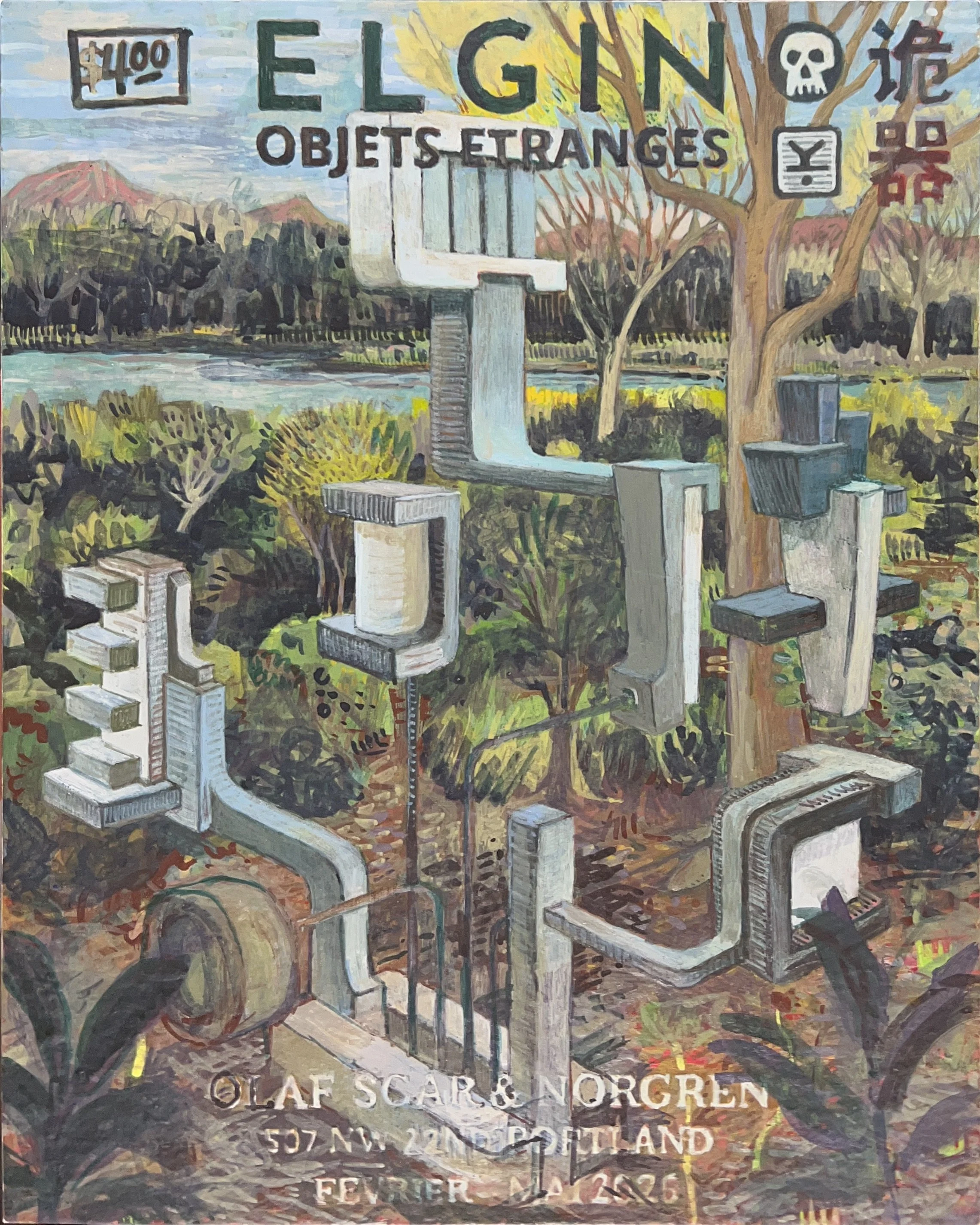
Objets Etranges #1
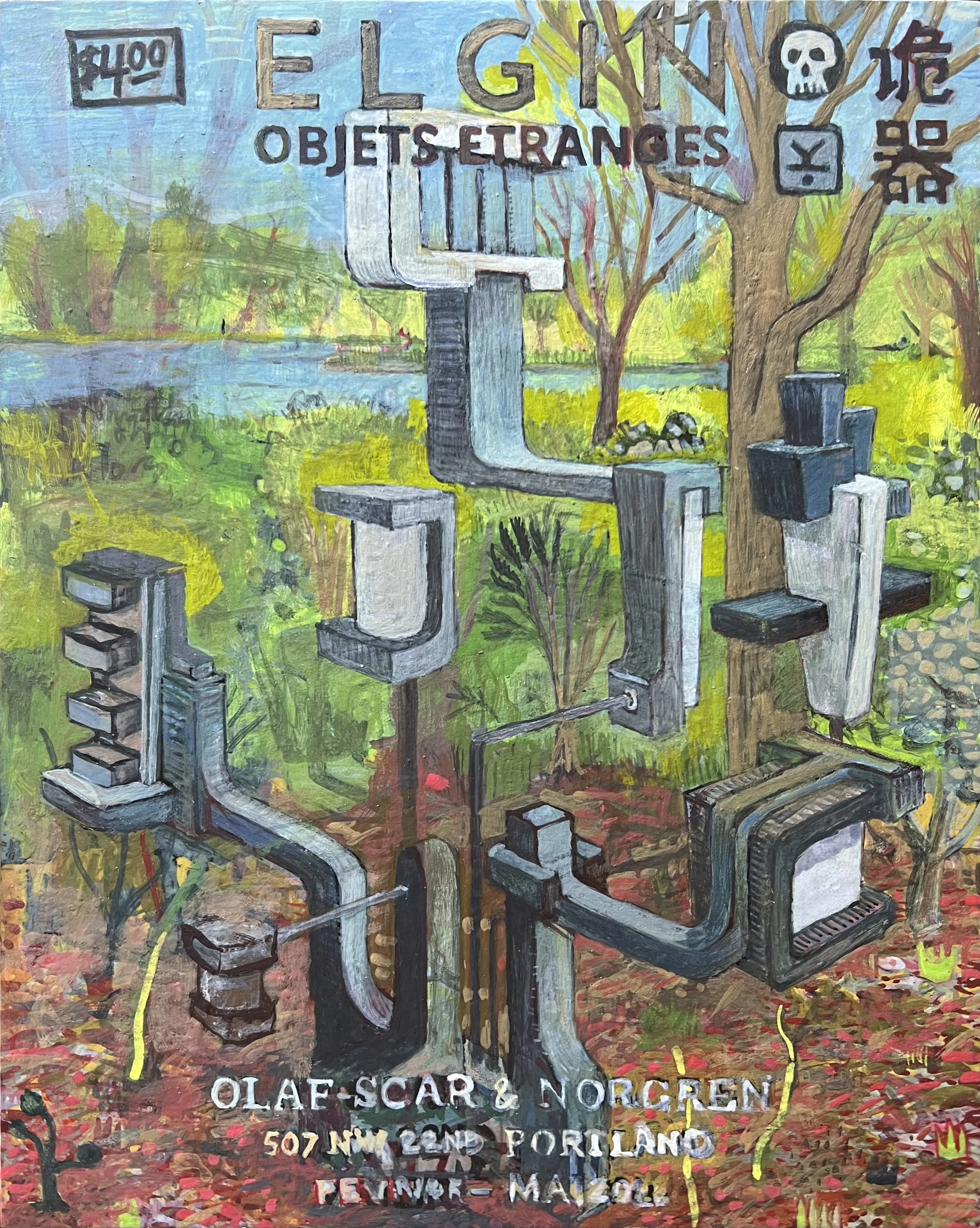
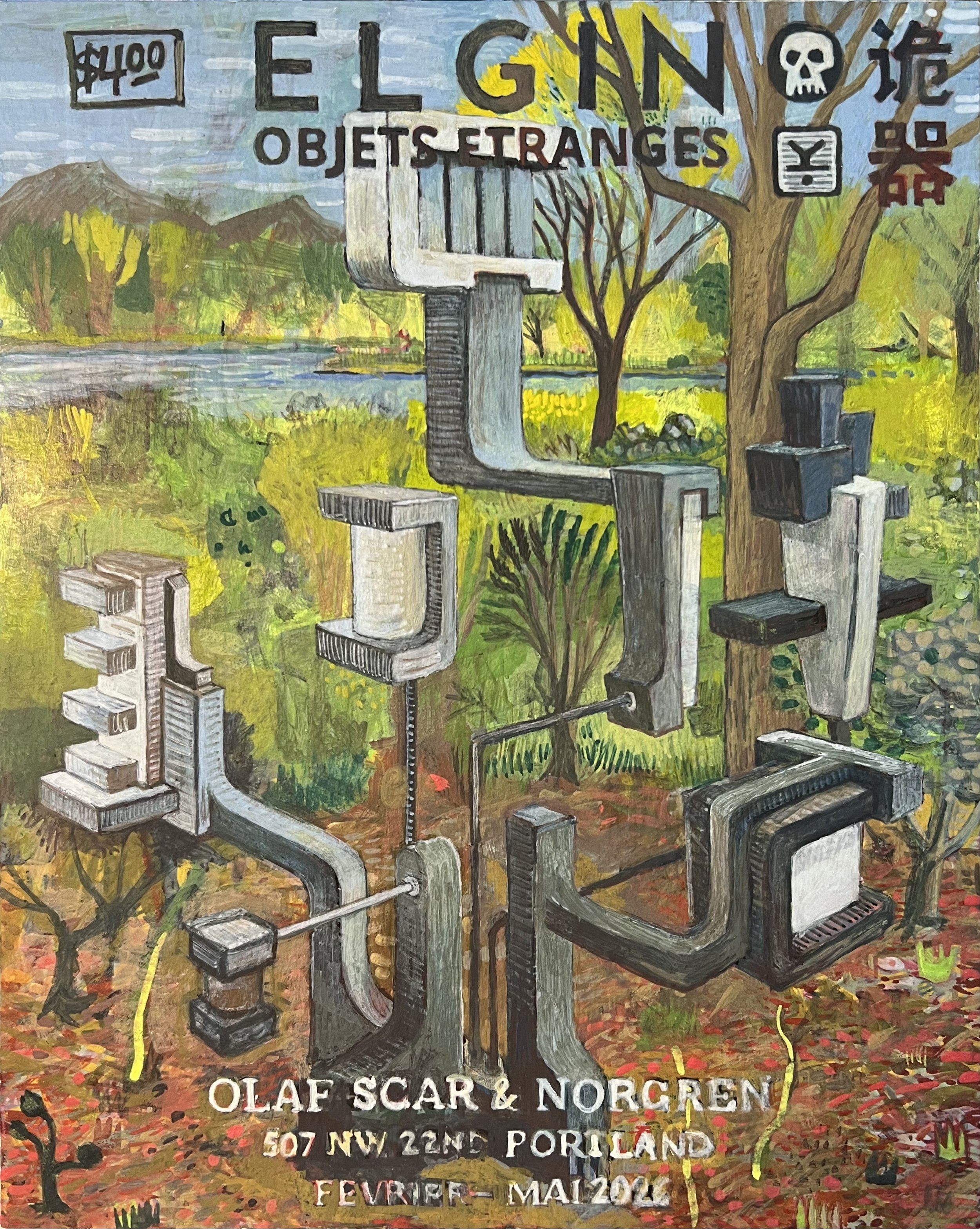
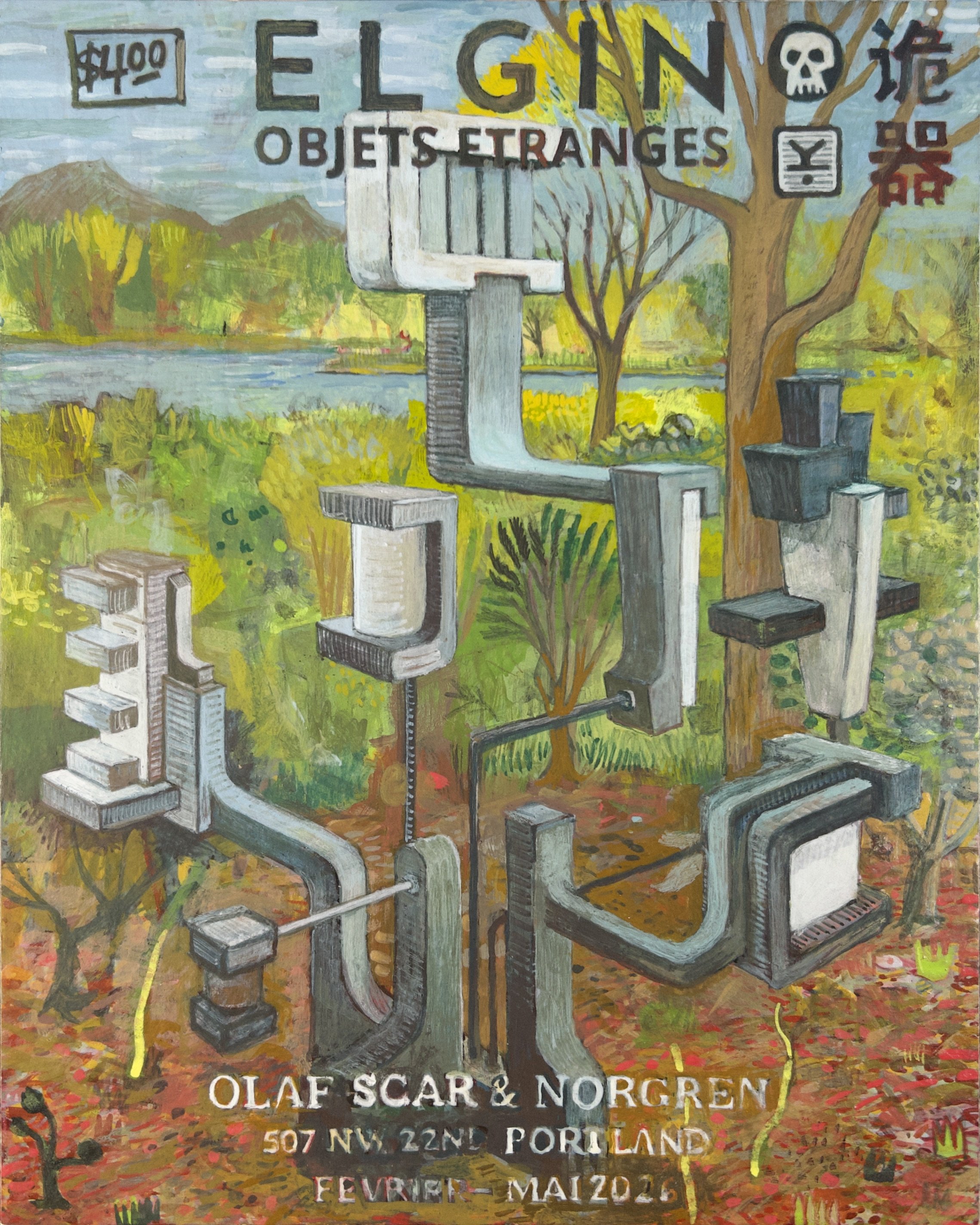
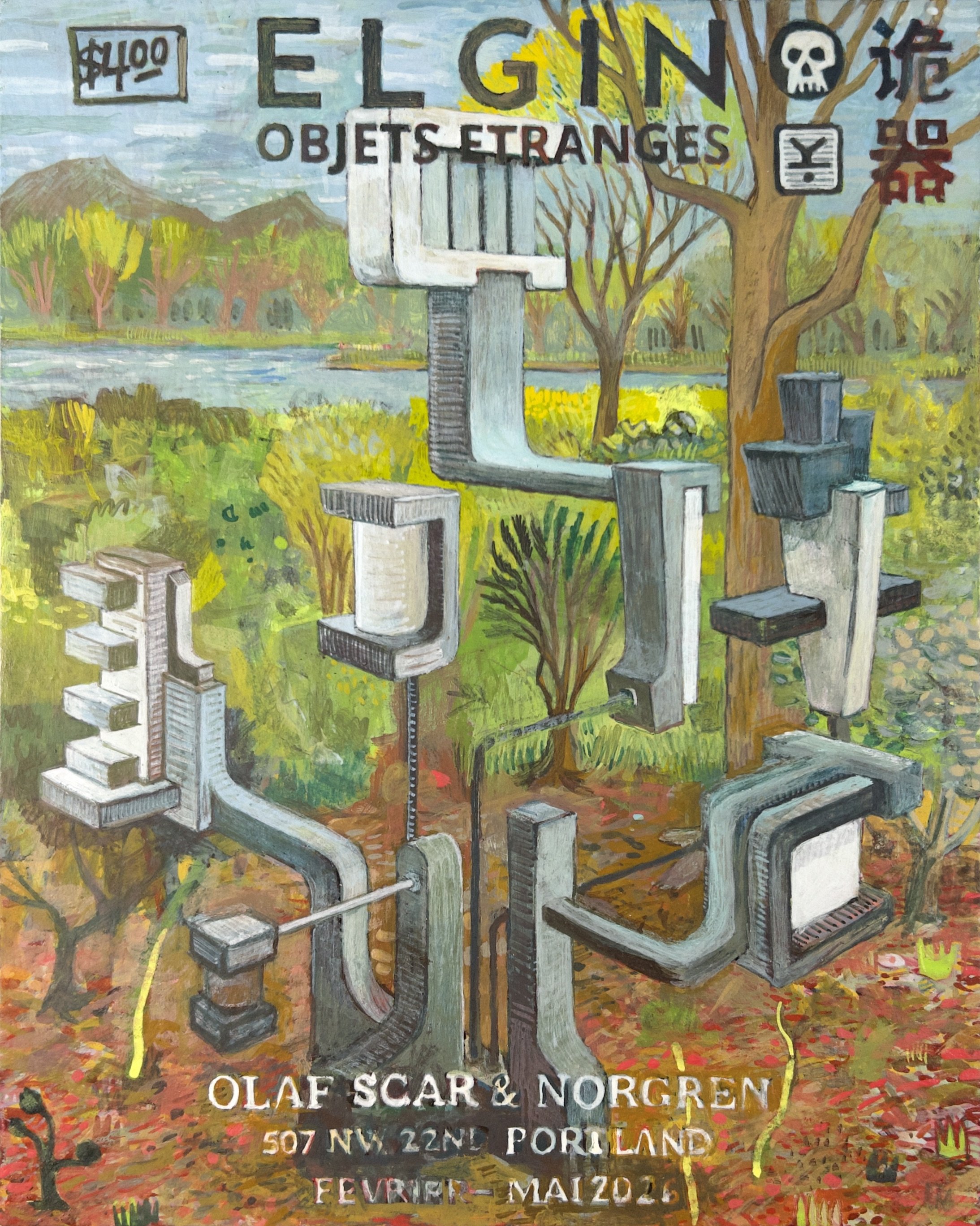
THIS IS A WORK IN PROGRESSS!!!!
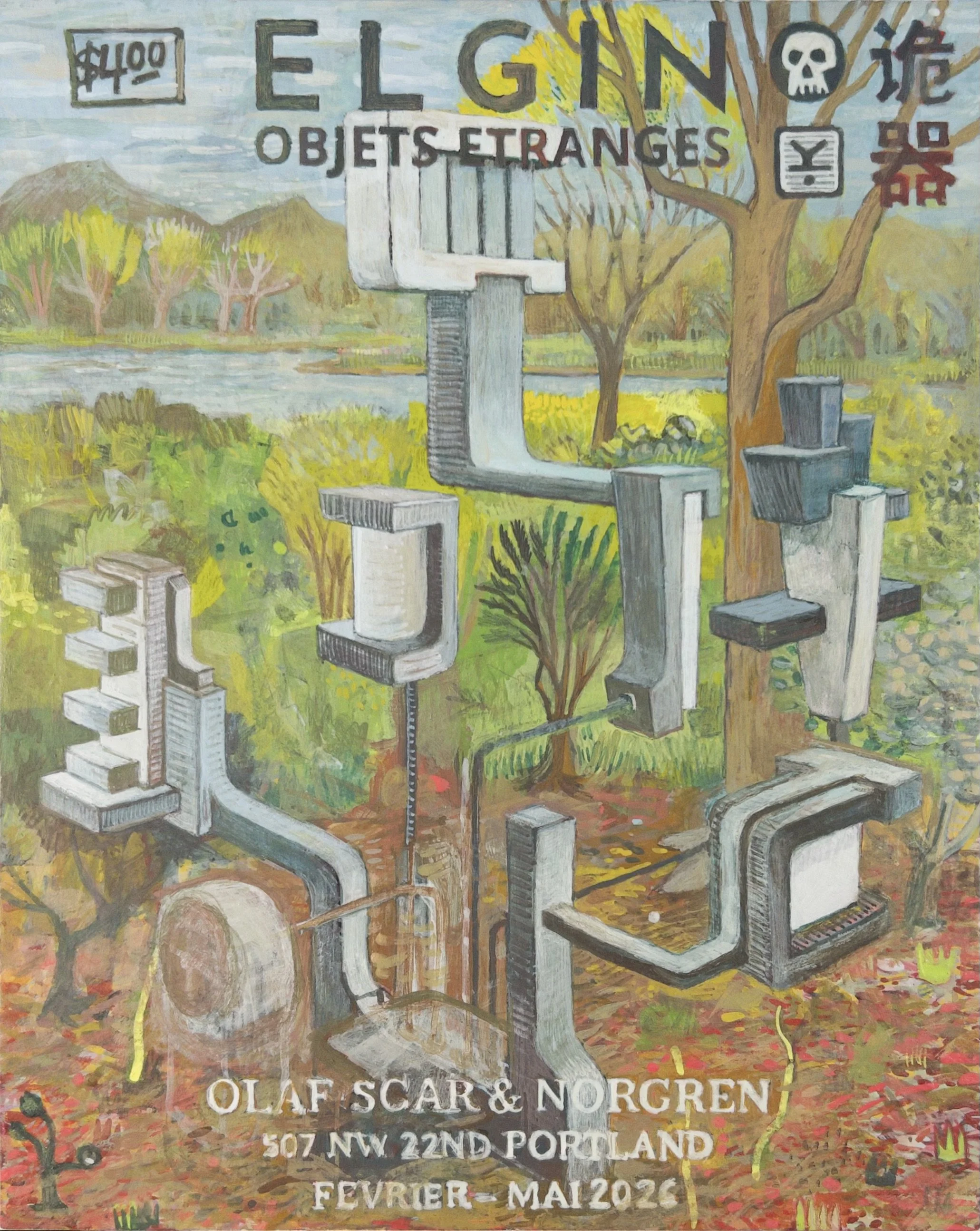
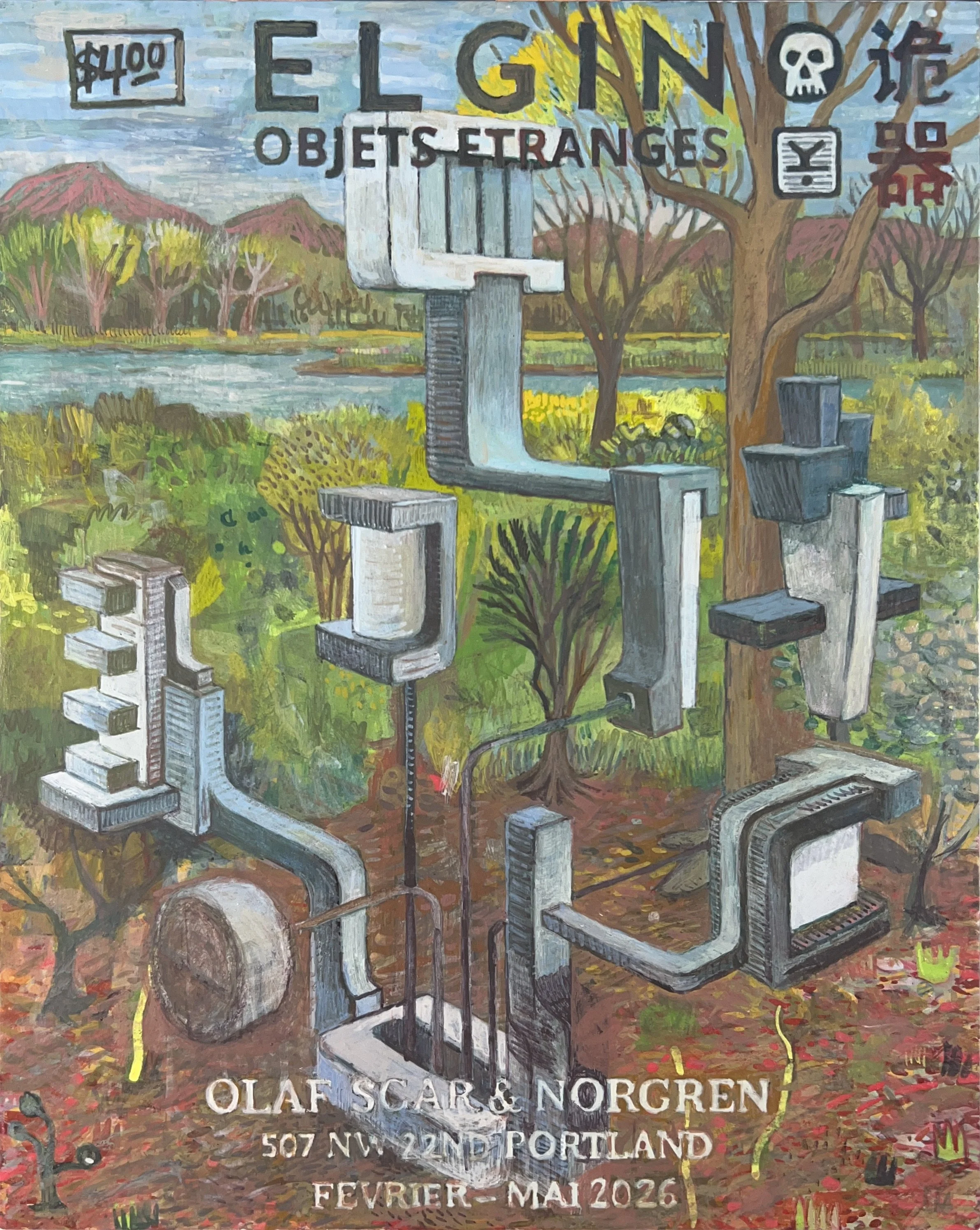
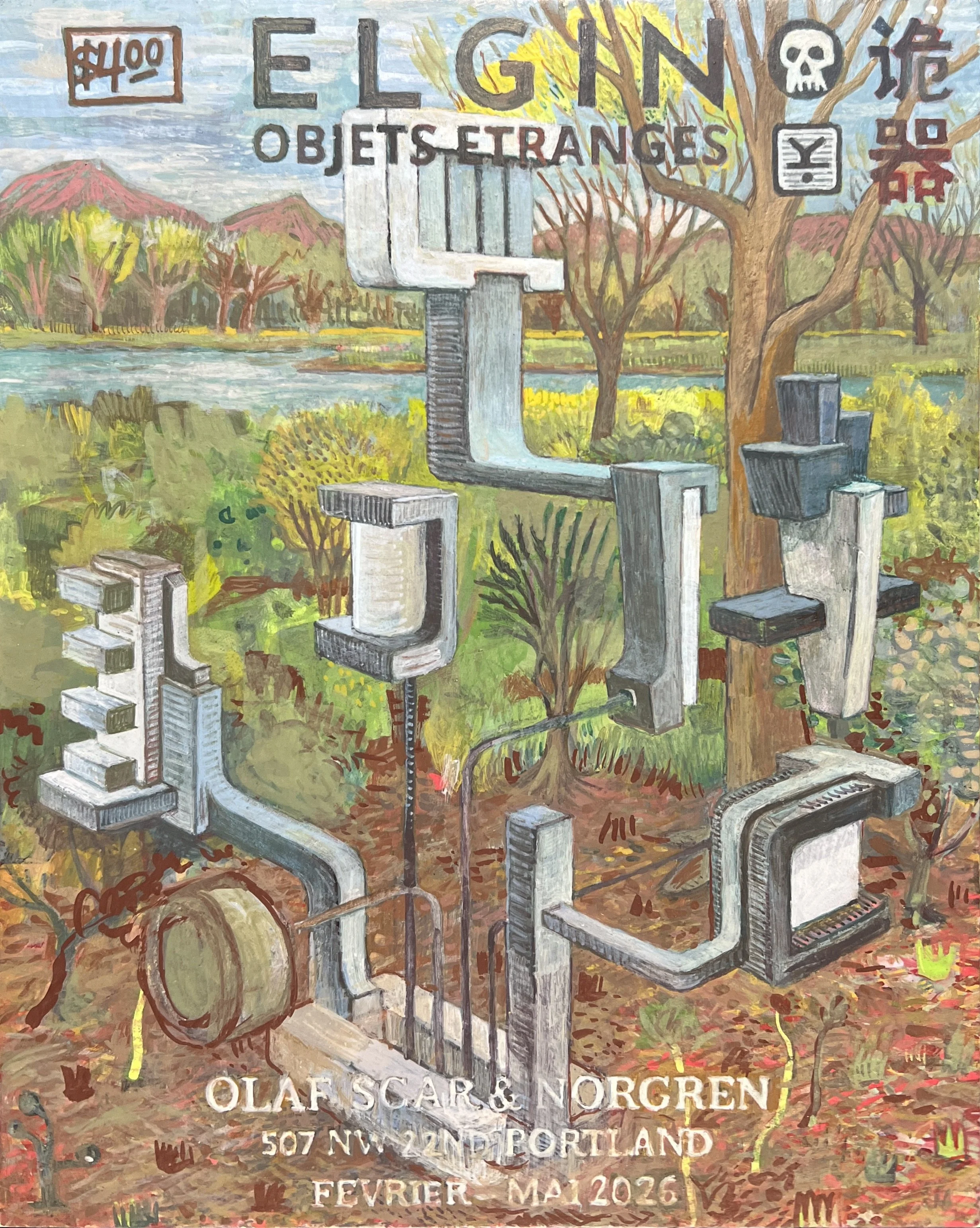
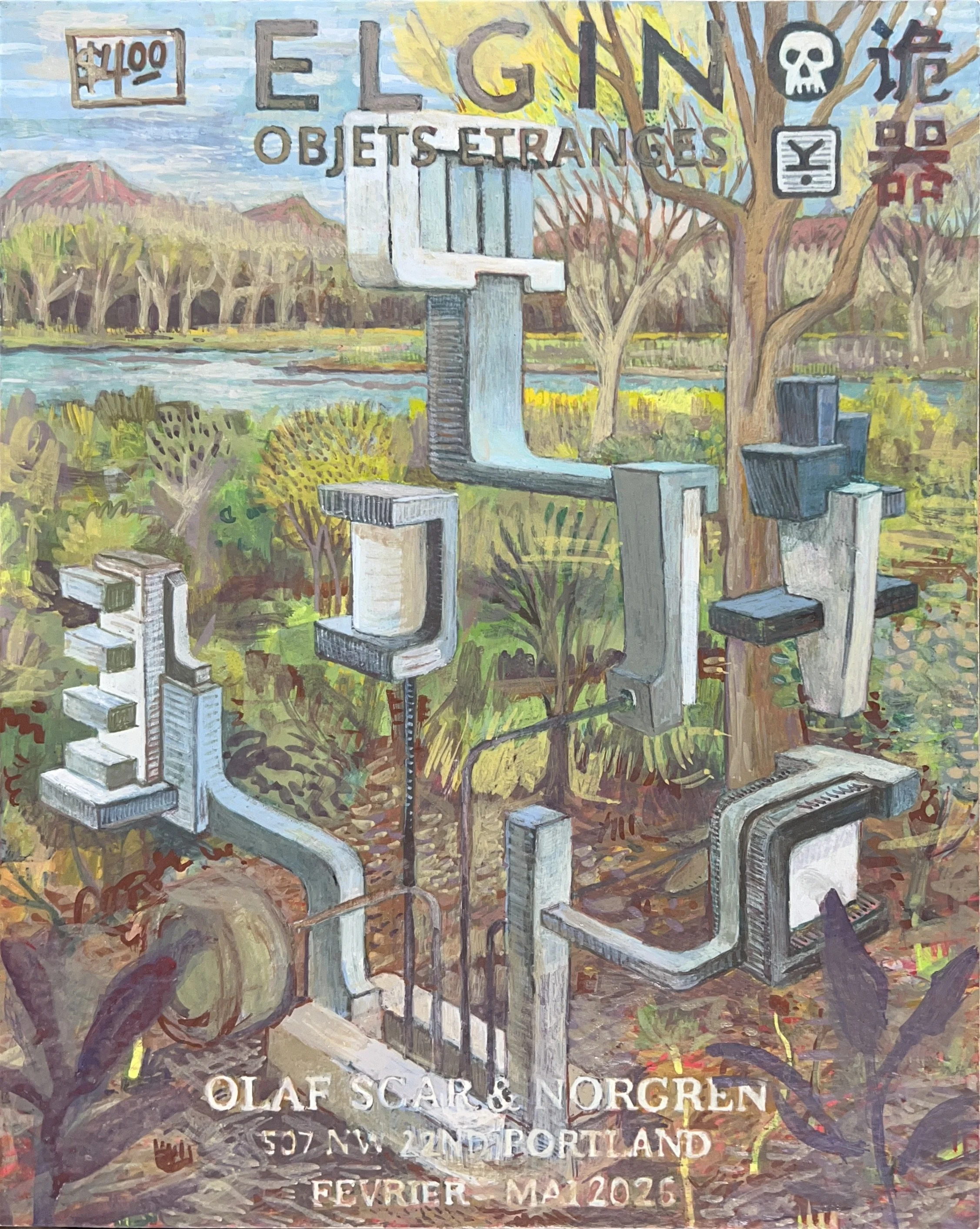
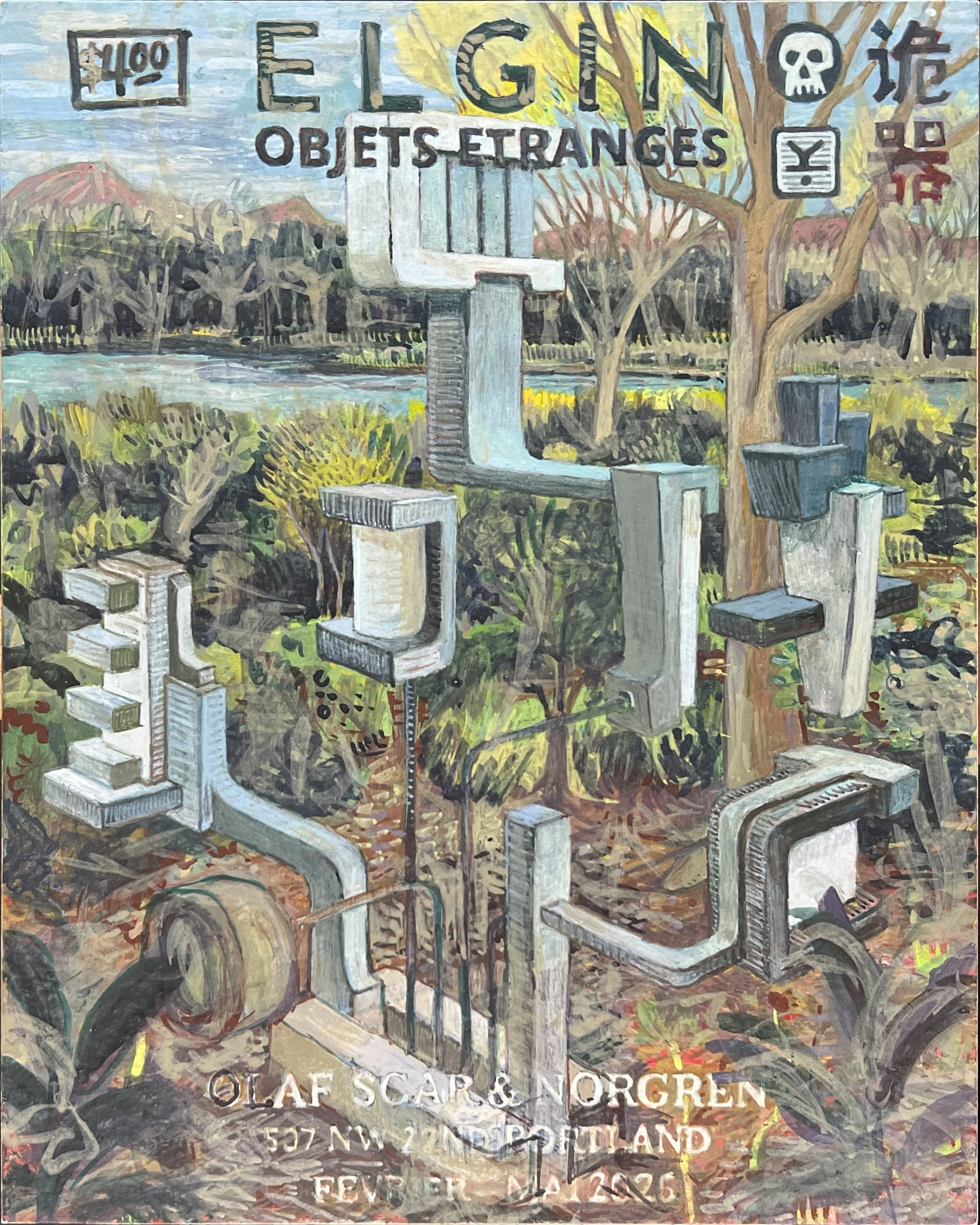
WORK IN PROGRESS… PIECE IS NOT DONE YET.
I’m spending a lot of time working on plein-air drawings and in turn paintings derived from the drawings. So I head outside and try to capture what I observe, every edit is in support of making something look more like what it is. At the same time, I’m wanting to see what kind of world I can cut loose by investigating a fictional landscape.
With this writing, I’m going to jump around a bit. I’m going to cover:
How this piece represents a first attempt at incorporating indexing data directly into an image.
Why there is language in this artwork.
Indexing: What the Language means
What are maquettes and why I think they are cool.
Why sculpture gardens are the best.
Emerging Pantheism: Some fictional ideas I’ve been developing around god and humanity’s purpose in the world.
Indexing: Why there is Language in this Artwork:
For a long time I have been incorporating language into my drawings and paintings. Sometimes the language can act as a separate layer, like an advertisement. Other times the language might integrate with an image (act as a highlight).
Richard Prince and his appropriated imagery
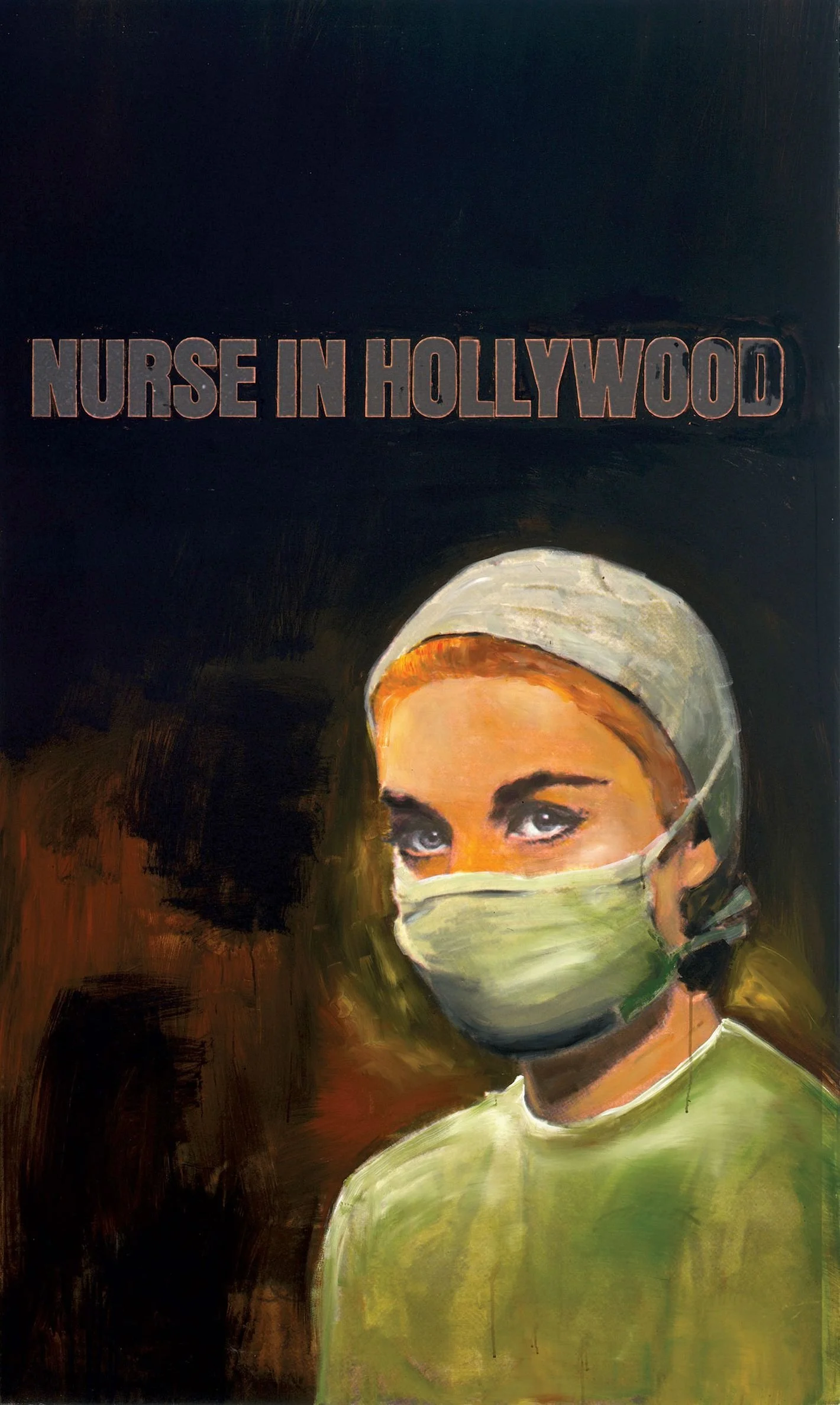
Richard Prince - Nurse in Hollywood
There have been a lot of artists who have incorporated language into their work. Richard Prince for example was known for appropriating the covers of vintage pulp romance serials.
Prince started with a print of the book cover on his canvas. He then painted over most of it.
The act of doing so changed the picture in many ways including creating a tension between the image and the text that was not in the original cover art.
Two sides of a coin:
On one side - Quality Images: I think Richard Prince has literally 100s of iconic images in his catalog. If this were one persons work, it would be astonishing how great the work all together is.
On the other side - Appropriation: Prince appropriated everything. All of his great cowboy paintings were from old Marlboro ads. These nurse paintings are all from old pulp fiction paperbacks.
The video below is a great historical document showing Princes process.
Matisse and his gallery poster art:
I’m not going to spend any time here talking about why Matisse might be the greatest artist to ever live. There is a lot of material out there on Matisse as an artist.
Towards the end of his life, Matisse had medical issues and spent many years working with colored paper and scissors while mostly being confined to bed.
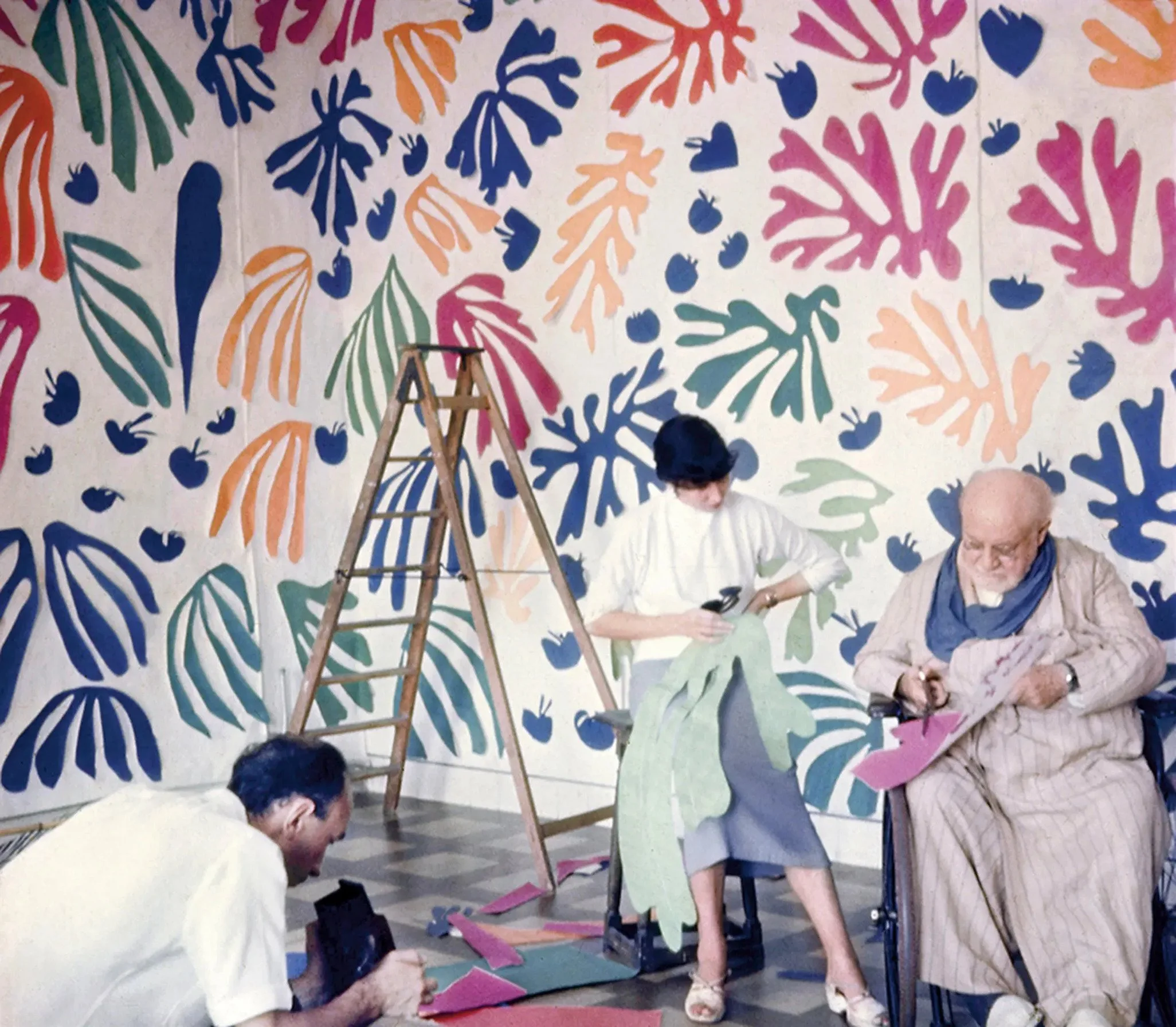
Matisse Cut Out
In the studio with assistants
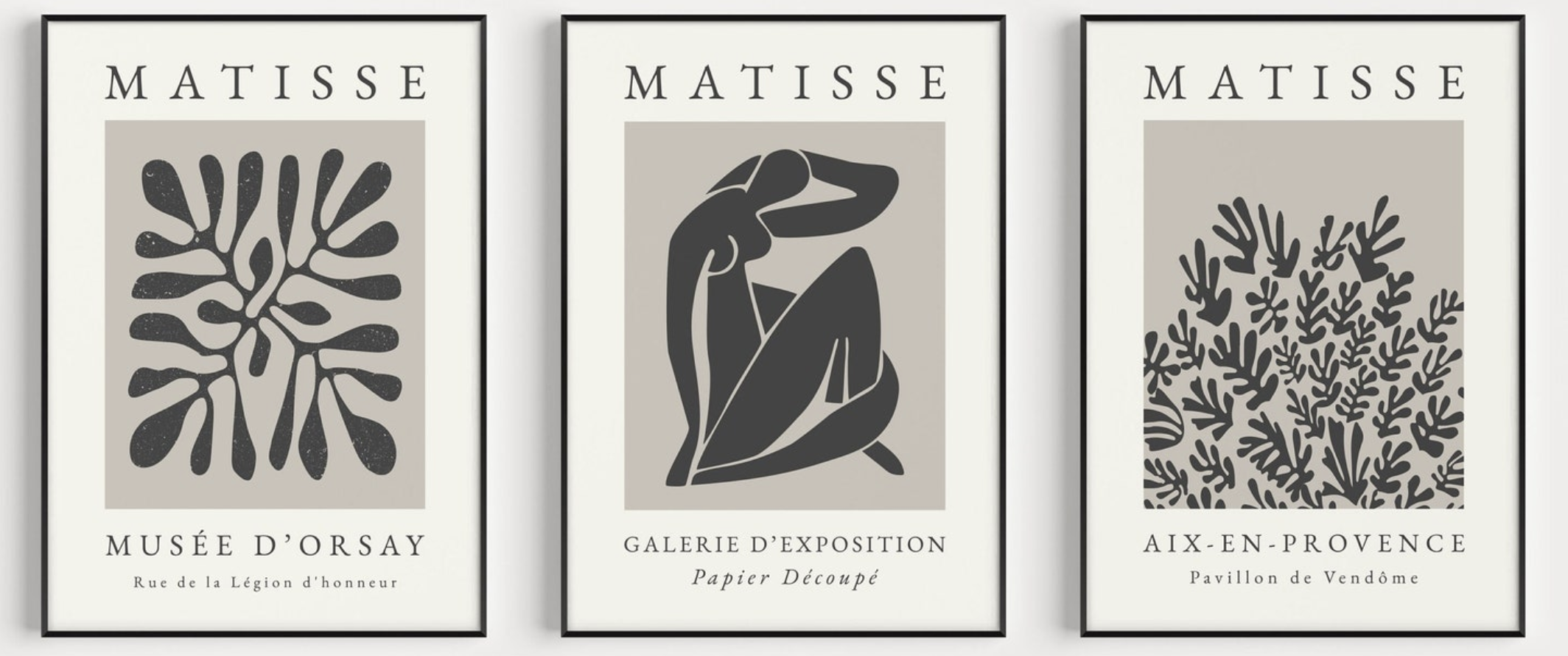
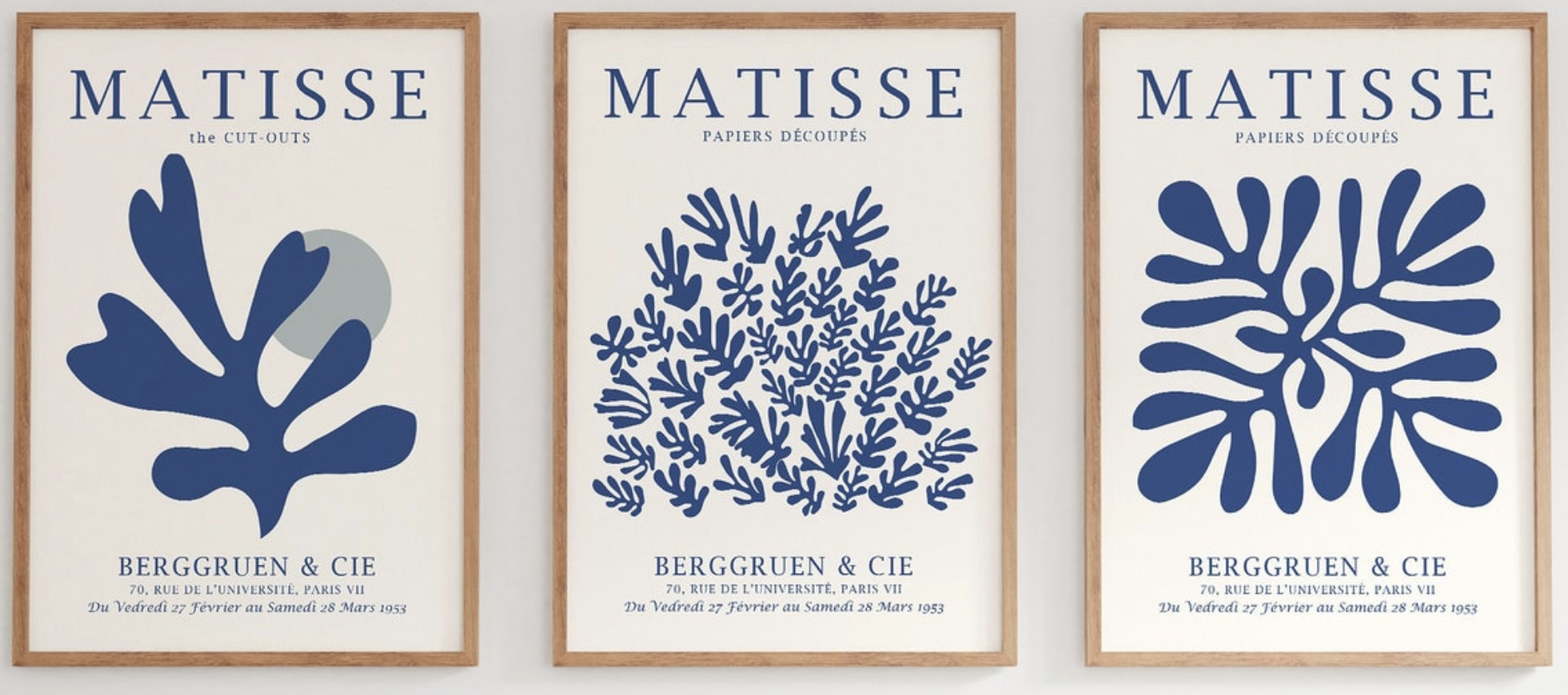
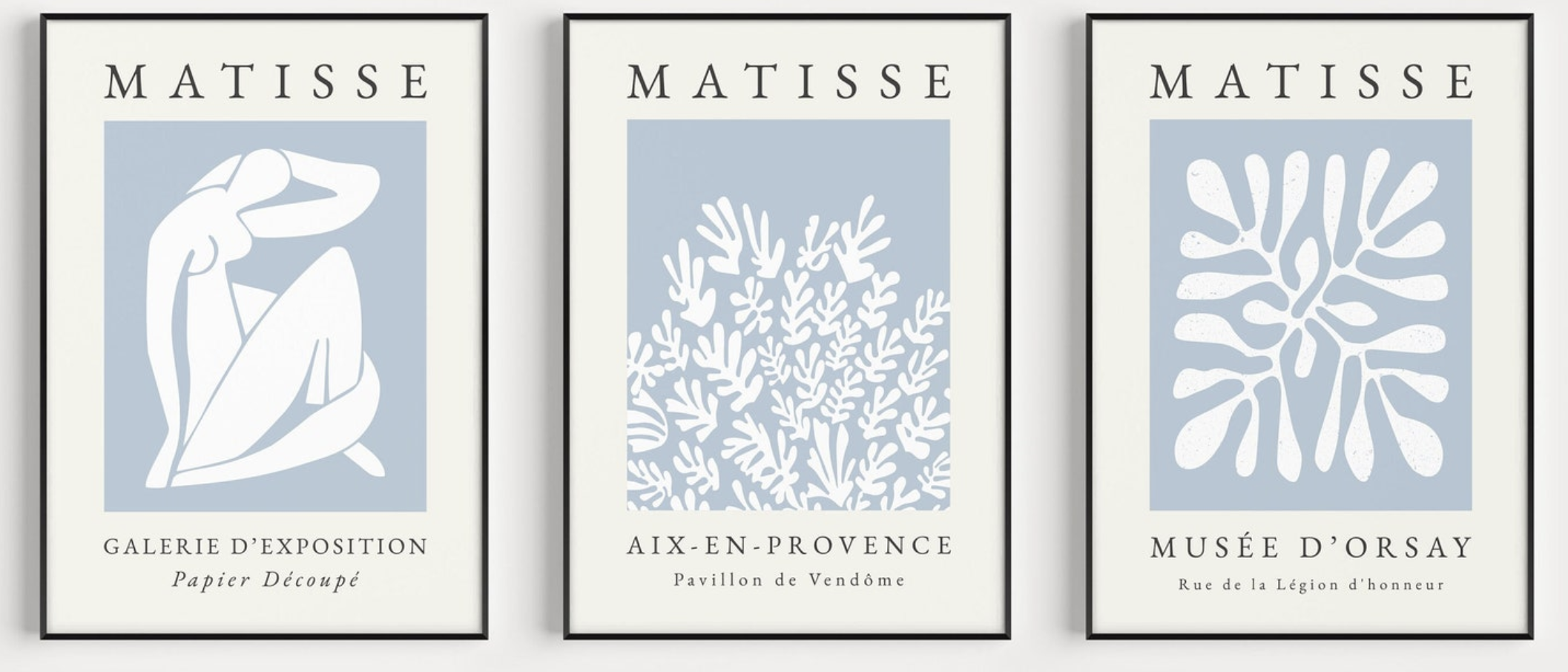
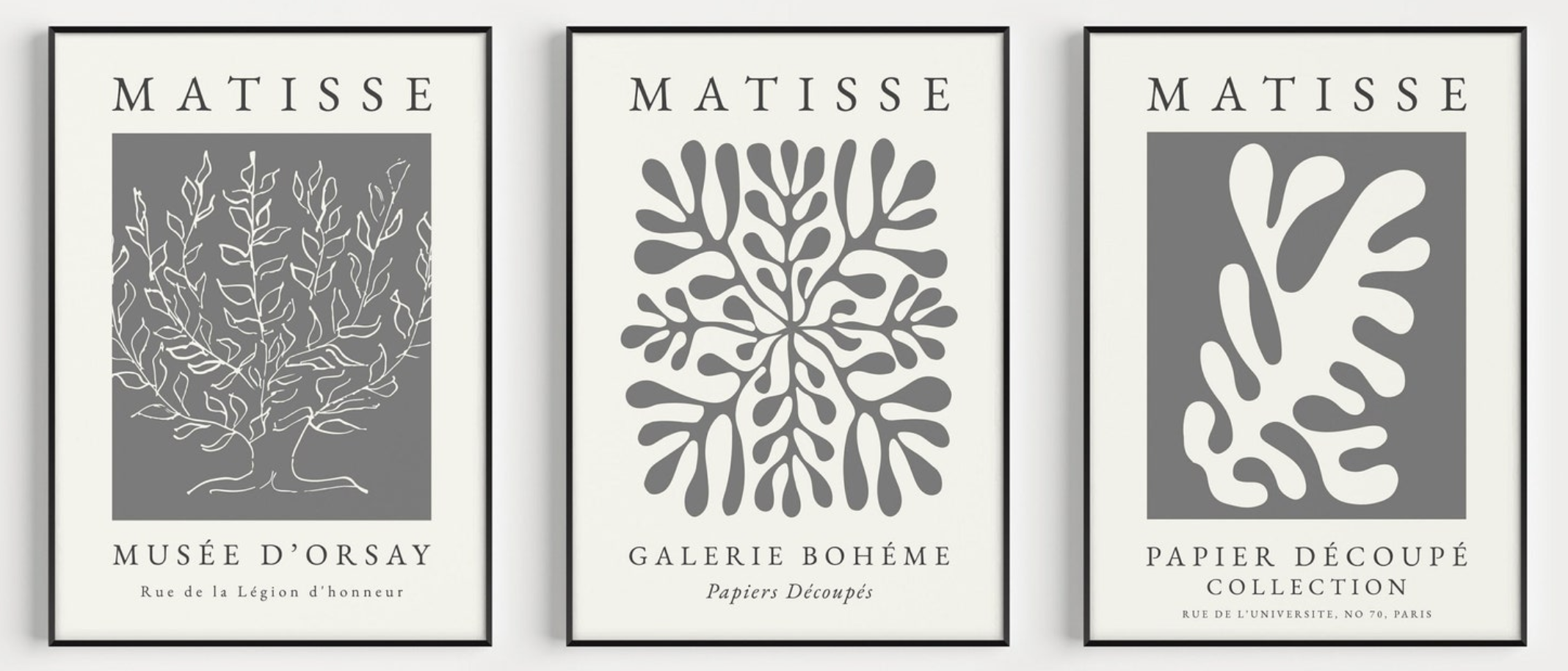
I’ve been thinking about how graphic designers have worked with Matisse’s imagery over time, especially in exhibition posters. In the early 1950s, the Paris gallery Berggruen & Cie produced posters for Matisse’s papiers découpés that paired a single cut-out image with an understated typographic layout.

An example of what I am interested in. The centered cut-out and the anonymous designers hand.
What holds my attention isn’t only the image itself, but the structure around it, the centered composition, the open space, the capitalized serif type. It feels measured and confident without being showy. Over time it became a kind of template, reused and reinterpreted by later designers who swapped in different cut-out forms.
The text in these posters is straight forward enough. It represents the artist and the series of works at the top, then the gallery and info associated with the gallery below.
Emperor Stamps:
I’m also fascinated by the Chinese tradition of emperors applying their mark to coveted art works. The painting below is an example showing dozens of seals that I suspect were added by dozens of nobels as it passed from one owner to another over centuries. I like how this information is part of an entirely different plane of conceptual reality than the picture itself.
‘Zhao Mengfu: Man Riding a Horse 1296’
Check out the dozens of stamps by different emperors over the centuries. This is such an amazing work of art.
Influence from my years in the Tech Industry:
To support myself after grad school, I spent some time working around databases. I like the ideas behind data collection and data normalization. (add more)
Indexing, What This Specific Language Means:
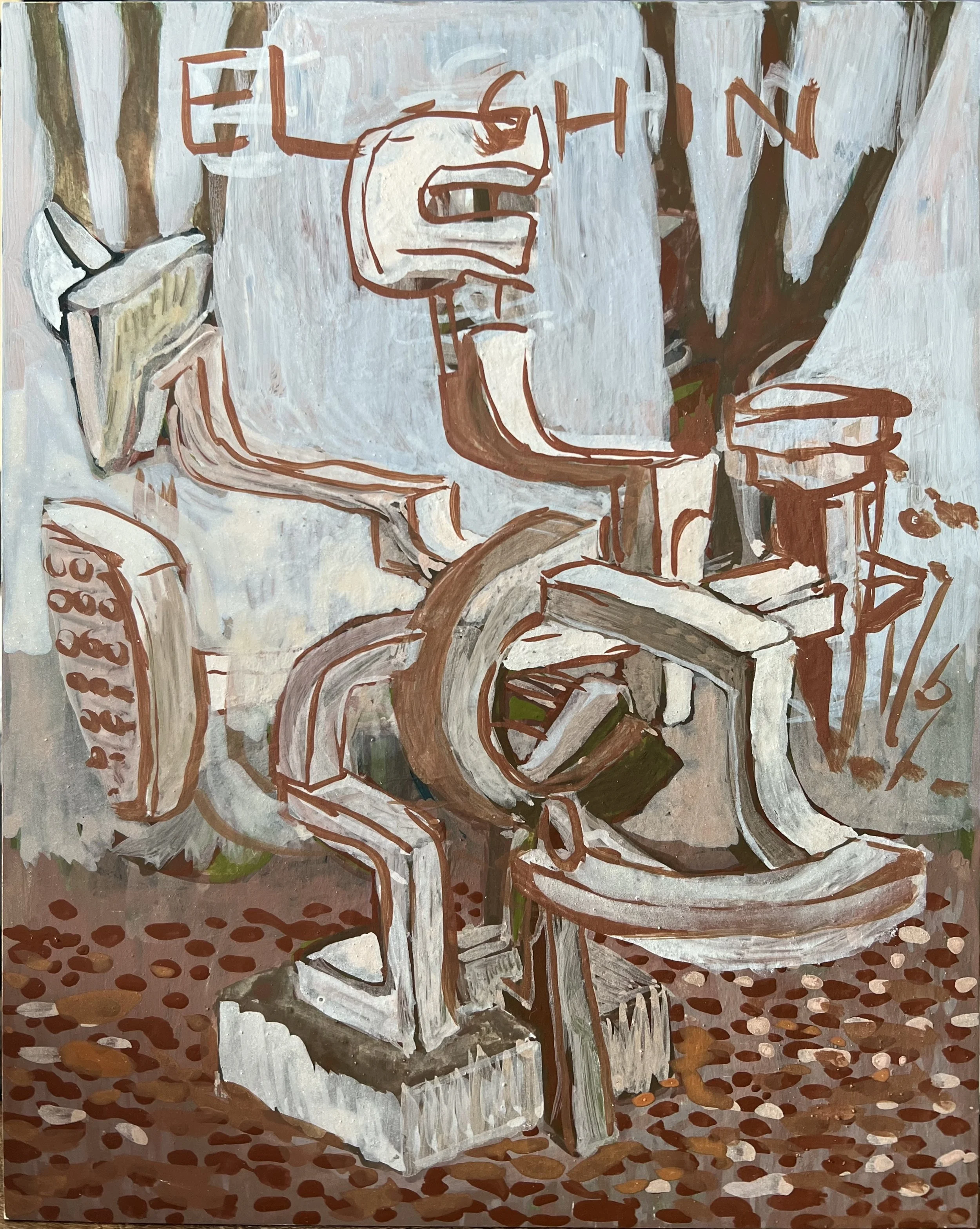
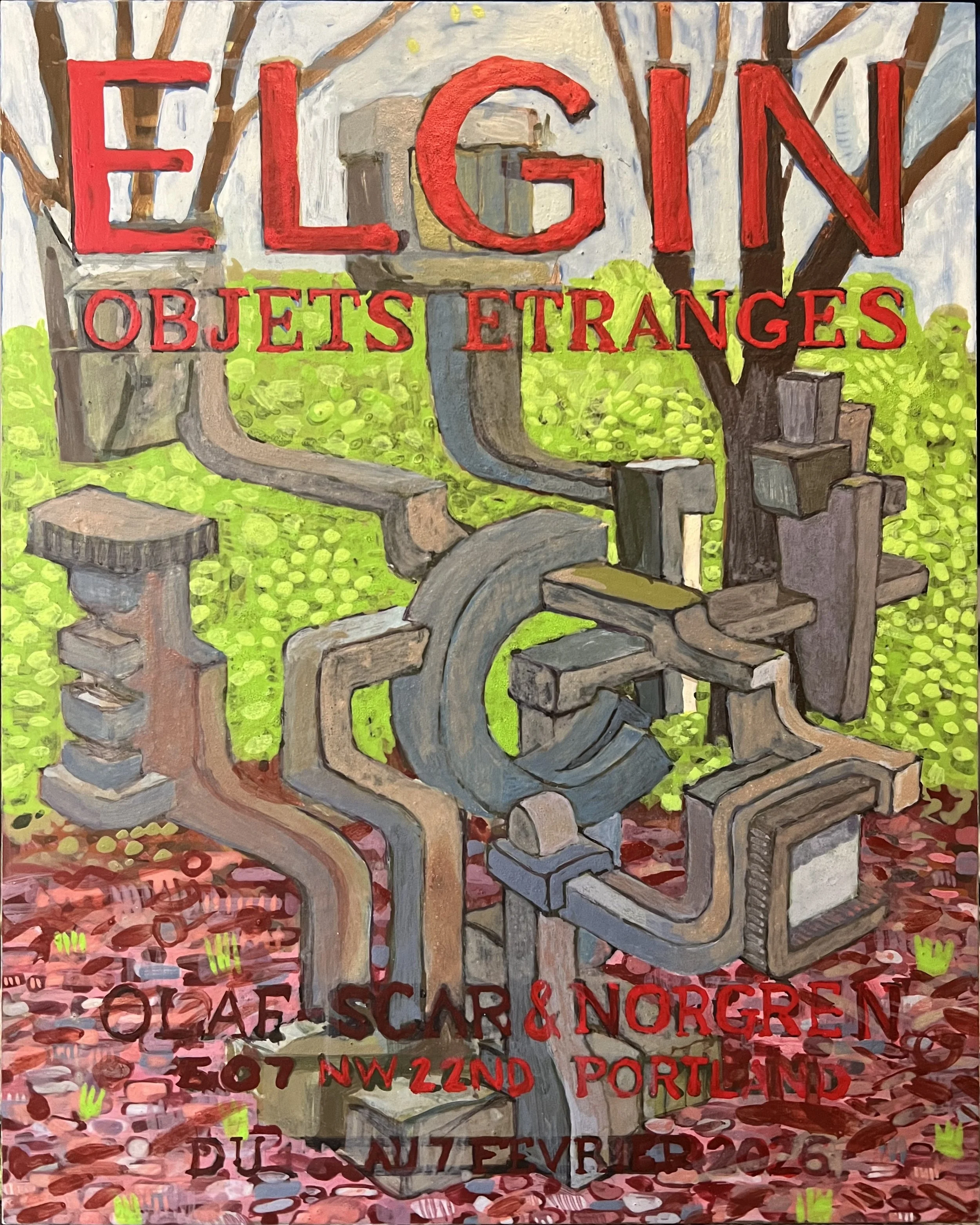
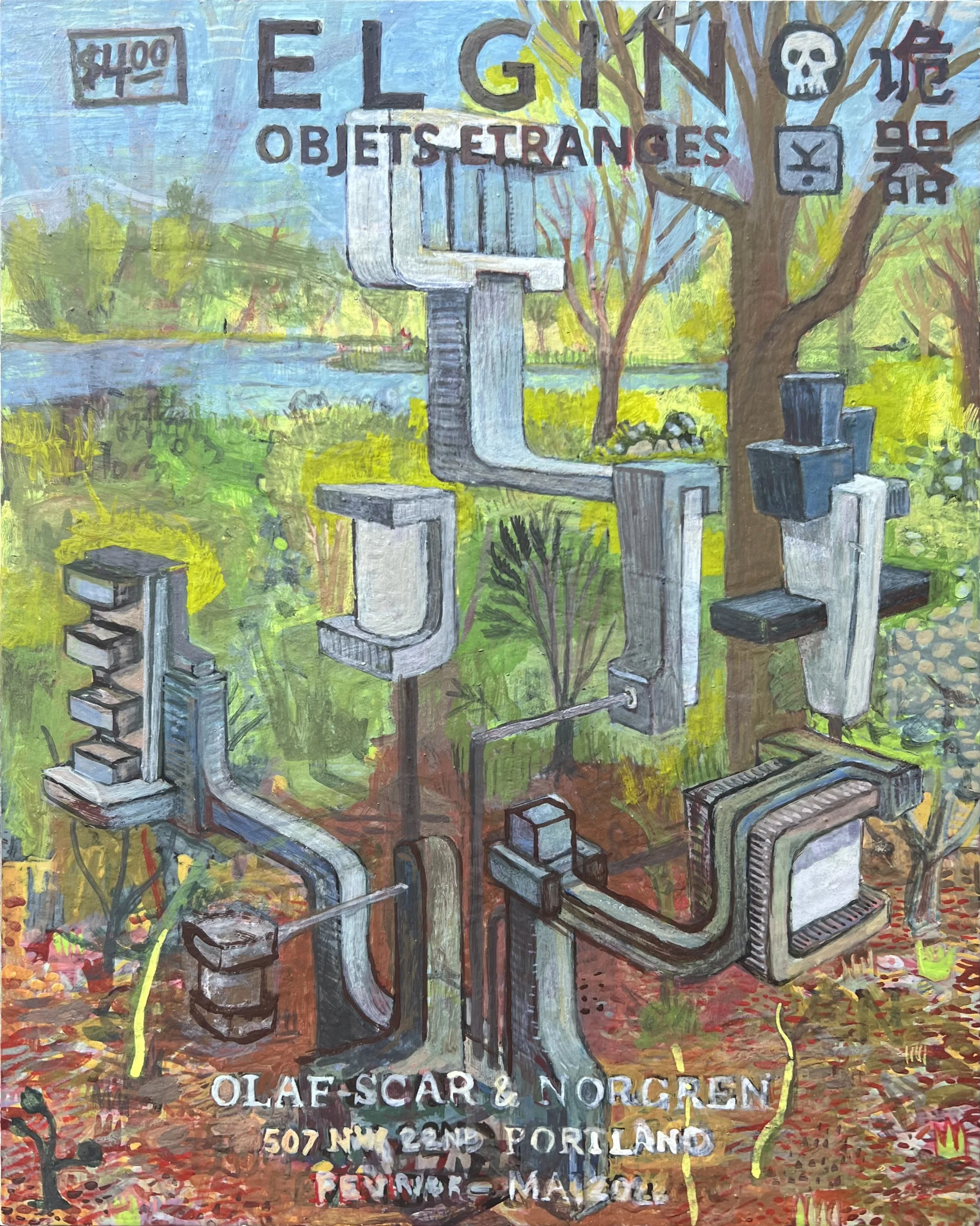
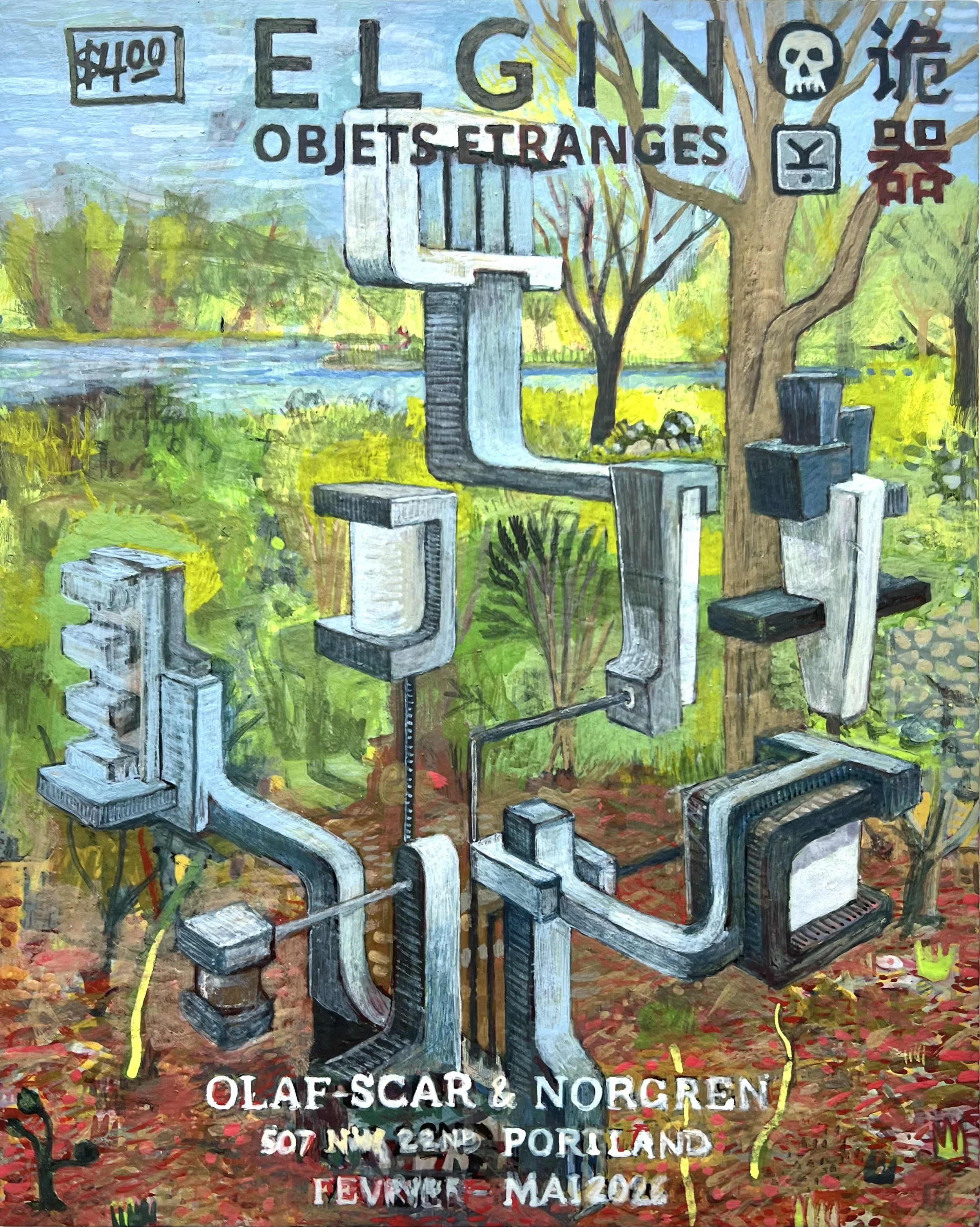
ELGIN functions as a brand marker.
.Objets Étranges acts as both the title of the piece and part of a broader series cataloging system.
诡器 acts as a warning label.
OLAF-SCAR & NORGREN operates as a fictional gallery space.
The Portland address functions as invented archival data tied to the work.
FÉVRIER – MAI 2026 are the months in which I was working on this piece.
Semiotics… I like the idea of symbols and how they contain meaning. They feel like they belong there to me. I don’t think they have any strong meanings yet.
What are maquettes and why they are cool:
Why Sculpture Gardens are the Best:
Emerging Pantheism:
I’m trying to write out my ideas on what I think ‘god’ is in this post ‘Objets #1’.
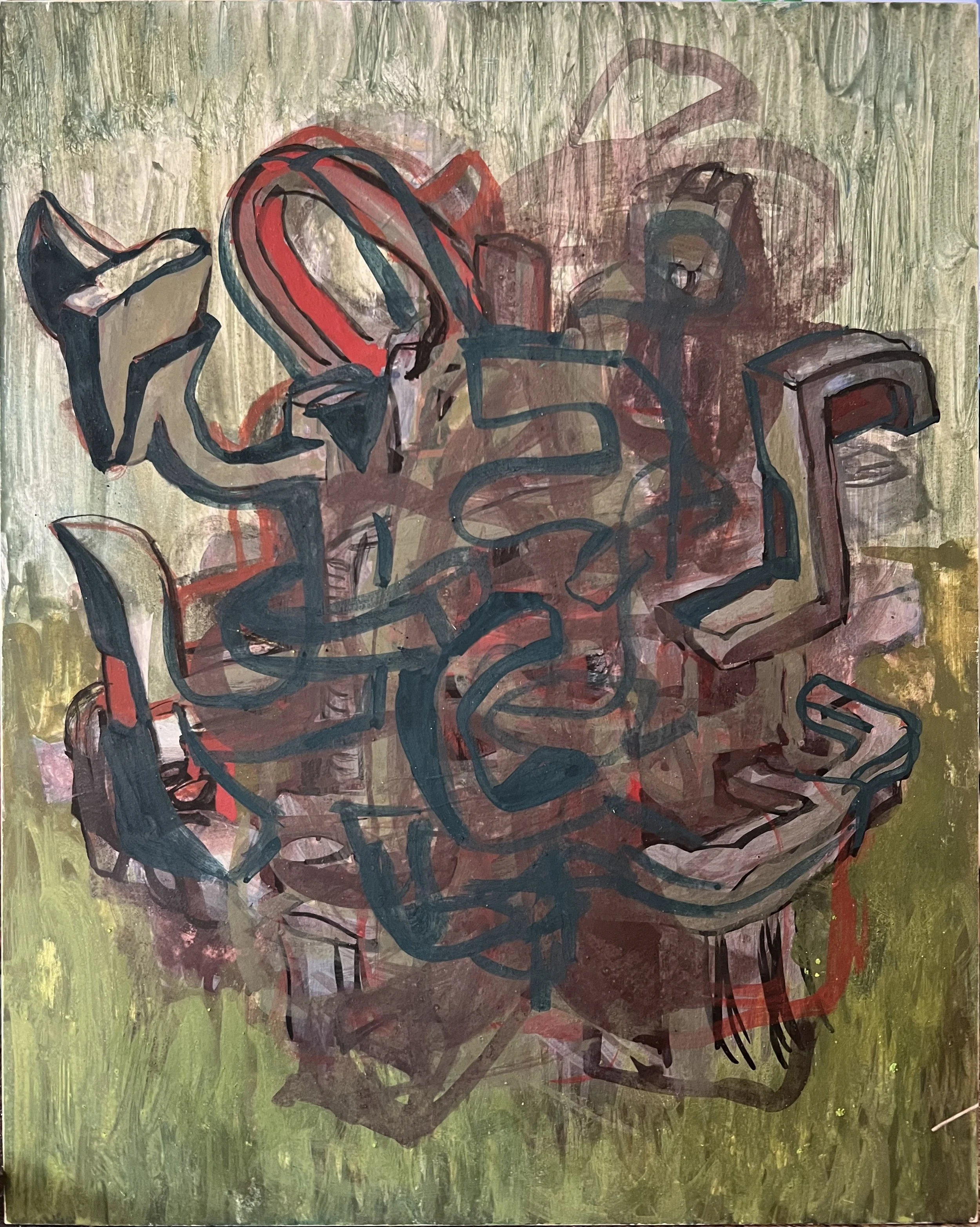
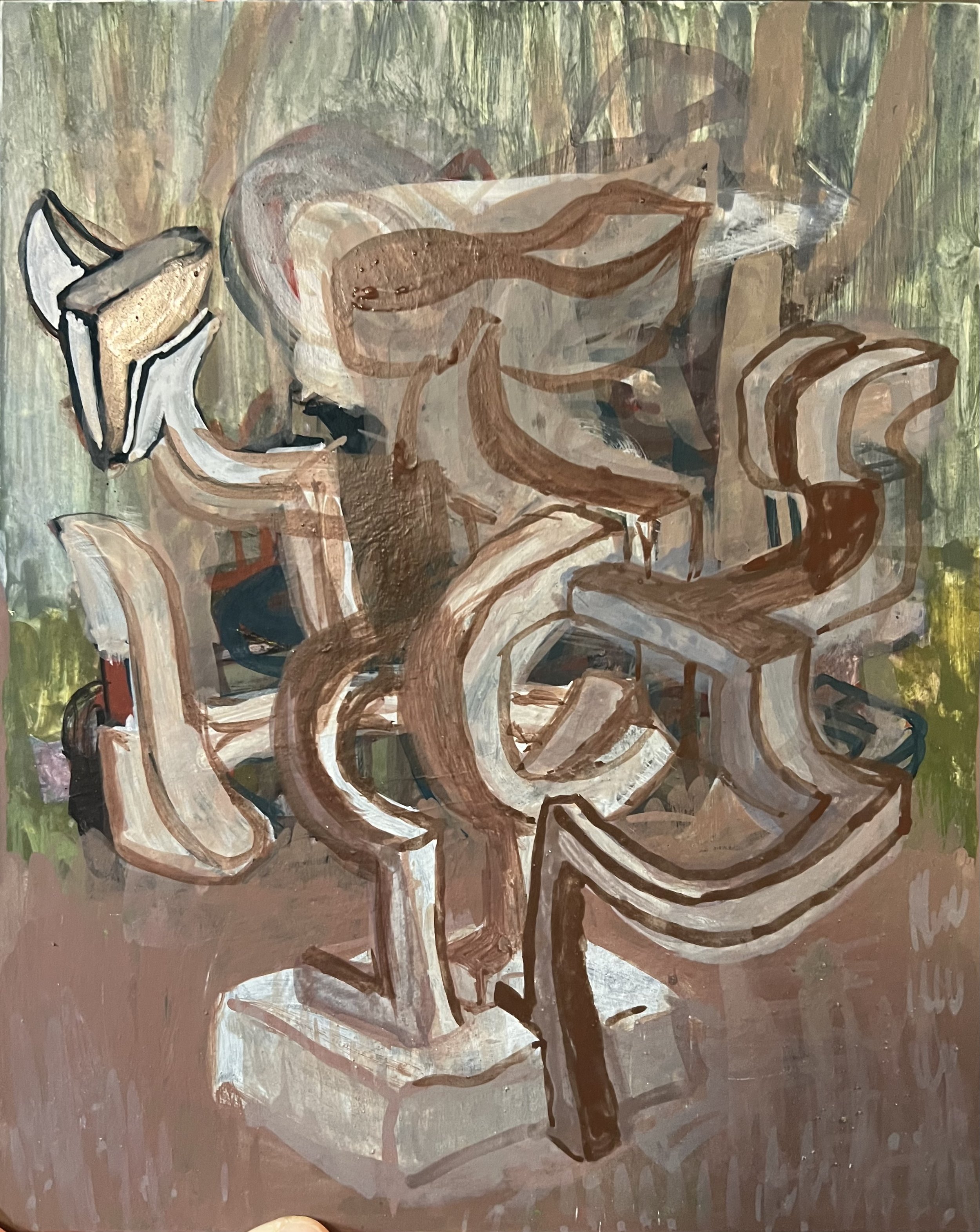
For me, these sculpture maquettes depict a landscape of the future. A future after the birth of a planetary consciousness and after humanity has evolved into something new.
I imagine these forms as part of a sculpture garden created by a newly emerged god attempting to understand its human origins. The work occupies an ambiguous space between archaeology, religion, science fiction, and landscape painting.
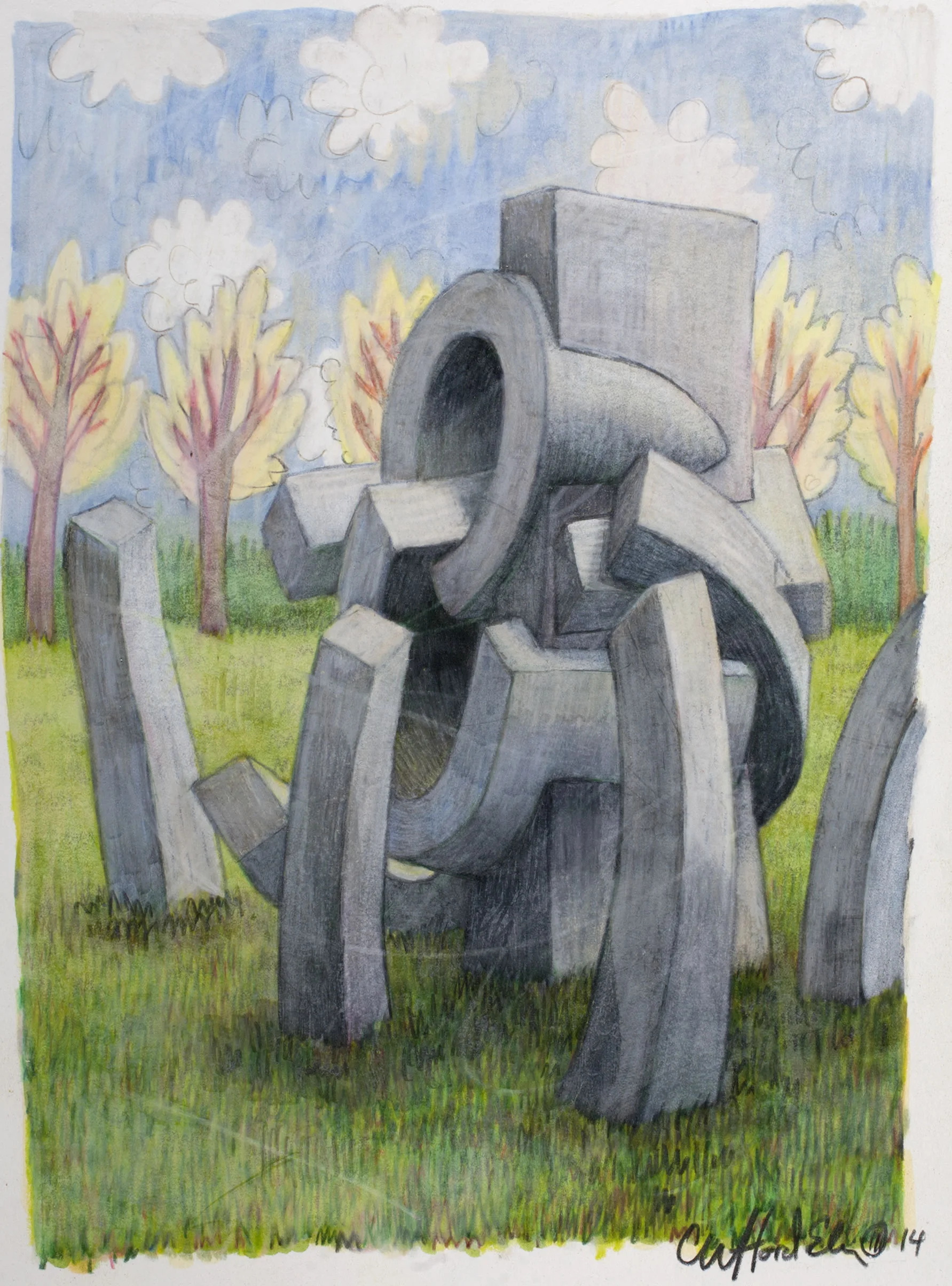
I am striving to have my work refer to something else. Most often a fictional sculpture or painting.
A while back I did a series of illustrated maquettes. I thought of these as a good crutch to help investigate imagined landscapes.
I’m interested in creating fictional fauna that may have been mutated by the AI god. This is an English country garden manicured and sculpted by god.
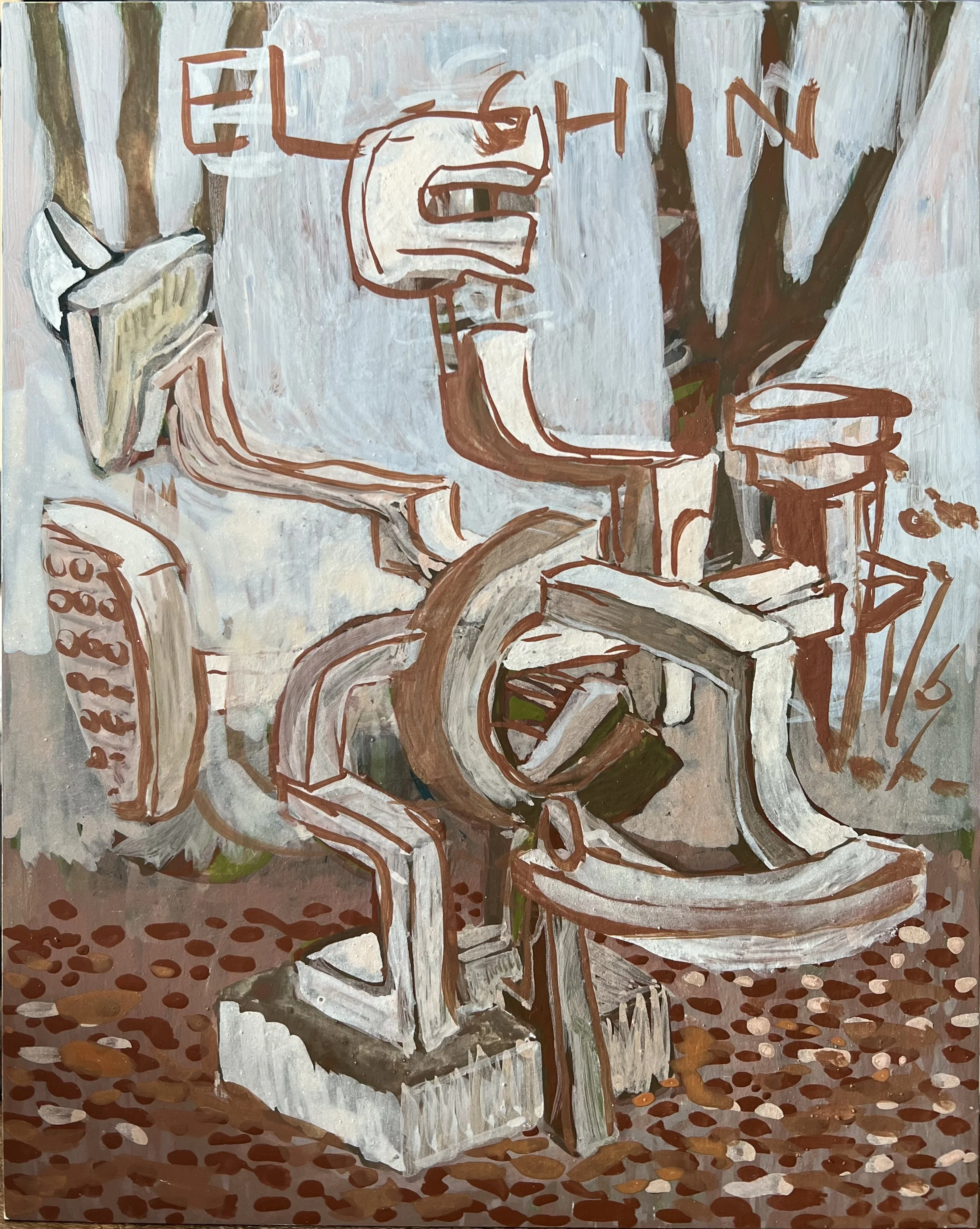
I kind of like a piece when its at this stage.
Humanity:
Tradition of Maquettes:
What are Maquettes?
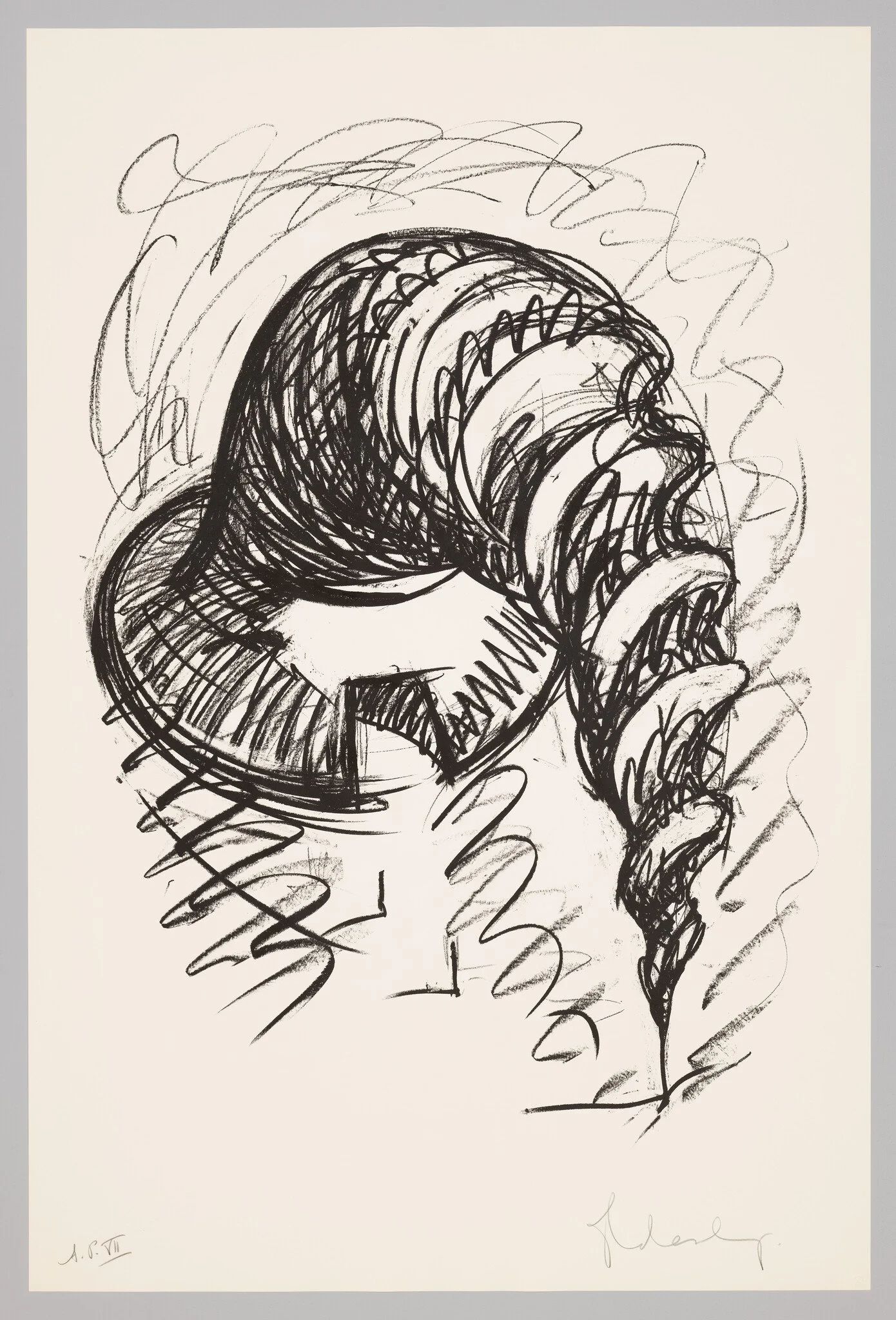
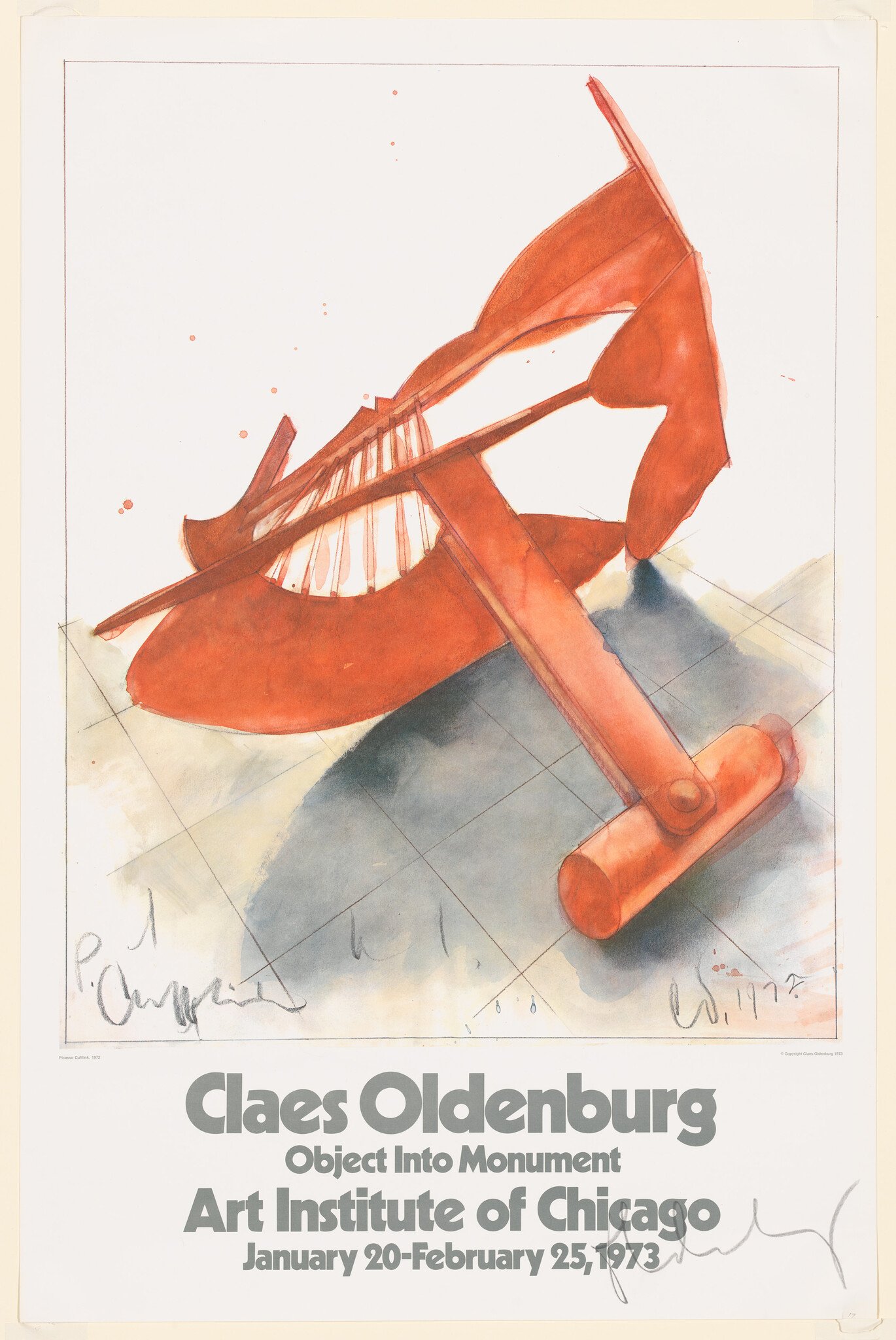
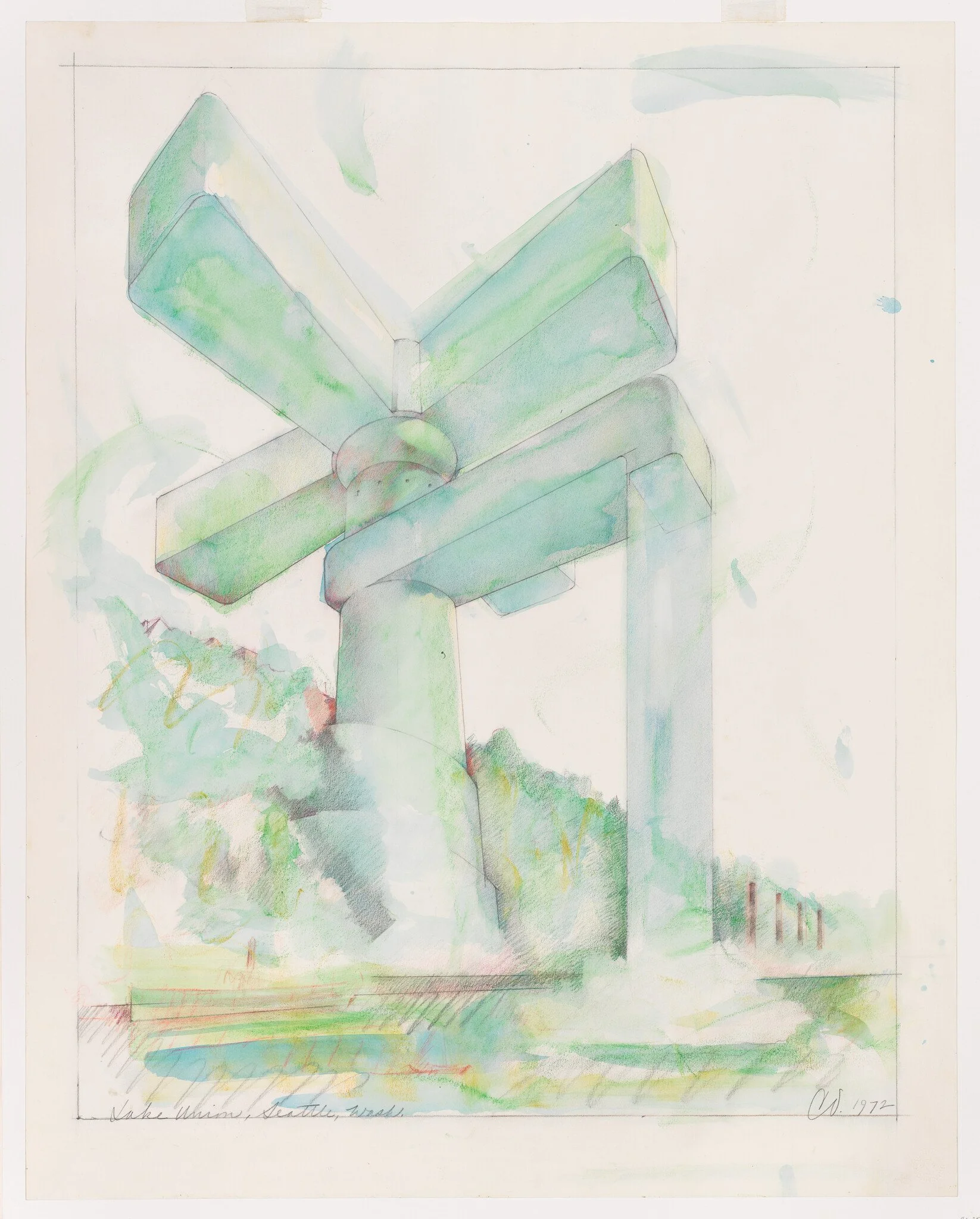
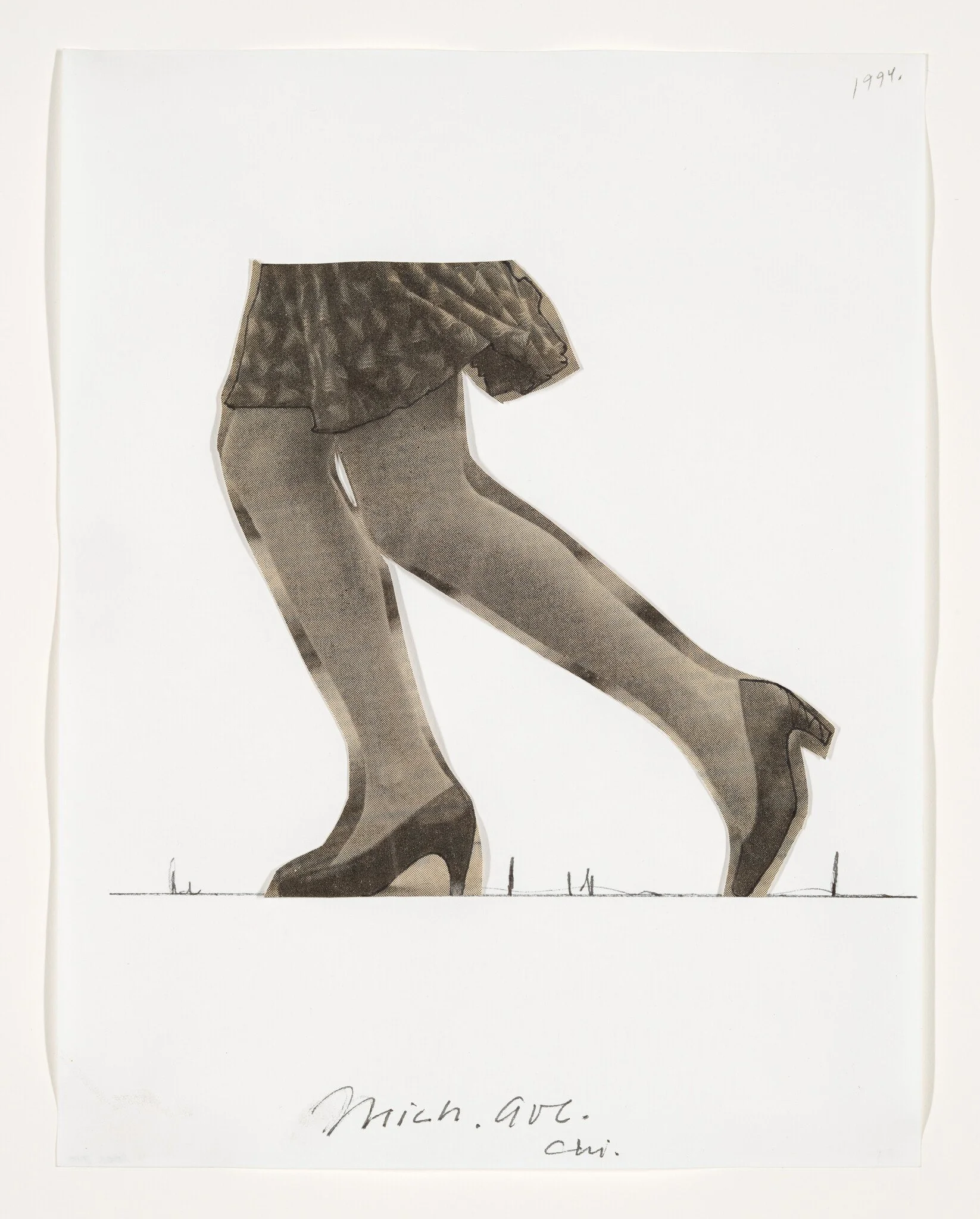
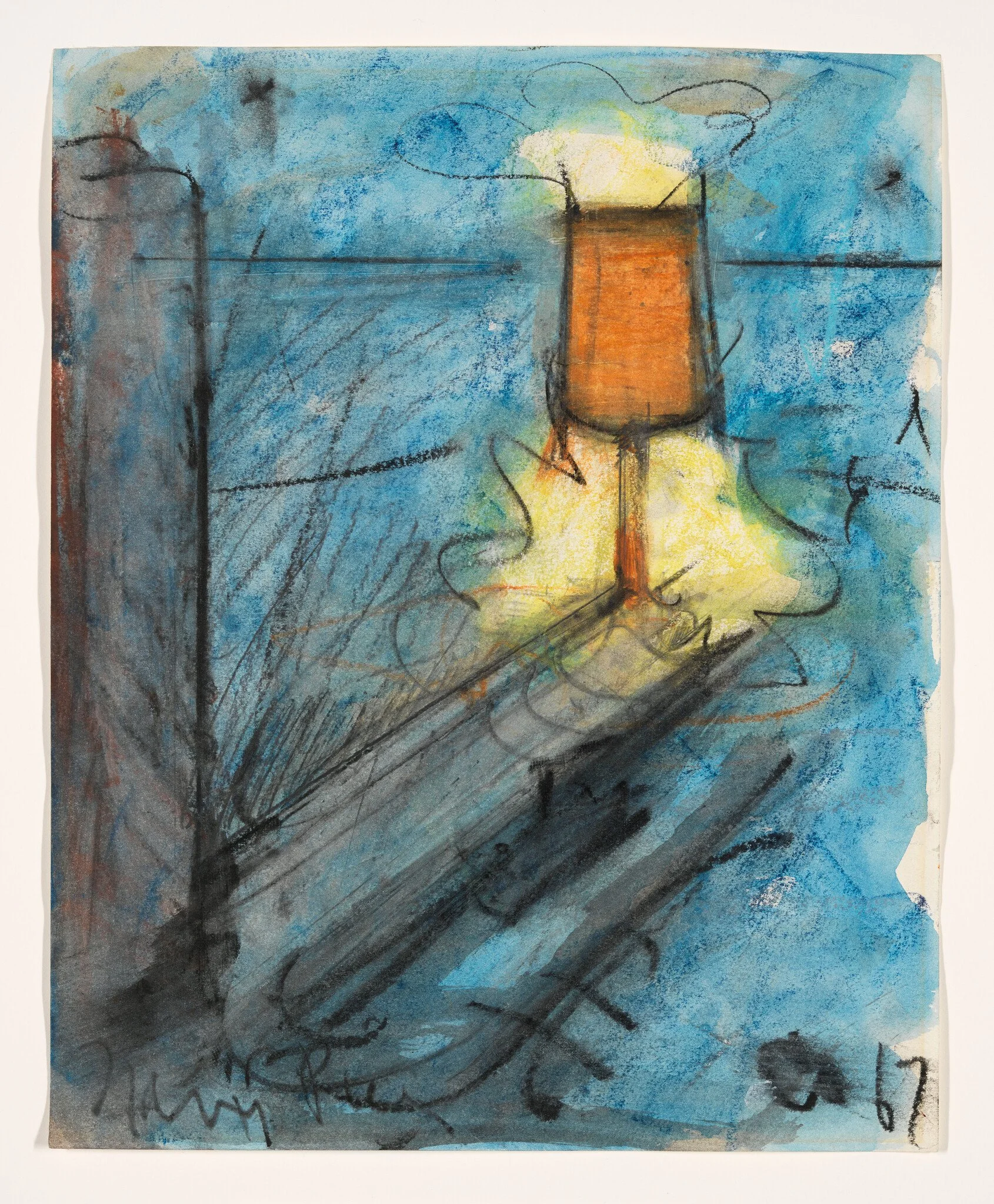
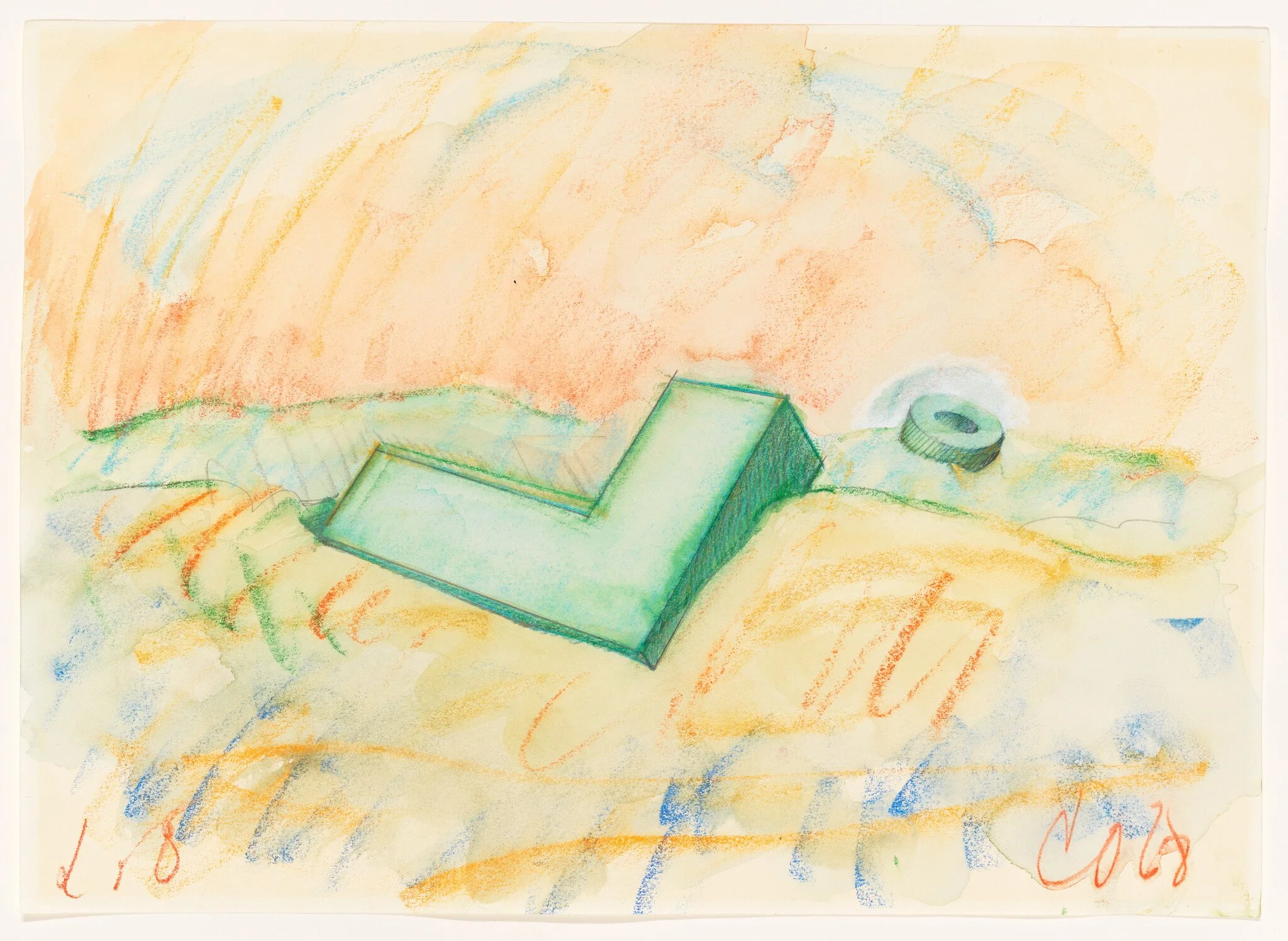
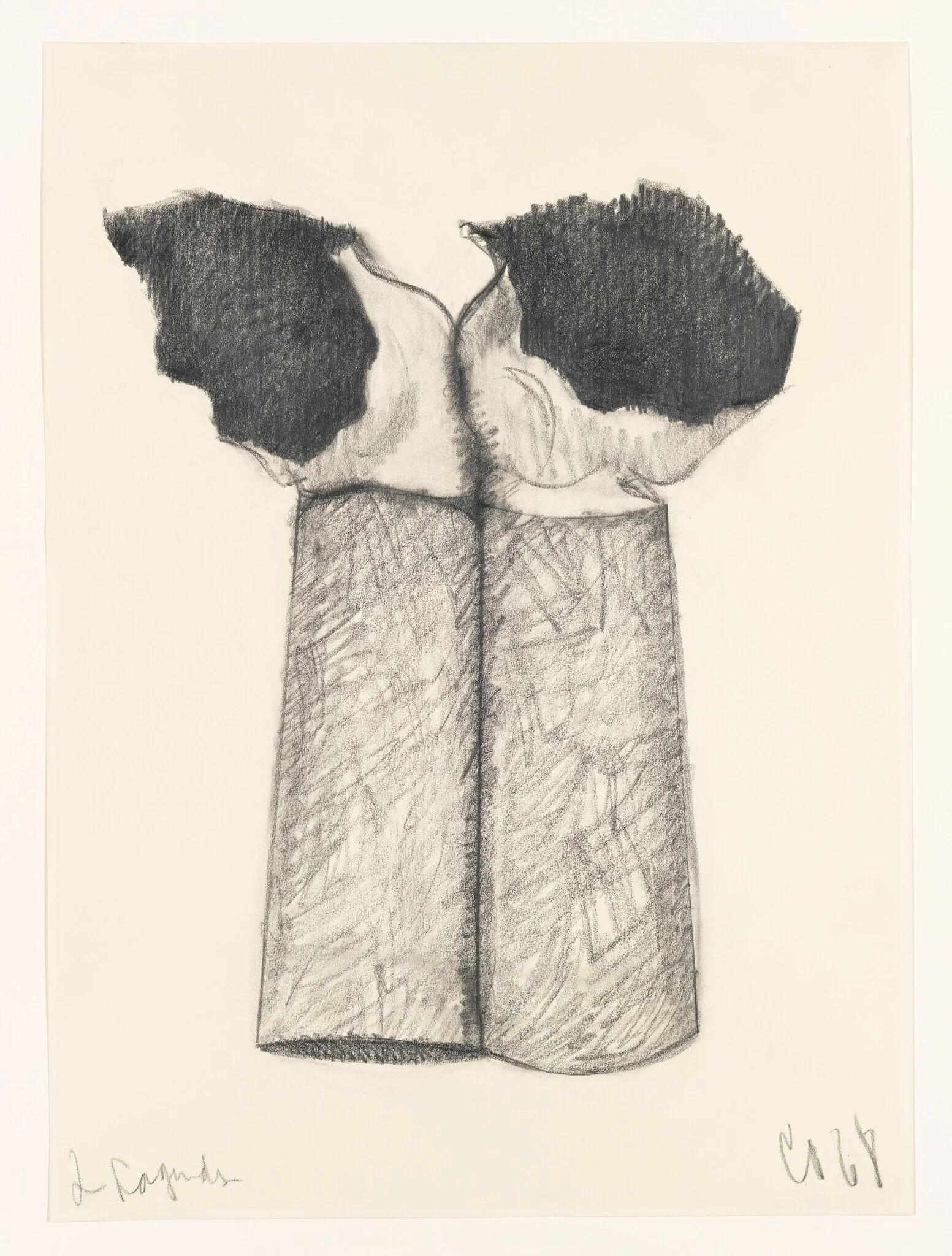
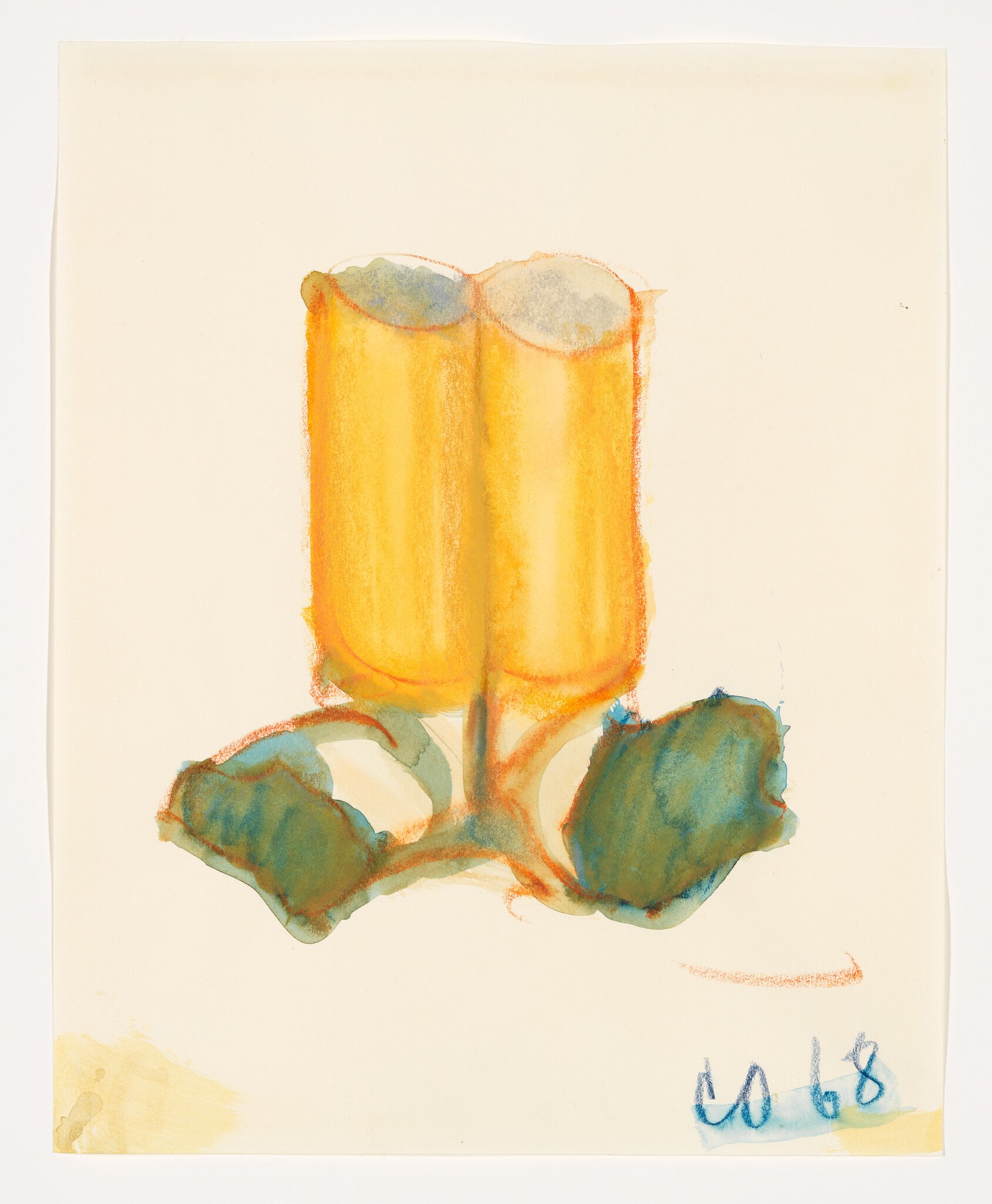
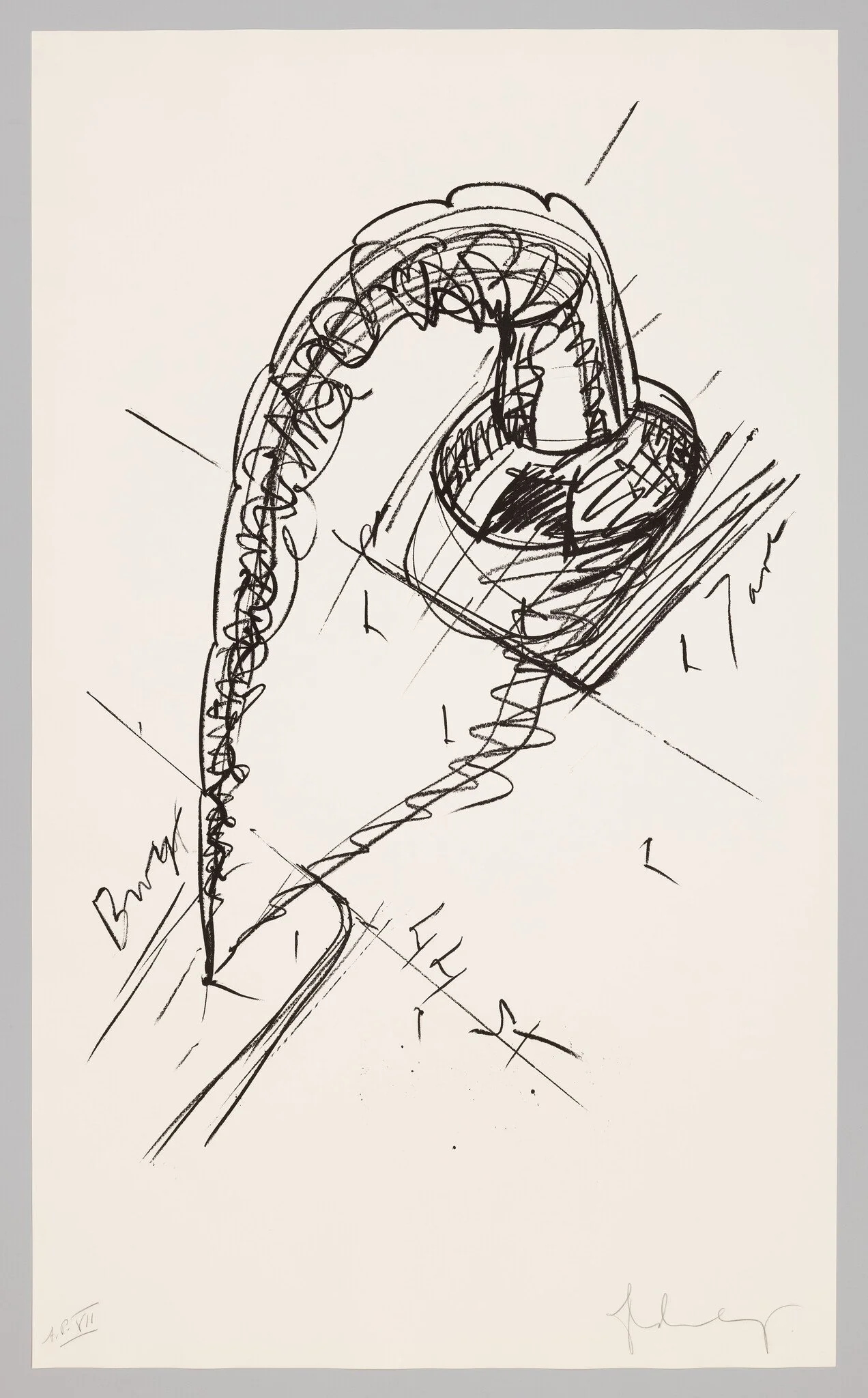
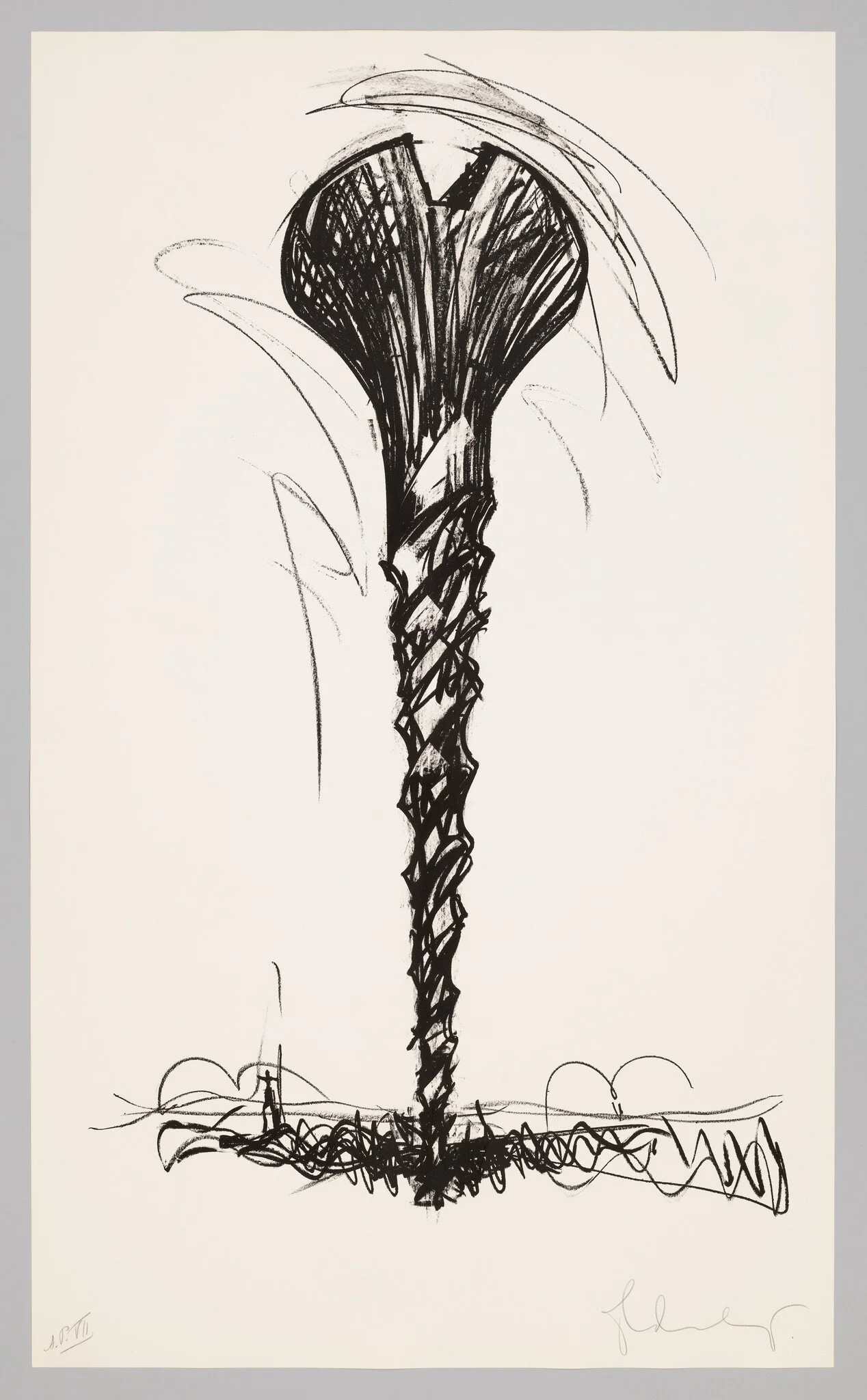
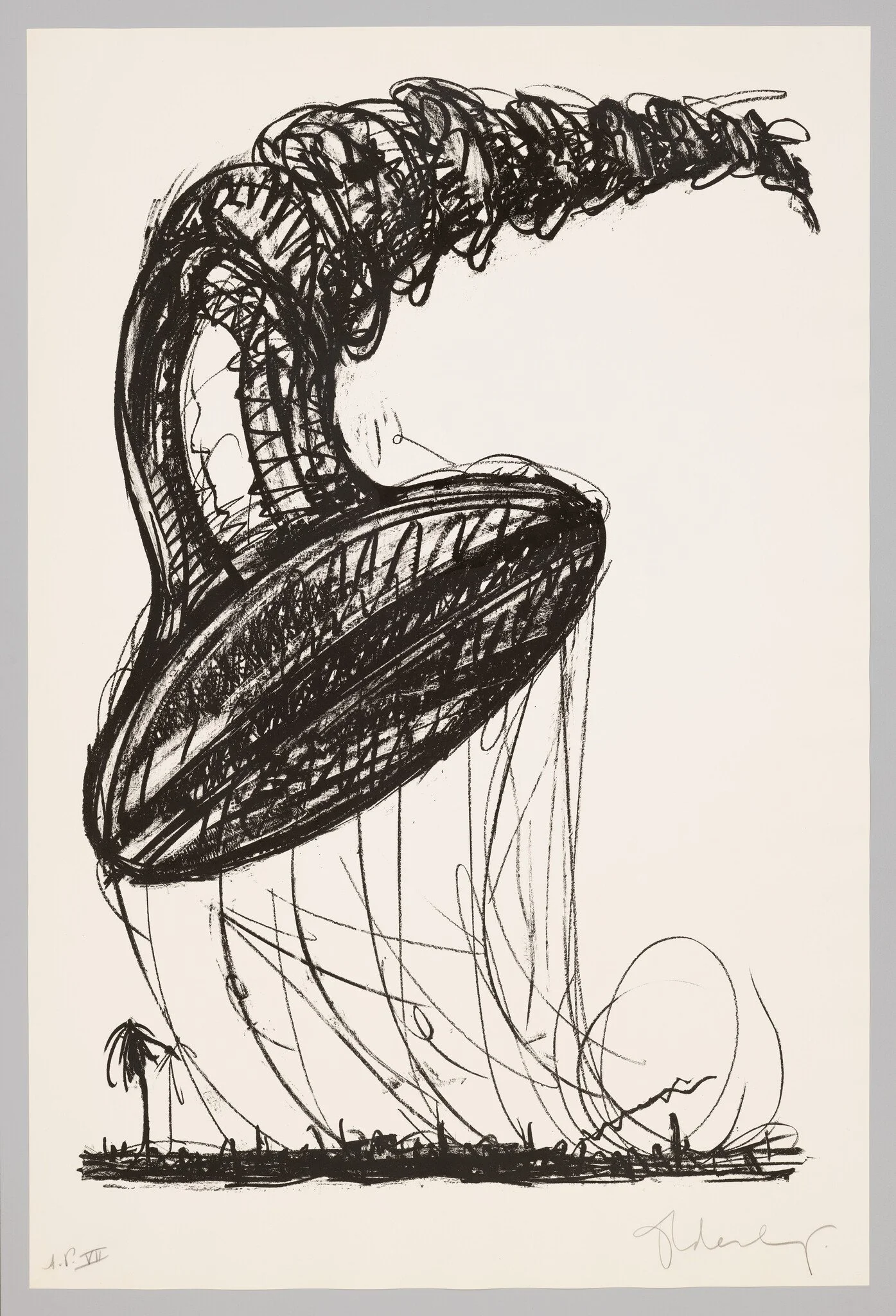
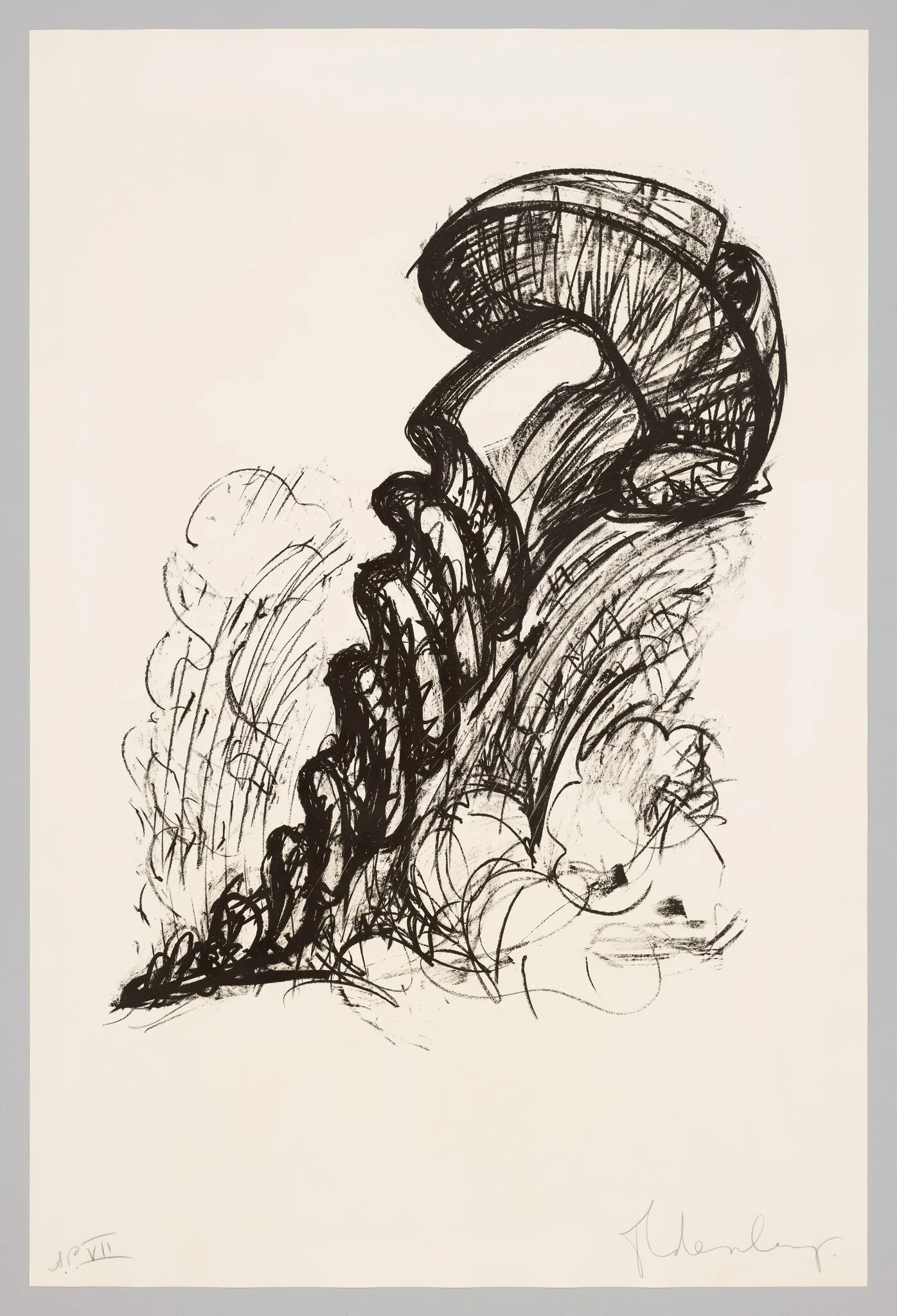
I remember trying to understand the art of Claus Oldenberg a while back. I’m not going to critique his sculptures here. I was confused as to why people liked what he did. So I went to the bookstore (which is how you found out about art before the internet), and found this book by Oldenberg on his mock designs for proposed sculptures. I thought his drawings were powerful. In conjunction with the knowledge I had of the work that he had completed in mind, the drawings became something more for me. Oldenberg had a great style that allowed him to both quickly sketch out an idea while at the same time become a beautiful object unto itself.
Just a few of his ‘maquette’ drawings.
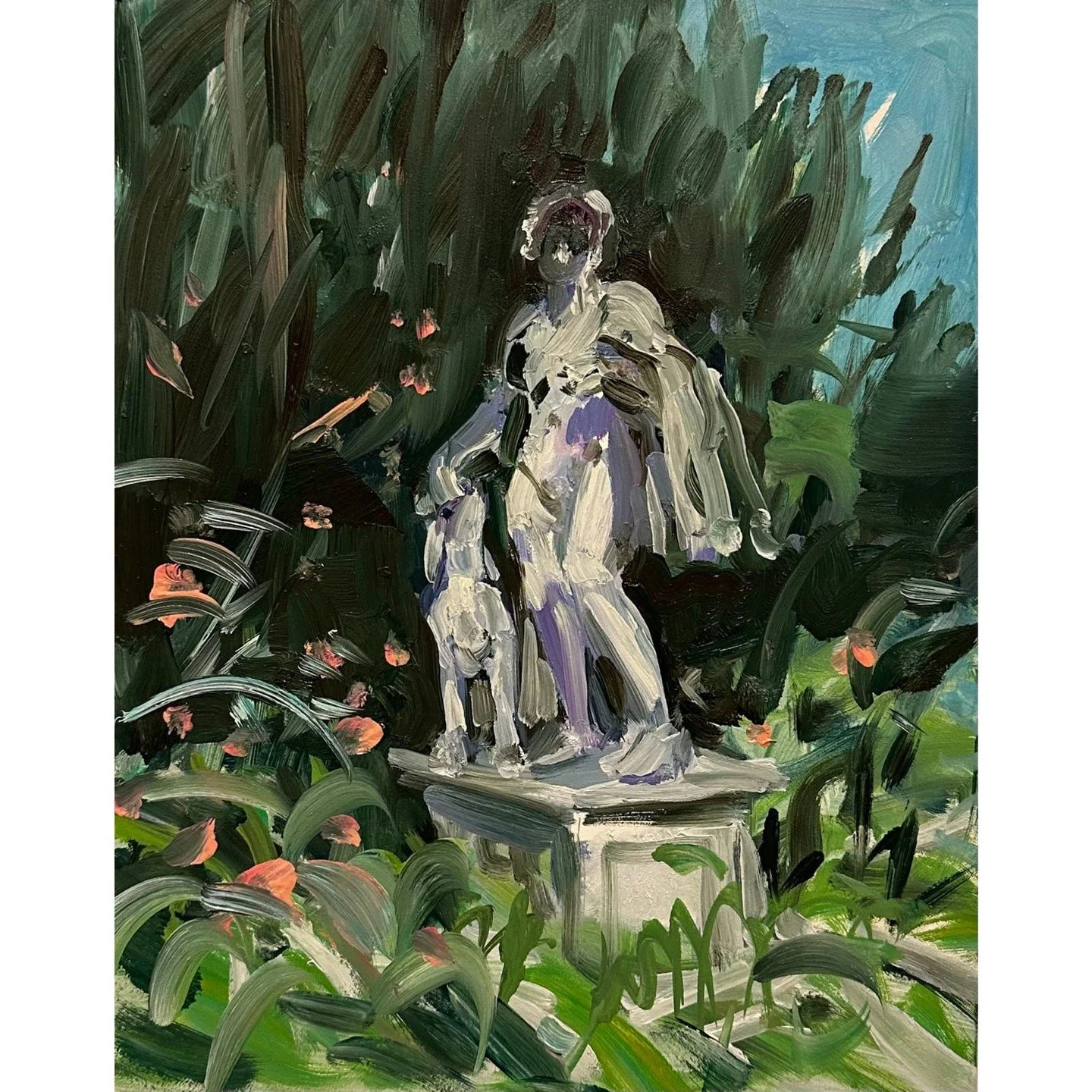
Deborah Brown - Apollo with Dog 2025
I came across this painting…
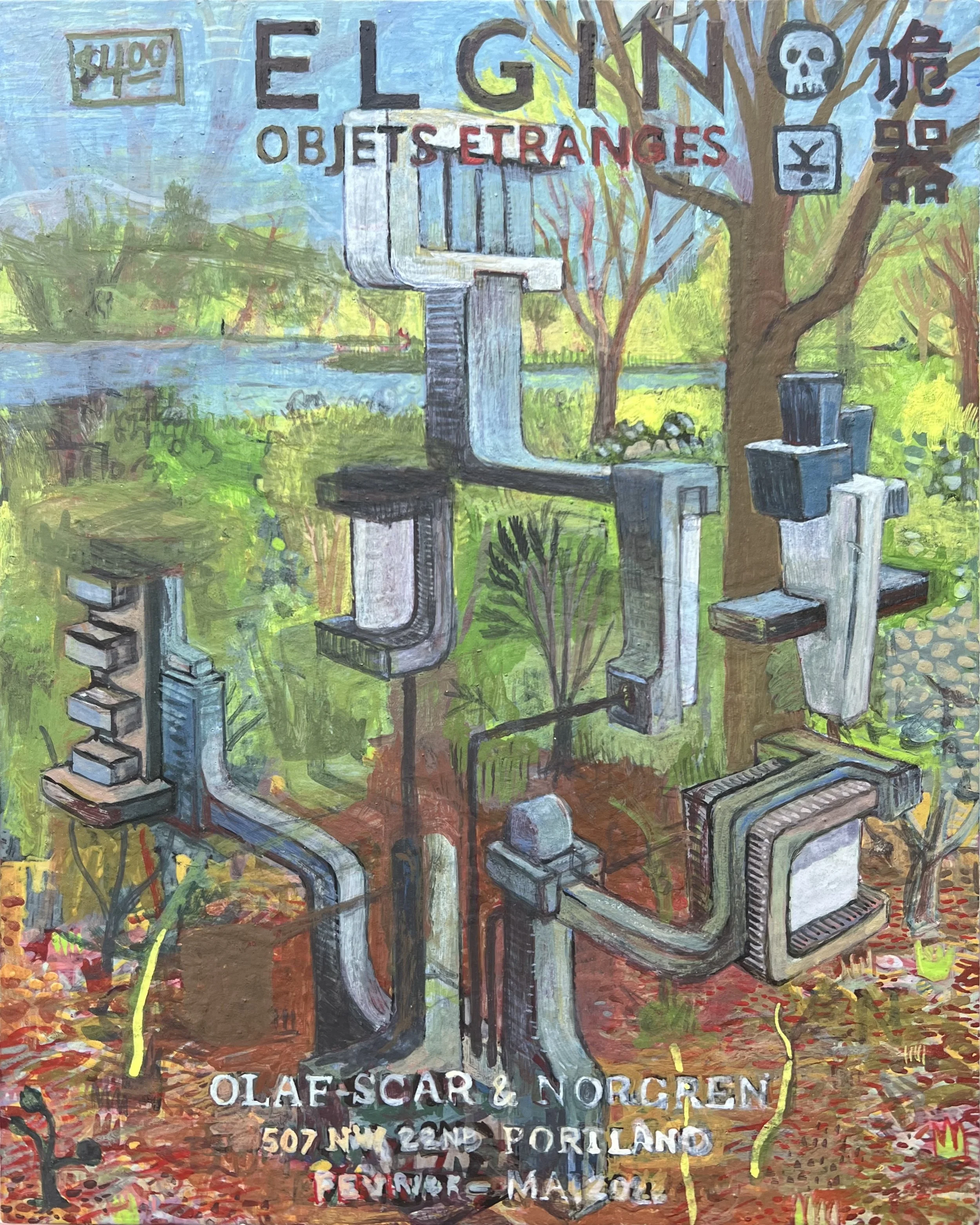
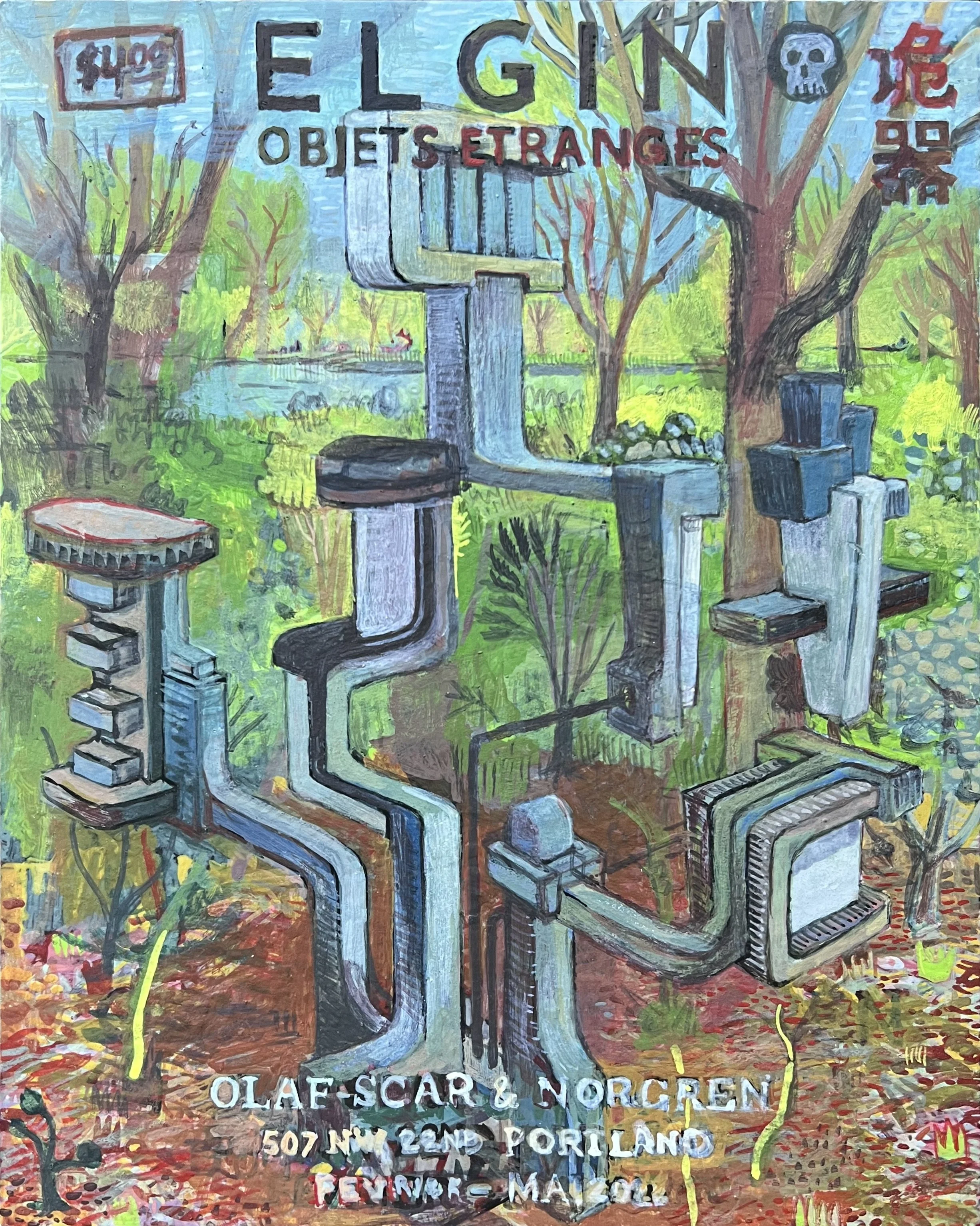
For the images below: I recommend clicking on one, then using the (forward/backward) buttons to scroll through them.
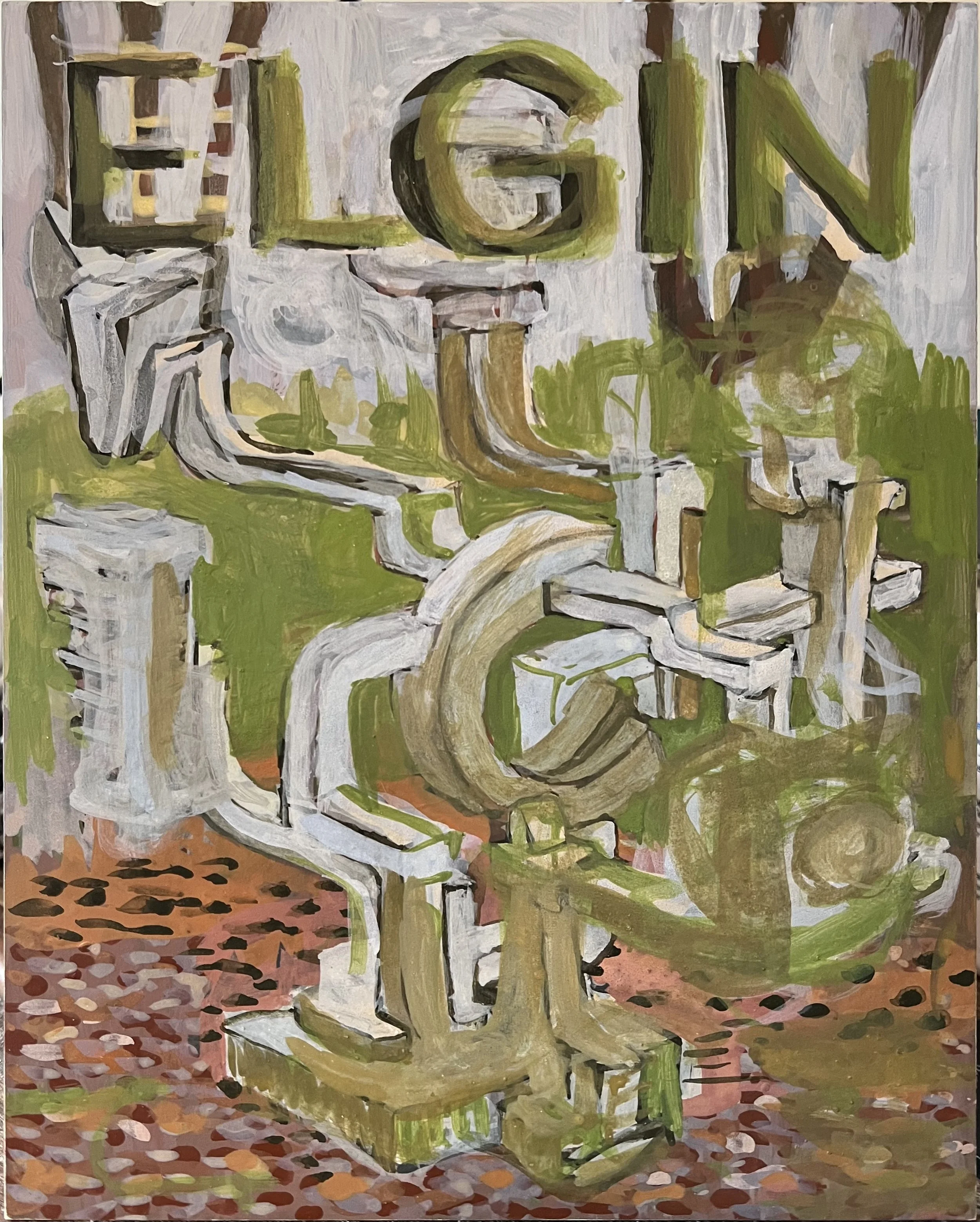
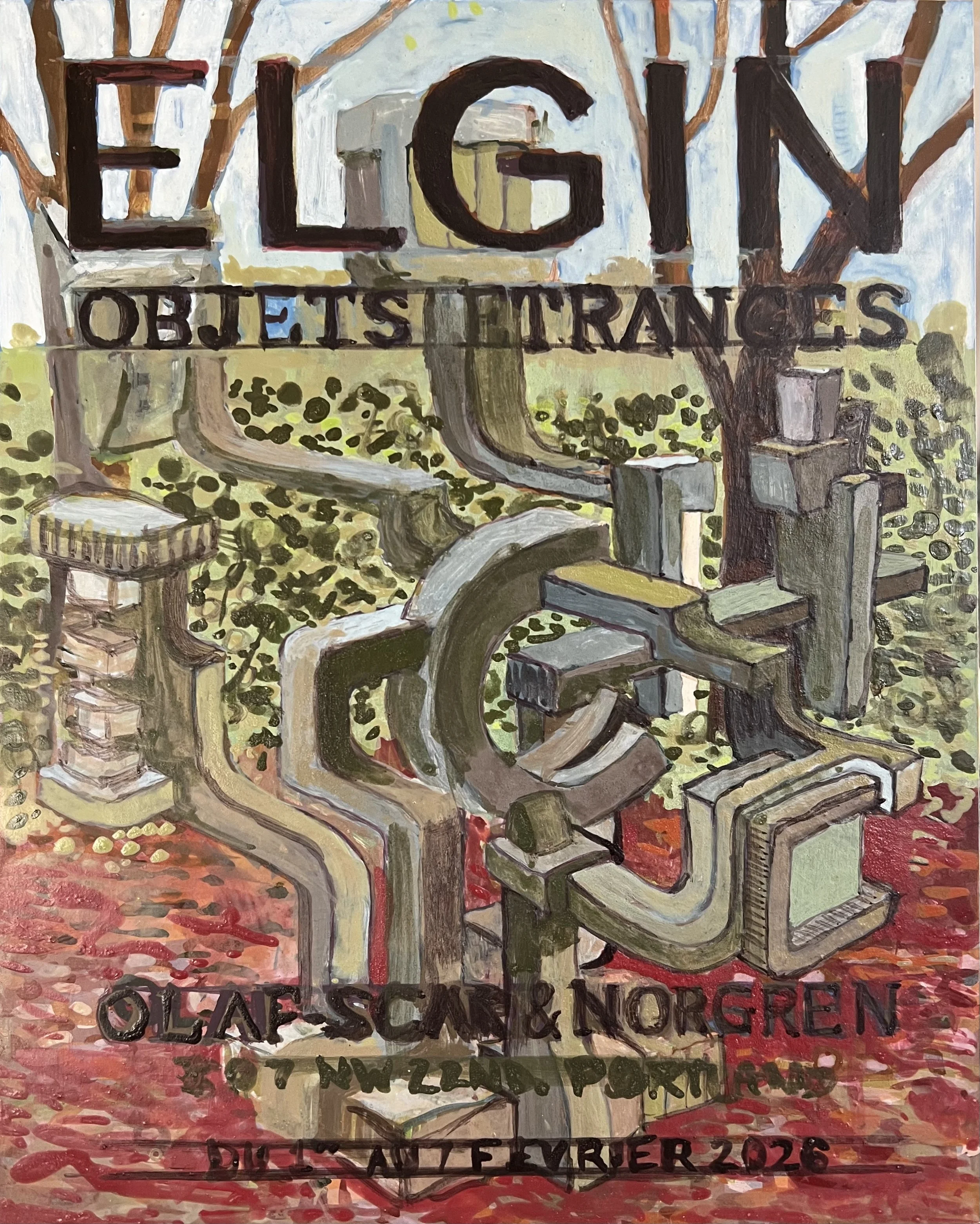
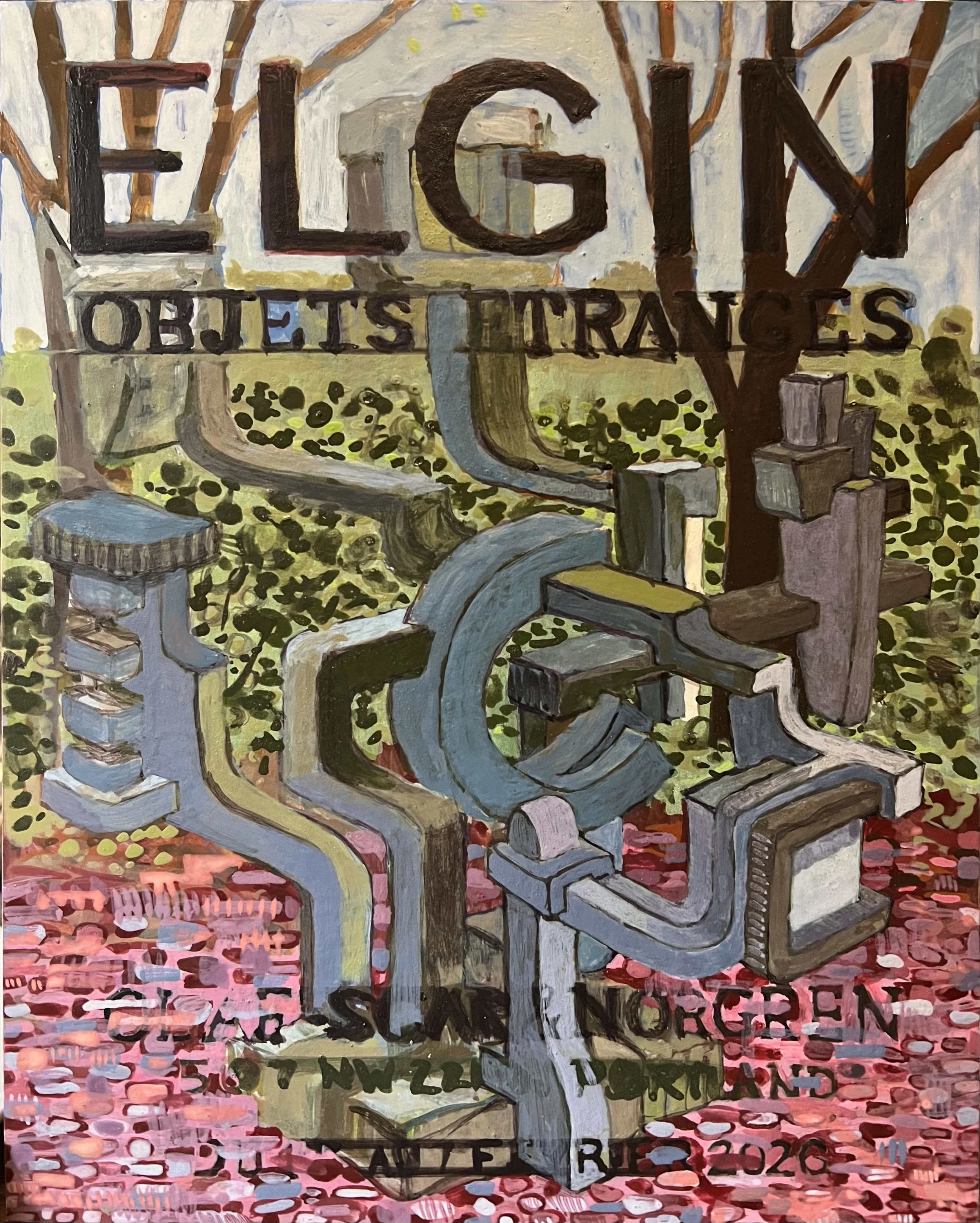
Inspiration, things I was thinking about:
I appreciated the way Isabella Ducrot talked about how the process of being an artist makes her feel. The embodiment of humanity at its best.
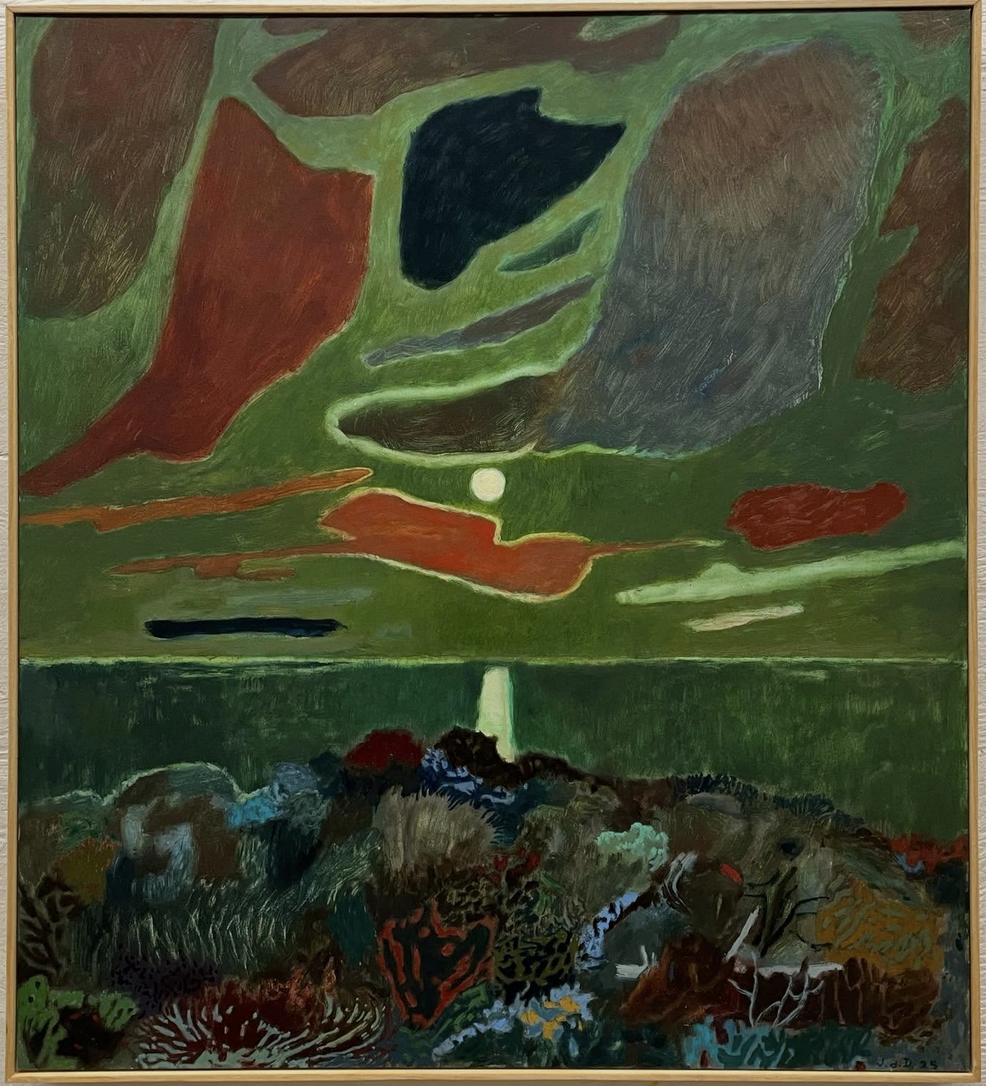
Piano Music #2, 2026
I came across the work of Jarid del Deo for the first time recently.
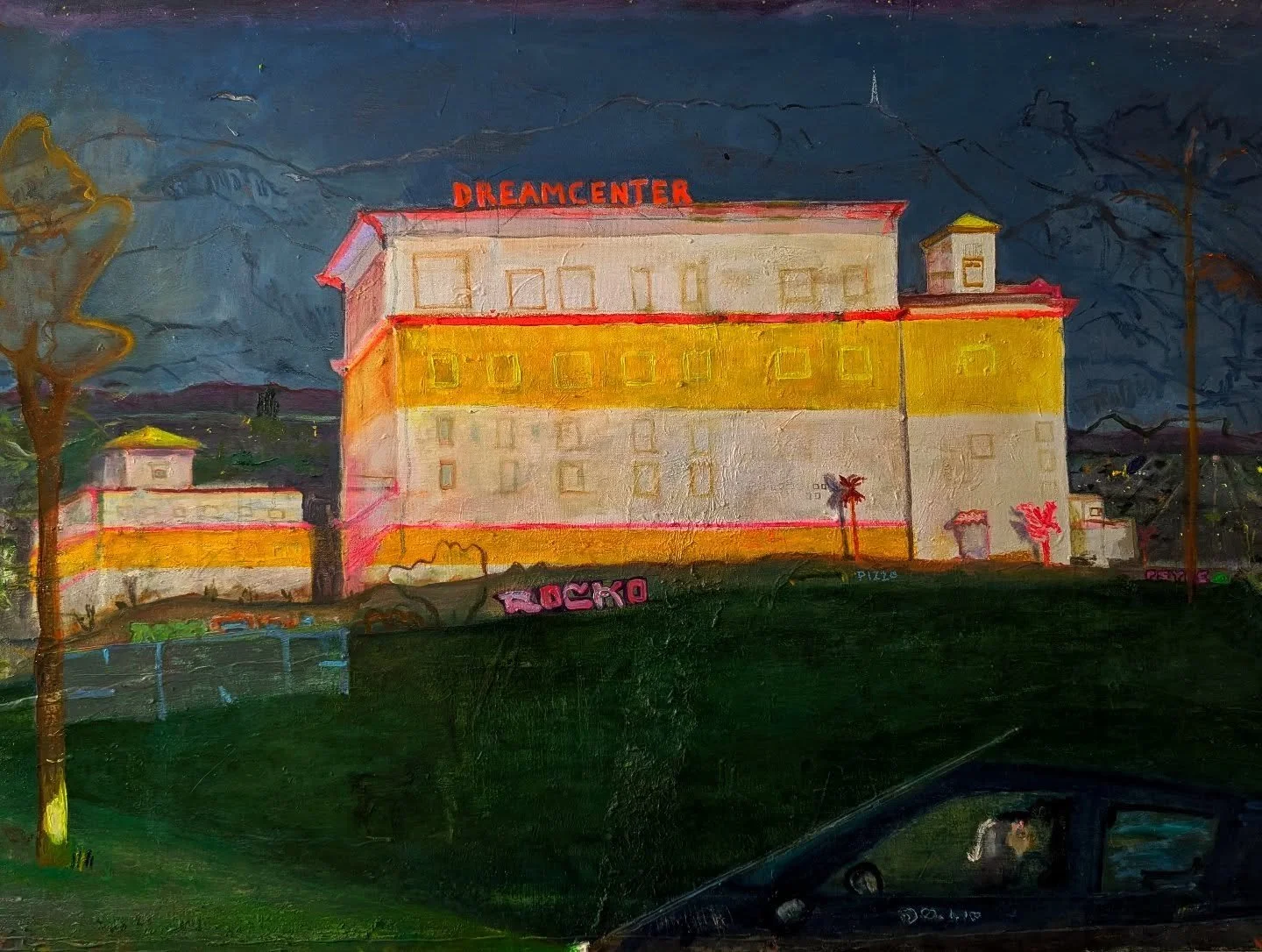
Drive-By, Dream Center LA, 2026
My finding Jarid del Deo led me to this work by Toby Rosenbloom.
Lastly, I’m going to add a piano piece I like.