
Brice Marden
I figure I should write out a few thoughts on Brice Marden since I'm keeping track of artists I've been ruminating on. He's been on my mind lately because I'm working on a series of paintings where I find myself thinking about Marden and his approach to making art.

Marden is one of those artists who spent his entire career operating within the traditions of postwar New York abstraction. By the time he arrived, many of the major figures had already established recognizable visual territories:
(you can click on the pictures below to view them larger).
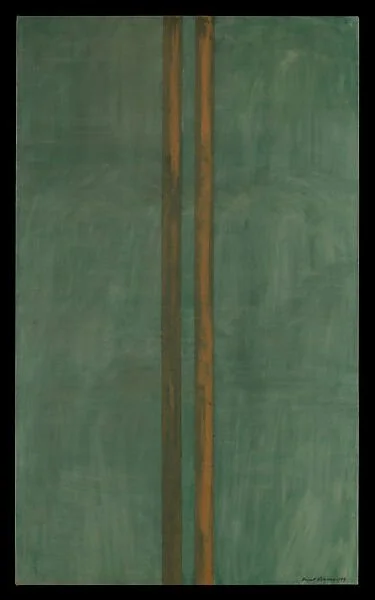
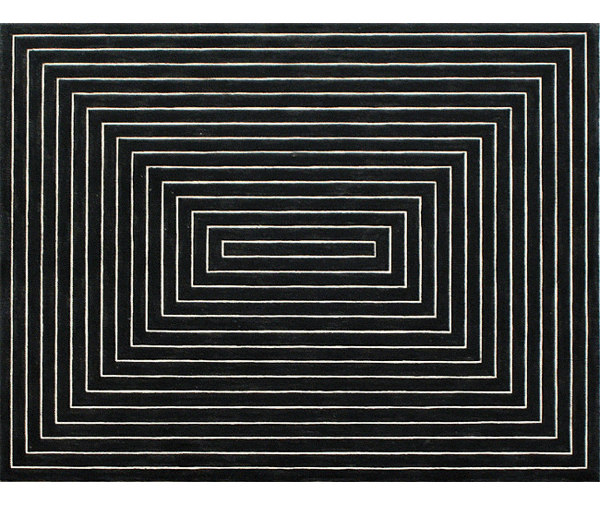
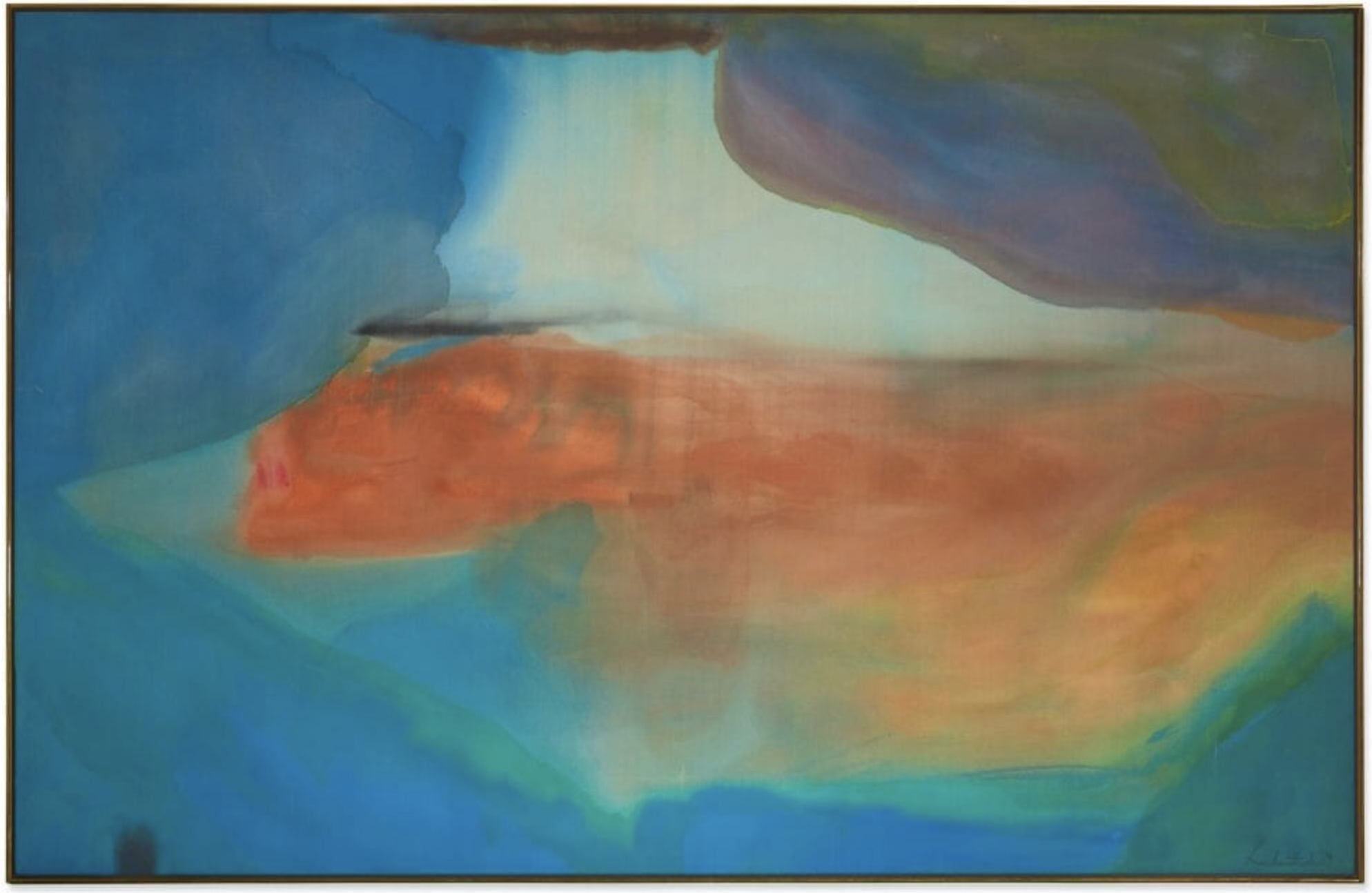
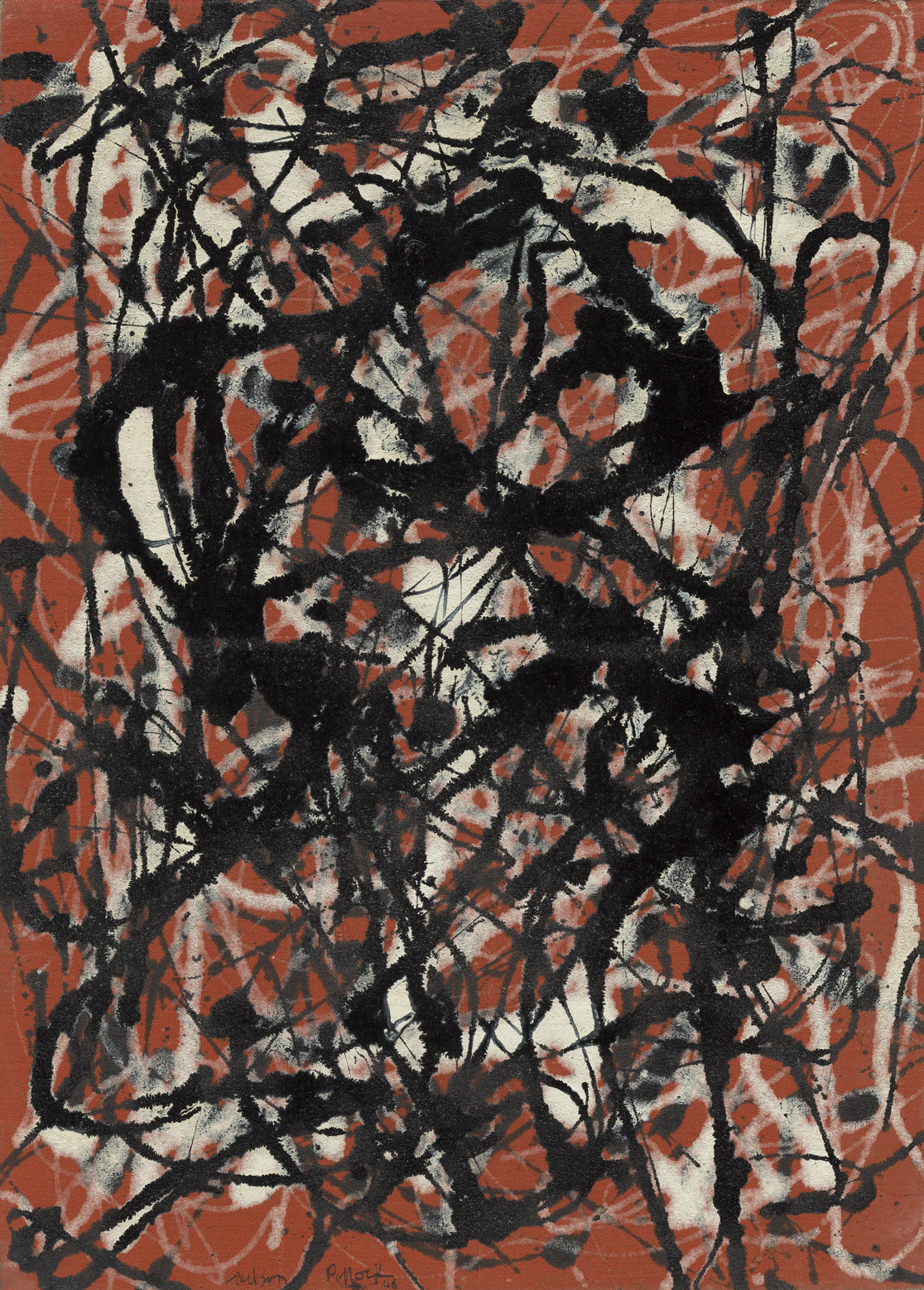
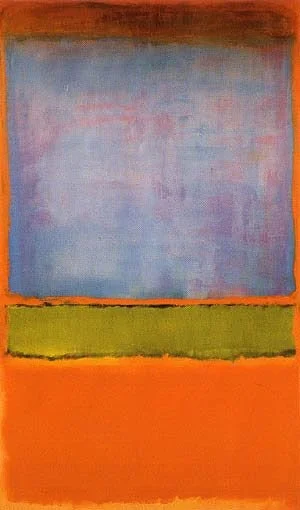
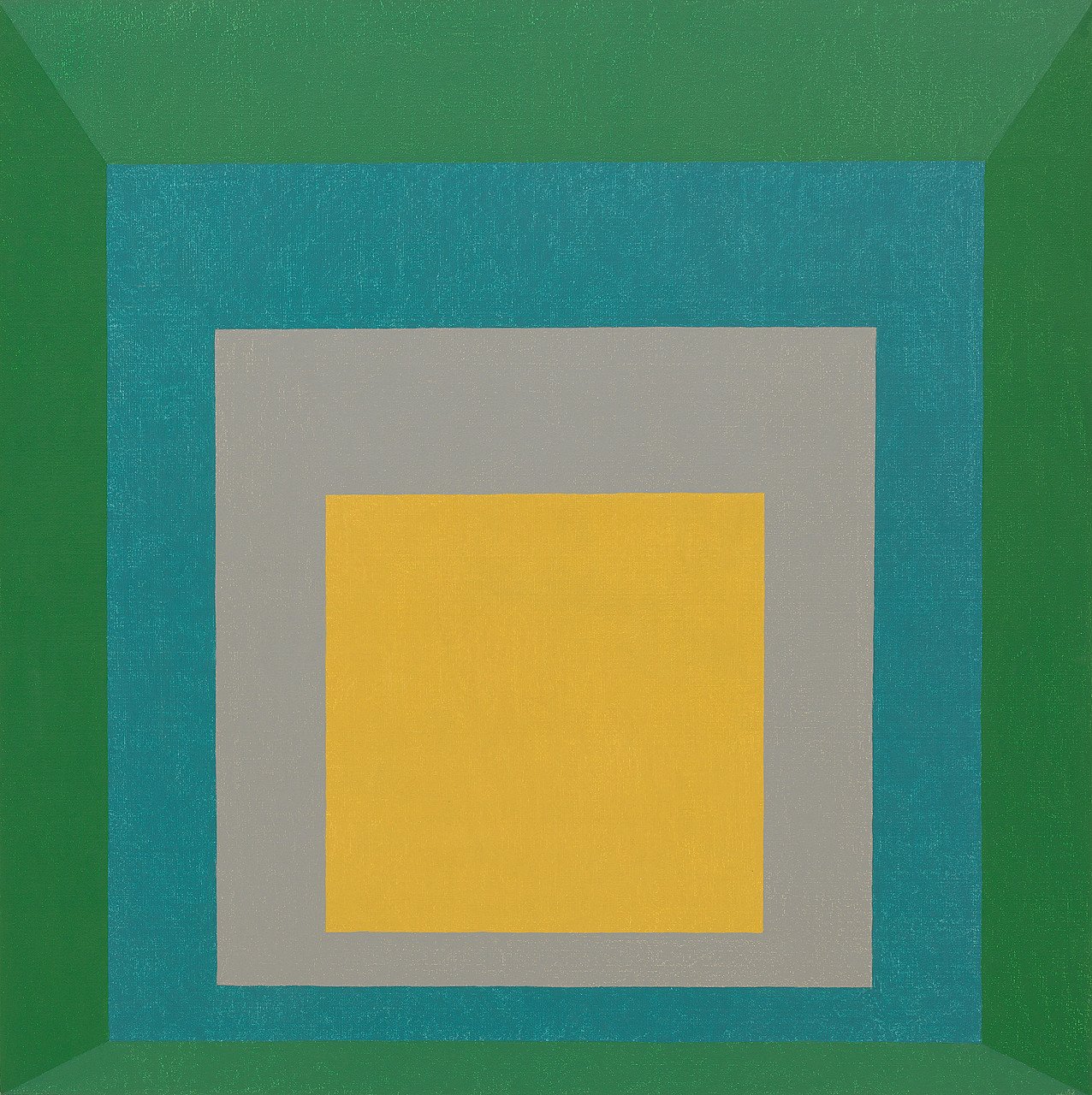
Newman — the zip paintings
Stella — geometric line paintings
Frankenthaler — stain paintings
Pollock — drip paintings
Rothko — color fields
Albers — squares within squares
I'm joking... kind of.
My concern is that you can summarize many of the major art figures of the twentieth century this way. In my mind, an artist is someone constantly exploring and finding new ways to look at the world. Yet many artists associated with the Greenberg lineage seem to have found a visual device early and then spent decades refining variations of it. There are notable exceptions, such as de Kooning and Rauschenberg, but the pattern appears often enough to be difficult to ignore.
I consider Marden part of the generation that followed Rauschenberg, Johns, and Twombly.
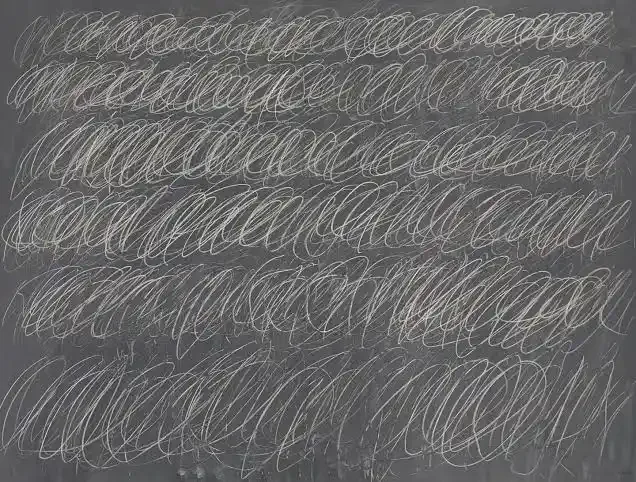
Cy Twombly Untitled (NCY - 1968)
Twombly cornered the illegible-doctor-handwriting market, by the way.
Marden’s Start:
I look at Marden’s life and am beyond jealous. He was part of a strong class at Yale Graduate school where his classmates included Richard Sera and Chuck Close. After Yale, Marden moved to New York. Through his connections, Marden met and started an apprenticeship with Robert Rauchenberg that lasted for several years.
During these years, what I see Marden dealing with is minimalism. Looking through the early paintings, I see an artist still searching for a direction. A lot of his work early on seems to me to be influenced by Newman-like vertical divisions and Scully style grids.
I honestly think Marden felt pressure to move away from the grid-based paintings because other artists, (example: Sean Scully), were operating in similar territory.
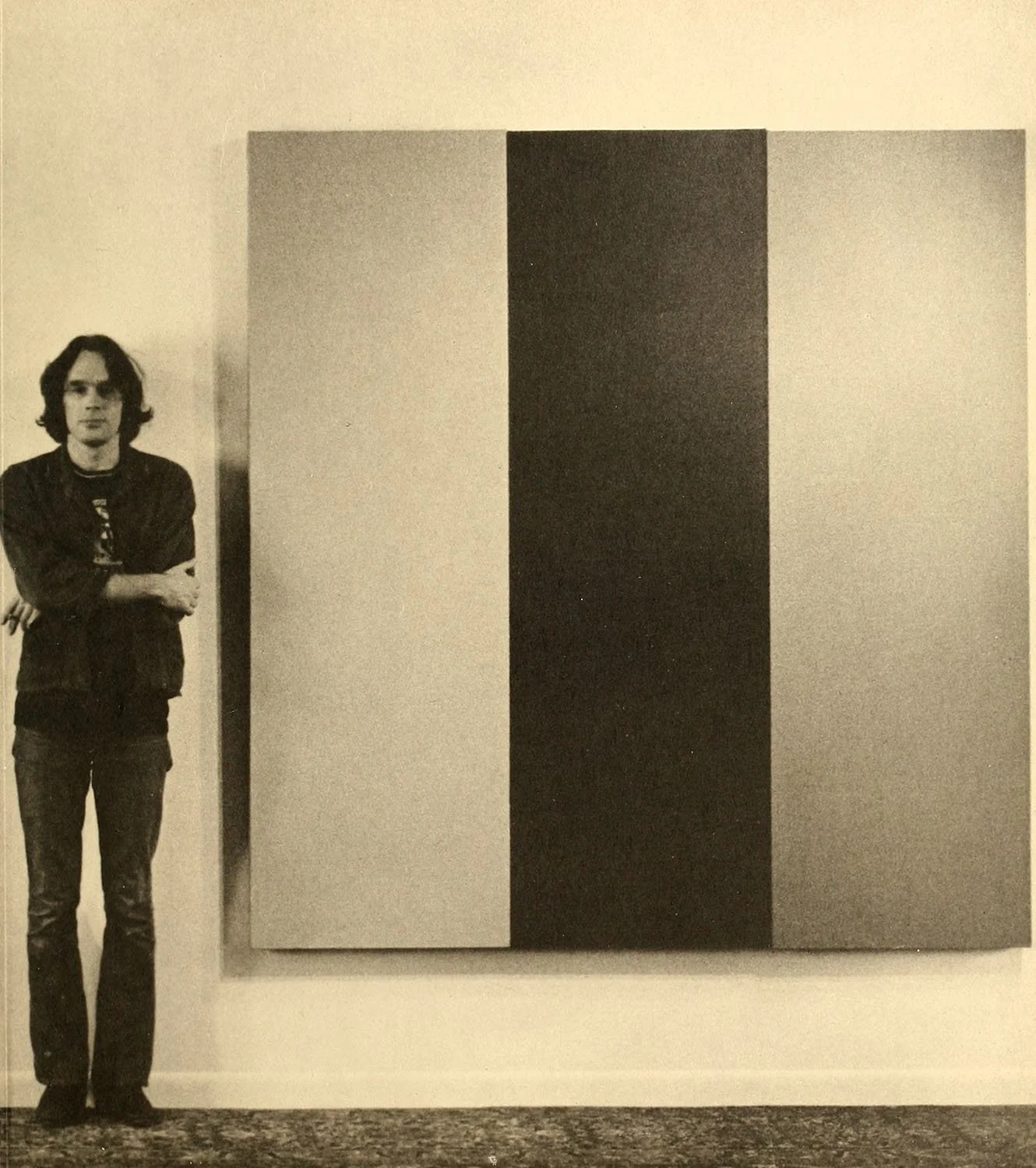
Marden with early work
This image shows Marden still finding his voice. He is still grappling with the Zip lines that Newman championed and had yet to transition to the untested grounds of the grid
Below: Six works from a show of Marden’s early works (1961-64) at the Matthew Marks Gallery:
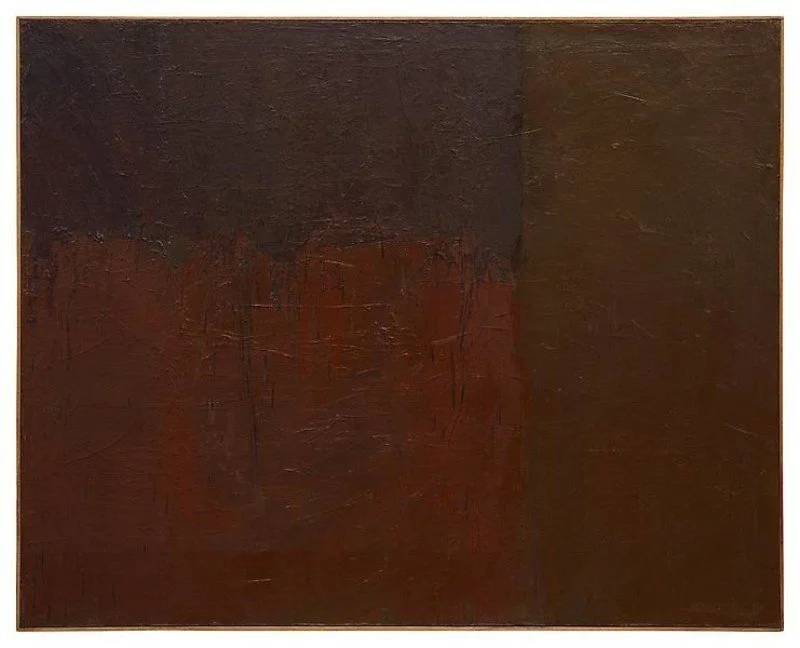
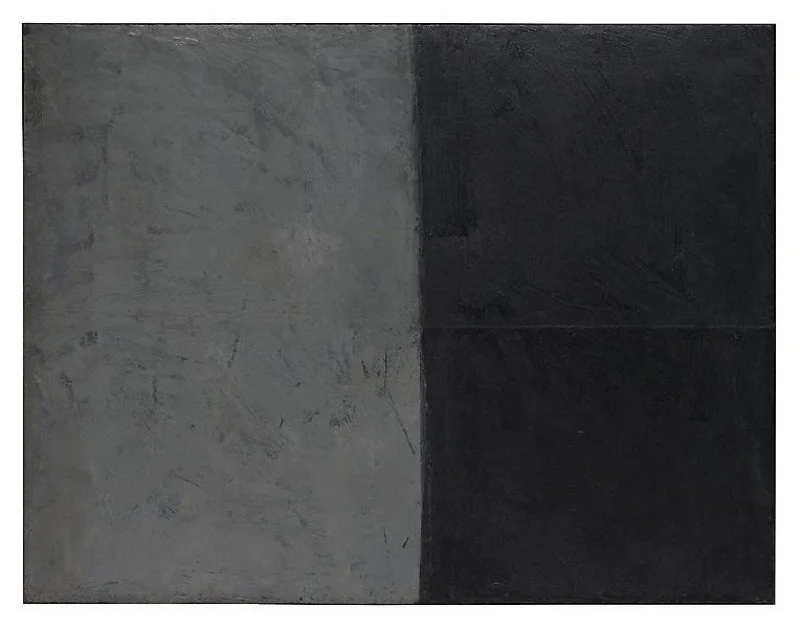
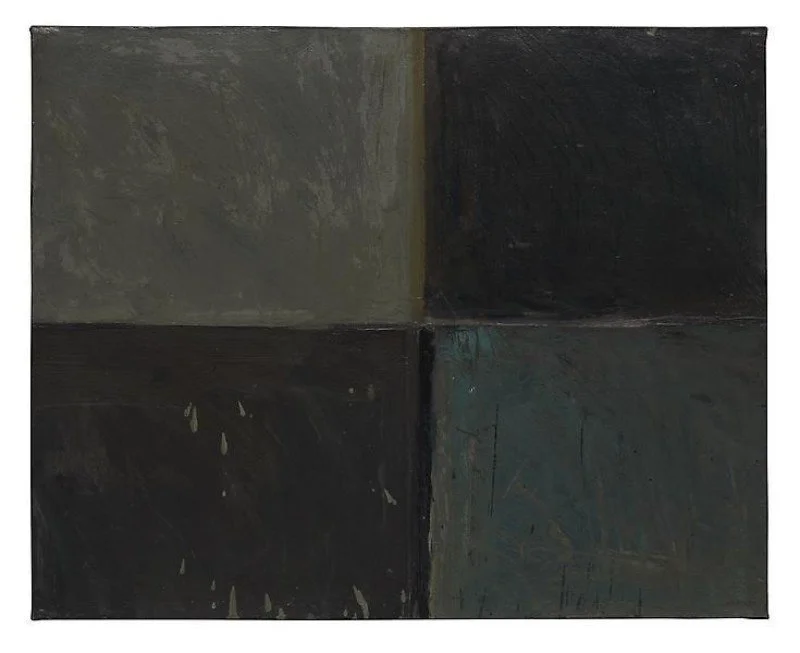
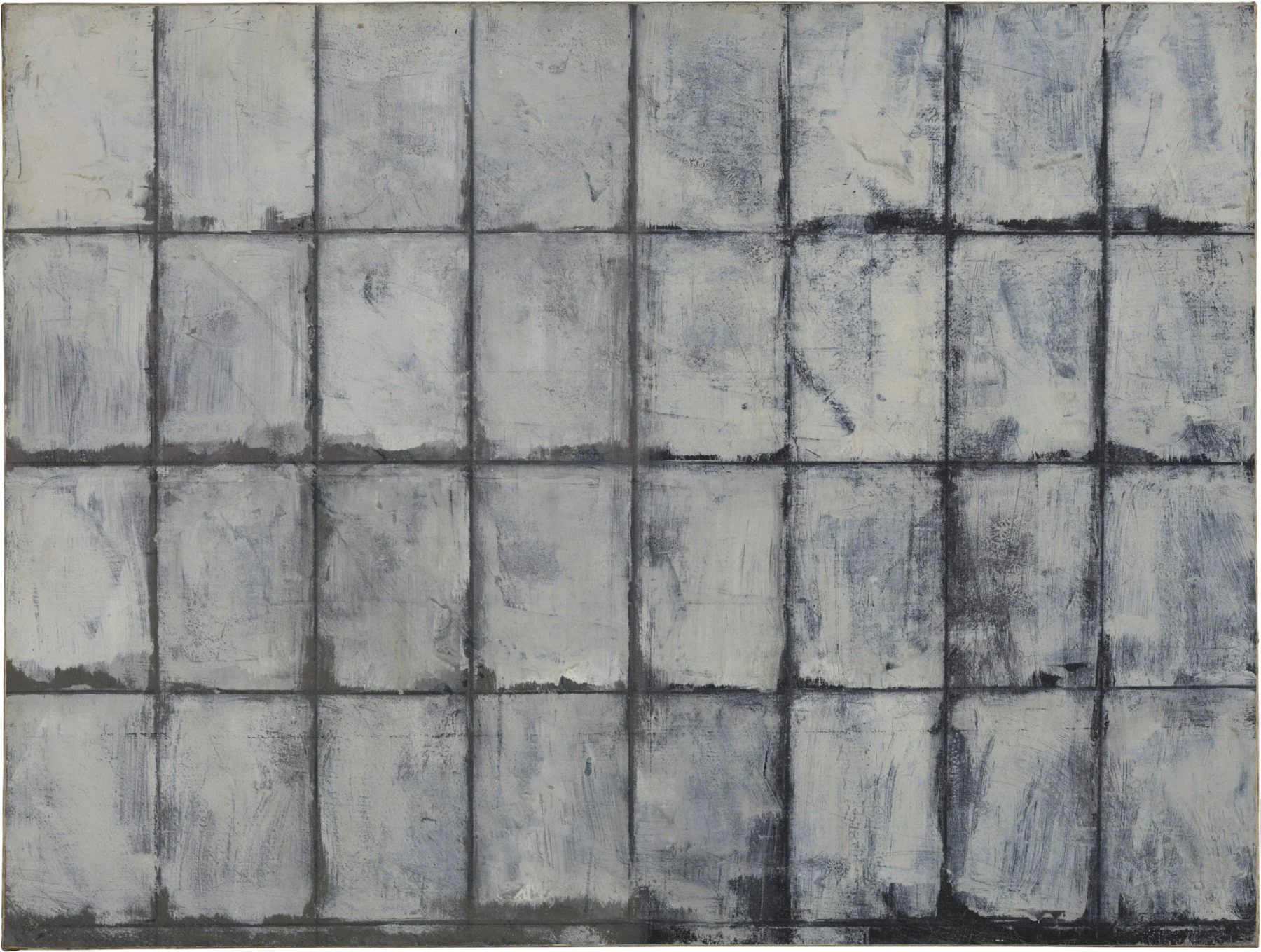
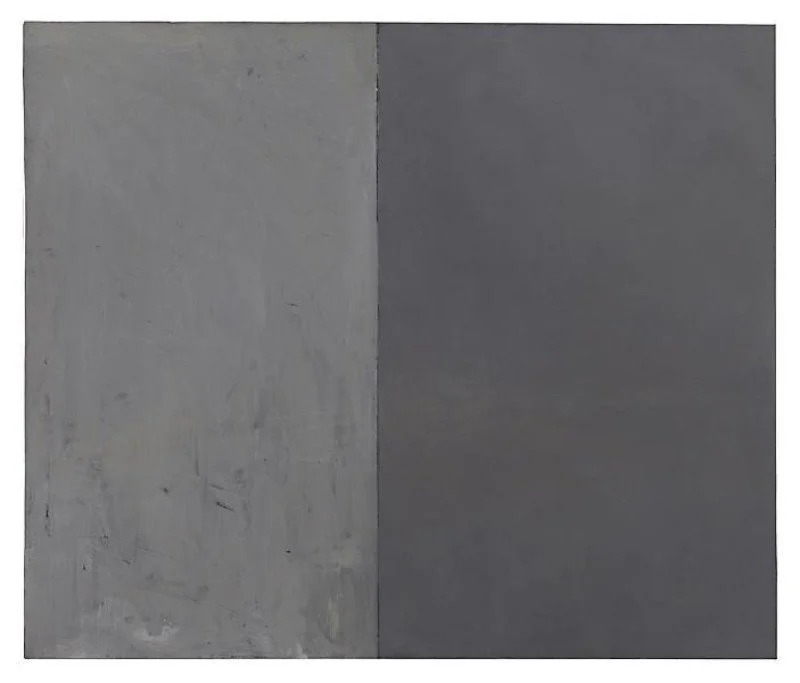
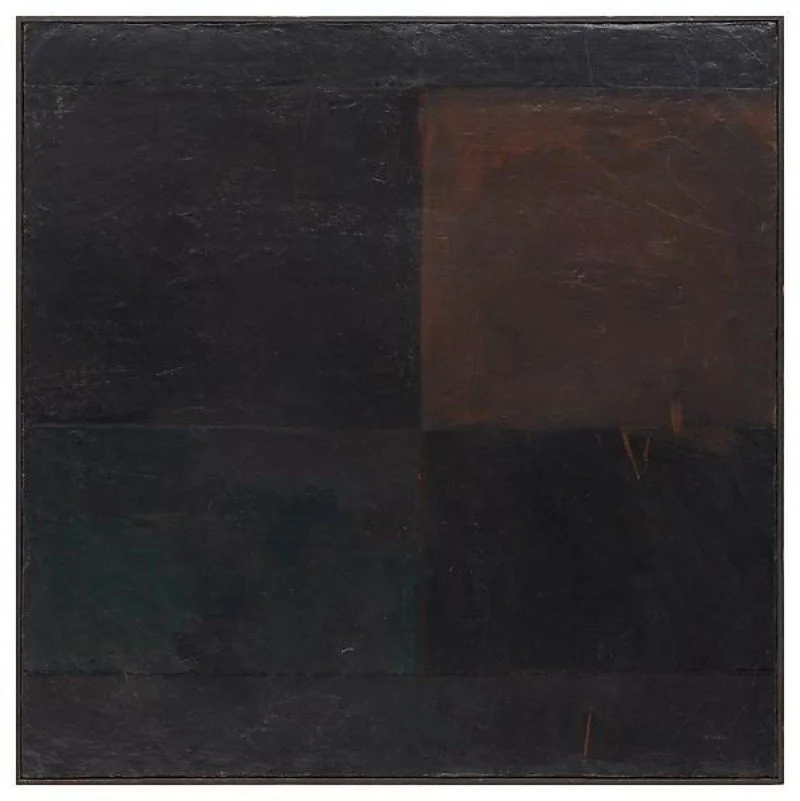
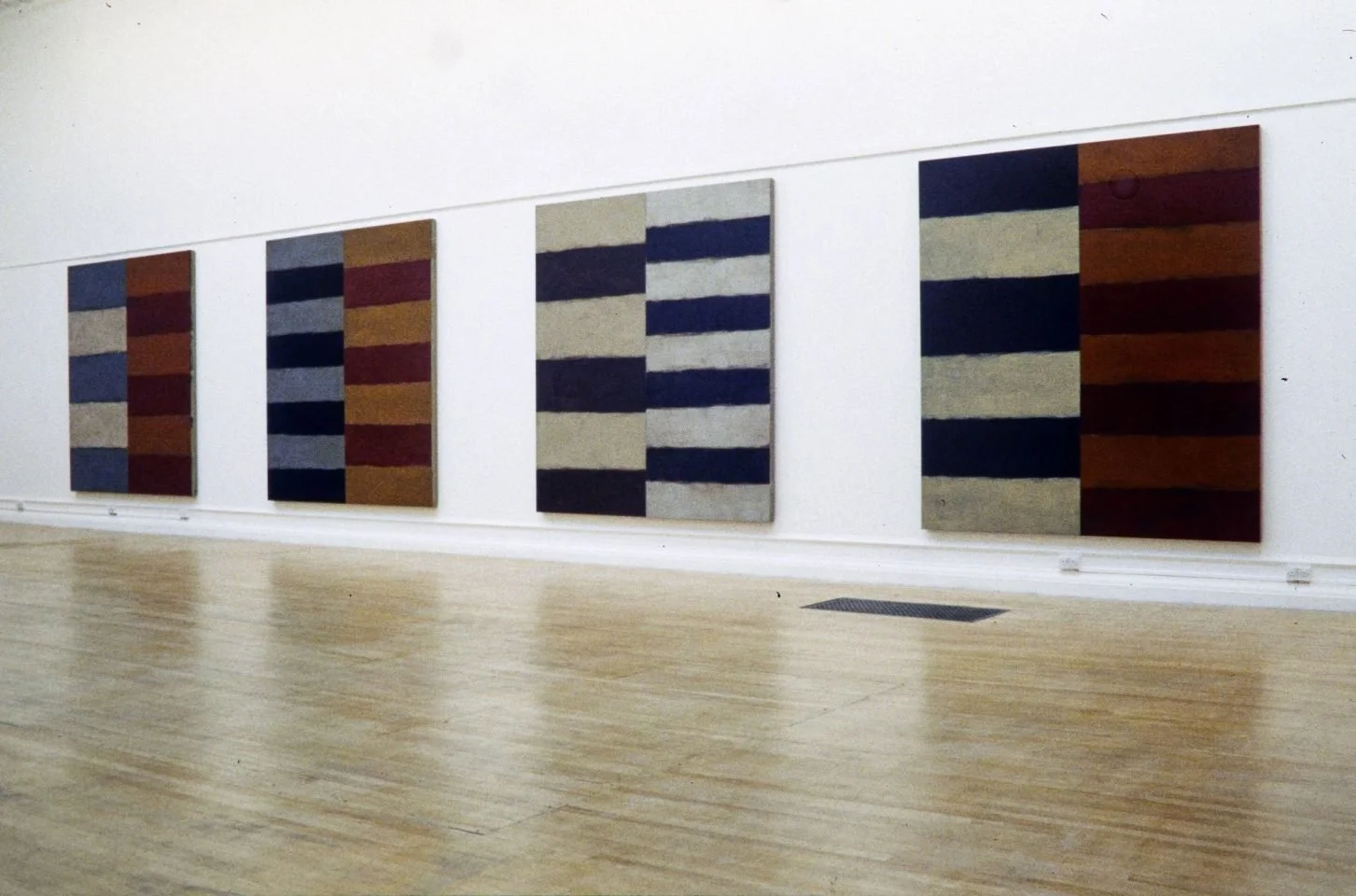
A shot of a Sean Scully exhibition
I honestly think that Marden felt forced to jump away from his grid paintings because there were several other artists at that time doing very similar work (example: Scully)
Discovering his own Style
It took a long time and a lot of work, but eventually Marden starts to figure out his own language. Basically, from 1960 to 1983, Marden paints, but as I showed above, his work is not very original and its not uniquely a ‘Marden’.
It was on a trip to China in 1983 that Marden credits with changing his practice. You have to keep in mind that Marden was 100% fully aware of and had deep knowledge of Cy Twombley and his squiggles. Cy and Robert Rauchenberg had a romance and kept up a long friendship afterwards. So the act of line drawing and the squiggle chalk board mark making were not new concepts. What Marden repeatedly points to in interviews is basically understanding the object of the scroll art itself. (write this better)
Write about how Marden set up rules and how he drew and the line…
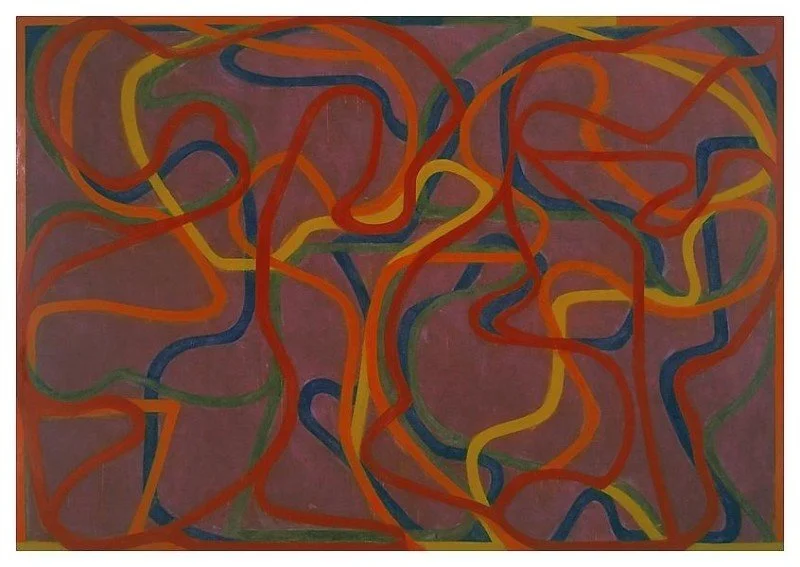
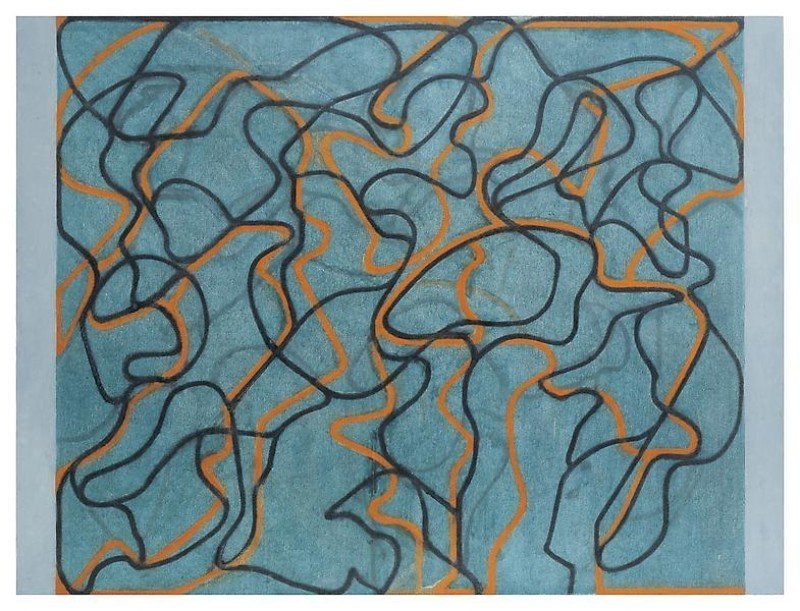
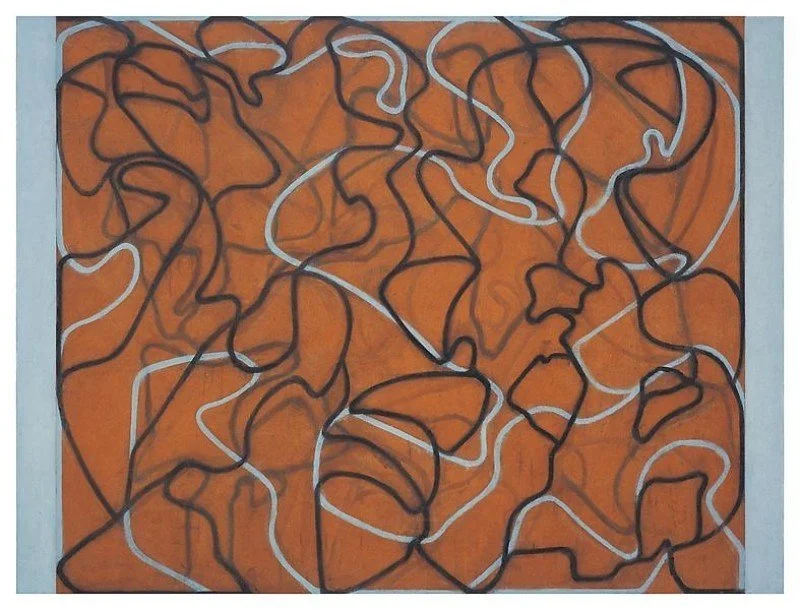
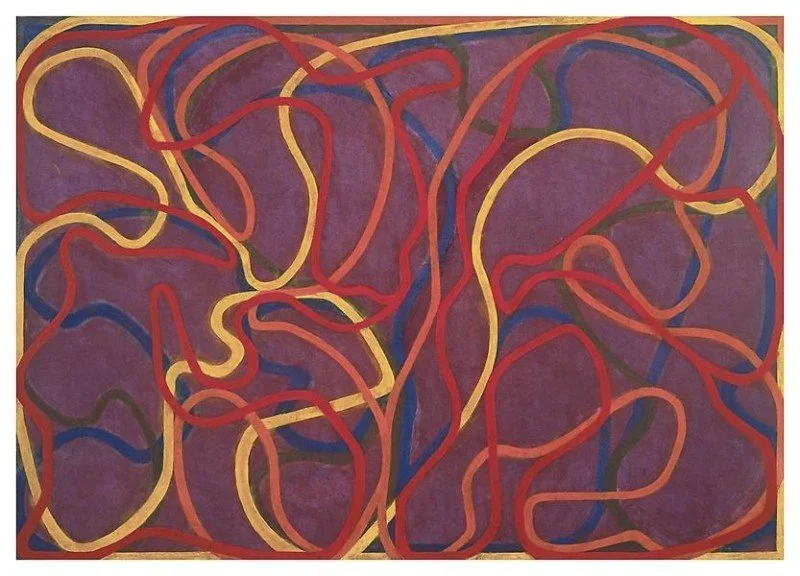
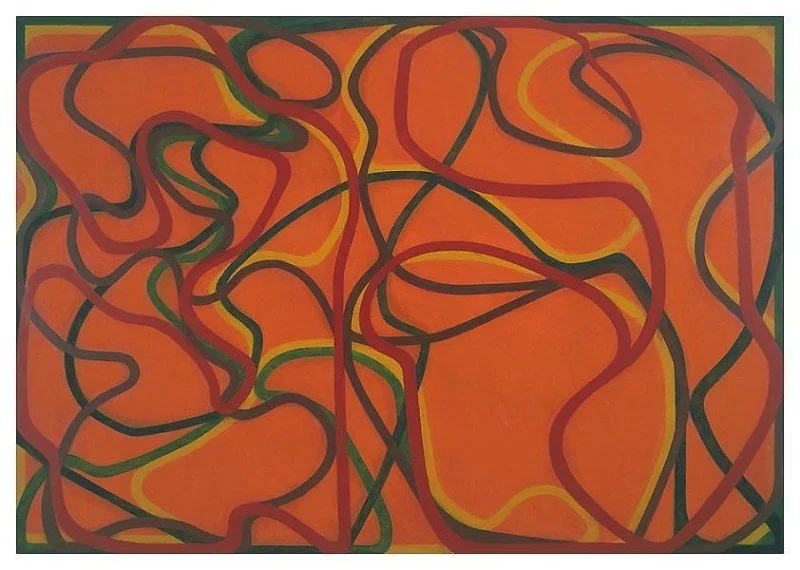
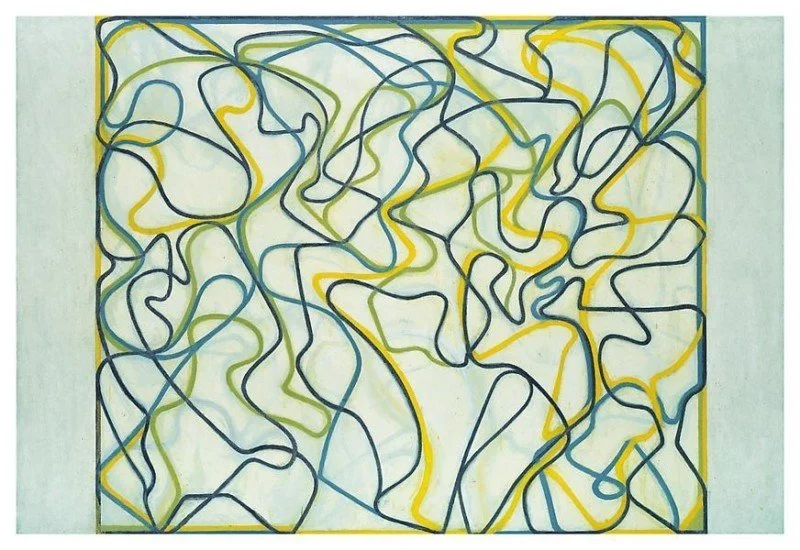
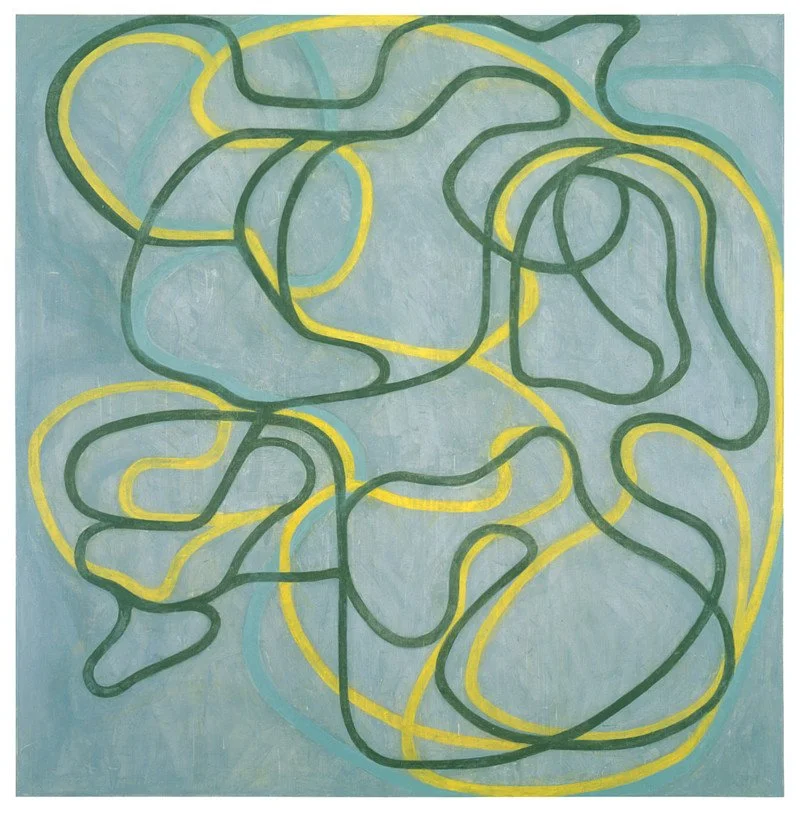
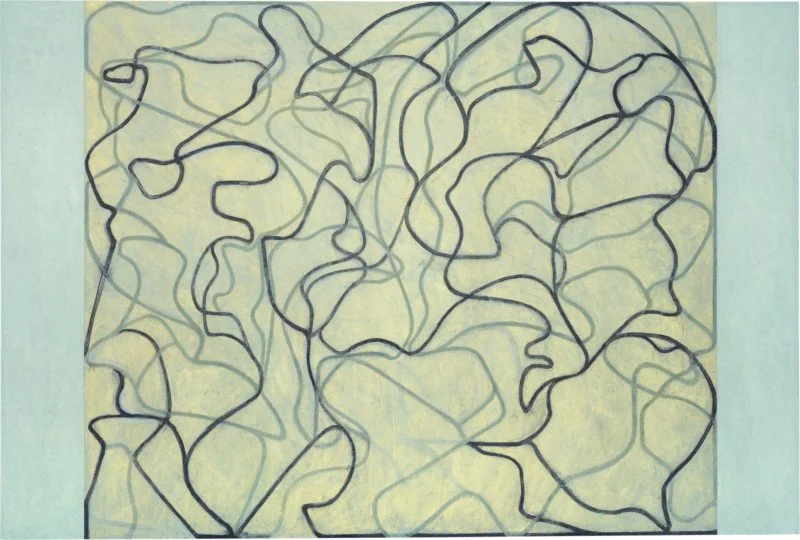
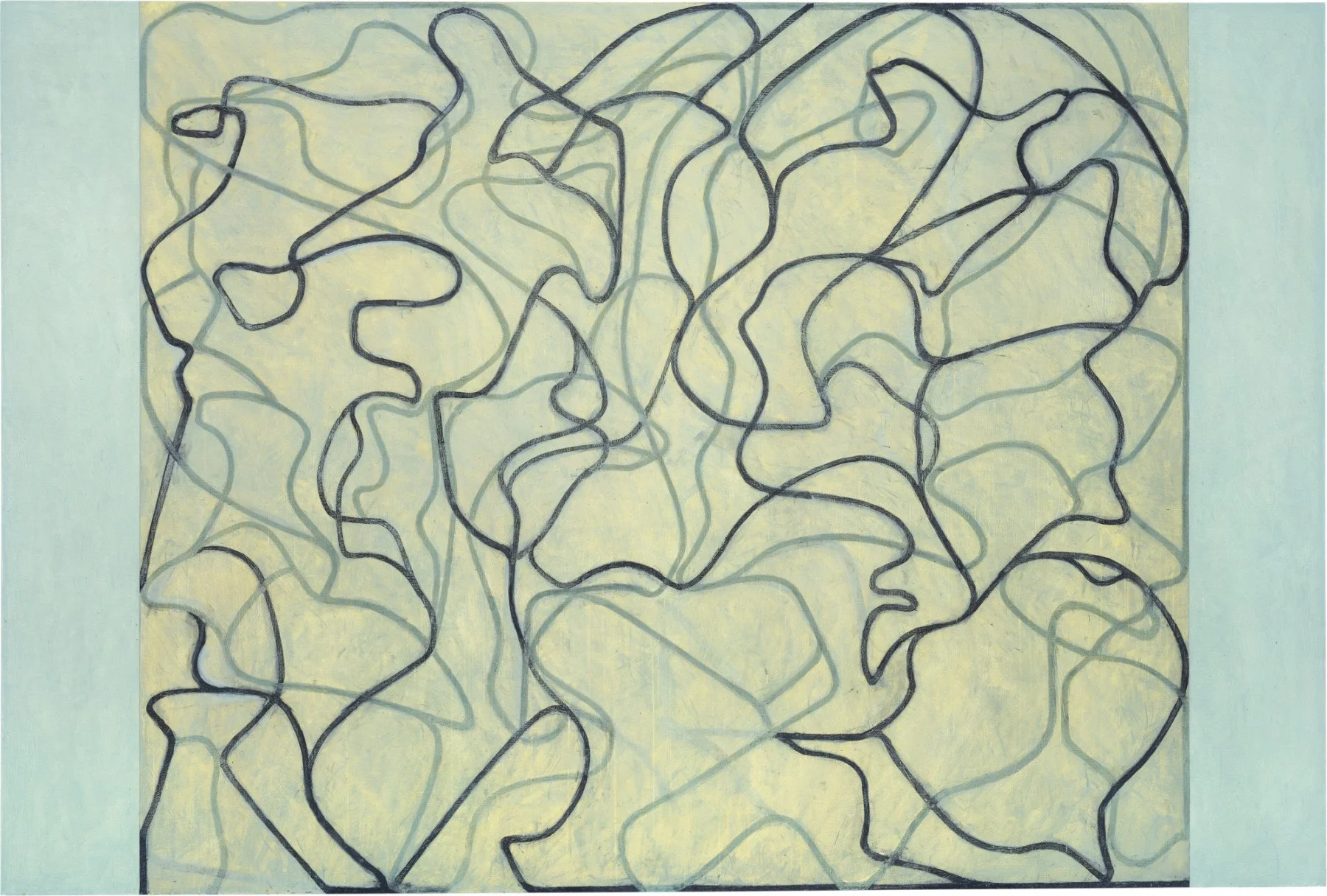
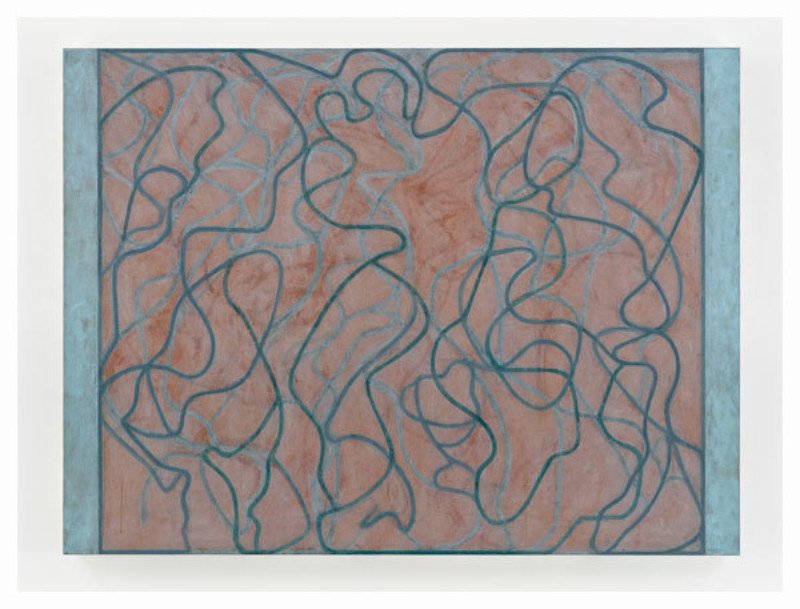
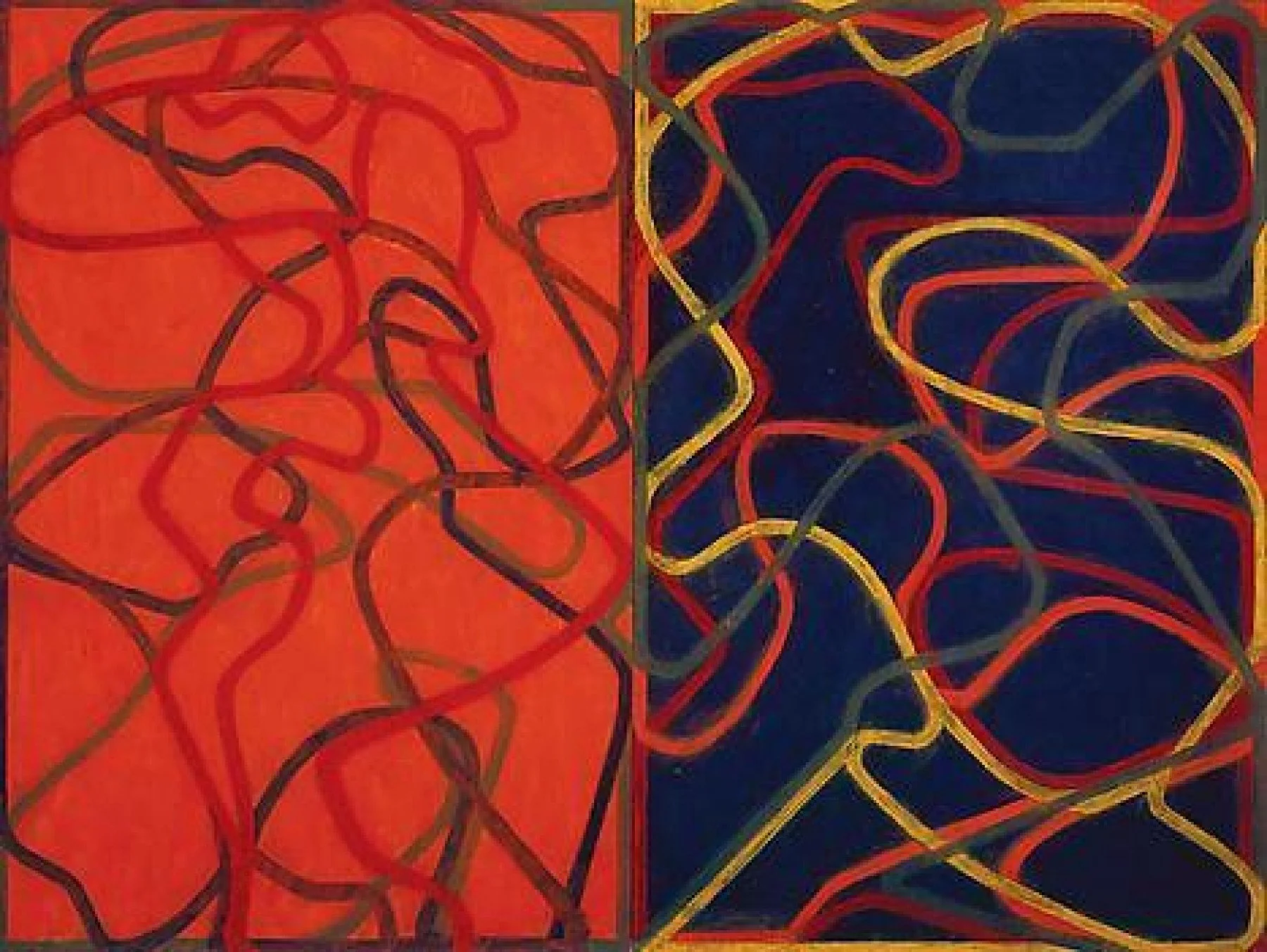
At the same time, when I look at a mature Marden line painting, I see an artist working within an increasingly rigid set of self-imposed rules. Restricted palettes, repetitive procedures, and controlled mark-making became the foundation of the work. The achievement was not freedom but discipline.
This is where my doubts begin.
Marden’s Style:
Write about how Marden is revered for his practice. His art is all about the approach…. etc
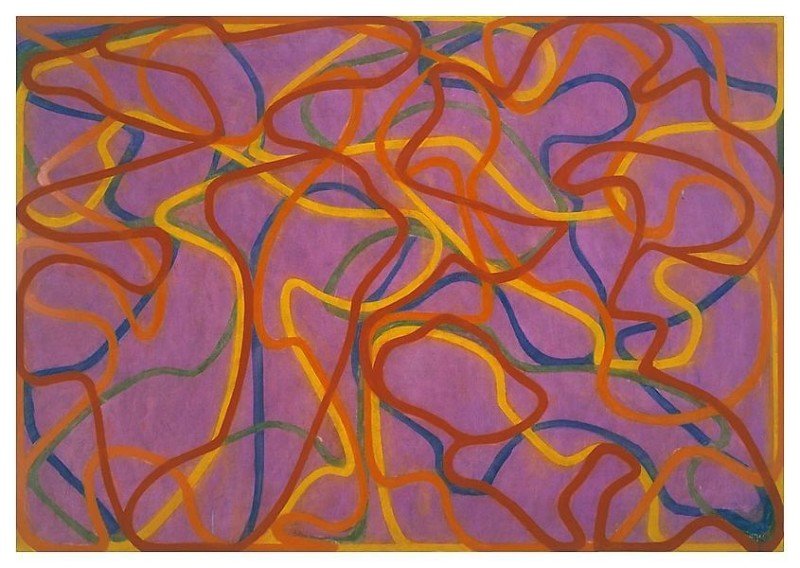
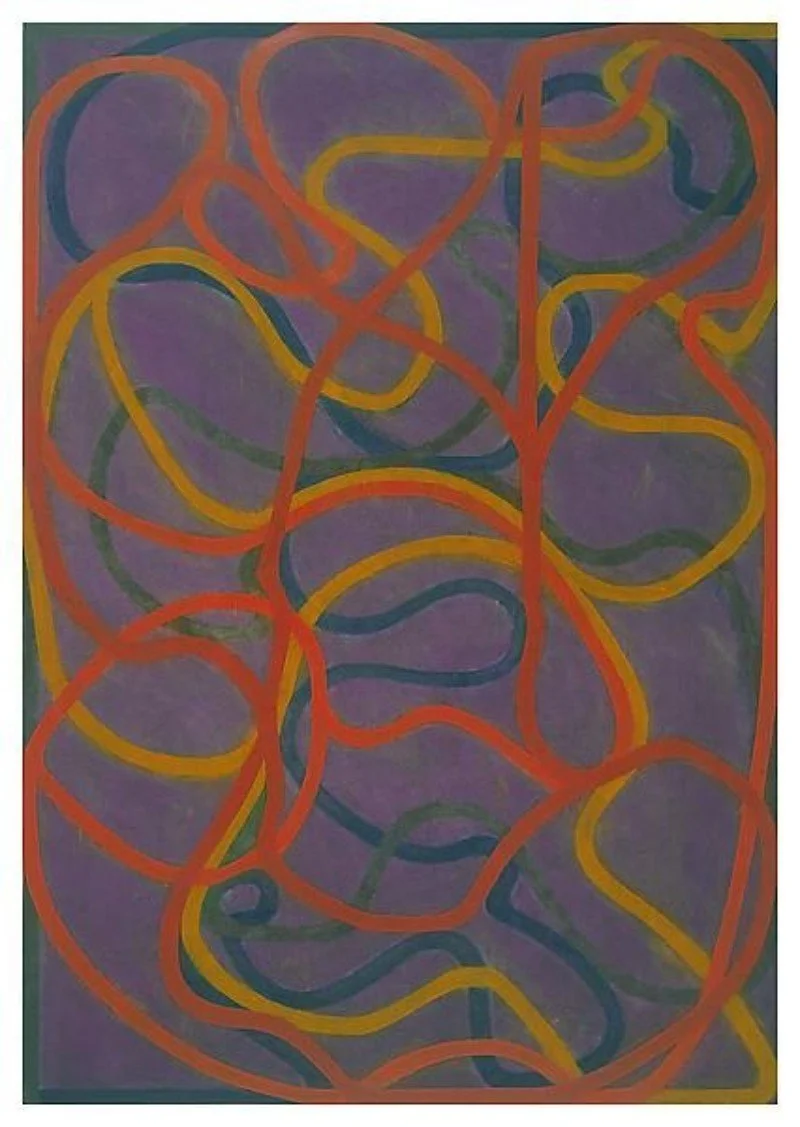
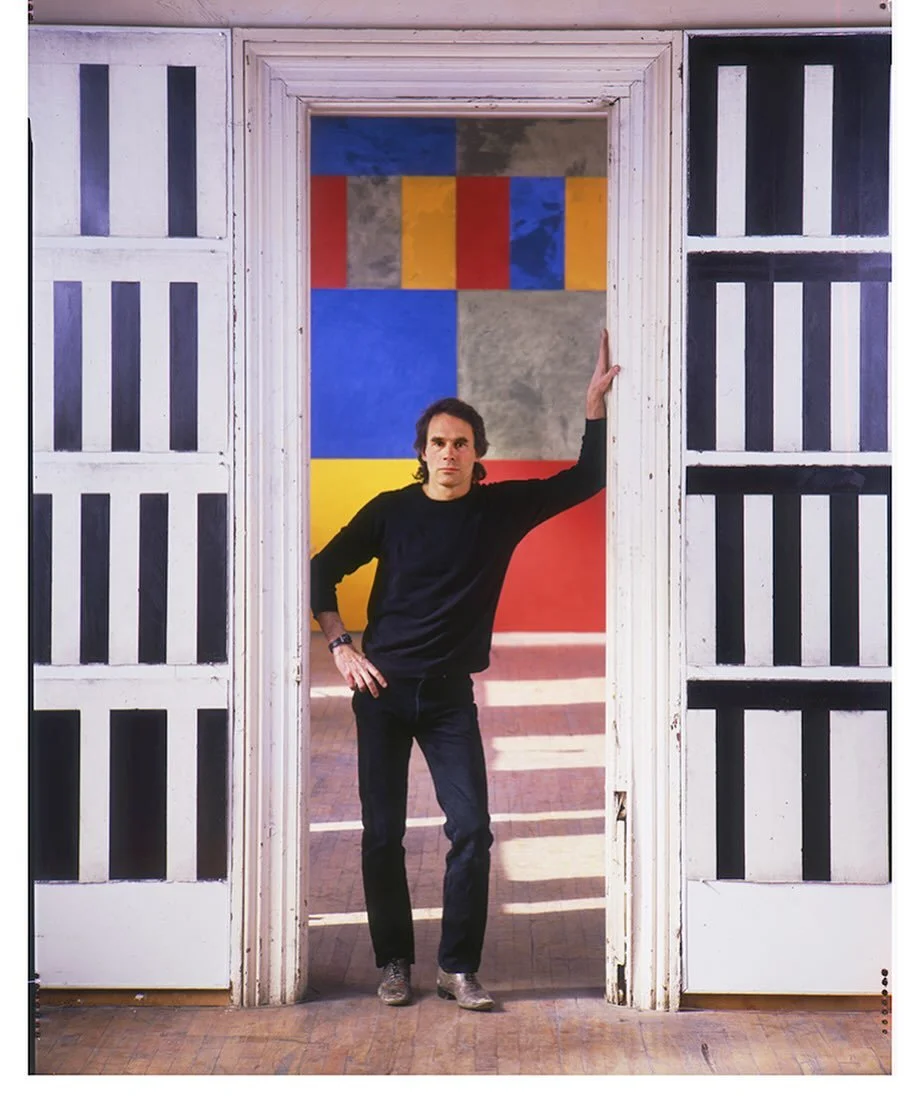
Marden in his studio
This image depicts Marden in the mid 80s still grappling with the Grid
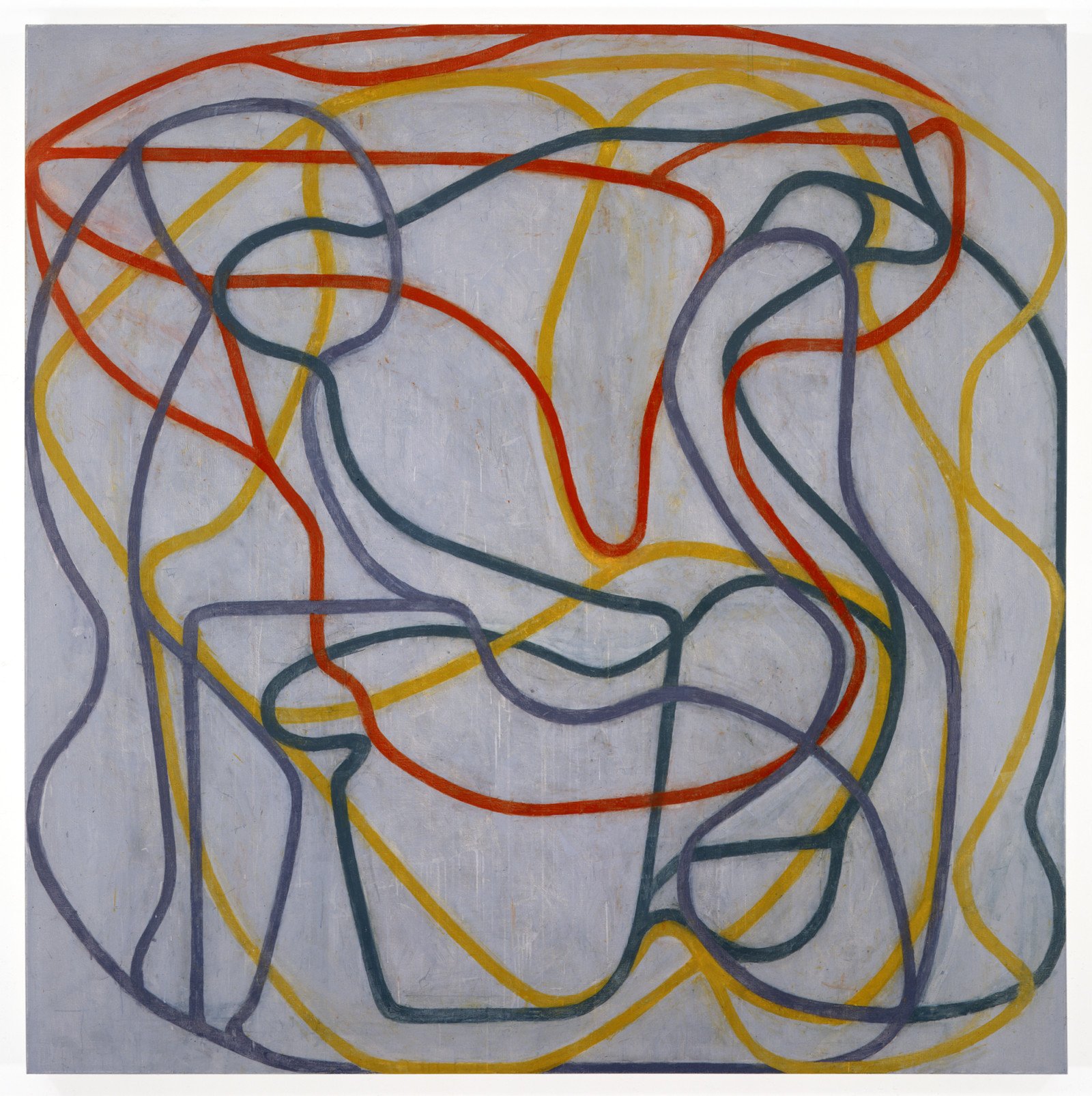
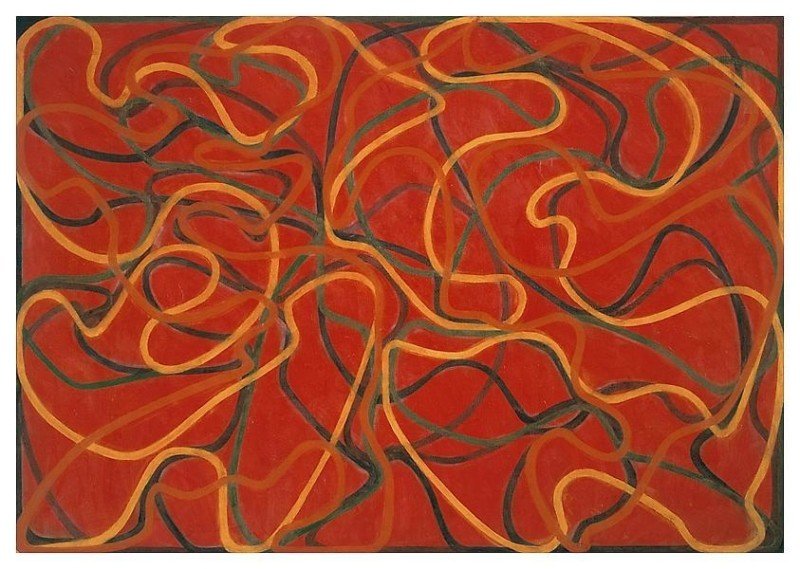
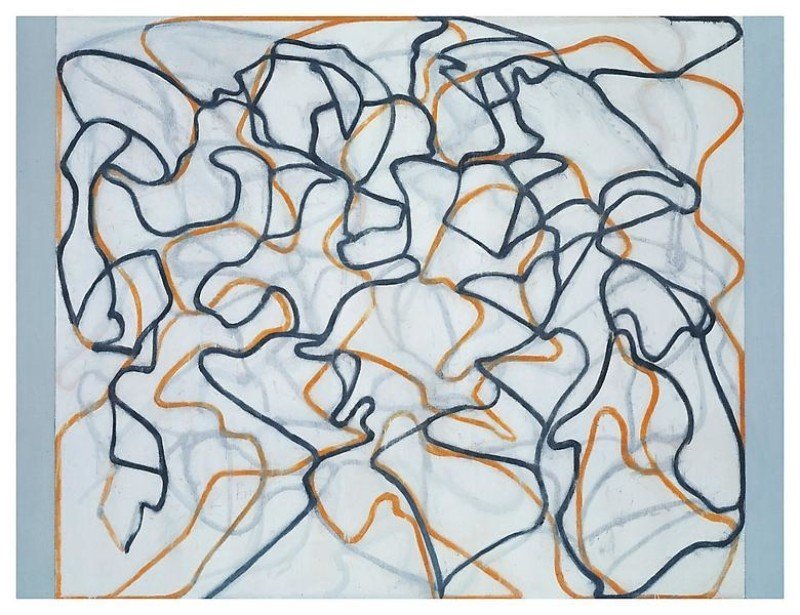
Epitaph #2 1996-7
This painting is indicative of Marden’s line painting work (painting is from a 1997 show at Matthew Marks).
Consensus:
I have little respect for Marden's reputation relative to the value that has been assigned to his work. He has had large museum retrospectives, his name is going to be synonymous with his time and the NYC artworld. His paintings have reportedly sold for tens of millions of dollars, and his estate is valued in the billions. Artists who occupy that level of cultural and financial importance deserve to be judged critically rather than reverentially.
My impression is that Marden spent much of his career narrowing rather than expanding his practice. The work became increasingly refined, but I am not convinced it became broader. Nothing Marden did strikes me as particularly unique within the context of postwar abstraction. Thousands of artists passed through the same schools, entered the same New York art world, and pursued similar concerns. What separates Marden is not the uniqueness of the approach but the degree to which the art world rewarded it.
WORK: The mature paintings themselves are often beautiful in person. Looking at them closely, you can see older lines disappearing beneath newer ones, as if earlier decisions are being buried and revised. The surfaces have a sense of history, and the paintings often feel like records of a process unfolding over time.
The aspect of Marden's career that I find most puzzling is his long association with Rauschenberg. Rauschenberg spent his career breaking boundaries between mediums and resisting the formalist assumptions that dominated much of the postwar art world. Marden witnessed this firsthand, yet ultimately moved in the opposite direction. Rather than broadening his practice, he became increasingly committed to a tightly controlled visual language.
Looking at Marden's career as a whole, I see an artist engaged in a lifelong struggle with boundaries he created for himself. His paintings often feel like attempts to push against walls that he spent decades constructing. As an outsider, I may be projecting, but I cannot shake the impression that Marden became both architect and prisoner of his own artistic system.
The question I keep returning to is whether those limitations generated insight or merely repetition. For me, the answer remains unresolved.
Links of Merit:
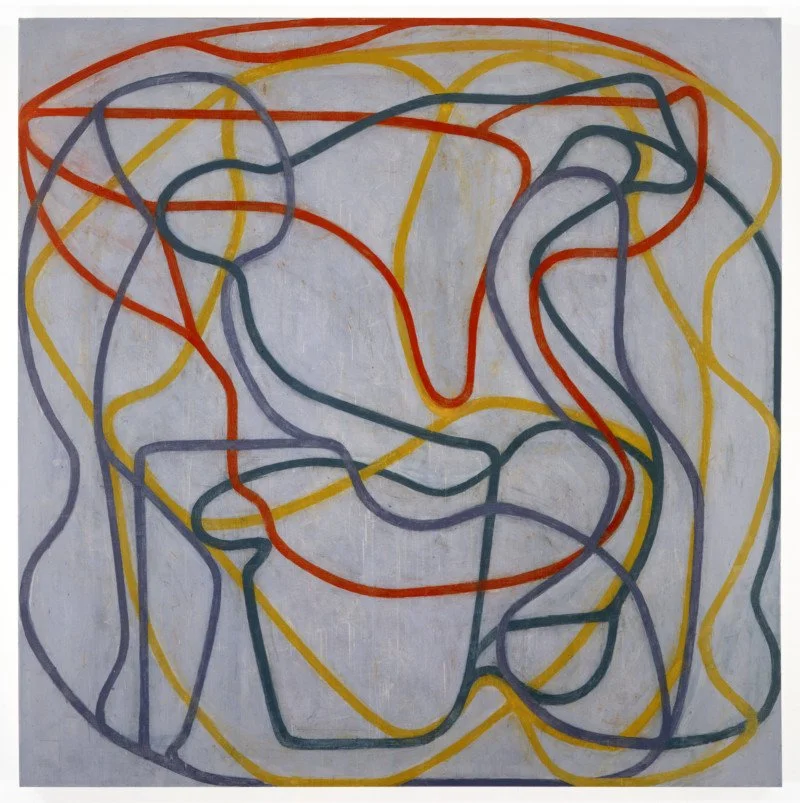
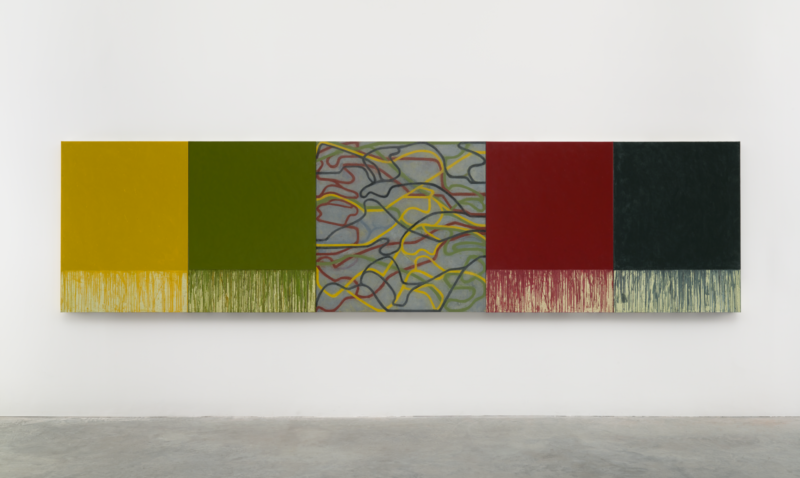
The point of the work below is not to exactly copy a Marden but instead to think about his approach to art and try to stay true to his process. (as I make up what that process is).