
Etudes Et Essais #4
THIS IS A WORK IN PROGRESSS!!!!
Inspiration:
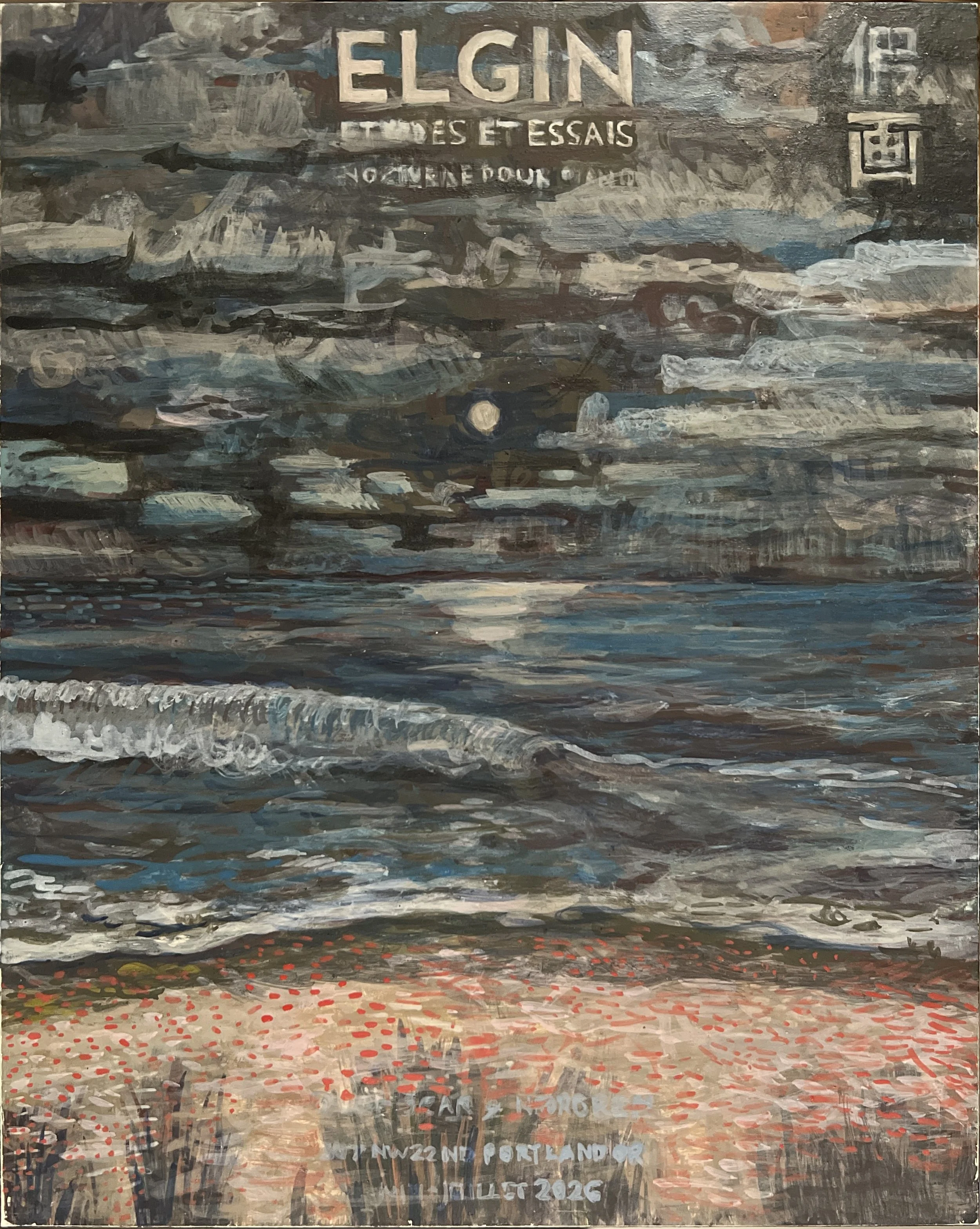
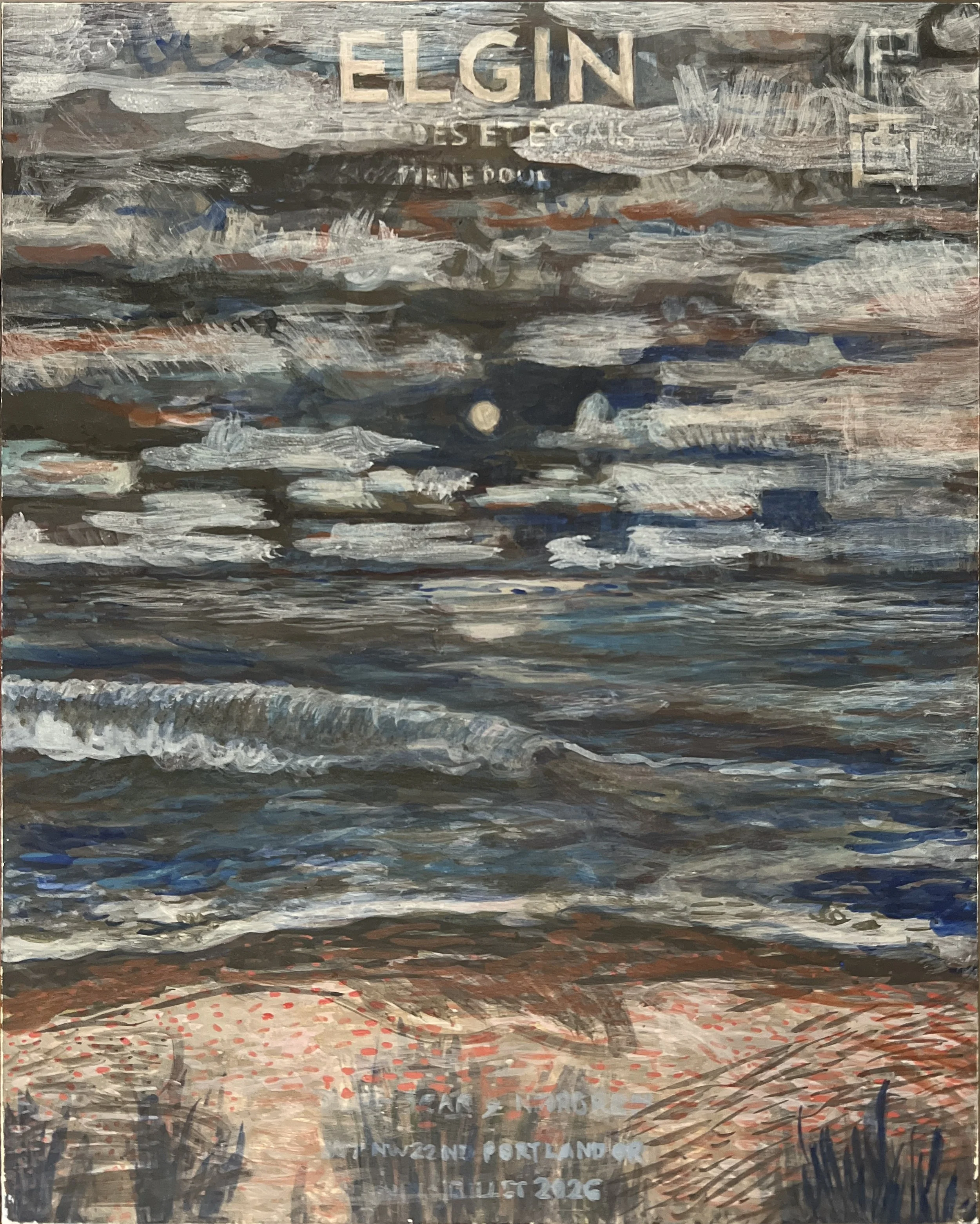
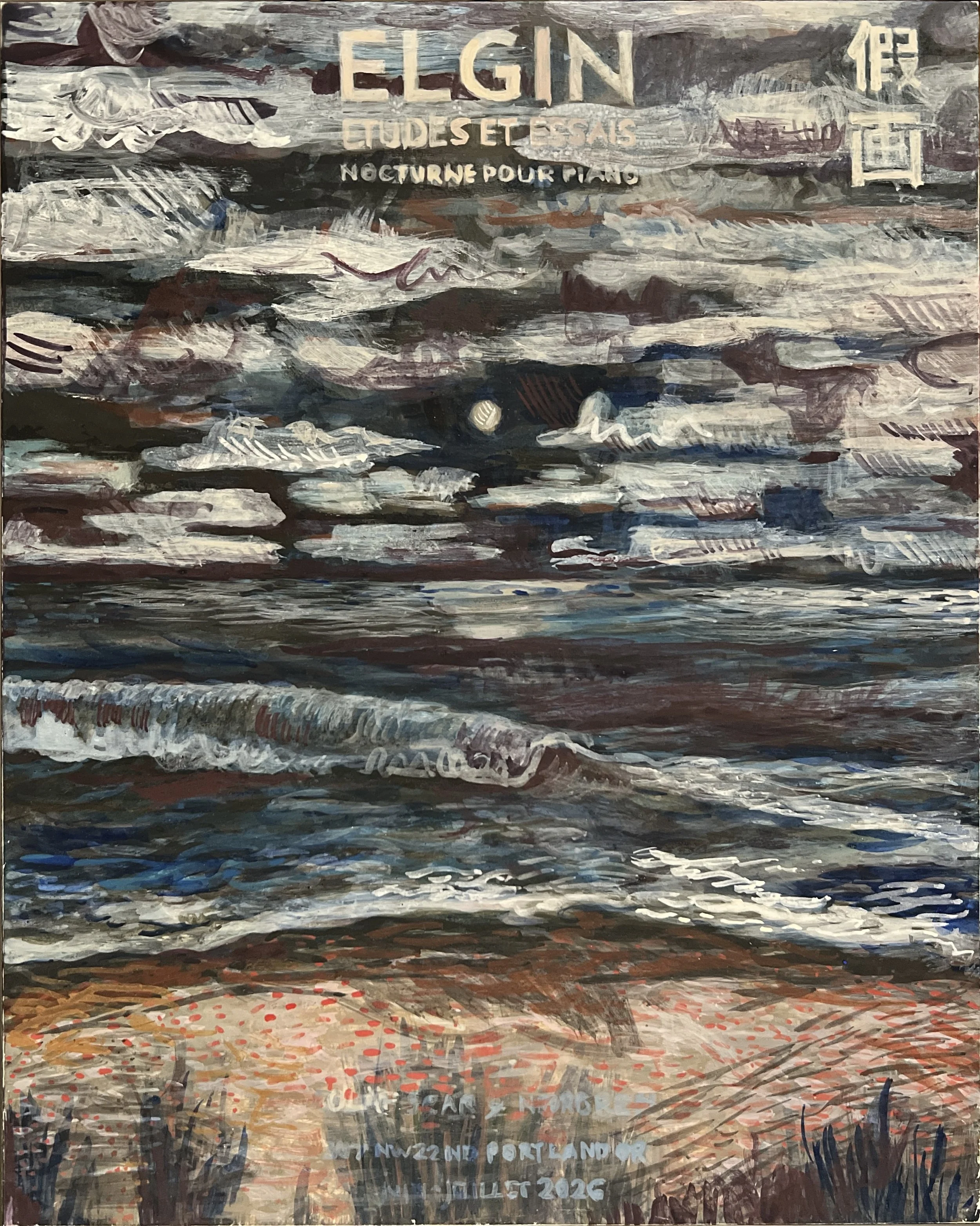
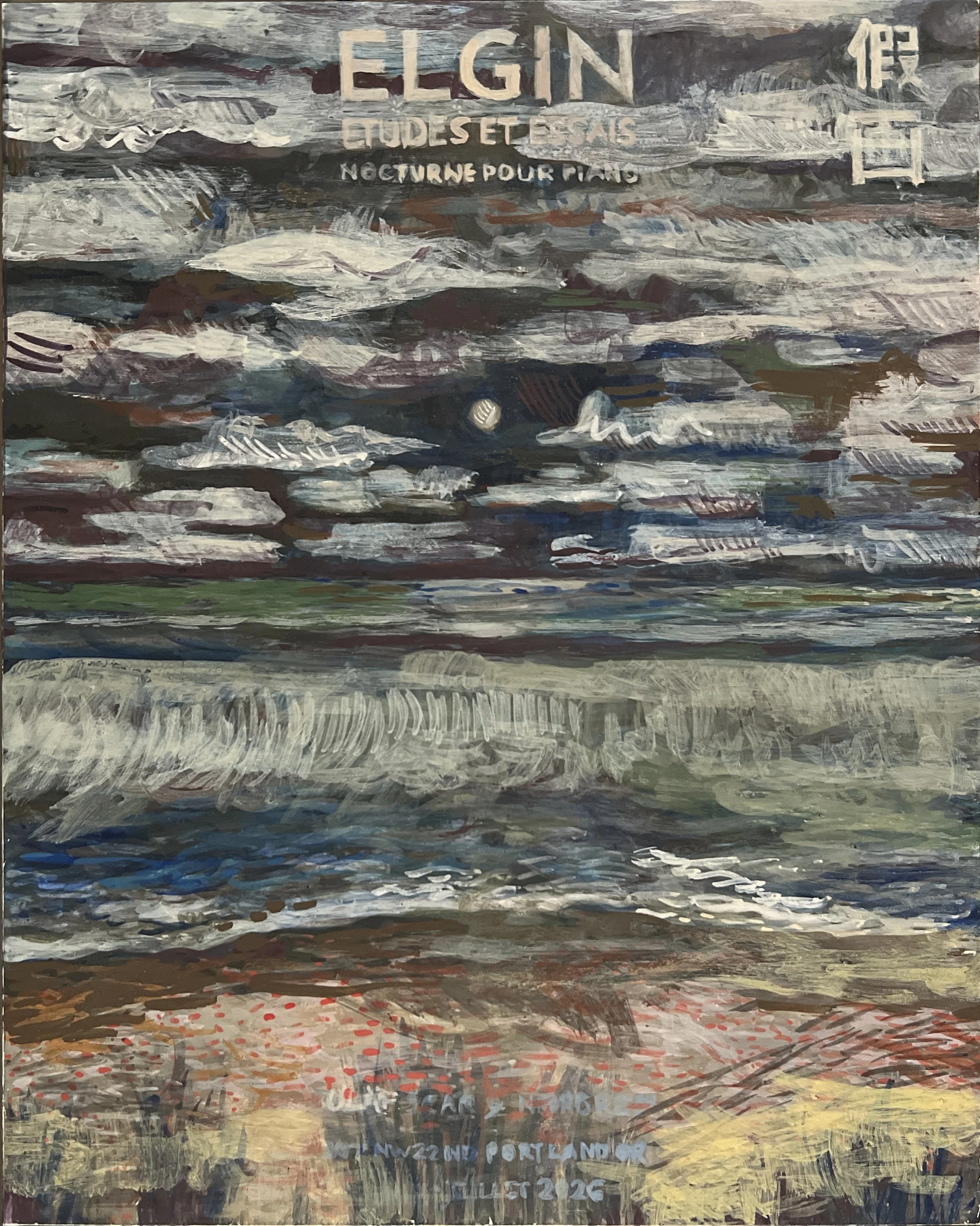
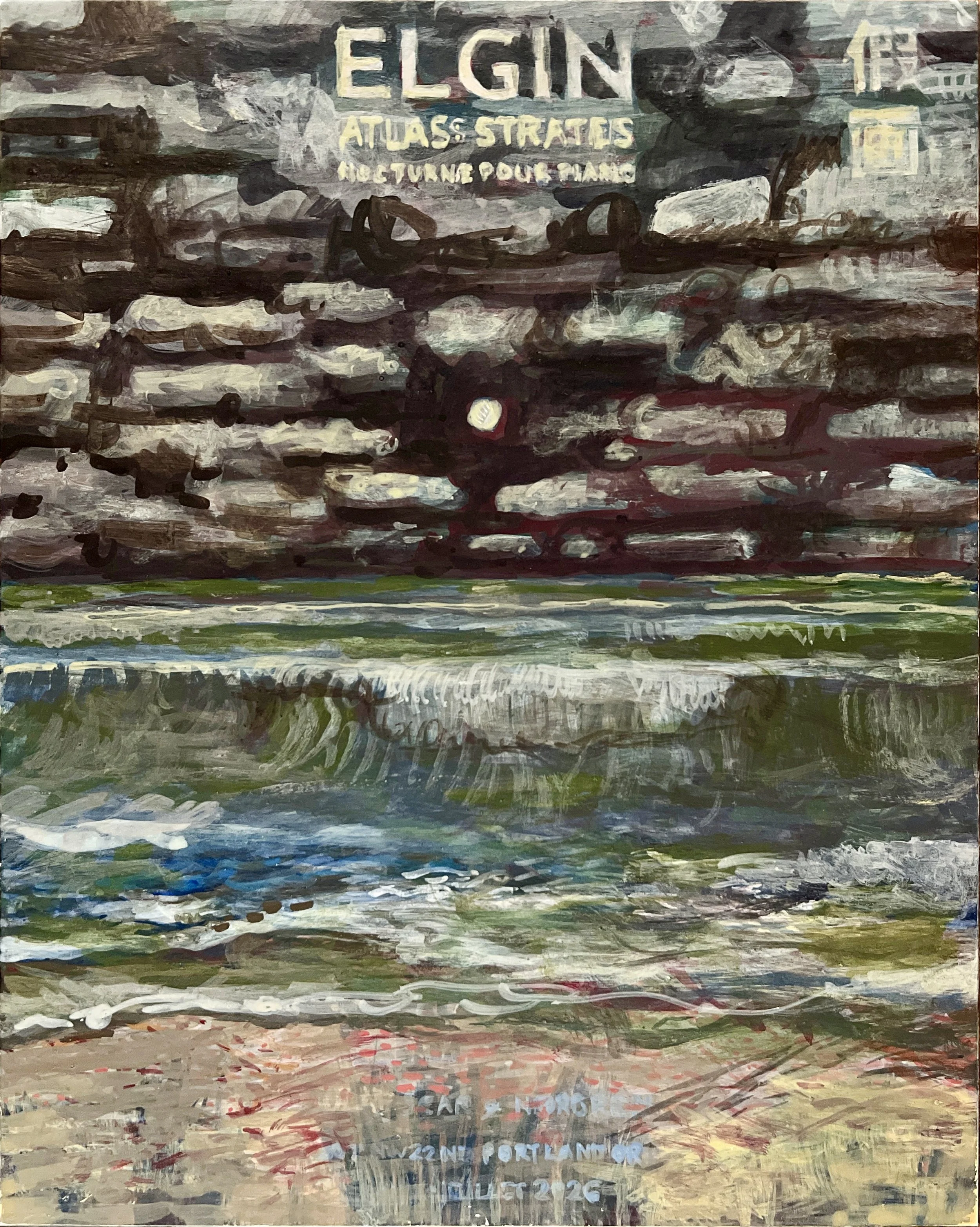
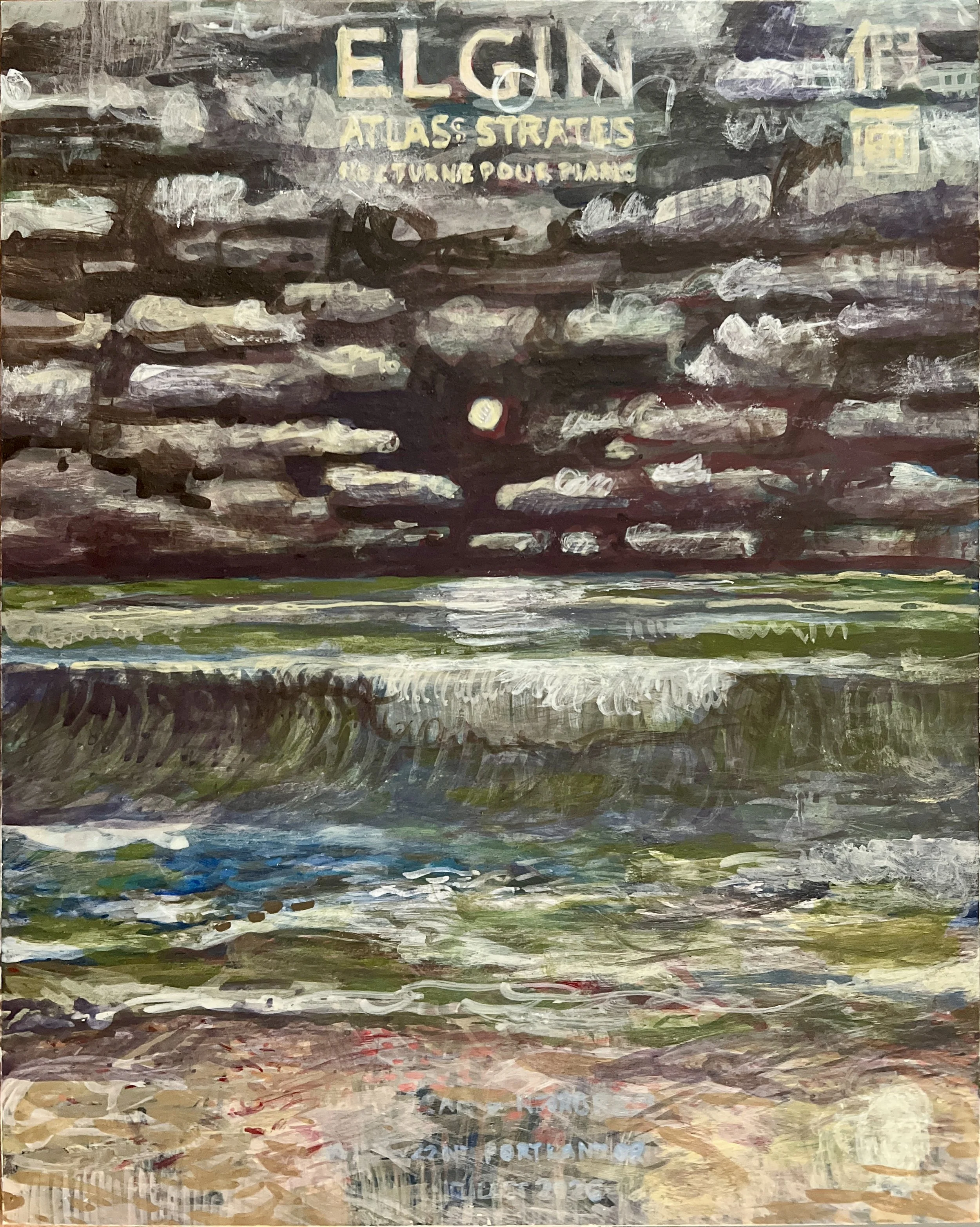
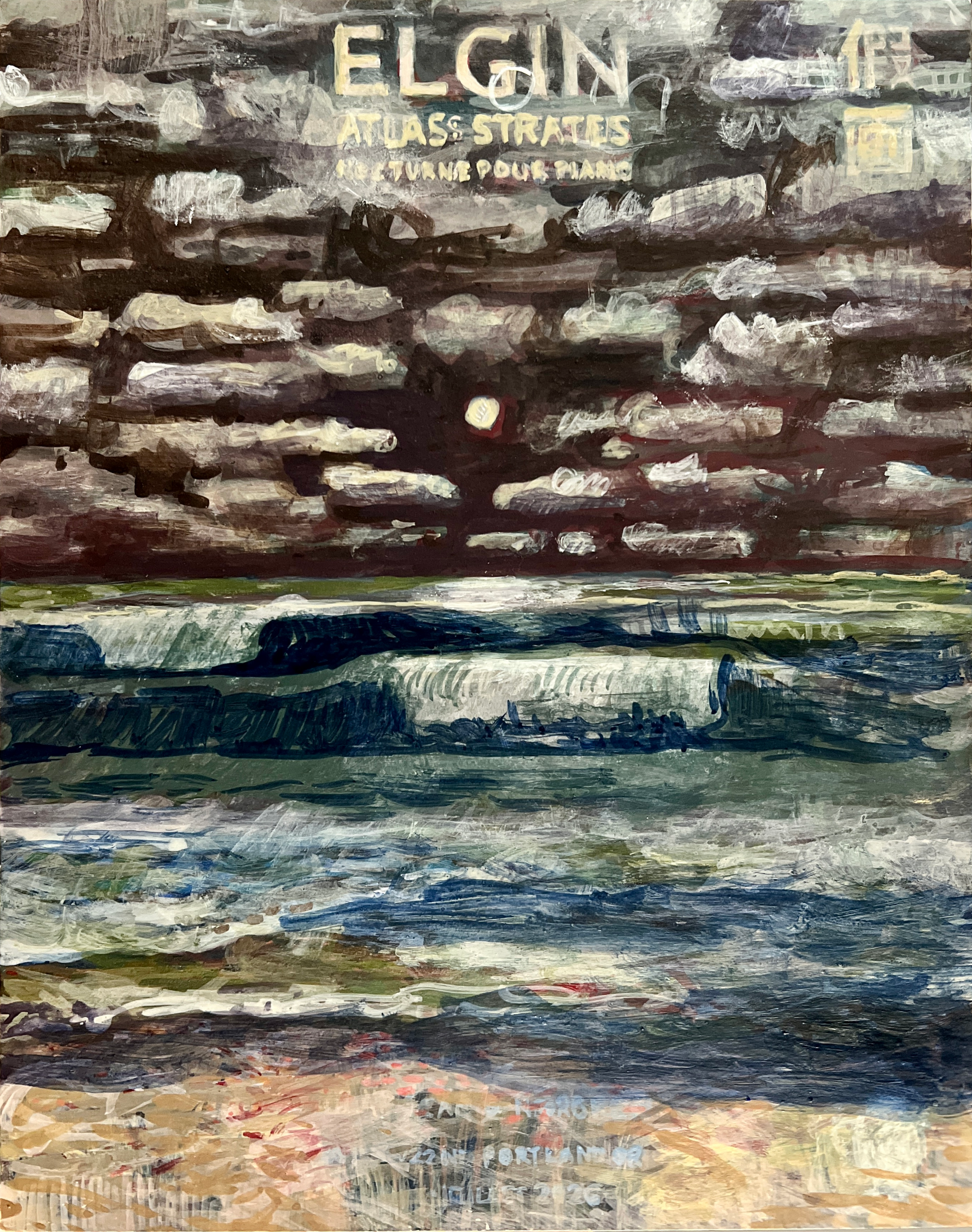
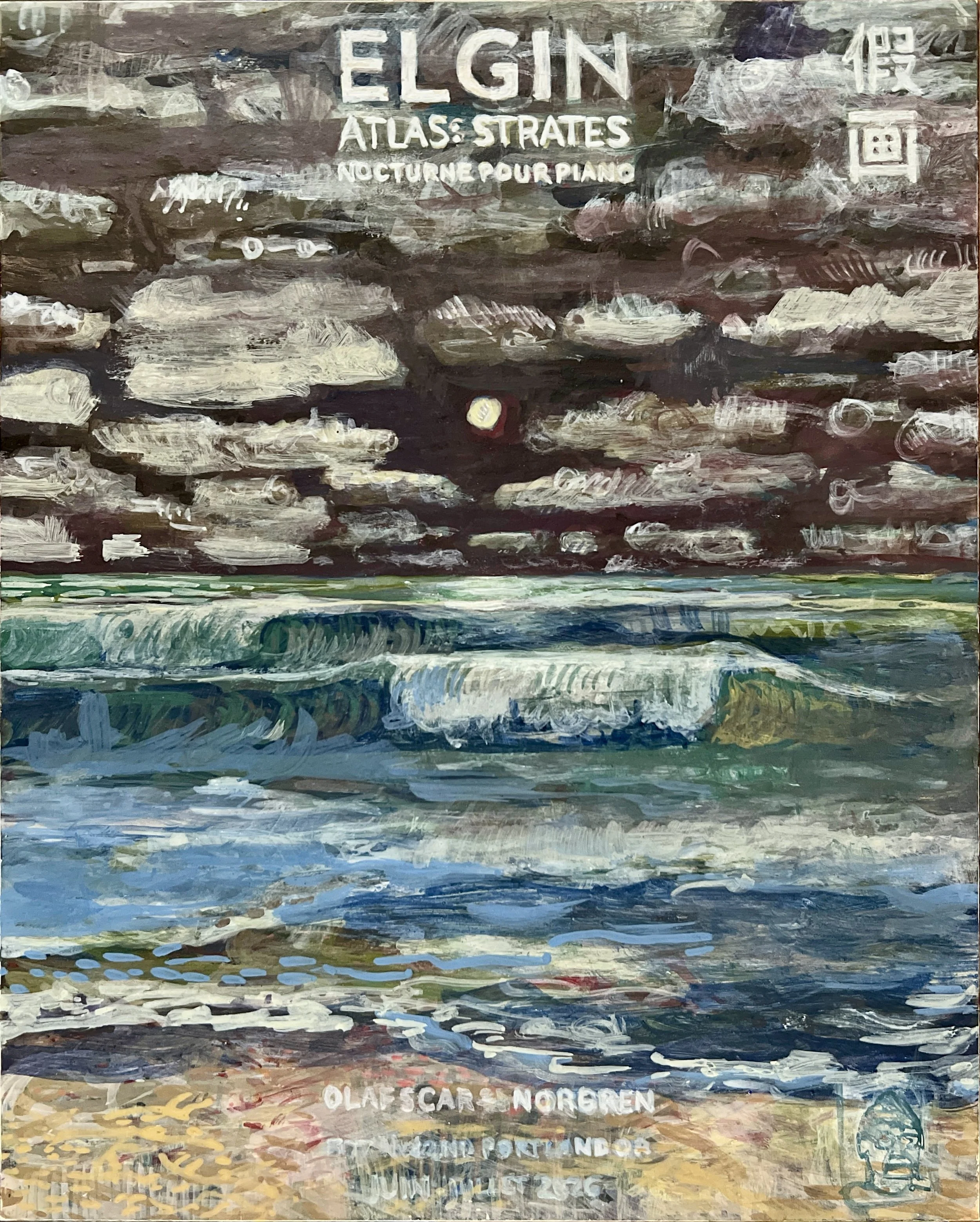
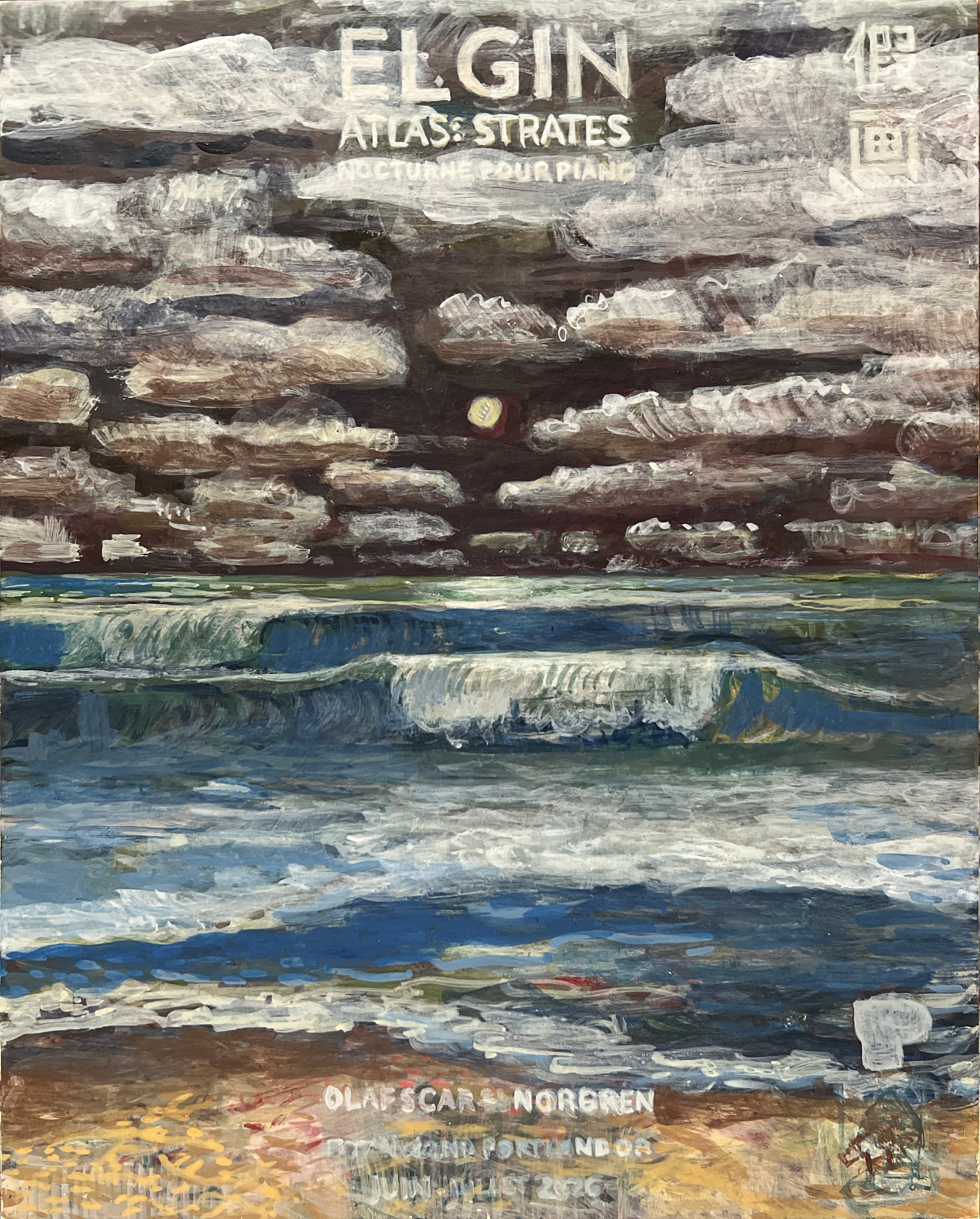
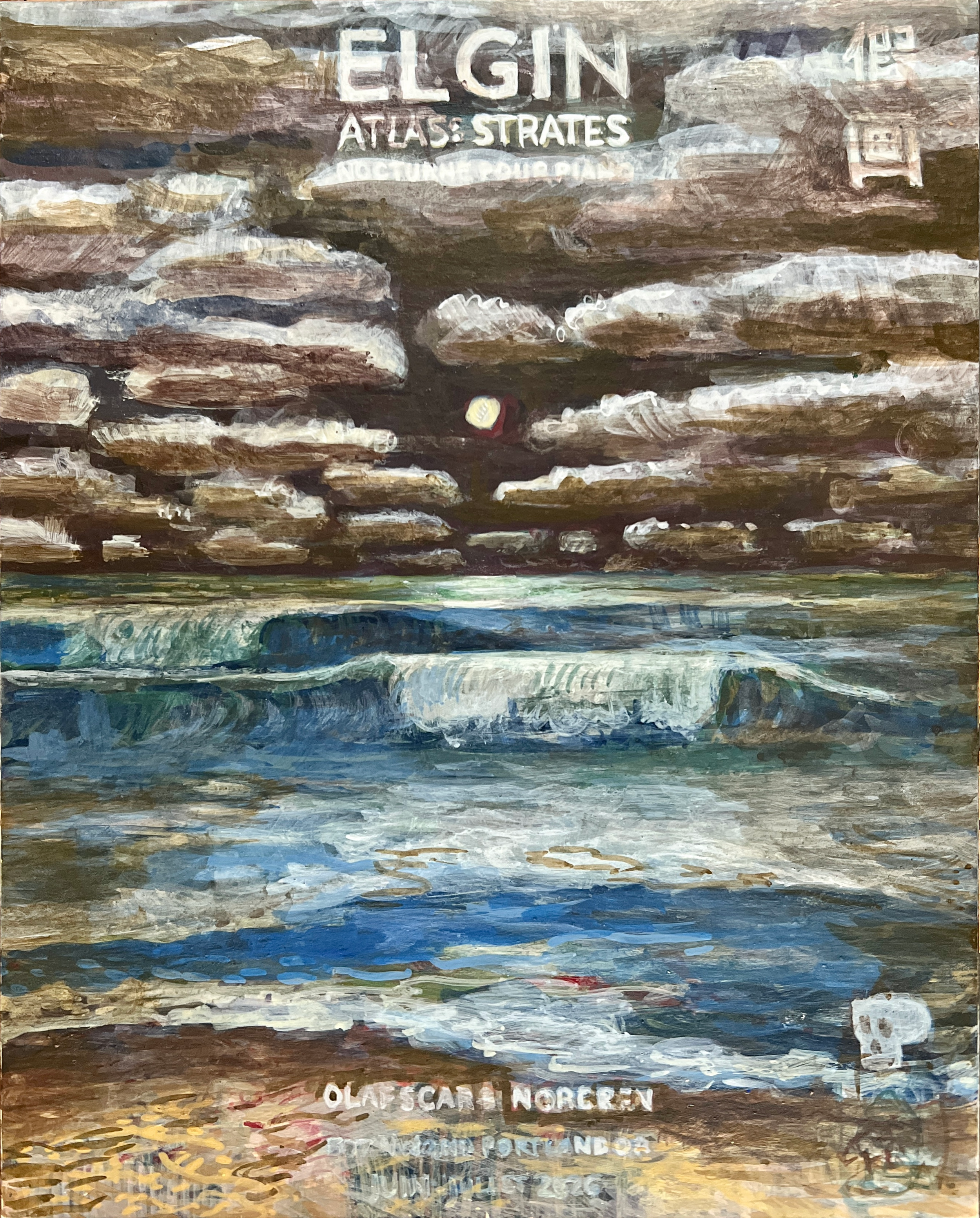
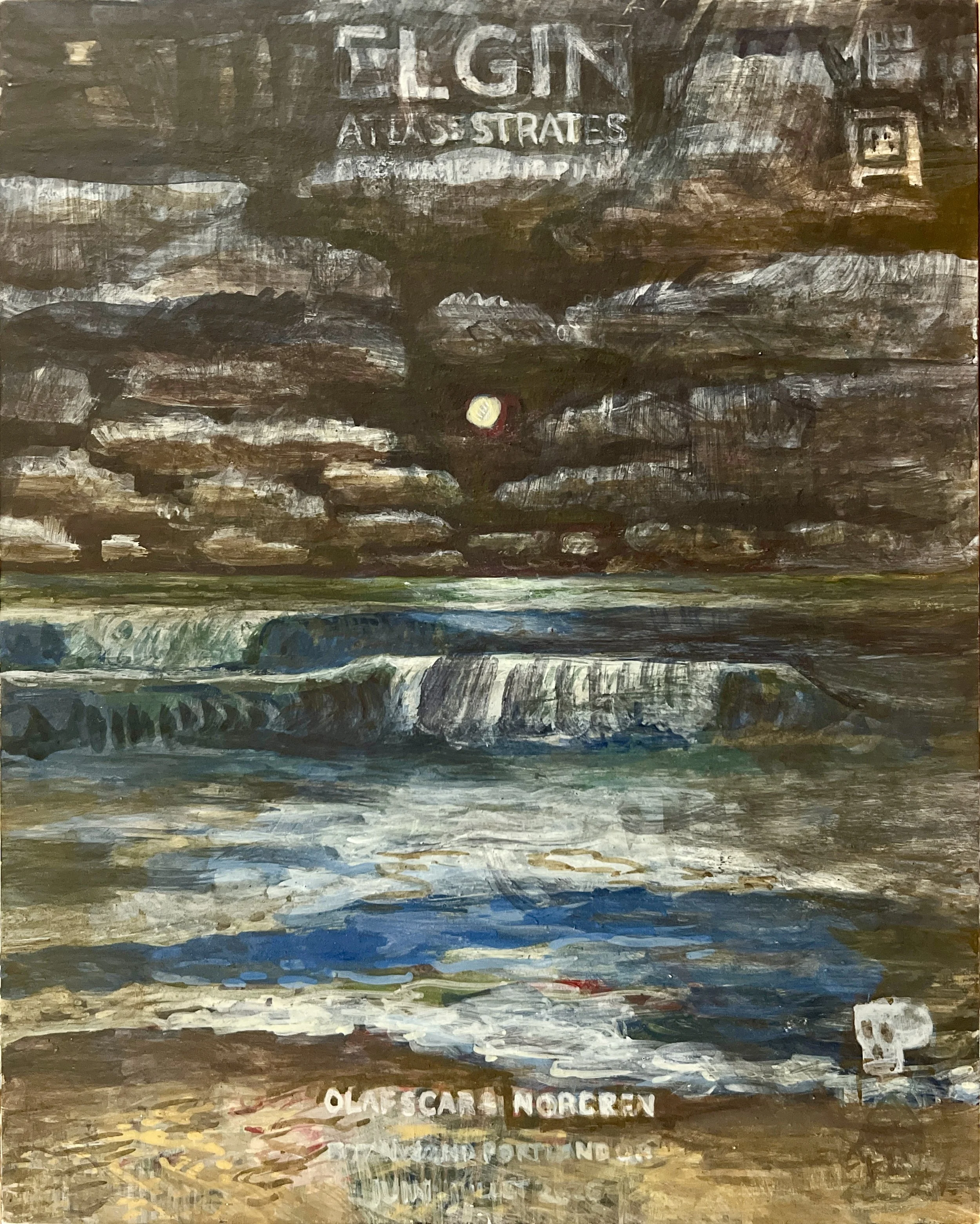
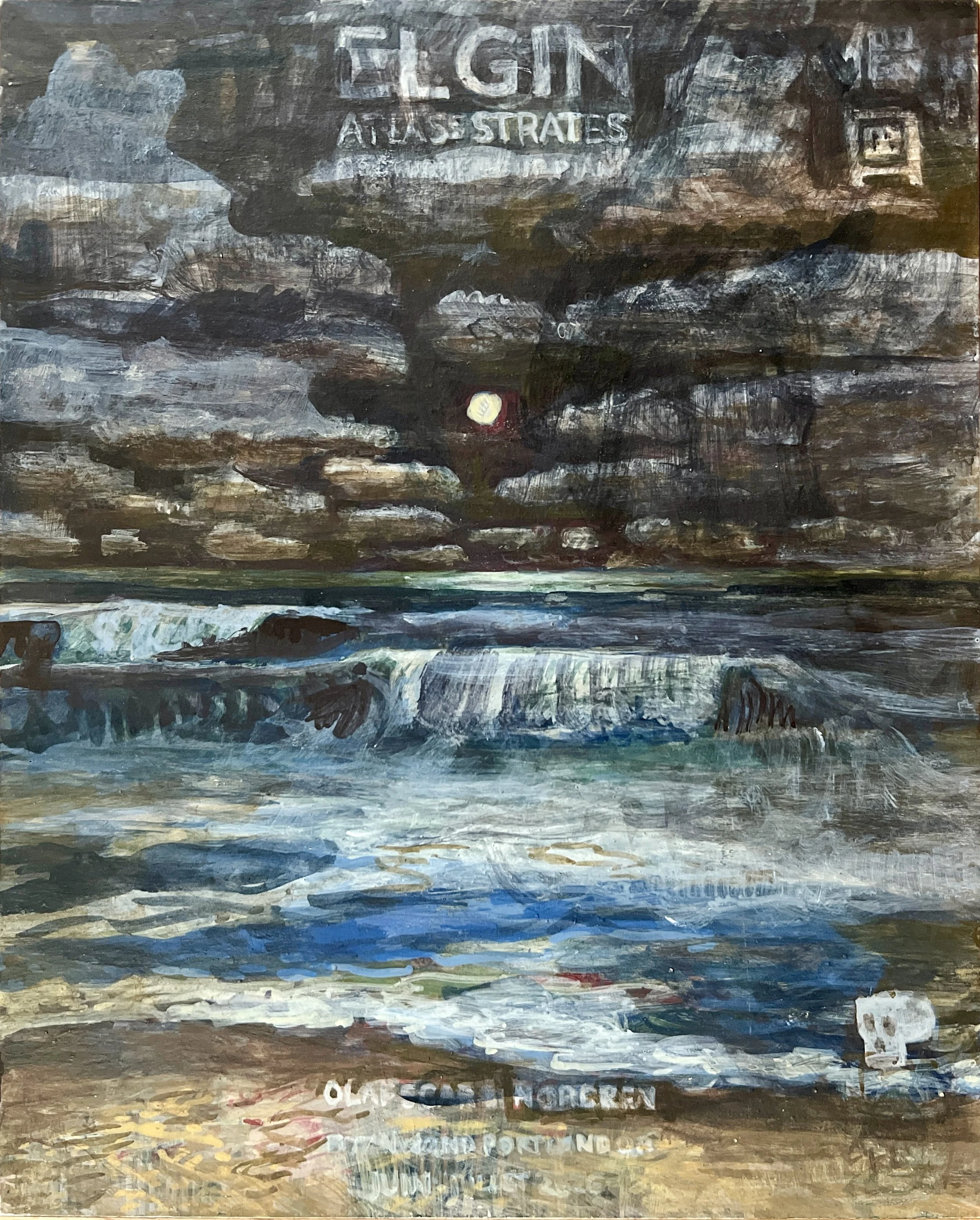
This painting, ‘Nocturne Pour Piano’, is about my reacting to the painting of another artist. Being in Portland, Oregon, I'm not in a place where conversations about painting seem to happen naturally. There is no Cedar Tavern here. What I do have are books, lectures, and the internet.
One thing I appreciate is how you can go online and have all the great art history of the ages at your fingertip. Even better, you have curators like @folesdog who produce a steady stream of paintings, mostly figurative, on Instagram. I'm constantly stopping to look at artists I had never encountered before. Looking at paintings and listening to lectures while I work is my way of participating in a larger artistic conversation.
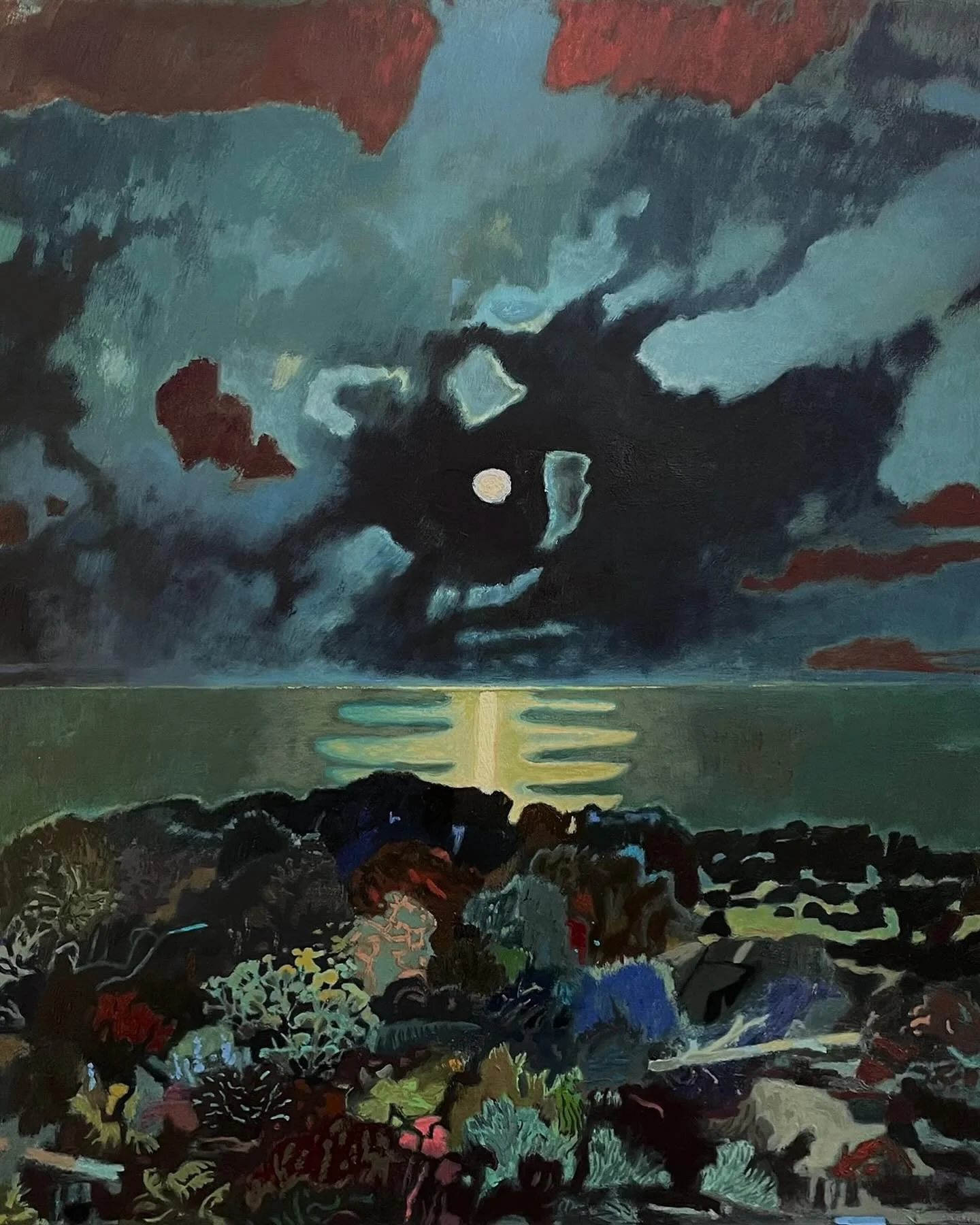
Piano Music #1 - 2025
Recently I came across Jarid del Deo's Piano Music #1 and Piano Music #2. The paintings stopped me immediately. I even contacted his gallery to see whether they were still available. (They weren't).
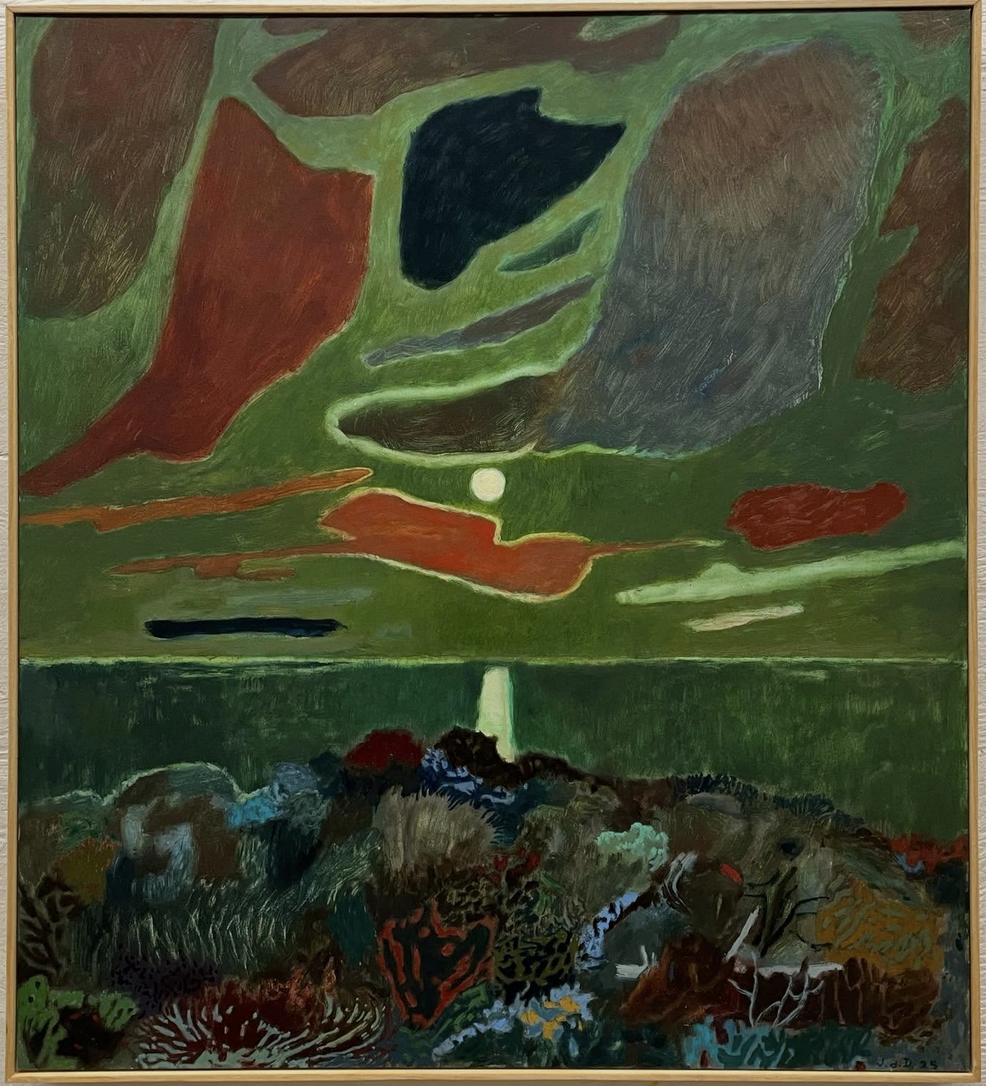
Piano Music #2, 2025
Love these works. I believe the clouds are evocative of Marsden Hartley.
I also feel like there are influences from Edvard Munch.
After spending time with the paintings, I found myself wanting to continue the conversation rather than simply admire them. Something I have been doing with other paintings recently.
I thought that I would see what would happen if I start to react to del Deo’s work.
Starting the Painting Exercise:
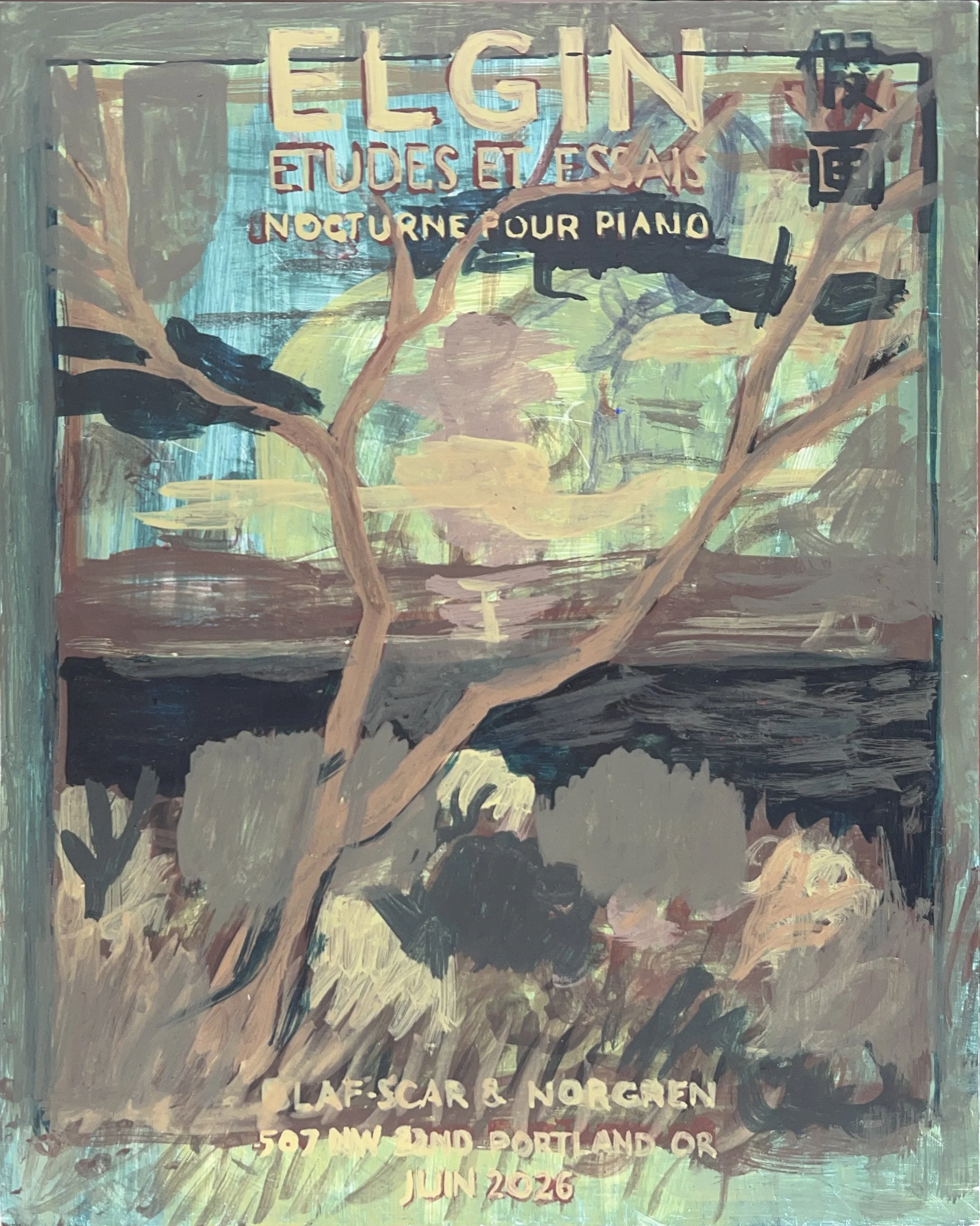
To start with here, I tried to clear my mind and think about just doing a full out copy. I wanted to purchase one of the two paintings, so maybe I could forge one of them for myself? I started with that in mind.
Almost right away, I started to think about the space he created more deeply than I did on first impression. I had a really hard time placing myself in his work. His horizon line puts the eye level way above what I initially read as being trees. It’s as though the viewer were high on a hillside overlooking trees at the edge of an inland sea.
Am I floating like a seagull?
Am I standing at the edge of a hill over looking a vista?
That uncertainty of where I was grounded became the starting point for my own painting.
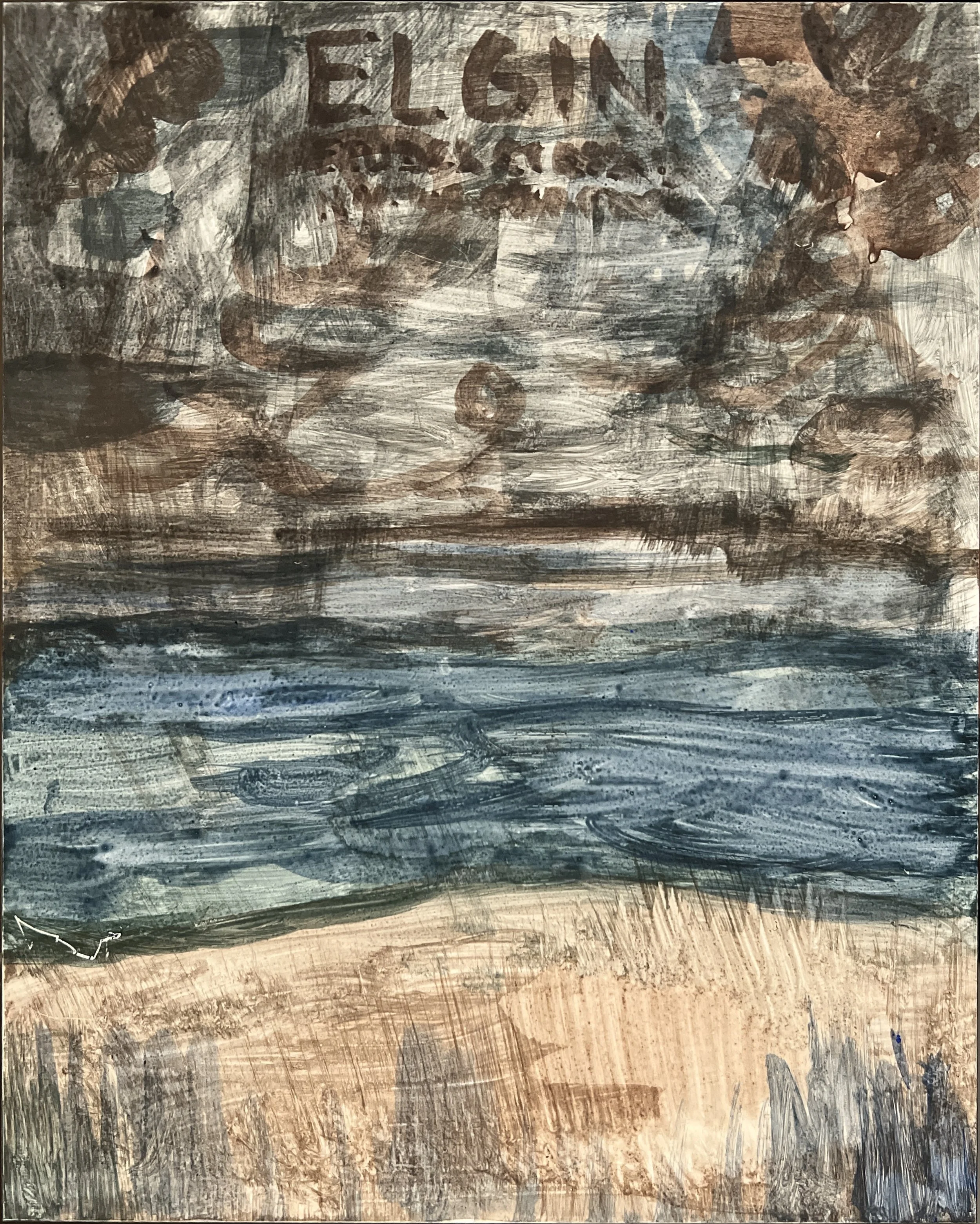
I decided to keep much of del Deo's compositional structure intact while introducing a place for the viewer to stand. I added a section of hillside in the foreground. I added a tree because I seem incapable of making a painting without one.
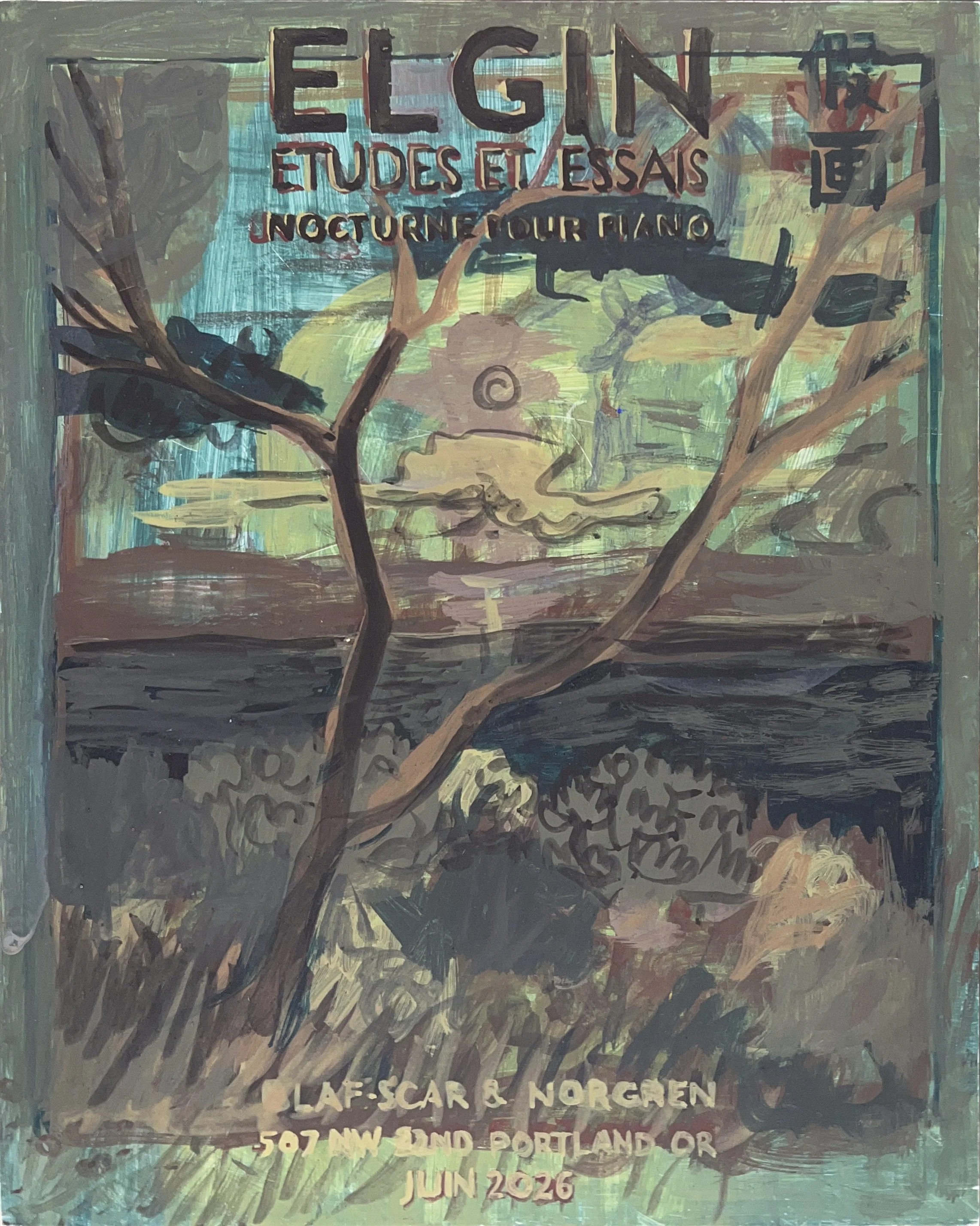
End of Session 2
At the end of day 2, my plan was to have this be a painting of a forgery. I’ve also been trying to work on a series revolving around framed paintings with flowers obscuring it.
I thought that this ‘forgery’ could be sitting on the ground in a garden with Daffodill's at its base.
I was also thinking this composition was pretty sound at this point.
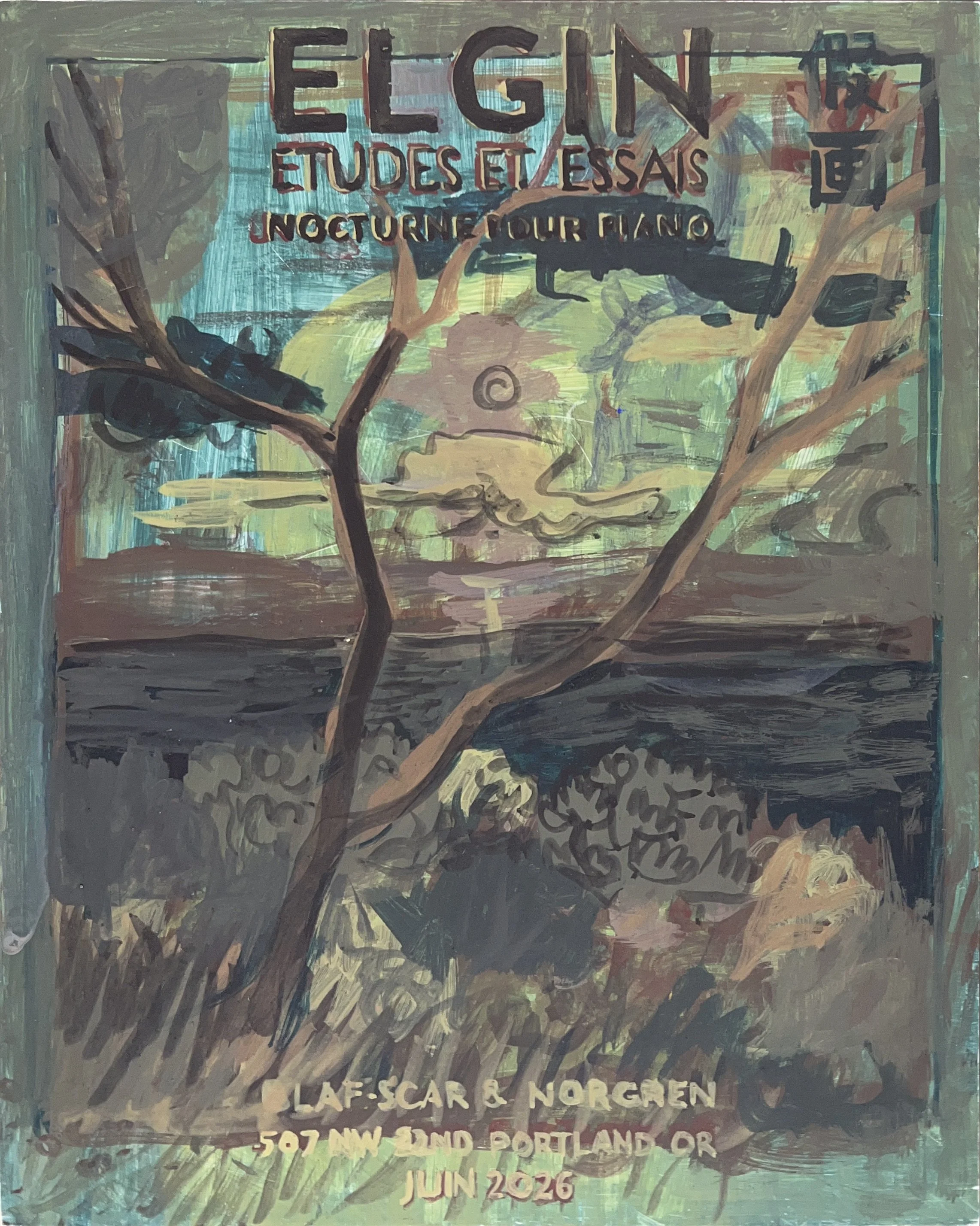
I wanted to explore including a hollywood trick to help the viewer feel like they are in the film.
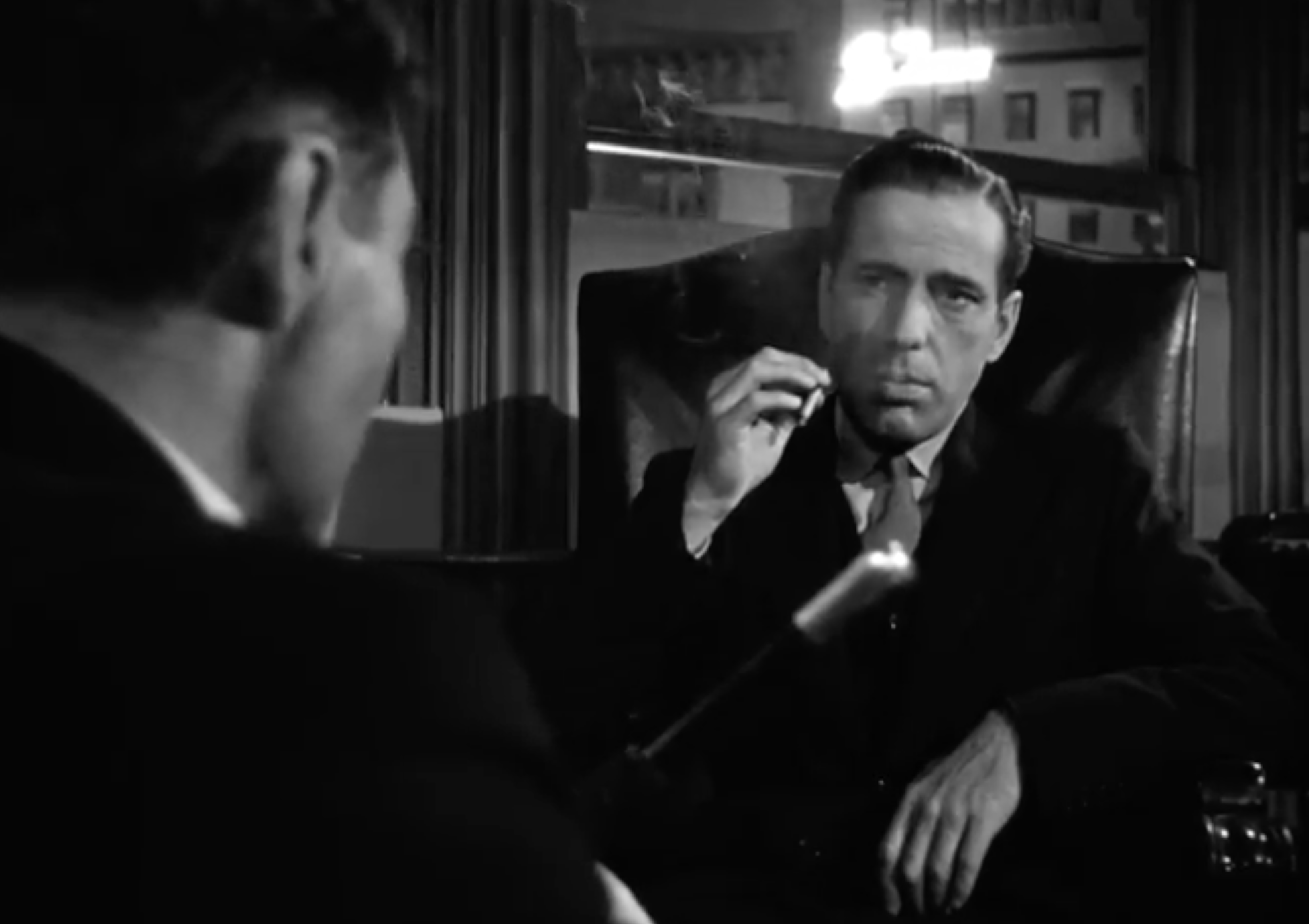
The classic over-the-shoulder shot. A scene from The Maltese Falcon, Humphrey Bogart faces the camera while Peter Lorre occupies the foreground.
What interests me is the way this device appears throughout cinema. The viewer is placed in Lorre's position. For a moment, we are looking through his eyes, sharing his point of view.

End of Session 9
I ended this day with the thought that the person would be on a hill in a park in the city of Nice overlooking the water.
I really liked this composition at this level of fidelity.

End of Session 10
Damn it.
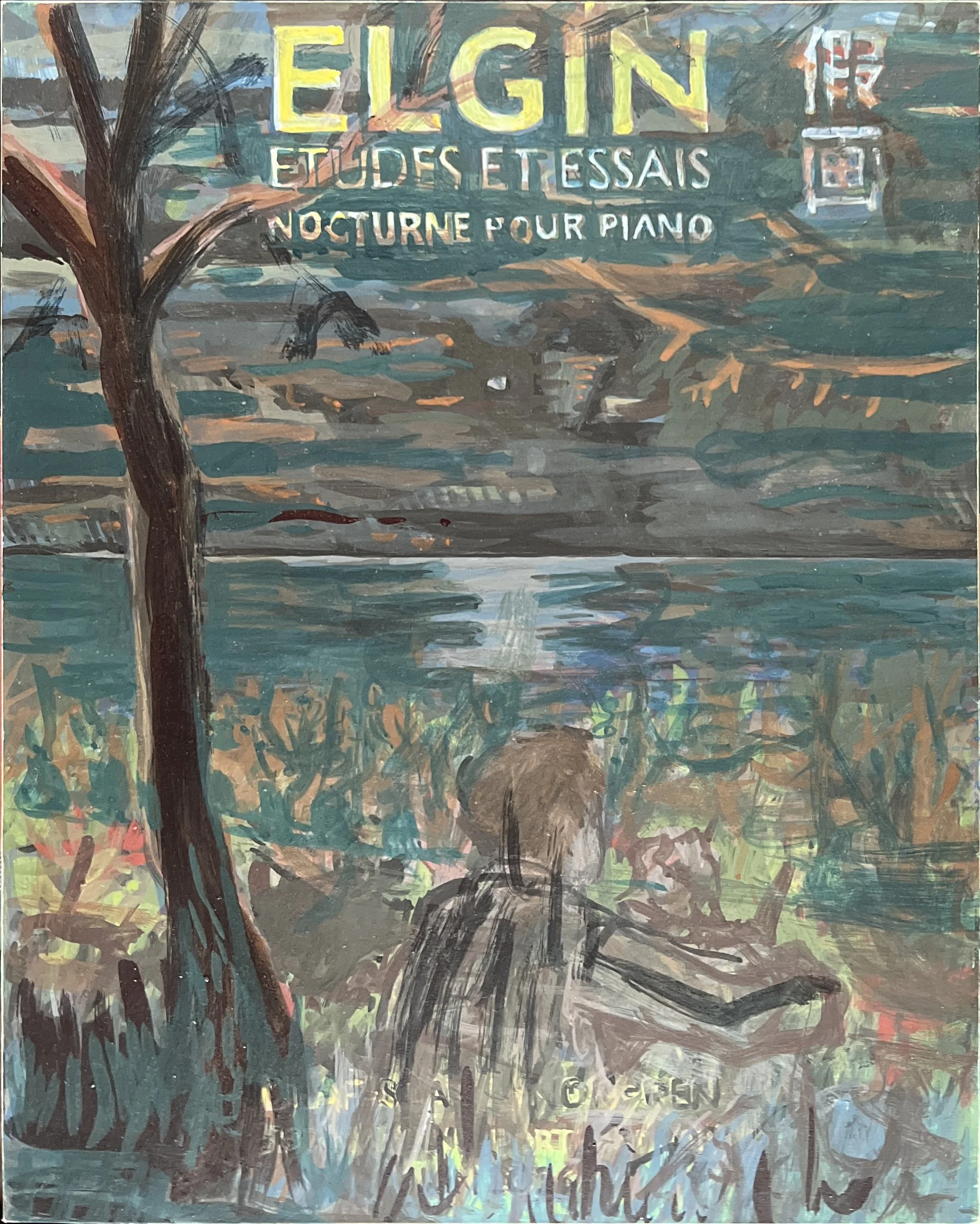
The figure was not feeling right being that high up.
I attempted to shifted it so that the guy is at the edge of a beach.
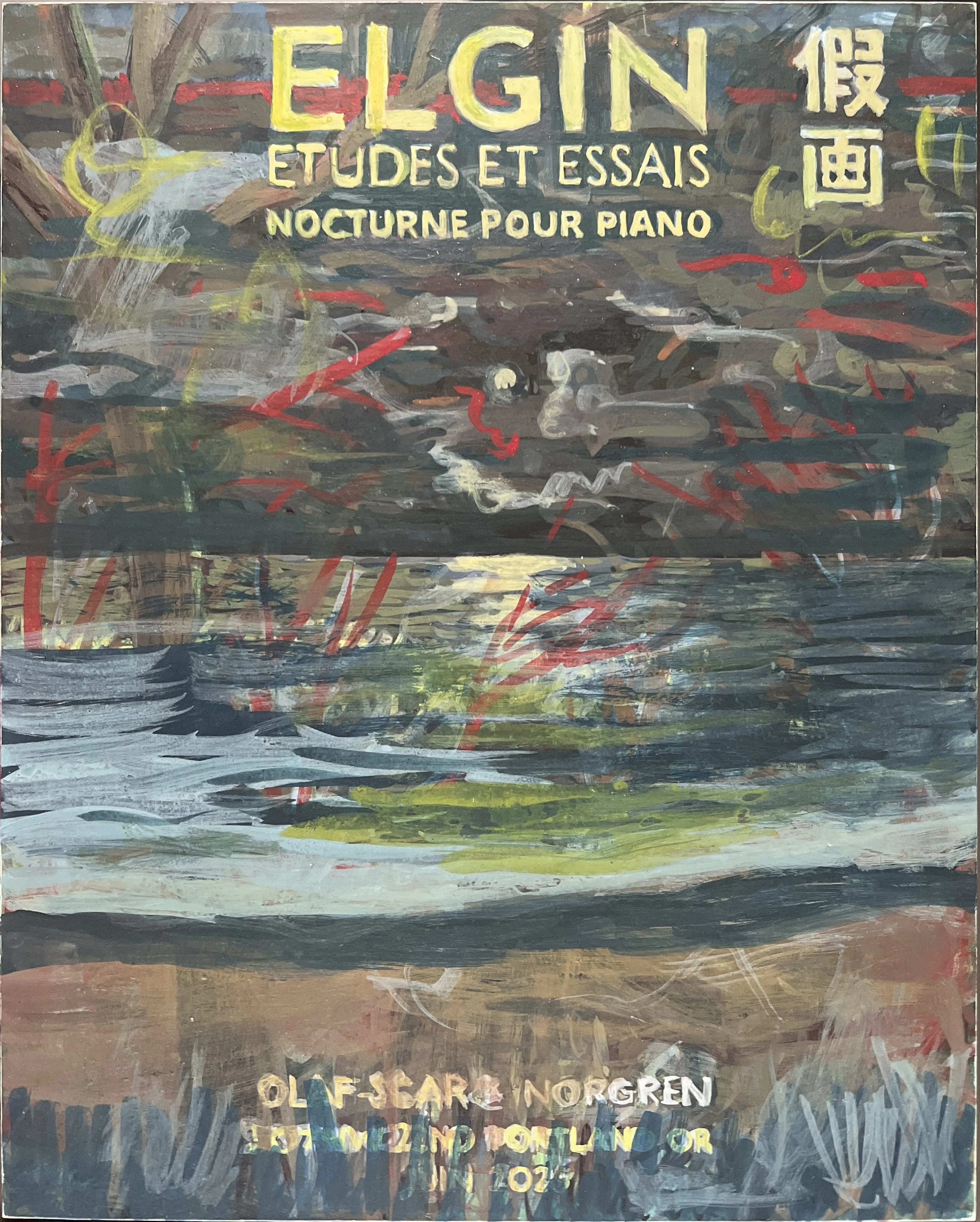
End of Session 11
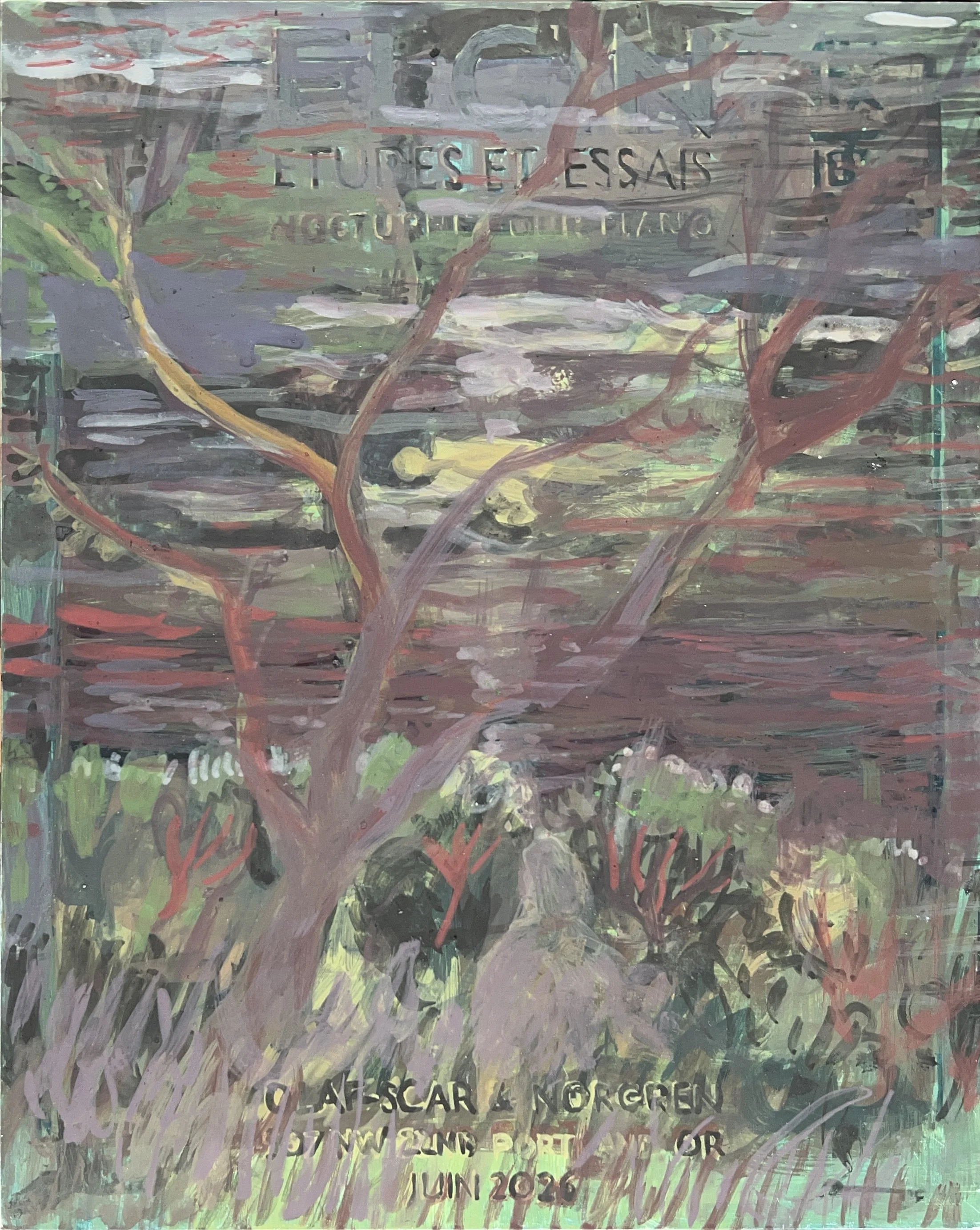
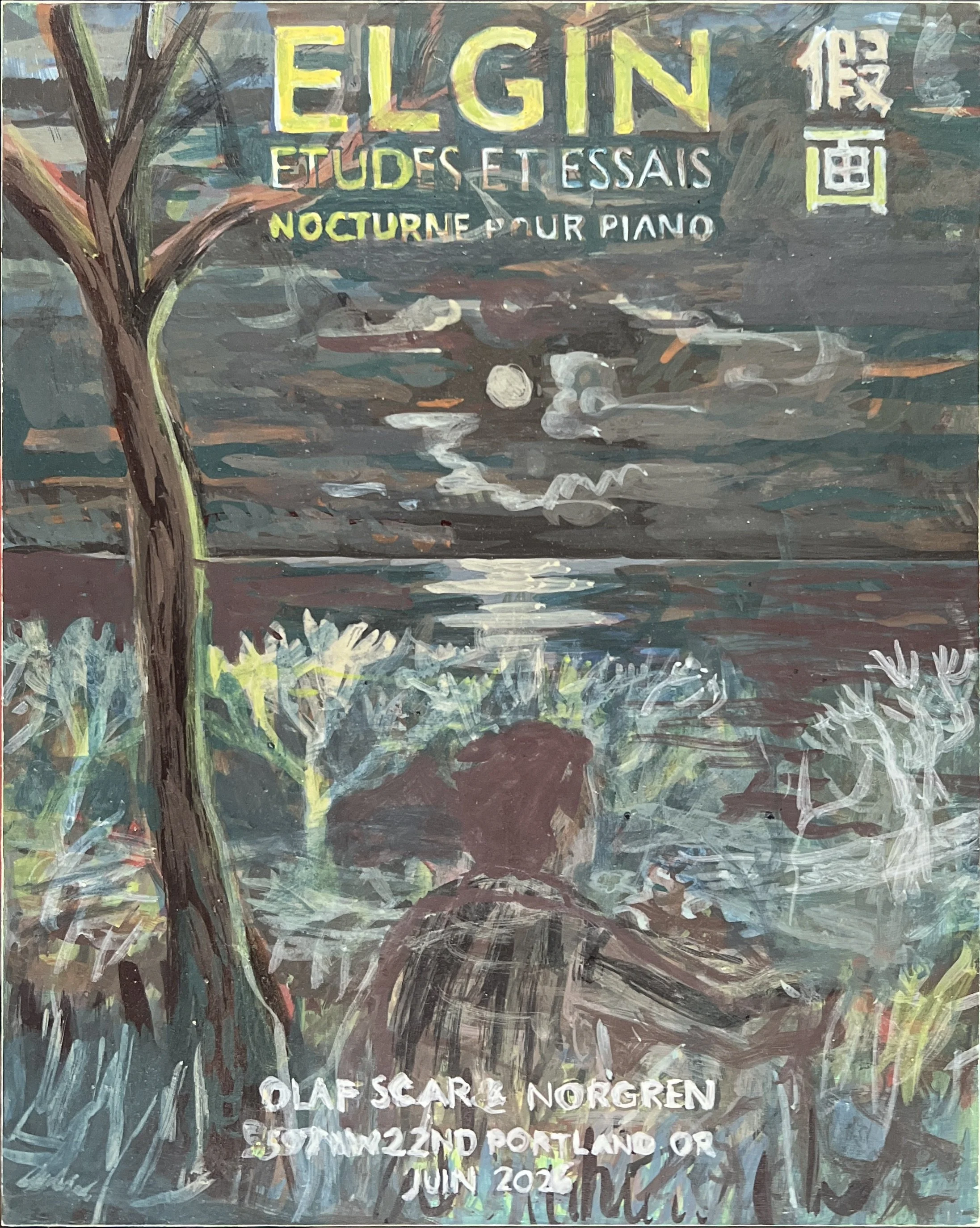
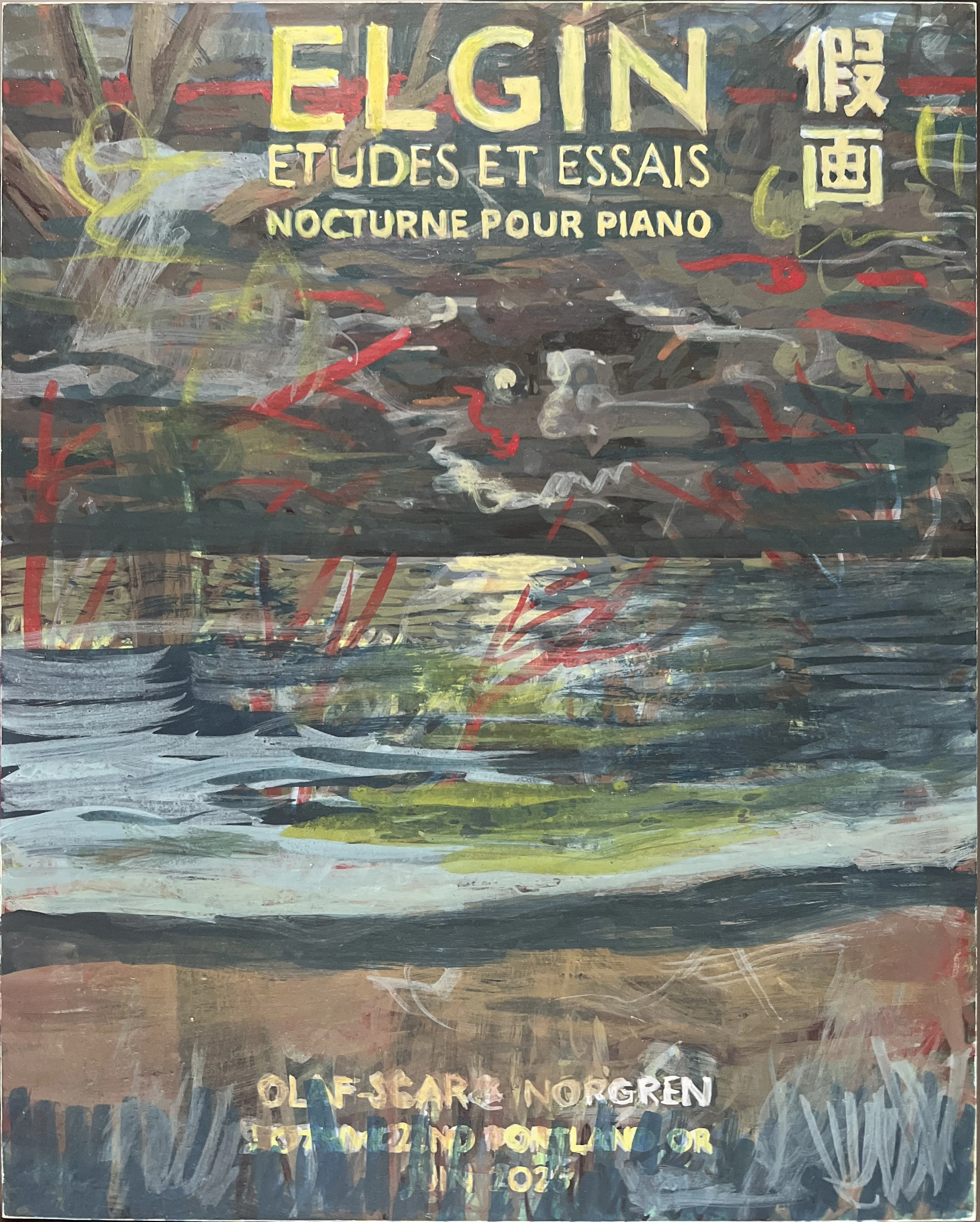
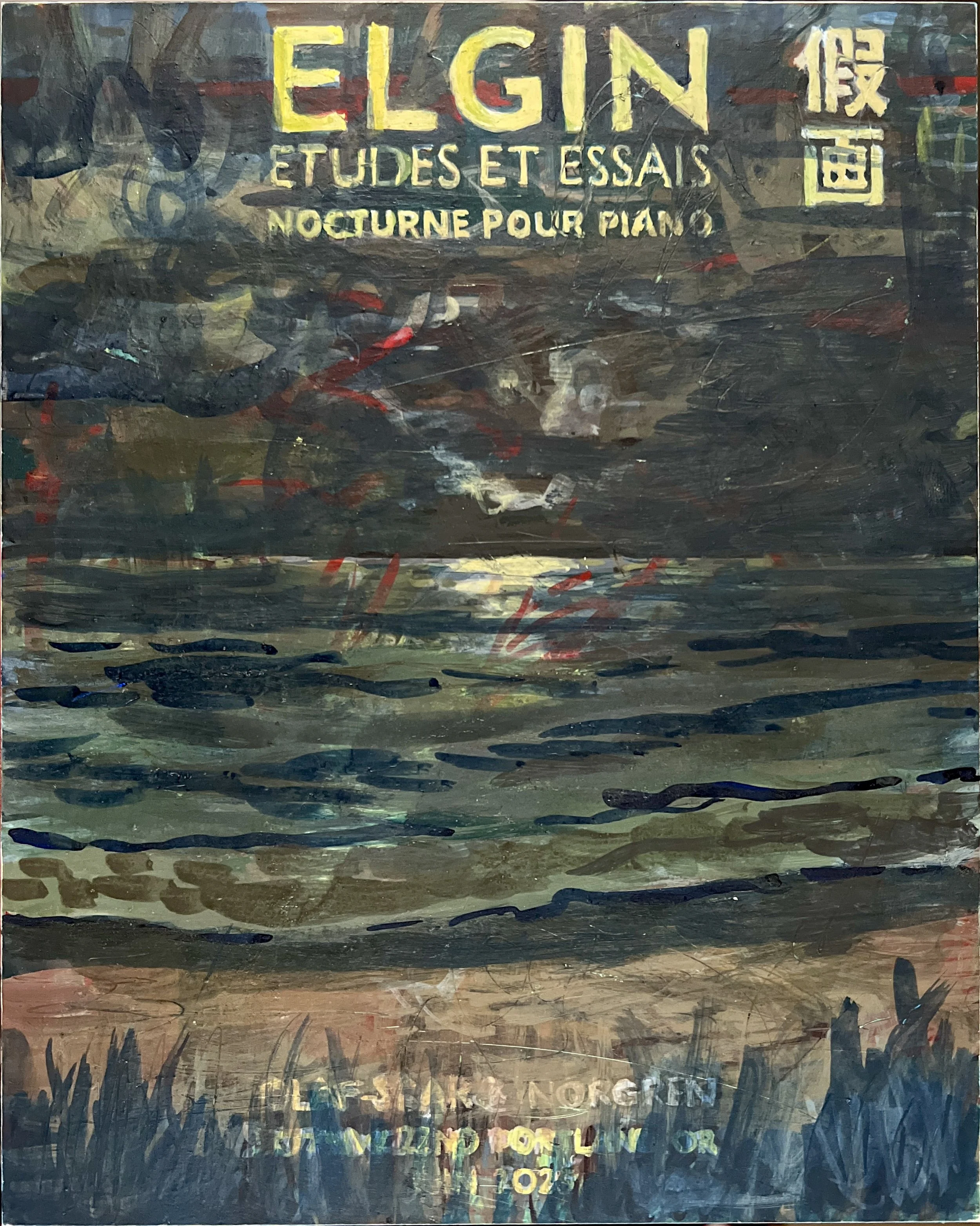
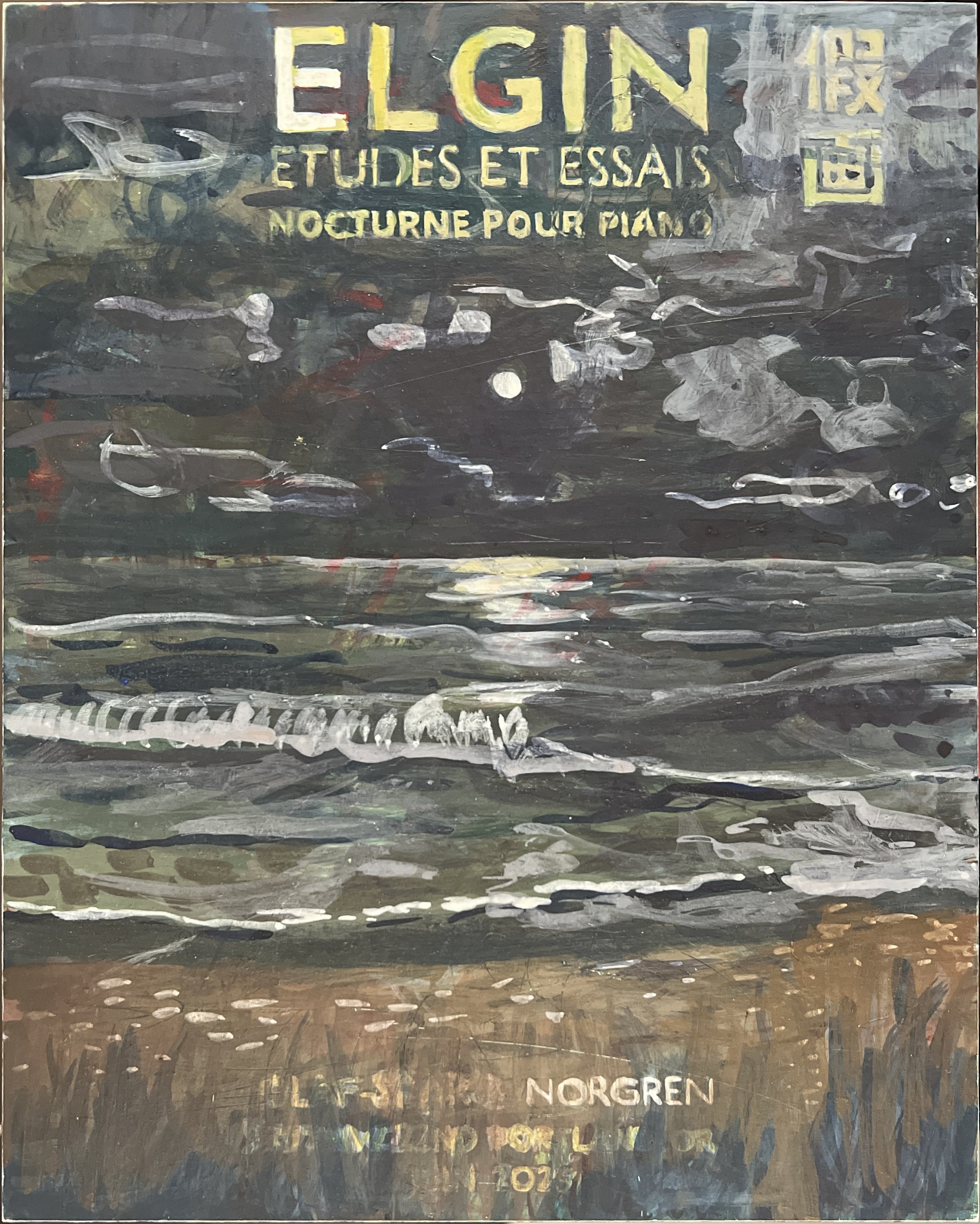
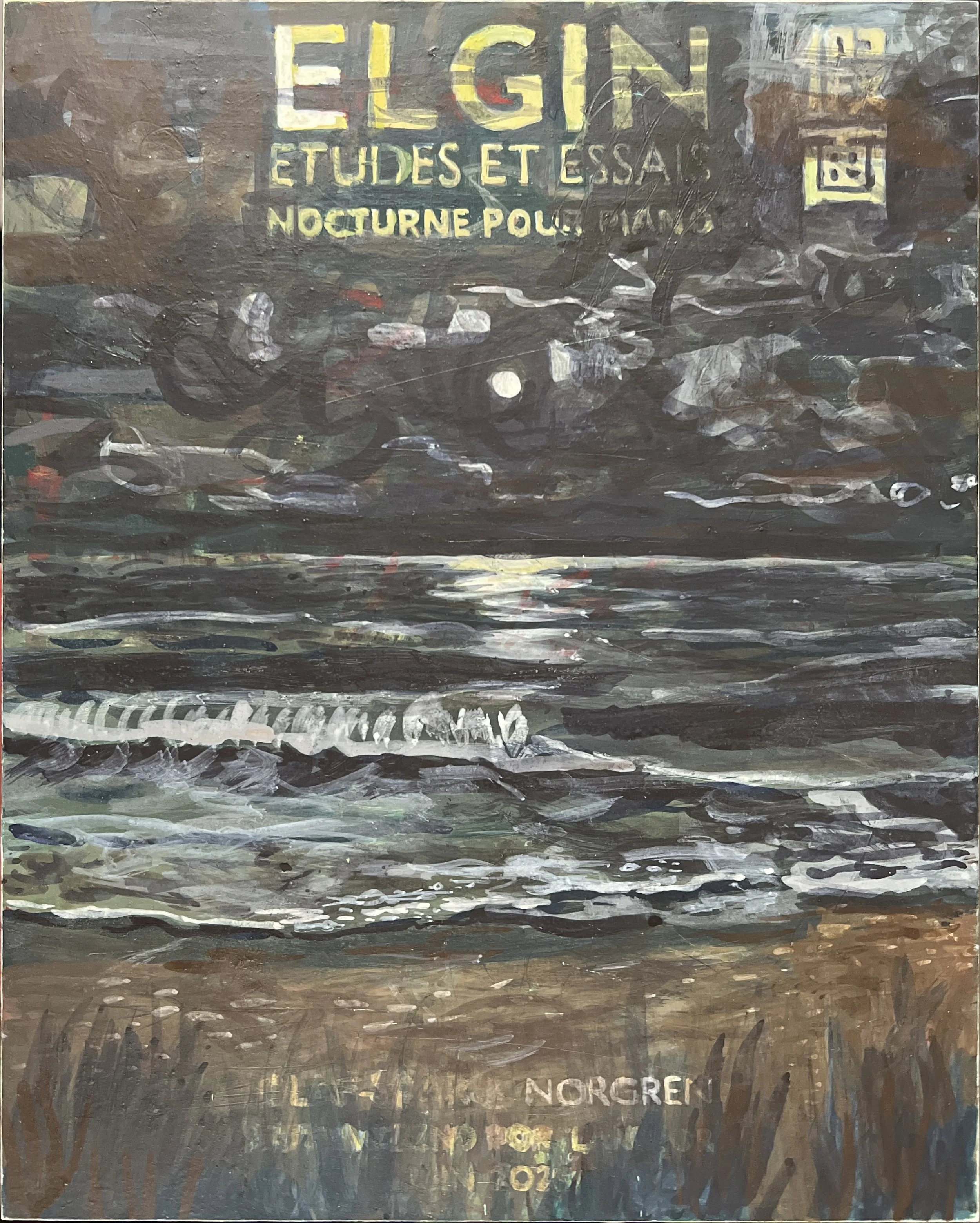
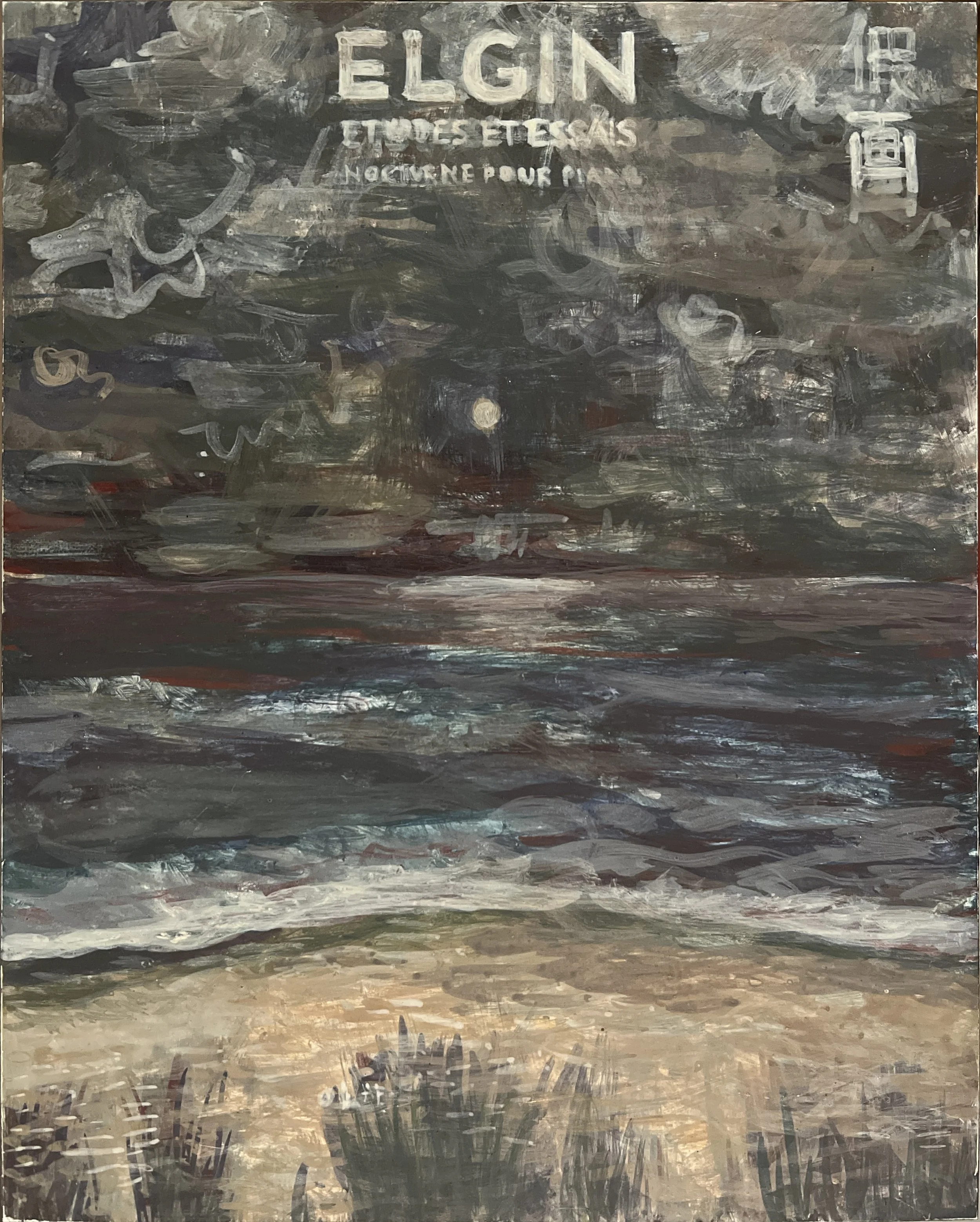
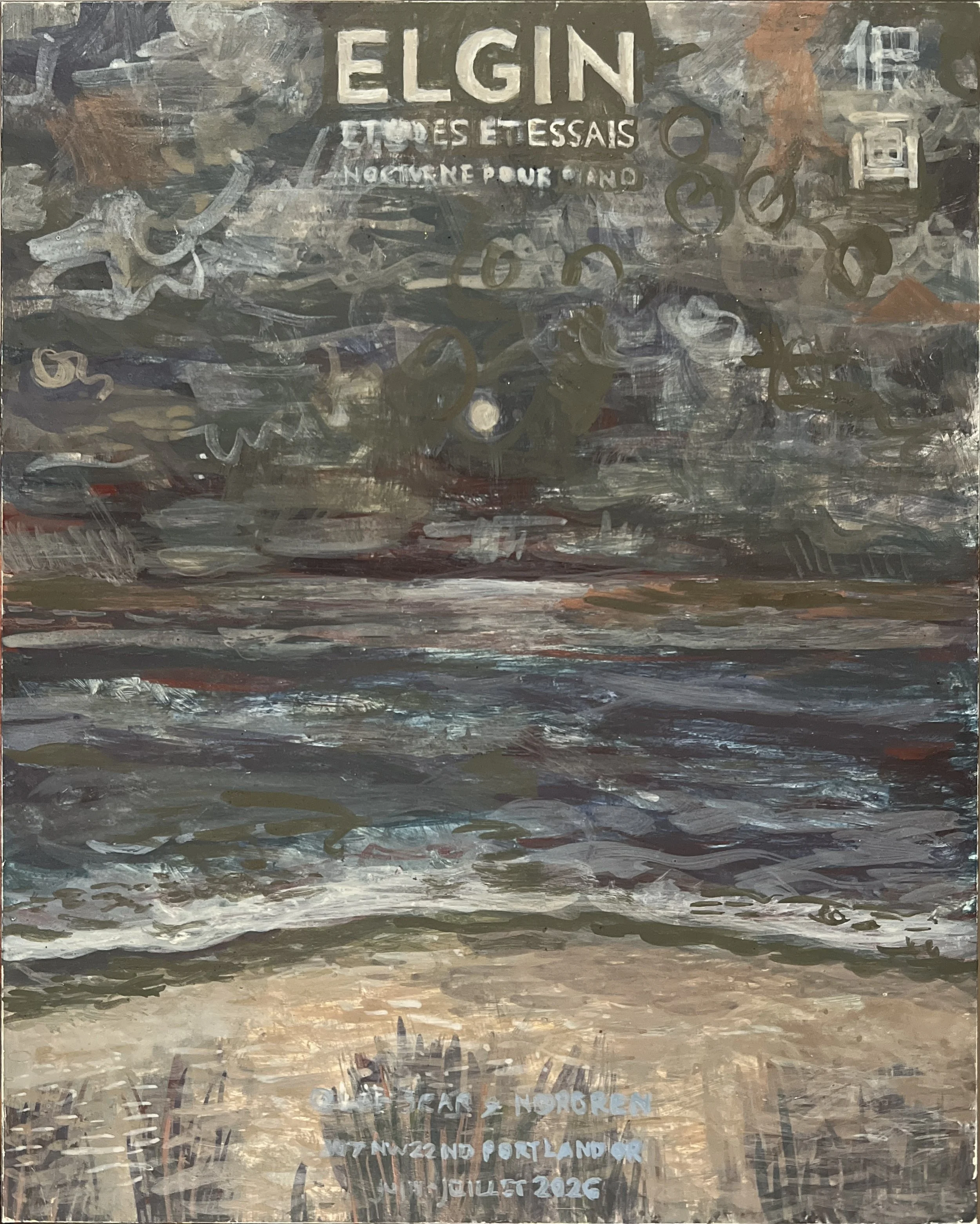
I finally feel like this image came together.
Adding the beach at the end of yesterday helped me see the nice simple horizontal line composition.
I took out the tree in the foreground, the figure. I feel that everything is clicking and that this is going to be a good picture now.
Even though I lost the back of the figure in this painting. I want to try to bring him or her back into future works.
Trying to figure out the clouds
How great is it to just think “I wonder how others have painted clouds?” and then spend an hour looking at 100s of cloud paintings by others… and be able to classify that as being ‘work’… Is what I’m doing work?
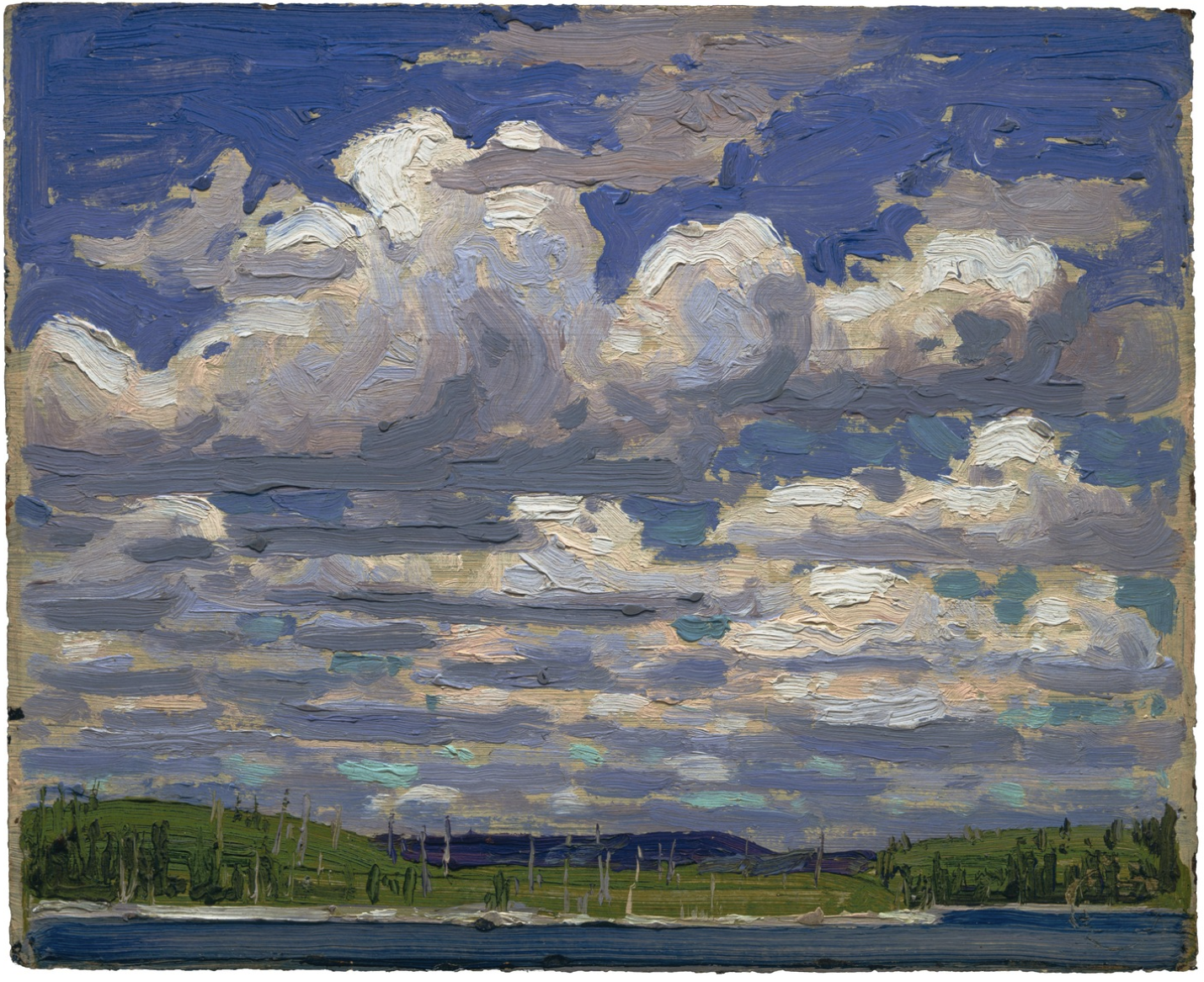
Tom Thompson - Summers Day
At this point, I was having a hard time with the clouds. I wanted to find something akin to what Tom Thompson was doing here.
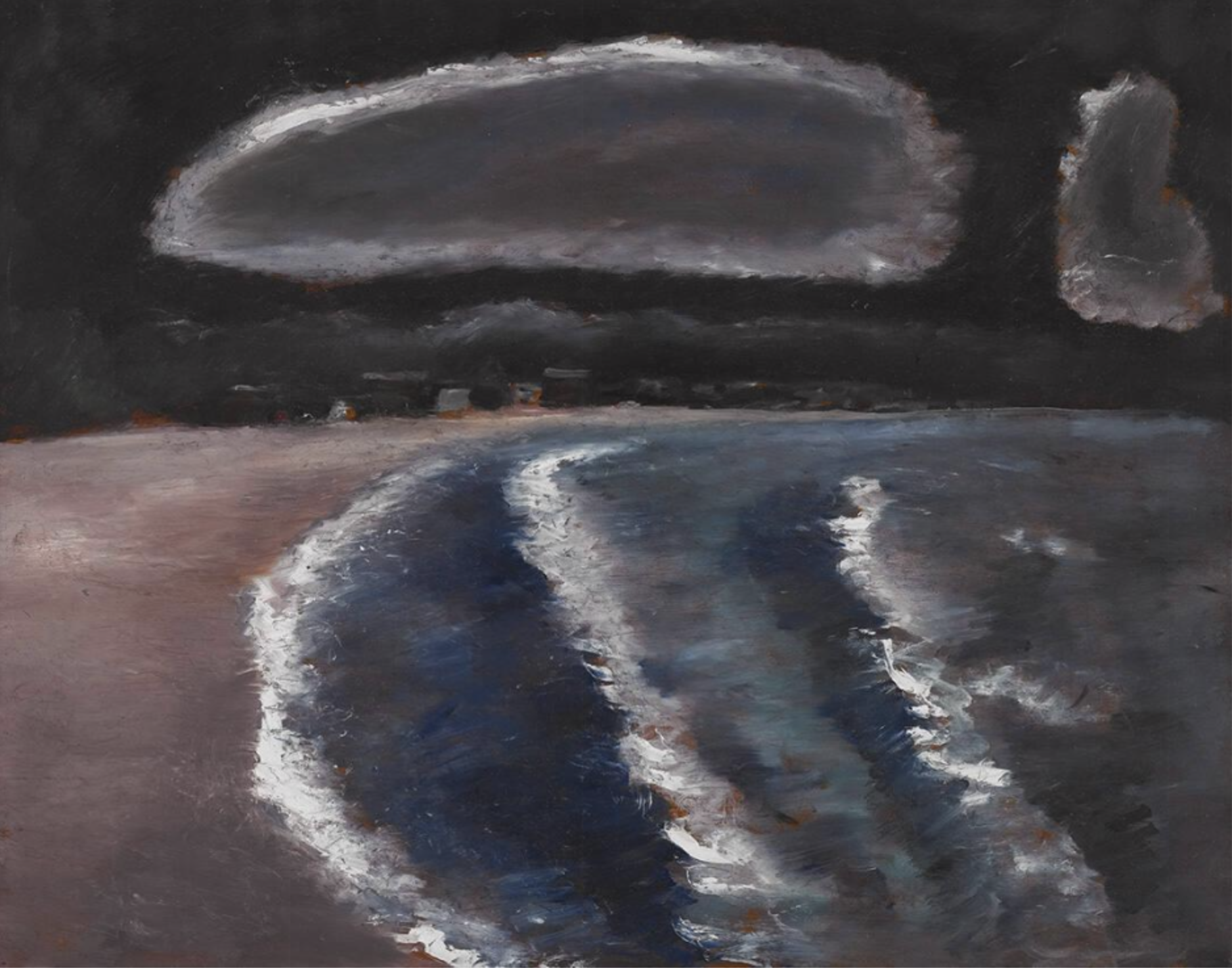
Hartley - Storm down Pine Point Way, Old Orchard Beach
I feel like the way Hartley treated clouds was also worth paying attention to.
I think that del Deo was taking inspiration from Hartley for his clouds.
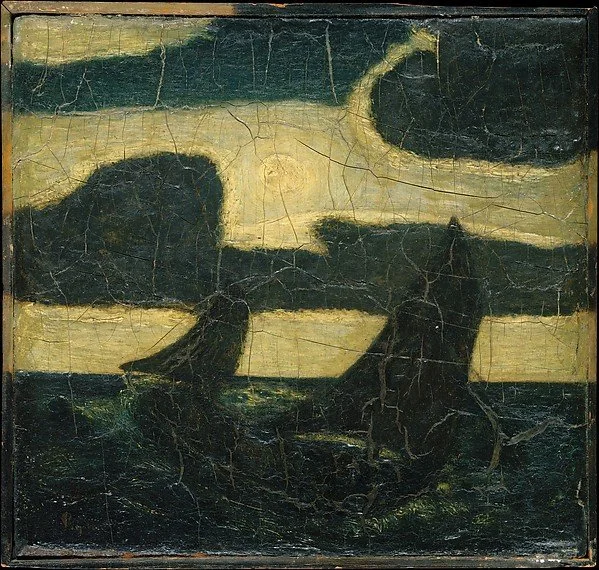
Ryder - Moonlight Marine
Ryder with his night paintings influenced Hartley.
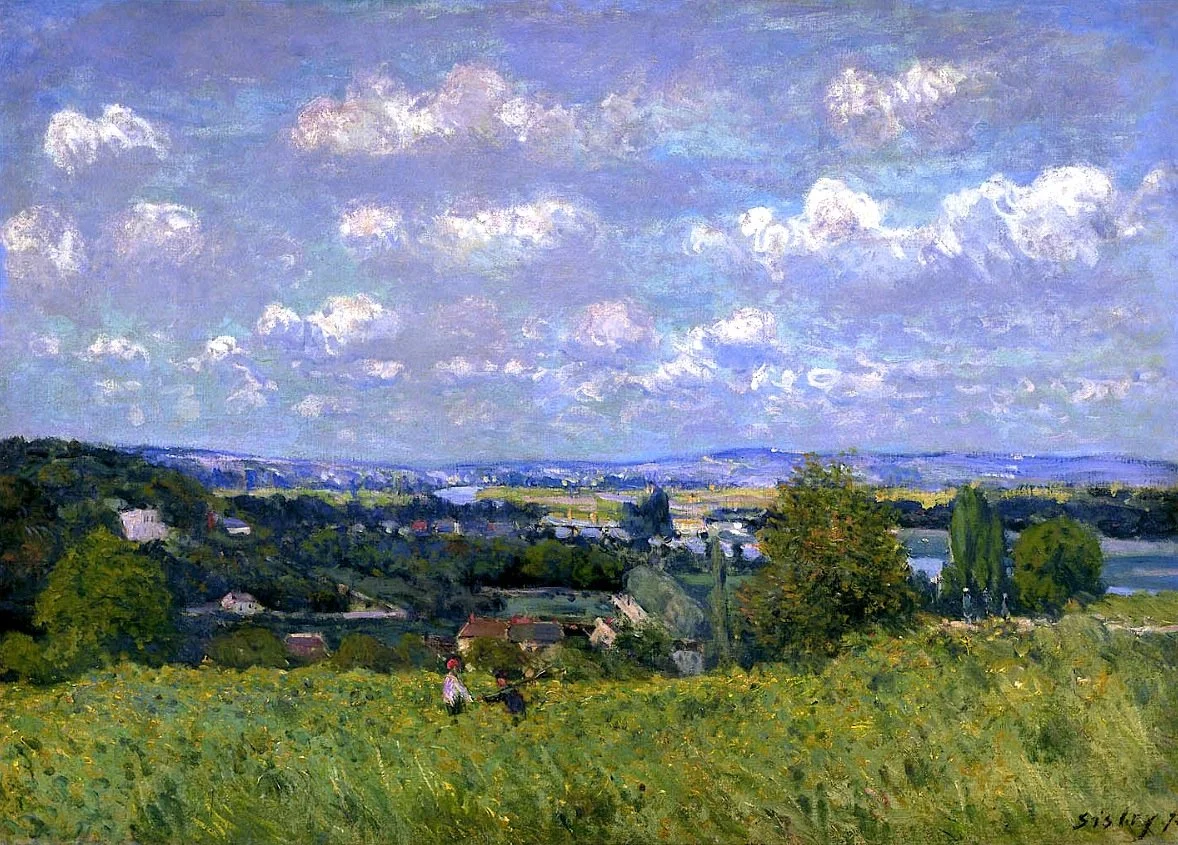
Alfred Sisley, ‘Landscape on the Banks of the Seine’ - 1875
Nice puffy clouds. I appreciate this work by Siscly because it has a great sense of depth, the mark making and colors change as the foreground recedes to the background. The complex brushmarks pull the eye around the otherwise very simple composition.
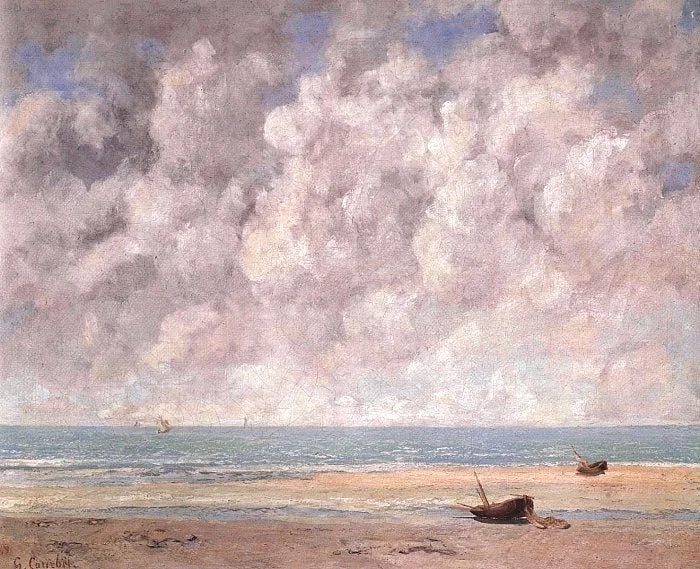
Gustave Corbet, ‘Calm Sea’ - 1869
Courbet was having fun with the clouds on this one.
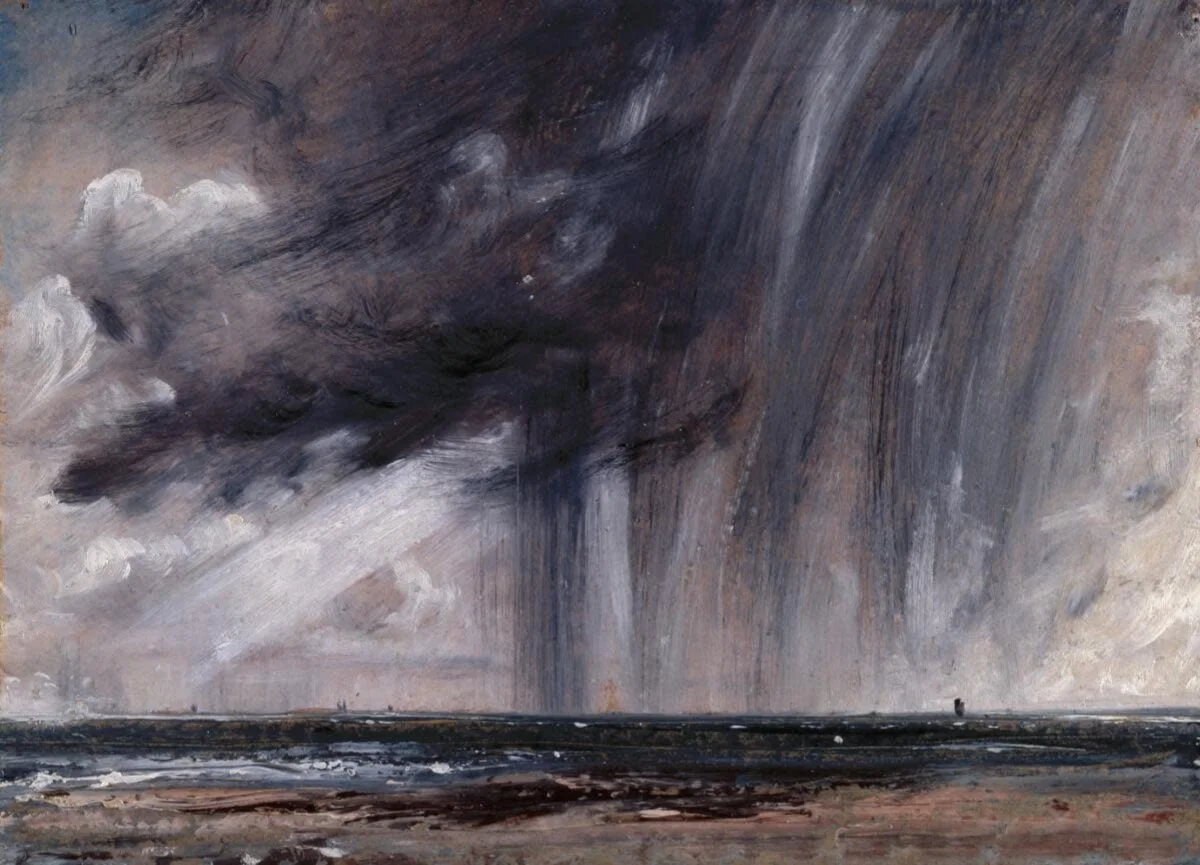
John Constable, “Marine View with Storm Clouds - Rain over the Sea - 1827
Constable is so amazing.

End of Session 19
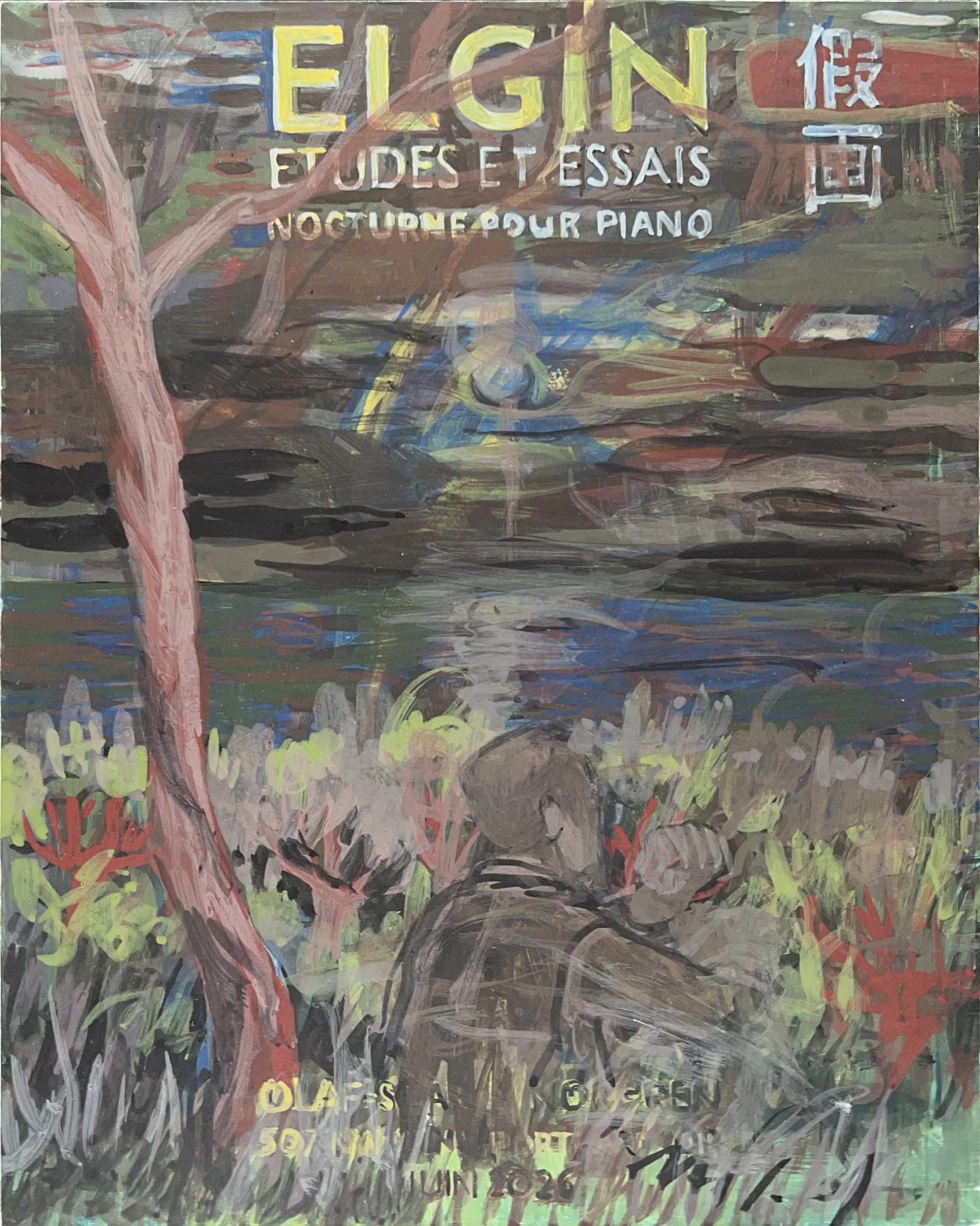
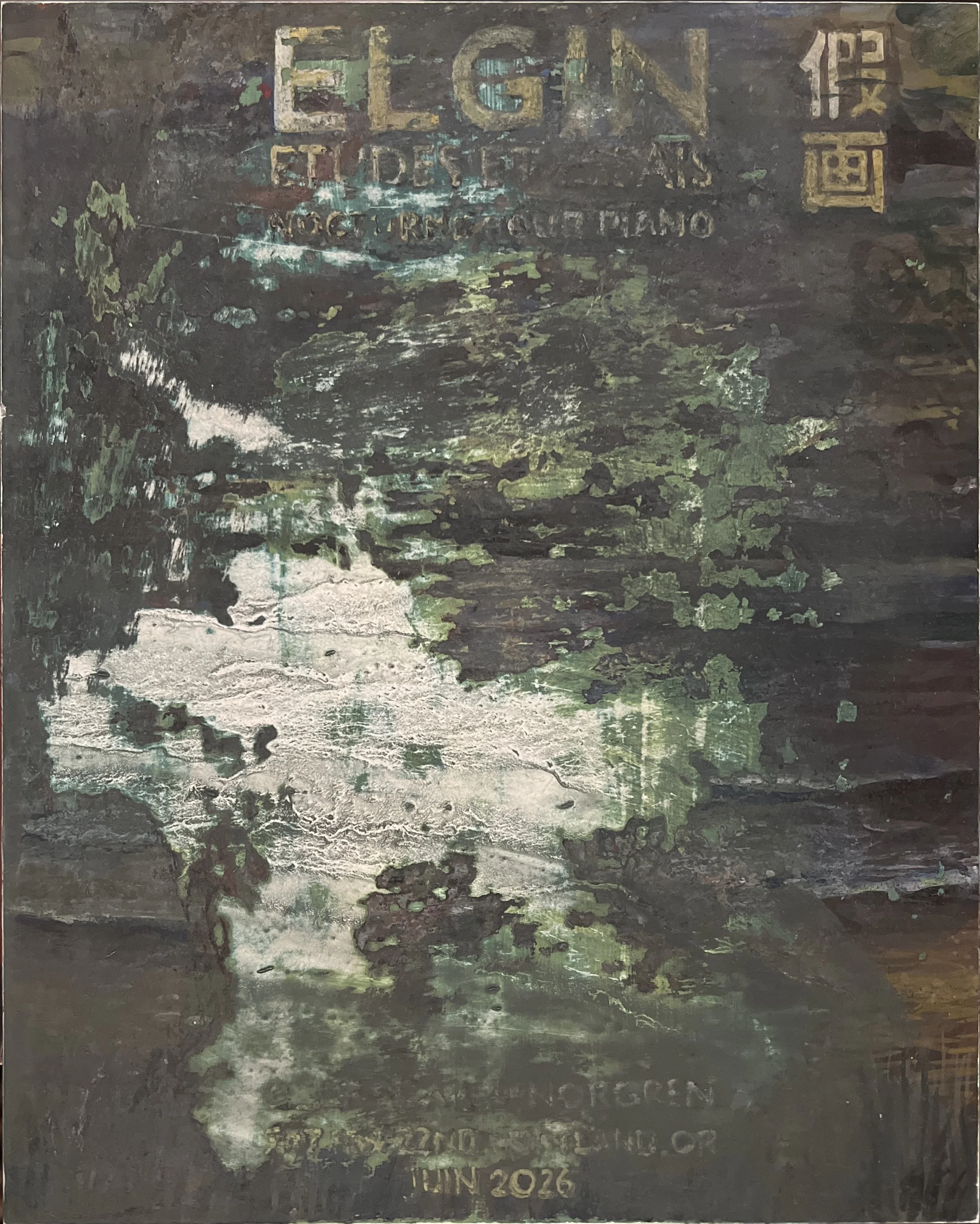
I’m not crushed, but I’m not happy. My paint started to flake. It looked like there was a layer of paint that might have not adhered to the layer below.
This is after I took a pallet knife and my kitchen sink to it.
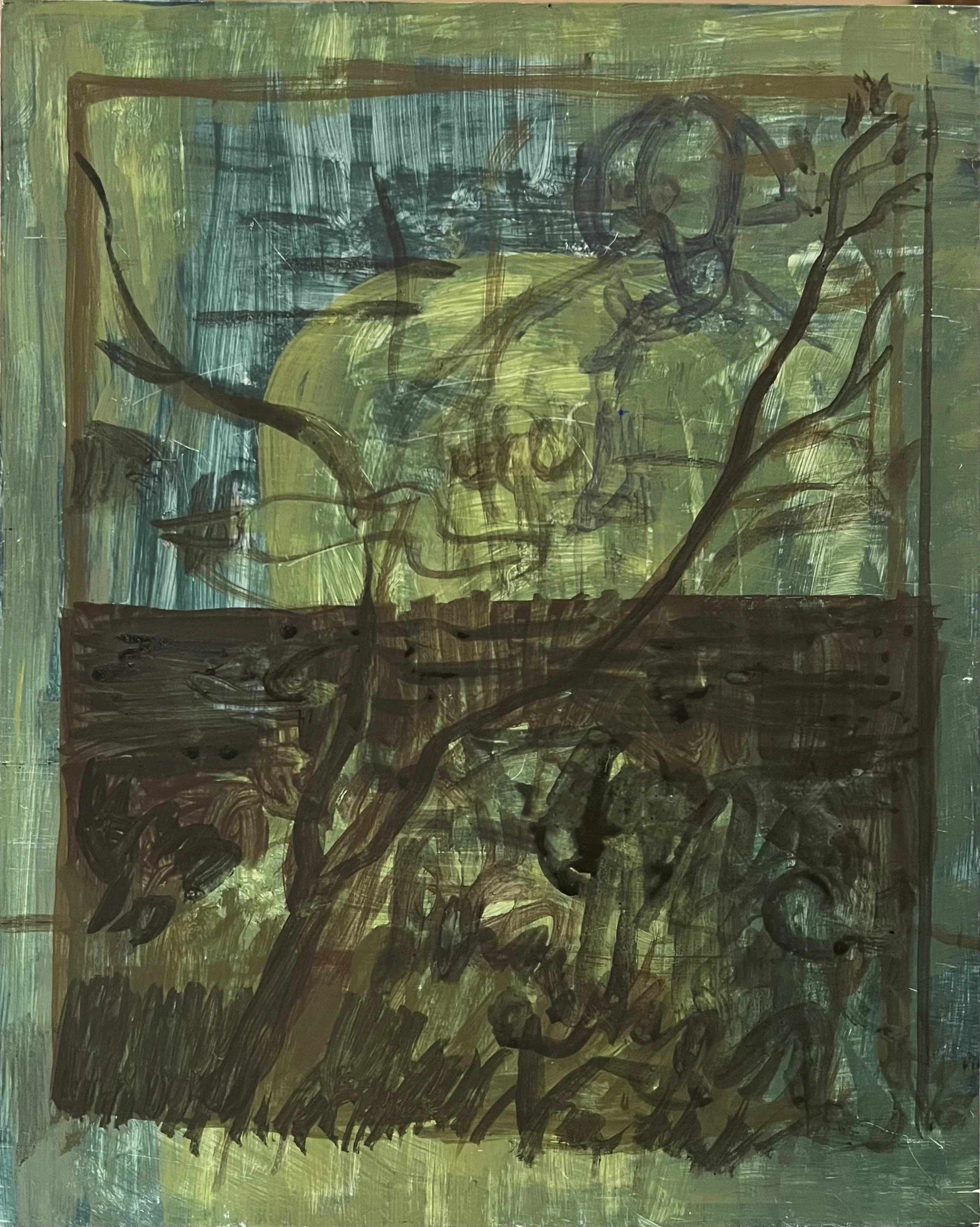
Where did the painting go wrong?
I think the painting might be corrupt at this level. I rarely use a Bone Black pigment. If I remember correctly, I applied it here and thickly.
I have around 80 works started on Ampersand claybords… I’m worried that the flaking will happen again.

New Claybord - End of Session 19
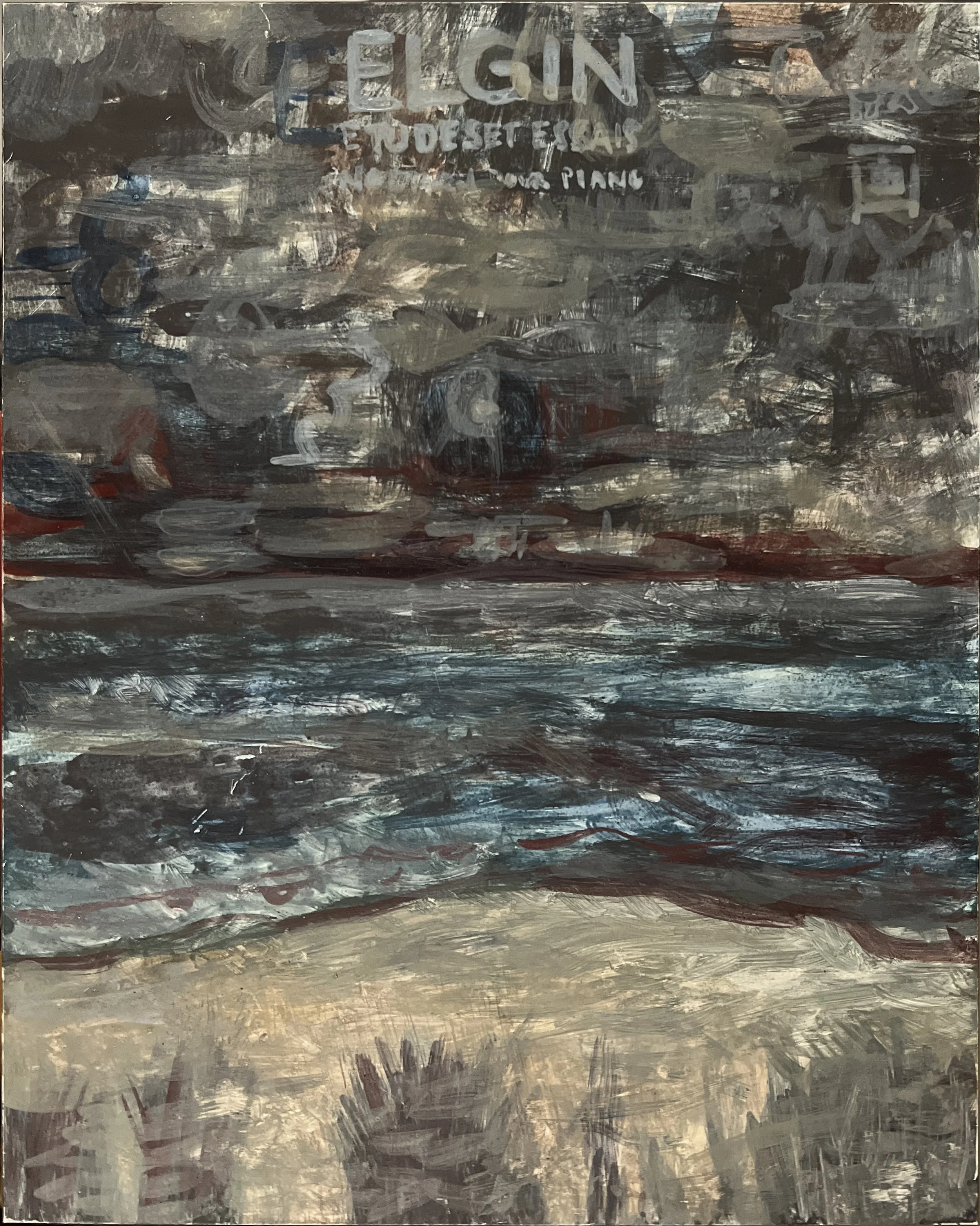
I put a lot of thought into the composition. It’s a simple picture. It’s influenced 95% by another painting. At the same time, I feel like I had gone through the exercise to create something new.
I’m 80% sure that the loss of my initial painting was my fault. So I am going to build back up to where I was on a new Ampersand Claybord.

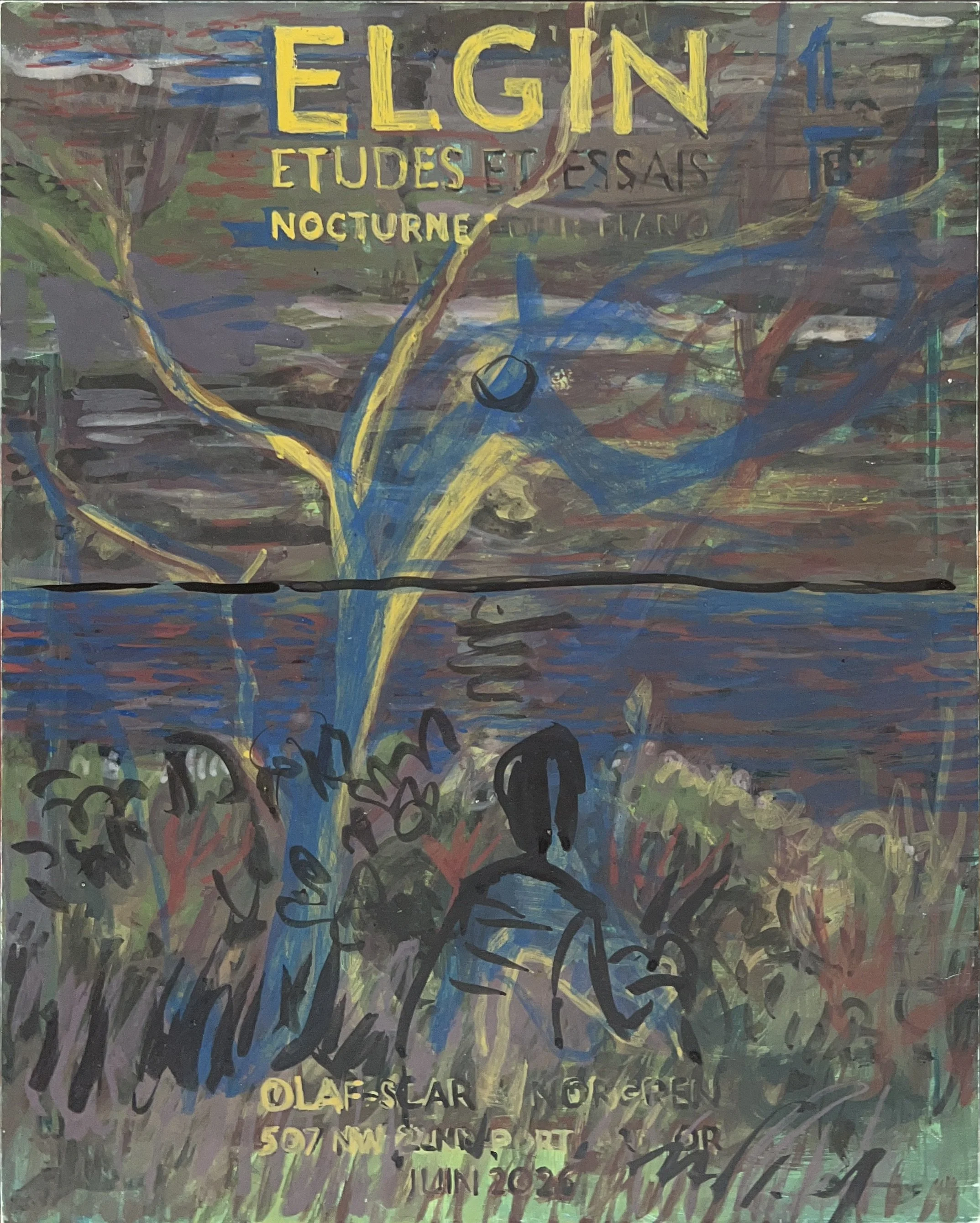
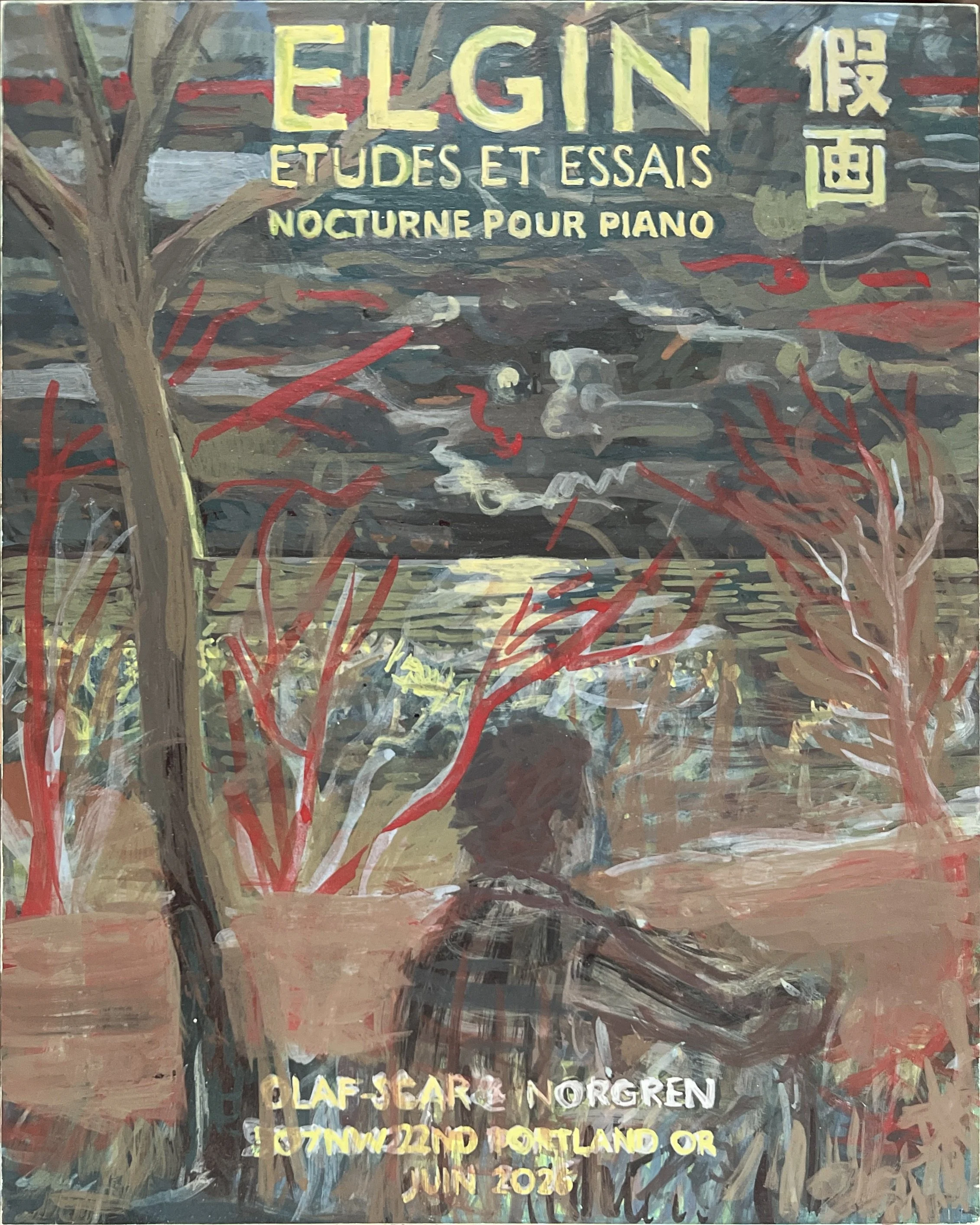
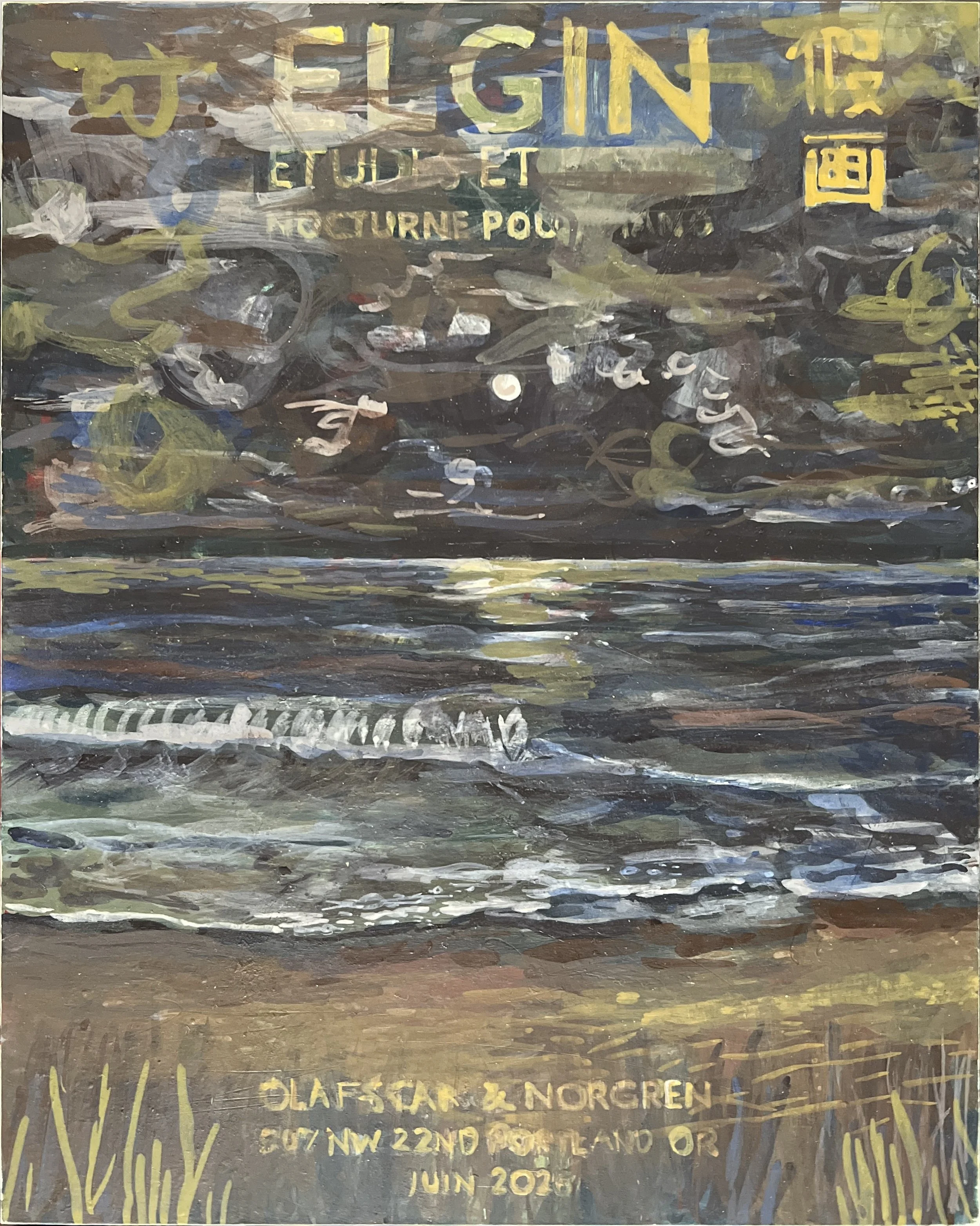
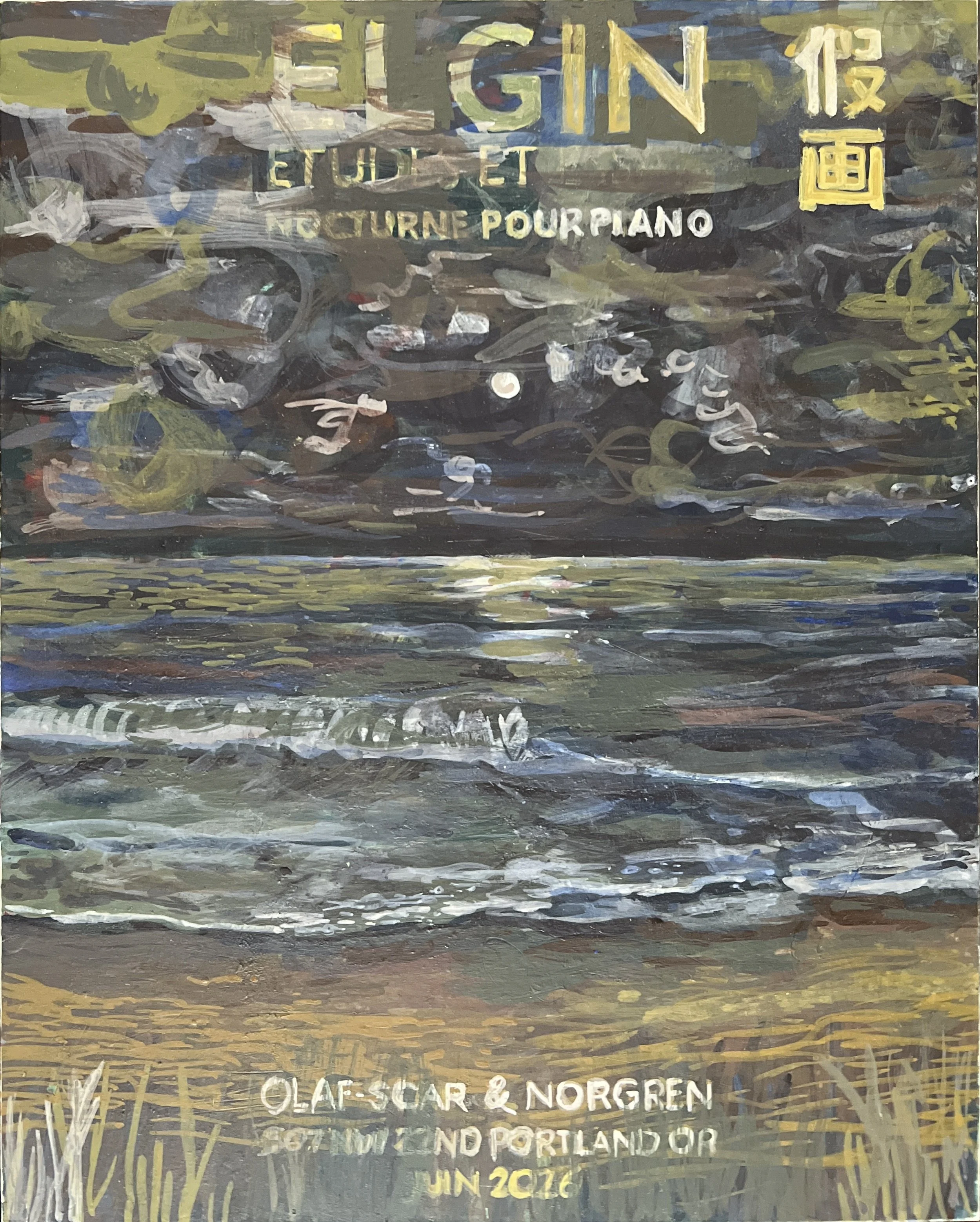
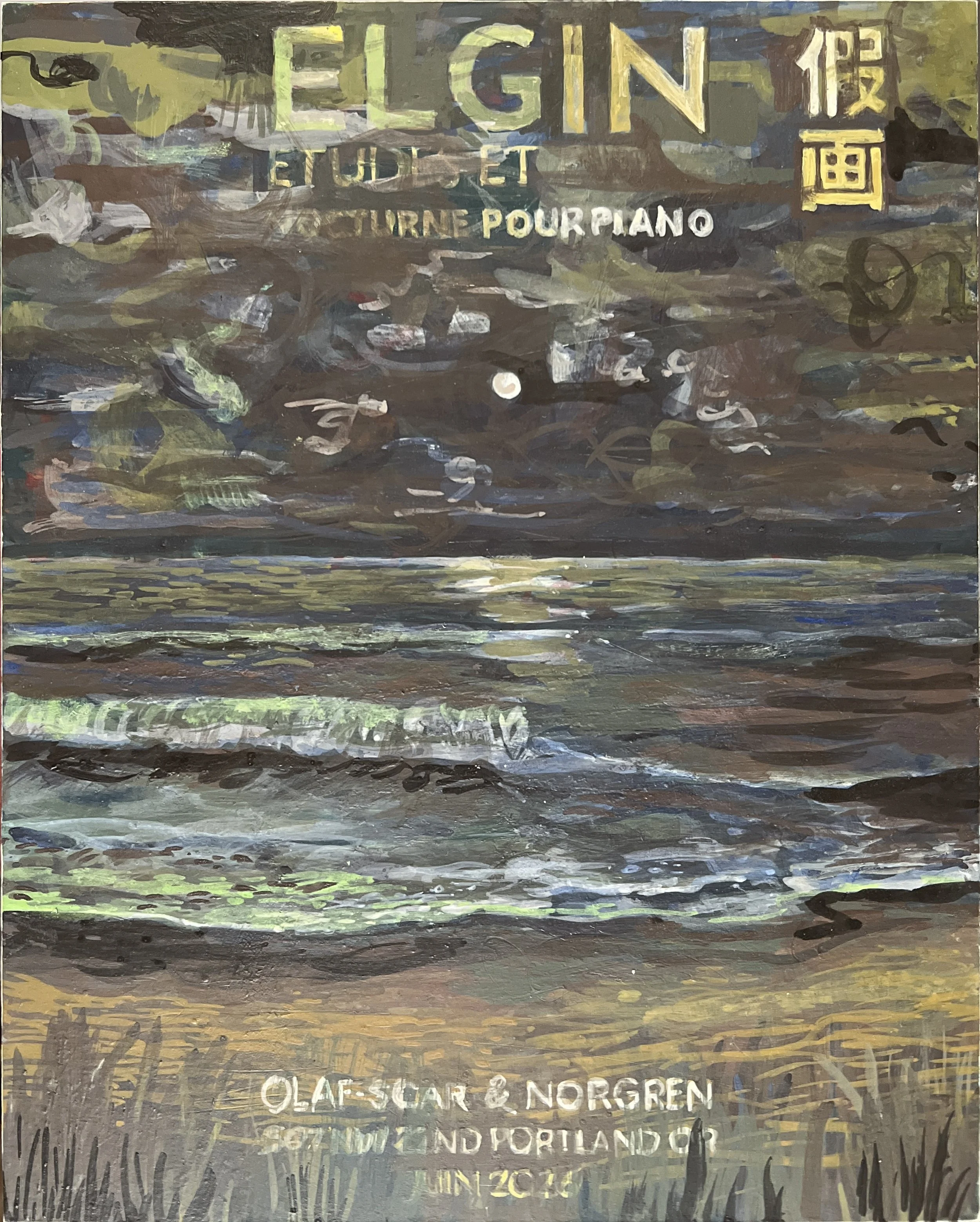
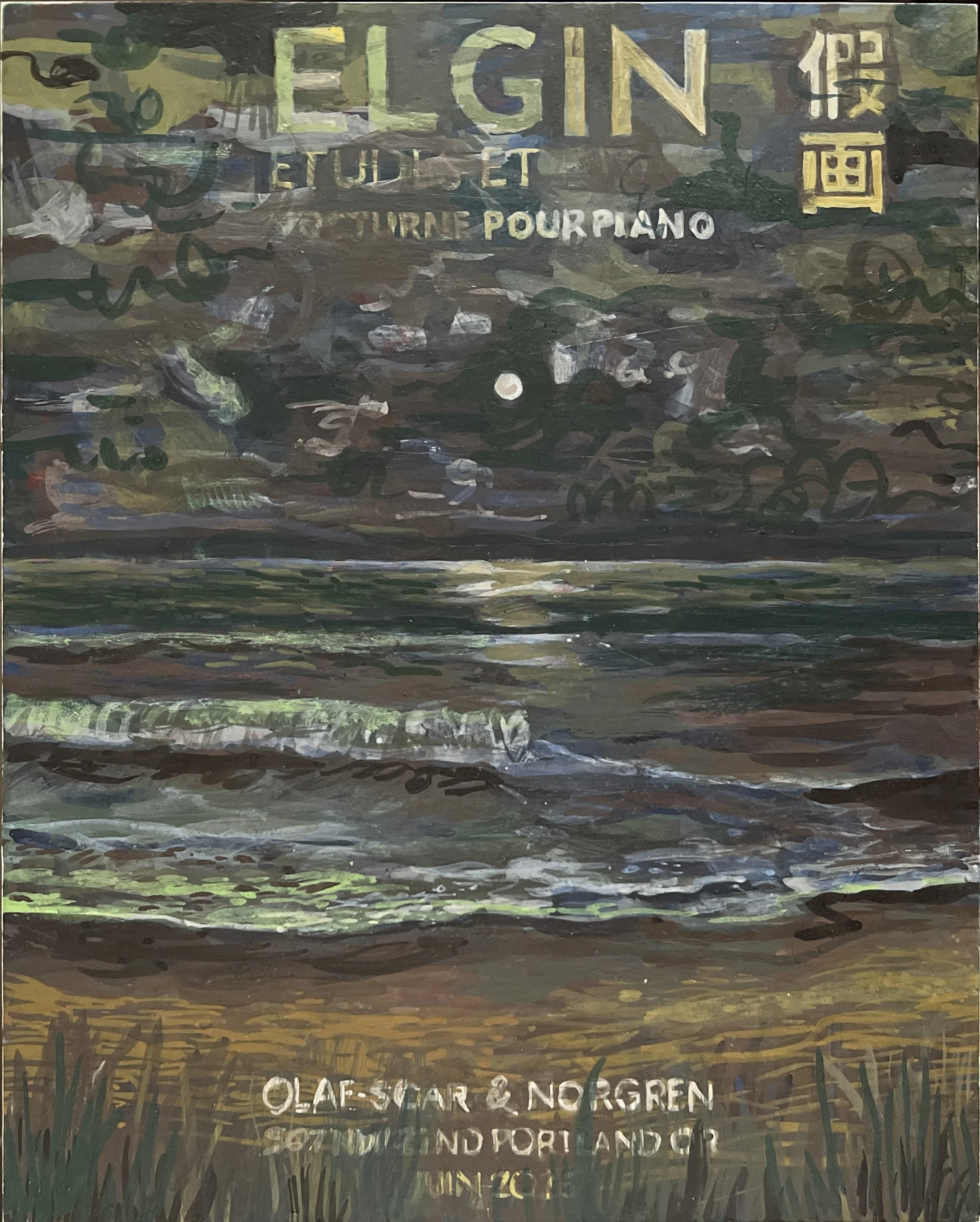
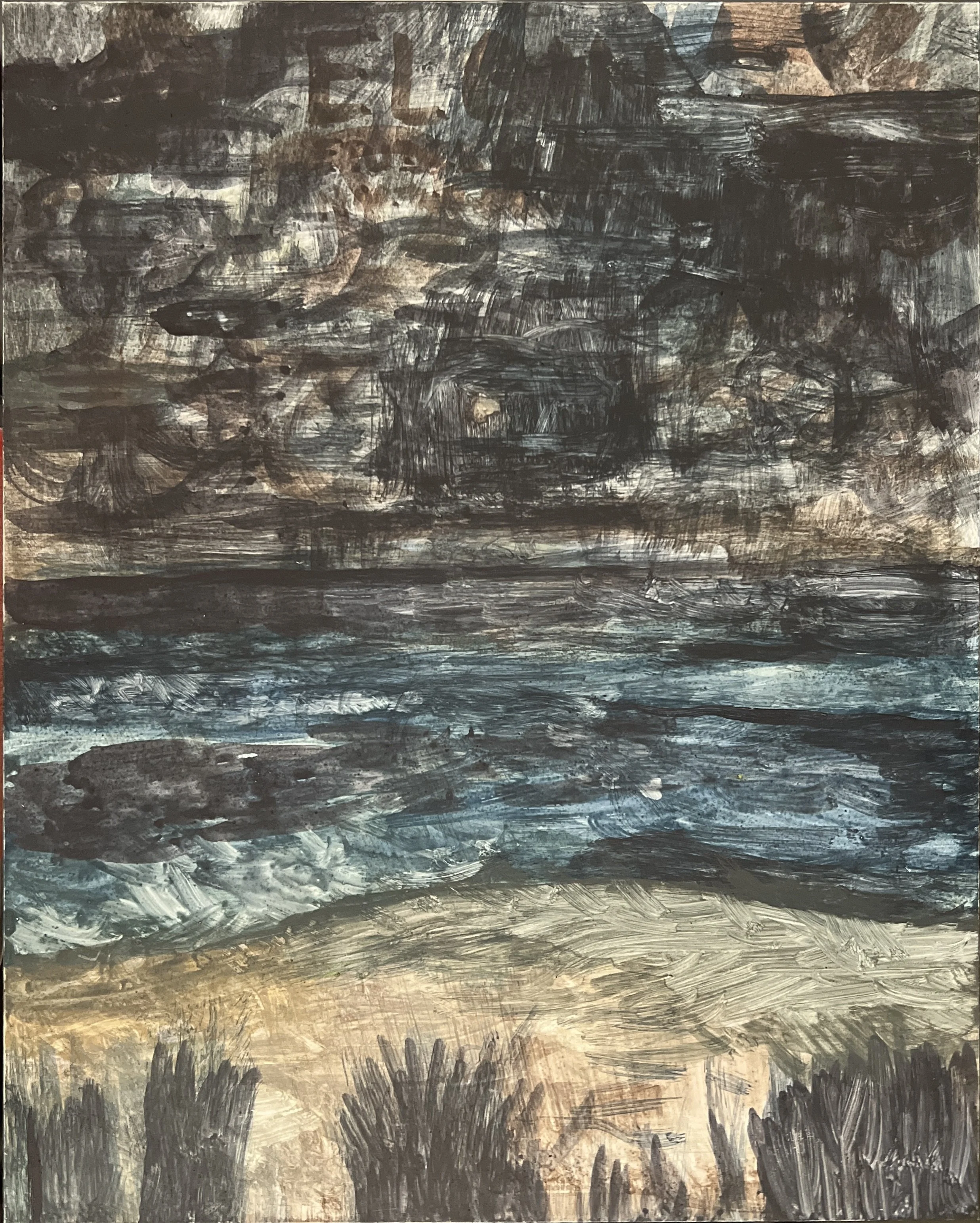
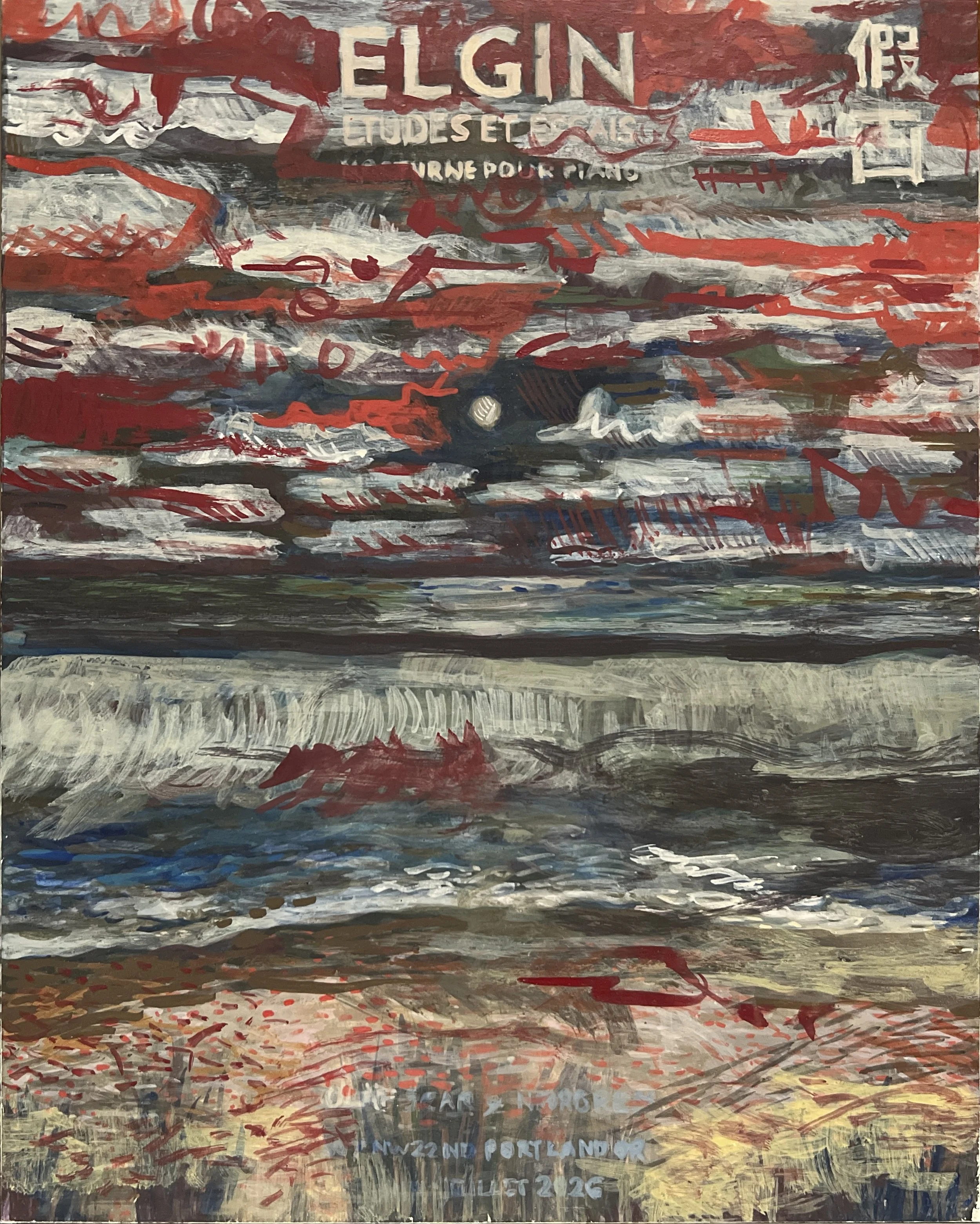
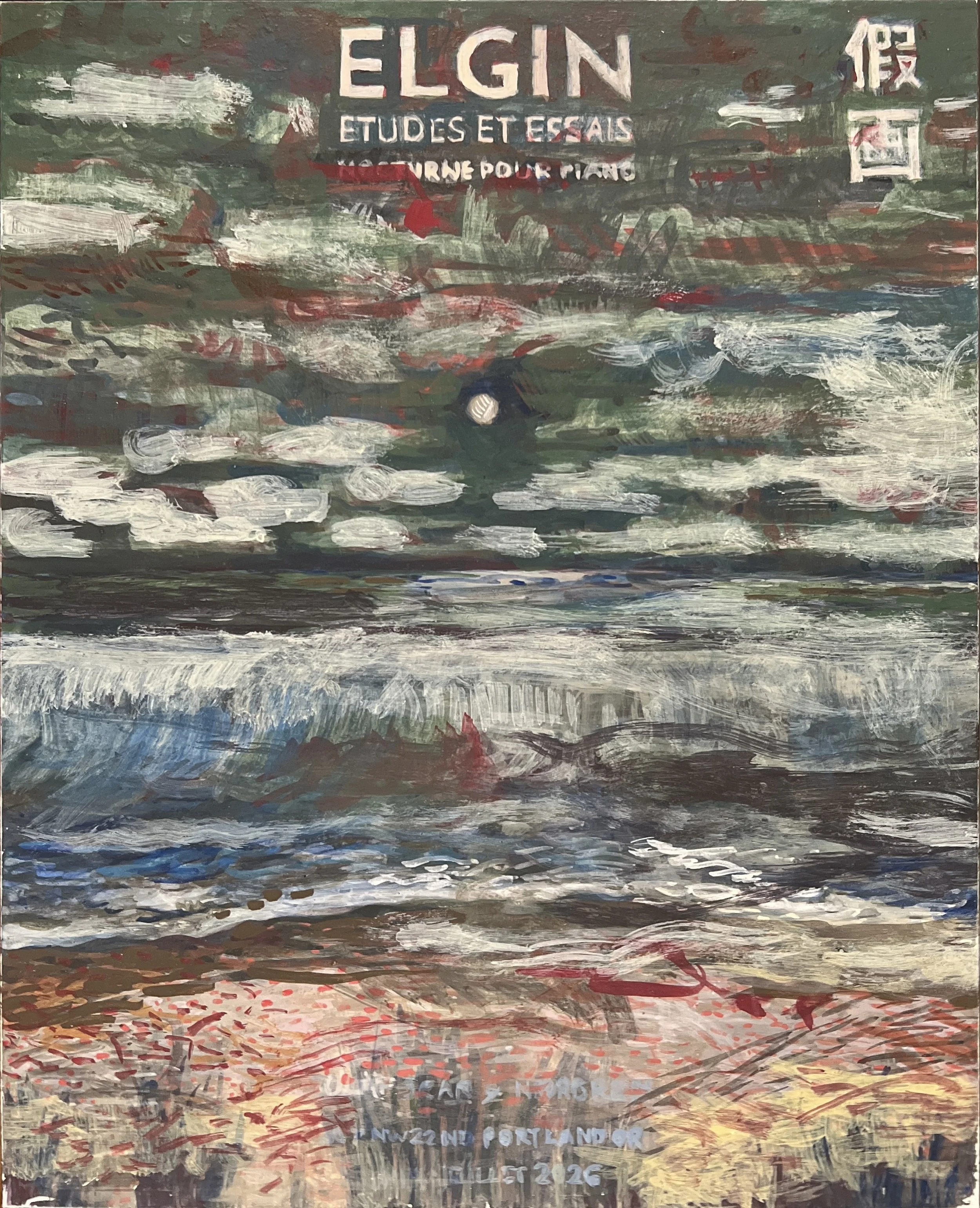
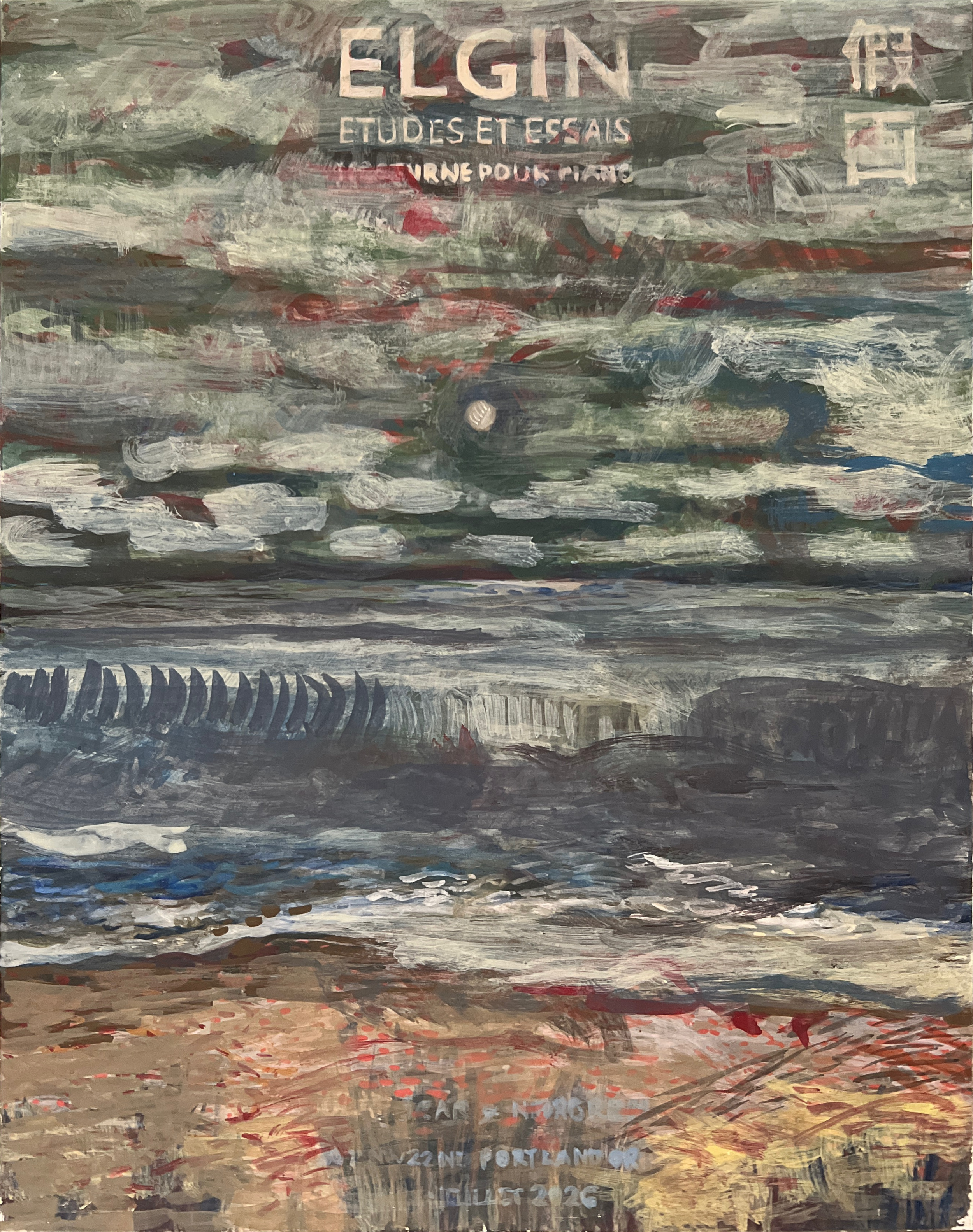
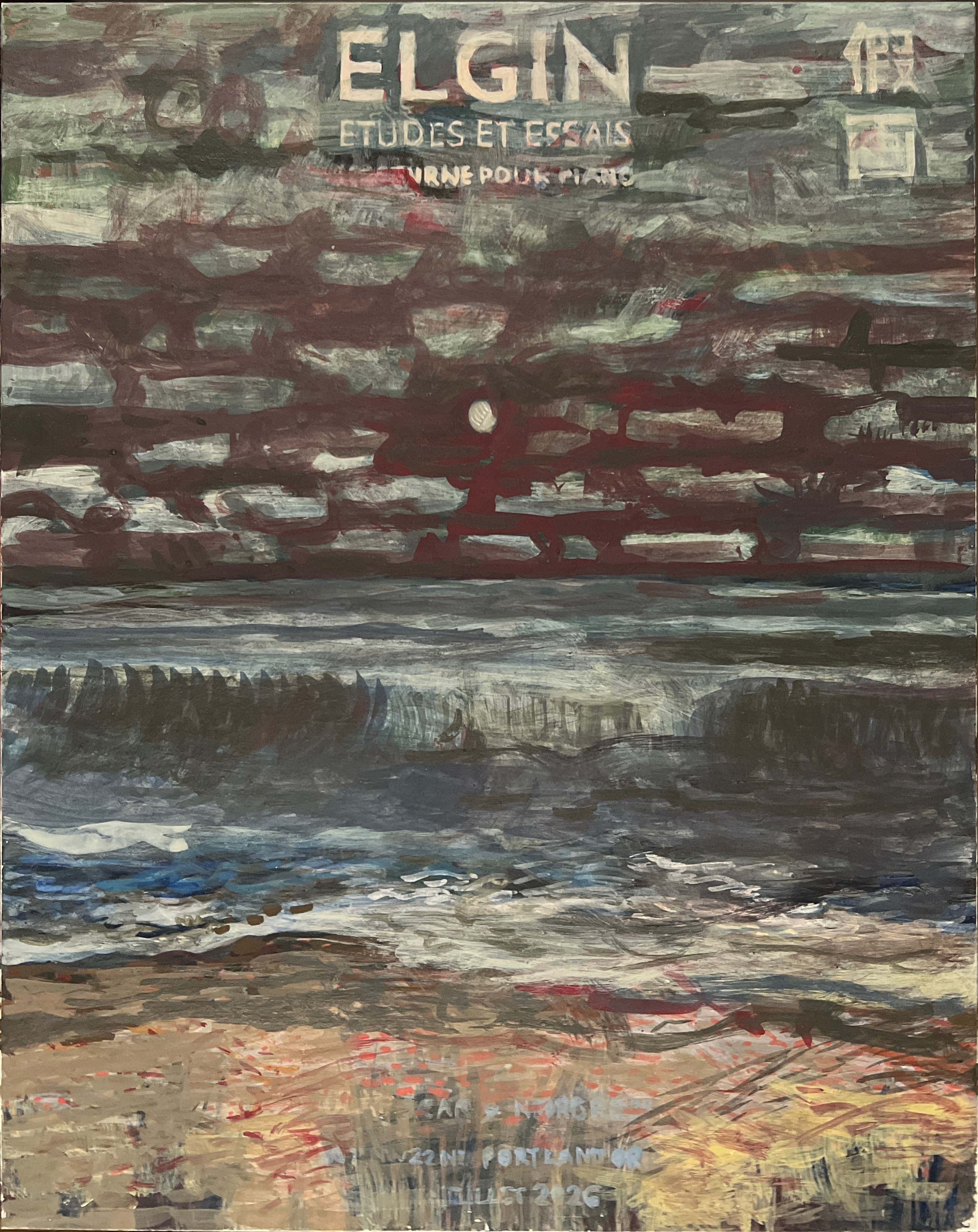
End of Session 34
I feel like I had some good breakthroughs here.
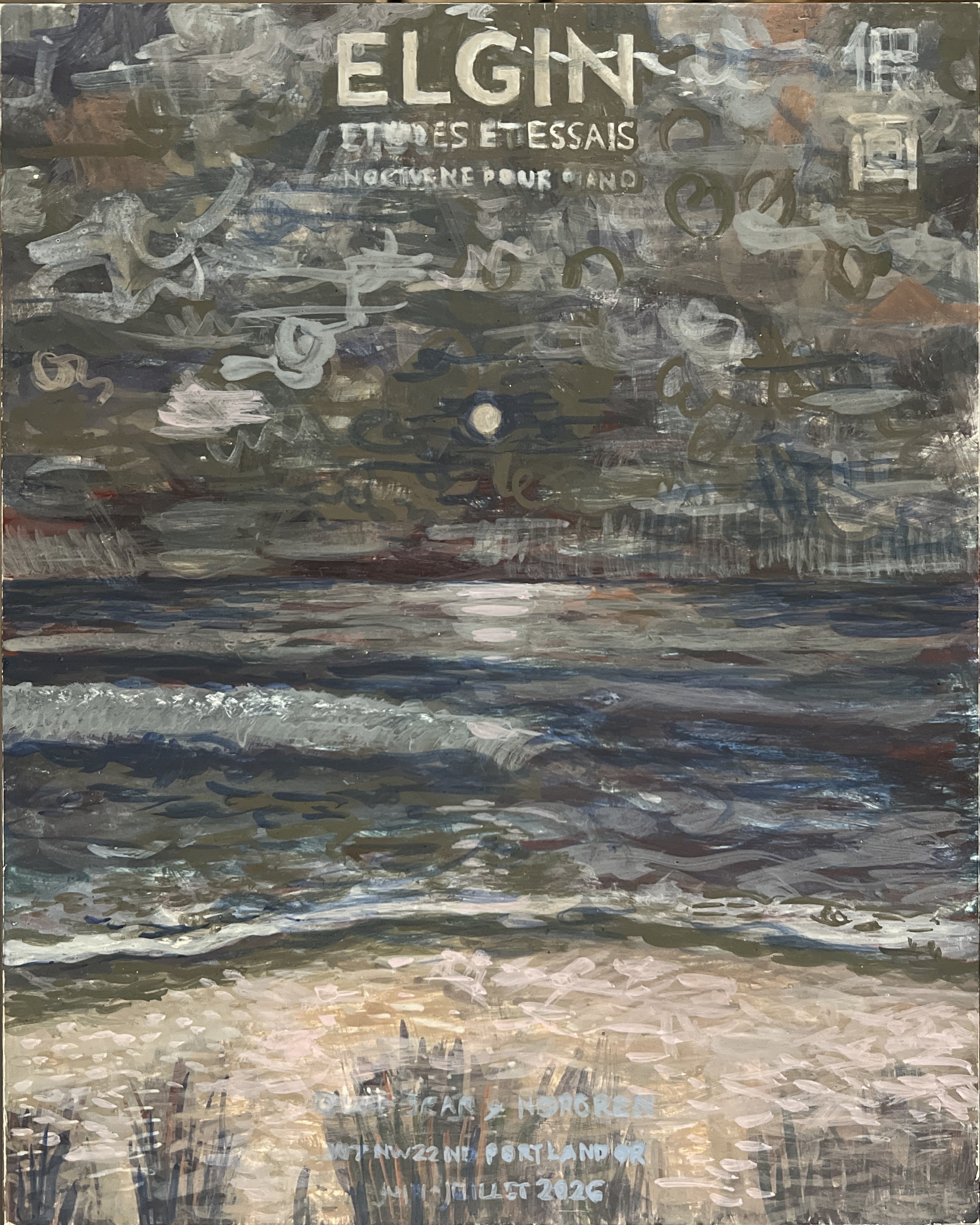
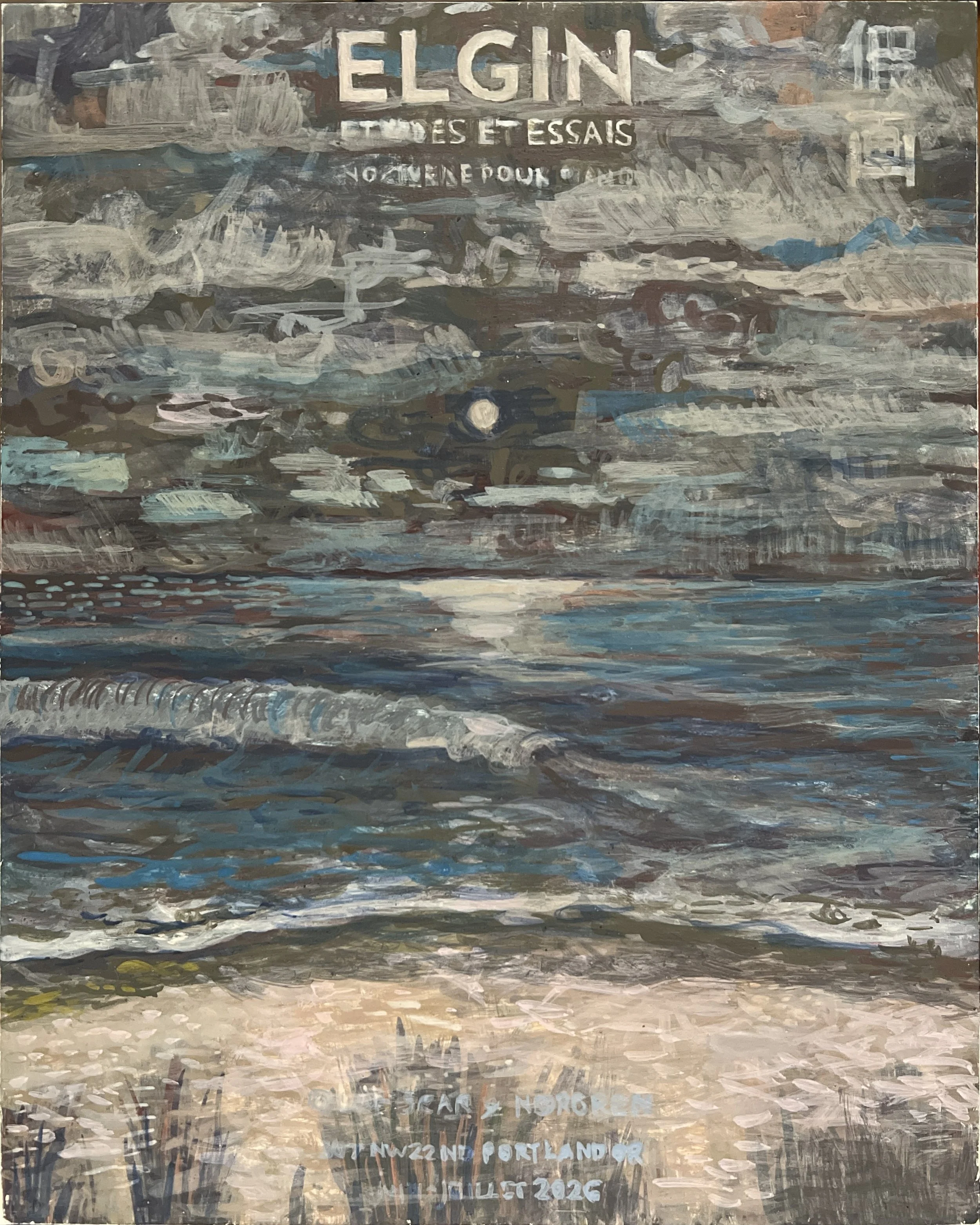
I’m shifting from needing to keep del Deo’s composition structure and adjusting it so that the viewer is basically standing in front of the wave.
I’m also going to explore the landscape color bands across a few paintings starting with this ‘Faux Plein-Air’.
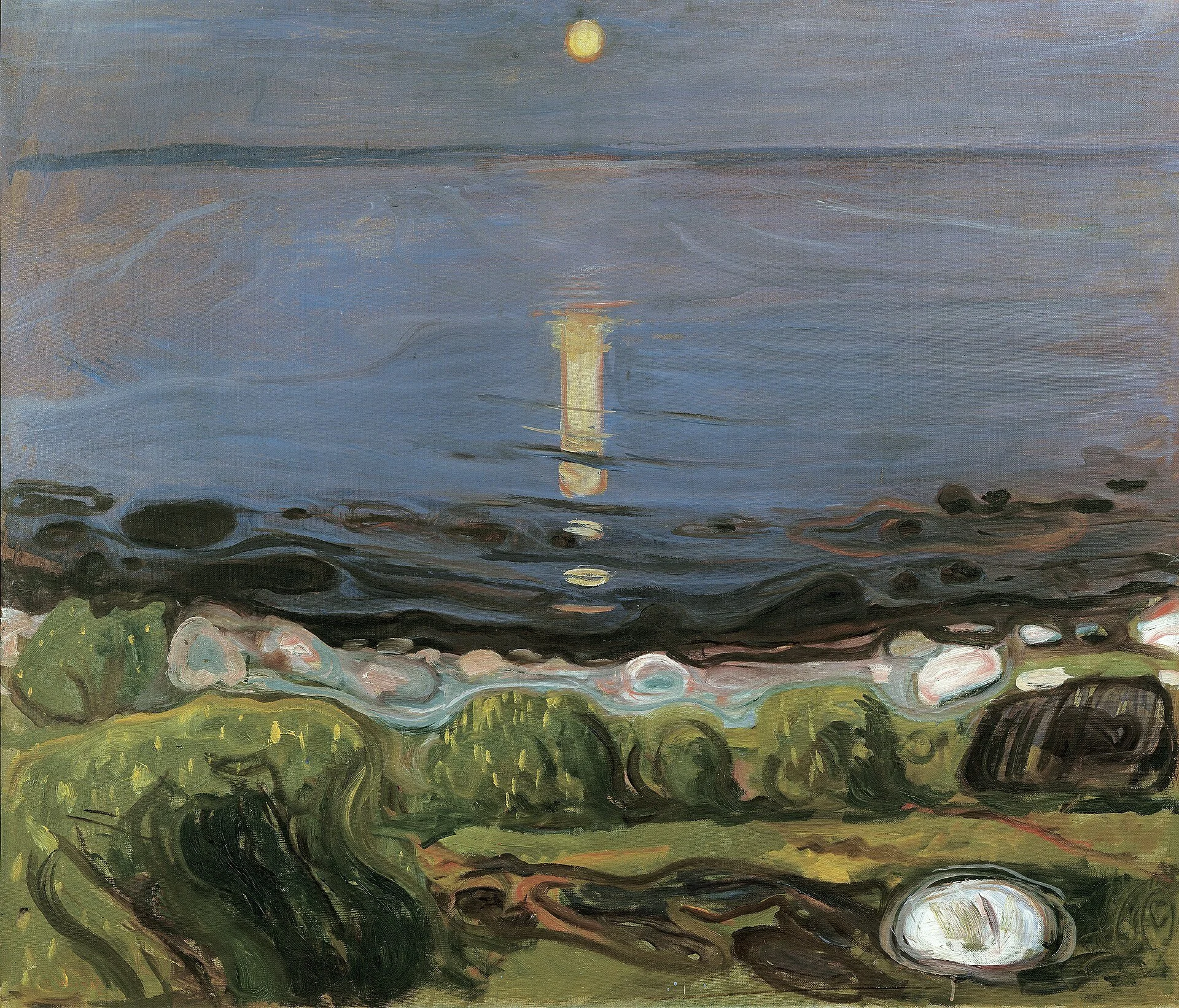
Edvard Munch - ‘Summer Night By The Beach’ 1902
Came across this image by Munch…

Windmill in the Evening Piet Mondrian around 1917
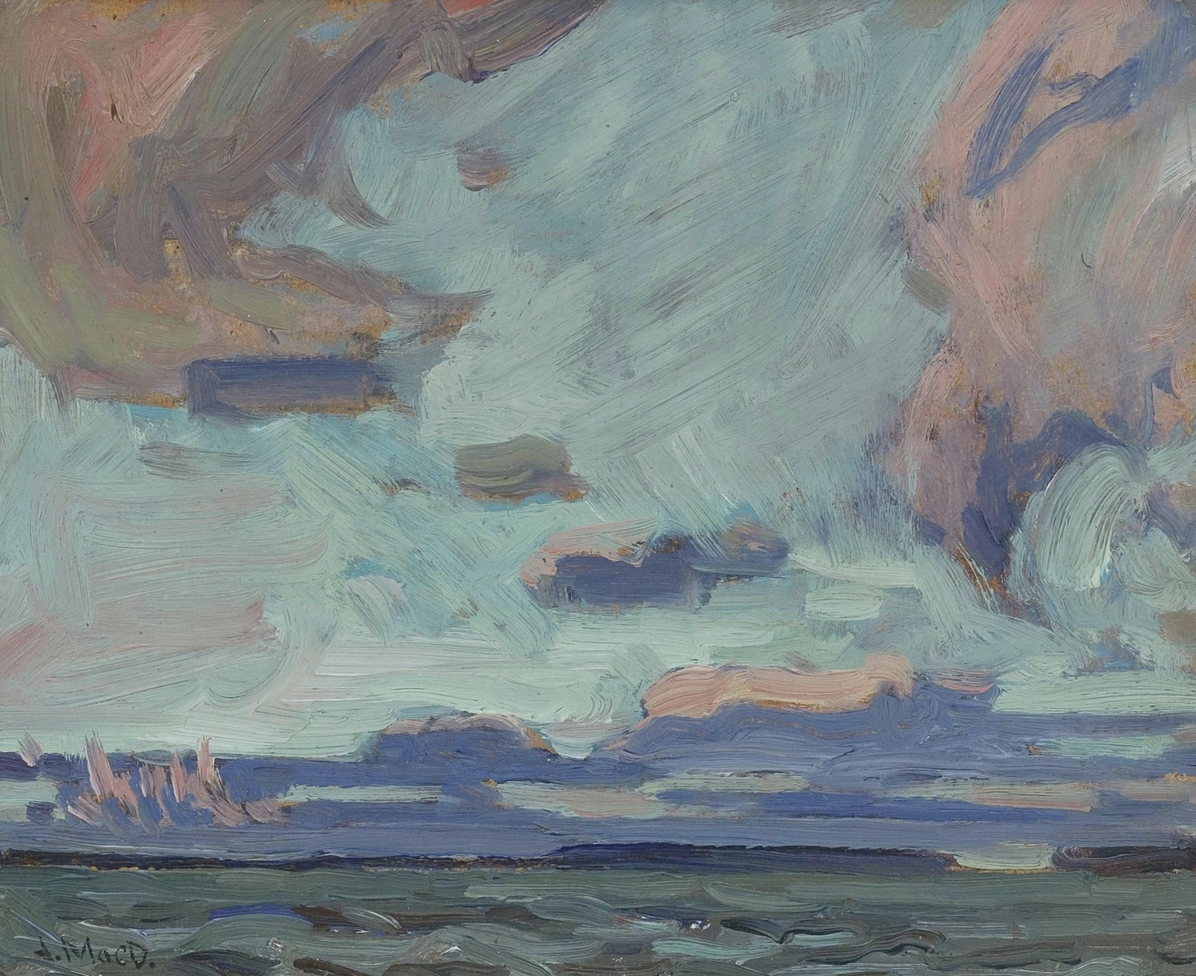
J.E.H. MacDonald, 'Lake Simcoe', c.1920-21

Degas, Beach study
For now, I am interested in continuing the experiment. I like the idea of making paintings that begin with admiration and end in dialogue. Perhaps this will be the first of several works in which I place myself inside the paintings of artists I am looking at closely, not to imitate them, but to see what happens when a viewer steps into the picture.
For the images below: I recommend clicking on one, then using the (forward/backward) buttons to scroll through them.
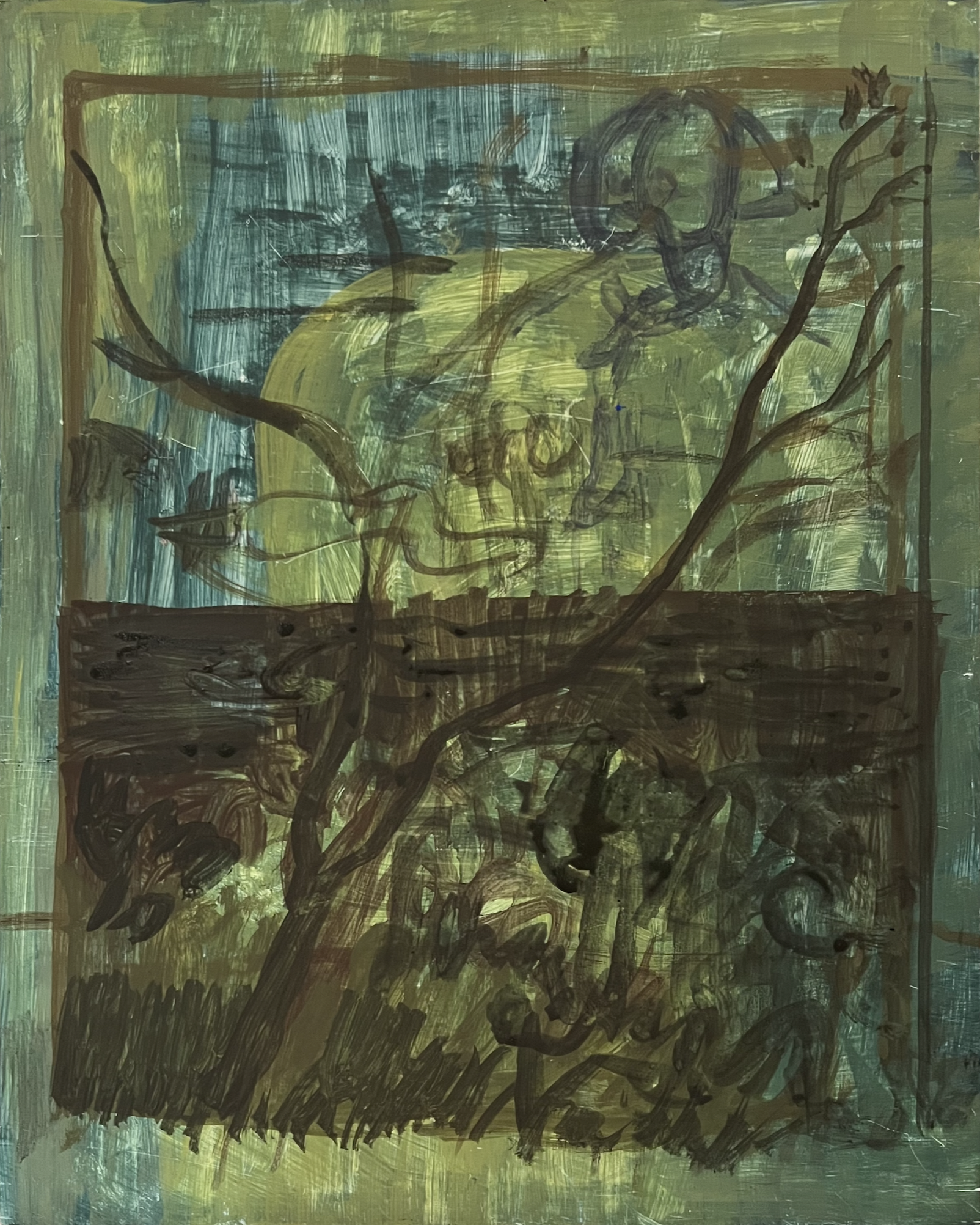
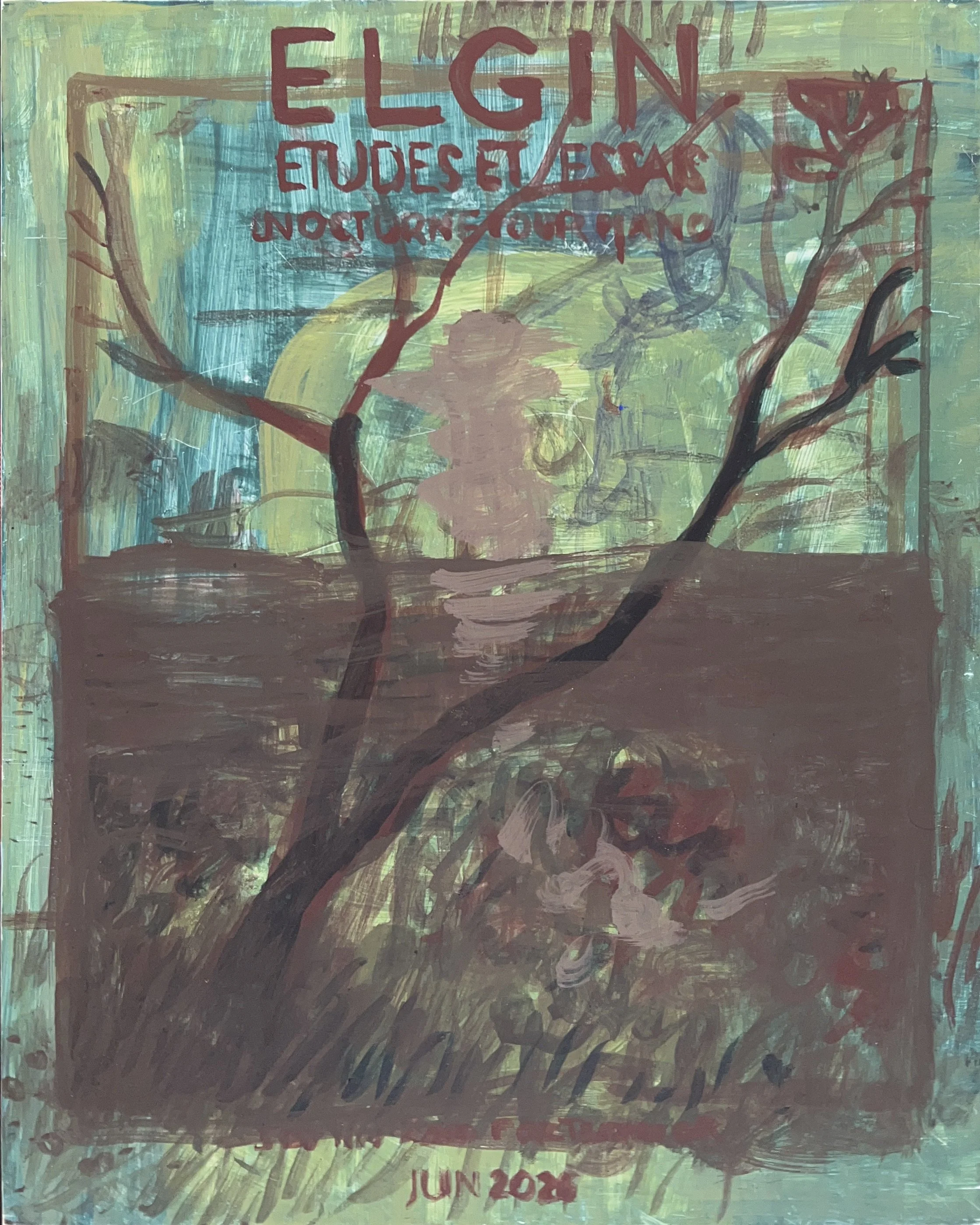
Notes:
If you are wanting more information about the text, I wrote about it in detail as part of ‘Objets Et Etranges #1’.